

![KEMAGNETAN | FISDAS 2 | FISIKA DASAR ITU MUDAH [Nasywa Adila]](https://i.ytimg.com/vi/6TZ9r6PWIDc/sddefault.jpg)










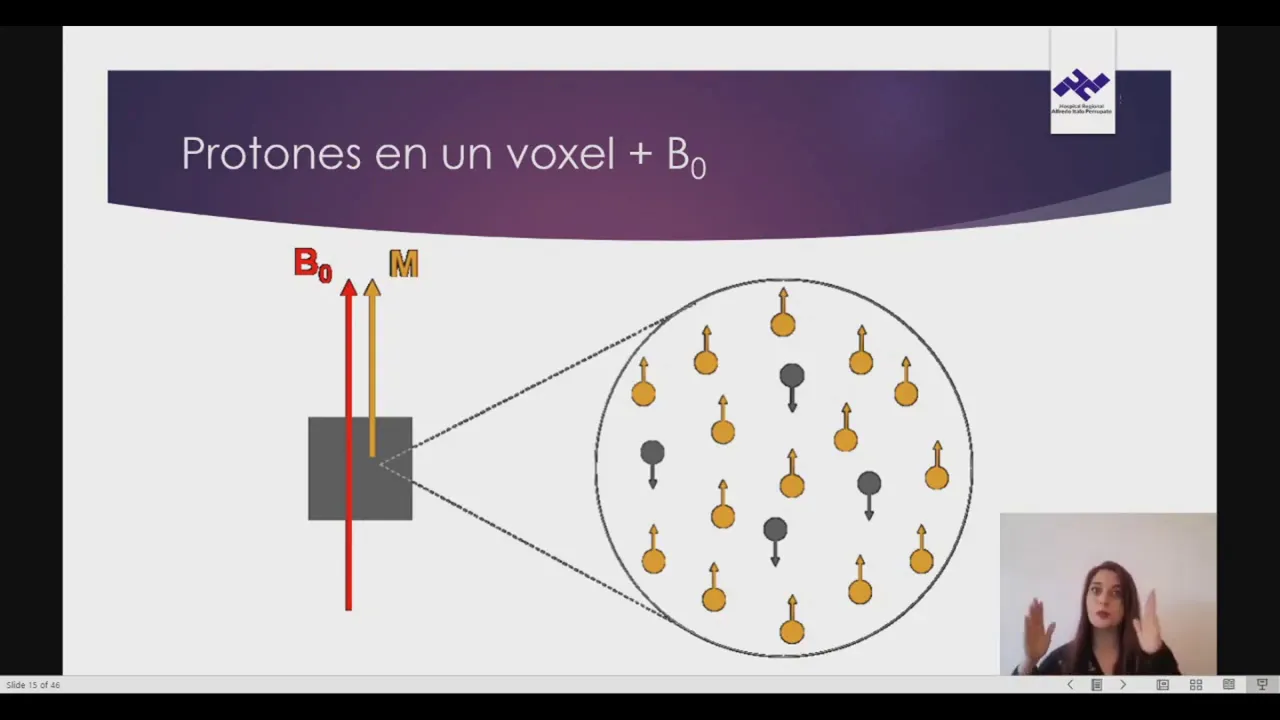
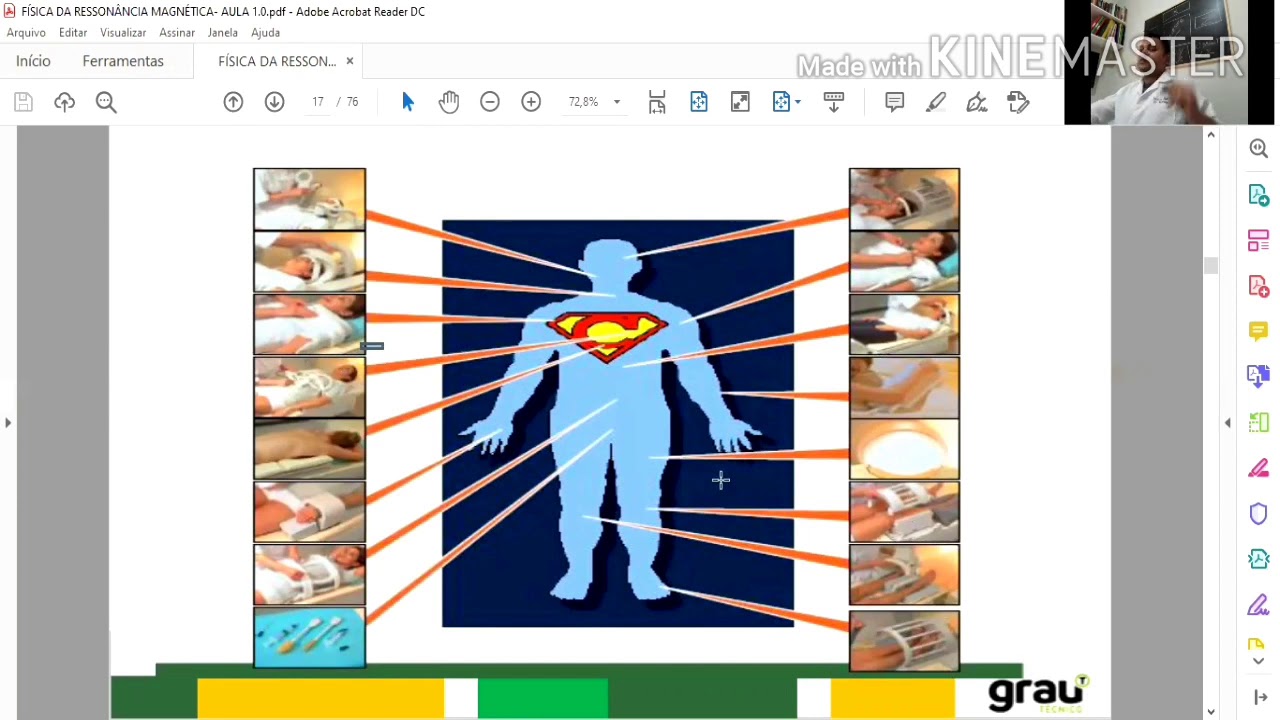

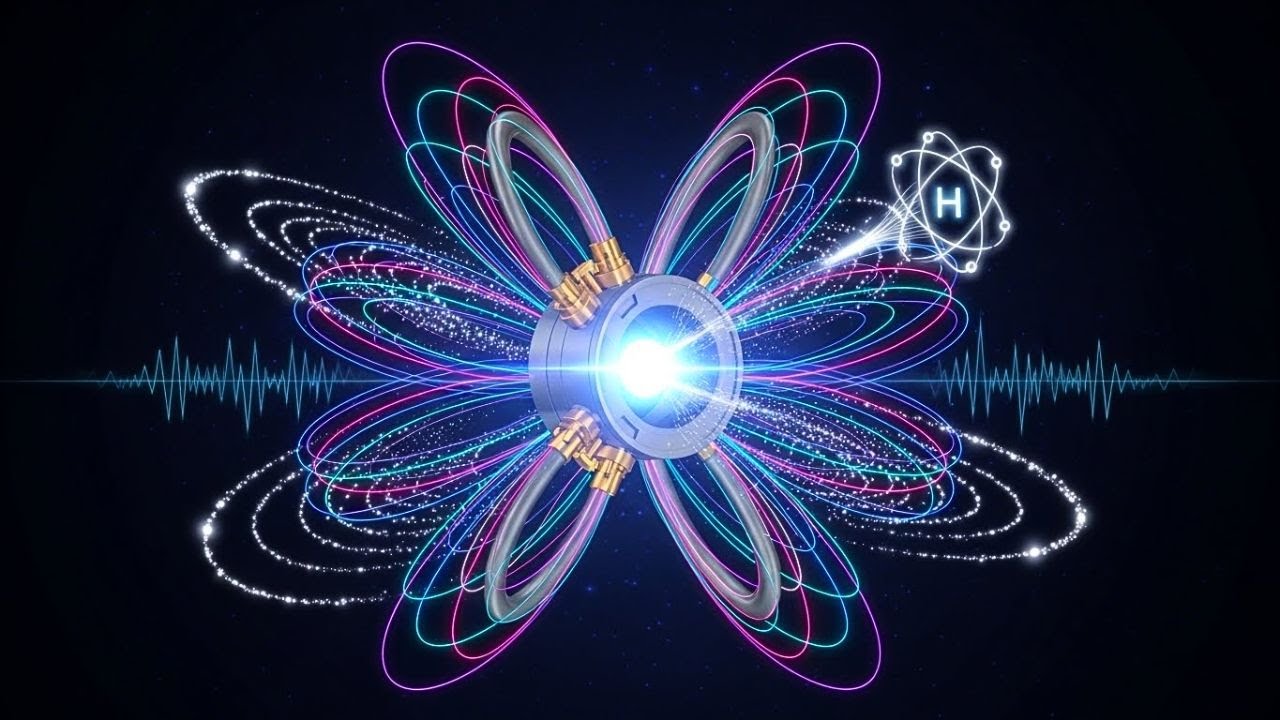

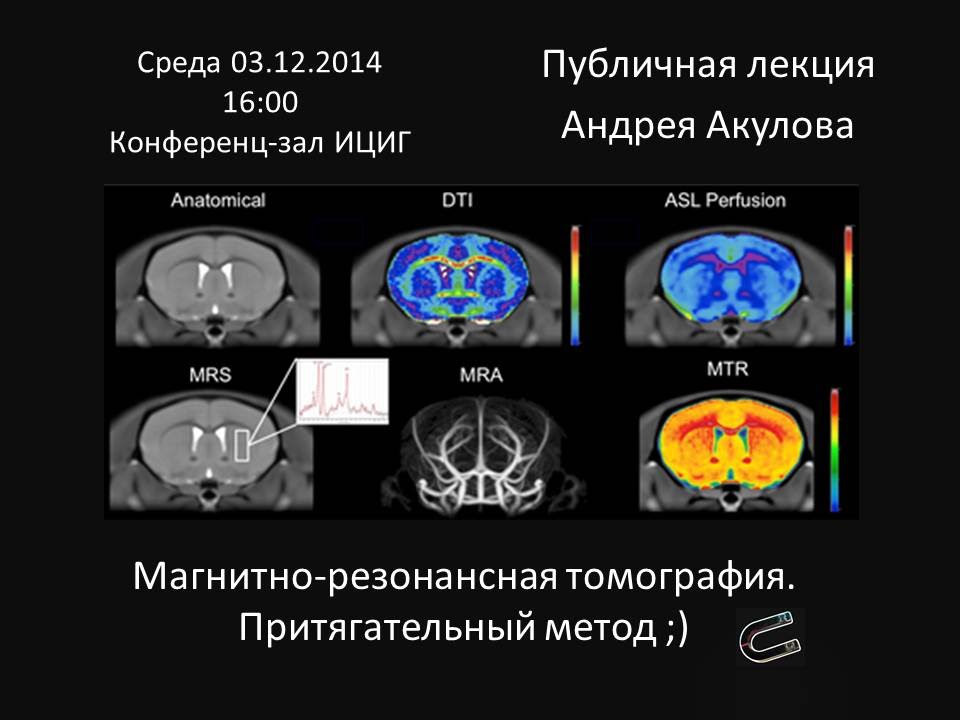

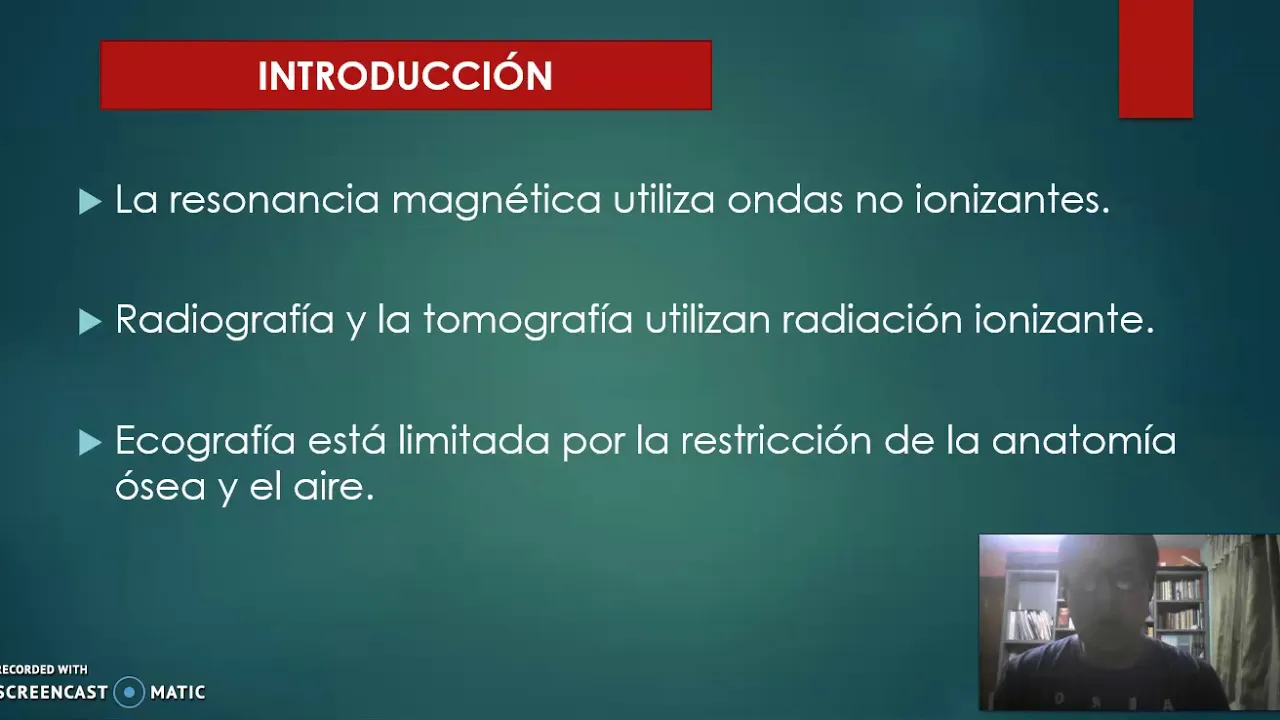


MRI (Magnetic Resonance Imaging) works by using powerful magnets (measured in Tesla units, typically 1.5-3T in hospitals) and radio waves to detect water molecules in the body; since human bodies are mostly water, hydrogen atoms within water molecules act as tiny magnets that align with the strong magnetic field, and when disrupted by a radiofrequency pulse, they release energy that is captured by coils and processed into detailed images showing different tissue types based on their unique energy emission patterns.
How MRI Works: Magnetic Resonance Imaging Explained Simply
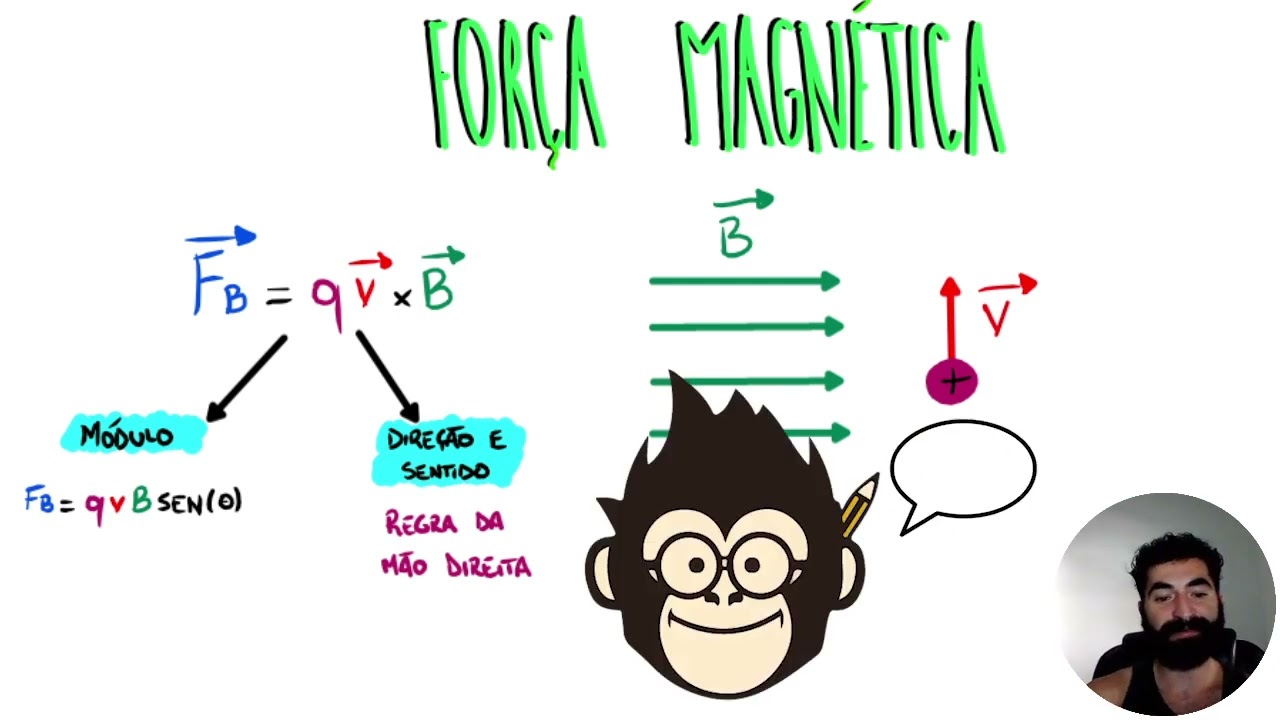
Added:Basic principles of magnetism, including magnetic fields, magnetic poles, and electromagnetism.
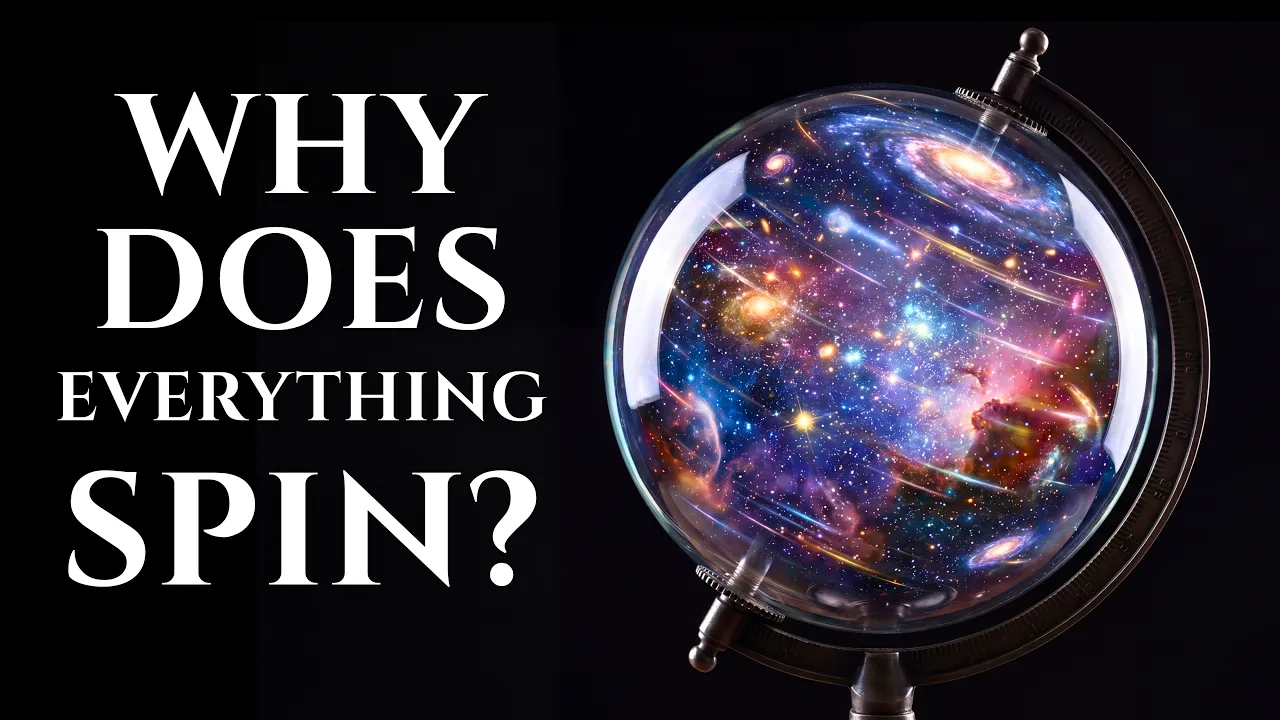
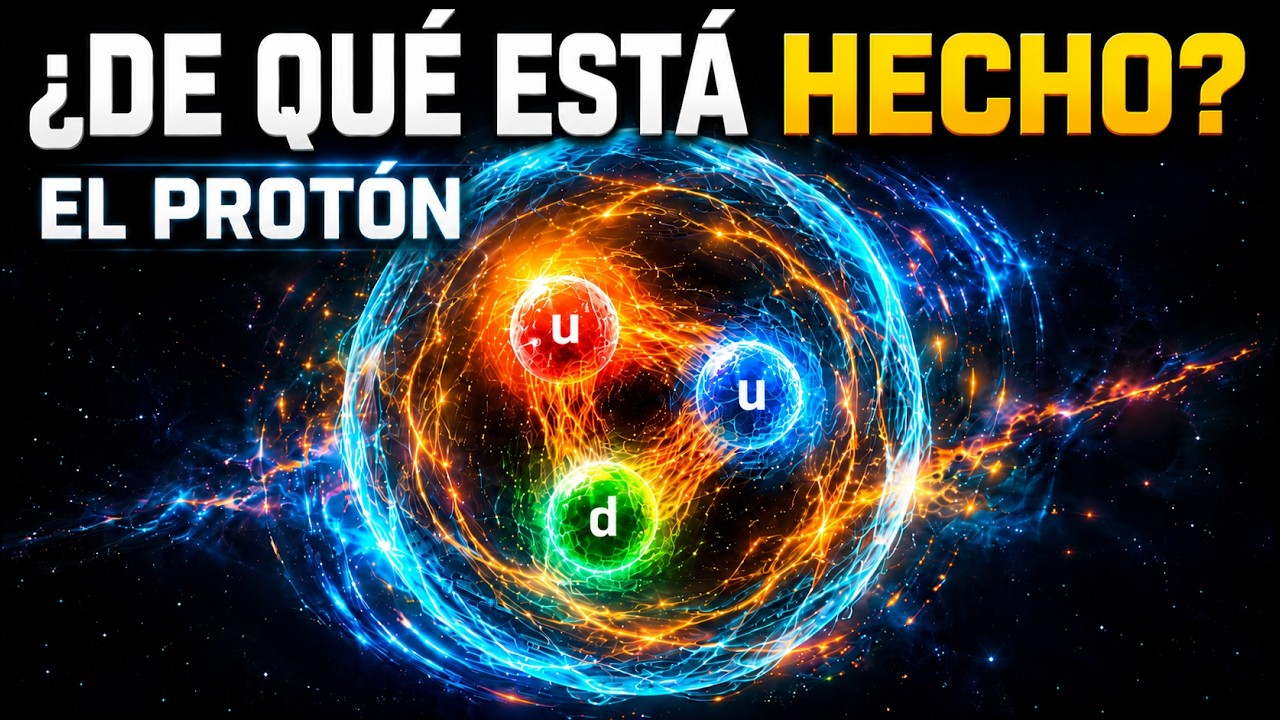
The basic atomic structure of the human body, particularly the properties of hydrogen atoms (protons) and their inherent quantum spin.
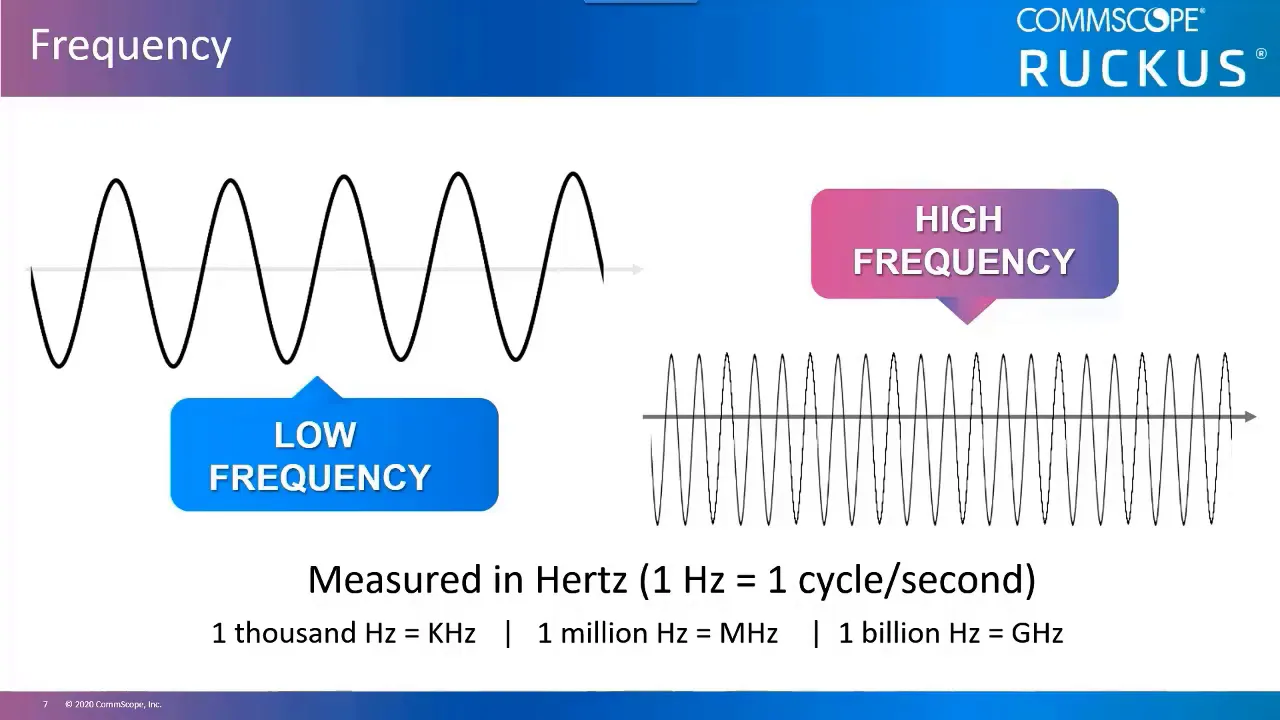
The fundamentals of the electromagnetic spectrum, specifically focusing on the properties of radiofrequency (RF) waves.
The physical concept of resonance, where a system oscillates at maximum amplitude at specific frequencies.
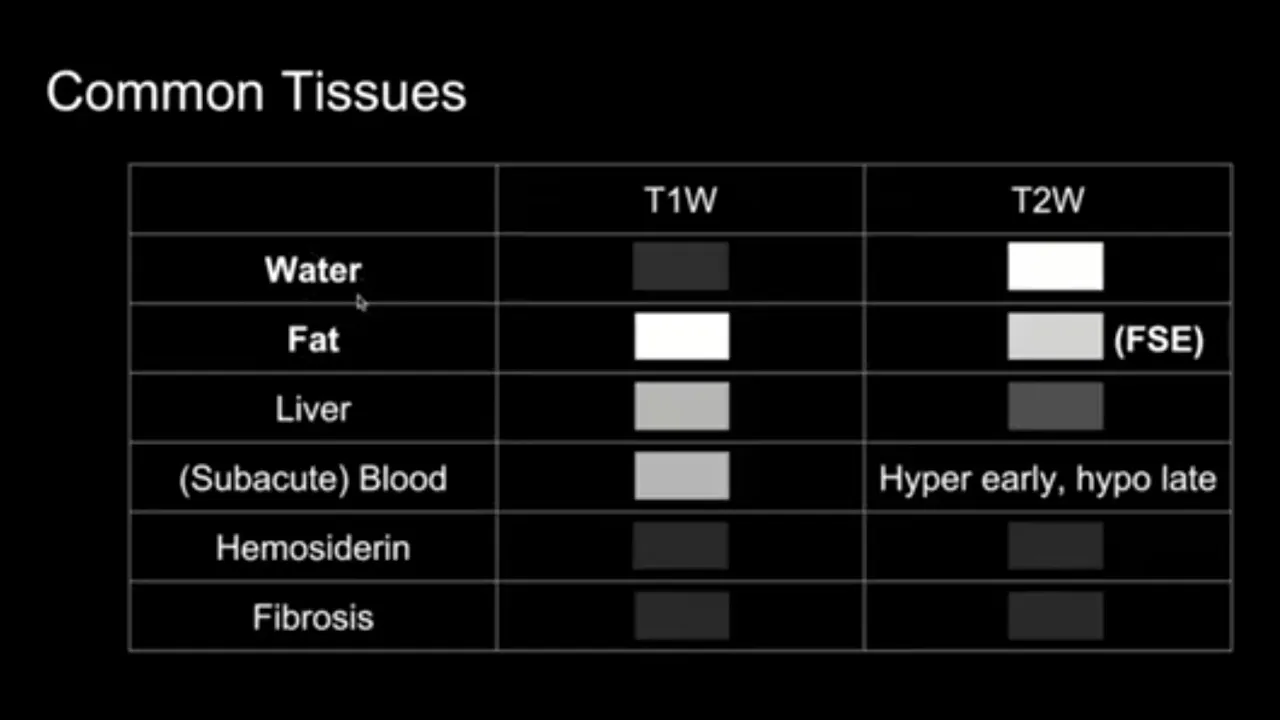
The distinction between T1 and T2 relaxation times and how they are utilized to differentiate between various tissue types.
The function of gradient coils in spatial encoding, which allows the MRI machine to determine where signals originate in 3D space.
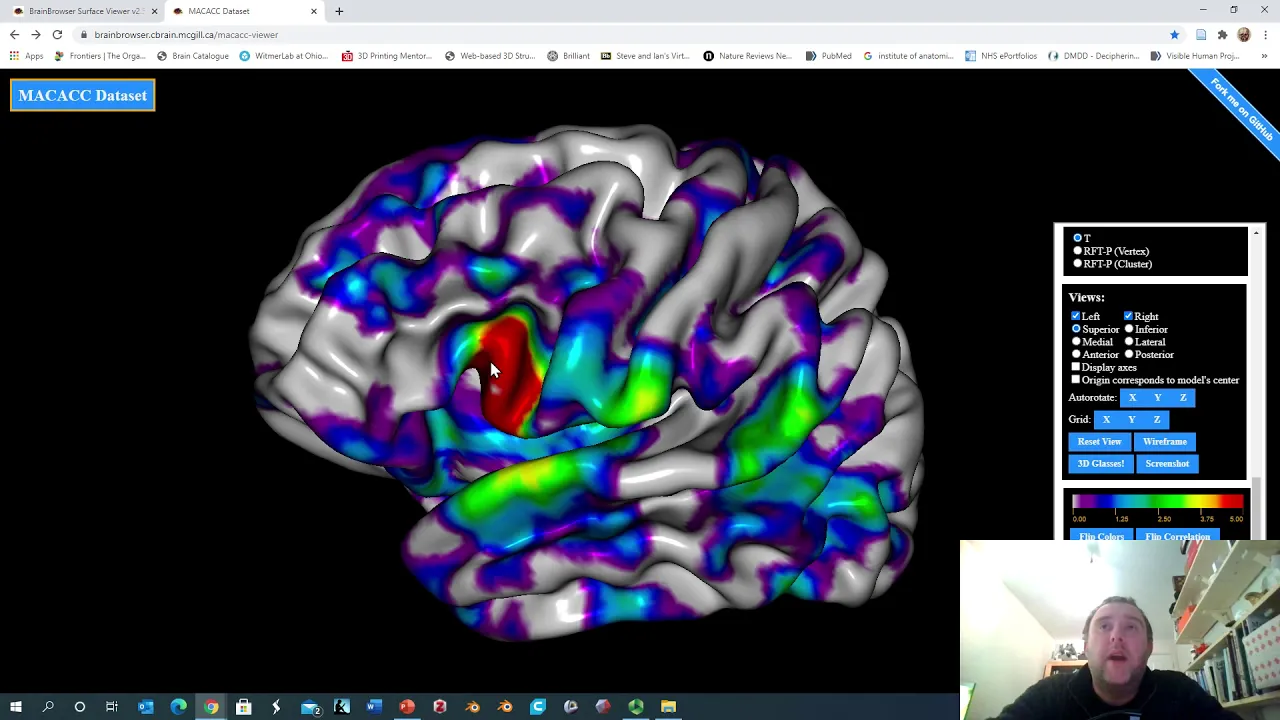
Advanced imaging techniques such as Functional MRI (fMRI) for mapping brain activity and Diffusion Tensor Imaging (DTI).
Clinical safety protocols, including the biological effects of strong magnetic fields and contraindications like metallic implants or pacemakers.
283.8K views5.2Klikes3:49Original Release: 2022-09-28
foreign did you know that MRI was originally called NMR or nuclear magnetic resonance imaging they had to drop the nuclear part because it scared people they thought they were being irradiated which is not the case at all unlike X-ray and CT MRI uses a magnetic force which is found all around us and does not damage the tissue as it passes through my name is Pauline I'm about to nuclear medicine residents and in this short video I will explain the basics of an MRI scan the MRI scanner is essentially a giant magnet the strength of the magnet is measured in a unit called Tesla most MRI scanners used in hospitals are 1.5 or 3 Tesla putting that into perspective a tree Tesla MRI scanner is around 60 000 times stronger than the Earth's magnetic field the stronger the magnetic field the more detailed the images become which means the body can be imaged either at a greater resolution or at the same resolution but faster MRI uses magnetic fields and radio waves to measure how much water there is in different tissues of the body and then uses this information to generate a detailed image the images are so detailed because our bodies are pretty much entirely made of water our lymph nodes are blood vessels and even our bones are soaked with water molecules a water molecule is made up of two hydrogen atoms and one oxygen atom hydrogen atoms are the part that makes water interesting for MRI if we look at hydrogen in more detail we see that it has a central nucleus containing a single positive charge called a proton each spinning hydrogen proton is like a tiny magnet that spins around on its own axis this spinning motion is known as precession under normal conditions all the billions of hydrogen proteins are in random positions spinning on their axis think of it as a group of children on a playground running around with no sense of order however this Randomness changes when we place a human body into a very strong magnetic field just like the North and South poles of a compass sent to align with the magnetic poles of the Earth in the presence of a strong magnetic field each proton in water twists its orientation so that it aligns with the field now think of those same children with no order and how each one will line up when the teacher calls but while the magnetic field makes all the protons want to line up the MRI machine intentionally disrupts this field by sending a brief pulse of an additional weaker electromagnetic field called a radio frequency pulse this weaker pulse points in a different direction than the magnetic field and so it disrupts the protons so that they become misaligned with the constant field as soon as the radio frequency pulls a Switched Off the protons still back to their original position and as they do they give off energy to measure this emitted energy requires some special equipment called a coil that is placed around the body part we are Imaging protons into different kinds of tissues all give of different amounts of energy this is why computers are able to tell difference between various types of tissues thank you so much for watching this video if you liked it and you want to see more of my educational videos please consider subscribing to my channel
Up Next

28:26
MRI Physics: Understanding the Spin Echo Sequence
@EinsteinCollegeofMed
86.9K views•2014-09-23

12:53
21cm Hyperfine Transition in Neutral Hydrogen: Radio Astronomy Basics
@AaronRobertParsons
12.4K views•2011-10-13
8:08
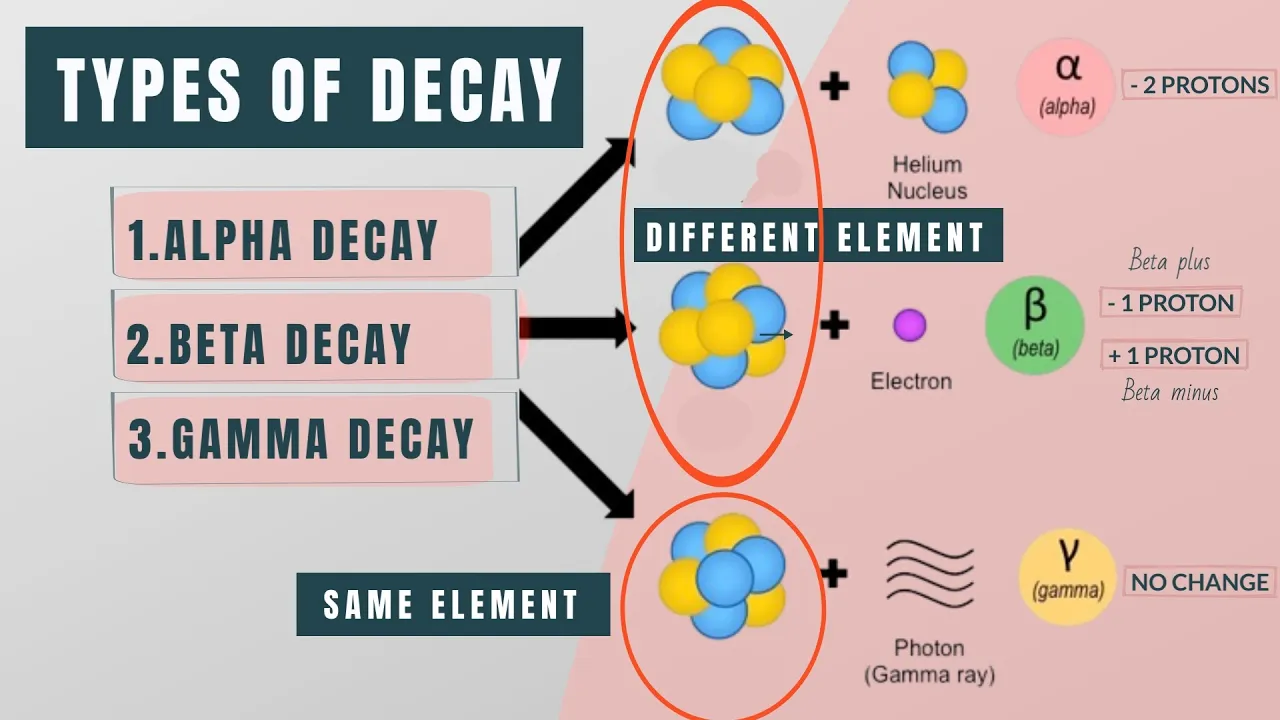
Alpha, Beta, and Gamma Decay: Visual Guide in Nuclear Physics
@dr.paulinemoyaert
136.8K views•2022-06-07

27:14
Entropy and the Second Law of Thermodynamics Explained
@veritasium
27.5M views•2023-07-01
Related Study Plans & Knowledge Roadmaps
Structured learning paths in Physics
physics
Nuclear Physics (Decay, Fission & Reactors)
01Atomic Structure and the Binding Force
02Radioactive Decay and Half-Life
03Nuclear Fission Mechanics and Chain Reactions
+ 2 more learning modules
12h5 modules
Explore Roadmap
physics
Soft Matter (Polymers, Colloids & Rheology)
01Foundations of Soft Matter & Thermal Forces
02Polymer Physics and Macromolecules
03Colloids, Surfactants, and Self-Assembly
+ 2 more learning modules
38h5 modules
Explore Roadmap
physics
Analytical Mechanics: Lagrangian & Hamiltonian
01Mathematical Foundations: Calculus of Variations
02From Newtonian Mechanics to Constraint Dynamics
03The Principle of Least Action & Lagrangian Mechanics
+ 3 more learning modules
28h6 modules
Explore Roadmap
physics
General Relativity (Spacetime & Cosmology)
01Foundations of Relativity: Special Relativity
02The Geometry of Spacetime: Equivalence Principle & Curvature
03Einstein's Field Equations: The Mathematics of Gravity
+ 2 more learning modules
55h5 modules
Explore Roadmap