
















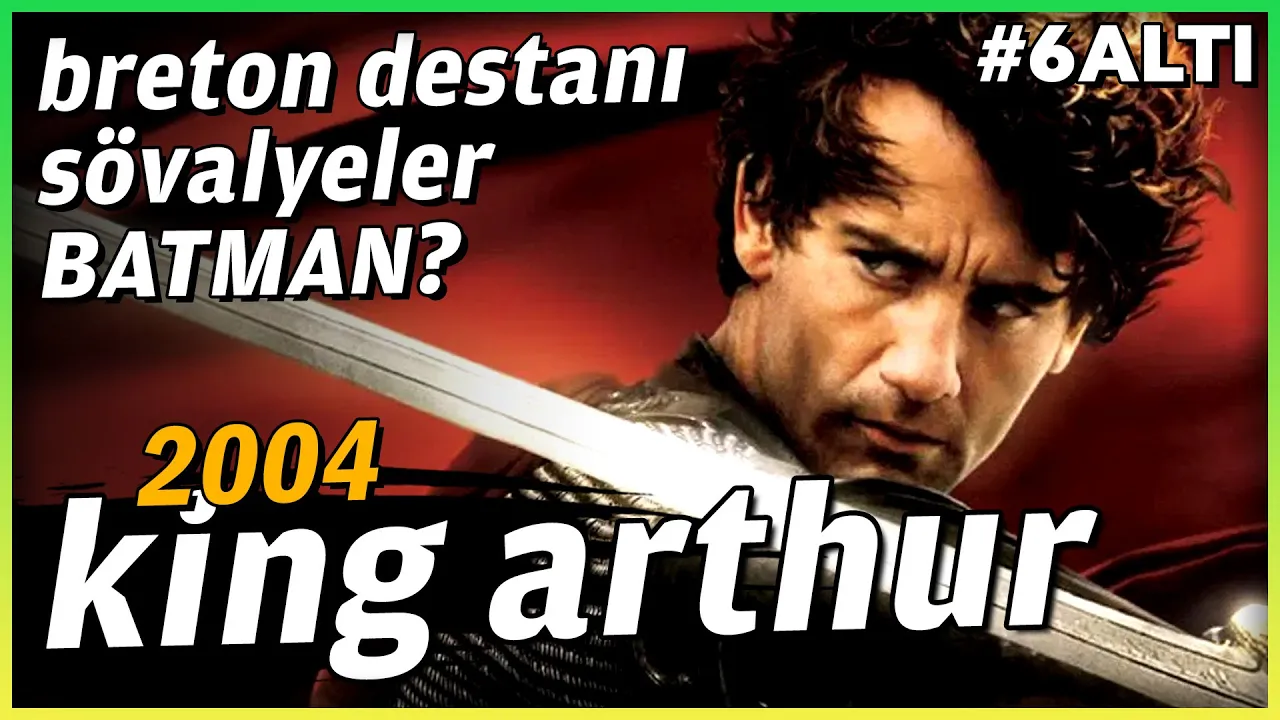
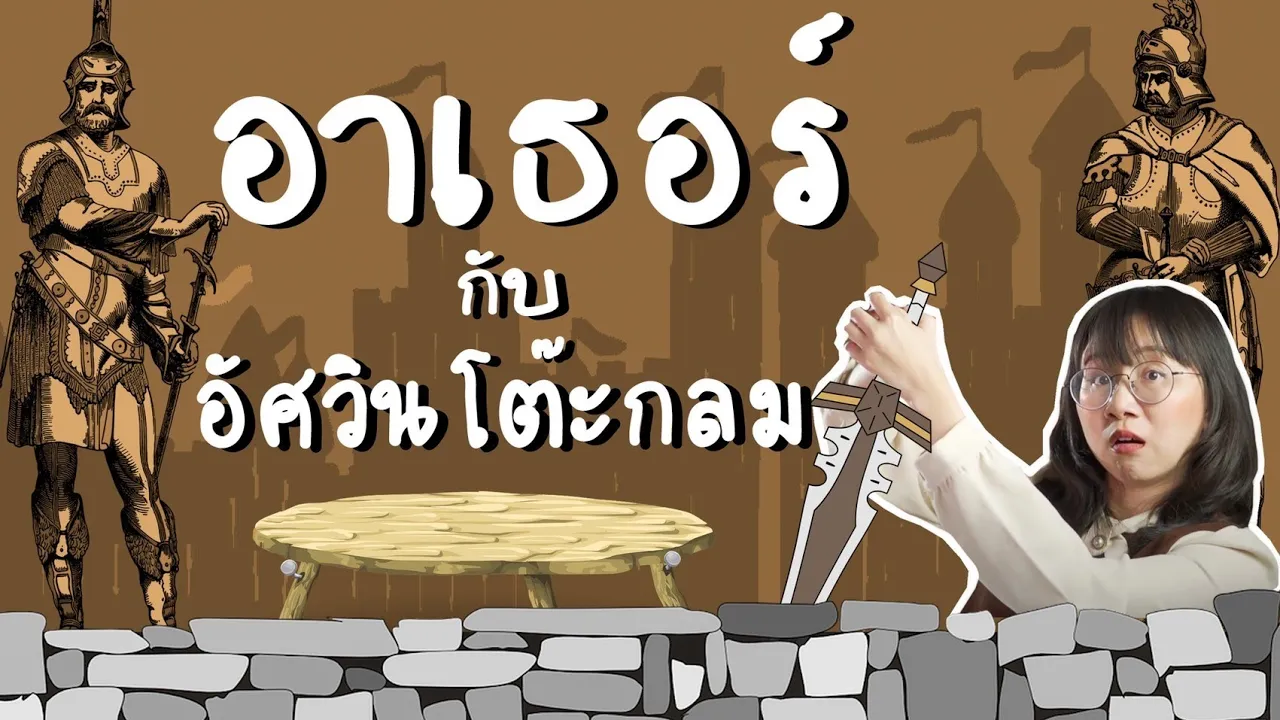

Medievalism is the art, literature, scholarship, and entertainment that uses medieval material to comment on contemporary society, distinct from medieval studies which examines the actual Middle Ages. David Matthews' framework categorizes medievalism into two main types: Gothic/Grotesque medievalism (featuring threat, violence, and warped sexuality, like Game of Thrones) and Romantic medievalism (nostalgia for pre-industrial values like chivalric deeds and communitarian living). Additionally, medievalism can be categorized by how it depicts the Middle Ages: as it was (historical accuracy), as it might have been (legendary narratives like King Arthur), or as it never was (fantasy worlds using medieval motifs). These theoretical tools help analyze how modern media repurposes medieval themes to address contemporary concerns.
Medievalism Basics: Understanding the Middle Ages in Modern Culture
Added:hello folks welcome to our first recorded lecture for ml 103 digital valhallas so you're going to have at least two of these each week we have three this first week because we don't have a tutorial uh this one will be a little shorter um it's mostly just introducing some of the theoretical ideas that we're working with in medievalism studies to you we'll have a second lecture in that set that looks at some of the more complex ideas and then also this week a lecture on history and fantasy with regards to the vikings my best suggestion for how to listen to these is to do them with the slideshow open beside you see if you can't use the slideshow as a way of helping to take notes they are meant to be outlines basically they aren't summaries of the lectures by any way any uh stretch of the imagination uh trust me if you if you rely on just the powerpoints you'll be missing the vast bulk of the material i've put them on youtube because youtube will caption them and they should do a reasonable job of captioning them if anybody has difficulties with that however and needs the captions just let me know and we'll see what we can work out um you can always listen to them a little bit speed it up as well i'm not sure i'd recommend that i don't talk particularly slowly but that is up to you all right so why am i talking to you about theory well we need to understand how to approach uh texts like these games and i call them texts even though they are games because it's a sort of a catch-all term we are looking at it from the perspective of medievalism studies and as i mentioned in our first zoom session medieval studies and medievalism studies are not the same thing medieval studies looks at the actual middle ages medievalism studies looks at how we use medieval material medieval ideas aspects of medieval culture and repurpose them in the modern day service to service entertainment to make a point about our own modern world there are huge range of reasons why we keep going back to the medieval again and again so the theory is a way of providing you with some vocabulary some tools that you can use while looking at it i'm going to provide you with a little bit more than you actually need and i will be specific about what i think are the most valuable of these tools so you will want to make sure that you make note of that in your notes all right so before we do anything else let's just have a basic definition so this is from a book called medievalism's making the past in the present it is not the only definition of medievalism by any stretch of the imagination again but it is one that's pretty useful because it has a few different layers so as you see medievalism is the art literature scholarship scholarship avocational pastimes and sundry forms of entertainment and culture that turn to the middle ages for their subject matter or inspiration and in doing so explicitly or implicitly by comparison or contrast comment on the artist's contemporary sociocultural status now as i said layers so this definition acknowledges that these different texts and methods and formats are all using the medievalist inspiration but they're using it for a reason they're using it so that the author can create some type of comparison some type of contrast with their own world with their own concerns so if i was going to shorten that i would borrow a quote from another author and say we use the medieval to comment on the modern that kind of contains the whole thing there and if fewer words but i like this definition because it's very specific so remember the layers here it's not just the what of how of what exactly is being used but it's the why and what why is the what being changed or reimagined in the way that it is now some of you may have heard the name umberto echo before he was extremely famous he was a scholar i was a medieval literary specialist but also a semiotician and probably where any of you who have heard of him would have heard of him is also very fame was a very famous novelist he wrote some tremendously influential works uh probably the most famous is called the name of the rose it's about um a sort of murder mystery at a medieval monastery now echo was a really interesting thinker and he looked into the middle ages and understood that we take the medieval out of the middle ages and we bring it with us into the modern day and we do it in a number of different ways and he pointed out back in the 80s so back when medievalism studies was just like a gleam in a few people's eyes this is a a really new discipline like i said back at the zoom session uh he understood that you can't really talk about it unless you look at all the different middle ages that people imagine so he came up with a list of ten and we're going to run through it really quickly it's it's not so useful anymore in fact it was really not particularly useful to start with the reason for that is because it was kind of tongue-in-cheek and some of the categories overlapped you'll see when i laid them out for you that that was the case but it was a beginning it was an attempt to start categorizing how we use the medieval so it's important to acknowledge that it's there and that some of the ideas are still useful so umberto echoes 10 little middle ages you have the middle ages as pretext if i had to sum this up it's the middle ages being used to enjoy modern characters he talks about the middle ages being a mythological stage in this case now if anybody has seen the movie a night's tale with each ledger you know that is a sports movie it's a modern sports movie where you have the plucky underdog comes from nowhere becomes the champion gets the girl embarrasses his mortal enemy his rival it's the typical sports movie story it's just that you know it's the 14th century and they're josting so that's a perfect example of the middle ages as pretext so that is actually one category that's still pretty useful because we do see a lot of that he also talks about the middle ages as a site of ironic revisitation so this is a bit complicated what he means by this is you know this refers to texts or works that look at the middle ages as a sort of heroic younger age you know where men were men and women were grateful and everything was done in the most heroic and uh impressive way possible and yet we also look back on that and know that's just an illusion hence the irony of it all now another one that's still useful is the idea of the middle ages as a barbaric age and echo coins this great term shaggy medievalism because the the movies for instance that would fall into this category all the men have copious facial hair usually lengthy actual hair too um this is not all about violence there is the concept of the noble savage the primal barbarian figure who is more honorable than the civilized southern figure that's something we'll talk about when we talk about northern medievalism because that's especially important for us this idea of the noble savage is something that shapes popular perceptions that the vikings for a very long time and a lot of this can be traced back to a work by tacitus called the germania and tacitus was a roman writer who supposedly wrote this ethnography about the germanic tribes where he talked about you know how impressive they were as warriors how their customs were admirable in so many ways even though they were primitive they understood how to behave better than romans did tacitus is not writing about the germanic people when he does this he's writing about what's wrong with the roman people and yet later thinkers especially mid 20th century thinkers after tacitus is rediscovered would think this was wonderful and unfortunately ideas that were expressed in tacitus were taken by people who eventually contributed to the rise of nazi ideology so it's a very dangerous set of ideas in a lot of ways now he also talks about the middle ages of romanticism please note the capital r so i'm talking about the romantic movement here not romances and love although oftentimes romanticism does include love romanticism as a movement is about you know emotion about nature about the individual about adventure it idolizes the medieval basically and he's very vague about this he talks about the middle ages of romanticism with its stormy castles and its ghosts and this can overlap with the middle edges as a barbaric age and can overlap with the middle ages pretext as well all right we're not going to talk about the middle ages of the philosopher parentis because it's really complicated and it's not particularly applicable to our purposes i just wanted to let you know all ten i didn't turn the animation off oh well so the middle ages of national identities this is a little bit relevant to us so the idea here is that a lot of european nations look back to the middle ages for the origins of their modern nation state their culture and certainly the role of the vikings in european culture uh is treated like that sometimes uh decadentism is sort of medievalism and visual arts not really important for us all right philological reconstruction so what this is referring to is scholarly medieval studies so this is the historical novel that's 800 pages long and has a 50 page uh epilogue that is all about his the writer telling you what little bits and pieces of history they changed so it's an attempt to be realistic an attempt to be accurate this is an interesting one of so-called tradition this is basically the esoteric middle ages the middle ages of mysterious groups and buried treasure and ancient secrets being passed from group to group and yeah let's just come out and say the templars represent this so this is highly relevant for when we're talking about assassin's creed you know secret society is operating for centuries yada yada and finally the middle ages of the expectation of the millennium so the middle ages as a pre-apocalyptic society a society on the edge of destruction now the middle ages are sometimes also depicted as a post-apocalyptic society so there's i don't want to say that this category isn't useful it's just that it's actually a little bit more complex than echo realized so that is echo and again i gave you echo so you could see where all of this theoretical stuff started because everything that comes after builds on echo and thankfully it simplifies things big time you know it's this is unwieldy so many of these categories overlap like i said others are just not clear at all he was trying to be funny in some of them so it's not really a good tool even though some of the ideas are worth keeping so where we see new approaches happen uh first of all it's in a book by david matthews called medievalism a critical history and this was published in 2015.
and i just have to stress again this is not uncommon i mean there are still people today today writing articles about the terminology we should use when we talk about medievalism i've done a little bit of that myself the reason is we are still settling how we want to talk about this as scholars it is such a new discipline that we're still having those initial debates and so the fact that this tremendously influential contribution to those debates only comes along in 2015 tells you that so matthews is writing mostly about 19th century medievalism but he comes up with two particular aspects of medievalism sort of a dichotomy it's first of all gothic or grotesque medievalism and he defines this as where the medieval involves quote threat violence and warped sexuality or the threat of sexual violence is made something medieval is going on uh three words for you game of thrones right yep you know there's a we look at the middle ages as a place where bad things happened the other part of the dichotomy is romantic medievalism and so this is like echo a little bit more complex we're going to go delve deeper into these on the next two slides but the interesting thing is what matthew says is that these two types of medievalism don't exclude each other you can have gothic and romantic medievalism within the same text basically he also introduces the idea that medievalism is residual that it is not a dominant cultural threat now is interesting when i first started looking into medievalism which was several years before he published this book um i jokingly suggested a concept i called stealth medievalism where you would see bits and pieces of the medieval sort of peeking through works that didn't appear to be medieval and uh it is not quite what he means by residual uh but it is similar to what he means by residual medievalism and now i think the important thing about that is to recognize that he's writing this in 2013-2014 he's writing this pre-game of thrones and game of thrones had a tremendous impact on popular culture i mean as much as nobody wants to talk about game of thrones anymore it certainly set off a massive wave of medieval material so i genuinely do not think we can say medievalism is residual anymore i think we can say and say fairly securely that it actually is a major thread within popular culture you're free to disagree with that but my argument is that we do see a great change following the success of game of thrones all right delving into grotesque medievalism a little bit more so he defines this as see the other the rejected past the grotesque forebear of modernity and he lumps into this uh negative uses of the word medieval so when donald trump gets up and starts ranting about isis and says oh there's so medieval that's trump tapping into grotesque medievalism and yet there is a sort of thrill to grotesque medievalism think about vampire narratives you know yeah it's a little bit dicey in terms of consent in a lot of cases um you know it's it's there are problems with vampire narratives and similar things but people are still drawn to them so people are drawn to grotesque medievalism matthews suggests that this is actually the dominant form of medievalism and i would tentatively agree with him for the simple fact that frankly people who are not well educated in medievalism in the middle ages still talk freely about the dark ages so the idea that the middle ages were someplace dark some place you didn't want to be is still very prevalent in historical thinking it's again it's wrong it's very very wrong but it is what it is all right so in contrast romantic medievalism he defines it at much greater length than echo does so it is sort of based around the idea that something valuable was lost with the middle ages that there was something good about the medieval world that we don't have anymore and the way he defines this is you know these are the middle ages of romance of chevalric deeds but also simple communitarian living and humanely organized labor no factories no assembly lines if you're going to work with your family at their workplace it was off in your cottage right now it is a fundamentally romantic look at the medieval economy the medieval economy did not do very well for a lot of people that took part in it obviously but it is a little bit of nostalgia for the pre-industrial world it's very conservative basically now the problem the reason why romantic medievalism takes a hit in the early 20th century is specifically world war one because you cannot be romantic in the trenches it's just not really possible now this doesn't mean romantic medievalism dies it certainly goes on it changes shape however and so you see things like symbolic medievalism so the idea of romantic medievalism the grail the wasteland shows up in ts eliot's poems so the same impulses there it's just under very tight control shaped in a way that uh you know prevents it um from being seen quite as clearly i don't know if anybody's ever tried to read ts eliot's the wasteland but yeah it's uh it's tough if you know what you're looking for you can pick the medievalism out of it but only if you know what you're looking for now neo-medievalism which is something we're going to talk about in the next lecture also has a romantic form and this is what we see in something like tolkien so tolkien's depiction of the shire is the best example of this so this is the idea that the romantic is the pre-industrial the medieval is the pre-industrial rather in the romantic view of the medieval all right so that's his dichotomy and i'm going to remind you what i said it's important to recall that he acknowledges these two different types of medievalism can actually operate within the same text they're not mutually exclusive now there's one other set of ideas that he uses that is tremendously important for our purposes and i'd like to call this his three little middle ages he doesn't call it that um in fact uh i once had a student contact him and say oh i really like your categorization system for medievalism and he went my what and i was like really it's it's kind of right there in your textbook but uh i don't know she may have phrased it in a way that he didn't quite understand now he does talk about three middle ages and it's a way of sort of riffing off echo so first of all it's the middle ages as it was so this is where the medieval is depicted realistically or what is thought to be realistic at least so historical novels historical films or documentaries perhaps rather the middle ages as it might have been now echo no not echo sorry matthews describes this as the medievalist legend you know the medieval that uh that you see in stories of king arthur and robin hood and that sort of thing and finally the middle ages as it never was so this is what refers to things like fantasy works the things like uh star kingdoms in outer space he defines this as quasi-pre parallel or non-middle ages using medieval motifs which create a medieval appearance now i find these very useful uh certainly um for us number two and number three are probably most significant because none of the games that we're looking at in this class are actually trying to be accurate to the middle ages probably the closest that is almost doing that is assassin's creed valhalla but even for them perfect accuracy is not what they're shooting for they need to be able to tell their story so i know that was a little bit heavy but i'm hoping that by breaking these up into smaller chunks you're not overwhelmed by any of it you know what i would focus on here is making sure that you understood the difference between romantic and grotesque medievalism and then the difference between the three different types of middle ages at that last category and that should be all you really need to take forward with you all right so that is the end of our first lecture and i will be back before too long with a second
Up Next

European Protests of the 1960s: Crash Course European History #45
@crashcourse
314.5K views•2020-06-20

The Great Schism of 1054: Causes and Consequences
@SacredCathedrals
113.5K views•2026-02-19
The Geopolitics of the Ukraine War and the Rise of Global Autocracy
@JordanHarbingerShow
468K views•2025-04-19
Understanding the Cold War: Superpower Conflicts and the Road to Détente
@OverSimplified
46.1M views•2019-01-24
Related Study Plans & Knowledge Roadmaps
Structured learning paths in History