

















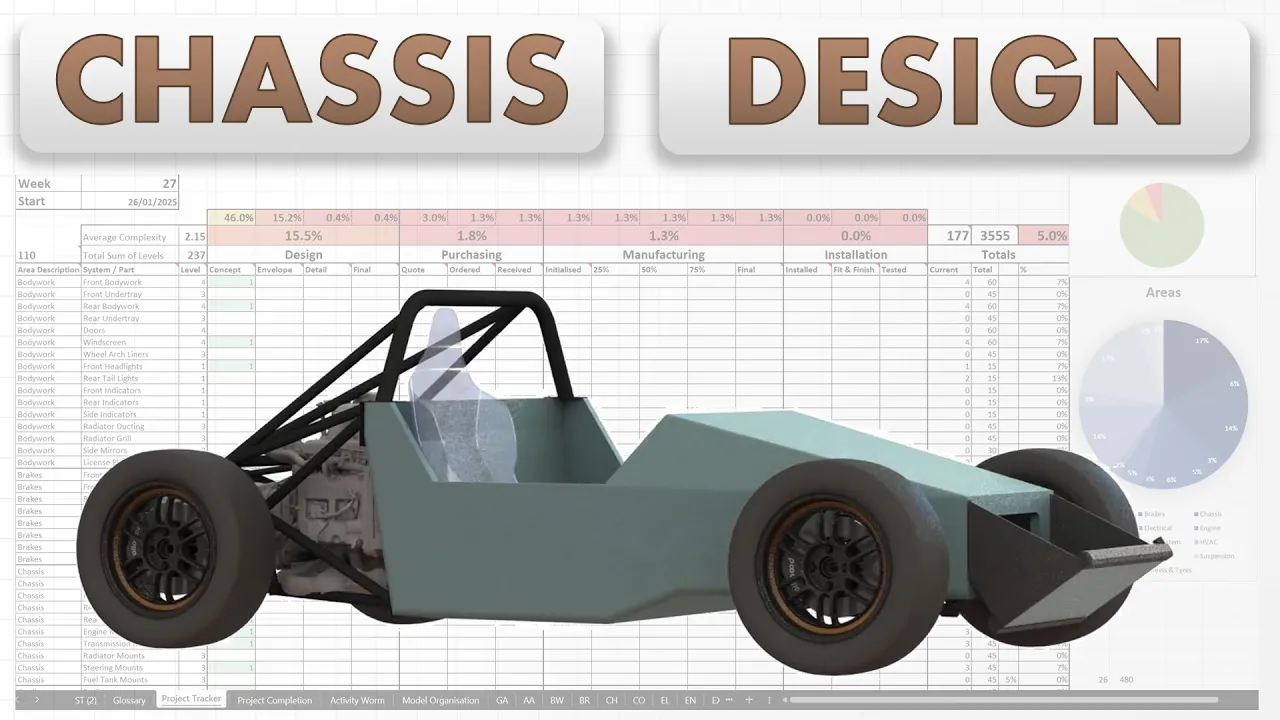








In automotive chassis design, structural rigidity is primarily determined by geometric configuration rather than material quantity or type; a space frame design using triangular elements achieves significantly higher torsional rigidity (approximately 230-250% more than a ladder chassis) with the same amount of material, demonstrating that geometry is the key factor in structural performance.
Racecar Engineering: Chassis Design Principles for Rigidity
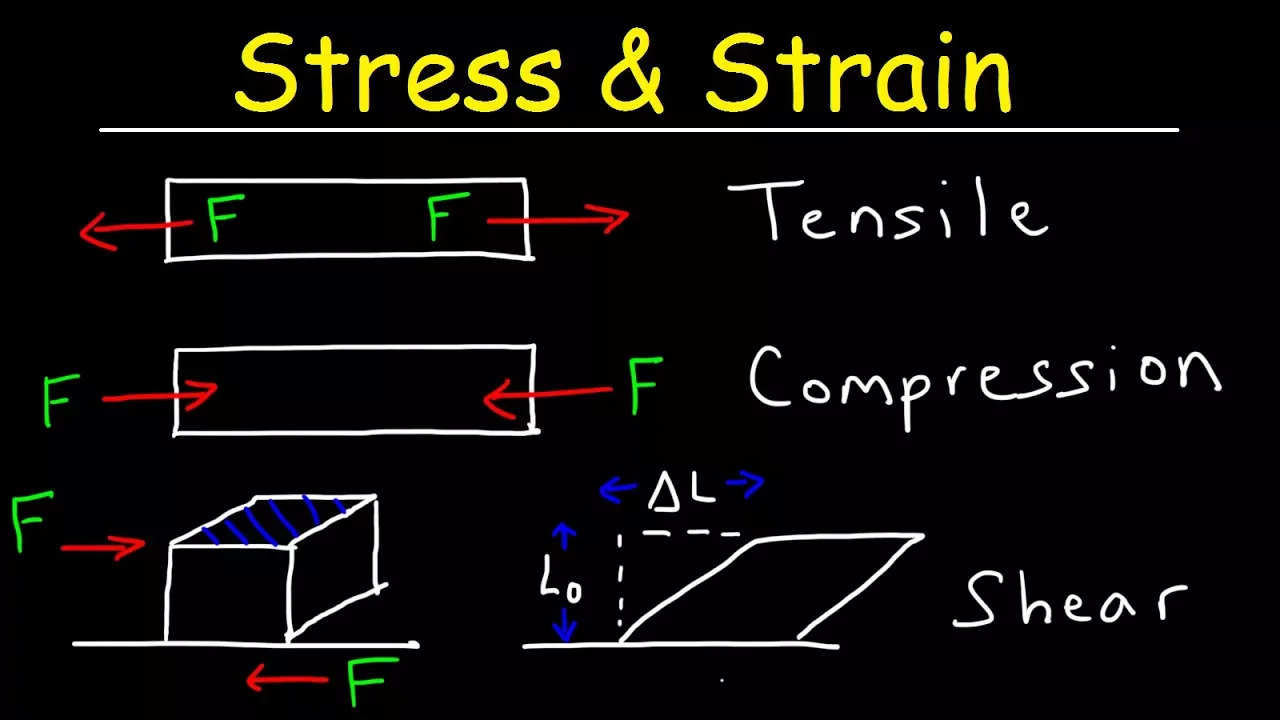
Added:Basic mechanics of materials, specifically the concepts of stress, strain, and shear modulus.
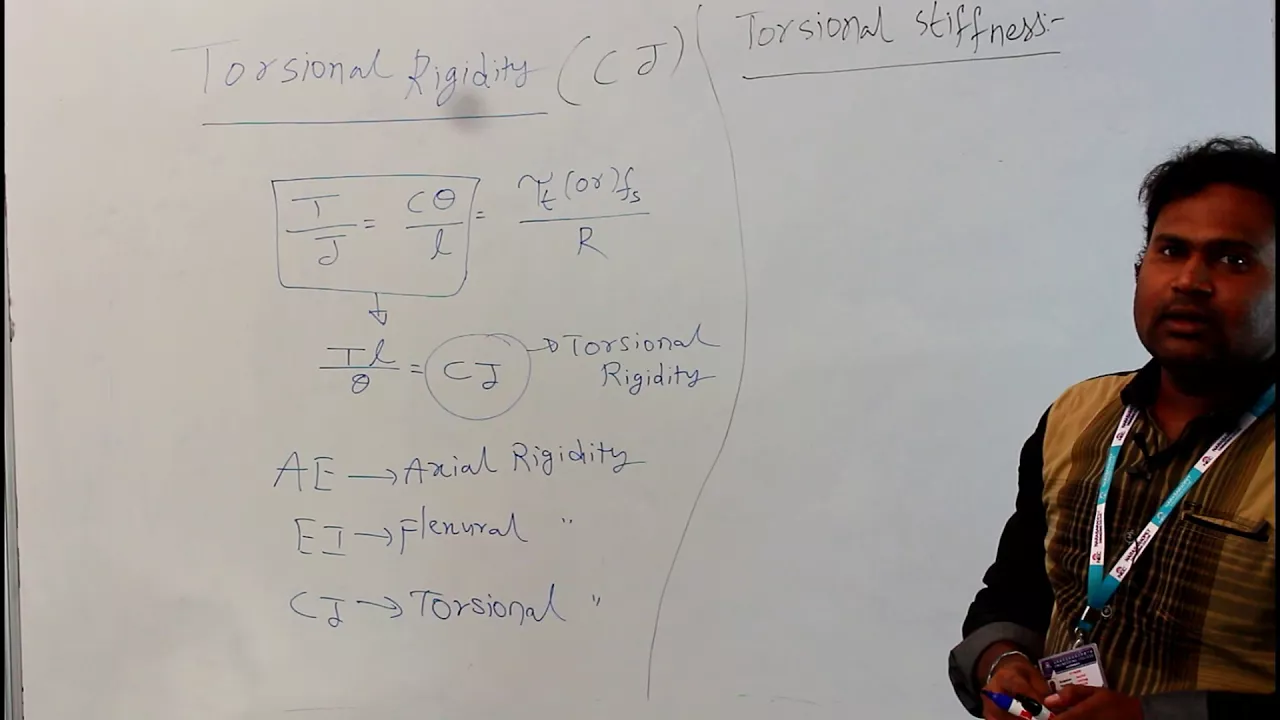
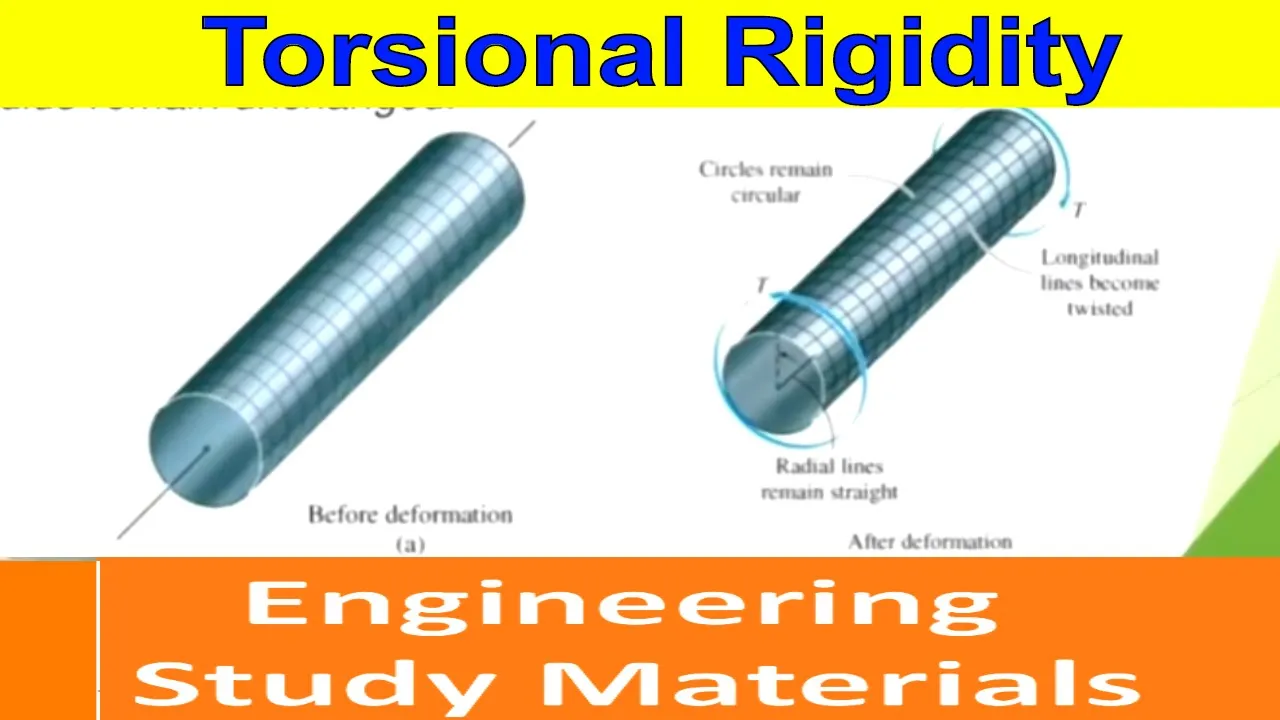
The physical definition of torque and torsional rigidity (the resistance of a structure to twisting forces).
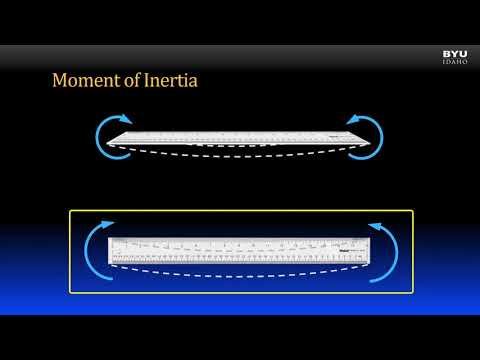
How geometric properties, such as the Area Moment of Inertia and Polar Moment of Inertia, influence stiffness independent of material choice.
The primary functional requirements of a vehicle chassis, including supporting powertrain loads and providing suspension mounting points.
Advanced chassis architectures, such as carbon fiber monocoques and space frames integrated with stressed-skin panels.
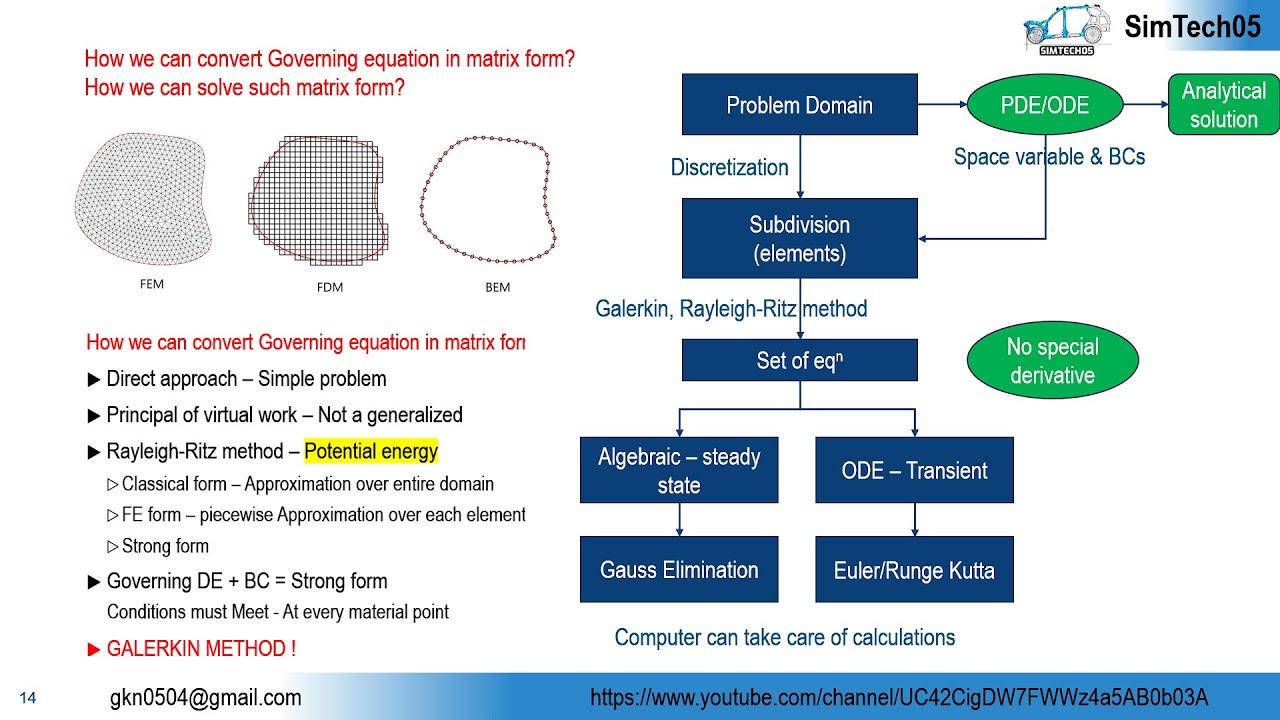
Computer-Aided Engineering (CAE) and Finite Element Analysis (FEA) methods to simulate, analyze, and optimize chassis deflection under load.
The direct impact of torsional rigidity on vehicle dynamics, specifically how chassis flex alters suspension geometry, tire contact patches, and handling predictability.
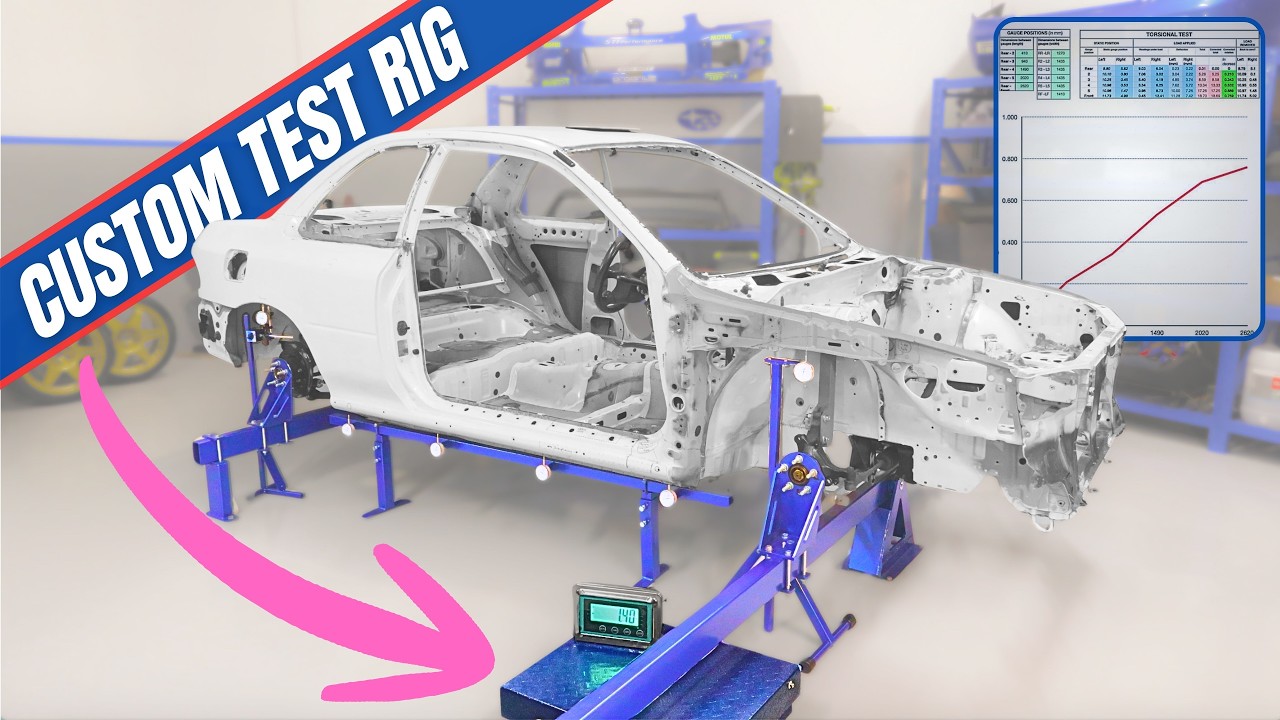
Physical chassis testing and validation methods, such as constructing torsional test rigs to measure torsional stiffness in Newton-meters per degree.
106.9K views3.5Klikes10:48Original Release: 2017-07-24
hello I'm Robert Smitty Smith and now I'm going to talk about designing for rigidity in automotive chassis and other similar structures now in front of me I have three little analogs I've created and I've created them out of 1/2 in square Pine available in any lumber yard it's all made out of the same/ in Pine and the same amount of/ in Pine I was very careful to use exactly the same quantity linear inches between 235 and 238 in in all three so material quantity wise there is no difference material wise there is no difference the joints there is no difference the joints are simply wood glue together no pin no screws no hinges simple glue joints now I did that so we could compare the geometries of these three different basic chassis shapes the first and most simplest easiest construct is called a lad chassis for obvious reasons you have two side beams connected by crossmembers this is exactly exactly what you will find on heavy duty trucks take the cab off strip away the tires and fenders this is what's underneath two very robust beams as you can see this is three levels of half in square laminated together and then the cross members are two levels of/ in laminated together and it's all attached this is exact L what you'll find in a kenw work it won't be quite as good as this because one of the crossmembers on an actual truck would be missing why because a great big diesel engine transmission has to sit in this Bay but for our purposes it will suffice beautifully so here we have the ladder chassis its main advantage is it is very strong and subam torsional rigidity uh not so much that's what we're going to try to illustrate here now the next type is known as a box structure or a lot of uh racing teams call these four tube designs basically it's four long tubes connected by cross members vertically and horizontally with diagonals on the end because guess what now you have a lot of room for driver driver legs and feet and engine compartment here on the ladder frame things have to you have to to remove a cross member set them down in there and then the suspensions boled underneath the bottom of the Rails over here everything can be enclosed inside of a box structure and suspension points can be taken off the sides lastly we have a space frame and I'm going to talk about what a space frame is and why this isn't a true space frame and this is yes this is a frame yes it encloses space but it is is not a space frame burn this into your little brains with soldering iron try to get your students to understand that a space frame means that all the structural loads are carried in tension or compression not in bending if it's in bending it's not a true space frame this frame for example if you put a load here in the middle these long four tubes are going to boat there's no diagonal members to turn this structure into triangles to put things in compression and tension this one of course it's just all linear so it absolutely is depending totally on its physicality here just its bulk of the beams its size so here we have three structures structure a the ladder structure B the box or four tube structure C the space frame they all have the same perimeter footprint they're the same width they're the same length they're buil out of the same material the same amount of material the only difference is in vertical because the basic design dictates the vertical okay the thing that a structure has the most trouble with in an automotive application is torsional rigidity torsional rigidity if you put a load notice all three of them are supported on three corners only one two 3 they have a dangling Corner one two three dangling corner here I've attached a beam with a spindle and if we put pressure on that beam and spindle area you can actually see the deflection now to measure deflection this is the same setup you use on a fullsize car support it on three corners leave the fourth Corner unsupported this device is called the dial indicator as it moves the dial moves in 1,000 of an inch increments you want to put the follower on the structure itself do not put it on the beam as the beam has its own flexure issues so if we put a known Force on our little spindle out here it will cause a torsional deflection of this structure so these are easily set up easily replicated and they do something that our students really really need they need to see it they need to touch it they need to feel it they need to understand it here I'm just draw dropping two common nuts on the spindle I get a deflection now if I move this over which I'm not going to do Bas of time I've already done that and I've done it more than once to make sure that it's repeatable if I put a two nut load on that beam these beams are equal length the spindles all have the same moment arm then if I put this many nuts on the box structure I will get the same deflection five nuts two nuts so down here on the space frame because it has diagonal members and is nothing but a series of triangles and pyramids its structural rigidity is incredible I've had students actually touch it right here after touching the deflection here on these others and utter expletives because they literally think it's a trick it's not a trick it's geometry the lesson is structural rigidity comes from geometry it doesn't necessarily come from the materials or the amount of materials it comes from the geometry of the materials and in raise cars and in products for consumers lighter is usually better why because you're using less materials materials raw materials cost money if you can get less material to carry a load and do the same job the product should cost less if the labor involved manufacturing involved is similar I'm not done yet I'm still stacking our Tech textbooks sometimes don't do the best possible job in making this a concrete reality to students the need to visualize it see it understand just what a a tremendous geometric progression it is when you use geometry to get now as we discussed before strength and rigidity are not the same thing we want rigidity on automobile structures so that we have wheels on all four corners there you go that many nuts to deflect a space frame the same amount as five nuts deflects the box two nuts deflect the ladder if we say the simple ladder the ladder is the easiest to build if we say that it's 100% it's rigidity is 100% then this is measures out to about 230% 230 250 1,00% stiffer in torsional rigidity than the same amount of material on the same horizontal footprint used as a ladder versus used as a true space frame triangles are an engineer's best friend taada
Up Next

2:43
RTK GPS with 4G NTRIP: Centimeter Accuracy for Developers
@ardusimple
3.8K views•2024-03-01
30:32
Ultrasonic Transducers: Resonant Frequency Measurement and Horn Design
@imajeenyus42
229.9K views•2017-02-22

54:16
Polymer Environmental Degradation: Mechanisms & Stabilization
@iit
1.8K views•2012-07-10

33:39
How a Student's Question Saved a NYC Skyscraper from Collapse
@veritasium
22.8M views•2025-04-26
Related Study Plans & Knowledge Roadmaps
Structured learning paths in Engineering
engineering
Building Acoustic Levitators: Physics & Arduino
01The Physics of Sound and Standing Waves
02Piezoelectric Transducers and H-Bridge Drivers
03Arduino Programming: Generating 40 kHz Signals
+ 2 more learning modules
14h5 modules
Explore Roadmap
engineering
Building Peltier Cloud Chambers: Particle Tracks
01Cosmic Rays & Cloud Chamber Physics
02Thermoelectric Cooling (TEC) Fundamentals
03Custom Liquid-Cooling Loop Design
+ 2 more learning modules
18h5 modules
Explore Roadmap
engineering
Yagi-Uda Antennas: Modeling, Build & VNA Test
01Introduction to RF and Antenna Fundamentals
02Yagi-Uda Antenna Design Principles
03Antenna Modeling and Simulation in 4NEC2
+ 2 more learning modules
18h5 modules
Explore Roadmap
engineering
ECG Monitor Design: Op-Amps, Filters & Noise
01Electronics & Breadboard Basics
02Op-Amps and Instrumentation Amplifiers
03Bioelectricity and ECG Fundamentals
+ 2 more learning modules
18h5 modules
Explore Roadmap