







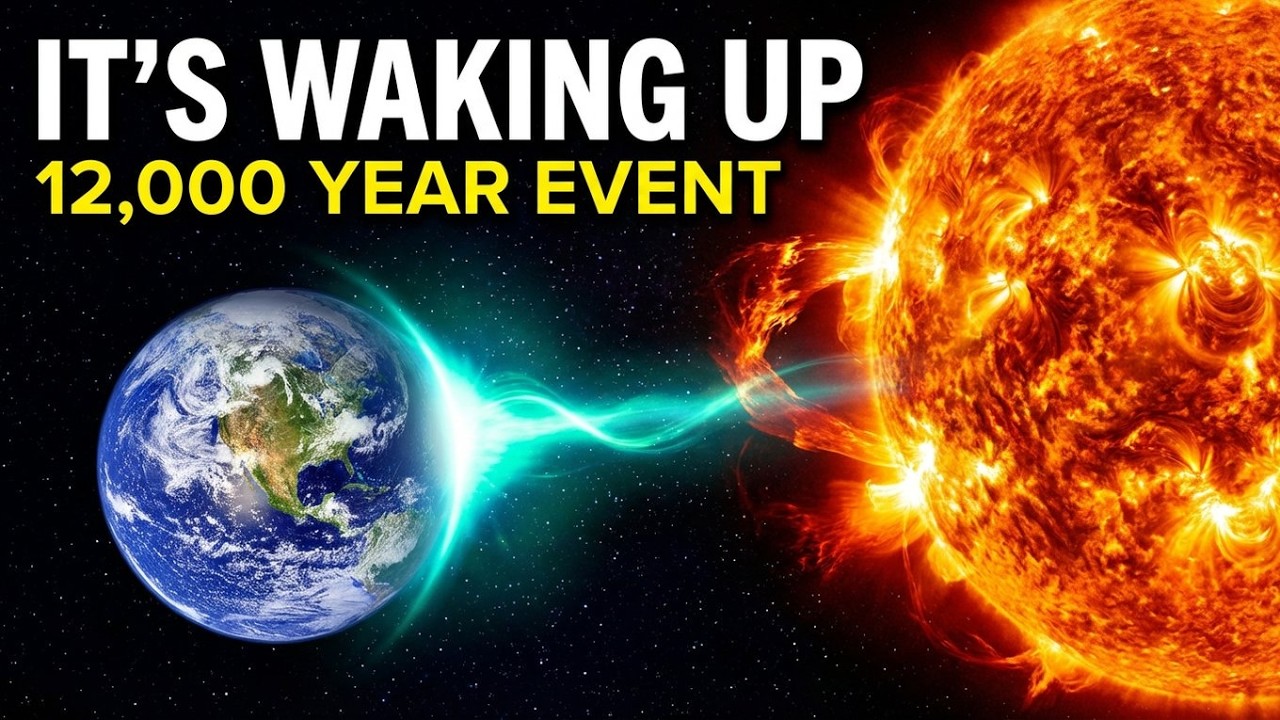



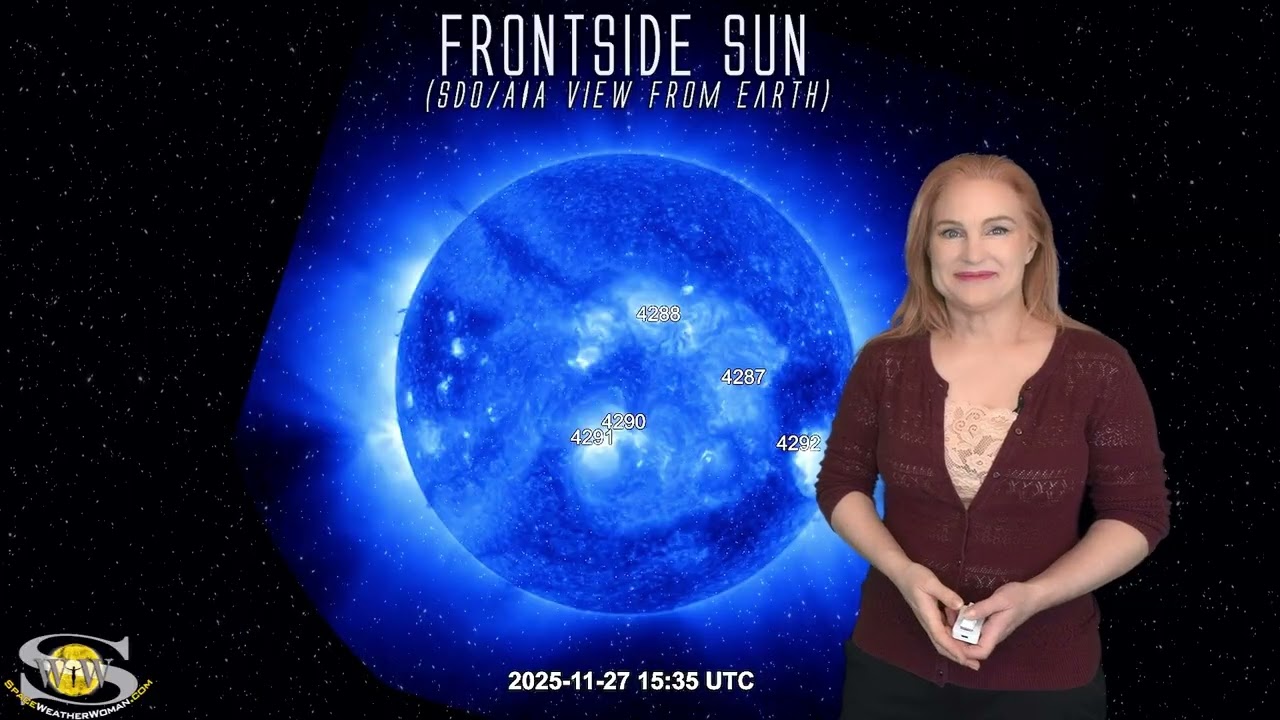





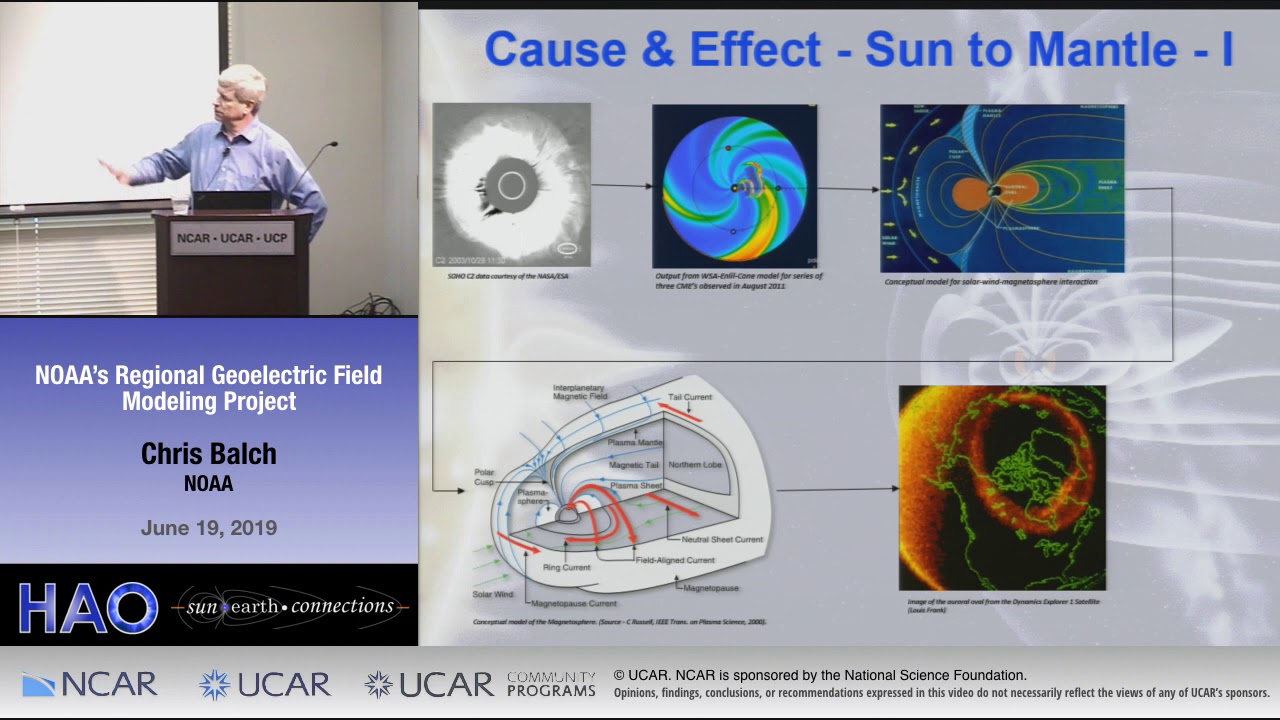
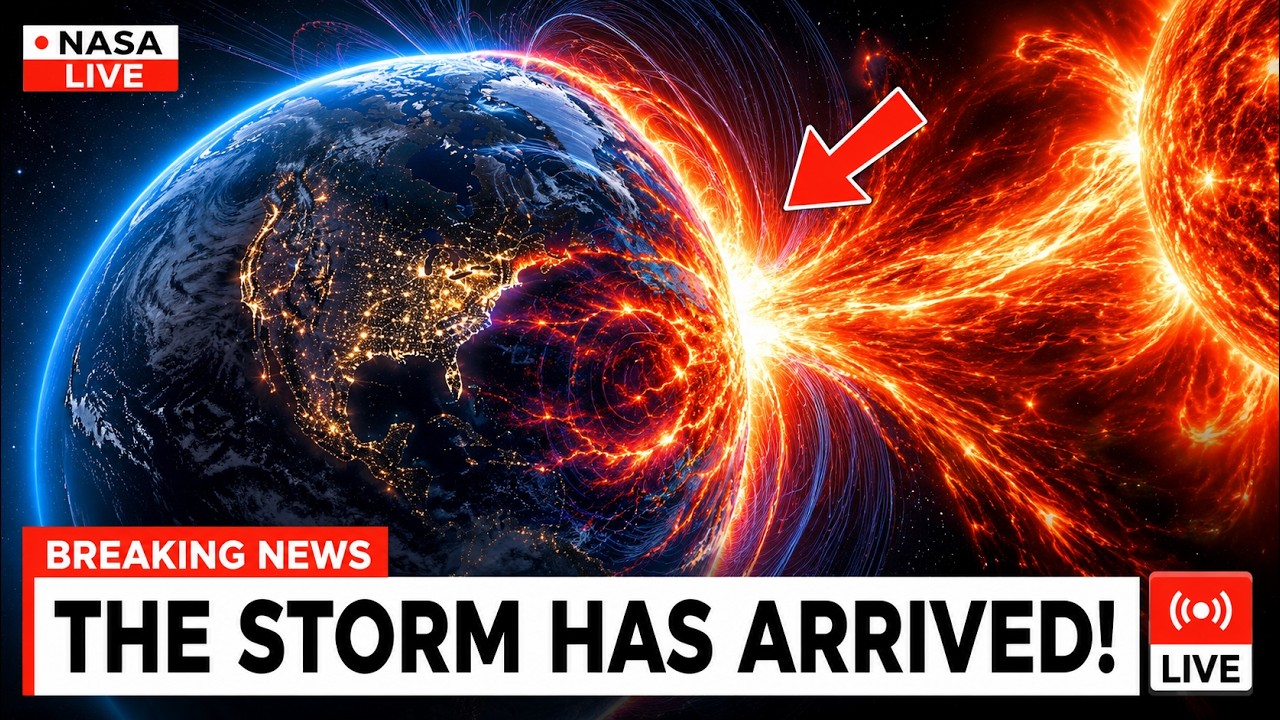


Geomagnetic storms occur when coronal mass ejections from the Sun interact with Earth's magnetosphere, causing charged particles to collide with atmospheric gases and produce auroras; the May 2024 storm, originating from the powerful Sunspot AR 3664, was classified as a G5 event (the strongest possible) and was predicted by a 2019 study that correctly identified the solar cycle as 22 years rather than 11, with aurora colors determined by which atmospheric gases (oxygen producing green/red light and nitrogen producing blue/red light) become ionized during these powerful solar events.
The 2024 Geomagnetic Storm: A Carrington Event Analyzed
Added:Basic solar anatomy and activity, specifically the nature of solar flares, coronal mass ejections (CMEs), and the 11-year solar cycle.
The structure and function of Earth's magnetosphere, including how it interacts with solar wind.
The historical context of the 1859 Carrington Event, representing the most intense recorded geomagnetic storm in history.
The fundamental physics of auroral creation, including how charged particles excite atmospheric gases to emit light.
Advanced space weather forecasting techniques and the telemetry instruments used by agencies like NOAA and ESA.
The engineering vulnerability of modern infrastructure, such as power grids, GPS satellites, and undersea internet cables, to geomagnetically induced currents (GICs).
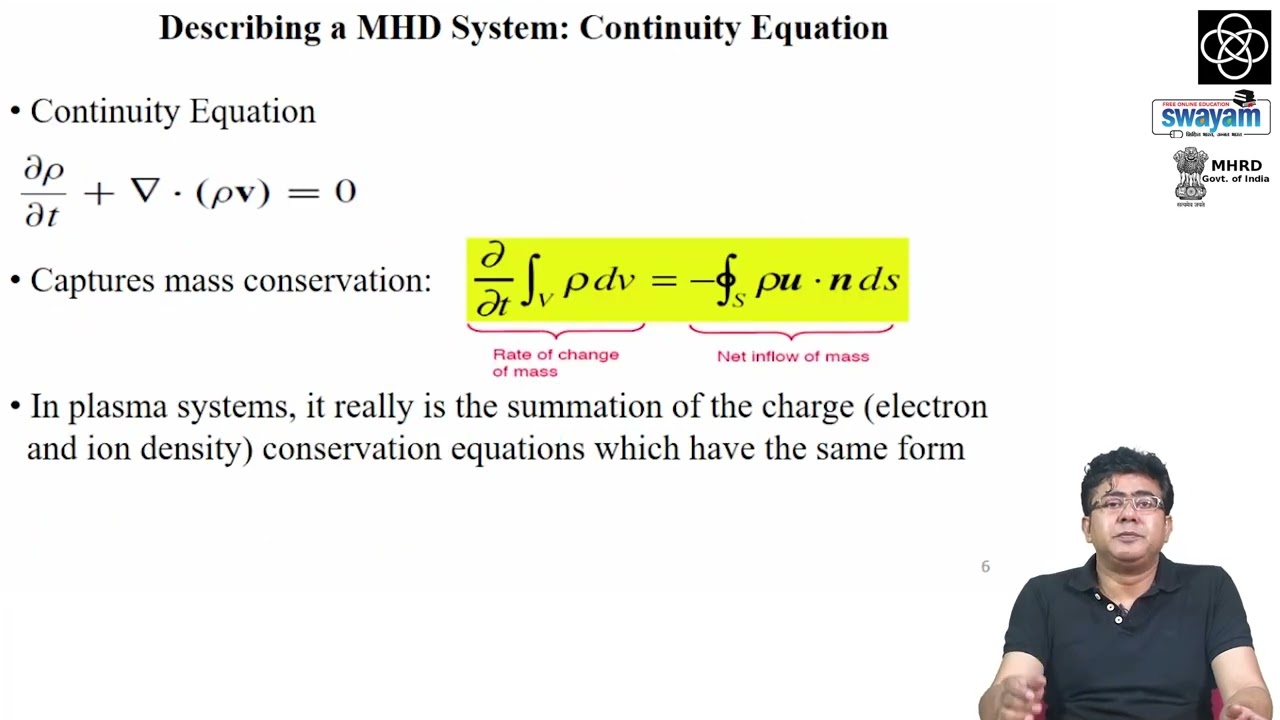
Principles of Magnetohydrodynamics (MHD) to understand the fluid dynamics of plasma in solar physics.
Policy and disaster preparedness frameworks for mitigating a worst-case scenario global geomagnetic superstorm.
1.2M views52.2Klikes13:55Original Release: 2024-05-16
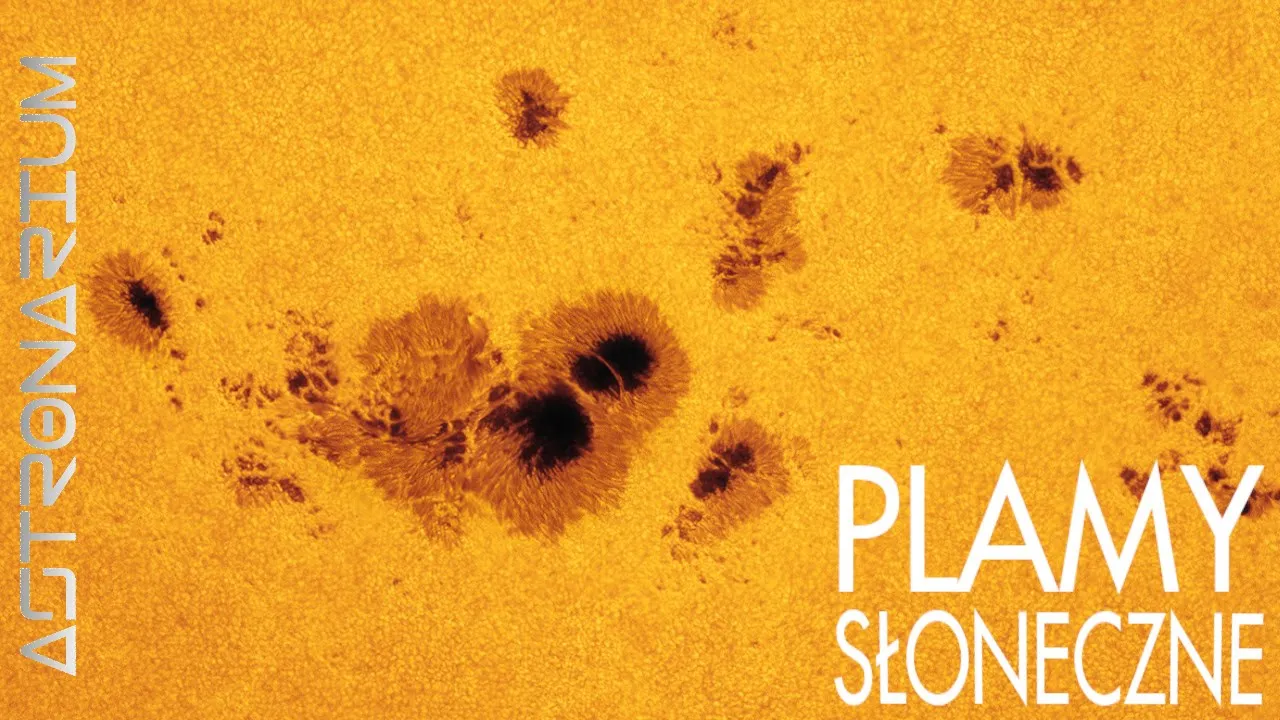
well as you probably know last week sometime around May 10th our planet has experienced one of the biggest series of geomagnetic storms of the last two decades the storms that you can kind of see right here visualized by space weather prediction center and as it usually happens with such storms following the storm once this actually got to planet Earth we got to experience some of the most impressive Aurora ever seen visible as far south as Hawaii in a Northern Hemisphere or as far north as Queensland in the southern hemisphere with lots and lots of beautiful images circulating the web basically showcasing this incredible phenomenon and though obviously seeing Aurora Is Not Unusual seeing them so far north or South depending on the hemisphere is of course very strange which basically highlights how absolutely ridiculous this particular mission was and so hello wonderful person this is Anton let's discuss this event in a little bit more I guess scientific sense talk about what this means and how these Aurora work in general but also briefly discuss how this was potentially predicted in a very important paper back in 2019 but I guess first let me show you this image to basically highlight how this time we might have once again got super lucky so as always this type of an event basically began in the middle of a soundspot and in this case this is a soundspot referred to as ER 3664 a Super Active soundspot that just recently when I'm making this video has actually done another emission but this time going away from planet Earth here's an actual image of this Sunspot taken by one of the satellites by Noah with Noah recently observing one of the most powerful solar flares seen in the last few decades all coming from the Sunspot and all within just a few days after these super powerful emissions headed to planet Earth and what's even more surprising is that Noah also made an extremely rare announcement about the Sunspot and of course about the missions that happened around May 10th the announcement being that this was going to result in an extremely powerful geomagnetic storm powerful enough to potentially damage a lot of Technology on the planet and essentially that type of a geomagnetic storm that we always kind of dreaded the I guess so-called Carrington like event and so yeah back to that picture I was going to show you turns out the Sunspot was actually not that different from the one that caused the carington event very similar both in strength and in size and basically releasing a huge amount of stuff when it was facing planet Earth here as you can see from this simulation this was actually a series of five corono massage actions and also multiple solar flares all of which hit planet Earth and so yeah technically this was our carington event to some extent here this was classified as G5 storm the highest possible G magnetic storm we can experience and here it actually happened twice during that weekend here's a slightly different view showing us these coronal massage actions happening one after another and by the way Carrington event was also a G5 event but comparing this to a Ken event might not be as accurate because we don't have enough data about that event but interestingly we actually experienced something somewhat similar in 2003 as well this is often referred to as the 2003 Halloween solar storms that also resulted in huge Aurora but also major damage and power outages in countries like Sweden and South Africa actually South Africa experienced a tremendous damage to its power infrastructure because a lot of power Transformers basically exploded and so here something similar was feared as well but um luckily for us nothing seems to have happened for example during such storms we sometimes expect major problems with satellites or even satellites falling out of the sky because during this time the atmosphere of the planet expands just a little bit enough to dramatically influence orbits of certain satellites for example the ones SpaceX is launching and they've already lost a few satellites to previous solar storms but this time nothing happened no damage to satellites no major damage to any power grids although some unusual irregularities have been observed in the US and only temporary disruptions to systems like GPS but everything else seemed to be fine and it's unclear if this was just because we got super lucky or maybe we just became a little bit more prepared after initial disruptions in 2003 and before that nevertheless just the fact that this was an extremely similar Sunspot to the Carrington Sunspot with the overall emission of corono massage actions being somewhat similar as well is of course kind of surprising and in case it's not clear how big this thing is this is actually approximately 15 times bigger than planet Earth so yeah this is not a small Sunspot and it was really surprising that Noah decided to call this a historic event because despite not actually observing any damage on the planet the damage could have been done and it could have been catastrophic so at the moment I'm kind of curious to read some studies or papers about why nothing seems to have been damaged I mean did we actually get super lucky or are we kind of prepared for more such events in the future but the reason I wanted to start with this and why this is so powerful and so important is technically because it was predicted by a study a lot of scientists kind of ignored early on and it has something to do with trying to explain s Cycles now you might know that s Cycles are technically 11 years long so basically every 11 years our sun goes through the peak and then comes down reverses its polarity and starts again you can check out some of the previous videos that talk about each of these individual stages in a little bit more detail and we basically are now in our cycle 25 and a lot of previous studies actually even based on this graph assume that this cycle is going to be one of the weakest but not the study from 2019 and that video from 2019 with the much younger and and I guess less jaded and slightly happier Anton talks about this in more detail because here the prediction was that this is going to be a huge cycle and we're going to have some major emissions and very likely a current unlike event that could happen any time and they even predicted this to happen maybe around 2024 2025 so yeah prophecy um well not really they did some really good science there and the calculations were pretty accurate and so it turns out that they might have been correct with the explanation here being that the solar cycle is not 11 years long but is technically 22 years long and because we observed IM major mission in 2003 we should also maybe expect one around this time as well and well it happened and this is definitely one of the strongest Cycles we've had for a very long time but here's the thing it's not technically over yet technically the peak is going to be next year in 2025 and so this might happen again in the next year although when it comes to this particular soundspot it has now turned away from us and is unlikely to bother us any time again but yeah in some sense we basically just liveed through a kind of a carington like event that resulted in some of the most impressive light shows on the entire planet and though they actually resemble most Aurora what's surprising here is of course the location a lot of these were in places that have not seen Aurora for nearly 100 years which basically highlights how ridiculously powerful these events were but before I finish this video I also wanted to briefly explain what exactly we're looking at when we're seeing Aurora and how all of this works because here by observing the interaction of corono massage actions with planet Earth we can then basically tell if this was a powerful event or if this was something a little bit more mild in a natural though this is obviously the result of magnetosphere interacting with the solar emissions and it s works like this you have these very powerful ionized particles approaching the planet and as they basically push on the magnetosphere of planet Earth a lot of these charge particles end up depositing in different regions around the planet and as they follow the magnetic lines they start colliding with the upper atmosphere at very very high velocities and because of these powerful collagens various gases in the upper atmosphere start to become ionized or they essentially reach a slightly more energized state where they're not particularly stable and the two biggest particles that are responsible for most of the colors are nitrogen and oxygen and here's what we usually observe when oxygen becomes ionized in the upper atmosphere when these charge particles strike molecules of oxygen it becomes ions of oxygen and these ions can generally do one of two things if they're ionized in the lower atmosphere or basically where we are they usually combine with something else then becoming some kind of a different element or sometimes becoming ozone however if this happens in the upper atmosphere where the density and the pressure is extremely low if they stay in this state for at least one second they then release this extra energy as light and return back to their unexcited state this is actually one of those things explained in quantum physics and here they basically go from something called s- state to D state but they can only do this if nothing else disturbs them and if there are no additional atoms around them for at least at 1 second and the photon that they release turns out to be green light which is exactly what you're observing here all of this green light is formed by this upper atmosphere oxygen as it's energized and then releases extra energy as photons but when you have an extremely powerful emission such as the one we've just observed that releases way more high energy particles than ever before they start ionizing oxygen even higher up where there are even less particles and even stranger interactions here if ionize oxygen does not get Disturbed for at least 1 minute it can then actually transition to another state known as P State emitting red light and so during some of the most powerful corono Mass ejections we also get to observe this very beautiful red Aurora extremely high in the sky but that was just oxygen nitrogen does something very similar but produces different colors and it can actually emit either blue light or red light but will usually produce a combination of both resulting in something that resembles this basically something that's more Magenta in color and so the combination of these colors can normally tell us a little bit more about the power of the event which in this case since all of the these schors were observed reminds us about the power of this event the event that doesn't have a name just yet but I'm sure someone is going to come up with some really cool name for it in the future actually if you do have a cool proposition leave it in the comments below the funnier and the cheesier the better and so I guess in conclusion in terms of scientific value this was a super important event but it's also an event that surprisingly manage to not damage anything despite its ridiculous power and despite all of the effects produced in the upper atmosphere and it's also an event that reminds us that we still don't really understand everything about the sun just yet and that the Cycles might be a lot more mysterious than we ever thought and most importantly since this is still not finished we still have at least a year to go and so yeah get your cameras ready but also maybe are stuck up on like some extra food and water and stuff in case electricity goes out although hopefully next time Noah and I guess other government agencies will give us a little bit more heads up possibly a few days in advance at this time they basically announced it and the next day was already here but yeah once again in terms of sheer power as you see from this simulation this was kind of ridiculous and the fact that most of us didn't even notice is also kind of hard to believe but once there are some new updates or I guess new studies trying to discover exactly what happened or more specifically why nothing happened on the planet we'll definitely come back and talk more about this in some of the future videos until then thank you for watching subscribe share this with someone love Le about space and Sciences come back tomorrow to learn something else support this showel on patreon by joining Channel membership or by buying the wonderful person t-shirt you can find any description stay wonderful I'll see you tomorrow and as always bye-bye [Music] [Music] e
Up Next

159:53
SpaceX Falcon 9 Launches IMAP, SWFO-L1, & K-Ursa for Space Weather Missions
@thespacedevs
325 views•2025-09-24
61:17
First Billion Years of the Universe with the Square Kilometre Array
@iaaudc
121 views•2022-05-26
14:59
JWST & ALMA Reveal New Planet Formation Secrets
@whatdamath
82.3K views•2024-03-13
6:10
Gamma-Ray Bursts: Cosmic Snipers Explained | Astronomy
@kurzgesagt
15M views•2016-07-31
Related Study Plans & Knowledge Roadmaps
Structured learning paths in Astronomy
astronomy
Reionization: Pop III Stars, IGM & 21cm Line
01Foundations of Cosmology & the Early Universe
02Population III Stars & Cosmic Dawn
03Physical Mechanisms of Reionization
+ 2 more learning modules
17h5 modules
Explore Roadmap
astronomy
Planetary Rings: Dynamics, Roche & Resonances
01Foundations of Gravity and Orbital Mechanics
02Tidal Forces and the Roche Limit
03Structure, Composition, and Collisions
+ 2 more learning modules
10h5 modules
Explore Roadmap
astronomy
Asteroseismology: Stellar Waves, Ages & Cores
01Foundations of Stellar Astrophysics & Wave Mechanics
02Stellar Oscillation Modes: P-modes and G-modes
03Mathematical Framework of Asteroseismology
+ 2 more learning modules
35h5 modules
Explore Roadmap
astronomy
Adaptive Optics: Physics, Engineering & Control
01Foundations of Wave Optics and Wavefronts
02Atmospheric Turbulence & Optical Distortion
03Wavefront Sensing Technologies
+ 3 more learning modules
35h6 modules
Explore Roadmap