Roads extend their influence at least half a mile beyond their shoulders, affecting 20% of Earth's landmass and fragmenting the remaining 80% into smaller habitat patches, which forces wildlife to alter natural behaviors, reduces genetic diversity, and increases mortality rates, prompting scientists to advocate for wildlife-friendly road planning and infrastructure solutions like overpasses and underpasses.
Roads Impact 20% of Earth's Landmass: Wildlife Effects
Added:Deep Dive
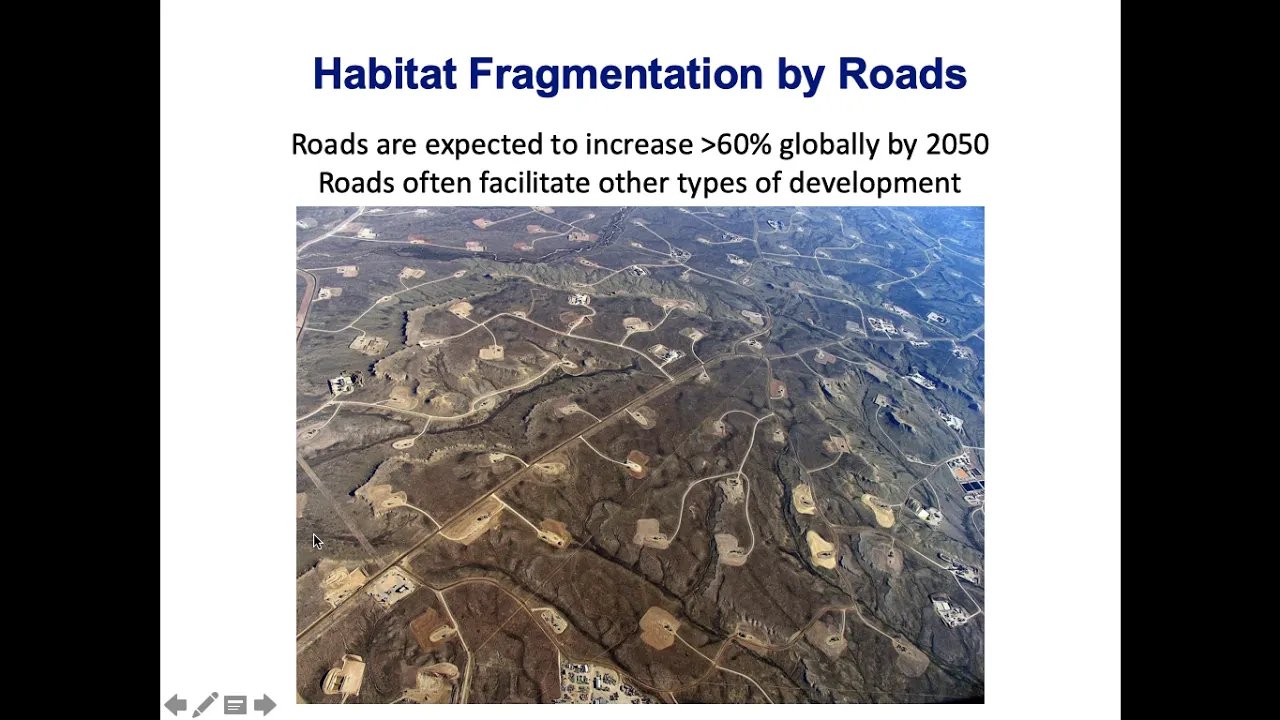
Habitat Fragmentation: The process by which large, contiguous habitats are divided into smaller, isolated patches, and its general consequences for biodiversity.
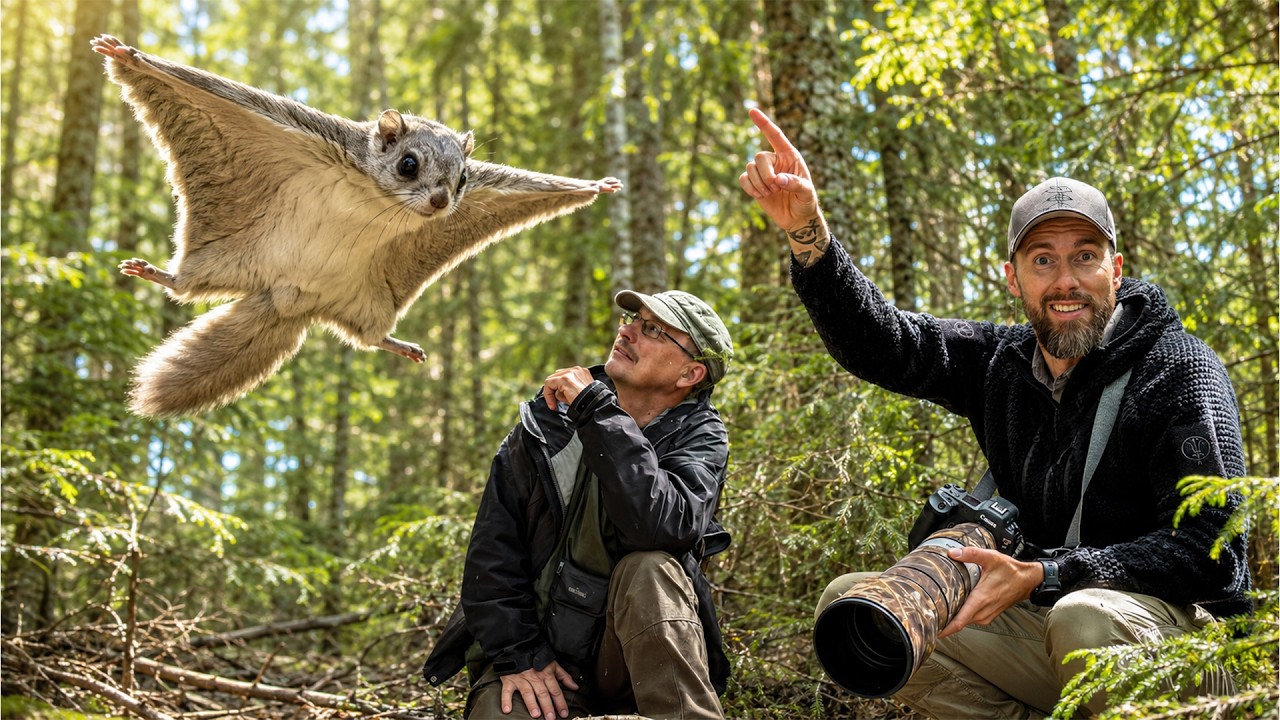
Auf der Suche nach einem der seltensten Säugetiere Europas | Mission Estland Teil 1/2
108.7K
Clear-cutting destroys flying squirrel habitat and fragments populations. Trees around 60 years old with fungi are ideal because woodpeckers create cavities that become nesting sites. When clear-cut areas exceed 20-25 meters, squirrels cannot cross and must go on the ground where they face predators. Computer modeling helps identify suitable habitat areas (100-year-old trees are ideal). To connect isolated populations, wildlife corridors must be created. Even infrastructure like power lines can be mitigated by allowing vegetation to grow on both sides. The presenter emphasizes that community involvement through donations, volunteering, and support is essential for conservation success.
Click to watch →
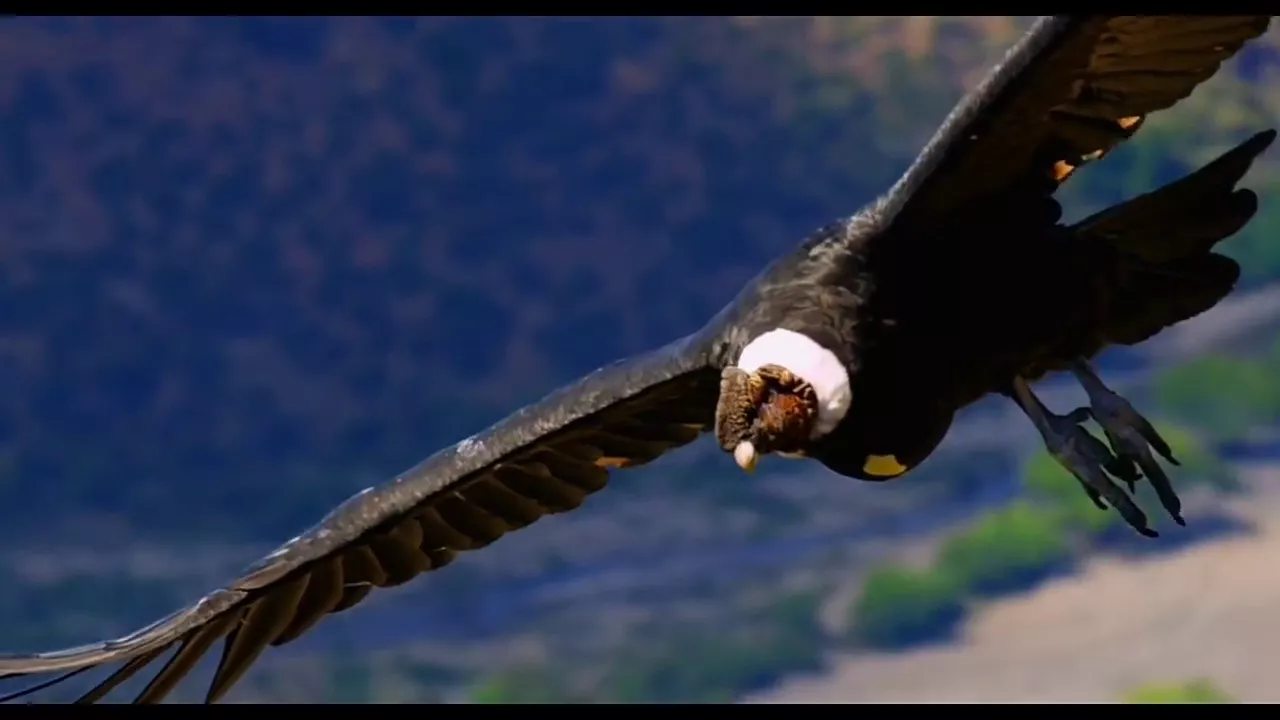
Colombia Magia Salvaje Documental
2.7M
The jaguar, the largest felid in the Americas, once roamed freely but now its territory has been reduced to patches. Agroindustry is destroying its habitat, but a new consciousness is growing. There is a plan to create and preserve routes that cross Colombia so that jaguars from the south can unite with their mates from the north. This corridor-based conservation approach recognizes that connectivity is essential for the survival of wide-ranging apex predators.
Click to watch →

ഈ കാട്ടുകള്ളനെ എന്തിനാണ് കർഷകർ ചുമക്കുന്നത്? I PV Anvar on Farmers in kerala
73.8K
This segment explains how human development projects create wildlife-human conflict. The speaker describes how Anwar's park construction blocked natural elephant corridors, forcing elephants to leave their habitat and enter human settlements. The segment details how this habitat fragmentation has made farming impossible, destroyed livelihoods, and created conditions where young people cannot even marry. The speaker argues that political figures who create these problems should not position themselves as solutions.
Click to watch →

The TRUE SECRET History of the Megalodon ! | History of the Earth Documentary
248.9K
As warm waters concentrated in smaller spaces, the megalodon was forced into fewer suitable territories. Habitat fragmentation increased intra-specific competition and intensified competition with emerging predators. Marine mammals, essential prey, shifted ranges to colder, better-oxygenated waters rich in krill. Whale populations became fragmented, reducing prey availability. An individual measuring 15-18 meters with very high daily energy needs faced increasing difficulty finding adequately sized prey, leading to extended fasting periods that compromised health, reproductive capacity, and survival.
Click to watch →

How Cougar P-22 Inspired the World's Largest Wildlife Crossing | WILD HOPE
207.3K
Mountain lions once roamed across the Americas but were hunted to near-extinction east of the Mississippi. In the West, human development is shrinking their territory and forcing them into urban areas. The Santa Monica Mountains are surrounded by freeways, agricultural fields, and the Pacific Coast, trapping wildlife in an island of habitat. A single male needs 100 square miles, yet fragmentation creates dangerously small populations with extremely low genetic diversity, leading to physical defects and reproductive failure. Without connectivity, scientists warn a 25% chance of local extinction within 50 years. Wildlife crossings represent critical solutions to this existential threat.
Click to watch →
Deep Dive
Gene Flow and Genetic Drift: How geographic isolation prevents the exchange of genetic material between populations, leading to inbreeding depression and reduced genetic diversity.
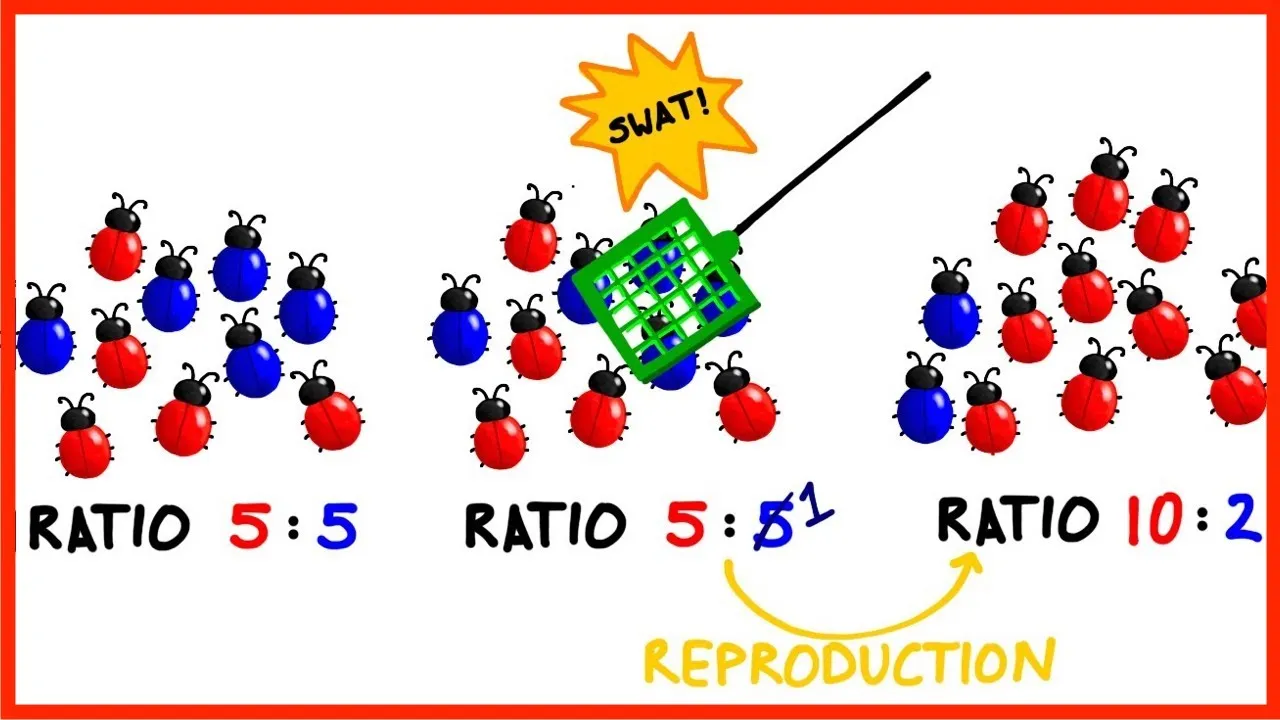
Gene Flow & Genetic Drift in Evolution
45.9K
Gene flow is the movement of genes between populations, which can introduce new genetic variations and reduce differences between populations, while genetic drift is the random change in allele frequency that occurs in populations, especially small ones, due to chance events; the Galapagos Islands serve as an ideal natural laboratory for studying these evolutionary mechanisms because their geographic isolation combined with diverse island ecosystems creates distinct populations that have evolved unique adaptations, such as the different beak shapes in Darwin's finches and the specialized lifestyles of marine versus tree-dwelling iguanas.
Click to watch →

Gene Flow & Genetic Drift (Video 14 in 2.5 Series)
468
Gene flow is the transfer of alleles between populations through migration and successful reproduction, which increases genetic diversity and makes populations more similar to each other; genetic drift is the random fluctuation of allele frequencies due to chance events, which has a much greater impact on small populations than large ones, and includes two special types: the founder effect (when a small group establishes a new population with a non-representative sample of alleles) and the bottleneck effect (when a catastrophic event drastically reduces population size, causing permanent loss of genetic diversity).
Click to watch →

Bài 22 - SH12: Thuyết tiến hóa tổng hợp hiện đại
36.3K
Gene flow (di nhập gen) is the movement of alleles between populations through migration of individuals or gametes, occurring through dispersal of individuals, gametes (pollen, spores), or propagules (seeds). Gene flow can introduce new alleles or change frequencies of existing alleles, potentially increasing or decreasing genetic diversity depending on circumstances. Genetic drift (yếu tố ngẫu nhiên) is the random change in allele frequencies due to chance events, occurring in all populations but having stronger effects in small populations. Random events like natural disasters or disease outbreaks can cause random mortality unrelated to fitness, potentially eliminating alleles entirely. Genetic drift reduces genetic diversity within populations by randomly eliminating alleles and can cause dramatic changes in allele frequencies, particularly in small populations.
Click to watch →

Evolution Class 12 NCERT Chapter 7 | विकास Class 12 Biology Chapter 7 L-6 | Hardy Weinberg Principal
76.2K
Gene flow occurs when individuals migrate between populations, transferring alleles and changing genetic composition. Genetic drift refers to random changes in allele frequencies due to chance events, particularly in small populations. Genetic drift manifests through two mechanisms: the founder effect (when a small group establishes a new population with limited genetic diversity) and the bottleneck effect (when a population is dramatically reduced by random events).
Click to watch →
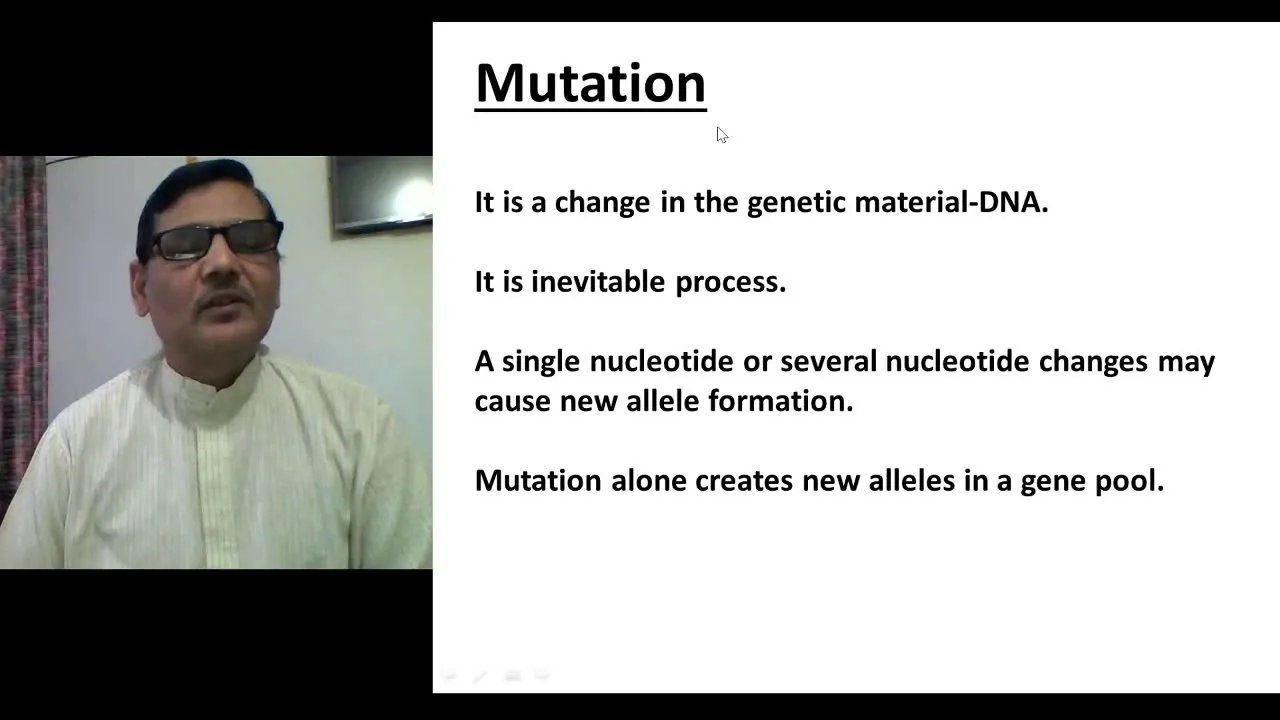
Elemental Forces of Evolution
2K
Gene flow mixes gene pools when individuals migrate between populations, calculated using p' = (1 - m) × pi + m × pc. Multi-directional movement increases genetic similarity among neighboring populations. Genetic drift causes random allele frequency changes without directional bias, occurring primarily in small populations through founder effect (new populations established by few individuals may have dramatically different allele frequencies) and bottleneck effect (environmental catastrophes reduce populations to few survivors). Dobzhansky's Drosophila experiments demonstrated that small populations show dramatic allele frequency fluctuations (from 50% to <20%), while large populations remain stable. The Dunkers population example shows how strict endogamy and isolation lead to significant genetic divergence from ancestral populations over time.
Click to watch →
Deep Dive
Edge Effects: The ecological changes that occur at the boundary of two or more habitats, which are significantly amplified by linear infrastructure like roads.

فيزياء سادس العلمي || الفصل الاول ( المتسعات ) اشكال المتسعة - محاضرة 2
76.4K
This section explains when and why the electric field between capacitor plates is uniform. The field is uniform when the distance between plates is much smaller than the plate dimensions (e.g., plates 5 cm × 10 cm with 2 cm separation). When plate separation is small compared to plate dimensions, field lines are parallel and equally spaced. The field is non-uniform at edges (fringing effect) where field lines curve outward. Edge effects become negligible when plate separation is sufficiently small relative to plate dimensions. This understanding is essential for designing practical capacitors and predicting their behavior in electronic circuits.
Click to watch →

What is feedback? feedback in Touchdesigner (터치디자이너 튜토리얼 자막)
75.7K
To create unique edge effects, use the Edge node and activate Composite Over Input to create edges on the input image. When connected through feedback, the edge will be recreated endlessly. Adding blur and making it brighter creates a very unique feedback image effect. This technique demonstrates how feedback can be used to create sophisticated visual effects by repeatedly processing the same image.
Click to watch →

فيزياء سادس علمي الفصل الاول الدرس الثاني
482.6K
The electric field between capacitor plates can be considered uniform when the distance between the plates is very small compared to the dimensions (length and width) of the plates. Under this condition, the edge effects (fringing) become negligible and can be ignored. When the distance is large compared to plate dimensions, the field becomes non-uniform with curved field lines near the edges.
Click to watch →

How to predict random numbers
150.2K
Edge effects significantly impact the probability of achieving a perfect shuffle. Long runs of perfectly interleaved cards must start at the top of the deck and continue through to the bottom. In practice, shuffling techniques tend to cause cards at the top and bottom of the stack to clump together rather than interleave perfectly. These edge effects make it almost impossible to achieve a perfect Faro shuffle accidentally because the conditions required for a perfect run cannot be met at the boundaries of the deck.
Click to watch →
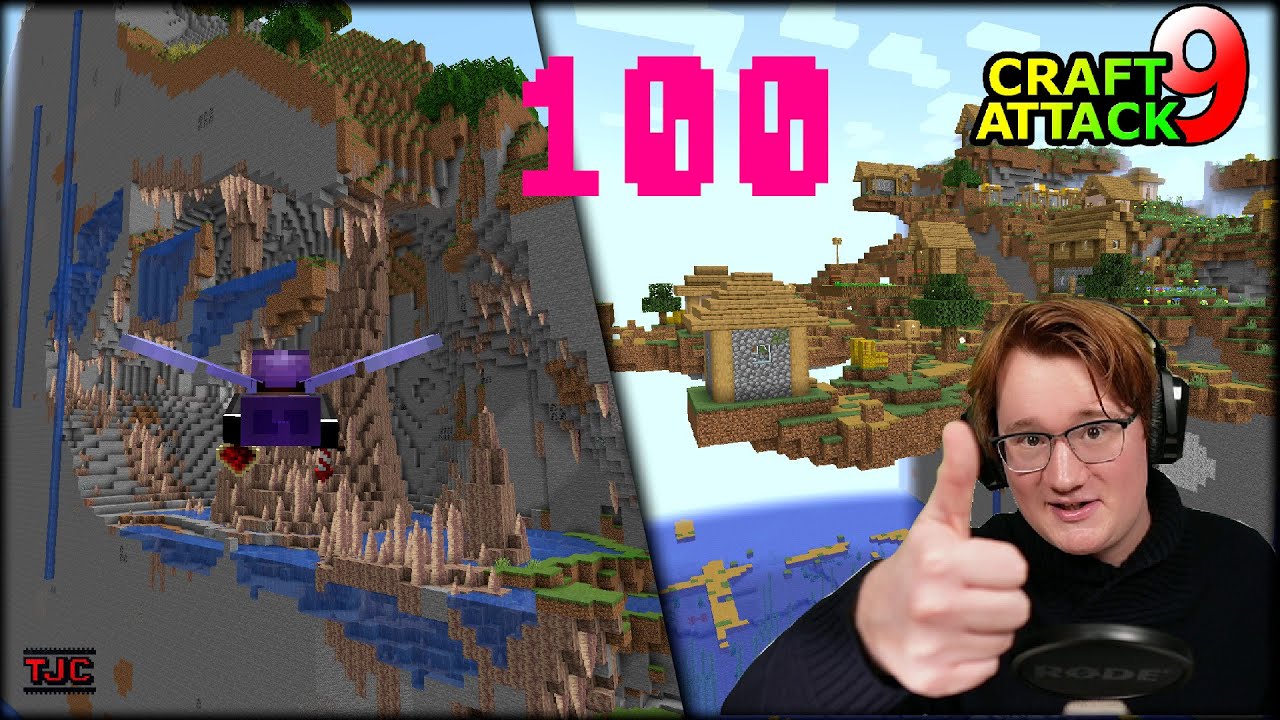
FOLGE 💯 - Wir ERKUNDEN die WELT-GRENZE und FINDEN ____________! | CA9 - Ep. 100
57.8K
At the world border, Minecraft's procedural generation creates unusual anomalies including floating islands, split biomes, and structures that appear disconnected from normal terrain. The generation algorithm attempts to embed structures like villages into existing biomes, but when the world is fragmented or at the edge, this produces unexpected results. These edge effects include floating villages, split terrain, and unique landscape formations that differ from the more uniform terrain found in the center of the world. The border represents a boundary where the generation system creates new terrain, resulting in visually striking and often surreal landscapes.
Click to watch →
Deep Dive
Basic Anthropogenic Impacts: An understanding of how human infrastructure development alters natural landscapes and ecosystem services.

AQUECIMENTO PARA O ENEM 2022 | ATUALIDADES, HISTÓRIA E SOCIOLOGIA
31K
Anthropogenic environmental impacts are impacts caused by humans (antrópico means human). While people often say 'the world will end due to environmental crisis,' this is an exaggeration because Earth is 4.6 billion years old and human history is very recent. What humans are doing is altering environmental services that are important for humanity. For example, humans need oxygen, clean oceans, algae and microorganisms producing oxygen, and proper water infiltration in urban areas. When these services are disrupted, it creates problems for human populations, though the impact on nature itself is different.
Click to watch →

5 IMPACTOS DO AQUECIMENTO GLOBAL! #SlowNews 32 | BlaBlalogia
20.7K
Anthropogenic global warming caused five significant impacts in 2016: (1) Record global temperatures with a 0.15°F increase from 2013-2016, potentially leading to a 5°F rise in 30 years; (2) Severe coral bleaching at the Great Barrier Reef, the worst in 18 years, affecting over half the northern reef in just three months; (3) Devastating droughts in Southern Africa, killing 16,000 cattle and destroying 75% of cultivated areas; (4) Massive wildfires in North America, burning 8.9 million acres with extreme vapor pressure deficit five times higher than expected; (5) The 'Blob' phenomenon in the Pacific Ocean, creating toxic algal blooms that killed thousands of marine organisms. Scientists attribute 21 out of 27 major climate events in 2016 to human-caused greenhouse gas emissions.
Click to watch →
Η αβάσταχτη συμμετρία του CO2: Δημήτρης Κούβελας & άρνηση της ανθρωπογενούς κλιματικής αλλαγής
38.6K
Scientists distinguish human-made CO2 from natural sources through carbon isotope analysis: human emissions are depleted in carbon-13 and contain almost no carbon-14. This evidence confirms that the increase in atmospheric CO2 since the Industrial Revolution is primarily anthropogenic. Current projections suggest the human-made to natural CO2 ratio could shift from 65-35 to 50-50 by 2100. The concern is not planetary destruction but serious impacts: increased extreme weather events, sea level rise threatening coastal areas, agricultural disruption, and potential mass migration. These changes will significantly affect human civilization, though the planet itself will not be destroyed.
Click to watch →
6. Impacts of Anthropogenic Activities on Env. | Paper 1 | UGC/NTA-NET/JRF | Santosh Kumar Sankhyan
582
Anthropogenic activities are human-made activities that significantly impact the environment, including agriculture (fertilizer use causing nutrient imbalance), housing (construction activities), mining (causing vegetation damage and groundwater contamination), and transportation (releasing greenhouse gases like CO2, methane, and CFCs), which collectively lead to air pollution, resource depletion, and environmental degradation.
Click to watch →
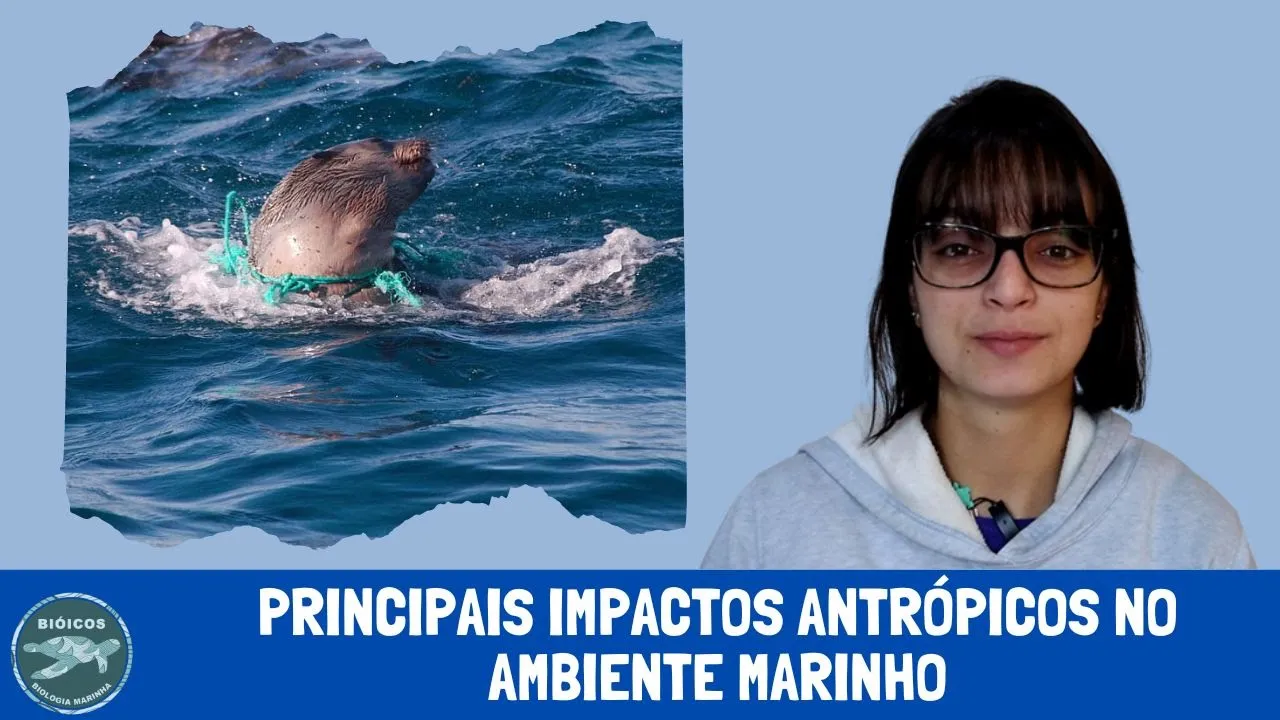
Principais impactos antrópicos no ambiente marinho #51
640
Human activities significantly threaten marine ecosystems through multiple interconnected impacts: ocean acidification (40% increase in CO2 levels causing 30% pH decrease over 250 years), overfishing and bycatch (40% of fishing results in non-target species capture), marine mining (removing calcareous organisms and affecting fisheries), and plastic pollution (7 kg of plastic per ton of waste ends up in oceans, with 85% of microplastics from fishing activities). These threats collectively endanger over 76% of marine species, with 7.4% classified as critically endangered. Conservation efforts through environmental education and scientific dissemination are essential to minimize these impacts and protect marine biodiversity.
Click to watch →
Prerequisite Knowledge
- Concept 01Habitat Fragmentation: The process by which large, contiguous habitats are divided into smaller, isolated patches, and its general consequences for biodiversity.
- Concept 02Gene Flow and Genetic Drift: How geographic isolation prevents the exchange of genetic material between populations, leading to inbreeding depression and reduced genetic diversity.
- Concept 03Edge Effects: The ecological changes that occur at the boundary of two or more habitats, which are significantly amplified by linear infrastructure like roads.
- Concept 04Basic Anthropogenic Impacts: An understanding of how human infrastructure development alters natural landscapes and ecosystem services.
Subsequent Learning
- Step 01Mitigation Ecology and Eco-passages: The engineering, design, and biological efficacy of wildlife crossings, underpasses, and green bridges.
- Step 02Conservation GIS and Spatial Planning: Utilizing Geographic Information Systems (GIS) to map ecological corridors and prioritize roadless areas for legal protection.
- Step 03Road Ecology as a Scientific Discipline: Exploring the systematic study of the ecological effects of transportation infrastructure on flora, fauna, and biogeochemical cycles.
- Step 04Environmental Policy and Legislation: Examining frameworks such as the Roadless Area Conservation Rule and Environmental Impact Assessments (EIAs) in infrastructure planning.
Road Impacts
Road Impacts
0:00Playing Section
- 1
Roads affect wildlife up to half a mile away, covering 20% of land.
- 2
Artificial boundaries fragment habitats, harming large animal movement and genetics.
- 3
Solutions include wildlife crossings and road planning that considers animal travel.
The Socio-Economic Development and Mitigation Coexistence Perspective
While the ecological disruptions of roads are undeniable, an alternative perspective emphasizes that road infrastructure is vital for human development, poverty alleviation, and access to essential services like healthcare and education, especially in developing regions. Proponents of this view, alongside advocates of 'mitigation ecology,' argue that halting road construction is economically unfeasible and socially inequitable. Instead of aiming for strict 'roadless' preservation, they advocate for sustainable infrastructure. By utilizing modern engineering solutions—such as wildlife overpasses, underpasses, canopy bridges, and noise-reducing pavements—the negative impacts on wildlife can be significantly minimized. Furthermore, roads can actually aid conservation by facilitating anti-poaching patrols, ecological monitoring, and ecotourism, which funds habitat protection. Therefore, this perspective champions a balanced approach of smart infrastructure integration and coexistence rather than complete exclusion.
Deep Dive
Mitigation Ecology and Eco-passages: The engineering, design, and biological efficacy of wildlife crossings, underpasses, and green bridges.

CHS2023 | Session 5: Herpetofauna Conservation | September 2023
102
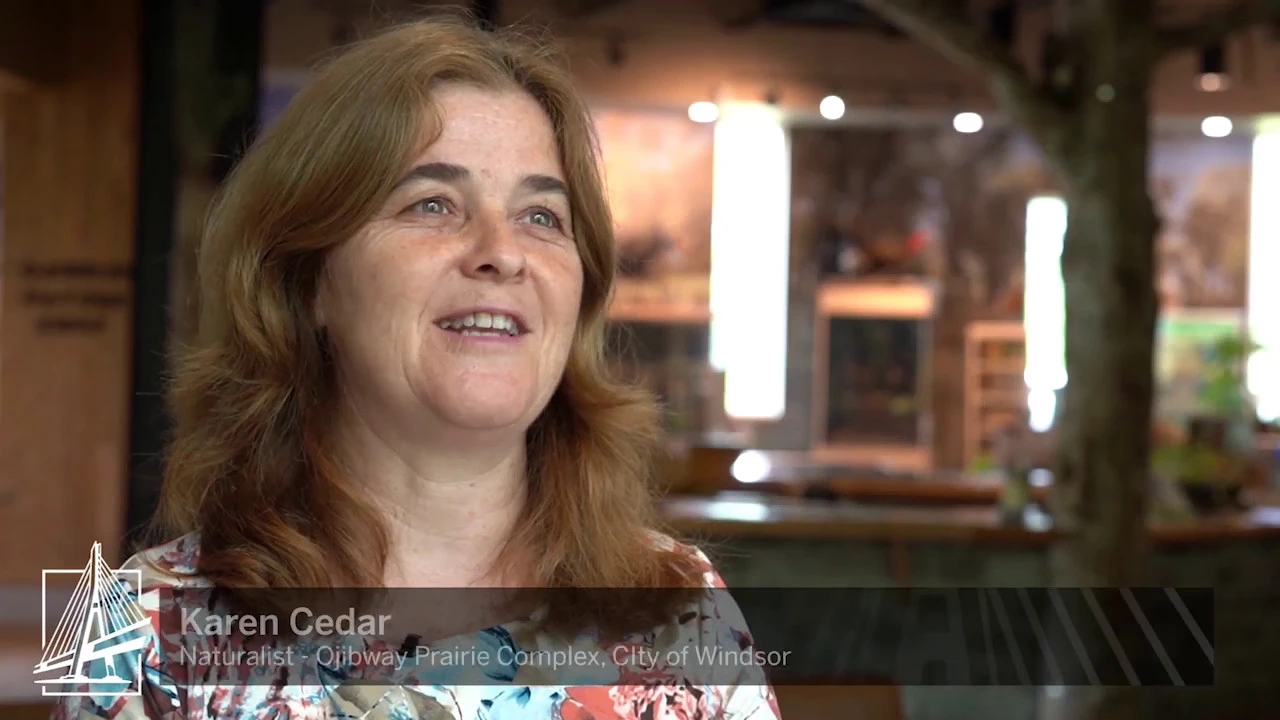
Eco-passages installed for wildlife crossing can completely eliminate road mortality for target species. At one nuclear facility site, four adult Blanding's turtles were killed on roads between 2009-2018, but zero mortality events occurred after eco-passages were installed. This demonstrates that properly designed and maintained wildlife crossings can effectively protect vulnerable species populations.
Click to watch →
Ojibway Park Wildlife Eco-passage
324
Wildlife eco-passages are critical infrastructure that reconnect fragmented habitats, enabling native species to migrate freely and maintain genetic diversity, which strengthens overall biodiversity and helps ecosystems adapt to climate change.
Click to watch →

Is Enough Being Done to Support Canada's "Dreamers?" | The Agenda | Full Episode
1K
This segment covers specialized eco-passages and their implementation challenges. Turtle-specific passages require modifications like increased lighting and larger dimensions, with Shepherd's Lake's passage achieving zero turtle roadkill since implementation. However, maintenance is critical—poorly maintained passages can harm wildlife populations by creating false security or attracting predators. The segment presents cost-benefit analyses showing that on highways with high wildlife mortality, eco-passages become economically justified. Highway 11 in Ontario represents a major mitigation project due to its location between conservation reserves with endangered species.
Click to watch →

Il Encuentro de la Subdirección de Sostenibilidad, segunda jornada.
522
Wildlife mitigation infrastructure including wildlife passages and habitat corridors enables safe wildlife movement across infrastructure barriers. The Sucub application data enables targeted wildlife mitigation planning, with 31% of high-vulnerability corridors now having connectivity studies. This systematic approach transforms wildlife protection from reactive response to proactive infrastructure design.
Click to watch →
Planning Committee - 16 June 2026
451
Ecological mitigation focuses on retaining valuable natural features and improving land for wildlife: (1) Retain woodland, water courses, and canal corridors; (2) Plant new woodland and create ponds to strengthen green corridors; (3) Convert grassland to species-rich wildflower meadows; (4) Create 25-35 meter buffers along canals; (5) Achieve statutory 10% biodiversity net gain; (6) Register ecological land as a habitat bank for 30 years protection. The development replaces poor quality agricultural grassland with richer, better connected landscape supporting local wildlife.
Click to watch →
Deep Dive
Conservation GIS and Spatial Planning: Utilizing Geographic Information Systems (GIS) to map ecological corridors and prioritize roadless areas for legal protection.

NEW FRONTIERS IN CONSERVATION
204
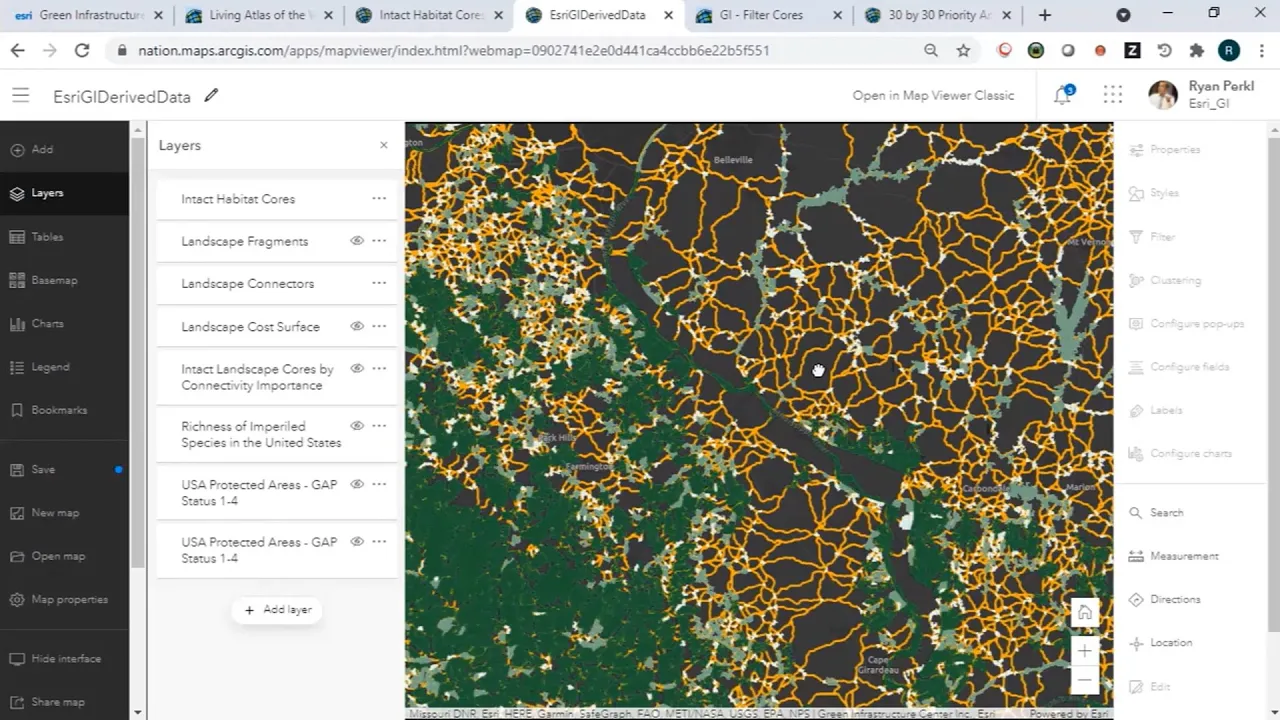
Geographic Information System (GIS) technology has revolutionized conservation planning by enabling free access to software that allows anyone to analyze spatial data. This enables conservationists to visualize and plan conservation strategies, including determining how to achieve the global goal of protecting 30% of the planet by 2030 by identifying optimal locations for protected areas across marine, freshwater, and terrestrial ecosystems.
Click to watch →

Webinar: El uso de los SIG para el estudio y conservación de la Biodiversidad
305
GIS supports conservation planning through multiple applications: identifying areas of high biodiversity for protection, evaluating habitat fragmentation and proposing connectivity corridors, and planning protected areas by overlaying multiple information layers. The technology enables researchers to reach consensus on conservation priorities and identify sensitive zones requiring protection. Additionally, GIS facilitates the proposal of biological corridors that increase connectivity between fragmented habitats, allowing species and genetic flow to continue despite human development that has divided natural landscapes.
Click to watch →

Gestão e Planejamento de Unidades de Conservação
593
Information plans are compiled in a geographic information system (GIS) to identify zones by activity. This includes areas for conservation within reserves, areas for water, and areas for food production. Understanding the region well helps in planning various management processes, including those that may generate resources for communities.
Click to watch →

Careers with the Natural Resource Conservation Service
13.8K
Geographic Information Systems (GIS) are computer software/hardware systems that allow users to see trends, patterns, and relationships not noticeable with traditional maps. GIS enables planners to easily identify where conservation practices need to be applied to the land. Combined with GPS technology for pinpointing exact locations and tablets for instant data viewing and editing, GIS supports field offices in creating detailed conservation plan maps.
Click to watch →
ArcGIS for 30 by 30: Esri’s Vision for Conservation Planning for a Sustainable Future
1.3K
GIS serves as a fundamental contributor to all conservation planning activities, whether current green infrastructure planning, conservation planning programs, or future 30 by 30 efforts. The technology enables understanding our world, planning conservation targets, and implementing actions for positive outcomes. The examples presented are equally applicable to current conservation planning programs as they are to 30 by 30 initiatives. ESRI's geospatial infrastructure provides the ecosystem needed for all aspects of conservation from understanding our world to planning conservation targets and implementing these for positive outcomes for all.
Click to watch →
Deep Dive
Road Ecology as a Scientific Discipline: Exploring the systematic study of the ecological effects of transportation infrastructure on flora, fauna, and biogeochemical cycles.
#RevistaExperimenta - Murciélagos: estigmatizados pero indispensables para la preservación...
127
Road ecology is an emerging scientific field that studies the impacts of highway construction on animal species inhabiting areas surrounding roads. This discipline examines how infrastructure development affects wildlife behavior, distribution, and survival.
Click to watch →
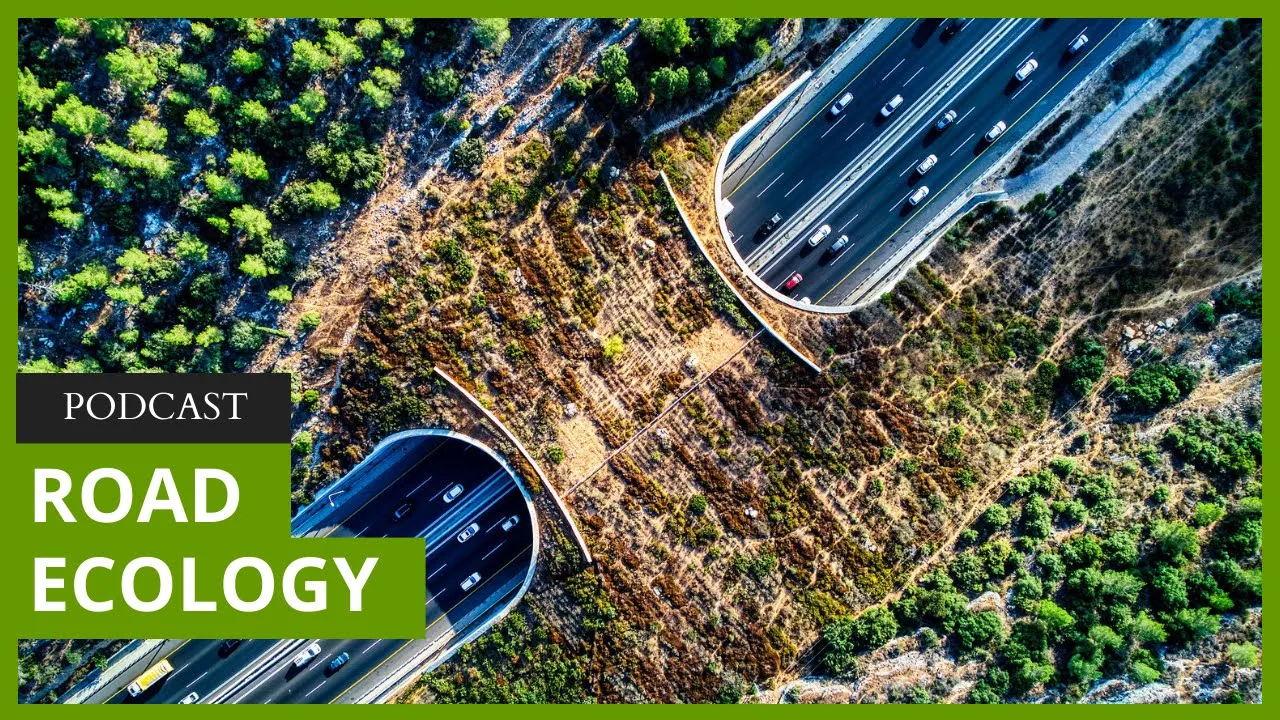
Speeding toward a solution: Can 'road ecology' save millions of animals?
628
Road ecology as a formal scientific discipline emerged in the 1990s when ecologist Richard Forman coined the term. However, the discipline has roots dating back over a century to the 1920s when biologists began noticing dead animals on roads during car trips. Early researchers documented high numbers of dead garter snakes, woodpeckers, and ground squirrels. As cars became normalized in society, concerns about wildlife mortality diminished, causing the field to decline until it was revived within the last couple of decades.
Click to watch →

Traffication: An Interview with Paul Donald
124
Road ecology emerged as a formal scientific discipline in 1999 to study how roads impact the environment. The term 'traffic' was coined to describe the pervasive phenomenon of cars in modern life, encompassing three interconnected components: growth in vehicle numbers and distances traveled, increase in average speeds, and spatial spread of roads into new areas. World vehicles collectively drive approximately 15 trillion miles annually—enough to make Earth microscopic on that scale. These changes occur gradually at about 1% per year, below human perceptual thresholds, and lack a unifying conceptual framework, contributing to underappreciation of car-related environmental impacts. Roadkill is not random but predictable based on crossing probabilities and collision likelihoods. Beyond visible roadkill, roads fragment landscapes into isolated habitat islands, disconnecting populations and increasing extinction risks through island biogeography principles. Many species—including snails, small mammals, and invertebrates—avoid roads entirely, creating invisible ecological impacts.
Click to watch →
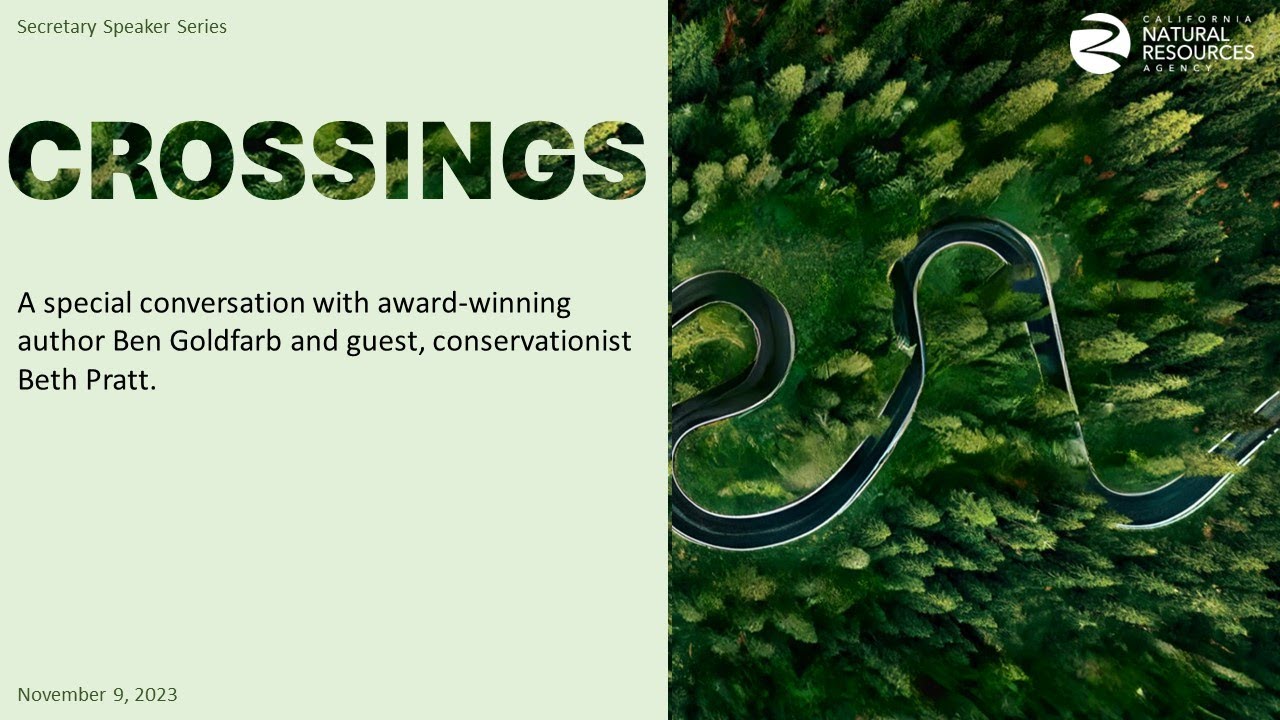
Secretary Speaker Series - A Special Conversation with Crossings, Author Ben Goldfarb
400
Road ecology emerged as a formal scientific discipline primarily in the 1960s and 1970s, despite cars proliferating across American landscapes since the 1920s. A key catalyst was the recovery of deer populations after near-extinction from 19th-century hunting, which created more frequent deer-vehicle collisions. These collisions became dangerous events killing up to 400 drivers annually and costing society over $99,000 per incident on average. This human safety concern drove initial research into wildlife-vehicle interactions.
Click to watch →

Environmental impact of roads | Wikipedia audio article
161
Road ecology is the study of ecological effects of roads and highways, including both positive and negative impacts. Local effects encompass noise, water pollution, habitat destruction, disturbance, and air quality. Wider effects include habitat fragmentation, ecosystem degradation, and climate change from vehicle emissions. Roads cause significant damage to forests, prairies, streams, and wetlands through direct habitat loss, roadkill, altered water flow, and barriers to animal movement. The field is practiced by ecologists, biologists, hydrologists, and engineers. Global research centers include the Road Ecology Center at UC Davis (the first of its kind), the Centro Brasileiro de Estudos de Ecologia de Estradas at Federal University of Lavras, the Center for Transportation and the Environment at North Carolina State University, and the Road Ecology Program at Montana State University. International conferences include the Infra-Eco Network Europe, International Conference on Ecology and Transportation (ICOET), and the Australasian Network for Ecology and Transportation (ANET).
Click to watch →
Deep Dive
Environmental Policy and Legislation: Examining frameworks such as the Roadless Area Conservation Rule and Environmental Impact Assessments (EIAs) in infrastructure planning.
Environmental Policy For Kids!
340
Environmental policy refers to laws and regulations established by groups or companies to address environmental issues. Three major groups create these policies: companies (rules for water, energy, waste), governments at city/state/federal levels, and public/private organizations. The legislative process involves three branches: the House of Representatives and Senate (legislative) review and vote on bills, the President (executive) can sign or veto, and if vetoed, Congress needs a greater majority to override. The process begins with identifying a problem and proposing a solution (bill), then moves through both chambers before reaching the President.
Click to watch →
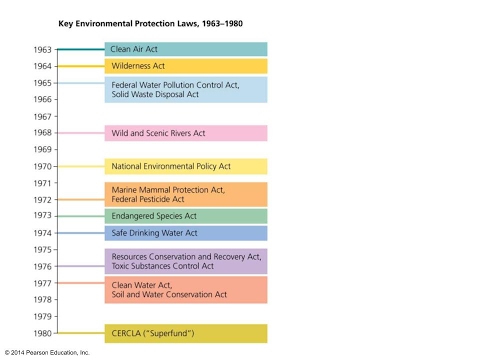
Environmental Policy Part 2
460
The third wave of US environmental policy produced comprehensive regulatory frameworks. Rachel Carson's 'Silent Spring' and the 1969 Cuyahoga River fire raised public awareness, leading to Earth Day 1970 and the EPA's creation in 1970. Key legislation includes: Clean Air Act (sets air quality standards, caps emissions, enables citizen lawsuits, establishes cap-and-trade for sulfur dioxide); Endangered Species Act (protects species from extinction, prohibits harming species or habitats, funds recovery); Safe Drinking Water Act (authorizes EPA to set drinking water quality standards); Toxic Substances Control Act (authorizes EPA to monitor and regulate industrial chemicals); RCRA (cradle-to-grave hazardous waste regulation); Clean Water Act (regulates waste discharges through permit system); Soil and Water Conservation Act (directs USDA to assess and conserve resources); and CERCLA/Superfund (funded cleanup program for polluted sites, with 1,337 sites on the National Priorities List as of 2016).
Click to watch →

NEDELJNI ZAKON PRED AMERICKIM SENATOM !
3.3K
Environmental legislation was introduced on March 27, 2019, by Democratic representatives. The legislation requires the President of the United States to take action on the Paris Agreement, specifically to demonstrate a plan and implement laws that will govern the planet. This shows how environmental policy is developed through congressional action and presidential implementation.
Click to watch →

TF1 29 Octobre 1996 1 Page de Pubs, 1 Bande Annonce, 1 Coming Next
805
Environmental protection requires legislative action. Governments develop laws and regulations to address pollution issues. The effectiveness of environmental legislation depends on expert analysis and public engagement. Policy discussions involve multiple stakeholders including government officials, experts, and affected citizens.
Click to watch →

Escenario '93 - Gutemberg Martínez y Alberto Espina (Megavisión, 22 de agosto de 1993)
1K
Environmental policy requires both practical implementation and legislative action. Effective environmental governance includes: (1) implementing clean transportation systems like trolleybuses, (2) developing waste processing systems that avoid contamination, (3) establishing legal frameworks for environmental protection, (4) preventing import of hazardous waste from other countries, and (5) creating mechanisms for citizens to challenge arbitrary government actions. These elements together create a comprehensive approach to environmental protection.
Click to watch →
Road Impacts
Road Impacts
0:00- 1
Roads affect wildlife up to half a mile away, covering 20% of land.
- 2
Artificial boundaries fragment habitats, harming large animal movement and genetics.
- 3
Solutions include wildlife crossings and road planning that considers animal travel.
The Socio-Economic Development and Mitigation Coexistence Perspective
While the ecological disruptions of roads are undeniable, an alternative perspective emphasizes that road infrastructure is vital for human development, poverty alleviation, and access to essential services like healthcare and education, especially in developing regions. Proponents of this view, alongside advocates of 'mitigation ecology,' argue that halting road construction is economically unfeasible and socially inequitable. Instead of aiming for strict 'roadless' preservation, they advocate for sustainable infrastructure. By utilizing modern engineering solutions—such as wildlife overpasses, underpasses, canopy bridges, and noise-reducing pavements—the negative impacts on wildlife can be significantly minimized. Furthermore, roads can actually aid conservation by facilitating anti-poaching patrols, ecological monitoring, and ecotourism, which funds habitat protection. Therefore, this perspective champions a balanced approach of smart infrastructure integration and coexistence rather than complete exclusion.
Habitat Fragmentation: The process by which large, contiguous habitats are divided into smaller, isolated patches, and its general consequences for biodiversity.
Gene Flow and Genetic Drift: How geographic isolation prevents the exchange of genetic material between populations, leading to inbreeding depression and reduced genetic diversity.
Edge Effects: The ecological changes that occur at the boundary of two or more habitats, which are significantly amplified by linear infrastructure like roads.
Basic Anthropogenic Impacts: An understanding of how human infrastructure development alters natural landscapes and ecosystem services.
Mitigation Ecology and Eco-passages: The engineering, design, and biological efficacy of wildlife crossings, underpasses, and green bridges.
Conservation GIS and Spatial Planning: Utilizing Geographic Information Systems (GIS) to map ecological corridors and prioritize roadless areas for legal protection.
Road Ecology as a Scientific Discipline: Exploring the systematic study of the ecological effects of transportation infrastructure on flora, fauna, and biogeochemical cycles.
Environmental Policy and Legislation: Examining frameworks such as the Roadless Area Conservation Rule and Environmental Impact Assessments (EIAs) in infrastructure planning.
231 views7likes1:13@scrippsnewsOriginal Release: 2016-12-15
our roads are reaching farther than ever into what used to be Wilderness and for the animals they share space with their influence doesn't end at the shoulder researchers found that all roads from Tiny country paths to Tin Lane highways have an effect on the local wildli that stretches at least a half mile when you map that out 20% of Earth's land mass is affected by roads and the other 80% is cut up into chunks nearly all of which are smaller than 38 square miles these artificial boundaries cramp Wildlife especially larger animals an elephant or a mountain lion roaming around its natural range for example is likely to come across at least one road some animals that try to cross these roads won't make it and many of them won't even try that research has shown animals will sometimes change their natural behaviors to avoid intrusive roads which starts to affect a population's genetic Health some scientists would like to see more policy that protects Earth's remaining roadless space es and the animals that live there whether that's Road planning that keeps the movements of local wildlife in mind or overpasses and underpasses that gives animals safe routes across
Up Next
12:53
Habitat Fragmentation: Ecological Impacts and Edge Effects
@latechconservationbiology222
207 views•2020-12-09

15:54
Life in Biosphere 2: Sustainable Ecosystems & Human Survival
@TED
334.9K views•2009-06-16
14:30
Microplastics Everywhere: How Plastic Impacts Our Lives
@TEDx
100.9K views•2018-05-08
10:28
Ice Stupa Artificial Glaciers: Solving Ladakh's Water Crisis
@SonamWangchuk66
3.2M views•2015-05-03
Related Study Plans & Knowledge Roadmaps
Structured learning paths in Environmental Science
environmental-science
Ocean Noise: Cetacean Impacts & Mitigation
01Fundamentals of Underwater Acoustics
02Marine Mammal Bioacoustics
03Anthropogenic Noise: Shipping & Seismic Surveying
+ 2 more learning modules
16h5 modules
Explore Roadmap
environmental-science
Road Ecology: Corridors, Overpasses & Fencing
01Foundations of Habitat Fragmentation and Carnivore Ecology
02The Road Barrier: Ecological Impacts of Transport Infrastructure
03Principles of Ecological Corridors and Connectivity Mapping
+ 3 more learning modules
14h6 modules
Explore Roadmap
environmental-science
Ocean Acidification: Kelp Buffering & Shellfish
01Fundamentals of Ocean Chemistry & pH
02Chemical Pathways of Coastal Acidification
03Bivalve Physiology & Calcification Under Stress
+ 2 more learning modules
18h5 modules
Explore Roadmap
environmental-science
Ice Stupas: Glacial Retreat & Water Security
01Foundations of Glaciology & Mountain Hydrology
02Climate Change and Glacial Retreat Dynamics
03The Science of Ice Stupas & Artificial Glaciers
+ 2 more learning modules
14h5 modules
Explore Roadmap