


















Habitat fragmentation is the process by which large continuous habitat areas are broken into smaller, isolated patches, primarily caused by deforestation, agricultural expansion, and road construction; this pattern of habitat loss has severe ecological consequences including reduced dispersal and colonization abilities, limited access to food and mates, increased edge effects that alter microclimates and species composition up to 400 meters inward, and decreased interior habitat quality, ultimately threatening biodiversity and ecosystem stability.
Habitat Fragmentation: Ecological Impacts and Edge Effects
Added:Fundamental concepts of ecosystems, including biotic and abiotic components, food webs, and trophic levels.
The definition of an ecological niche and how species adapt to specific habitat conditions, such as interior versus edge environments.
Basic principles of biodiversity, including species richness, genetic diversity, and ecosystem resilience.
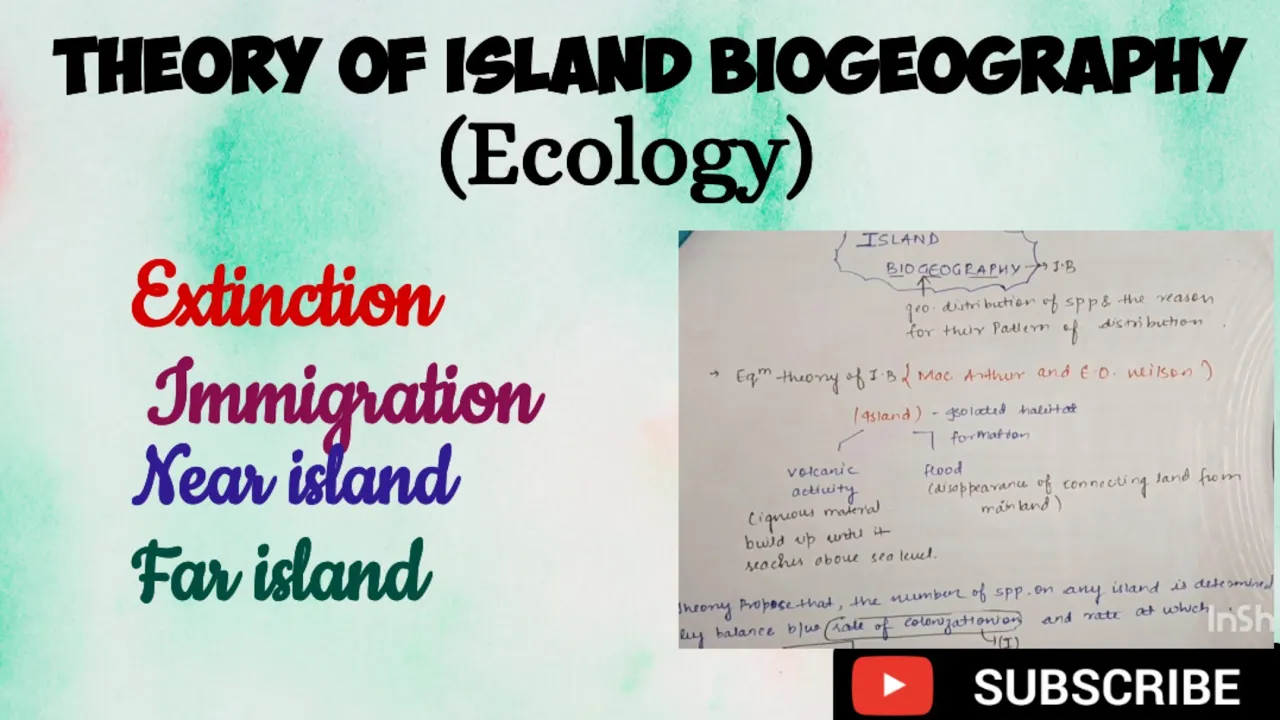
An introduction to the Theory of Island Biogeography, specifically how island size and isolation affect species colonization and extinction rates.
The design and implementation of wildlife corridors and ecological networks to restore habitat connectivity.
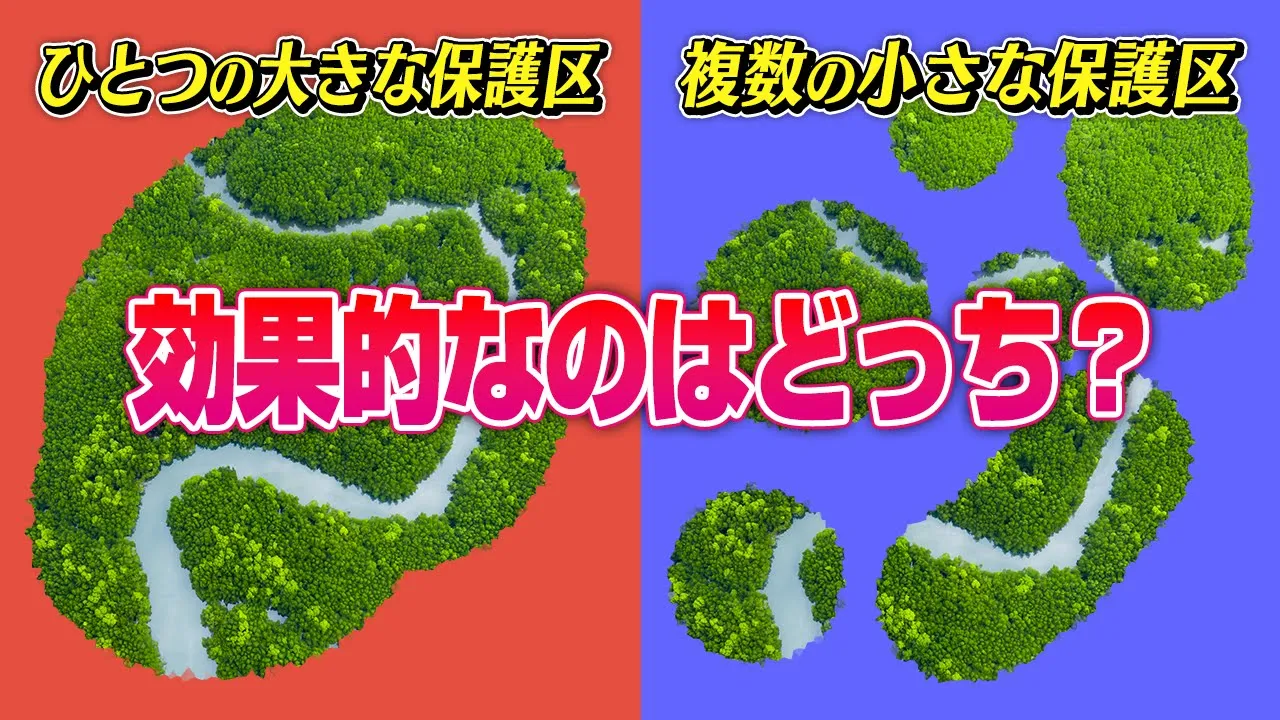
Applied conservation biology strategies, such as the 'Single Large Or Several Small' (SLOSS) debate and protected area buffer zones.
The genetic consequences of habitat isolation on wildlife populations, including genetic drift, inbreeding depression, and loss of evolutionary potential.
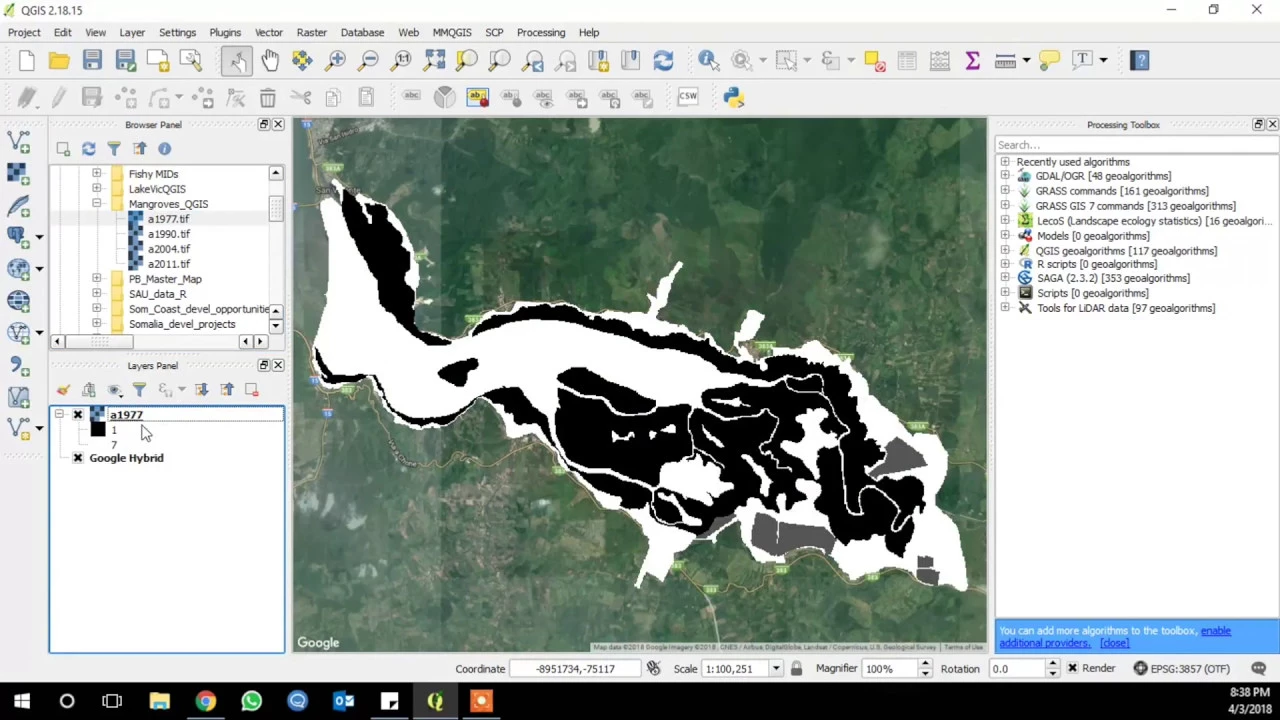
Using Geographic Information Systems (GIS) and landscape ecology metrics to quantify and monitor habitat fragmentation over time.
207 views0likes12:53Original Release: 2020-12-09
so that was straight up habitat destruction we're going to move on to the second type of habitat loss which is habitat fragmentation and this has to do with the pattern at which habitat loss occurs there are some patterns that are more detrimental than others and so habitat fragmentation is when a large continuous area of habitat is broken up into smaller fragments so this is um an example so we can see we could keep all of the habitat in one big block like this this 87 hectare block or we could end up with lots and lots of these little like two hectare blocks of habitat and this would be classic habitat fragmentation so what causes fragmentation think about it for just a second what do you think creates these little tiny patches of habitat all over the place instead of larger blocks of habitat so deforestation is a big reason um a lot of times when forest is cut down or new farms are created where forest used to be it happens in little patches and sometimes this happens because there are multiple different owners doing different things with their land instead of one big concerted effort so a lot of times it's because one person doesn't make a farm lots of people make little farms and they kind of just eat away at the habitat and end up with these little tiny patches left this shows lots of forest in southeast asia from 1970 to 1990 and the dark green is forest and you can see that most of the forest was pretty continuous in 1970 but by 1990 lots of it was left in these little tiny pockets there were some large expanses left but a lot of it is in these kind of little tiny patches a lot of habitat fragmentation occurs when we build roads um you might not think a road's a very big deal because it's not very wide necessarily but it breaks the habitat up in little pieces there are certain changes that can occur as we cut out forest in particular and there are some wildlife that are scared to crossroads whether it has traffic or not some of them um especially smaller things are just they see an open area and they're not comfortable crossing it and they don't and so that creates little pockets of different populations of wildlife so this shows an area of colorado in 1957 and 1994 and it often starts with these unimproved roads and we often think oh a dirt road that's not a big deal but it can cause substantial changes um in some areas and so we can see that often unimproved roads also eventually lead and become improved roads and so we see that that's what's happened here so most of the roads that were unimproved in 1957 are now improved roads by 1994 and they've created now these large grids and we end up with these small pockets of habitat and so that's a big contribution to habitat fragmentation i said before roads can be major barriers um for wildlife in particular we see that um we do get traffic more fatality so this is a tapir that's been hit by um probably a logging truck um we see some a wildlife are treat roads as barriers so they start to cross the road um if there is traffic that comes by they might get scared and turn around and not ever find a time when there's not traffic to cross that road some wildlife avoid edges and so we see here they might see a canopy opening in the trees and turn around and move away from the road before they even get close to it they just they don't like to cross open canopy areas they need trees over areas where they're going to cross other effects can happen so predation some predators are attracted to roads um and so other wildlife might be more likely to be preyed upon if they are near a road we get pollution from roads there's air pollution but also vehicles um leak various fluids including gas also in farther north they will apply things to the road to keep them from freezing over so things like salt some places will add ash um to make snow and ice melt more quickly and then there's a whole zone of disturbance depending on what different kind of fair variables we're thinking about can penetrate into the forest um if there is a road um globally roads have fragmented land into about six hundred thousand parcels um greater than fifty percent of them are smaller than one kilometer squared and only seven percent of them are greater than a hundred kilometers squared and this is from a few years ago this increases every year um the red areas are roads with a one kilometer buffer and um it shows orange through blue are roadless areas that have patch sizes um of 0.01 kilometers squared on up so you can see that there are some areas especially the eastern and and the very western united states have very high densities of roads europe has very high densities of roads and japan has very high densities of roads most of the other parts of the world have larger patches of land that are roadless but where we live we are included in this area that has very few large areas that aren't dissected by roads um we see that roads are expected to increase greater than 60 globally by 2050 and roads often facilitate other types of development um so this is actually um an aerial photo um of something that happens very close to where we live so what do you guys think all those weird little patches are in the landscape they're actually natural gas pads and so if you get on google earth and turn the satellite on you can see lots of really interesting patterns in the landscape and so just very close to us there's enough natural gas development that you will see landscapes that look like this in our area so effects of fragmentation how does this habitat fragmentation alter biotic communities so small patches may not be large enough for large predators so we may have a smaller set of ecosystems and we may lack the control that predators have on herbivores in these smaller patches fragmentation limits dispersal and colonization i mentioned this with the roads but if the small patches aren't close together animals may not be able to move between them plants may also be limited things that are wind pollinated or have seeds that are when dispersed may be okay but other kinds of plants may really be limited if these small patches aren't very close to each other there may be restricted access to food and mates so small patches of habitat may not have everything that a wildlife species needs it might have food but there might not be enough individuals in that patch to find someone to mate with there might not be hibernation locations there may not be enough water you might need a larger patch to have all the resources that a population needs to be successful it can also break populations up and create problems that are associated with small populations and we'll talk a lot about that later on in this course it may also increase the frequency of interspecies interactions so again there might be a higher likelihood of being predated on if you're concentrated into a smaller habitat patch finally you can get edge effects and i'll spend a little bit of time talking about that um so edge effects are changes that occur at the boundary of two habitats and a lot of times these these examples are effects in forests when the forest is near an edge so you can imagine here like this picture there is this stark edge and we're looking at changes that are different near the edge of this forest that are different than a patch inside the forest farther in and so some things can travel pretty far into the forest so up to um 400 meters into an edge and if you're used to thinking in feet remember that a meter is about three feet so 400 meters into the forest you get increased wind disturbance about 300 meters into the forest you get elevated tree mortality 200 meters you get altered species composition of leaf litter invertebrates that might be important for decomposition and nutrient cycling and then around 100 meters into the forest you get changes in the abundance and diversity of leaf litter invertebrates changes in foliage density reduced canopy height faster recruitment of disturbance adopted trees and then less than 100 meters and you get changes in soil moisture changes in lower canopy foliage density changes in air temperature changes in bird abundance humidity understory foliage soil moisture and changes in fungi so these are a lot of different documented edge effects that researchers have found and some of them can go up to 400 meters so that's 0.4 kilometers that is a long way into a patch and if the patches are too small they might be all edged so these smaller patches of forest might all have increased wind disturbance in comparison to larger patches of forest um so edge effects result as fragmentation increases so this shows areas that they're calling edge so this kind of peach color is the edge so we're saying that in 100 meters in there are these edge effects that we see in the forest and the interior so in a large patch this is a kilometer by a kilometer patch we get 64 hectares of interior if it's all one patch in this case they bisected it with a railroad and then they bisected it the other way with a road and this led to only 34.8 hectares of interior good habitat so if you have a species that really depends on this undisturbed interior just putting a road or railroad through that might really decrease the amount of habitat available um to those species and so you can see decreased it by almost a half by just putting a small road and railroad through that area
Up Next
14:18
Landscape Fragmentation: Wildlife Impact & Measurement (Jochen Jäger, Part 1)
@epitunhabitat
751 views•2013-02-28

15:54
Life in Biosphere 2: Sustainable Ecosystems & Human Survival
@TED
334.9K views•2009-06-16
14:30
Microplastics Everywhere: How Plastic Impacts Our Lives
@TEDx
100.9K views•2018-05-08
10:28
Ice Stupa Artificial Glaciers: Solving Ladakh's Water Crisis
@SonamWangchuk66
3.2M views•2015-05-03
Related Study Plans & Knowledge Roadmaps
Structured learning paths in Environmental Science
environmental-science
Ocean Noise: Cetacean Impacts & Mitigation
01Fundamentals of Underwater Acoustics
02Marine Mammal Bioacoustics
03Anthropogenic Noise: Shipping & Seismic Surveying
+ 2 more learning modules
16h5 modules
Explore Roadmap
environmental-science
Road Ecology: Corridors, Overpasses & Fencing
01Foundations of Habitat Fragmentation and Carnivore Ecology
02The Road Barrier: Ecological Impacts of Transport Infrastructure
03Principles of Ecological Corridors and Connectivity Mapping
+ 3 more learning modules
14h6 modules
Explore Roadmap
environmental-science
Ocean Acidification: Kelp Buffering & Shellfish
01Fundamentals of Ocean Chemistry & pH
02Chemical Pathways of Coastal Acidification
03Bivalve Physiology & Calcification Under Stress
+ 2 more learning modules
18h5 modules
Explore Roadmap
environmental-science
Ice Stupas: Glacial Retreat & Water Security
01Foundations of Glaciology & Mountain Hydrology
02Climate Change and Glacial Retreat Dynamics
03The Science of Ice Stupas & Artificial Glaciers
+ 2 more learning modules
14h5 modules
Explore Roadmap