






![BASES FÍSICAS Y PRODUCCIÓN DE LOS RAYOS X, RADIOPROTECCIÓN Y EFECTOS BIOLÓGICOS [CURSO CRASH]](https://i.ytimg.com/vi_webp/xv-Wy_l4JoI/maxresdefault.webp)


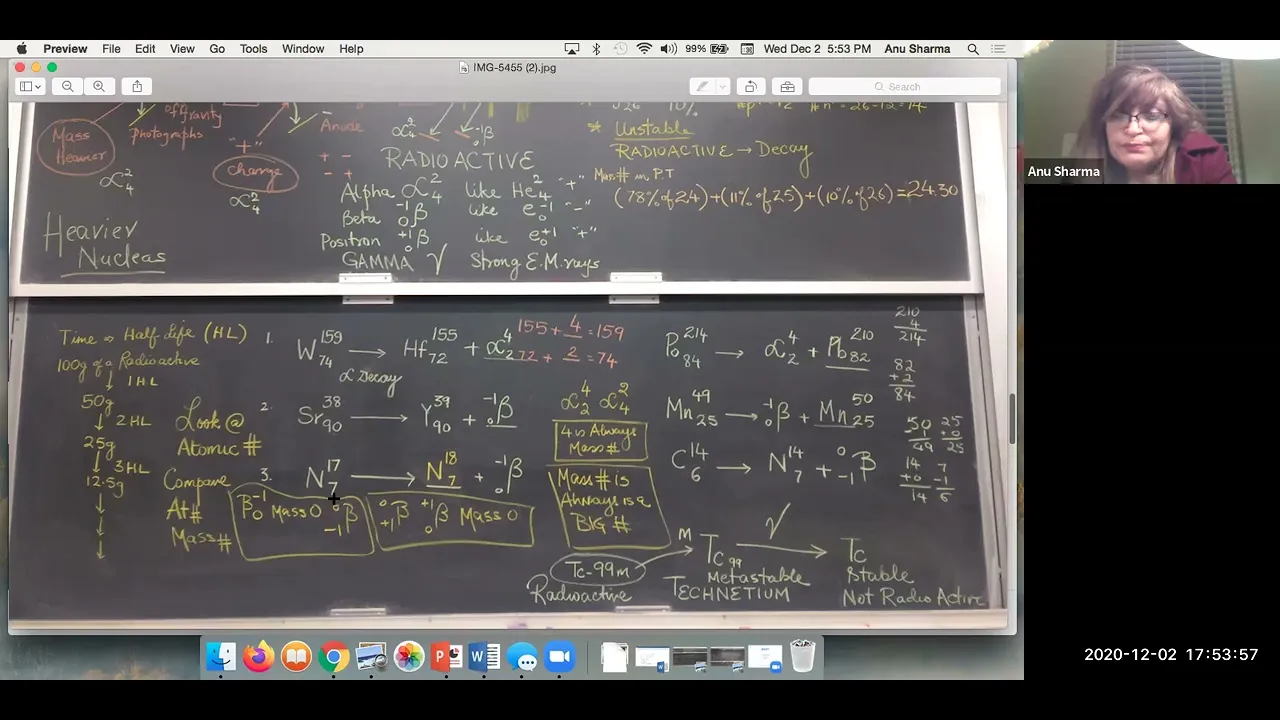
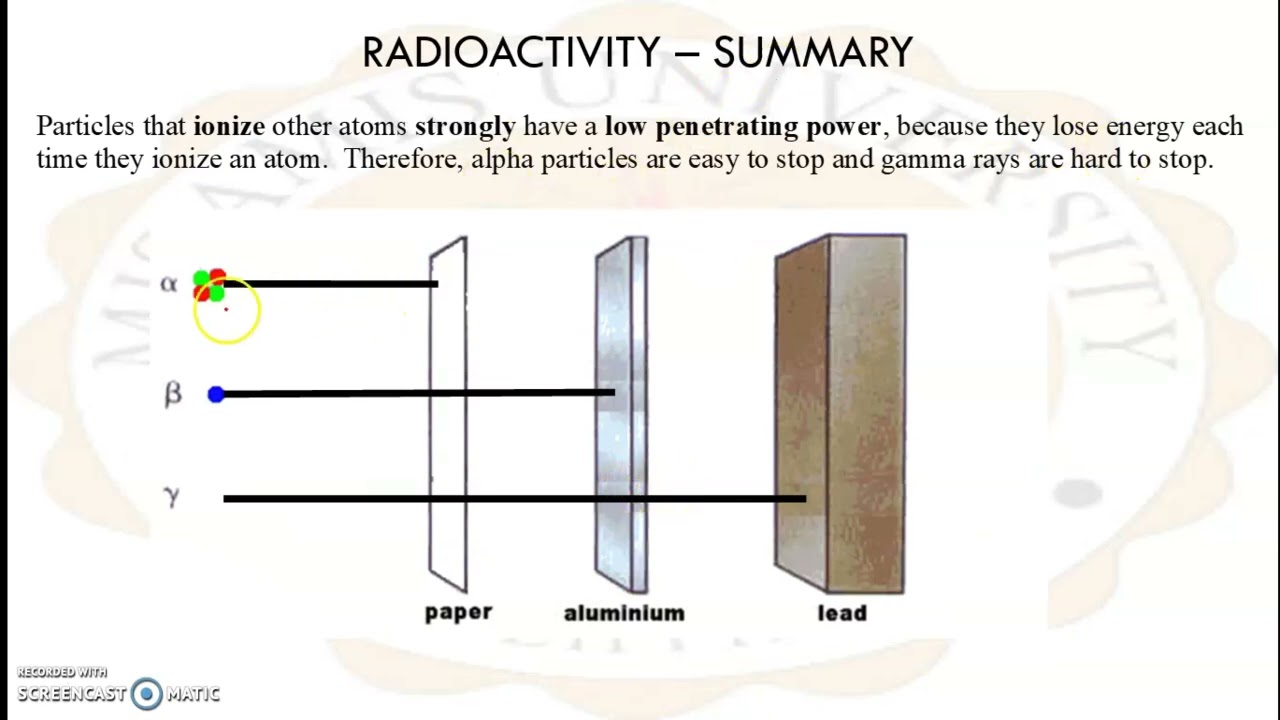





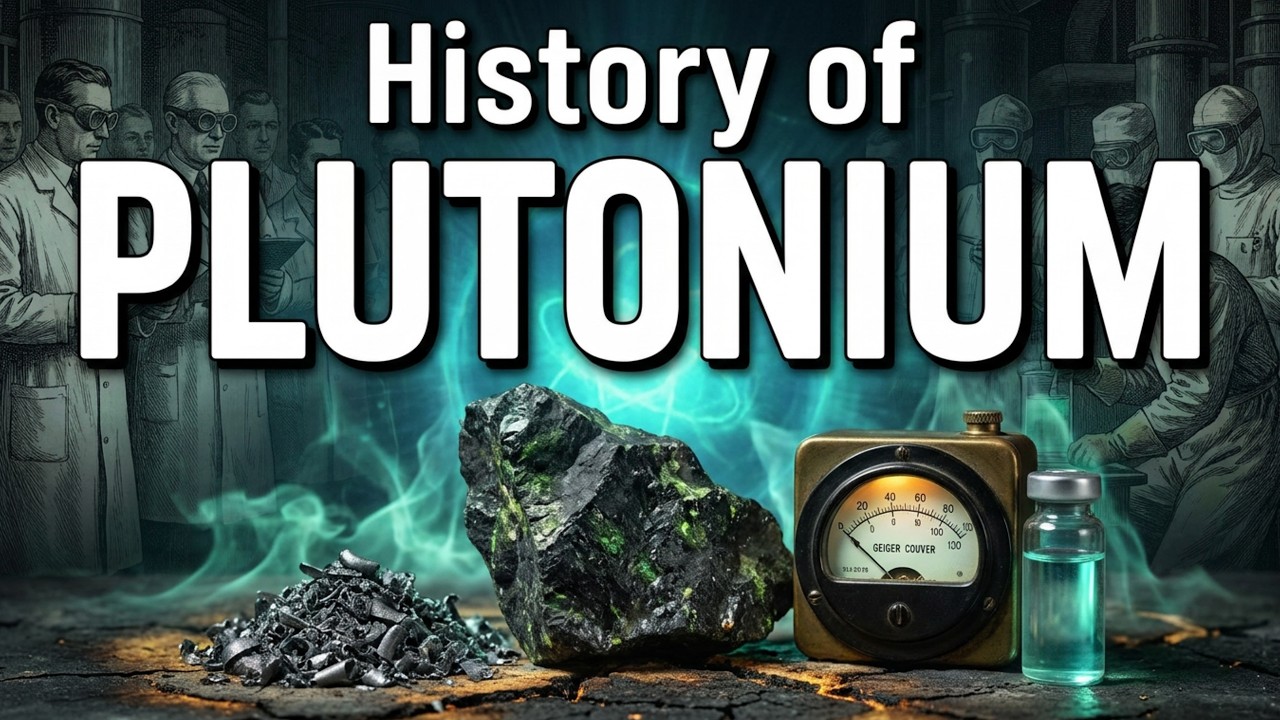
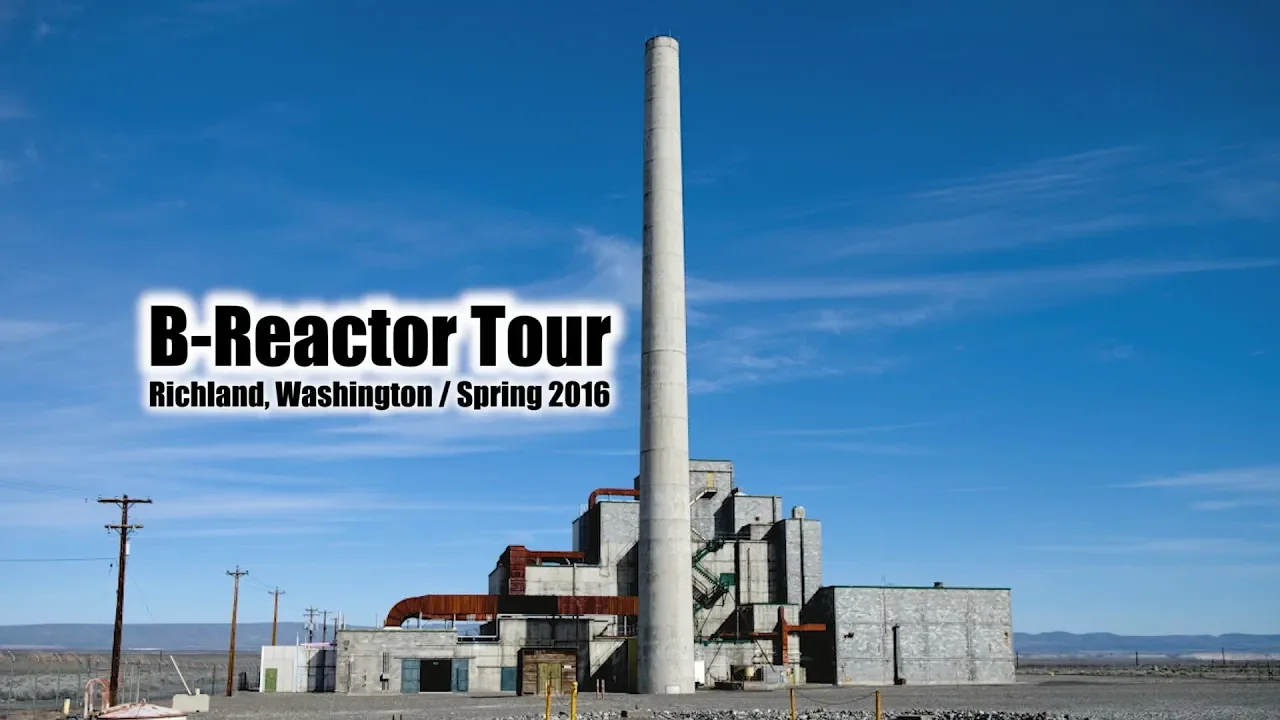








Harry Moseley discovered that each element has a unique X-ray spectrum that depends on its atomic number (the number of protons in the nucleus), not atomic weight, which resolved anomalies in the periodic table and established that elements are fundamentally defined by their nuclear charge; this discovery enabled Glenn Seaborg to identify and create new transuranic elements, including plutonium, which became essential for nuclear energy and weapons development.
Atomic Structure Discovery: Moseley & Seaborg | Chemistry Documentary
Added:The early organization of the Periodic Table, specifically Mendeleev's arrangement of elements by atomic mass and the limitations it presented.
Basic atomic theory, including the Rutherford model of the atom, the discovery of the nucleus, and the concepts of protons and neutrons.
Fundamental properties of electromagnetic radiation, particularly the nature of X-rays and how they interact with atomic structures.
An introductory understanding of nuclear chemistry, including isotopes, radioactivity, and radioactive decay.
The chemistry of the Actinide series, including their unique f-orbital electron configurations and their positioning at the bottom of the periodic table.
The history and science of the Manhattan Project, focusing on the industrial-scale synthesis and purification of plutonium for nuclear weapons.
The modern synthesis of superheavy elements (transuranic elements) using particle accelerators and the search for the theoretical 'Island of Stability'.
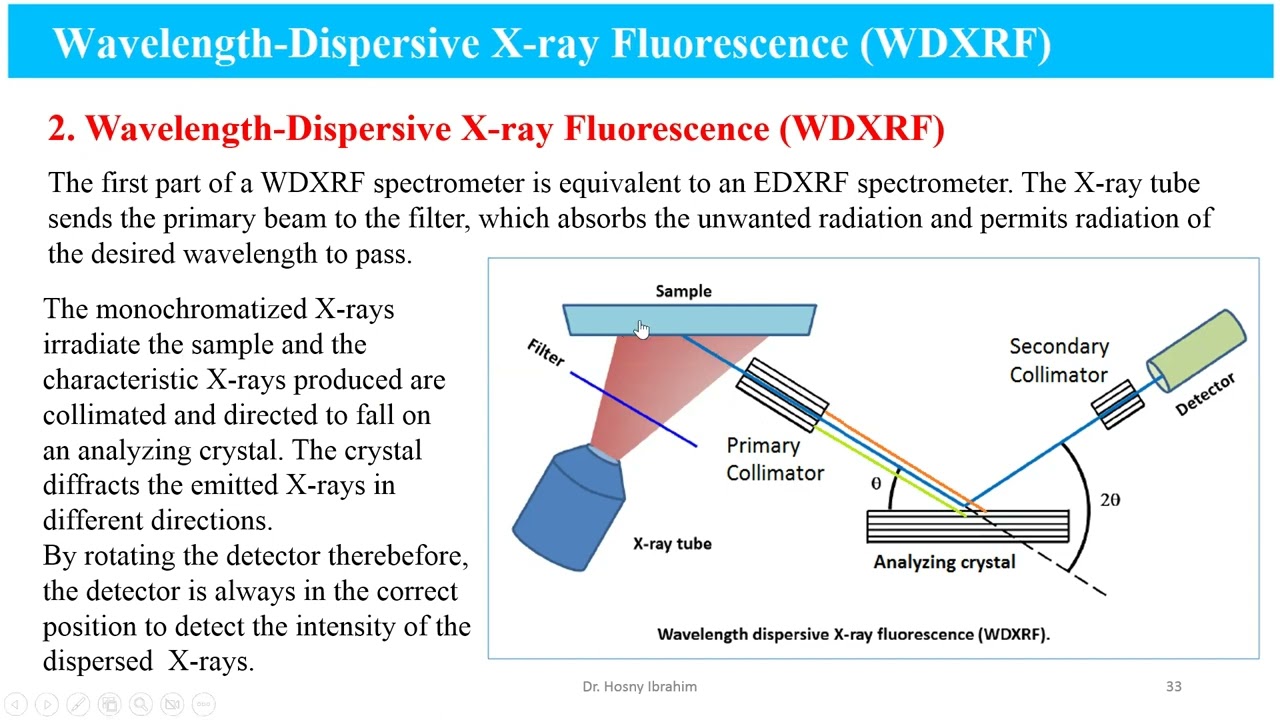
Practical applications of Moseley's Law in modern X-ray fluorescence (XRF) and spectroscopy used for material analysis.
385.6K views3.8Klikes56:41Original Release: 2016-09-14
previously on the mystery of matter he figures out something rather extraordinary about the elements the eye is immediately struck by a pattern within the horizontal rows and the vertical columns he found an absolutely fundamental principle of nature somehow the particles of matter have to be glued together to form molecules what davius had is a big idea perhaps electricity could be this kind of glue the spectroscope kicked off a whole new round in the discovery of elements it's almost like each element has its own barcode don't light the lamps look radioactivity was a sign that the atom itself was unstable it could break apart scientists now had a pressing new question to answer what's inside the atom give your major funding for the mystery of matter search for the elements was provided by the National Science Foundation where discoveries begin additional funding provided by the Arthur Vining Davis foundations dedicated to strengthening America's future through education and by the following in the late 1800s tubes like this were a staple of the popular science lecture when electricity was applied to the metal at this end it would give off a glow that thrilled crowds still mystified by electricity in 1897 physicist JJ Thompson of England's Cambridge University set out to find out what these mysterious rays were when Thompson moved a magnet near a tube modified to reveal the Rays he saw that it bent the path of that beam electricity he realized must be made up of negatively charged particles what soon came to be called electrons but electrons weren't just the unit of electricity Thompson found that even when he used different metals to generate the Rays the resulting electrons were always the same his bold conclusion was that the electron must be a tiny piece of every atom thousands of times smaller than the atom itself these things were much much smaller than anyone had ever thought a kind of physical thing could be but over time people began to agree that this was a piece of every atom in the universe that all of matter had these little parts inside them now the race was on to identify the rest of the atoms pieces and understand how they fit together this challenge Drew many of the best Minds in science including a 22-year-old physicist from one of England's leading scientific Families my dear Mother two letters from you so here a second from me Henry gwy Jeff Mosley Harry to his friends was born with science in his blood both his grandfathers had been members of the Royal Society and his father was a famous naturalist and Oxford Professor but he died when Harry was just three leaving to be raised by his mother amabel firstly the garden please occupy yourself in taking many hundreds of Rose cuting put them quite close together and RAM the Earth around them Harry and his mother grew very close together they laid out a garden alongside their country cottage and throughout his life his letters home were filled with instructions such penans as the mole killed must be replaced the quishes would like to be planted as any good Gardener he knew what he wanted planted where and he told people what to do he got to be very good at telling people what to do I hope the burrowing progresses and that it is all being done with reference to our pretty ground plan Mosley earned a degree in physics at Trinity College Oxford and then elected to pursue Graduate Studies 200 mil to the North in smoggy Manchester whose industrialists had generously endowed the local univers Unity the laboratory that Mosley came to in 1910 was at that time one of the most advanced physical institutes in the world but for Mosley the real attraction was that it was run by the brightest star in physics an irrepressible New Zealander named Ernest Rutherford Rutherford had leapt into the study of radioactivity as soon as Marie and Pierre K announced their findings and he had already won the Nobel R for his discovery that radioactive atoms give off different kinds of rays and particles as they Decay so by 1910 he was undoubtedly among the great physical scientists thinking hard about the nature of radioactivity about how to understand atoms and their parts Mosley was soon assigned a research project on radioactivity and Rutherford kept close tabs on his progress good morning Mosley well how's it all going he would daily make a round and visit all of the young workers where they were carrying out their experiments and the tube is giving off Alpha and gas they're producing secondary electrons Papa as they called him you tried shielding would pour out advice often seeing right to the heart of the matter that should do it that should help he was constantly at the elbows and shoulders of his young students coaxing them on offering advice on the nitty-gritty of experimental technique he seemed to have the sort of Magic Hands to get things to work carry on Onward Christian soers it was a very happy atmosphere in his laboratory because it was like a a band of brothers almost Rutherford's Band of Brothers was one of the finest groups of young scientists ever assembled in one place among them were Hans Gyer who would invent the radiation detector known as the guer counter Charles G Darwin grandson of the great biologist and James Chadwick a future Nobel Prize winner he had a very very active group of young researchers who were wondering about ultimate questions of what's the nature of matter with new discoveries practically every week one of the most exciting discoveries came just a few months after Mosley's arrival as Rutherford's team continued to probe the structure of the atom they knew that JJ Thompson's tiny negatively charged electron was one piece of the puzzle but that left two big unanswered questions since atams are generally neutral that meant that the the atom itself had to somehow have a positive charge to balance the the negative charge out but where in the atom were the positive charges needed to offset those negative electrons and a related question since people Knew by this point the electrons were so much less massive than the atoms themselves where was the mass distributed Rutherford and his students had been trying to answer these questions with the help of the positively charged alpha particles that poured out of radium during radioactive decay the they aimed a beam of alpha particles at an ultra thin sheet of gold foil most of the time these alpha particles would sail right through but every now and then some of these projectiles would actually bounce practically right back in their faces and that was really really unexpected it was the most incredible thing that has ever happened to me it was almost as if you had fired a 15-in shell at a piece of tissue paper and it came back and hit you in late 1910 Rutherford came into the lab one day and announced he knew what this surprising result meant it meant that the atom must be mostly empty space but have some incredibly dense hard Center if the atom's positive charge and most of its mass were concentrated in a tiny Central core it would let most particles sail through but repel any positive charge that came near the center then you can give the incoming alpha particle a real kick and sometimes turn it all the way around so with that we had this really quite brand new vision of of the structure of the atom almost all of its mass was concentrated very very tightly in a minute little space in what we would Now call the nucleus and then separated by mostly nothing you have these negatively charged electrons that sort of whizzing around but at a great great distance on the scale of the atom one of the most remarkable things about the atom is that it's mostly made of nothing I think the feeling in those hallways the Laboratories of Manchester uh was was one of great excitement they could sense that Rutherford and his team had literally cracked open a new view of matter but while all this was going on around him Mosley was consigned to plugging away on radioactivity research projects I'm repeating someone else's experiment to please Rutherford so the work is not very exciting I'm hoping to be through with it soon from his correspondence I think he found it actually slightly mundane just to be following on behind other people and not really making his own distinctive Mark so in the spring of 1912 when a piece of his radioactivity equipment broke Mosley seized the opportunity to strike out in a New Direction my dear Mother I'm sorry that I didn't answer your letter sooner but I was very busy last Thursday we got the result we were searching for using the x-rays Mosley had turned his attention to some exciting news out of Germany x-rays the same rays that had so captivated the world 15 years earlier had been found to have properties like those of light ever since Newton it had been known that a prism could split light into a series of distinct colors each with its own wavelength or frequency what the German scientists had discovered was that x-rays could be split up or defract in the same way with the help of a crystal only the resulting image was not a rainbow but a symmetrical pattern of spots on a photographic plate power on 15 volts in study intrigued Mosley asked Charles G Darwin to join him in investigating this curious x-ray pattern 220° 10 minutes Darwin was actually a mathematician and that's really why Mosley got hold of his Services because he knew that this was going to imply some complex mathematics Mosley and Darwin concluded that the atoms inside the crystal were neatly arrayed in rows that reflected the x-rays to create the pattern of spots excited by this discovery Mosley and Darwin asked Rutherford for permission to devote all their time to this new project I don't really think that we are equipped we don't really have the supervision for this sort of thing Rutherford who knew nothing about x-rays was not very enthusiastic about this new departure so he at first opposed it are you absolutely sure this is something you want to do we were fired by our interest in this unexplored field had no idea where it would lead at the time X-rays were still mysterious we simply wanted to know what they really were finally we persuaded him to let us try okay well I on the condition that if you run into trouble of any kind you do I think it was essentially their enthusiasm for the subject which convinced Rutherford that yeah this was worth a shot and keep me ined all along the way okay certainly sir okay for 6 months the two young researchers hold up in the laboratory 220° 20 minutes 15 volts in study I wish I were with you to see all the fresh spring but here it's all work I'm like a gnome after after a long winter of Darkness longing for some light working with Mosley is one of the most strenuous things I've ever done he is without exception the hardest worker I've ever known I'd arrive at the laboratory in the morning and meet Mosley just as he was leaving he'd been at it all through the night 15 straight hours indeed one of Mosley's skills was knowing where in Manchester you could get a meal at 3:00 in the morning we've sent a letter better of to Nature describing what we have found so far but we must keep on with the work many others are on the same track Mosley was not alone in realizing this was exciting there was some pretty steep competition like William Bragg and his son William Lawrence Bragg were already working hard and fast on similar techniques aware of this competition and anxious to return to Rutherford's work on the atom thought I'd come by to bid you farewell Darwin decided to leave the partnership in the summer of 19133 suppose this makes sense you're always a better theoretician than you're a lab tinkerer well you go on alone oh certainly I I think this might lead to something rather than abandoning the work I wish you all the best Mosley changed his approach leaving basic research on x-rays to others Mosley says well okay I'm not quite sure what these things are but I know perfectly well how to use them having done the basic work with Darin he decided to use the method as a tool to investigate the nature of the elements and that is when His Brilliant discoveries began Mosley set out to learn if each element had a unique x-ray Spectrum a barcode like the ones that had been discovered a half century earlier using light to find out he placed a sample of an element inside an x-ray tube when a beam of electrons struck the sample the element gave off x-rays Mosley could then determine the elements x-ray Spectrum the whole subject of x-rays is opening up wonderfully when we fire electrons at a Target made of platinum we get a sharp line spectrum of five wavelengths tomorrow I will search for the X-ray Spectra of other elements I believe they will prove much more important and fundamental than the ordinary light spectrum while the light Spectra had been invaluable in identifying new elements they hadn't solved certain puzzles about the ordering of the elements in the periodic table the elements were arranged in columns with similar chemical properties but they also tended to fall in order of increasing atomic weight the amount a single atom of an element weighed but it's not perfect every now and then there seem to be anomalies little reversals where chemical properties to suggest one kind of ordering but their weights suggested the opposite order for example there was Cobalt and nickel chemically speaking Cobalt should occur before nickel and yet its weight is higher and nobody knew why these inversions were happening to find out if x-rays could solve this riddle Mosley set out to test 10 neighboring elements in the periodic table including that Troublesome pair Cobalt and nickel but Mosley quickly realized he had a problem for each element he tested he had to use the lab's vacuum pump to empty the tube of air vacuum pumps were jealously guarded devices lots of people in the lab needed a vacuum to do their research and you had to join the queue but mostley realized that if he could put lots of these little elements at once in the same tube then he could really make progress so he designed a long x-ray tube and built a tiny railroad car to carry his samples along inside tied it and tied a little piece of silk fishing line to them and then tied that line to a little bobbin by turning the bobin Mosley could bring his samples one after the other into the line of fire and so he could do all of these elements in one go if you like with the same vacuum she as each metal was struck by the Electron Beam it gave off x-rays when when defract by a crystal they created a series of lines on a strip of film I've worked out a simple way of finding the wavelengths of my different elements once he got it up and running he said it's so easy it's almost a sin to snatch the bread from those hungry Germans in 5 minutes I can get a strong sharp photograph of the X-ray Spectrum Mosley found just as he had hoped that each element had a unique x-ray spectr Spectrum in Just 4 days I've got the spectrum of chromium manganese iron Cobalt nickel and copper there is here a whole new branch of spectroscopy but not even Mosley expected what he found when he compared the Spectra of all 10 elements in his series the result of these measurements was absolutely extraordinary he decided simply to take his photographic film and to arrange the film according to its frequency each piece of film represented a different element in his series The frequencies of the x-rays that came out had an amazingly simple relationship as he laid them out one after the other Mosley found that their dominant x-ray lines Rose in frequency step by step and that produces this beautiful staircase he had no idea when he started to measure these frequencies that the result now known as Mosley staircase would come about that was a great surprise I think he must have been astonished and I think the scientific world was astonished that it was that simple it would be years before scientists understood the reason for this striking pattern but Mosley knew at once he had made a fundamental Discovery he thought ah now I have a means for the first time to really tell which element is which and to put them in a proper order Mosley's x-ray lines showed that Cobalt and nickel were just where they should be even though their atomic weights were out of order the conclusion was inescapable the X-ray Spectra of the elements didn't depend on their atomic weights but on something even simpler there was a remarkably simple relationship between the wavelength or the frequency of that x-ray that came out and something they came to call the atomic number of the element up to now atomic number had simply referred to the number of an element's box in the periodic table all the way back to Mev it's where in the row you are it's counting one by one but Mosley's results showed atomic number was much more than a convenient label what we have here is proof that there's a fundamental quantity in the atom which increases by regular steps as we pass from one element to the next this fundament Al quantity can only be the charge on the central positive nucleus Mosley had discovered that the nucleus was not one big positive blob but a collection of positively charged particles that increased in number with each heavier element building on Mosley's work Rutherford would soon discover this next piece of the atom the proton and show that each element in the periodic table is defined by the number of protons in its nucleus it's atomic number our experiments show that the atomic number always increases by a single unit from element to element for hydrogen the atomic number is one for helium two for lithium three and so on Mosley's Discovery put the periodic table in a whole new light for the most part elements were arranged in increasing atomic weight but that's not the real reason for that tremendous order that we find among all the elements it really is marching along atomic number the amount of positive electric charge on that nucleus none of which was known in Mel's own day weights didn't matter something fundamental that was deeper in the atom was What mattered mostly proof that the properties of an element are determined by its atomic number not its atomic weight ranks in importance with the discovery of the periodic law itself in some respects it's even more fundamental mosle an atomic number that's really a crucial moment where we find out what an element really is ethereum brazeli armed with his x-ray machine Mosley could quickly sort through the dozens of supposed new elements chemists had claimed to have found separating the real from the imagined you could just distinguish between types of matter with a brand new technique not dependent on their chemical properties but by measuring the atomic number based on these x-rays Mosley's x-rays allowed him not only to rule out elements that didn't exist but also to predict what new elements would eventually be found in 1914 Mosley measured the X-ray Spectra of 30 additional elements beyond the first 10 they too fell into line according to atomic number clearly revealing where elements were missing and where no new ones could fit for the first time one scientist marveled 40 41 it was possible to call the role of the chemical elements to determine how many there were and how many remained to be discovered the idea that somebody could know how many elements God created but that was terrific after Mosley's work it was clear that there were seven and only seven elements remaining to be discovered but since we can now predict the X-ray Spectra of these elements they should not be difficult to find in 1914 Mosley's continuing work on the elements was interrupted when his country called my dearest mother I am now a second liutenant in the Royal Engineers England had been drawn into war by events in Europe like many others of his generation Mosley felt a duty to serve I was very lucky to get into the army so quickly because our rec commissions are much in demand he had a bit of difficulty actually getting into the army cuz he wasn't an engineer and the Royal Engineers wanted Engineers he badgered the recruiting officers to allow him in by the summer of 1915 Mosley was stationed in Turkey it gets hotter here by the day and only cool nights and sea bathing keep life tolerable I had mixed feelings about the enlistment of so many young men of science Pride over their ready response to the country's call apprehension about irreparable losses to science on August 3rd 1915 he wrote from galipoli my insides return to duty and let me once more enjoy the good things which are sent us foremost among them your tip tree Jam one week later as they attempted to take a ridge Mosley's Brigade was overwhelmed by Turkish troops the 27-year-old Communications officer was shot in the head and killed the news of Mosley's death was a terrible shock at Manchester because by that time it was already clear that Mosley was one of the most brilliant young physicists of his generation in the scientific Community there was a big sense of outrage particularly from Rutherford because he did feel Mosley was someone special the services he could have performed for his country instead they exposed him to the chances of a Turkish bullet tributes poured in from around the world none more more moving than that of American physicist Robert milikin who had met Mosley during a visit to Rutherford's lab he threw open the windows through which we can Glimpse the subatomic world with a Clarity never dreamt of before 27 years old if the European War had done nothing worse than snuff out this one young life that alone would make it one of the most hideous crimes in his history in the decades after Harry Mosley's death chem found all the missing elements he had left room for by 1945 every space was filled from the lightest element hydrogen to the heaviest uranium the periodic table was complete except it wasn't by this time the next generation of element Hunters had already begun a whole new chapter they had figured out how to create new elements elements that didn't exist anywhere on Earth the central character in these events was a young American chemist named Glenn seaborg he set out with a simple desire to make one of these new elements but he would end up changing the world forever unleashing a force of unimaginable destructive power The Story begins in late January 1939 when a young physicist in Berkeley California learned of a startling Discovery in an unusual way one of my father's colleagues Lou Alvarez was sitting in the barber shop getting his haircut when he read about this in the paper buried on an inside page of the San Francisco Chronicle was a story from Washington German chemists had split the uranium atom by bombarding it with neutrons I stopped the barber snip and ran all the way to the radiation laboratory to spread the word the first person I saw was my graduate student Phil abbl I was at the control console operating the cyclotron about 9:30 a.m. I heard the sound of running footsteps outside fell the Germans have split the uranium at him Hest trustman have done it uranium split into Jo when I heard what he had read I was stunned words spread quickly across the University of California Campus one of the first to hear the news was Glenn seaborg then a 26-year-old chemistry instructor he was just stunned and he spent hours walking the streets of Berkeley thinking about it I was exhilarated at the discovery but at the same time I felt stupid for having overlooked this possibility I'd missed the chance for an astounding Discovery many others had missed it too in fact the splitting of the atom nuclear fish was so unexpected that it forced scientists to rethink what they knew about the atom to understand why we need to step back a few years to 1932 when another of Rutherford's boys James Chadwick discovered the final piece of the atom the neutron the neutron has all almost the same mass as the proton and they both occupy the nucleus but the neutron is electrically neutral hence its name right away scientists realize this made the neutron the perfect projectile for firing at the atom unlike those positive alpha particles that Rutherford and his students had been using it would not be repelled as it approached the nucleus it could could go right in you didn't have to fight the electrical repulsion to get this object to go inside the nucleus and probe the structure there one of the first to use the neutron in this way was an Italian physicist named Enrico fmy in 1934 fmy began firing neutrons at uranium atoms creating a shower of fragments he would then analyze he found that a neutron sometimes chipped off a piece of the uranium nucleus lowering its atomic number and turning it into a different element a few spots lower in the periodic table but some of FM's fragments didn't match any of the elements just below uranium what could they be FY concluded that sometimes an incoming Neutron is absorbed by the uranium nucleus and then spontaneously changes the neutron becomes a shape shifter and changes itself into a proton but when you change the number of protons in the atom you change the chemistry you have changed the identity of the atom they eventually concluded they published a paper saying they had found transuranic elements elements that were even heavier than uranium they figured they' pushed beyond the end of the periodic table for this remarkable achievement fmy won the Nobel Prize in December 1938 but even as he was shaking the hand of the king of Sweden German scientists were making the discovery that would prove fairy wrong like almost everyone else at the time fmy had underestimated the neutron it was very much smaller than the nucleus was being fired at it had no electric charge it couldn't shove things around by Electric repulsion so fy's team hadn't checked to see if the neutron had broken the uranium nucleus in half into much lighter elements they figured there's no way this tiny little wimpy thing could bust apart something as huge as massive as an entire uranium nucleus breaking a nucleus in two with a neutron would be like breaking a boulder in half by tossing a pebble at it we all knew it was impossible for uranium atoms to break apart in that way but when the Germans repeated F's experiments they found that's exactly what happened they did not find things that looked heavier than uranium they found well-known elements that were about half as heavy much much lower on the periodic table the uranium nucleus had been split into two in a way that no one had imagined you know possible even worth looking for the tremendous energy released when the atom split had profound implications for a world at the brink of War across the world physicists came to remarkably similar conclusions right away could the energy trapped in that nucleus be used to make an explosive unthinkably more power powerful than conventional chemical explosives a lot of people were thinking about the possibility of the atomic bomb but my father he was mostly thinking about the scientific implications for seaborg the discovery of fision presented an unexpected opportunity a second chance to be the first to discover elements Beyond uranium fmy had said he discovered all these transuranium elements those findings just went out the window so if there were transuranium elements to be found well they were still there to be discovered and Berkeley was the perfect place to do it under the leadership of Ernest Lawrence Cal's radiation laboratory had led the world in the development of the cyclotron a device for flinging subatomic particles at ever greater speeds what Lawrence did was figure out you could take a proton or some particle that you're accelerating and put it in a circular path using magnetic fields to make it go in circle by rapidly switching the electric charge of the two D's Lawrence kept the proton chasing the ever moving negative plate boosting its speed on each pass you hit it once it it comes around again you hit it again you hit it again you hit it again and then suddenly you've got this really energetic tiny particle that you can then aim at your Target and use it to study what's going on just weeks after the news of fision broke a Young Berkeley physicist named ed McMillan set out to study this new phenomenon he would repeat the Germans experiments by bombarding uranium atoms with neutrons from the cyclotron to prepare his Target he applied a thin layer of uranium oxide to a piece of filter paper his goal was to split the uranium atoms and track how far the resulting fragments flew Ed started by capturing the fishion products in a stack of um thin oils but eventually he found that cigarette papers worked just as well he stacked the cigarette papers behind the uranium coated filter paper when this target was struck with neutrons from the cyclotron atomic fragments would scatter in all directions some would burrow into the stack of cigarette papers penetrating to different depths McMillan then checked the papers one at a time to see how far the radioactive fragments had traveled as expected he found different levels of radioactivity on each paper the surprise came when he measured the target itself it was much more radioactive than expected suggesting that one product of the reaction hadn't moved at all but remained on the filter paper this lack of Mobility implied that it might not be a fishion product at all as the possibilities raced through McMillan's mind he quickly arrived at an explanation this fragment had stayed put because it was much heavier than the others instead of splitting into smaller pieces a uranium atom had absorbed an incoming Neutron and then that Neutron had spontaneously changed into a proton in just the way fairy had proposed what McMillan was seeing was what fmy thought he was seeing if so this would be a brand new form of matter the real element 93 but to prove it he would need to show that its chemistry was unlike any other element a precaution fairy hadn't taken for help on this McMillan turned to an old friend Phil ablon who was back in Berkeley on a short vacation Phil ablon was really taken by this activity McMillan had found and he decided he was going to follow up on on it it was certainly a very productive vacation because it didn't take him long really a few days to rule out that it was any of the other elements 92 and down we had discovered element 93 they named it neptunium because it was beyond uranium just as the planet Neptune is beyond Uranus with this discovery the search for elements had entered a whole new realm up to now it had been a matter of finding elements that already existed in nature but from this point on element Hunters would be creating new elements there was no telling how far the periodic table might extend McMillan immediately set out to create element 94 while Ed was doing this research he lived at The Faculty Club just down the for me I kept track of his progress at breakfast in the hallway even in the shower my father was fascinated by McMillan's search for 94 and he knew that McMillan was closing in on it and then suddenly McMillan disappeared like many other American scientists McMillan had been called to help the country prepare for war he had moved to the Massachusetts Institute of Technology to join the team developing radar so my father wrote to him and asked him if he could continue with this project looking for 94 as a collaborator and Ed McMillan very graciously said yes I'd be delighted if you would if you would do so if Ed had left for MIT just a few months later he certainly would have been the one to find element 94 as it was I was in the right place at the right time it would be the discovery that changed everything for me as a chemist seaborg was thrilled at at the chance to create a new element but he conducted his research with one eye on the changes that were sweeping the world in the past year Germany had invaded Poland France and Great Britain had declared war Italy had sided with Germany fighting now raged across much of Europe and North Africa Albert Einstein alarmed at these events and aware of Germany's Head Start in nuclear research had written to President Roosevelt urging him to launch an American effort to create an atomic bomb powered by the fision of uranium by now it was clear there are two very different kinds of uranium only one of them was easy to split the one that would do that most readily was a very unusual kind of uranium that had fewer neutrons in the nucleus this very visionable potentially explosive kind of u235 but that's only about 1% of all the uranium the much more common element is the uranium 238 but it doesn't fish but seaborg realized he might be able to turn this inactive uranium into a new element that was capable of splitting we knew early on that element 94 could be a big prize if we could transform u238 into a visionable material we would increase 100 fold the amount of material usable for a bomb with this goal in mind seaborg picked up where McMillan had left off he knew from McMillan's work that uranium bombarded with neutrons sometimes changed into neptunium but neptunium itself was radioactive spontaneously changing form could it be shapeshifting into element 94 to find out seaborg and graduate student Arthur wall used the Berkeley cyclotron to create a sample of neptunium in the same way McMillan had Arthur what we want here is the sample okay directly in line you see they would then watch for signs that neutrons inside it were changing into protons forming element 94 sure enough a special radiation detector showed that's exactly what was happening but to be sure they had a new element they'd need to create enough of it to test its chemistry for that they'd have to wait for neptunium to break down atom by atom into what they hoped was element 94 after a month seaborg and wall had enough material to test mindful of fy's mistake they painstakingly check to make sure the product of their experiment was not an element that had already been discovered it took them weeks to actually separate it from every other known element but they were eventually successful in doing that the last possibility was finally eliminated late one night in February 1941 there was then no doubt they had discovered element 94 plutonium we felt like shouting our Discovery from the rooftop under normal circumstances we would have rushed to publish our claim to the discovery of a new element but they realized that if this was a fishable element it was of military importance and there was a war going on and so they actually had to keep it secret maybe for the first time ever in the history of this race to find and create new elements seaborg was not able to just tell anyone he knew about this very exciting new discovery what had changed was the condition of the World by now German planes were regularly bombing English cities Japan had entered the war and there were reports that Adolf Hitler had launched an effort to create an atomic bomb in response to Einstein's plea President Roosevelt had authorized a modest research program into the possibility of a weapon fueled by the fision of uranium 235 and seaborg realized here's a type of material he'd made from scratch in the laboratory that might be an even more efficient fuel for that kind of weapon but was it discovering plutonium was just the first step seaborg would need to create much more of it to find out if this new element was capable of fion joining seaborg to answer this critical question was Emilio SRE a Jewish physicist who had fled Italy amidst Rising anti-Semitism I hope he's paying attention to mellan they placed a two and a half pound sample of uranium next to the cyclotron and bombarded it with neutrons during the early work on the discovery of plutonium they were working with very small amounts so they were not concerned about radioactivity but to test for the fle nature they had to use much larger quantities and that meant that they had to worry about radiation exposure they were not really set up to do that kind of work they had to just improvise so they would have goggles they would have leadline gloves they ended up using buckets on poles on looking back my father said Gee you know it really seemed primitive although they managed to do it seaborg and SRA separated element 93 from the rest of the reaction products spun it to further purify the sample and then did it all over again we called it a night at 10 p.m. but we were back first thing in the morning to repeat the process six Cycles over the next 3 days it was tedious work but the hours flew by because we knew we were on the verge of a discovery the work was finally completed in March 1941 the results of all these separations was a very small amount of plutonium that they put on a small dish and they actually covered it with ducco cement so that it wouldn't go anywhere they labeled it sample a then came the Moment of Truth was this new element file was it a potential source of immense power we placed sample a in the the path of the cyclotrons neutrons okay Joe and had our answer almost immediately the counter registered the unmistakable kicks of vision they knew immediately what the implications were there was a large portion of uranium that could not be used in a bomb what plutonium offered was a chance to turn all of that uranium 238 into eff fishable material seor figured out how to take this uranium 238 and turn it into a new element plutonium which readly fishs and that meant there could be much more material made for bombs or for use of nuclear power seaborg's Discovery soon came to the attention of the leaders of the nent American effort to create an atomic bomb in including physicist Arthur Compton and Harvard President James Bryant conent who met in late 1941 to discuss seaborg's findings that lunch where they discussed the possibility of creating a bomb was on December 6th 1941 the next day my father was home at The Faculty Club listening to a football game on the radio when the announcer broke in we interrupt this program to bring you a special News Bulletin the Japanese have attacked PE har Hawaii by air president Rosevelt has just announced our team had already been working hard in anticipation of war and in an instant the day that shall live in infamy made work on anything else seem irrelevant the American people in their righteous might will win through to Absolute Victory with America now in the war the atom bomb effort took on a new urgent the leaders of the effort asked seaborg to report to the University of Chicago where he would spend the next 4 years working on the Manhattan Project newly married and just 30 years old he was put in charge of a team responsible for separating plutonium from other fision products the responsibility for creating the plutonium fell to Enrico FY who had fled fascist Italy after winning the Nobel Prize in an abandoned squash court under the University football stands fy's team built a nuclear reactor out of wood graphite and uranium in a historic experiment in December 1942 Chicago pile 1 went critical spitting out energy and neutrons at an Ever Rising rate their first ever nuclear reactor was actually uh creating a self-sustaining nuclear reactor ction certain nuclei would split in two that would release some neutrons as well as energy those neutrons then collide with other atoms and then you get a Cascade which we call a chain reaction fairy's Chain Reaction not only showed an atomic bomb was possible but also provided a more efficient way to turn uranium 238 into plutonium from fairy's experiment emerged two distinct strategies for making an atomic bomb one would seek to concentrate the tiny amount of natural uranium that could be split the other would focus on making plutonium our challenge was to find a way to separate relatively small amounts of plutonium from tons of material so intensely radioactive that no one could come near it as the magnitude of the challenge became clear seaborg would recruit more than a 100 chemists to join him in the effort no matter what you do with the rest of your life I said nothing will be as important as your work on this project it will change the world in 1943 banking on the process seaborg's team had developed the US government began building a huge separation plant in Hanford Washington here in buildings as long as three football fields plutonium would be made by remote control when my father got out there he was just a struck and he couldn't believe that this element that he had discovered would result in these huge plants being built from Hanford came the pounds of plutonium that were needed for a bomb on July 16 1945 at a desert site near Alamagordo New Mexico scientists from nearby Los Alamos conducted the first test of an atomic bomb with a weapon made from plutonium a blinding flash of light and a deafening explosion signaled the beginning of the nuclear age just 3 weeks later an American bomber dropped a uranium bomb on the city of Hiroshima killing 100,000 Japanese 3 days after that a plutonium bomb destroyed the city of Nagasaki finally bringing the war to an end only then could seaborg reveal the discovery that had made this bomb possible for their discovery of the first two elements Beyond uranium Ed McMillan and Glenn seaborg won the Nobel Prize in chemistry but seaborg wasn't content to rest on his Laurels seaborg had the ambition to create more new elements go beyond element 94 Beyond plutonium so even before the war ended he and his Chicago team had resumed the hunt for new elements thank you Bob Murphy and good evening everyone welcome late in 1945 my father was on a radio program called the quiz kids most distinguished scientist Dr Glenn tor and one of the kids asked him as kids do have you found any new elements lately oh yes they recently there have been two new elements discovered elements with atomic number 95 and '96 and that's how the world came to know about amorium in curium back at Berkeley after the war seaborg and his team continued their Quest bombarding heavy elements with smaller ones in hopes they would fuse to form a brand new type of matter they created Five new elements in the next 10 years including burkam and californium and rearranged the periodic table in the process since seaborg and McMillan first ventured Beyond uranium more than 25 new entries have been added to the table including elements named for Lawrence Mev fairy Einstein kri Rutherford and seaborg himself around the world today others continue to hunt for new elements using techniques like those seaborg pioneered so far there are 118 known elements each with its own distinct personality and yet all these elements and any new ones we might find are made up of just a few things in common combination not air water Earth and fire as the ancient Greeks believed but protons neutrons and electrons amazingly all of matter planets and stars plants and animals you and me it's all made of just these three basic parts protons neutrons and electrons mixed in different ratios we know all of this because of a long chain of people who've struggled to answer answer the simple question what is the world made of we're surrounded by matter it's everything that we see and interact with and yet at the time this Quest began nobody understood what it was made of nobody understood anything about it just making one tiny step in the understanding of the natural world sometimes takes Generations there's no guide book to tell us how to do this we have to figure it out nature is wonderful and mysterious and it's hidden but if you apply the tools of science you can make it reveal its Secrets it's taken centuries just to identify the elements with each generation of scientists building on the work of those who came before but this is just the first step still to be answered are Myriad questions about how these building blocks fit together to make the infinite variety of substances in nature and how we can combine them in novel ways to make fantastic new materials nature never imagined answering those questions will take the efforts of many more scientific detectives like the ones we've met as much as we've learned in the search for the elements we've only begun to solve the mystery of matter major funding for the mystery of matter search for the elements was provided by the National Science Foundation where discoveries begin additional funding provided by the Arthur Vining Davis foundations dedicated to strengthening America's future through education and by the following to learn more about the search for the elements and watch bonus videos on the featured scientists visit Myster of matter search for the elements is available on DVD to order visit shop pbs.org or call 1 1800 play PBS the team that discovered element 106 was trying to decide what to name this element and they went through a long list of names until one day Al gioro walked into my father's office and said what would you think of naming it sorgum and my father was just dumbfounded and thrilled and he said this would be the greatest honor he'd ever received because it would be forever as long as there were periodic tables there would be sorgum
Up Next
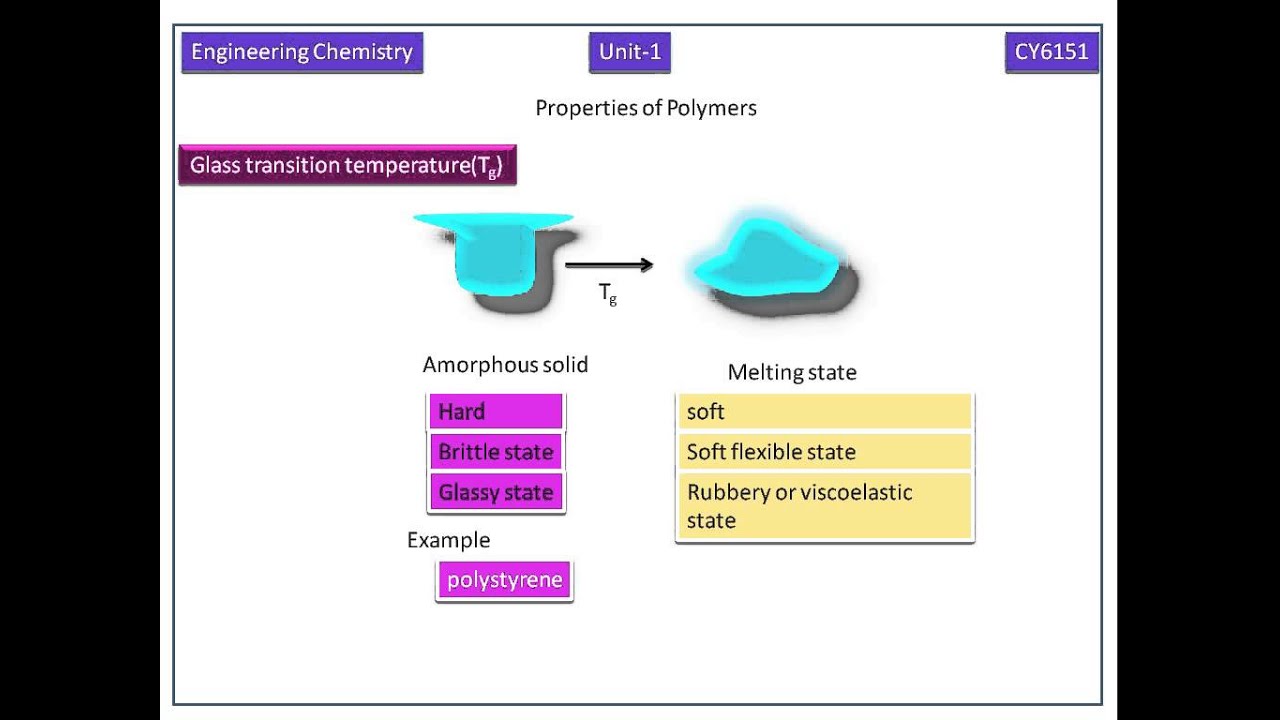
2:54
Glass Transition Temperature (Tg) | Polymer Properties Explained
@rajavallieducation
81.9K views•2015-08-17
83:56
Biocatalysis and Catalysis in Islatravir Synthesis | Merck Webinar
@SCIwheresciencemeetsbusiness
675 views•2020-10-08
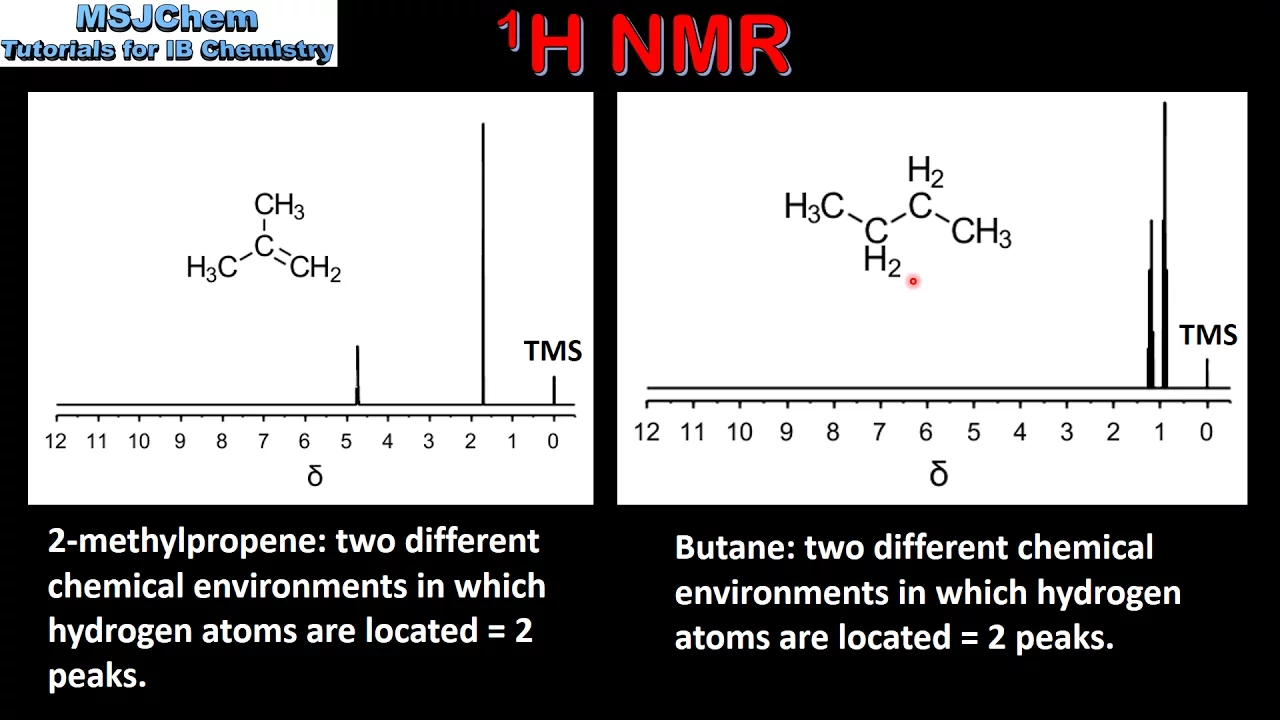
10:06
1H NMR: Determining Number of Peaks from Structure
@MSJChem
59.2K views•2017-04-06

17:31
Edible Water Bottles: A DIY Guide to Sodium Alginate Spherification
@ryan
10.5M views•2019-06-21
Related Study Plans & Knowledge Roadmaps
Structured learning paths in Chemistry
chemistry
Nuclear Chemistry: Decay, Meds & Fuel Cycle
01Introduction to Nuclear Structure and Radioactivity
02Decay Dynamics and Kinetics
03Radiation Interaction and Detection
+ 2 more learning modules
24h5 modules
Explore Roadmap
chemistry
Supramolecular Chemistry: Forces & Machines
01Foundations of Chemical Bonding and Intermolecular Forces
02Introduction to Host-Guest Chemistry
03Thermodynamics and Dynamics of Self-Assembly
+ 2 more learning modules
16h5 modules
Explore Roadmap
chemistry
Photochemistry: Excited States & Reactions
01Foundations of Light-Matter Interactions
02Molecular Orbitals and Electronic States
03Photophysical Processes and Jablonski Diagrams
+ 2 more learning modules
18h5 modules
Explore Roadmap
chemistry
Coordination Chemistry: Bonding & Properties
01Introduction to Transition Metals and Ligands
02Crystal Field Theory (CFT) and Geometry
03Magnetic Behavior and Spin States
+ 2 more learning modules
14h5 modules
Explore Roadmap