

![FILMMAKER REACTS: EMESIS BLUE [SFM] | TEAM FORTRESS 2 MOVIE!?](https://i.ytimg.com/vi/DdpB_NGFGW8/maxresdefault.jpg)
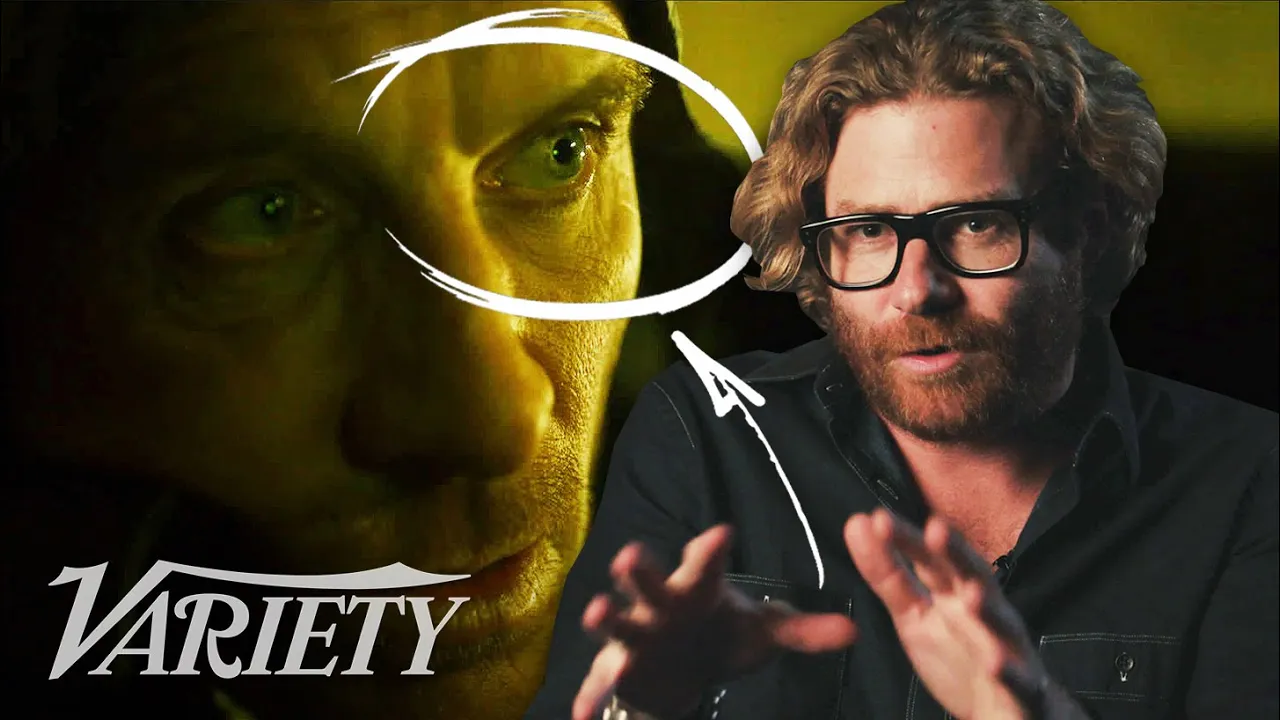

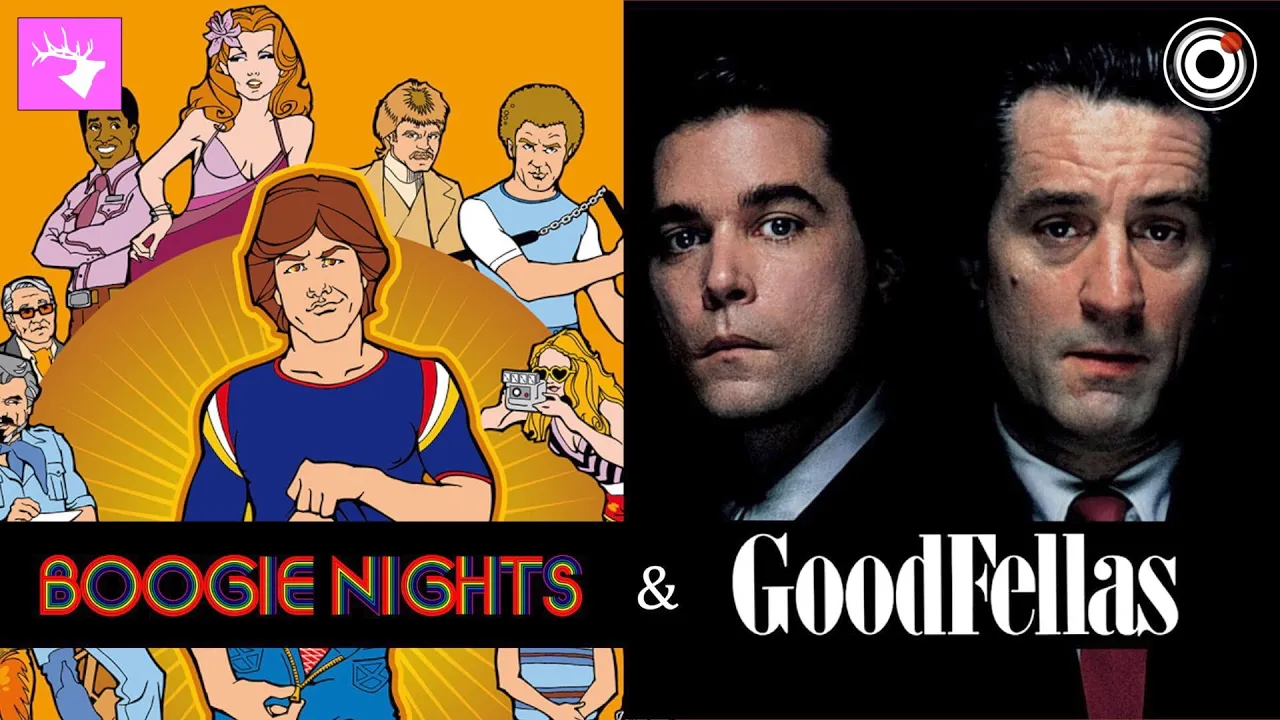
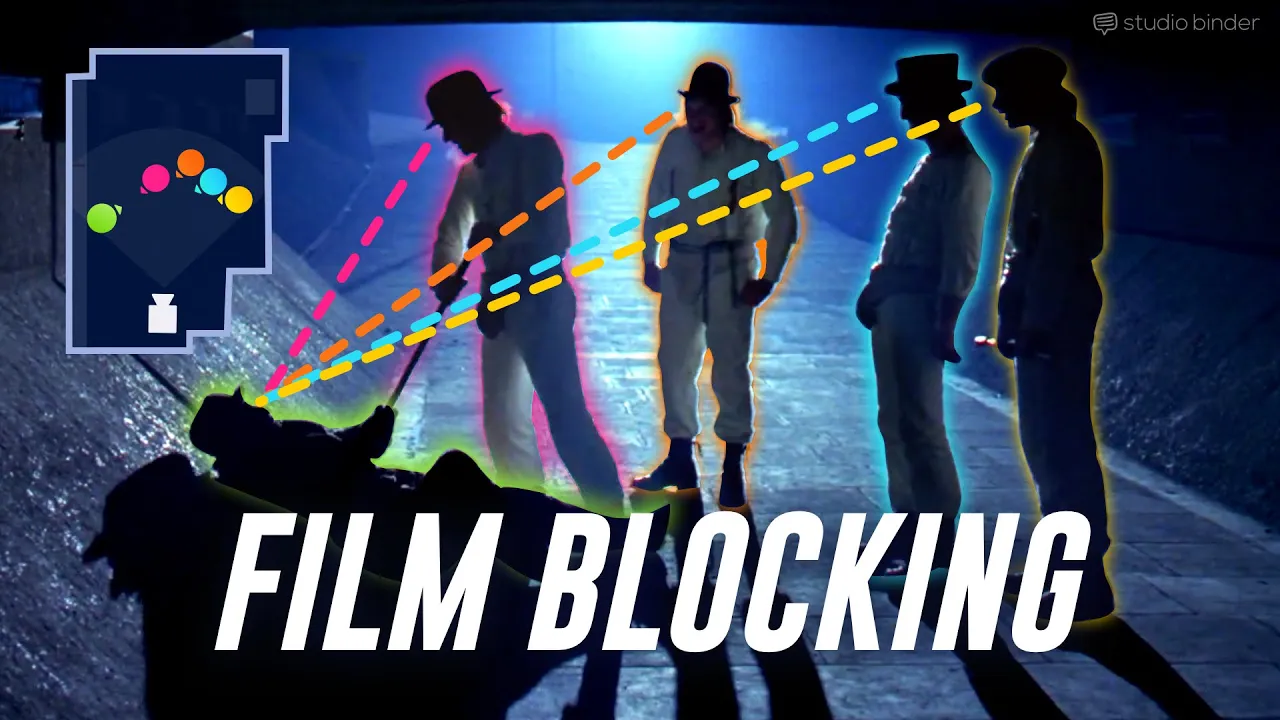















David Fincher creates an immersive viewing experience by having his camera precisely match the velocity and direction of moving characters, locking viewers into the physical behavior of characters and creating an unconscious connection between audience and character that extends beyond conscious awareness.
How David Fincher's Camera Work creates Emotional Connection
Added:Basic Cinematography Terminology: Understanding fundamental camera movements such as pans, tilts, dolly shots, tracking shots, and whip pans.
The Psychology of Camera Movement: How different camera motions and framings subconsciously influence audience emotions, tension, and empathy.
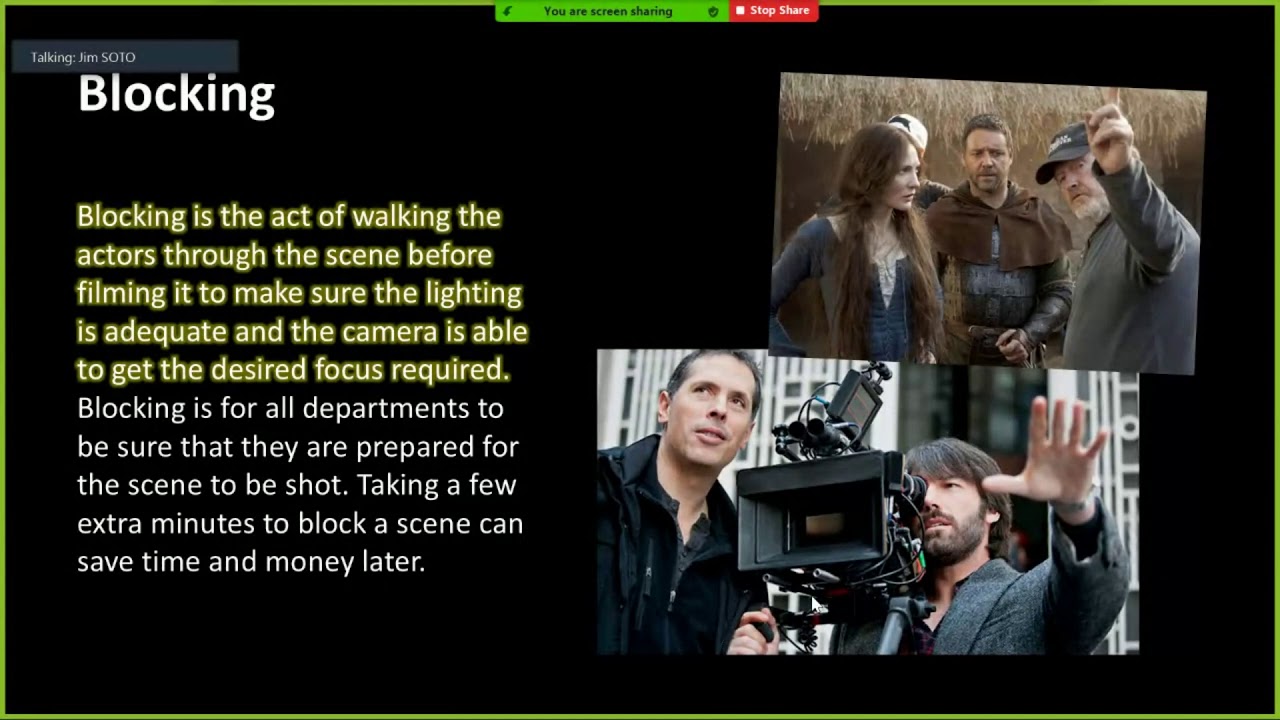
Principles of Blocking and Staging: How directors position and move actors within a physical space and how it dictates the camera's path.
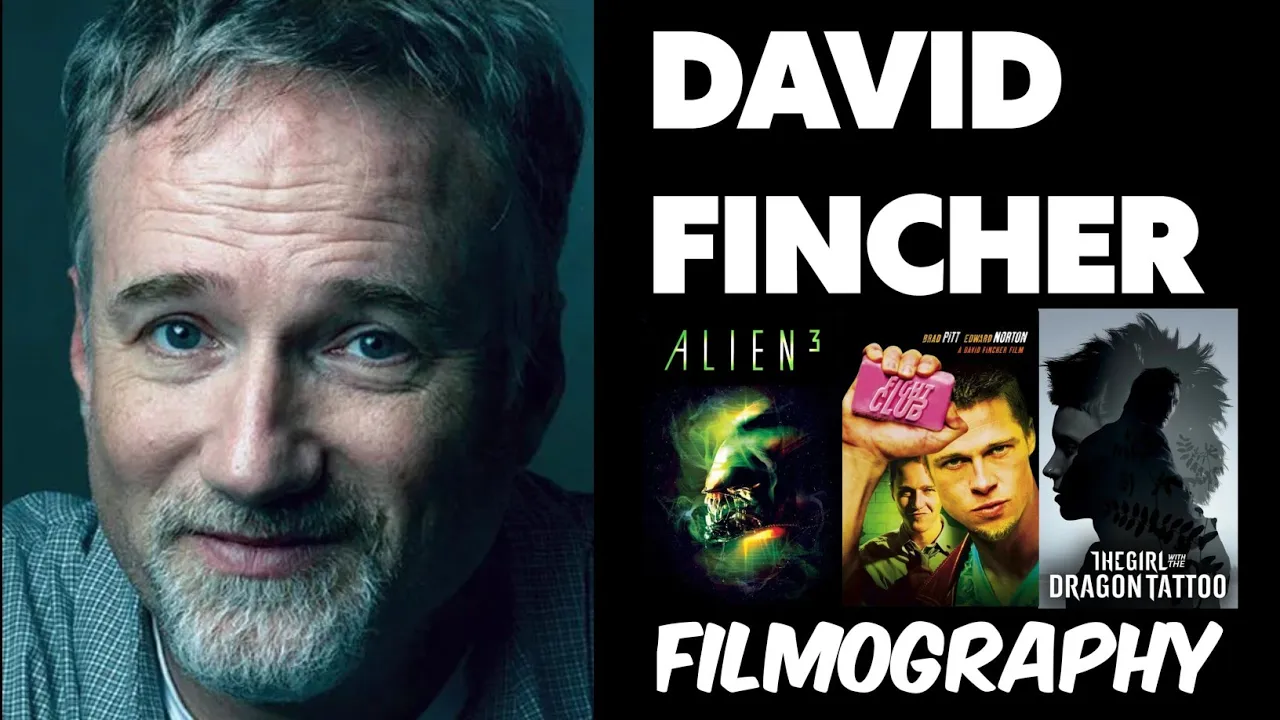
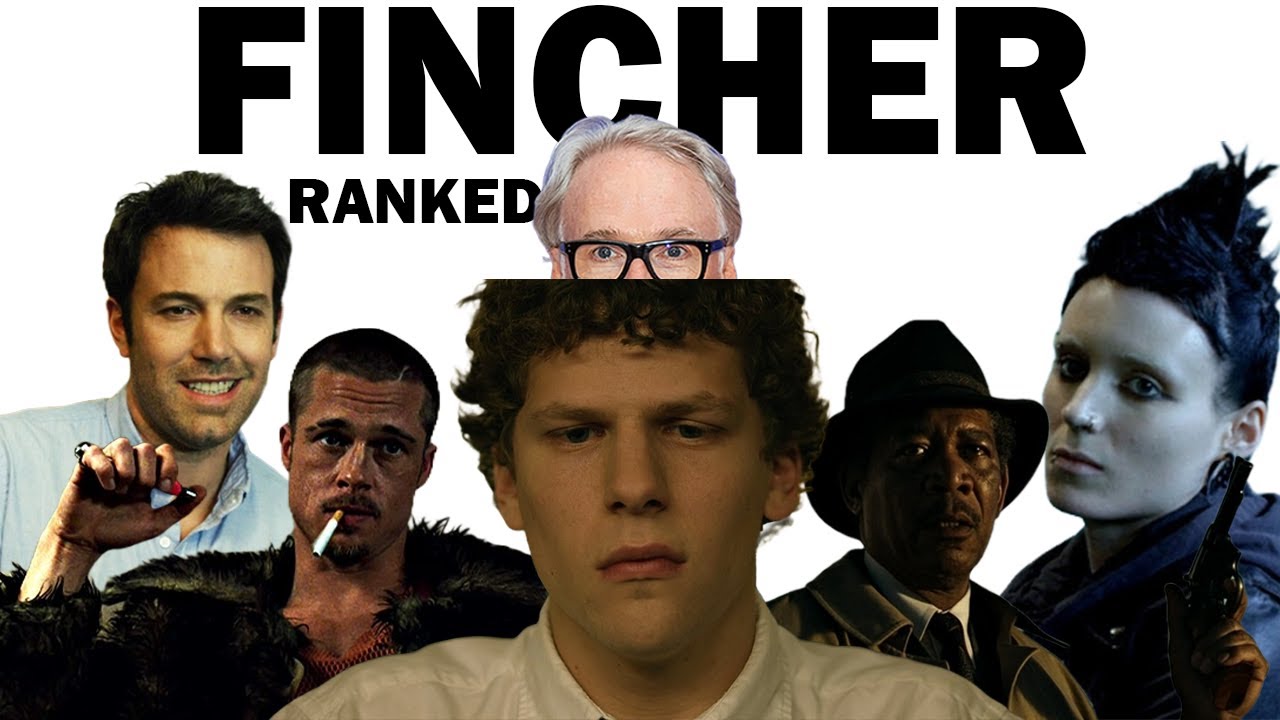
Familiarity with David Fincher's Filmography: A basic awareness of his visual style and notable films such as 'The Social Network', 'Zodiac', and 'Gone Girl'.
Advanced Camera Technology & Motion Control: Studying the mechanical rigs and digital stabilization techniques Fincher uses to achieve computerized camera precision.
Comparative Directorial Analysis: Contrasting Fincher's invisible, locked-on camera work with the kinetic, handheld style of directors like Paul Greengrass or the symmetry of Wes Anderson.
Practical Application of Camera Synchronization: Designing a shot list and floor plan that synchronizes camera movement to character motivation in a student film or screenplay.
The Intersection of Cinematography and Editing: Exploring how Fincher's precise camera movements facilitate seamless, invisible cuts in post-production.
3M views143.2Klikes5:31Original Release: 2017-10-18
why is david fincher in my head I was thinking about this a lot while watching his new Netflix series mind hunter I'd watch an episode or two go to the kitchen to get a drink and everything would look Fincher esque like my eyes were mimicking his camera movement somehow first I was creeped out then I was impressed and then it was curious what about his filmmaking causes this effect because there are plenty of other amazing stylistic directors whose visual styles don't hijack your senses like Fincher does and it's the same with all his movies and TV shows I checked I went back through all of them to see if I could locate the source of this quality and I think I found it here did you see that it's a very small thing and it's easy to miss but the more I watch Fincher's work the more it stands out as a key element of his visual language what is it exactly well it's a camera move in this case a tilt in this case a pan in this case a tracking shop and in this case all three these things are the most common tools in the filmmakers toolbox you can find them in pretty much any film you watch but Fincher has a very specific way of using them which falls in line with his reputation as a perfectionist essentially what he tries to do is have the camera exactly match the velocity and direction of the moving character in the frame when the character stops the camera stops - and starts again when the person starts to move again the matching movement here isn't just close it's perfect so perfect in fact that it must involve some kind of time to her cyl with the actors which I learned when I tried to do it myself earlier this is no doubt a part of the reason why Fincher is known for doing so many takes it takes patience and a good camera operator to get these moves exactly right and they're happening all the time everywhere in little shots in-between shots shots you notice and shots you don't and whether they register or not the effect starts to accumulate in your mind all the sudden Fincher's reality is your reality now I think there's a very good reason why this happens and it's a bit counterintuitive when you consider that Fincher's camerawork is often regarded as impersonal or cold Nishan even by fincher himself I think that's somewhat disingenuous because what these shots do is effectively lock you in to the behavior of the characters you really feel it when someone moves around the space that they're in even small gestures like a shrug or deflated shoulders even the slightest change in posture is registered by this camera in this way I think Pinterest intimate ography is a lot more personal than even he makes out it might happen just below the level of consciousness but a much more in sync with this character than I am with for example this character it's funny Fincher's actors have to move in these very deliberate lines at steady speeds probably ironed out by rehearsal but the result at least for me is a greater connection to the character than something that is more freeform less exact and it's no surprise that Fincher would pay attention to details like this listen to the advice he gave Robin right when she directed her first episode of house of cards every scene you direct every scene you act in it's the same thing what's that he said behavior over time it's a fraction so behavior is the most important thing of every piece of material that you read that you perform in and you direct look at the behavior David Fincher is obsessed with behavior he knows that the way a person moves is a key part of who they are and what they won he knows that if a person is running and the camera follows that running exactly then it's like the audience is running too he knows that the truth of exasperation is in the speed someone lurches forward he knows that fear can express itself in exactly how slow someone stands up or that when a person floats back in astonishment the camera should float with them it's not a coincidence that emotion has the word motion in it emotions express themselves physically what Fincher does is put his camera in lockstep with the body to capture that physicality and as a result we developed this almost unconscious connection with his characters but the trick works almost too well you start to notice behavior and movement in the real world but in the way that Fincher stages them deliberate steady and precise for a little while at least david fincher hijacks your eyes hey everybody thank you so much for watching my video on Fincher if you want to learn more about him I definitely recommend watching my friend Tony's video on what he doesn't do in his movies which is super interesting also Captain Christian did something on the invisible digital effects inventor films I'll link both of those below definitely watch those this episode of the nerd writer was brought to you by Squarespace if you want to make a website and you want it to be just a really easy process Squarespace has some beautiful award-winning designer templates to choose from that makes that process super simple it's got 24-hour customer service no upgrades nothing to install no patches ever and picking your domain name is really really easy too you can start your free trial at squarespace.com and if you use the offer code nerdwriter definitely use that offer code you can get 10% off your first purchase thanks guys I'll see you next time
Up Next
8:33
Succession's Cinematography: How the Camera Deceives You
@impatrickt
261K views•2023-04-28

23:14
Visual Analysis Essay: How to Analyze Graphic Novels in College Writing
@nataliepleimann5941
1K views•2020-10-14

8:59
In the Mood for Love: Cinematic Framing and Emotional Isolation
@Nerdwriter1
1.9M views•2015-07-15

4:00
Evolution of Darth Vader: Anakin Skywalker's Animated Journey Across Star Wars Films
@TellItAnimated
13.4M views•2019-03-30
Related Study Plans & Knowledge Roadmaps
Structured learning paths in Film Analysis
film-analysis
Sensory Cinema: Foley, Haptic Sound & Texture
01Introduction to Film Sound and Foley Artistry
02Micro-Sounds, Textures, and Extreme Amplification
03Haptic Audition and Film Phenomenology
+ 1 more learning modules
12h4 modules
Explore Roadmap
film-analysis
Breaking the Fourth Wall: Mockumentary & Satire
01The Invisible Wall: Basics of Cinematic Illusion
02Looking at the Lens: Direct Address & Character Glances
03The Mockumentary: Satire, Realism, and Complicity
+ 2 more learning modules
12h5 modules
Explore Roadmap
film-analysis
Analyzing the Long Take: Cinema, Space & Ethics
01Foundations of Film Grammar: Montage vs. The Long Take
02Choreography and Mechanics of the Simulated One-Shot
03Phenomenology of Film: Real-Time Spatial Continuity
+ 1 more learning modules
14h4 modules
Explore Roadmap
film-analysis
Anachronistic Music: Period Drama & Subversion
01Foundations of Film Sound and the 'Needle Drop'
02Traditional Authenticity vs. Revisionist History
03The Rise of the Anachronistic Soundtrack
+ 2 more learning modules
12h5 modules
Explore Roadmap