






![Silk Roads, Indian Ocean, & Trans-Saharan Routes [AP World History Review]—Unit 2 Topics 1, 3, 4](https://i.ytimg.com/vi_webp/Vi6aLWr6HZw/maxresdefault.webp)




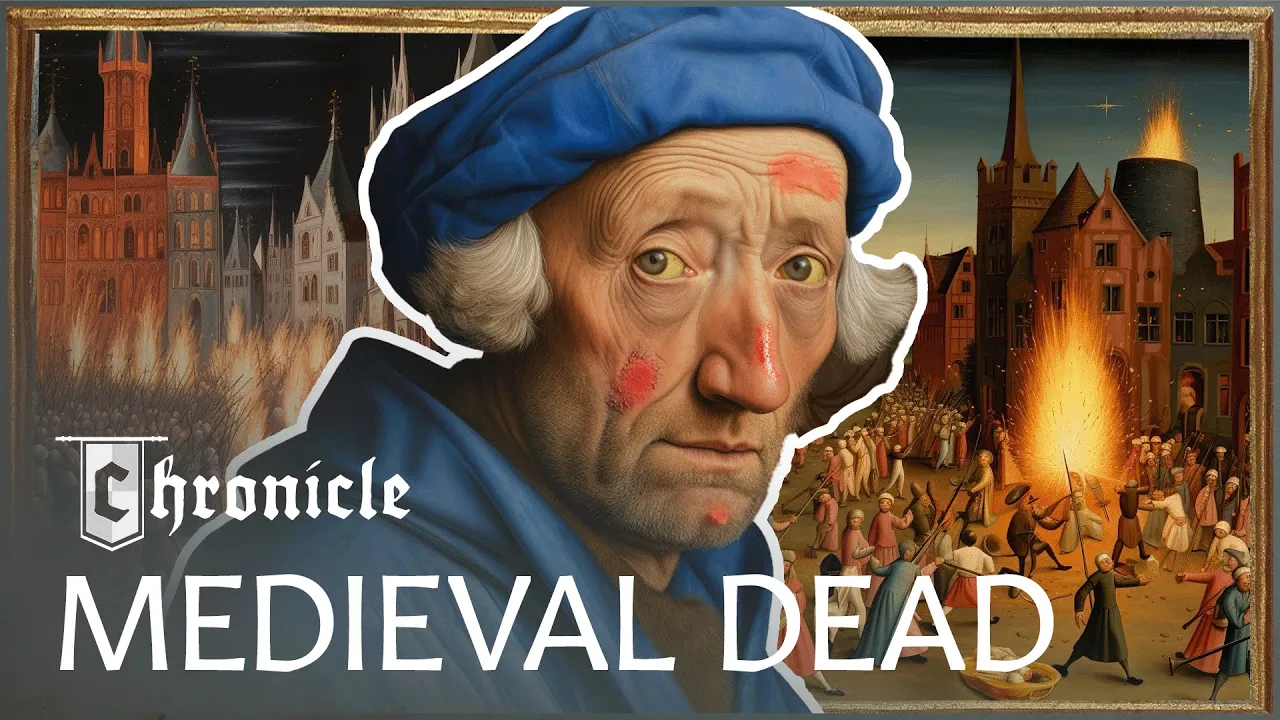












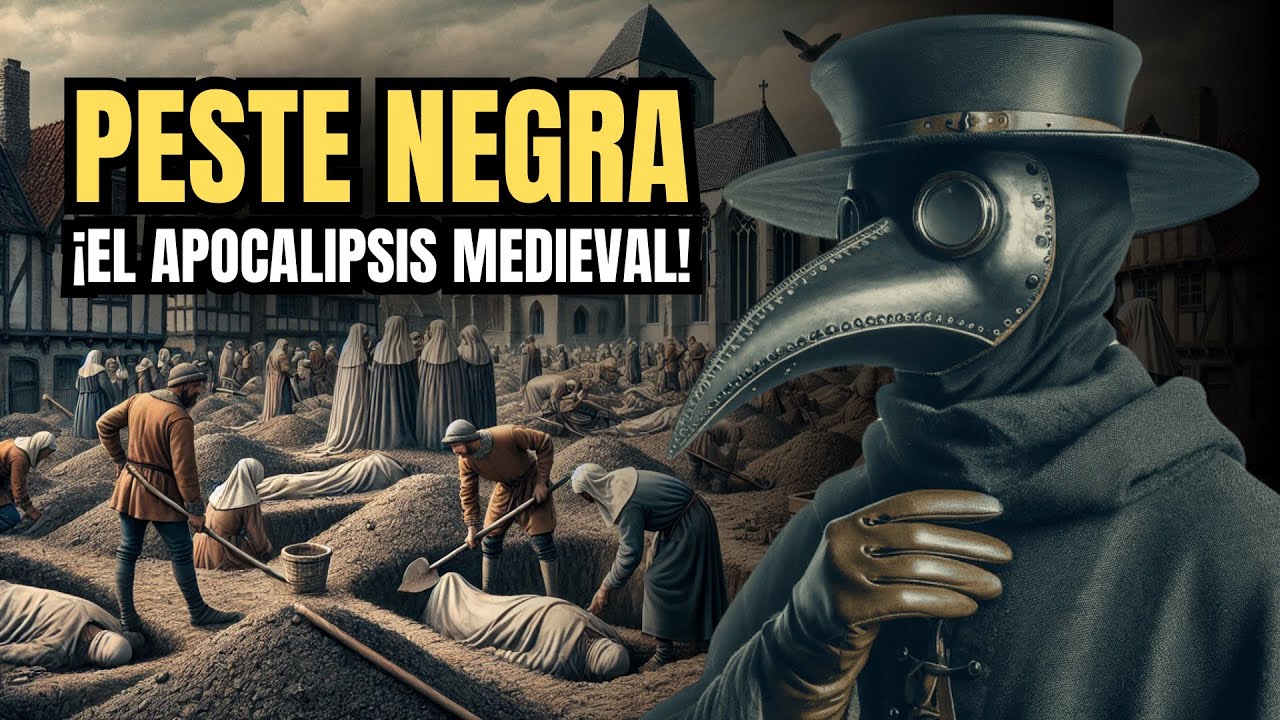
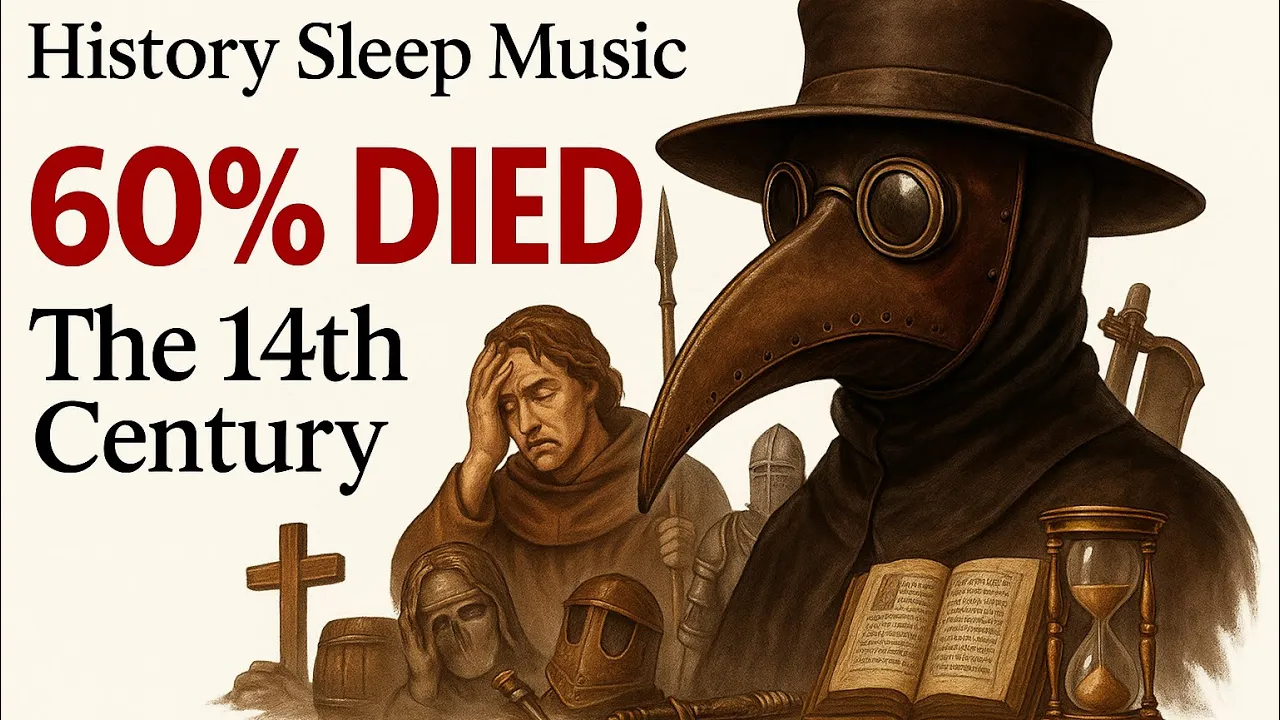
The Black Death (1347-1351), the deadliest pandemic in human history killing an estimated 75-200 million people worldwide, originated in the eastern steppes of Asia from marmot populations and spread along the Silk Road to Europe via infected fleas on black rats; despite its devastating impact, the plague paradoxically accelerated social and economic progress by breaking the rigid feudal system, improving labor conditions for peasants, advancing medical knowledge including quarantine practices, and ultimately paving the way for the Renaissance and Protestant Reformation by undermining the Church's authority and fostering humanism.
The Black Death: History, Myths, and Medieval Impact
Added:Understanding of the Medieval feudal system and the agrarian economy of 14th-century Europe.
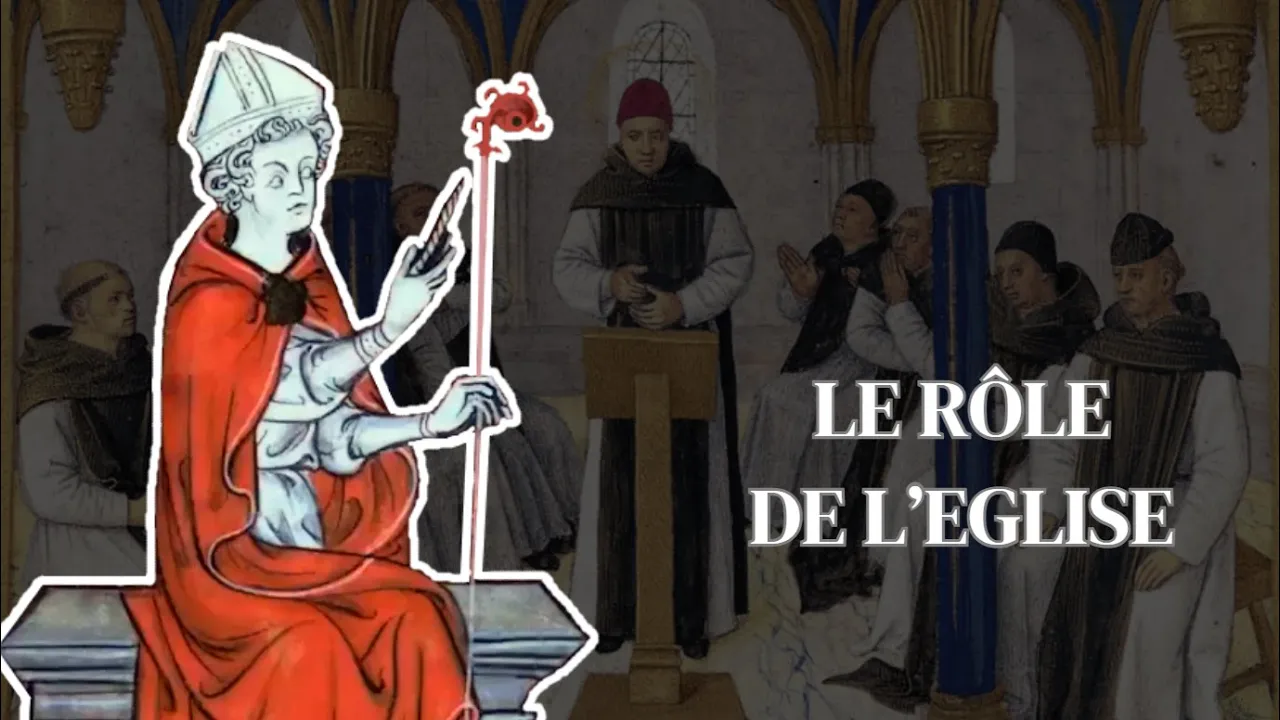
The central role of the Catholic Church in medieval society, culture, and daily life.
Basic knowledge of medieval trade routes, particularly the Silk Road, which facilitated Afro-Eurasian connectivity.
The rudimentary state of medicine in the Middle Ages, including the prevailing belief in humoral theory and miasma.
The socio-economic transition from feudalism to early capitalism and the rise of the middle class.
The intellectual and artistic origins of the Renaissance, specifically how demographic shifts influenced humanism.
The history of epidemiology, quarantine practices, and the development of public health policies.
The long-term religious consequences of the pandemic, including the erosion of papal authority leading toward the Protestant Reformation.
271.4K views8.7Klikes18:02Original Release: 2020-09-03
the black death the plague the great mortality with death tolls ranging from 75 to 200 million worldwide during the mid 1300s it wiped out up to one half of all that stood in its path in the course of human events this is the pandemic to rule them all and to think that it all started with this little guy no not him [Music] it most probably started with him that cuddly son of a fish see this little rodent calls home the eastern step of asia that encompasses siberia mongolia and manchuria china no it's not while part of manchuria is now chinese mongolia is its own country china it's not that simple and with siberia you could claim that it started in russia no i can't anyway this mormon is known for two things first surges in population and the second being highly susceptible to the plague in fact the plague in this marmot population is epizodic meaning it's nature's way of thinning an overabundant herd too many marmots plague kicks in most locals know not to mess with these marmots especially any that appears sick but a traveler through the regions say like the expanding mongols in the 1300s might have just seen a fuzzy flea-ridden hand-held meal factor in the newly revitalized silk road and the plague was on its way to world domination but what is the plague the plague or yersinia pestis unlike many of the heavy hitters of history is a bacteria not a virus it also comes in three different forms [Applause] [Music] [Applause] ladies and gentlemen let's welcome our first strain named after the egg shake bubbles that form a few days after infection it's transmitted by fleas that feast on marmot black rats and other rodents the basili actually clogs the flea's gut making him both insatiably hungry but unable to digest meaning that the flea pukes out plague ridden vomit blood with every new bite can you believe he's still single well if you do hook up you only have a 40 chance of surviving untreated let's meet bubonic plague strain number two he loves to travel traveling initially from your lymph system to your lungs then you're in for three romantic days of violent bloody coughing infecting everyone around you if you pick him and aren't treated there's a 95 chance you'll die let's meet mnemonic plague strain number three is the bad boy of the bunch this rarely seen strain is 100 lethal and ain't got time for your lymph nodes or lungs it poisons your very blood often resulting in the strains trademark gangrenous hands and feet talk about a mani pedi and it kills so quickly that you'd be lucky to watch the lord of the rings trilogy between onset and horrible disgusting death please welcome septicemic plague now when the plague actually started its journey westward along the silk road is hard to nail down we know of a mighty familiar sounding plague that struck you on china in 1331 announced itself it is a call in the khanate in 1338 killed abu khan the ill khan of the ill khanate in 1335 and ripped through the golden horde in the 1340s not a great time to be a mongol or an enemy of the mongols which was exactly the situation at the genoan trading outpost of kapha located in the crimea in 1346 and was under siege by the golden horde a siege that for some mysterious reason wasn't going the mongols way i do not understand we're the mongols the golden horde how is it that we can't take this city kanji on a beg illness has cursed us the men they fall one after another i know i know i just hate how cocky it's made these genuines hey look that must be genghis kant that's enough fetches are cops what fetches are corpse golden horde more like old and bored am i right ah that's stretching it it said as the mongols retreated they flung their own dead over the walls and that brought the plague and plague-infected fleas with them the siege was abandoned as was the port fleeing italians headed home with three stowaways the plague plague ridden fleas and their most notorious hosts the black rat it would be an awesome story if these ships from kapha were the actual vectors that brought the plague to the mediterranean but any ship out of the golden horde controlled crimea was probably just as toxic we do know that in the summer of 1347 it hit the byzantine city of constantinople hard killing a reported 90 of its inhabitants as for the plague this was a lot like going back to high school the first recorded outbreak of yersinia pestis was in the byzantine empire in the mid 6th century known as justinian's plague it killed upwards of 50 million people oh my god i was just a baby back then on what was i thinking wearing that from there it exploded into four directions throughout the mediterranean most famously to sicily in october 1347 12 genoan ships pulled into the messina harbor the disease crew stumbled off and the plague first set foot in europe keep it running we got other places to be very soon the bodies started falling a third of sicily would die by december the plague hit genoa and another third fell by the start of 1348 venice was bracing for impact didn't matter plague killed 60 of the people there florence another half and by the summer the whole peninsula had been infected and by fall it was ready to obliterate the rest of the continent and it would but why why was medieval europe so vulnerable well trade had made the world more connected than ever and this included europe as well as linking europeans to each other and to the rest of the world it contributed to a population explosion one that the continent was at that point struggling to maintain crowded cities were steaming with waste hygiene was non-existent as it was thought disrobing to bathe was to invite too much temptation wow france and england were engaged in their favorite hobby killing each other as the 100 years war had begun lastly with a great famine in the 1310s even seemingly healthy adult europeans of the 1340s had lingering underlying health vulnerabilities the target on europe's back was literally ingrained in their dna and in november 1347 the plague had donned beret moved into marseille and started killing half its inhabitants didn't matter that the infected ship was immediately cast out heads up spain the plague had entered the most populated country in europe france it made its way to avignon which already had a noteworthy resident pope clement vi one of the most baller lifestyle popes in history ermine skins lady friends he owned a lion and a bear and scheduled jubilee celebrations 50 years early because i'm the pope that's a why when the plague hit he was powerless to stop it just like everybody else he would spend much of his time baking between bonfires thinking that it would keep the plague away it worked mainly because fires tend to keep everything away so a little confused but he got the spirit but what did they think was causing the plague well of course divine wrath if you subscribe more to the hellfire and brimstone old testament than the lovey-dovey sequel new testament wiping out half of everyone is completely on brand others believed it was a result of saturn jupiter and mars conjuncting years earlier hey guys do you want to give the humans the plague what's a plague what's a human some thought the air itself was infected not because it had germs because what are those but because the air stunk and this stench upset your four humors oh yeah they still believed in that greek thinking saying your body was filled with blood black bile yellow bile and phlegm and needed to stay perfectly balanced this whole thing should be and it wasn't just europeans that were at a loss the black death was ravaging the islamic world all this time killing almost 50 percent of people in alexandria cairo antioch and damascus just like many christians the pestilence and who got it was said to be god's will though the islamic scholar ibn al-khatrib disagreed arguing that research and observation proved that it was actually spread from person to person he was strangled to death on charges of heresy and if you caught the plague what next enter the plague doctor no no that's not him this guy is a plague doctor but like 200 years later your plague doctor might be a monk if they haven't already abandoned you yet if you were elite like old clement you might have the surgeon guide attending your needs prescribing bonfires and monitoring your bowel movements hey it's a living most quote-unquote trained medical professionals would rather board up your doors than make a house call some thought this bad air disease could be cancelled out by equally bad smells so you might be prescribed to go huffing fecal fumes at the latrines bloodletting was always a good way to die while trying to cure yourself but since prevention is the best medicine you should probably just go ahead and kill the jews anti-semitism or the discrimination against the jews was rampant by the middle ages they had already been cast as the killers of christ because i don't know what's a roman relatedly where modern christians might die easter eggs to celebrate the holy week medieval christians would celebrate it with yearly violence towards jews being excluded from most aspects of society also put european jews in a bit of a pickle and established a stereotype that continues today hey guys can i join your guild get out of here jew anyway do you think you could loan me some money nah the church won't let me charge interest so there's nothing in it for me uh i can do it huh you siri yeah judaic law doesn't forbid it sure just like those jews they control all the banks what you have literally shut me out of every other profession hey jew come here yes my lord these people really hate you almost as much as i hate when i raise taxes so i will make sure that you are protected and in exchange from your little loan business you will give me my lord in order for me to pay that i'd have to charge insane interest rates fine just go join one of the guilds you're forbidden from joining oh we have had it we work our fingers to the bone and for what for you the bishops and the jews to take it all my friends one of those things is not like the others if you were to do something to those jews well uh i have a lot on my plate right now and would be too busy to stop you just don't destroy his stuff it's now the property of the royal court so when the plague started to hit europe found yet another reason to hate its favorite scapegoat often with claims of them poisoning wells and anti-christian conspiracies pilgrims wiped out entire jewish communities pope clement did try to step in hey adame stop it if you believe the jews did this you've been seduced by that liar the devil hey did the pope just say something i don't know i can't hear anything over those fires all across europe in a pattern that had already been established and would certainly be repeated the blame for society's troubles would be affixed to the jews [Music] meanwhile france was in chaos king philip vi had fled paris as soon as the plague arrived and bodies were piling up in the city at a rate of 500 a day necessitating mass graves now if you were king edward iii of england and you had been watching the plague obliterate everything in its path for the last nine months would you say alright everyone this is clearly a major problem that knows no border or allegiance we must prepare and brace for to break our shores would you say look at those girly frenchmen dying all over oh well it's time to decorate my castle so 50 of england died plague might have come over via ships returning from the continent or in fleas living in the spoils of war retained through recent victories against the french either way from summer 1348 through 1349 plague plagiarized english towns and cities now if you were the scots to the north would you say all right everyone this is clearly a major problem that knows no border or allegiance we must prepare and brings fort to cross these fields or would you say look at those guys englishmen dying all over let's go over there and attack so that's how the scots caught the plague across the irish sea english transplants and coastal cities were also succumbing to the plague now if you were the native irish would you say all right everybody this is clearly a major shut up let's go to the mountains and they did and they were pretty much okay all this time the plague had been cutting its way up the balkans and had reached germany by mid-1349 it was here where the plague gave birth to one of its most notable oddities the flagellance no not the flatulence the flagellants they sought to appease the divine wrath of god through atonement aka going down to town whipping the crap out of themselves and also by attacking jews in a time of death and despair their morbid performances were the closest thing to entertainment they would spread through much of europe but germany was where they would see their biggest most devoted crowds especially where the plague had already wiped out most of the clergy naturally pope clement saw this as a threat and issued another decree hey those flagellan guys are evil user guys never again enter into relations with them capisce okay but can we persecute the jews ourselves then well uh i don't really want you to hey either you give us the flatulence or you give us anti-semitism fan are you gonna have your anti-semitism yay as the plague spread east one place jews would be safe was poland where king kasamy are let in all refugees poland bohemia and flanders would make it out of the plague relatively unscathed finally hey only losing about a quarter of their people it's a miracle the black death had a considerably harder time in the colder less densely populated lands of scandinavia and by 1352 it was playing its swan song in moscow having completed the least efficient route from kapha to russia possible so what did the european survivors do now that the plague was over they then the plague came back in 1360 and then again in 1374 1400 1438 1453 and again and again the black death of the 1340s killed upwards of 200 million people yet still it might have been one of the most productive events in human history see before the plague the relationship between a european lord and a peasant was this this will be the land you will sow and reap of course you will pay rent and also work my land for free and don't forget the tithe to the church hey this is crummy land and this is a crummy deal altogether well if you're not happy with this offer let me show you where to lodge a complaint oh fart after the plague so much of the workforce had died leaving those alive in a very advantageous position this will be the land you will soon yeah i'm gonna stop you right there chief this land it's garbage lord jerry over here has offered me prime real estate low taxes and the company horse jerry what do you want there's like three healthy people left with the extreme shortage in labor many peasants saw their living conditions rocket up from deplorable to meh this also translated to advancements in learning and technology knowledge of anatomy would be reassessed which was a good thing since for overall millennium it was all based on the roman physician galen and he mainly dissected pigs the use of quarantines to prevent outbreaks would become commonplace and sanitation and health boards for cities would be created johan gutenberg would introduce the printing press to europe an innovation that made its way over from china what nothing now this device allowed knowledge to spread and put an actual bible in the hands of many for the first time yo you reading this i know man there's some crazy stuff in here between the more personal relationship with god the ineffectiveness of the church during the crisis the ineptitude and debauchery of many post-plague clerical replacements and the newfound appreciation for the fleeting nature of life the path was paved for the humanism of the renaissance and the splintering schism of the protestant reformation the black death is the deadliest pandemic of all time its ceiling of 200 million dead is a record that will probably and hopefully never be outdone it ravaged a hemisphere and particularly a continent that had been spinning its wheels for centuries giving just enough traction to get it out of the ditch of the middle ages and on the road to the modern world it also serves as a lesson on what to do and what not to do during a crisis especially one that shows us how small our world really is man you really are the goat of pandemics you tell me people still get infected by you today man folks gotta stop eating them marmots well it's gonna be a while before we hit the next port we might as well subscribe to this channel or check out this video here or we could be like these heroes down here that support drone of history on patreon yeah it's all things we could do anybody ever tell you you look like a hot dog with pimples
Up Next
11:32
The Black Death: A Visual History of the Bubonic Plague Pandemics
@RealLifeLore
4.3M views•2020-04-11

33:02
The Great Schism of 1054: Causes and Consequences
@SacredCathedrals
113.5K views•2026-02-19

91:57
The Geopolitics of the Ukraine War and the Rise of Global Autocracy
@JordanHarbingerShow
468K views•2025-04-19

17:05
Understanding the Cold War: Superpower Conflicts and the Road to Détente
@OverSimplified
46.1M views•2019-01-24
Related Study Plans & Knowledge Roadmaps
Structured learning paths in History
history
Byzantine Iconoclasm: Theology, Art & Politics
01Foundations of Byzantium and Early Christian Images
02The First Iconoclasm: Leo III and the Crisis of Images
03Empress Irene, Nicaea II, and the Second Iconoclasm
+ 2 more learning modules
9h5 modules
Explore Roadmap
history
Iranian Revolution (Causes, Events & Legacy)
01The Pahlavi Dynasty and the Roots of Discontent
02The Spark of Rebellion and the Rise of Khomeini
031979: The Fall of the Shah and the Climax of the Revolution
+ 2 more learning modules
8h5 modules
Explore Roadmap
history
Mali Empire: Mansa Musa, Trade & Timbuktu
01Foundations of the Mali Empire
02The Trans-Saharan Gold and Salt Trade
03The Reign and Pilgrimage of Mansa Musa
+ 1 more learning modules
6h4 modules
Explore Roadmap
history
1947 Partition: Politics, Borders & Legacies
01Foundations of British India and the Divide
02The Political Negotiations and the Mountbatten Plan
03Drawing the Boundary: The Radcliffe Line
+ 2 more learning modules
8h5 modules
Explore Roadmap