
















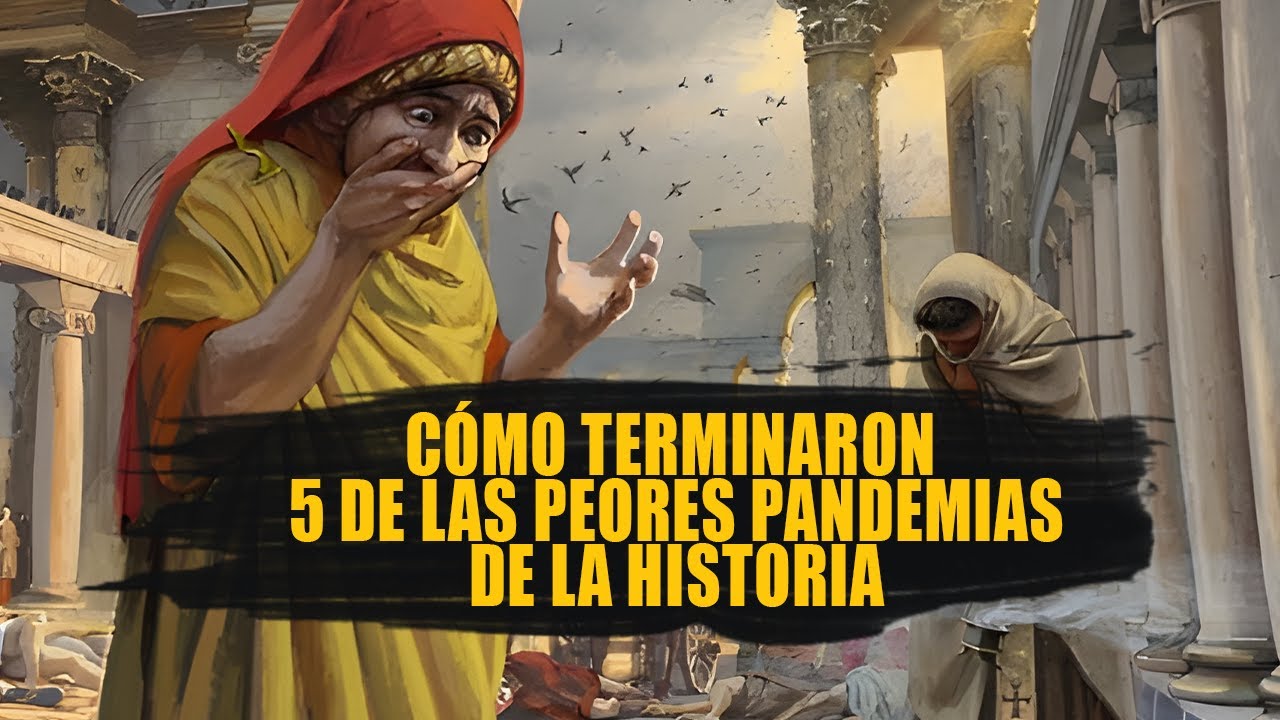
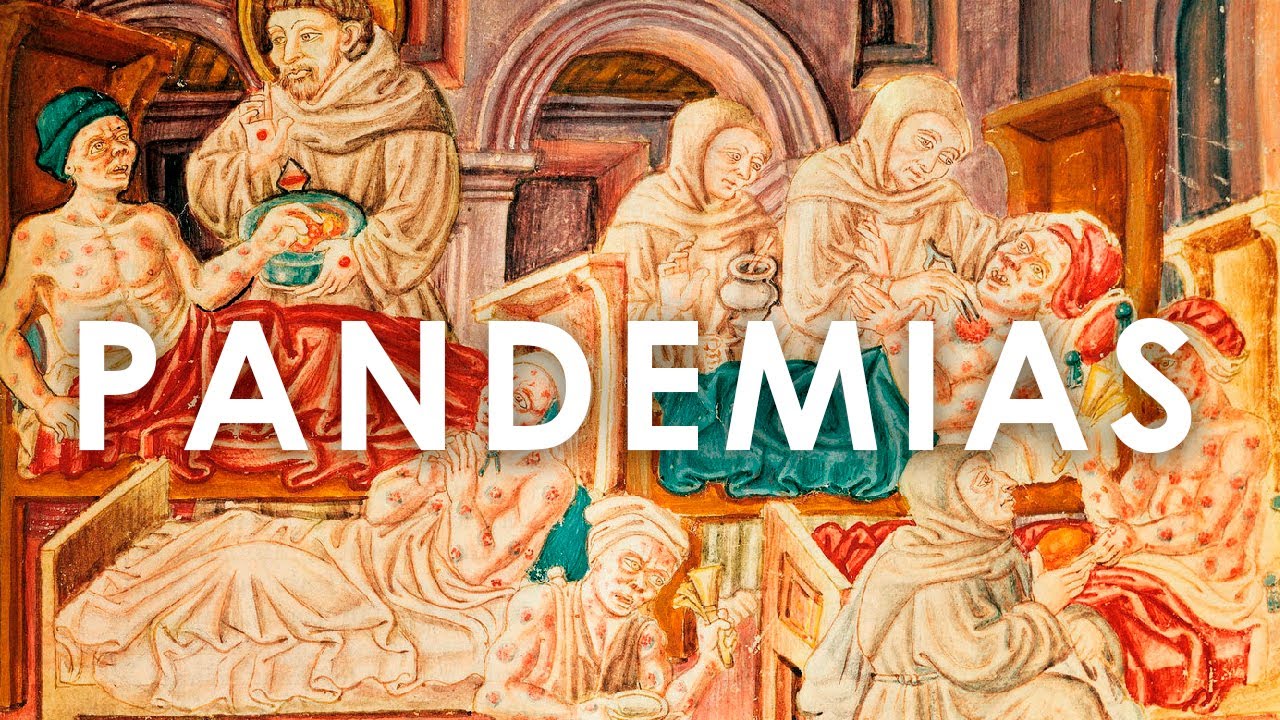

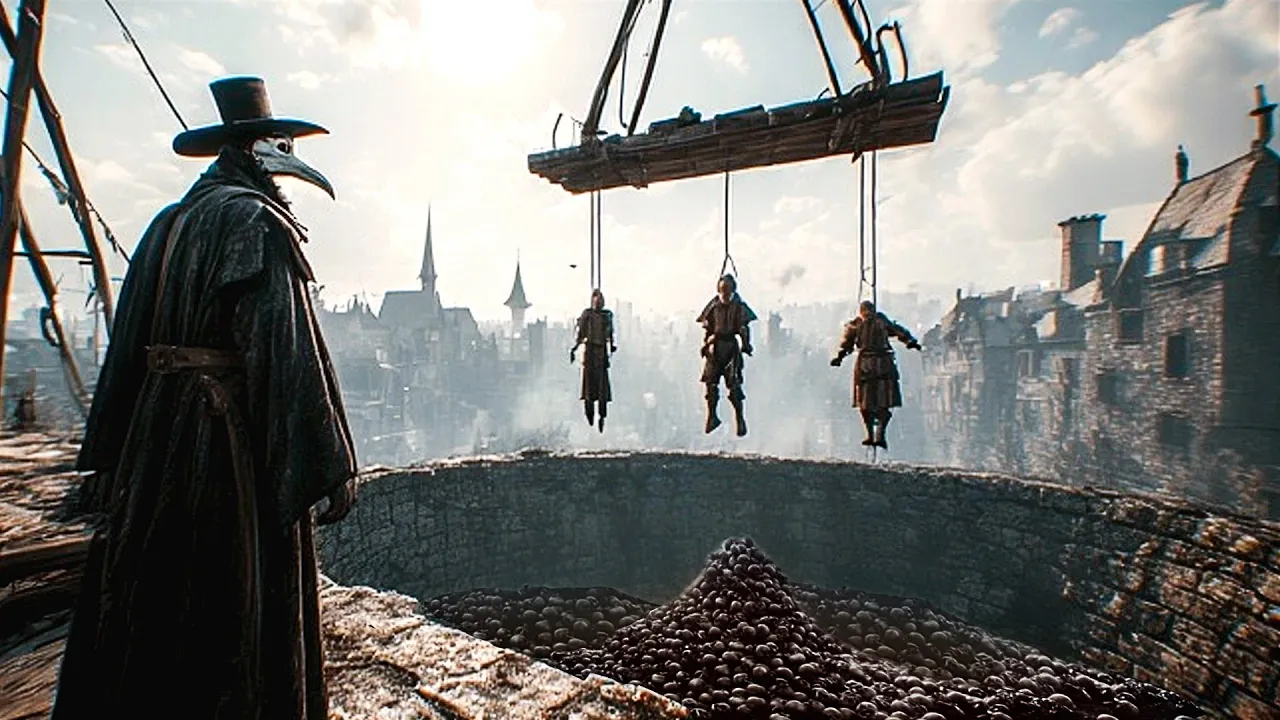






The bubonic plague, caused by the bacterium Yersinia pestis and spread by infected fleas on rats, has shaped human history through three major pandemics: the first in the 6th century killing 50 million people and contributing to the fall of the Byzantine Empire; the Black Death in the 14th century killing up to 60% of Europe's population and transforming feudal society into capitalism; and the third pandemic in the late 19th century killing 12 million more. Despite modern medical advances, the plague still causes approximately 3,248 cases worldwide annually, though its deadly impact has been dramatically reduced through antibiotics and improved public health measures.
The Black Death: A Visual History of the Bubonic Plague Pandemics
Added:Basic understanding of the socio-economic structure of medieval Europe, specifically the feudal system and agrarian economy.
The concept of trade networks in the 14th century, particularly the Silk Road, which connected Asia and Europe.
Elementary concepts of infectious diseases, including the distinction between a pathogen (Yersinia pestis) and its vectors (fleas and rats).
The cultural and religious dominance of the Catholic Church in medieval European daily life.
The long-term economic shifts following the pandemic, such as the empowerment of the labor force and the decline of serfdom.
The origins of modern public health measures, including the history of quarantine protocols first established in Adriatic port cities.
Comparative epidemiology, analyzing how the Black Death compares to other global pandemics like the Justinian Plague and the 1918 Influenza pandemic.
The impact of the plague on art, literature, and philosophy, specifically the emergence of 'memento mori' themes and shifts in religious authority.
Modern genomic studies of Yersinia pestis using ancient DNA (aDNA) to map the evolution and mutation of the pathogen over centuries.
4.3M views108.5Klikes11:32Original Release: 2020-04-11
this video was made possible by curiositystream when you sign up at curiositystream.com real life lore you'll also get access to nebula the streaming video platform that real life lore is a part of pandemics and diseases have been a constant companion of humanity for thousands of years and although they happen relatively rarely they can be tremendously destructive and they often change society in strange and unexpected ways and there is perhaps no disease that has changed the entire course of human history more than the original plague the bubonic plague likely originating somewhere around the tianchan mountains in central asia the bacterium yersinia pestis that causes bubonic plague lied relatively dormant with only occasional outbreaks for untold millennia until something changed in the 6th century a.d the byzantine empire was at its apex of power and influence she had just retaken the italian peninsula and was close to reuniting the entire roman empire again when all of a sudden at the worst possible time the bubonic plague appeared in egypt it's not entirely clear how it got here from its origins in central asia but the first global pandemic in human history was about to begin anyway the bubonic plague is spread by infected fleas that live on the backs of rats the rats stow away on ships and live within close proximity to humans so when the ships carry the infected rats to new cities the disease inevitably follows the rats eventually die and the fleas that actually carry the disease search for new hosts and jump on humans when the flea bites a human bacterium enters the body and rapidly spreads to the human's lymphatic system and multiplies the infected person may not show any symptoms for one to seven days after getting bitten but they'll eventually develop a fever chills vomiting and eventually the trademark appearance of smooth painful booboos developing out of swelled up lymph glands around the groin armpits and the neck game green of the victim's fingers toes lips and nose will eventually develop followed by extreme pain caused by the decomposition of living skin while the victim is still alive without proper medical treatment the fatality rate is between 30 and 90 of victims who become infected and even with proper modern antibiotic care the fatality rate still remains around 10 today obviously the people in sixth century europe and the middle east had no access to antibiotics and they didn't even know that the rats and fleas were the cause of the pandemic so the bubonic plague exploded when ships carrying grain and infected rats left egypt for constantinople the biggest city in the world at the time the disease spread and would go on to wipe out 40 percent of the city's population infecting even the emperor himself and as the epicenter of the byzantine empire the plague spread out on ships leaving for ports across the mediterranean and spread like wildfire 25 of all the humans living in the eastern mediterranean region died within just a few years and tens of millions died across the empire and eurasia the millions of deaths caused economic mayhem across the empire who had just taken out massive loans to fight the wars of reconquest in italy and the western mediterranean with millions of less people to work on farms and pay their taxes the empire can no longer afford to pay for future campaigns or even to garrison the new reconquests and therefore the empire entered into a long long state of decline from which she would never recover the vast depopulation and economic mayhem left the byzantine empire crippled and overextended which allowed the lombards the opportunity to quickly and easily take over northern italy while also providing a once-in-a-lifetime opportunity for the arabs and islam to surge over the rest of the empire and take most of it over just a couple generations later the first global pandemic would ultimately cause the deaths of around 50 million people or 13 of all the humans in the world alive at the time and led to the final destruction once and for all of the roman empire while making room for new empires and religions to rise up in the chaos the plague would finally quiet down again and remained relatively dormant after the mid-8th century until several hundred years later when it would explode onto the world scene once again with even more fury and death than it had ever done before in 1347 the bubonic plague re-emerged on the world scene in crimea the republic of genoa in italy had a trading outpost at the time in crimea called kapha which was being besieged by the mongols a few years previously the plague had broken out in the chinese province of hubei around wuhan and had killed 80 of the province's population it was carried across the silk road in the mongol army's supply and logistics lines before infecting the army that was besieging kaffa after suffering from the plague for a while the mongol army camped outside got the idea to begin catapulting their infected corpses over the city walls in an early attempted biological warfare the residents of kafa began falling victim to the plague as well and the g e's merchants decided to just call it quits and escaped on their ships back to italy unknowingly to them however they had brought the infected rats and fleas with them on their ships which were the seeds that would sow the worst pandemic ever in all of human history after the rats got off the ships in sicily and genoa the plague exploded all across italy and quickly spread along trade routes across the entire mediterranean and europe so between 1347 and 1351 the plague ravaged most of the european continent in just these five years it's estimated that as much as 60 of the population of the european continent died but some areas were hit harder than others mediterranean regions like italy france and spain saw as much as 75 of their populations dying 70 percent of england's population died out 60 percent of norway's and 20 of germany's paris and london both lost half of their populations and florence lost so many people that they didn't recover their population back until the 1800s but other areas of europe were almost never even touched by the plague like poland most of hungary and belgium it's unclear why exactly the plague varied so greatly in intensity across the continent but within just five years six out of every 10 people living on the continent beforehand was dead the black death as it became to be known also heavily afflicted the middle east where approximately one out of every three people died in that same five-year time frame as well it's believed that in just this five-year length of time the bubonic plague may have killed as many as 200 million people across eurasia which is absolutely staggering when you remember that the entire world population prior to the pandemic was only 475 million people that means that it's possible that around 42 of the entire human population of the world died within just a few years from a single disease to put into perspective how absolutely earth-shattering and cataclysmic it was for the time that would be exactly like if a disease wiped out 3.15 billion people today in just a few years it would irrevocably change the world forever just like the black death did in the 14th century and like the first plague did in the 6th century in this case the black death wiped out most of the people living in europe which caused the demand for common people as laborers to skyrocket the surviving peasants were in a much better position to demand higher wages and more freedom from the nobility which the nobility had to accept as reality in order to keep society moving wages for surviving common people went up the price of land plummeted and peasants found new opportunities they never would have had beforehand the black death had begun the destruction of serfdom and feudalism as institutions in europe and gave rise to the very beginnings of capitalism that would replace it it would take europe an entire two centuries to recover back to the population that she had prior to the eruption of the plague and by that point in the 1550s capitalism was well on its way to taking over the continent the bubonic plague would periodically flare back up in various places across europe and the middle east for centuries afterwards most notably in london in 1665 and marseille in 1720 but none ever became a true pandemic again until the final and the most recent third great plague pandemic of 1855 in china this time around the plague appeared in the yunnan province of china and quickly spread across the qing empire to the british outpost of hong kong where it was transmitted aboard ships to the british colonies in india where it wreaked immense havoc this third bubonic plague pandemic would go on to claim the lives of 12 million more people mostly in india and china but it was relatively mild everywhere else in the world after the discovery of the bacterium that causes the disease and the realization that rats and fleas were the primary carriers in the late 19th century and especially after the discovery of antibiotics the deadly grip that the plague had over the human species began to finally fade away but the bubonic plague does still exist today between 2010 and 2015 there were still 3248 recorded cases of the plague across the world and on average nine people still managed to get infected by it per year in the united states after thousands of years of chaos and earth-shattering pandemics though humanity has finally learned how to properly fight back against the bubonic plague if you want to learn more about how diseases like this work on a biological level or if you're curious for more information on the ongoing and evolving coronavirus pandemic curiosity stream has multiple fascinating short documentaries like this one this one or this one that will tell you about how the coronavirus began in wuhan how it spread to the rest of the world and how scientists across the planet are racing to discover a vaccine there's plenty in each of them that will explain how the world got to this point in the coronavirus pandemic and these are just a few of the thousands of top quality non-fiction shows and documentaries that you can watch on curiosity stream of course the library that you get through a curiosity stream subscription is now much larger thanks to their bundle deal with nebula the streaming video platform created by myself and loads of other educational creators we made nebula to be the home of our bigger and more ambitious projects like my car review show grand test auto with jt from second thought where we drive and tell you what we think about some pretty cool cars so to make sure you get to see that along with all the other great original content being produced by creators like wendover productions or real engineering sign up for the curiosity stream nebula bundle deal at curiositystream.com real life lore it's super simple any subscription there comes with nebula included and at only 20 for an entire year this is the best deal that exists in the streaming world and as always thank you for watching
Up Next

5:33
Montgomery Bus Boycott: Catalyst for Civil Rights Change
@HISTORY
181K views•2023-02-09

33:02
The Great Schism of 1054: Causes and Consequences
@SacredCathedrals
113.5K views•2026-02-19

54:16
Why Haiti Collapsed Into Chaos While the Dominican Republic Thrives
@RealLifeLore
6M views•2023-12-16

17:05
Understanding the Cold War: Superpower Conflicts and the Road to Détente
@OverSimplified
46.1M views•2019-01-24
Related Study Plans & Knowledge Roadmaps
Structured learning paths in History
history
Byzantine Iconoclasm: Theology, Art & Politics
01Foundations of Byzantium and Early Christian Images
02The First Iconoclasm: Leo III and the Crisis of Images
03Empress Irene, Nicaea II, and the Second Iconoclasm
+ 2 more learning modules
9h5 modules
Explore Roadmap
history
Iranian Revolution (Causes, Events & Legacy)
01The Pahlavi Dynasty and the Roots of Discontent
02The Spark of Rebellion and the Rise of Khomeini
031979: The Fall of the Shah and the Climax of the Revolution
+ 2 more learning modules
8h5 modules
Explore Roadmap
history
Mali Empire: Mansa Musa, Trade & Timbuktu
01Foundations of the Mali Empire
02The Trans-Saharan Gold and Salt Trade
03The Reign and Pilgrimage of Mansa Musa
+ 1 more learning modules
6h4 modules
Explore Roadmap
history
1947 Partition: Politics, Borders & Legacies
01Foundations of British India and the Divide
02The Political Negotiations and the Mountbatten Plan
03Drawing the Boundary: The Radcliffe Line
+ 2 more learning modules
8h5 modules
Explore Roadmap