











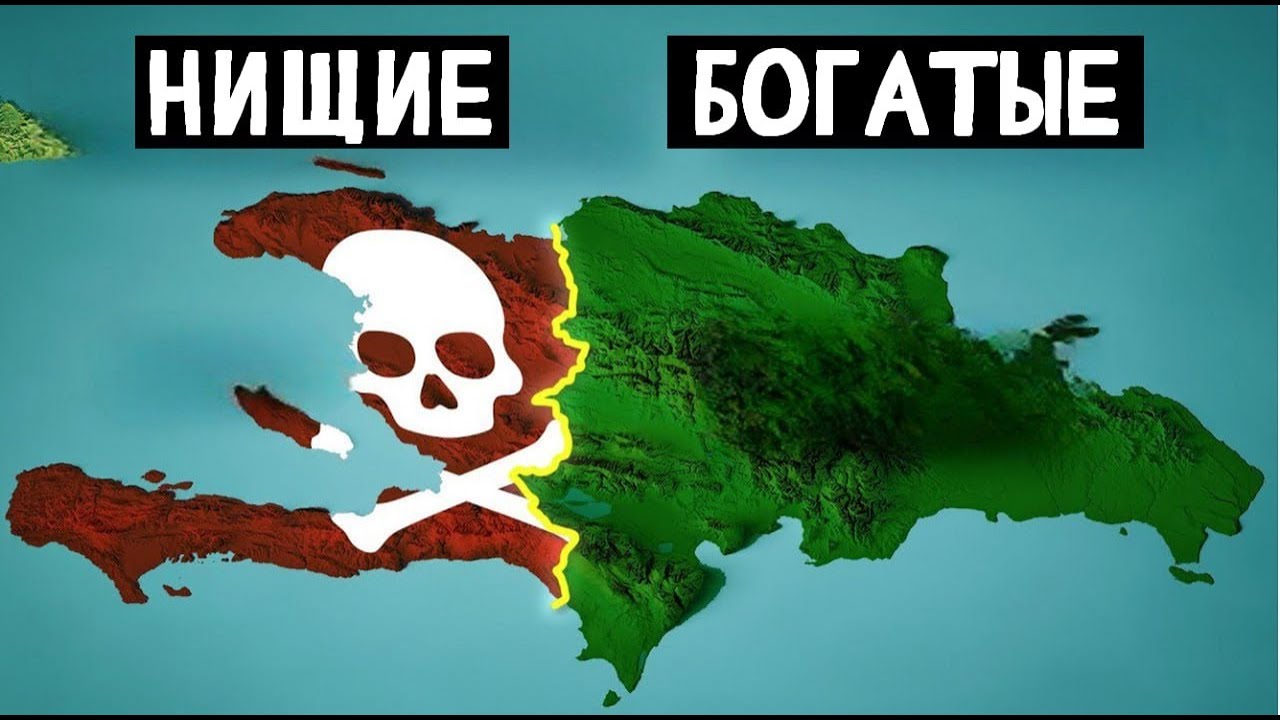







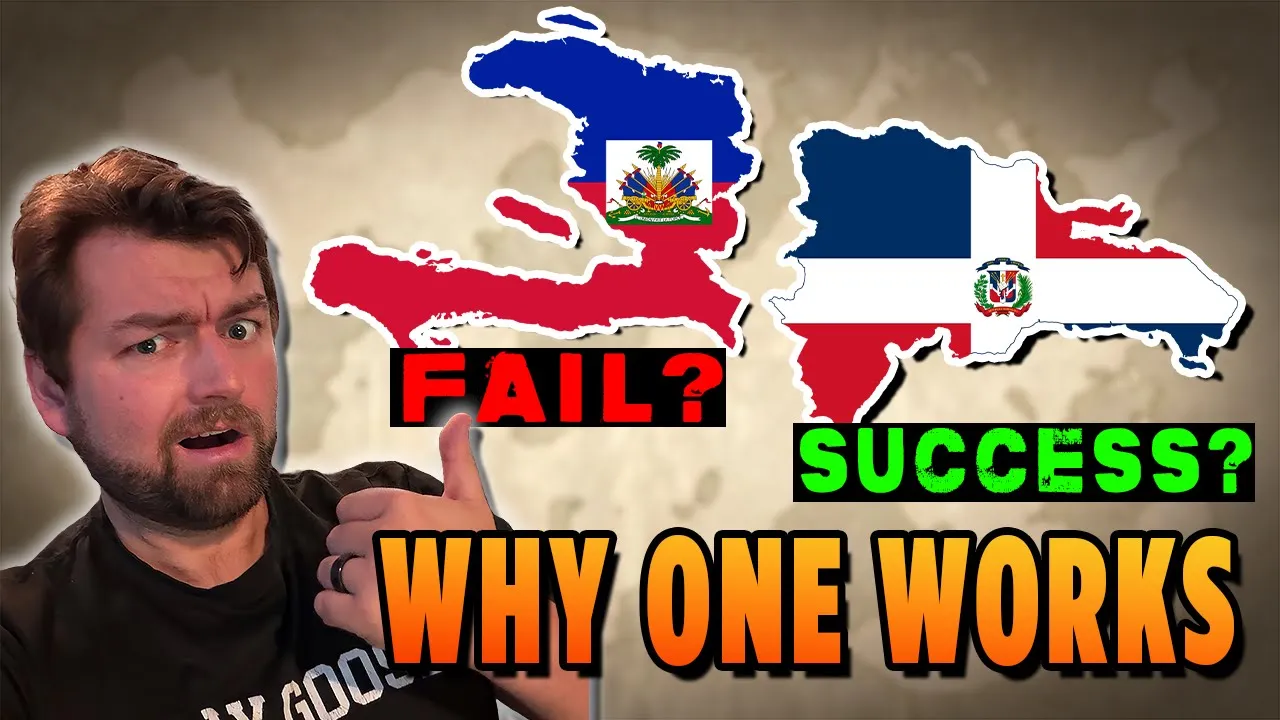
Haiti's current crisis stems from centuries of exploitation beginning with the 1825 French indemnity that forced Haiti to pay 90 million francs to France for independence, which transformed into a 'double debt' through predatory loans from Citibank, combined with the 2004 U.S.-French sponsored coup that overthrew democratically elected President Aristide, while the Dominican Republic pursued economic reforms and foreign investment, leading to dramatically different outcomes despite both nations sharing the same island and similar populations.
Why Haiti Collapsed Into Chaos While the Dominican Republic Thrives
Added:The colonial history of Hispaniola, specifically the division of the island into French (Saint-Domingue) and Spanish (Santo Domingo) territories and their differing economic models.
The historical significance of the Haitian Revolution (1791–1804) and the subsequent diplomatic and economic isolation imposed on the young republic by Western powers.
The concept of colonial debt and indemnity, particularly the massive financial penalty France forced Haiti to pay in exchange for official recognition of its independence.
Basic geographic concepts of the Caribbean, including hurricane paths, seismic activity, and how physical geography can influence national vulnerability to natural disasters.
Comparative institutional development, examining how different political and legal systems (French civil law vs. Spanish colonial structures) shaped long-term economic trajectories.
The political ecology of resource management, specifically analyzing why the Dominican Republic successfully preserved its forests while Haiti suffered severe deforestation.
The role of modern international intervention, evaluating the long-term effectiveness of foreign aid, NGOs, and UN peacekeeping missions in Haiti.
Contemporary socio-political dynamics between the two nations, including border policies, migration patterns, and citizenship rights for Haitian descendants in the Dominican Republic.
6M views105.2Klikes54:16Original Release: 2023-12-16
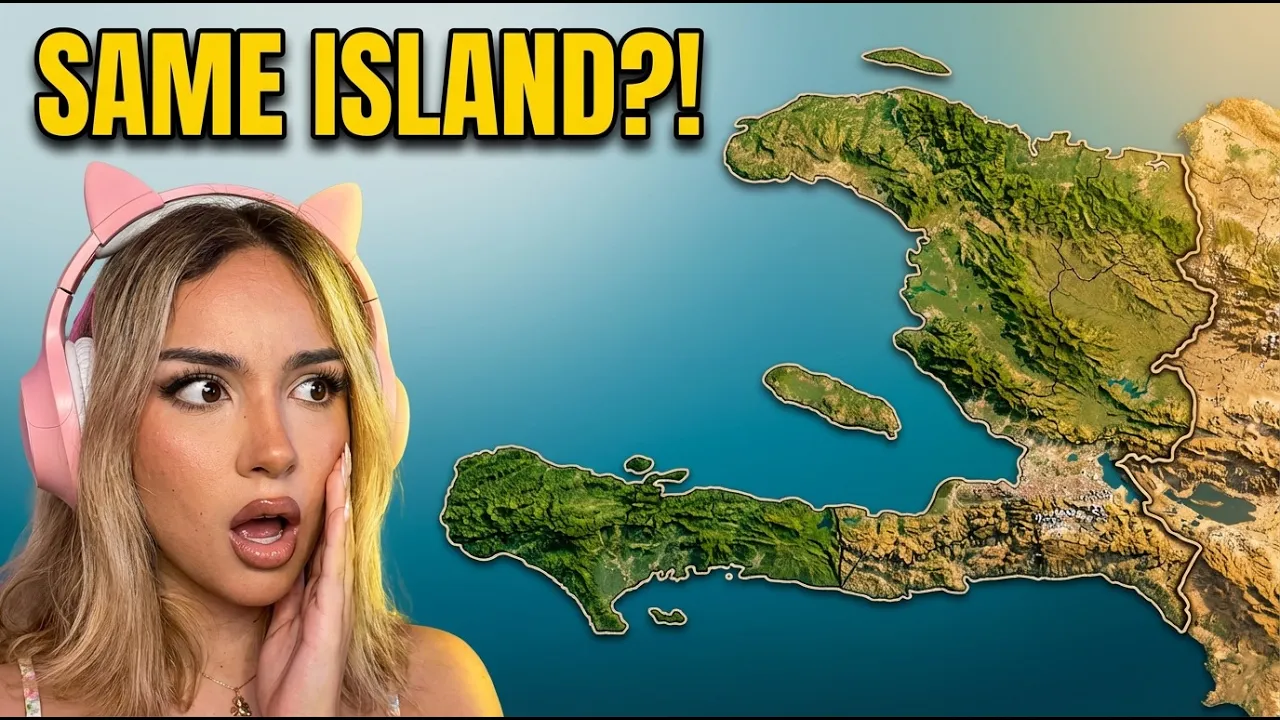
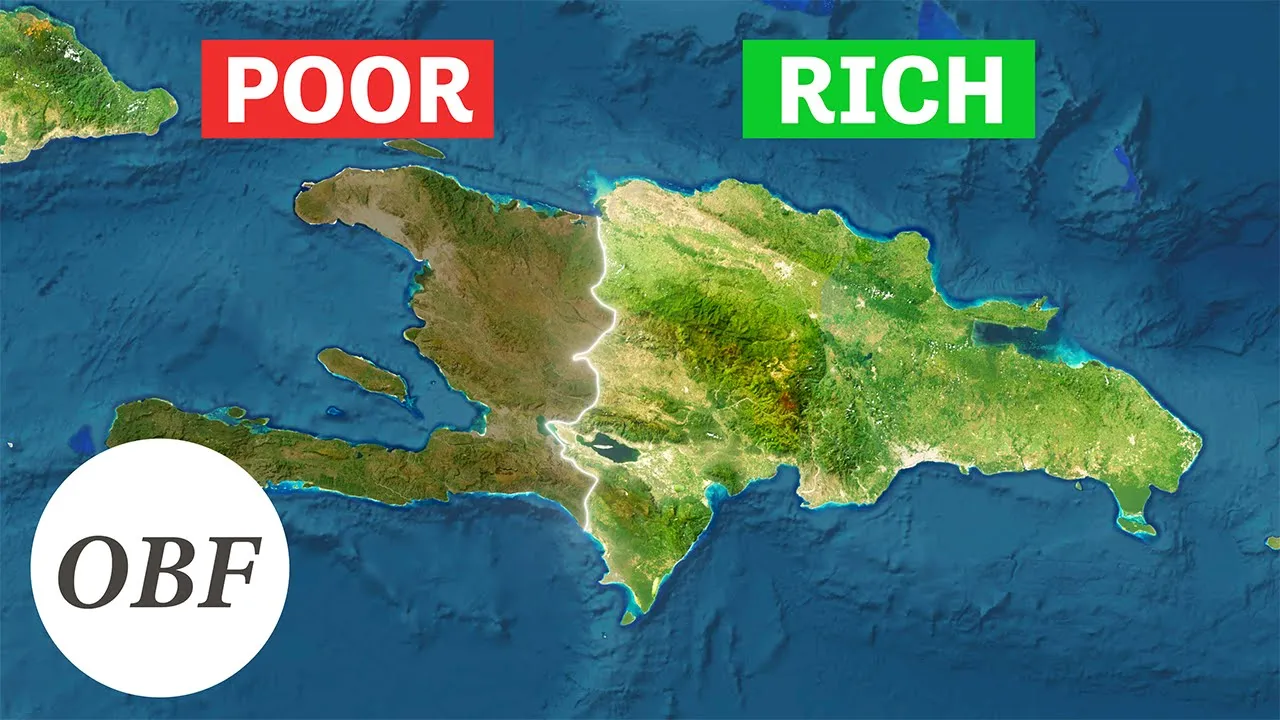
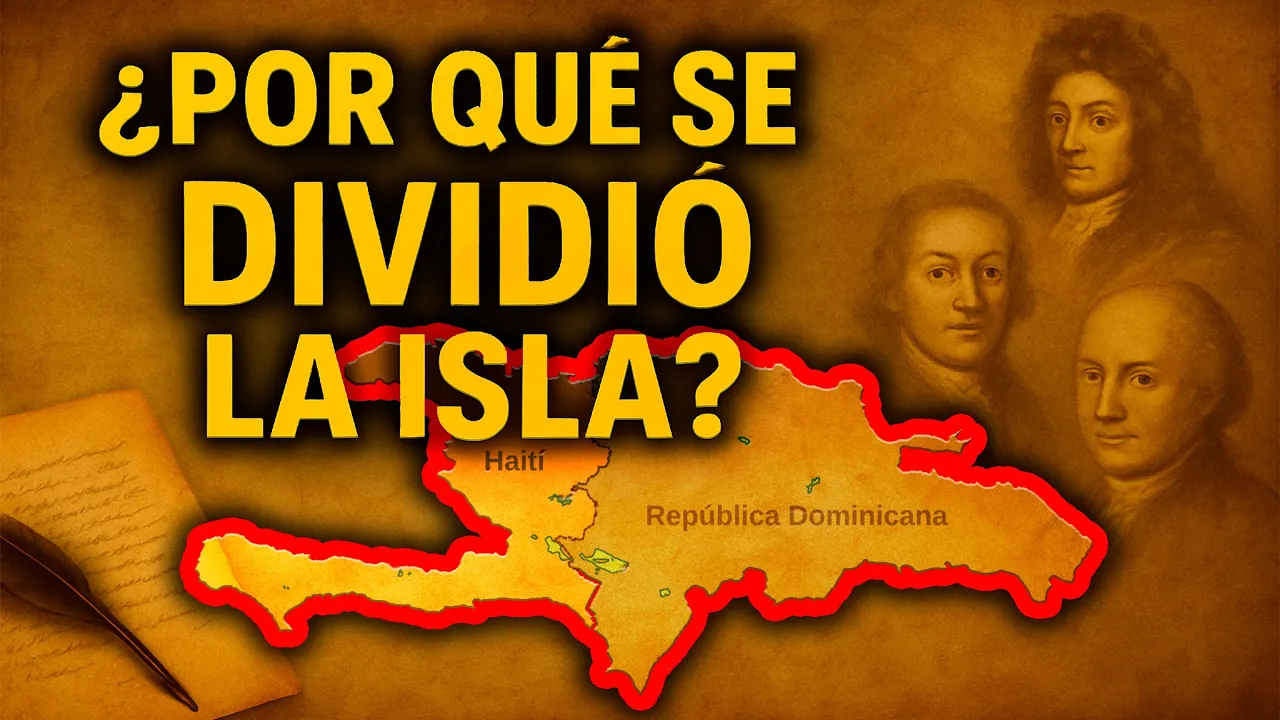
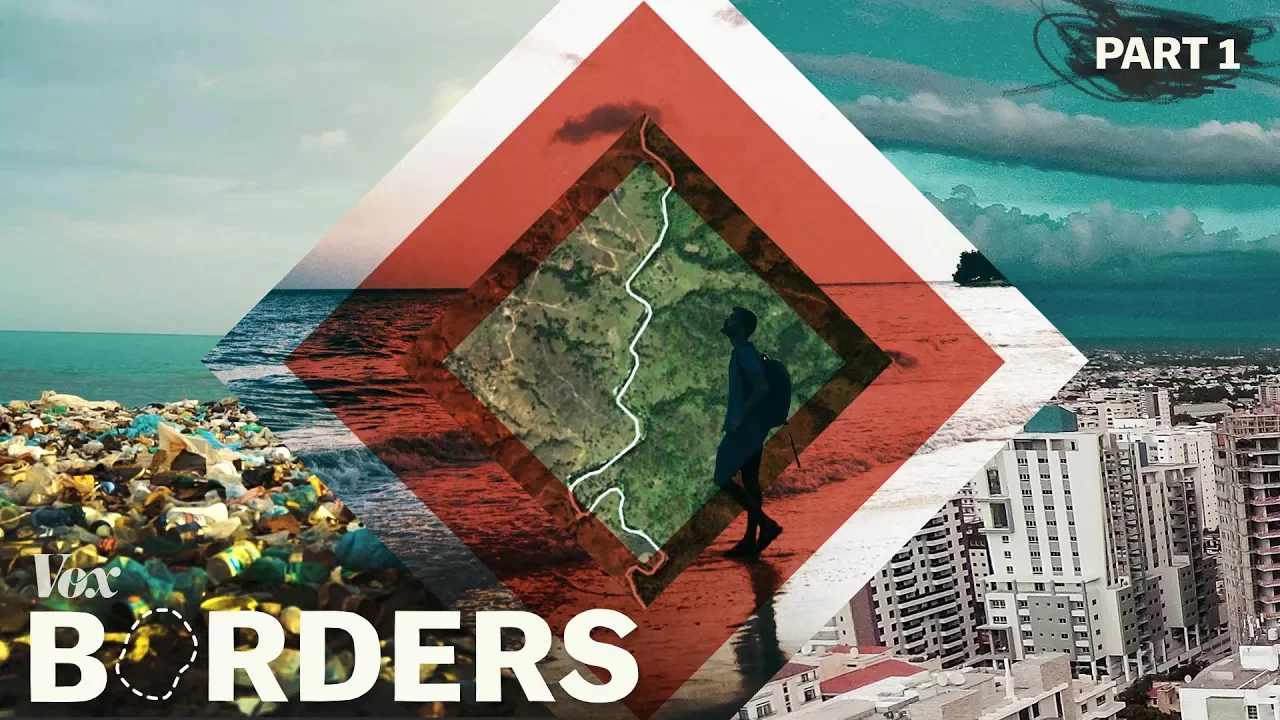
Haiti a country of nearly 12 million people in the Caribbean is on the brink of total State collapse around 200 different heavily armed gangs have managed to seize control over large swats of the country's territory and are operating with near impunity while some of the more heavily armed gangs that are more similar to paramilitaries have managed to seize control over as much as 90% of hades's capital and largest city Port of Prince these gangs have been able to completely overpower what little is left in the country of the former Haitian government some of the larger and more heavily armed ones have even managed to establish roadblocks and checkpoints between Porta Prince and the country's largest airport and between Porta Prince and the country's primary Maritime ports and oil terminals by doing so they have in effect become capable of holding the entire country as a hostage by dominating Hades access to the outside world and access to Imports of crucial supplies and oil there's hardly even a Haitian government left in the country to speak of that's actually capable of fighting back against them because there aren't even any elected government officials remaining in the country at all now the most recently elected president of P jovenel moisy was assassinated 2 and 1/2 years ago now back in July of 2021 by still unidentified gunmen who raided his own private residence in fact no elections of any kind have been held in Haiti since 2016 nearly 8 years ago now as before Moy was assassinated he chose to continually delay the Haitian elections that were supposed to take place in 2019 his choice to delay those elections along with corruption allegations and a worsening economy in the island nation led to mass protests against him that ultimately culminated in his assassination in July of 2021 under deeply suspicious circumstances the gunmen who murdered him are assumed to continue remaining at large while hadi's own governmental investigation into the matter has been extremely slow-going a fact that appears very suspicious when you consider that merely 2 days before moisy was assassinated moisey had appointed a man named Ariel Henry to become the country's next prime minister then 2 Days Later moisy was killed in his home and Ariel Henry Rose to power as hadi's new acting Prime prime minister without ever being ratified by the country Senate after taking over Henry has also continually delayed elections in the country for the past 2 and 1/2 years meaning that since no new president has ever been elected and every single member in the Senate's terms have all been allowed to expire Henry has been acting as hades's deao leader this whole entire time without ever being elected or approved by the Senate to do so there have been multiple accusations ever since that Henry was directly involved in the plot to assassinate moisei so that he could seize power in the country for himself including accusations that have come from hadi's Chief prosecutor and then merely 2 months after moy's suspicious assassination rocked Haiti politically a devastating 7.2 magnitude earthquake struck Haiti's tiberon peninsula in August of 2021 that would rock Haiti even further that disaster would kill around 2,250 people in the country and injure more than 12,000 others and would also cause up to $1.7 billion in economic destruction for ha 0 representing about 8% of the entire Haitian nominal GDP at the time so if you're following in the span of Just 2 months across the summer of 2021 Haiti witnessed their elected president get assassinated then a catastrophic earthquake that caus significant financial and human destruction and on top of those a new unelected and unratified leader who Rose to power under these circumstances and who became immediately viewed by the majority of Haitians as completely illegitimate it was the perfect opportunity for many of hades's heavily armed gangs many of which consisted of former members of the haian police to begin seizing advantage of the power vacuum and the chaos to carve out their own areas of influence through Force violence of all kinds within Haiti has therefore skyrocketed ever since 2021 largely as a result of the gang war that has been raging across the country's capital city with the United Nations reporting that more than 3,000 people in Haiti have been killed by gang violence in 2023 alone a statistic that makes the current conflict going on in Haiti one of the most violent ongoing conflicts in the entire world right now with a comparable number of deaths from Warfare in 2023 as happened in Yemen as a result in July of 2023 the Biden Administration in the United States urged All American citizens to immediately leave from Haiti and to not travel to the country under any circumstances until further notice as Haiti continues to collapse into increasingly violent Anarchy moreover since the current crisis in Haiti exploded in mid 2021 well over a 100,000 hazian have fled from their country as refugees and risked their lives either by traveling into South America and then trekking by foot through the notoriously dangerous Daran Gap northwards to the United States or have embarked towards US Territory directly by whatever makeshift boats or water capable crafts they've been able to get their hands on which has recently made Haitians one of the largest nationalities of people being encountered by the United States border patrol ever since due to the fact that the various gangs in Haiti currently control an estimated 90% of the capital and largest city in the country and the government has completely lost its Monopoly on Force the unelected aeriel Henry Administration has been repeatedly requesting and at times pleading for a foreign armed intervention into the country to crush the power of the gangs and to restore the power and authority of the government across the whole country after which Henry has promised to finally host the terminally delayed elections in Haiti again on the 2nd of October 2023 his frequent requests for this foreign intervention were finally granted after the United Nations security Council passed a resolution authorizing yet another armed intervention into Haiti as the details currently stand now as of December 2023 the United States will be largely funding the intervention with more than $100 million while the East African nation of Kenya will be taking the lead of the intervention with boots on the ground they will be deploying at least a thousand of their own police officers and soldiers to Haiti with the objective of destroying the gangs control over the capital and restoring the authority of the Haitian government and they'll be assisted by smaller numbers of troops deployed from the neighboring Caribbean countries of Jamaica the Bahamas and Antigua and Barbuda but this latest intervention into Haiti going on right now is only the most most recent one in a very very long history of foreign interventions into the country that have gone back centuries none of which have ever succeeded in establishing the conditions to prevent another intervention from becoming necessary again in the future out of the past 108 years of History going back to 1915 Haiti has seen the presence of foreign troops deployed to its soil for 41 of those years or about 38% of the time including very recently in 1994 and then again between 2004 and 2019 andu to be yet again in 2023 and likely 2024 until who knows when always in the name of securing the peace in the country and achieving political stability and yet never actually succeeding in doing so the current crisis going on in Haiti is however arguably the worst in the country's entire modern history as Haiti currently stands on the precipice of becoming the only truly failed state in the Western Hemisphere On a par with the likes of mear Sudan or Afghanistan as measured by 2023 is addition of the fragile States index and as Haiti collapses further into Anarchy and violence and the United Nations intervention led by Kenya and funded by the United States comes to try and restore order to the country again hades's only Geographic neighbor by land right next door the Dominican Republic or Dr is building a new Great Wall along their entire length of shared border to separate themselves from the Haitians even more than they already are the Dominicans began the Wall's Construction in February of 2023 as the gang war in Haiti was escalating and when it's finished it will be the second longest wall anywhere in the Americas remaining only behind the length of the US Mexico border wall it'll be 4 M high and made up of 20 cm thick concrete and topped with metal mesh to prevent people from climbing over it more than 70 watchtowers are planned to be constructed along the wall while dozens of gates will be built into it to enable Dominican soldiers to carry out patrols the wall will include drones cameras Radars motion sensors and fiber optic cables for communications that are all designed to block anyone the Dominicans don't want from the Haitian side from being able to cross over the border and once it's completed the wall will effectively transform Haiti and the Dominican Republic into two completely separate Islands despite them each sharing the same Geographic Island and despite the fact that they've shared this same island for centuries the Dominican Republic in Haiti ended up experiencing radically different Destinies and even without the wall the two may as well already be in completely different worlds in nominal terms the Dominican Republic's economy is 4 and 1 half times larger than Hades while in purchasing power parity terms the Dominican Republic's economy is seven times larger than Hades despite the two countries having a roughly comparable population this further means that when it comes to GDP per capita Dominicans are on average 5 to eight times wealthier than Haitians are next door with citizens of the Dominican Republic being more comparable to countries like Serbia or Argentina and citizens of Haiti being more comparable to countries like Rwanda and Uganda in terms of poverty about 58% of Haitians live on less than $365 a day making Haiti one of only six countries worldwide outside of subsaharan Africa where the majority of the population continues to live under poverty by comparison only 4.3% of the Dominican Republic's population still lives in poverty while Dominicans also live around a decade longer than Haitians do 98% of the Dominican Republic's population have access to electricity while only 47% of Haitians do which once again makes Haiti one of only two countries anywhere in the world outside of subsaharan Africa where the majority of the population still doesn't have any access to Electric Haiti is on the brink of becoming a failed state with runaway violence and is one of the most hopelessly impoverished countries in the world while the Dominican Republic right next door is on the cusp of transitioning into a high inome fully developed country by the end of the decade in 2030 if Haiti remains more or less in the same state as it is now by then there will probably be no other greater disparity in the entire world across borders by levels of development and income other than the Saudi and Oman borders with Yemen and the South Korea Russia China borders with North Korea so how did this very unique situation on this island develop in the first place why did Haiti and the Dominican Republic despite existing together on the same island for centuries and having a very comparable current population size end up so vastly different from one another and so separate from each other some of the factors that explain this difference today are historical reasons but they don't explain the whole picture you see the island that they both exist on Hispanola was initially colonized by the Spanish but it was first legally divided in 1997 by the Treaty of riswick that formerly established a Spanish colony in the Eastern 2/3 of the island and a French colony in the western third though the borders between them were slightly different than they are today from the very beginning of this division of the island though the French and the Spanish treated their separate colonies on either side radically differently the Spanish ended up pursuing a policy that was more focused on settler colonialism over on their side with more limited amounts of slavery by the standards of the Tie by the end of the 18th century the modern Dominican Republic still under Spanish colonial rule only had had a population of about 104,000 people only 30,000 of whom were enslaved people from Africa and meanwhile the French over on their side of the island treated things extremely different they pursued a policy of historically enormous exploitation the likes of which have hardly ever been seen before since it's estimated that across the 18th century alone the French forcibly transported approximately 800,000 Africans from their continent to modern-day Hadi of slaves a figure that represents nearly double the number of African slaves brought to the entire North American continent during the entirety of the North Atlantic slave trade by 1789 on the eve of the French Revolution it's estimated that Haiti's population was around 556 th000 people which was a little more than five times the total population of the neighboring Spanish Colonial Dominican Republic but only 32,000 of the people who lived in Haiti at that time were European whites there were an additional 24,000 freed people of color and an estimated 500,000 African an and their descendants Bound in the chains of slavery outnumbering their white Colonial Masters by a ratio of nearly 16 to1 France used all of these slaves as their labor source to work across the vast sugar and coffee plantations that they set up all across the island which for a Time made Haiti the most lucrative and financially valuable colony in the entire world for the people who actually dominated it so ruthlessly by 1789 roughly half of all the sugar and coffee that was being consumed in Europe came from the slave plantations of Haiti and they helped to make the French Kingdom the wealthiest in Europe at the time Haiti would also become independent decades before the Dominican Republic would and through far more violent circumstances in the midst of the chaos of the French Revolution the slaves of Haiti who vastly outnumbered their colonial Masters rose up in a violent revolution of their own in 1791 across the next 13 years both the haian slaves and the colonial French engaged in a brutal genocidal war of annihilation against the other wherein an estimated 200,000 Haitians would die and virtually the entire Colonial white population of Haiti would be either killed themselves or driven out of the country never to return by 1804 the French had given up and retreated from their former Colony but they along with the vast majority of the rest of the outside world continued refusing to recognize Haiti's Independence for decades and although Haiti had paid dearly with blood for their sovereignty between 1791 and 1804 they weren't finished paying for their sovereignty with treasure yet and they wouldn't be for a very long time in 1825 French warships showed up outside the Haitian Capital port a prince they gave the Haitians only two options one they could accept a deal in which France would finally recognize hades's Independence in exchange for Haiti agreeing to financially compensate France for their loss of property experienced during the Haitian revolution including France's loss of their hundreds of thousands of former slaves which France asserted was 150 million Franks Haiti could either accept this backwards deal or refuse and take option two war and then the French warship sitting in the harbor would simply blow up everything they could and port a prince with a gun pointed to their head Hades selected option one and agreed to pay their former Colonial slave masters for their own Freedom that they had already paid for with blood the debt became known as the French Indemnity and although France would technically later reduced the amount owed by the Haitians to 90 million Franks the indemnity economically hobbled for more than a century afterwards as they struggled paying it back with meager resources of their own and a continued lack of international recognition Beyond France that limited their trade opportunities the Haitians were in no financial position to pay back France's Indemnity that was forced upon them they then resorted to several Desperate Measures to help pay back the debt that included cutting down massive amounts of their own trees for their timber in order to sell to the French which contributed greatly to Haiti's modern catastrophic deforestation problem and then with no recognition by the United States or from other European powers Haiti was then forced into taking out several predatory loans from French banks to help pay off their original 1825 Indemnity that was forced upon them by the French government which transformed their original debt into effectively a double debt the original Indemnity plus all of the interest on the loans that they were then forced to take out in order to pay the original Indemnity hades's government coffers remain depleted and empty for decades and decades as they continually made attempts to pay off this debt and the French continually threatened to bomb their ports if they didn't pay by the 1880s the Haitian double debt was acquired by the modern cic bank that is still headquartered in Paris today while the payments continued cic created Haiti's First Central Bank in 1880 but it was a bank that they owned as a front for their own financial interest in Haiti the central bank was owned by cic instead of by the Haitian government itself and then the precursor of today's City Bank headquartered in New York acquired a stake in the Haitian Central Bank in the Haitian double debt in the early 20th century by the 1920s City Bank had bought out or outmaneuvered the other European shareholders in the Haitian Central Bank and so all of hai's double debt repayments on the original 1825 French Indemnity began flowing to Wall Street afterwards City Bank was then able to use its control over the Haitian Central Bank to impose tens of millions of dollars of additional predatory loans on the country in order to service their original 1825 Indemnity a situation that American Communists at the time described as transforming Haiti into an American slave Colony it wasn't until 1935 that the Haitian Central Bank gained its actual independence from City Bank and it wasn't until 1947 that Haiti managed to finally pay off the double debt that had been originally imposed on them by France 122 years previously in total the Haitians ended up paying a total of 112 million Franks on their double debt or about $570 million in today's money this siphoning off of ha meager resources to banks in France and in the United States over more than a century prevented the Haitians from being able to use that money to invest in themselves with things like better infrastructure education or health care services in 2022 the New York Times released a landmark investigation into the lasting Legacy of this double debt forced upon haian society and concluded that had all of that money stayed within Haiti from the very beginning and was used for their own development and compounded over the past two centuries of history since then it would have been worth a minimum of approximately $21 billion in today's money and potentially as much as $115 billion by other estimates after the Dominican Republic gained their own independence they would never face this same kind of debt problem that was forced upon them by their former Colonial overlords that lasted well into the mid 20th century and so they would have greater opportunities to invest resources into themselves from earlier on but that's still only a part of the full explanation into how they became so different today in the 21st century you see the Dominican Republic achieved its first independence from Spain in 1821 under much better circumstances that Haiti achieved theirs from France but immediately afterwards Haiti decided to invade and conquer the Dominican Republic just the following year in 1822 3 years before the double debt was forced upon them by France after the double debt was forced on them the Haitians attempted to then Force the Dominicans they had conquered to help pay it off by levying very high tax on them the Haitians would end up occupying the Dominican Republic for a total of 22 years as they attempted to incorporate the entire Island under the rule of Haiti an occupation that is remembered within the Dominican Republic today as a particularly brutal and dark period in their history that continues to negatively influence Dominican Republic Haiti relations to this day eventually the Dominican Republic was able to fight off their Haitian occupiers in 1844 after 22 years of control but the Haitians refused to recognize their independence and would launch four more milit military invasions into the Dominican Republic until they were finally decisively defeated for good in 1856 it wouldn't be all the way until 1867 that Haiti would finally recognize the Dominican Republic's Independence and abandoned their ambition to dominate the entire Island from there the two sides of the same island experienced fairly similar histories for a very long time although the Dominican Republic didn't have the same exact kind of debt issues that Haiti had both were impoverished and politically unstable countries susceptible to violence and authoritarian dictatorships for decades for a Time the United States even invaded and occupied both of them for very similar reasons ensuring that both of their debts continued being paid to Wall Street City Bank was able to convince the United States to invade and occupy Haiti in 1915 while the Dominican Republic was invaded and occupied by American troops the following year in 1916 for 7 years the United States occupied the entirety of Hispanola and meddled around with the Border further to create the modern bound boundary between Haiti and the Dominican Republic that we know today the United States withdrew from the Dominican Republic in 1924 but continued occupying Haiti for the next decade until 1934 representing a 19- yearlong occupation of Haiti by the United States and representing one of the longest foreign occupations in all of American History Allis city Bank was able to expand its economic control over the country and impose new predatory loans on the Haitian government in the process then after the United States withdrew from both countries the Republic and Haiti alike experienced long periods of authoritarian dictatorial rule that saw little economic progress being made for decades the Dominican Republic came under the control of a former General named rapael truo in 1930 just 6 years after the Americans left the country while Haiti eventually coalesced under the control of another dictator named Francois duvalier in 1957 tru's police state in the Dominican Republic lasted for 31 years until he was assassinated in 1961 leading to another period of Chaos in the the Dominican Republic that culminated with a civil war in the country blowing up in 1965 then fearful of the Communist Regime in Cuba's ability to influence the Civil War and flipped the Dominican Republic into another Caribbean communist state the United States intervened directly in the Dominican Civil War and found itself occupying the Dominican Republic again but after that the United States was able to organize elections in the country in 1966 and withdrew the same year and there has never been another foreign intervention or occupation of the Dominican Republic ever since Since the situation in Haiti meanwhile turned out very differently Haiti was dominated by franois dualer and his own authoritarian police state until his own death in 1971 but unlike tru's long regime in the Dominican Republic that collapsed immediately after his death the dualer regime in Haiti survived with a succession of franois duvalier's son Jean Claude duvalier who continued ruling the country as an authoritarian police state for the next 15 years up until 1986 when he was finally overthrown by a cou d'a during these 29 years that the dualer regime survived in Haiti it was consistently supported and propped up by the United States because of the duvalier's harsh anti-communist policies that Washington saw as vital to counterbalancing communist Cuba in the Caribbean only 50 Mi away from Haiti communist activities within Haiti were punishable by the death penalty under the duvalay and as many as 60,000 Haitians were killed by their seet police so ultimately while the Dominican Republic emerged from their authoritarian dictatorship and Civil War period in 1966 Haiti wouldn't end up emerging from their dictatorship period until 20 years later in 1986 and they've never been able to emerge from their chaotic period afterwards up to the point of 1966 when the Dominican Republic successfully held elections and the United States withdrew from the country the Dominican Republic and Haiti were basically two sides of the same coin both were highly impoverished and underdeveloped with very similarly sized economies very similar incomes very similar population sizes and both had been isolated from the outside world for decades because of long-standing authoritarian dictatorships and or continuous political instability that had long scared away foreign investment but then things started changing for the Dominican Republic in the late 1960s and early 1970s as the country began successfully reforming itself becoming more democratic more stable and steadily opening up more to trade with the outside world it's at this moment that when you compare the graphs of inflation adjusted GDP per capita between the Dominican Republic in Haiti that you begin to see the Dominican Republic finally start rapidly accelerating away from Haiti and the strange part about this graph is that the absolute all-time high of hades's GDP per capita to date was actually backed during the repressive Duval dictatorship period all the way back in 1980 ever since then for more than 40 years now Hades GDP per capita has either decreased continually or remain largely stagnant while the Dominican Republics has continually exploded up upwards so clearly while deep historical factors have played a role in hades's crippling poverty and instability today the very clear economic Divergence between Haiti and the Dominican Republic didn't actually start happening until fairly recently after 1968 and there are probably many many reasons for that for one foreign investors like investing in countries that are politically stable over ones that are not and Haiti has continued being chronically unstable ever since 1986 after the impressive 29- yearlong duvalier regime was overthrown that year the Haitian military established a transitional regime until the first open and free elections in Haitian history were held in 1990 which resulted in the first election of Jean Bertrand aristy the first democratically elected leader of hades's modern history however he was only able to serve as the country's president for 7 months until September of 1991 when the military decided to launch another coup and overthrow him which led to the Clinton Administration in the United States to initiate an economic blockade of Haiti with new trade restrictions that impoverished the country even further and then eventually the Clinton Administration authorized a new American Military intervention into the country in 1994 to topple the military hunter from power and restore aisti back to the presidency the United States sent two aircraft carriers to Haiti and more than 20,000 troops during operation uphold democracy in 1994 and then faced with this overwhelming Firepower the haian military hund collapsed and conceited power to avoid a war they knew they would lose aristy was then reinstated as the country's president and then he would win reelection again for another term in 2001 but then after the United States military intervened to restore him to power and after Ain won his next election again in 2001 he would end up doing something that would really really piss off both the United States and France he didn't start committing massive human rights violations he didn't start any wars or start any trade disputes what he did was far worse he had the goal in 2003 to become the first and so far only leader in Haiti's entire history to formally demand that reparations be paid to Haiti from France over the indemnity and the double debt that they had forced upon them all the way back in 1825 Arin demanded that France pay Haiti nothing less than $21 billion in reparations a figure that was at the time more than four times greater than the entire haian GDP within only months of him making this demand farri paramilitary rebels in Haiti began launching an extremely successful rebellion in the country and some of these Rebels had allegedly received previous training from US Special Forces by February of 2004 these Rebels had captured Haiti's fourth and second largest cities and they were beginning to lay Siege to the capital Porter Prince as the rebels began breaking into and sacking the capital on the the 29th of February Diplomatic Security Service officers from the United States arrived at the haian presidential Palace and what followed next between them is unclear and deeply controversial according to most American government officials arisin chose to then voluntarily resign as Haiti's president and wanted to escape from the country as the rebels broke into the capital he allegedly agreed to be transferred to hadi's primary airport escorted by US security Personnel where he then boarded a plane and was flown directly to the Central African Republic to live a new life in Exile however there are tons of conflicting accounts as to what exactly happened according to aristy himself the American officials who came to him on that morning pressured him into immediately resigning saying that if he didn't the rebels would break into the palace and murder him in his entire family aide claimed that he was forced to resign then kidnapped by American forces taken at gunpoint to the airport and then flown out without any knowledge of where he was actually going where the French managed to convince the Central African Republic to accept him live on the plane as the events were continuing to happen where he was then forcibly flown into Exile against his will these allegations from aristy have also been pretty heavily supported by the actions of the Americans and the French that surrounded the timeline of his removal from Power very notably the United Nations security Council of which France and the United States are each permanent members rejected an appeal from the Caribbean community on the 26th of February 2004 that would have sent International peacekeeping forces to Haiti to stop the Rebellion before aristy had actually resigned then only 3 days later on the 29th of February merely hours after aristy had resigned under these dubious circumstances the United Nations security Council suddenly voted unanimously with both French and American approvals to authorize an armed intervention into Haiti immediately after arista's resignation in Exile Haiti Supreme Court chief justice named bonafos Alexander succeeded him as the acting interim president and wouldn't you know it Alexander also immediately withdrew hades's demand for the $21 billion worth of reparations from France that aride had made himself only months previously and no official Haitian government demands on the reparations have been made ever since the very next day a thousand US Marines were suddenly deployed to Haiti to restore order while French Canadian and Chilean troops came the following morning 18 years later in 2022 a damning report released by The New York Times including direct testimony from the former French Ambassador who was serving to Haiti back then in 2004 concluded that the events of February 2004 in hati amounted to nothing less than a cou d'a toss sponsored by France and the United States to overthrow the democratically elected government of Jean Bertrand aristy in order to crush hades's demands for $21 billion worth of reparations from France then after aristy was pushed into Exile in Africa the United States passed over the responsibility of maintaining the peace in Haiti to the French and then later to the Brazilians as the United Nations stabilization mission in Haiti better known by its French acronym as Mana led by the Brazilians for nearly all of its history Mana was initially tasked with simply restoring Law and Order and democracy to Haiti by creating the conditions required to host new elections again but mana and thousands of foreign troops from all over the world would remain in Haiti all the way until 2019 15 years later after they had arrived as Haiti stability always seemed forever Out Of Reach Mission creep set in and more and more disasters kept befalling the chronically unfortunate people of hati you see across the 1990s and 2000s it was continuous political disasters coups rebellions and foreign interventions that kept hobbling hades's ability to develop events that were all nearly absent within the Dominican Republic but in the next decade across the 2010s it would become hades's unique Geographic problems that would contribute more to the pace of continuous disasters is holding the country back because while thousands of foreign troops in Haiti under Mana could change Haiti's political stability through Force they could do nothing to alter Haiti's Geographic instability you see despite being located on the same island Haiti and the Dominican Republic do have some very notably different Geographic quirks about them well some people have speculated in the past that the rainfall levels are higher in the Dominican Republic and that contributes to better agricultural potential that's not actually really true rainfall levels across both sides of the island are fairly consistent and if anything the Haitian side actually receives a little more rainfall than the Dominican side does with abundant rainfall warm temperatures year round in Fairly good soils both sides of the island naturally possess a very strong capability for agriculture it's why Haiti was the epicenter of the global sugar and coffee Industries back during the colonial era both sides of the island have also experienced very similar demographic growth rate since the start of the 1950s in 1961 at the end of the true hio dictatorship in the Dominican Republic hades's population was was roughly 4 million while the Dominican Republics was about 3.4 million 40 Years Later by 2001 the Dominican Republic's population more than doubled to about 8.7 million while Hades would roughly double as well to about 8.5 million well both would keep on growing from there at similar rates to their current populations in 2023 of about 11.8 million people in Haiti and 11.3 million people in the Dominican Republic however despite the two having very similar levels of demographic growth and very similar total population sizes Haiti is only about half of the Dominican Republic's Geographic size which means that Haiti has always been significantly more densely populated than the Dominican Republic has been in fact out of all the countries in the world today with more than 1 million people Haiti is one of the most densely populated anywhere with an average density that's roughly identical to the Netherlands other than little Barbados Haiti is the most densely populated country in the Western Hemisphere today with a significantly higher density than all of its immediate neighbors but density all on its own doesn't imply poverty in fact higher population densities appear to correlate more with greater wealth generation worldwide not less out of the top 15 densest countries with more than a million people in the world roughly half of them are considered to be highly developed economies most of them are fairly middle of the road and only three of them are considered to be least developed countries and only Haiti among those three is located outside of subsaharan Africa within hai's unique GE graphic setting however higher population density works against it in the sense that Haiti is also one of the most uniquely vulnerable locations in the world to frequent natural disasters of many different kinds both sides of Hispanola are very frequently battered by tropical storms and hurricanes being that Hispanola is placed in the western Atlantic and the Caribbean which is one of the most hurricane prone locations in the world devastating and Powerful hurricanes have rocked both Haiti and the Dominican Republic all throughout their histories but Haiti has evolved over time to become more vulnerable to these storms for two very big reasons first hai's population is obviously far more concentrated than within the Dominican Republic which makes them more vulnerable to higher levels of damage whenever these storms hit the island and second Haiti has a serious deforestation problem that the neighboring Dominican Republic simply doesn't have Haiti cut down huge amounts of their forests to sell to the French and the Americans across the 19th and 20th centuries to help pay off their double debt while more recently it was eventually found that Hispanola has practically zero coal oil or natural gas resources and that's meant that for their entire modern histories both Haiti and the Dominican Republic have had to import virtually the entirety of the fossil fuels that they've consumed and both continue relying on these Imports very heavily Haiti continues to generate 80% of their electricity with these imported fossil fuels while the Dominican Republic generates 85% of their electricity with them and both continue to overwhelmingly rely on imported gasoline for their transportation sectors but because the Dominican Republic has been a more politically stable source of foreign investment ever since the 1970s the Dominican Republic has been able to attract greater foreign investment than Haiti has and so they have a significantly more developed electricity grid than Haiti does while the Dominican Republic's electricity grid is far from perfect and still subject to occasional blackouts more than 98% of the Dominican population has regular access to electricity as of 2021 only 47% of Haitians have regular access to electricity Haiti is therefore one of only two countries worldwide outside of subsaharan Africa where the majority of people still don't have any access to electricity the only other one being Papua New Guinea and Oceania and because of this the majority of Haitians continue relying instead on burning wood for charcoal as their primary source of energy which is also obviously exacerbated what was Haiti's already bad deforestation problem as of 2023 it's currently estimated that because of these factors only about 12% of hades's land continues to be covered by Forest which is down from about 60% Forest cover only a century ago back in 1923 the neighboring Dominican Republic right next door however continues to have about 44% of its much larger land mass covered by forests this huge difference between them becomes extremely evident when you look at the border between them today which even without the wall that's currently being constructed between them is one of the most obvious political borders anywhere in the world to spot from the air or from space because the Haitian side has virtually zero trees whatsoever while the Dominican Republic side is still covered by thick forests the trees literally begin and end precisely where the Dominican Republic begins and ends Hades deforestation problem then further increases the country's vulnerability to hurricanes and tropical storms because without all of the trees and their deep roots planted in the soil Hades soil is much more vulnerable to erosion and so when hurricanes and tropical storms hit the island the Haitian side experiences more catastrophic floods landslides and mudslides than the Dominican side does and so because of its much greater population density and its much worse deforestation problem Haiti is more vulnerable to destruction from hurricanes than the Dominican Republic is despite them each being present on the same exact Island but Haiti also has another extremely serious Geographic handicap that is largely absent in the neighboring Dominican Republic the existence of very active tectonic fault lines that run directly through their most densely populated areas you see the island of Hispanola exists at the geologic intersection of the North American tectonic plate to the North and the Caribbean tectonic plate to the South two major fault lines run across the island in the South and the North and when you overlay a map of the Island's population density and political borders over these fault lines you begin to see the major problem Haiti is more than twice as densely populated as the Dominican Republic and the most densely populated part of the country is located precisely along this Southern fault line the Dominican Republic has a more spread out population and the Dominican Republic's biggest city Santo Domingo is safely located in the southeast of the island far away from both of the fault lines and across recent history this Northern fault line has been the more dormant of the two with very few notable events over the past several centuries this is meant that the Dominican Republic's second largest city Santiago deos cab Aros has been spared from any very big earthquakes just like the Dominican Republic's largest city has been as well and then on the other hand Haiti has not been as fortunate it appears that the southern fault line that runs through the island goes through alternating periods of intense seismic activity and long dormant periods in between it was very active during the French and Spanish Colonial periods and caused frequent devastating earthquakes back then but then it remained largely dormant for a very long period of 24 40 years until the unfortunate Year of 2010 came around in between that time the haian people started caring less about a potential future earthquake that might or might not have happened during their lifetimes and started caring more about the frequent hurricanes that battered them nearly every single year and so they began building their homes out of concrete and cinder blocks they were better at resisting the Strong Winds of hurricanes in comparison to homes built out of wood that would have been better at resisting the Tremors of an earthquake and then in 2010 after 240 years of dorcy the Southern fault line Unleashed a catastrophic earthquake that shook the nation of Haiti to their core the epicenter of the Quake struck merely 16 miles away from haes capital and largest city Porto Prince the homes that were poorly built with cemented cinder blocks to resist hurricanes Came Crashing Down and an estimated 250,000 Haitians lost their lives making the 2010 Haiti earthquake the single deadliest natural disaster of the entire 21st century so far and something that the neighboring Dominican Republic was almost completely spared from and in addition to killing around a quarter of a million people in Haiti the 2010 earthquake caused an estimated $8.5 billion dollar in economic damage to the country as well a figure that represented nearly three4 of the entire Haitian GDP at the time the Brazilian Le Mana still present in Haiti from the 4 rebellion in coup was forced into extending their stay for longer in the country in order to deal with the sheer apocalyptic scale of the humanitarian disaster after 2010 and then almost immediately after the earthquake ravaged Haiti Disaster struck the country yet again foreign aid workers from all around the world came to Haiti after the earthquake to assist with the United Nations response and Recovery efforts but it's believed that only months after the earthquake happened United Nations peacekeepers from Nepal who came to assist Mana in Haiti accidentally introduced chalera to the country a bacterial disease that mostly spreads through unsanitary water and food the introduction of that disease to Haiti then sparked what also became the deadliest chaler outbreak of the entire 21st century as well over the next 9 years up until 2019 nearly 820,000 people in Haiti would become infected by CA while 10,000 of them would die from the disease and then as the chalera outbreak was raging the country was still reeling from the catastrophe of the 2010 earthquake came Hurricane Matthew in October of 2016 a category 4 storm that was the third strongest hurricane ever on record to strike Haiti that storm killed another 546 people in Haiti caused another $2.8 billion more in economic damages destroyed more than 200,000 people's homes and exacerbated the country's still ongoing chera epidemic even further Mina would finally withdraw from Haiti in 2019 after 15 years of continuous presence in the country but the lasting legacies of the 2004 us and French intervention in the country that overthrew the democratically elected president who had demanded reparations from France and then Mina's subsequent introduction of kalera to Haiti that killed thousands more all combined to severely damage Haiti's trust in the rest of the outside world while the failure after failure of the 1994 intervention and the 2004 to 2019 intervention to actually establish stability within Haiti left a bad taste in the mouth of the outside world as well who didn't really want to try intervening in Haiti again Haiti's last elected president jovenel Moi was elected in 2016 as Mana continued remaining in the country and that would ultimately end up becoming what is to date the final election that's ever been held in the country boyy himself repeatedly faced accusations of corruption and after he started delaying Hades parliamentary elections that were supposed to be held in 2019 while man USTA withdrew from the country protests against his administration began growing and then came his assassination in July of 2021 under the aformentioned deeply suspicious circumstances and Ariel Henry who might have had something to do with the assassination Rose to power in his place without any election afterwards and then only 2 months after Mo's assassination and the rise of Henry the southern fault line running through Haiti triggered again and caused another catastrophic earthquake in hades's tiberon Peninsula that killed more than 2200 people and caused another $1.7 billion in estimated economic damage and that is what established the conditions for the gangs in Haiti to begin carving out their control of about 90% of the country's capital Haiti's current status as a failing State and the United Nations deciding that yet another armed intervention into the country was necessary just a few months ago this time however the Biden Administration in Washington decided that the United States would not be the one leading the intervention on the ground because of how badly ly all of the past several us interventions into the country of all gone after approaching Canada and Brazil Who each refused to lead the mission Washington eventually turned to Kenya to lead this latest intervention Kenya does have significant experience with previous un peacekeeping operations and more importantly the Biden Administration was able to convince them to lead this new intervention into Haiti by putting up $100 million worth of funding to cover it in addition to agreeing on a 5-year defense cooperation agreement with Kenya that offered up unspecified us support for Kenya and their own ongoing war with al-shabab in neighboring Somalia so in exchange for increased American Support fighting against al-shabab at home and knowing that Kenyan soldiers can earn much higher wages as a part of un peacekeeping operations than they otherwise could within the Kenyan Armed Forces Kenya has agreed to lead the charge into Haiti and deploy a thousand of their own police officers and soldiers as a part of this newest un intervention their mission will be to reclaim the control of Porto Prince from The Gangs Who currently dominate the city and restore the Authority back to the Haitian government so that elections continually delayed ever since 2016 can finally take place again but doubts abound as to how successful this Kenyon Le intervention into Haiti will actually end up being there is a very very long history of corruption in both the Kenyan and the haian police forces there are fears that Kenya's intervention might end up just strengthening The Power of One gang in Haiti that happens to have ties to the Haitian government and police that will end up dominating over all of the others and while the Kenyans backed by American funding might be able to restore the Haitian government's security sovereignty two things that they won't be able to restore to Haiti on their own will be the country's monetary sovereignty and its safety from continued natural disasters in total natural disasters in Haiti between 2010 and the present have caused around $14 billion worth of economic damage to the country and have continued hobbling hades's ability to develop while the last time that a major natural disaster hit the Dominican Republic was Hurricane George back in 1998 the caus more than $9.3 billion in damage but there have been very negligible natural disasters that have happened to the Dominican Republic ever since ultimately without the same deforestation problem without the same high levels of population density and without the same levels of crippling economic lost opportunities from the colonial era that Haiti has endured the Dominican Republic has been much more resistant to earthquakes and hurricanes than Haiti has been and with much less frequent catastrophic natural disasters and greater political stability the Dominican Republic has been able to accomplish a lot of things recently that Haiti has never been able to do like establishing an absolutely booming tourism sector in 2022 more than 82 million tourists visited the Dominican Republic making it the most popular tourist destination in the entire Caribbean and even within the top five most popular tourist destinations in all of the Americas tourism now accounts for nearly 12% of the Dominican Republic's entire GDP and it's become one of the country's leading Industries but Haiti because of its terrible poverty frequent disasters and chronic internal instability and violence has long struggled to attract the same levels of Tourism as its neighbor as recently as 2018 though Haiti was still able to successfully pull around 1.3 million tourists to the country and earned around $620 million in the process but ever since the covid-19 pandemic began and this most recent crisis in the country began in 2021 tourism to Haiti has crashed to a virtual standstill that year in 2021 a mere 148,000 tourists visited Haiti and they generated only 80 million in revenue for the country and that's in comparison to the 8.5 million tourists who visited the Dominican Republic in 20122 hadi's got many of the same Geographic historic and cultural appeals to tourism that the Dominican Republic has but it just has The Chronic instability poverty and natural disaster issues that the Dominican Republic doesn't and so so tourism towards the Dominican Republic continues growing year after year in a sort of positive feedback loop while tourism towards Haiti continues crashing year after year in a more sort of negative feedback loop which has been expanding the wealth gap between the Dominican Republic and Haiti even further and while neither side has any major fossil fuel resources the Dominican Republic has had far more mineral wealth discovered than Haiti has which includes the location of what's literally the largest and most profitable gold mine in all of Latin America and the 13th largest gold mine discovered in the entire world the Pueblo Vio mine this single huge Gold Mine currently represents about 2% of the Dominican Republic's entire GDP now and it's become the country's single largest corporate taxpayer having paid more than $2.6 billion in taxes just between 2013 and 2020 by contrast Haiti has exactly zero existing mines currently in operation and there haven't ever been any discoveries made in the country that are as significant as Pueblo vijo in the Dominican Republic the Dominican Republic has been able to use their excess tax revenues from their booming tourism and Mining sectors that are absent in Haiti to reinvest aggressively into education healthc care and infrastructure in the country which has then only compounded the Dominican Republic's economic advantages over Haiti even further and this is all in a nutshell why the Dominican Republic has become so much more prosperous than Haiti has and with yet another foreign intervention into Haiti looming it's unclear what if anything could end up fixing Haiti permanently in the future some arguments have been made that in order to fix Haiti for good the country's economic sovereignty should be finally restored to it at the same time as the country's security sovereignty is restored the argument goes that the French government who initially extorted Haiti with the indemnity in 1825 along with the American government and the banks like cic and City Bank who profited off of of the indemnity later should finally honor the demands made by Jean Bertrand aristy in 2003 by setting up a reparations payment to Haiti totaling $21 billion an amount that is still greater than the entire Haitian GDP without it they argue Haiti will continue not being able to invest in themselves and develop themselves and they'll continue being a politically unstable and violent open wound on the Earth's surface that continues causing expensive problems for all of their neighbors down the road like the Dominican Republic's new border wall in addition to the hundreds of thousands of refugees fleeing towards the United States that Washington will keep having to deal with if this next intervention into Haiti only restores the government sovereignty in a security sense and not in an economic sense with the reparations then future costly International interventions into Haiti might continue becoming necessary as they've ultimately proven to be after every single previous intervention that never attempted to make right the historical wrong done to Haiti in the first place but the last time that a Haitian head of state demanded these reparations in 2003 it seemingly resulted in a us and French sponsored coup his own forced exile to another continent and 15 years worth of foreign troops on their territory that apparently accomplished so little in all that time that more foreign troops are going back to the country again only 4 years after they left and as a result the future of Haiti has arguably never been in more doubt than it currently is while the Dominican Republic's future is bright enough that it will likely emerge as a fully developed country by the end of the decade with a wall resembling a fortress that will separate itself from the completely different universe that will exist over on the Island's other side a frontier that could eventually become historically different as the one separating South Korea from North Korea is today and just like how the Korean Peninsula produced two very different outcomes today so too has the island of Hispanola for a very very complex variety of reasons engineering a solution to hai's many complicated problems is without a question one of the most challenging and pressing issues facing the International Community today but our world is full of an inconceivable number of complicated problems that are both big like Hades and small like your own personal individual problems and among those smaller personal problems that you could solve right now is with this video sponsor Henson shaving Henson makes a razor that exposes the blade by less than the thickness of a human hair they offer to sponsor this episode and I asked them to send me a razor to try out and decide for myself that was about a month ago and I'm pretty sure that I'll never go back to using my old plastic three blade disposable cartridges ever again I used to think that safety razors like this one were outdated technology but this Hensen razor feels like it came out of a high-end Aerospace manufacturing facility and that's because it did before they made razors Henson built part s for the International Space Station and for the Mars rover during their research they found that one of the primary factors that contributes to a good shave is supporting the blade across its entire width something the cartridge razors simply don't do and something that the Hensen razor excels at doing which makes the shave with it gentle and non-irritating and the best part about it is that you'll never even need to replace it you can literally use one Henson razor for decades and the only part you'll ever have to replace is the blade itself which are super cheap and easy to find and only cost pennies so while one of these razors is a bit of an investment UPF front it will be the final razor that you'll ever need to buy and it will start saving you money pretty quickly if you've ever used any kind of high quality tool before you know how nice it feels to use in your hand this one is no exception and it's seriously worth a try too if you want to upgrade your shaving experience and ditch the dinky thing that you replace from the grocery store every few weeks and it makes a perfect gift too if you visit the link Down Below in the description or click the button that's here on your screen right now and use the code real life Laura checkout it will not only greatly help support this channel but it will also help you get a free 100 pack of blades with the purchase of a razor and make sure that both the razor and the blades are both in the cart so you can get the deal and as always thank you so much for watching
Up Next

24:51
The Louisiana Purchase: Napoleon's Fire Sale and the Birth of an American Superpower (1803)
@CinematicHistoryTales
38.1K views•2025-12-29

33:02
The Great Schism of 1054: Causes and Consequences
@SacredCathedrals
113.5K views•2026-02-19
11:32
The Black Death: A Visual History of the Bubonic Plague Pandemics
@RealLifeLore
4.3M views•2020-04-11

17:05
Understanding the Cold War: Superpower Conflicts and the Road to Détente
@OverSimplified
46.1M views•2019-01-24
Related Study Plans & Knowledge Roadmaps
Structured learning paths in History
history
Byzantine Iconoclasm: Theology, Art & Politics
01Foundations of Byzantium and Early Christian Images
02The First Iconoclasm: Leo III and the Crisis of Images
03Empress Irene, Nicaea II, and the Second Iconoclasm
+ 2 more learning modules
9h5 modules
Explore Roadmap
history
Iranian Revolution (Causes, Events & Legacy)
01The Pahlavi Dynasty and the Roots of Discontent
02The Spark of Rebellion and the Rise of Khomeini
031979: The Fall of the Shah and the Climax of the Revolution
+ 2 more learning modules
8h5 modules
Explore Roadmap
history
Mali Empire: Mansa Musa, Trade & Timbuktu
01Foundations of the Mali Empire
02The Trans-Saharan Gold and Salt Trade
03The Reign and Pilgrimage of Mansa Musa
+ 1 more learning modules
6h4 modules
Explore Roadmap
history
1947 Partition: Politics, Borders & Legacies
01Foundations of British India and the Divide
02The Political Negotiations and the Mountbatten Plan
03Drawing the Boundary: The Radcliffe Line
+ 2 more learning modules
8h5 modules
Explore Roadmap