








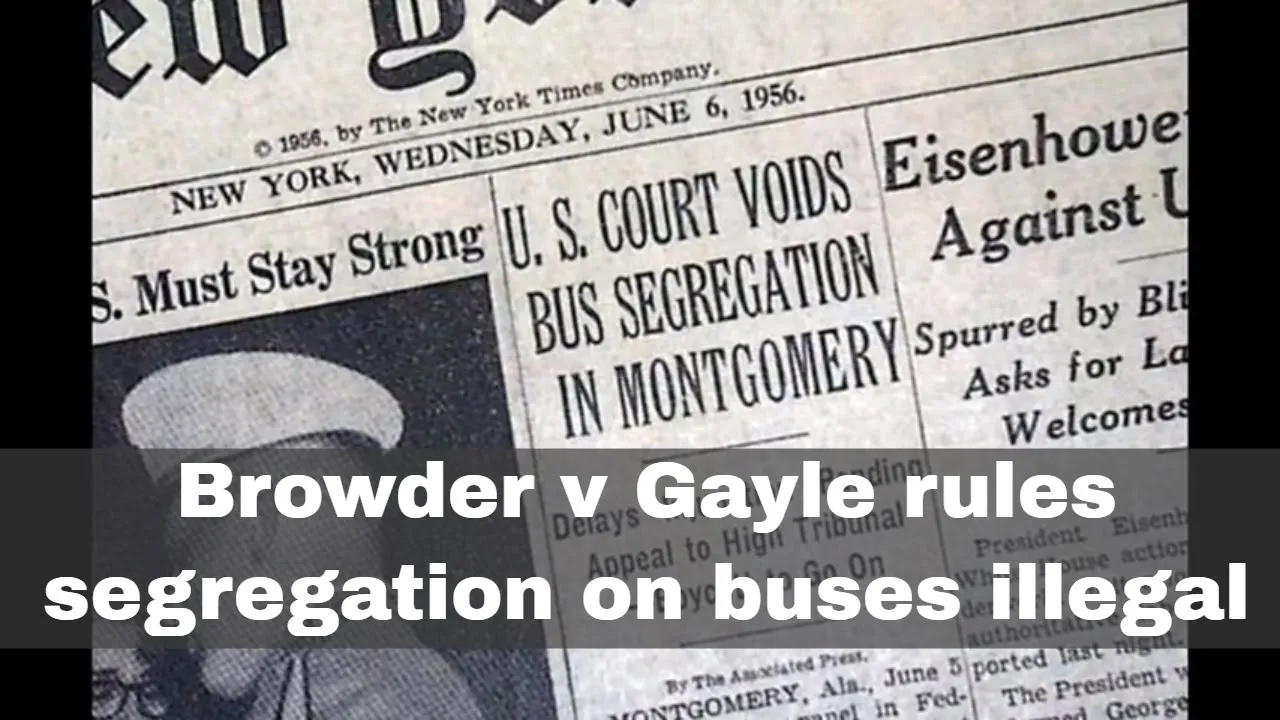








The Montgomery Bus Boycott of 1955-1956 demonstrates how strategic economic pressure combined with organized nonviolent resistance can achieve legislative change; when 75% of bus riders in Montgomery were Black, the community organized a sustained boycott using a carpool system, which cost the city $3,000 daily in lost revenue and ultimately led to the U.S. Supreme Court ruling that segregation on public transportation was unconstitutional.
Montgomery Bus Boycott: Catalyst for Civil Rights Change
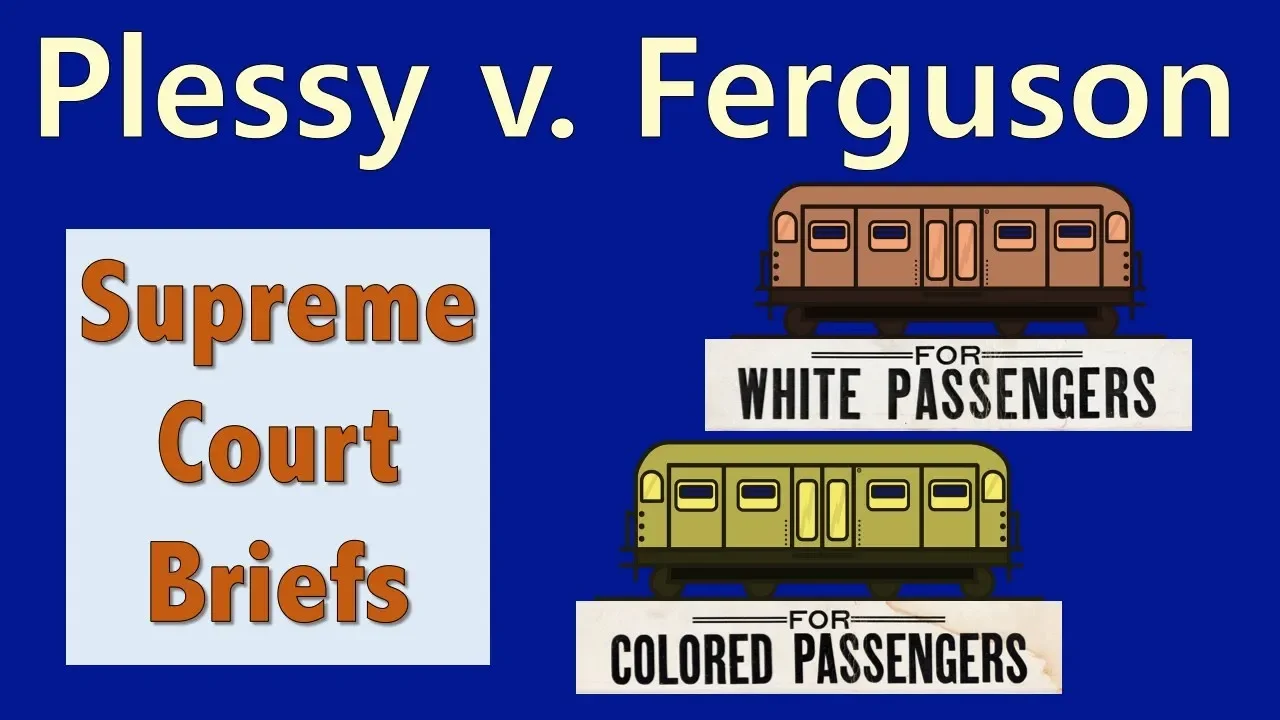
Added:The establishment of Jim Crow laws and the 'separate but equal' doctrine legalized by the Plessy v. Ferguson (1896) Supreme Court decision.
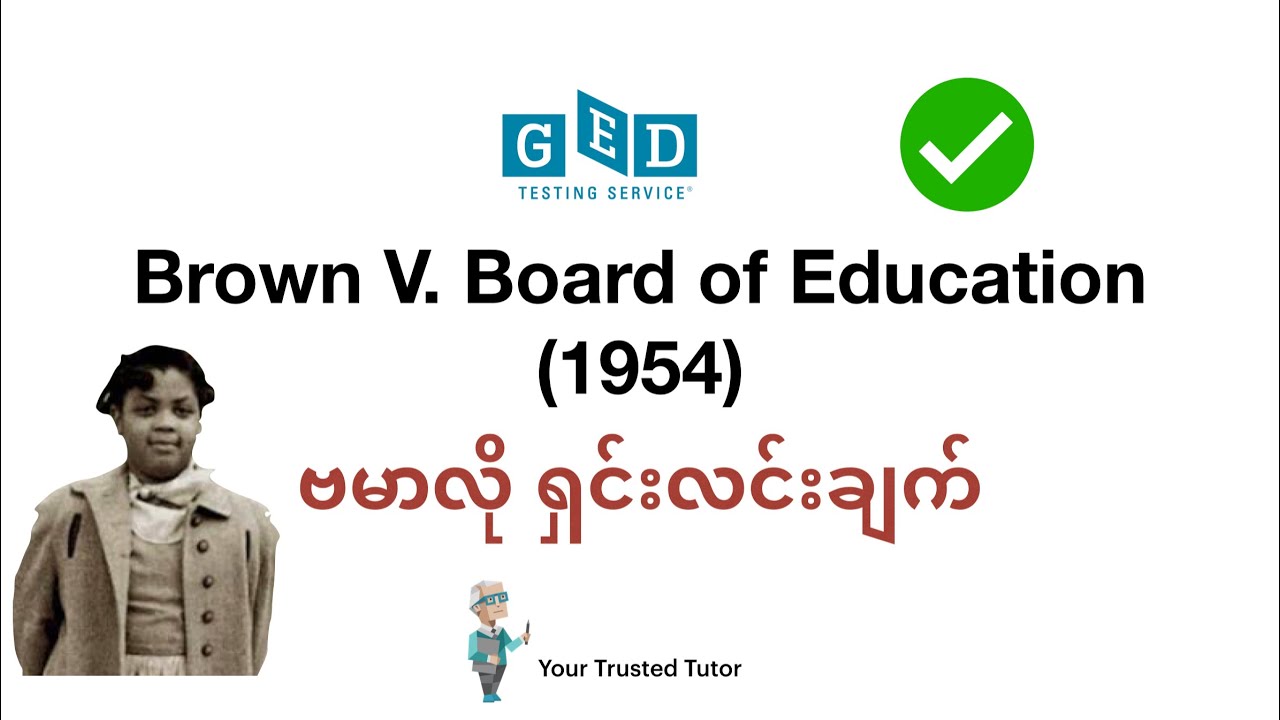
The significance of the Brown v. Board of Education (1954) ruling, which declared segregated public schools unconstitutional and set a legal precedent.
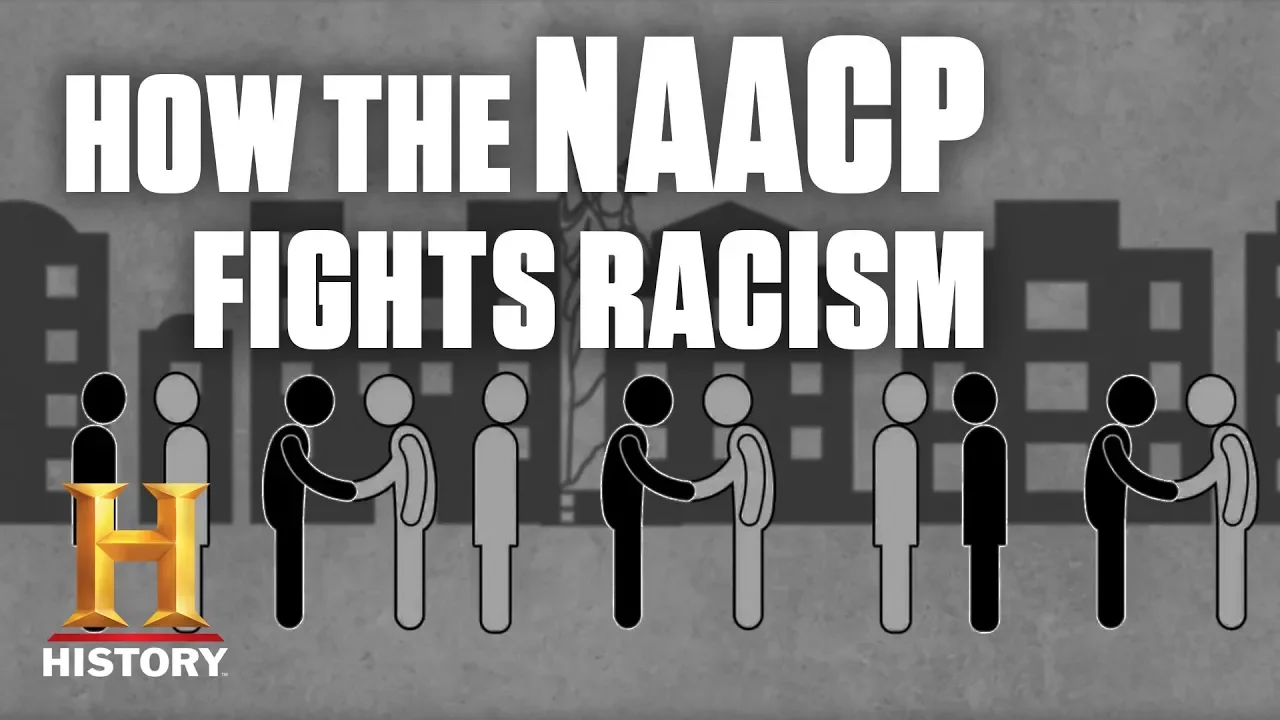
The foundational role and legal strategies of the National Association for the Advancement of Colored People (NAACP) in the early 20th century.
The socio-economic conditions and daily racial discrimination faced by African Americans in the deep South during the mid-1950s.
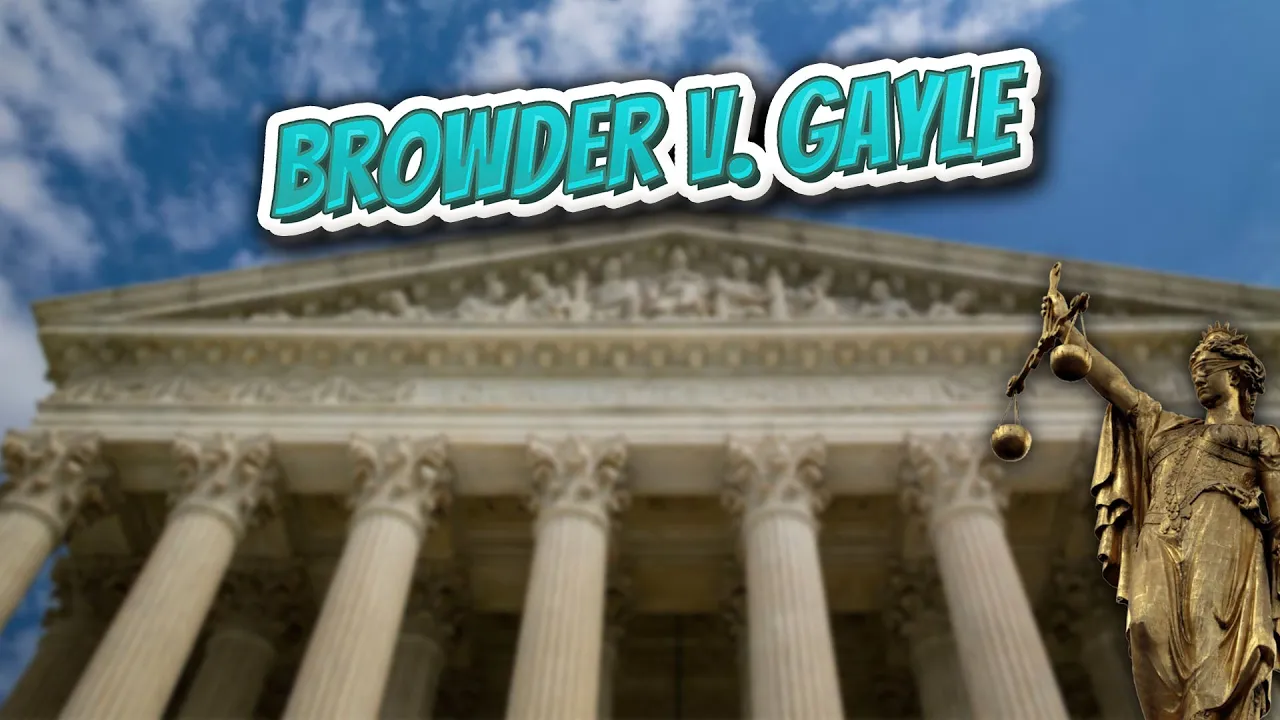
The specific legal ruling of Browder v. Gayle (1956), the Supreme Court case that officially declared Alabama's bus segregation laws unconstitutional.
The emergence of Dr. Martin Luther King Jr. as a national civil rights leader and the subsequent formation of the Southern Christian Leadership Conference (SCLC).
The evolution of nonviolent direct action strategies, such as the Greensboro Sit-ins and the Freedom Rides, inspired by the success of the Montgomery boycott.
The legislative milestones of the Civil Rights Movement, specifically the Civil Rights Act of 1964 and the Voting Rights Act of 1965.
181K views1.5Klikes5:33Original Release: 2023-02-09
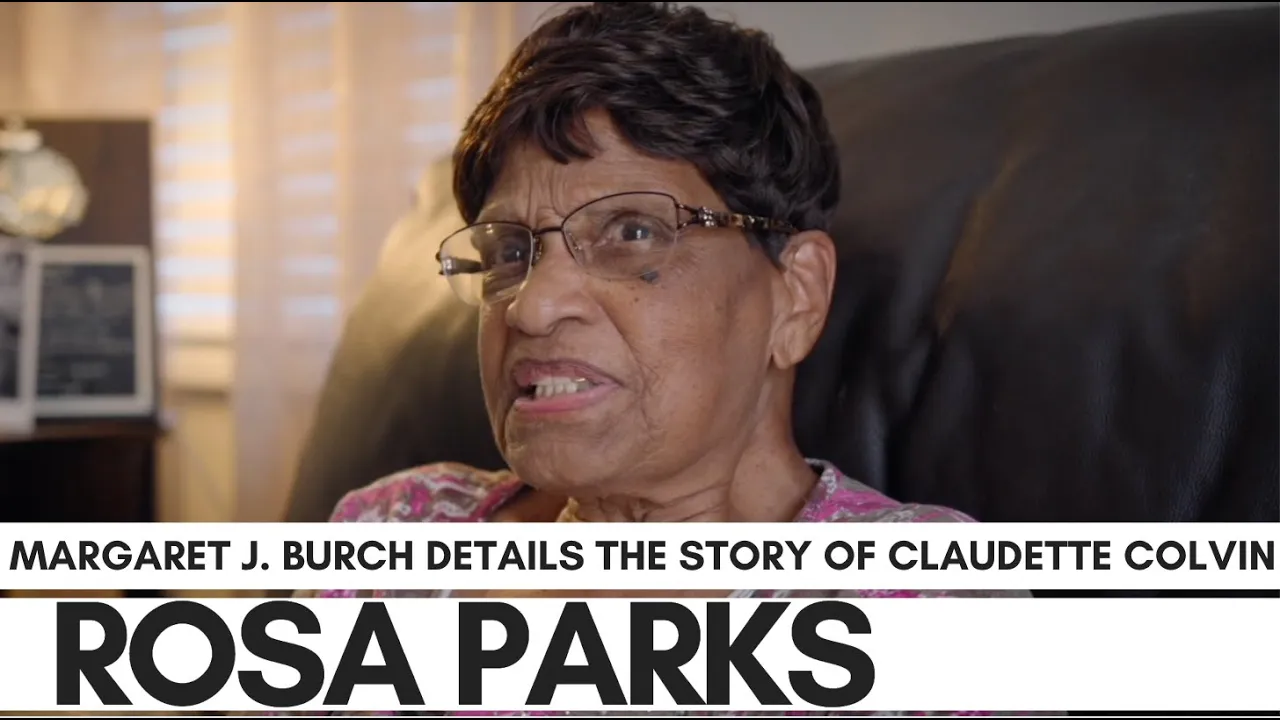
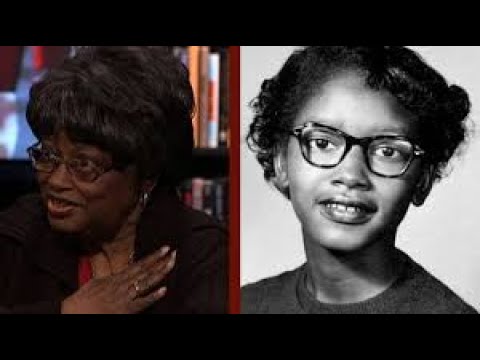
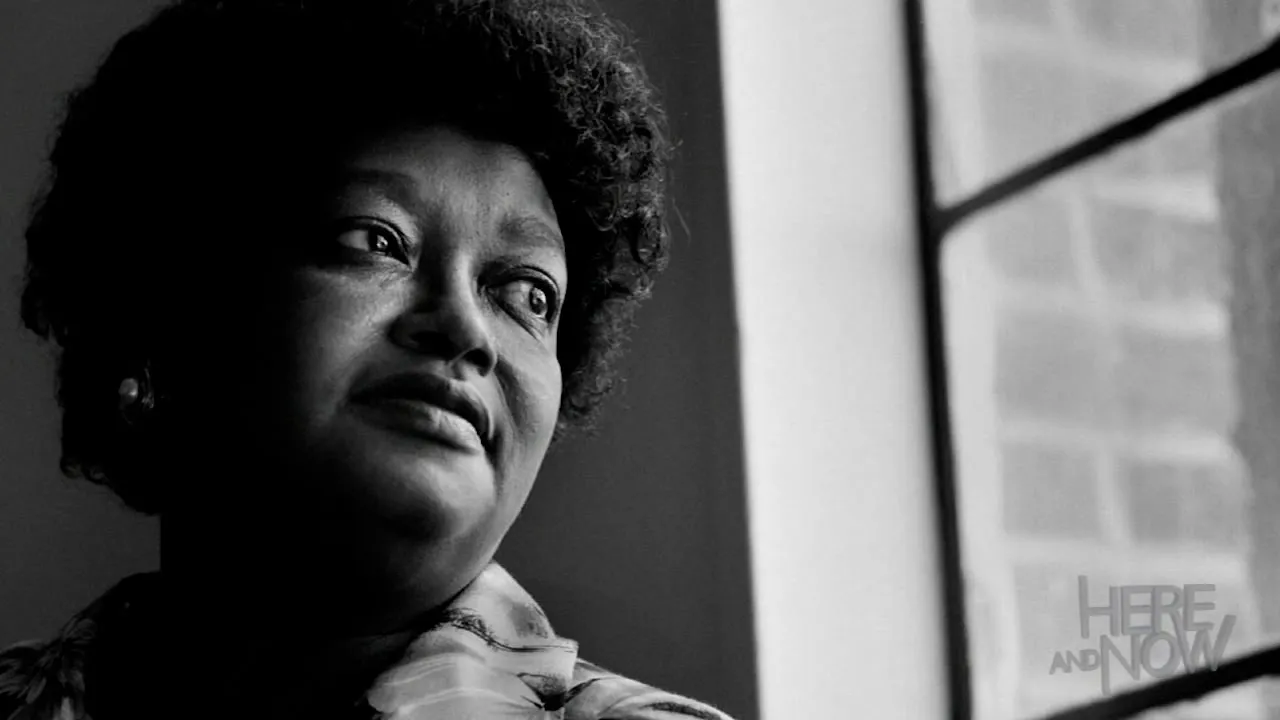
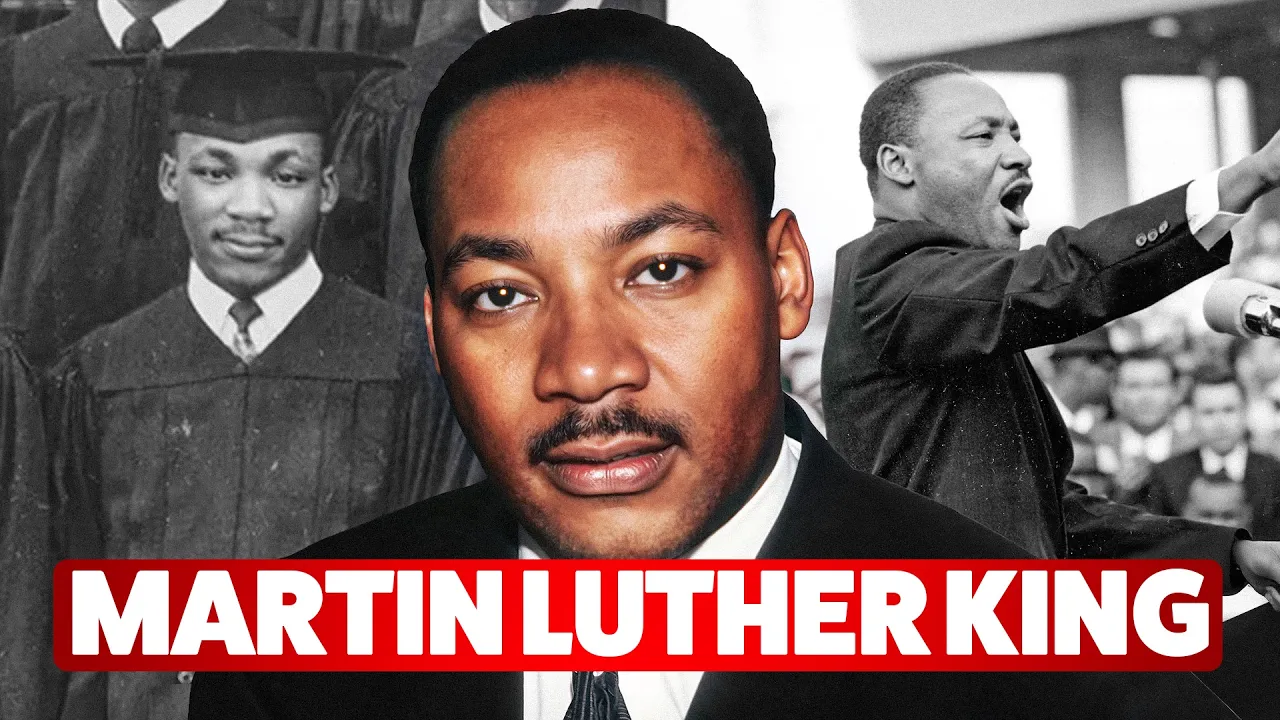
Rosa Parks is a local civil rights activist who boards a city bus and is arrested when she refuses to obey the rules of segregation you got to remember how humiliating that was you put money in the front your little nickel or di whatever we had to pay and you go to the back to the side door and you're sitting in your seat that's assigned to you even if I'm sitting back there that the bus driver and the whites in Alabama had the power to tell me to get up cuz dare not sit while white man is standing when Rosa Parks that December evening is asked to get up out of her seat she says she thinks about Emma Till till was the young man from Chicago who'd come to Mississippi to visit his uncle and was lynched for making a comment to a white woman the two who murdered till have just been acquitted causing outrage in Black communities across the Deep South activists in Montgomery Alabama organized an anti-segregation protest a one-day boycott of the city bus system to begin after Rosa Park's arrest it elicits an immediate response we expect the city bus lines of Montgomery and the people of Montgomery to continue to obey all segre segregation laws as written and as long as I am police commissioner of the city of Montgomery I intend to follow this C initially the boycott was scheduled to last one day and it was only after they saw the success of it that they begin thinking about well we can sustain this and I don't think they realized how difficult that would be what they were doing was almost doing a power map and looking at sort of what tools do we had have at our disposal how is the structure and the system set up um in a way that needs us 75% of the bus riders are black a total boycott is an economic threat that cannot be ignored there's a huge mass meeting at Hold Street Baptist Church and it's at that meeting where the community makes the decision to go forward and turn this one day boy into a kind of extended boycott the movement also chooses its leader a 26-year-old minister who's determined to keep the protest going Dr Martin Luther King part of how Montgomery's black community sustains a boycott is because they organized this massive incredibly impressive carpool system they set up 40 pickup stations around town they organize thousands and thousands of rides a day taxi cabs and car pools are pressed into Service as blacks in Montgomery continue to boycott the buses week after week month after month these are people who have been engaged both in kind of Grassroots resistance and and politics around civil rights for decades but also they had a very astute understanding of what it would take in order for change to happen power conceives nothing lightly the car pool and all we have done in this strugle [Applause] contines the boycott continues over a year costing Montgomery city bus lines $3,000 a day in Lost Revenue white segregationists react with violence I remember doing the Montgomery Bus boyot moved out the plans will get on their horses and ride through you know uh ride through and and and and try to intimidate people yet king and the leaders of thec stay committed to face any intimidation with nonviolence part of his commitment to nonviolence is a commitment to not letting white people determine the terms of their interaction and the power in that we often focus when we talk about nonviolent direct action on just the peacefulness of it but part of it is not wanting your opponent to get to set the terms of your engagement there's nothing passive about it we must get in our hearts that it is possible to be courageous and yet nonviolent while the boycott keeps up public pressure in the streets in the courts civil rights organizers are pushing for change at the national level when Rosa Parks is arrested she is represented by a young lawyer in Alabama named Fred gray gray takes the case all the way to the US Supreme Court in 381 days after it began the bus boycott ends in Victory when the court rules that segregation on public transportation is unconstitutional
Up Next

32:23
Bangladesh Uprising: Sheikh Hasina's Fall | Al Jazeera Investigates
@aljazeeraenglish
65.2K views•2025-09-16

33:02
The Great Schism of 1054: Causes and Consequences
@SacredCathedrals
113.5K views•2026-02-19
1:19
How the Safety Elevator Enabled Skyscrapers and Social Mobility
@Historyn60seconds
611 views•2026-01-02
17:05
Understanding the Cold War: Superpower Conflicts and the Road to Détente
@OverSimplified
46.1M views•2019-01-24
Related Study Plans & Knowledge Roadmaps
Structured learning paths in History
history
Byzantine Iconoclasm: Theology, Art & Politics
01Foundations of Byzantium and Early Christian Images
02The First Iconoclasm: Leo III and the Crisis of Images
03Empress Irene, Nicaea II, and the Second Iconoclasm
+ 2 more learning modules
9h5 modules
Explore Roadmap
history
Iranian Revolution (Causes, Events & Legacy)
01The Pahlavi Dynasty and the Roots of Discontent
02The Spark of Rebellion and the Rise of Khomeini
031979: The Fall of the Shah and the Climax of the Revolution
+ 2 more learning modules
8h5 modules
Explore Roadmap
history
Mali Empire: Mansa Musa, Trade & Timbuktu
01Foundations of the Mali Empire
02The Trans-Saharan Gold and Salt Trade
03The Reign and Pilgrimage of Mansa Musa
+ 1 more learning modules
6h4 modules
Explore Roadmap
history
1947 Partition: Politics, Borders & Legacies
01Foundations of British India and the Divide
02The Political Negotiations and the Mountbatten Plan
03Drawing the Boundary: The Radcliffe Line
+ 2 more learning modules
8h5 modules
Explore Roadmap