
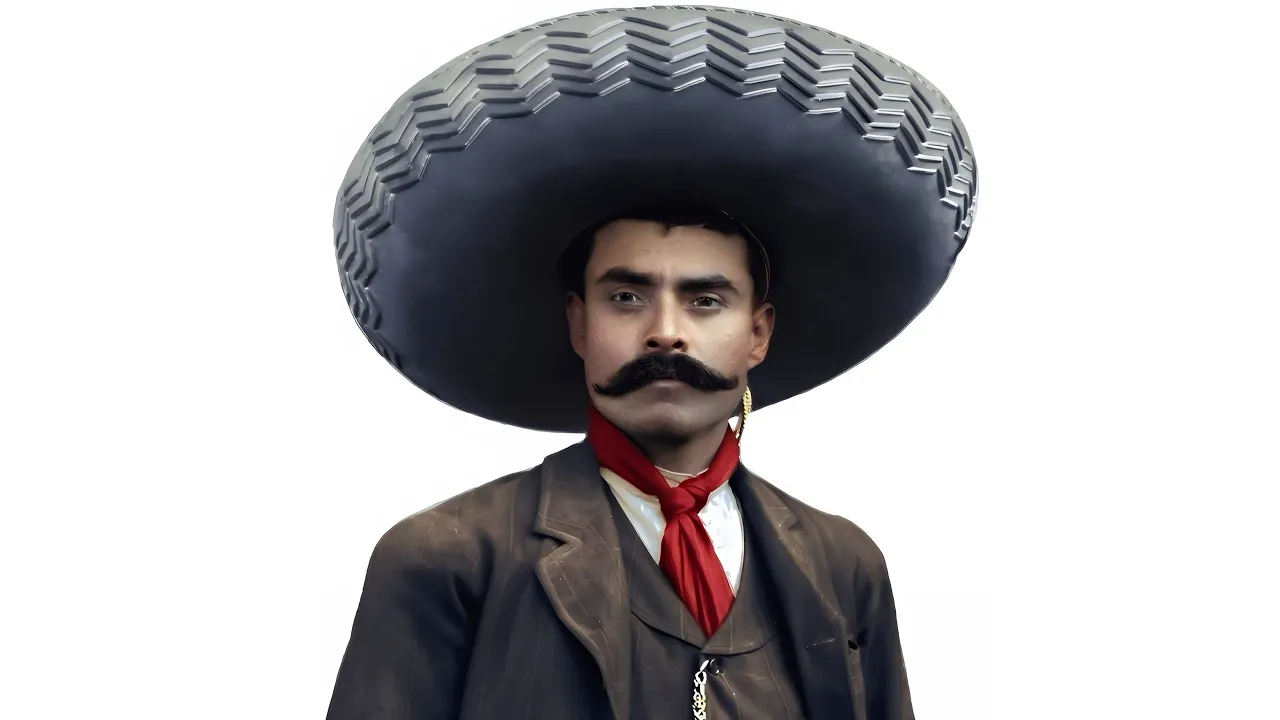


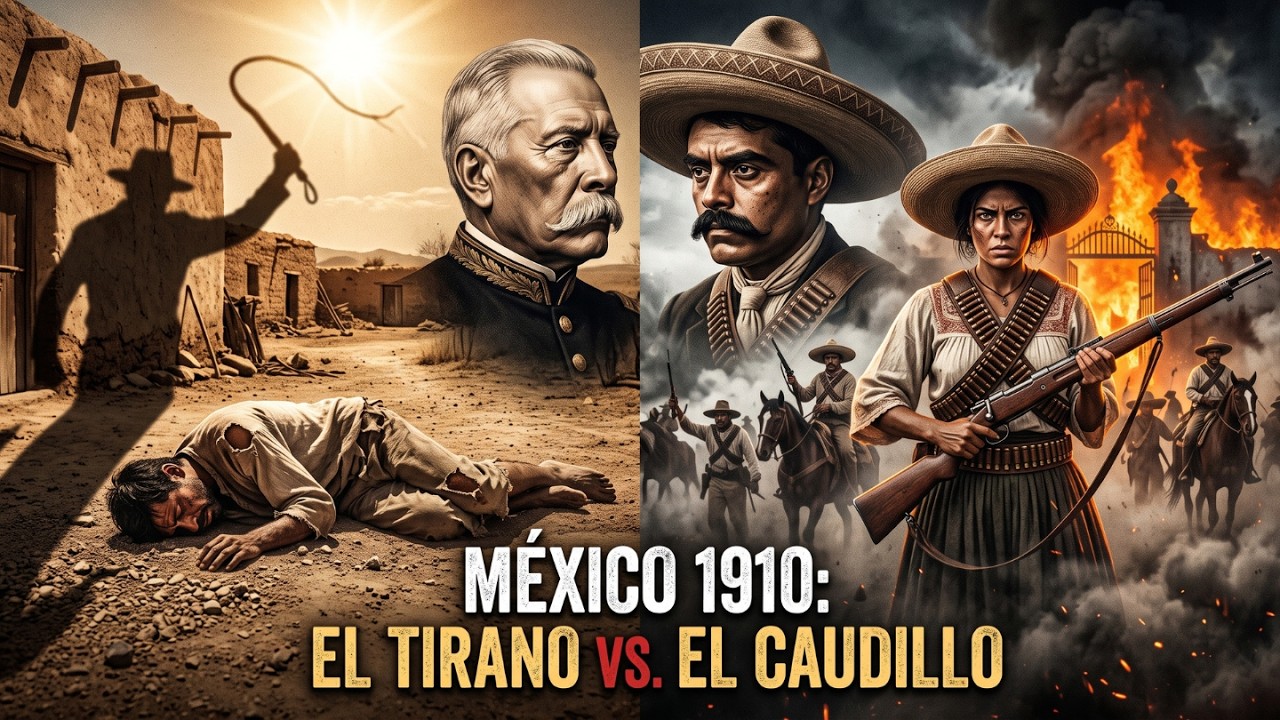





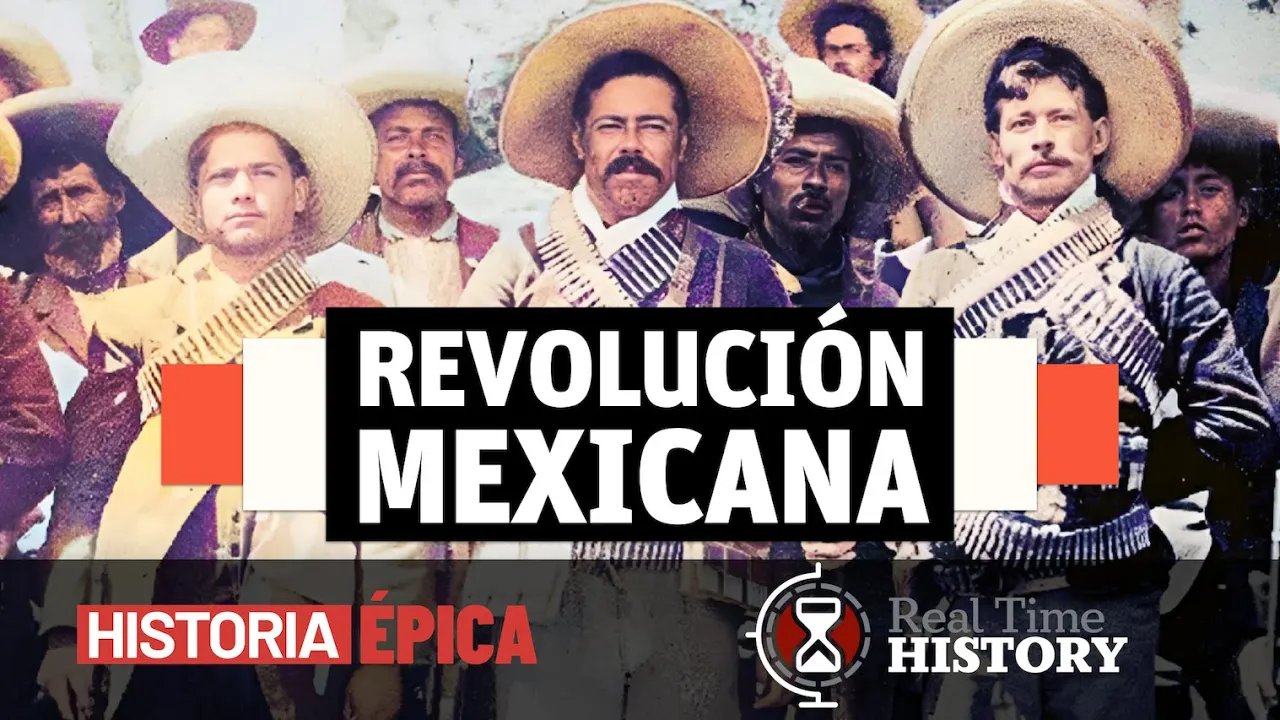









The Mexican Revolution (1910-1920) was a decade-long conflict driven by peasant discontent against land concentration under Porfirio Díaz's dictatorship, which saw shifting alliances between revolutionaries like Madero, Zapata, and Villa, ultimately resulting in the 1917 Constitution that promised land reform and social equality but failed to fully deliver on its revolutionary promises.
Mexican Revolution (1910-1920) | History Documentary
Added:The Porfiriato (1876–1911): The 35-year authoritarian regime of Porfirio Díaz, which brought economic modernization and foreign investment but also extreme economic inequality and political repression.
The Hacienda System and Land Tenure: The concentration of agricultural land in the hands of a wealthy elite (hacendados), which disenfranchised indigenous communities and reduced peasants to debt-bound laborers.
19th-Century Political Instability: The legacy of the Mexican-American War, the French Intervention, and the ongoing ideological struggle between liberals and conservatives that shaped Mexico's state-building efforts.
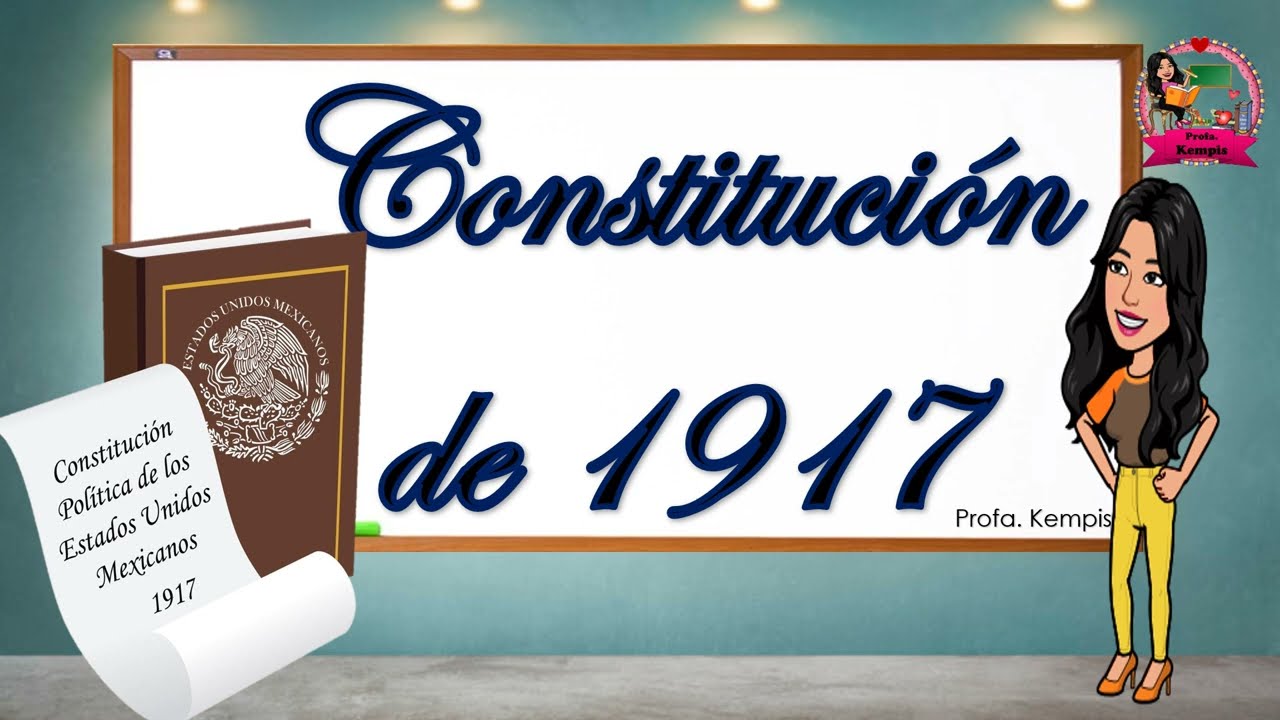
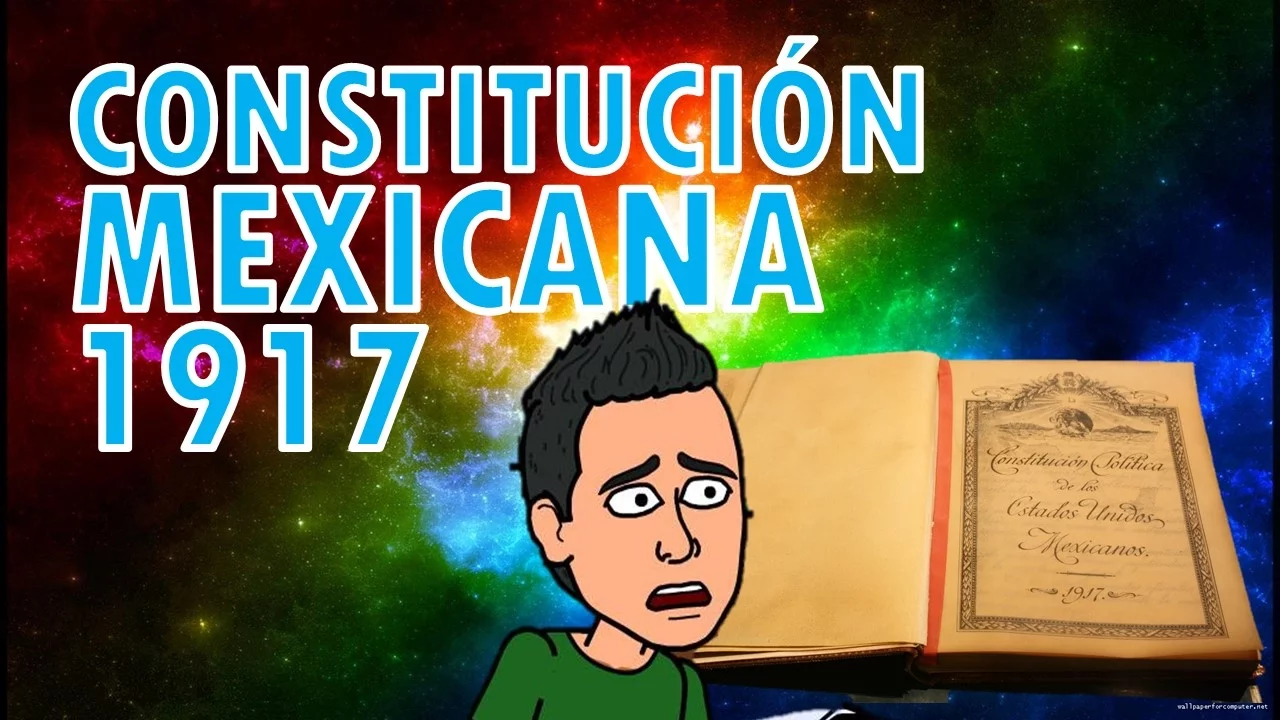
The Mexican Constitution of 1917: A study of its radical, progressive provisions, particularly Article 27 (land reform and state ownership of resources) and Article 123 (labor rights).
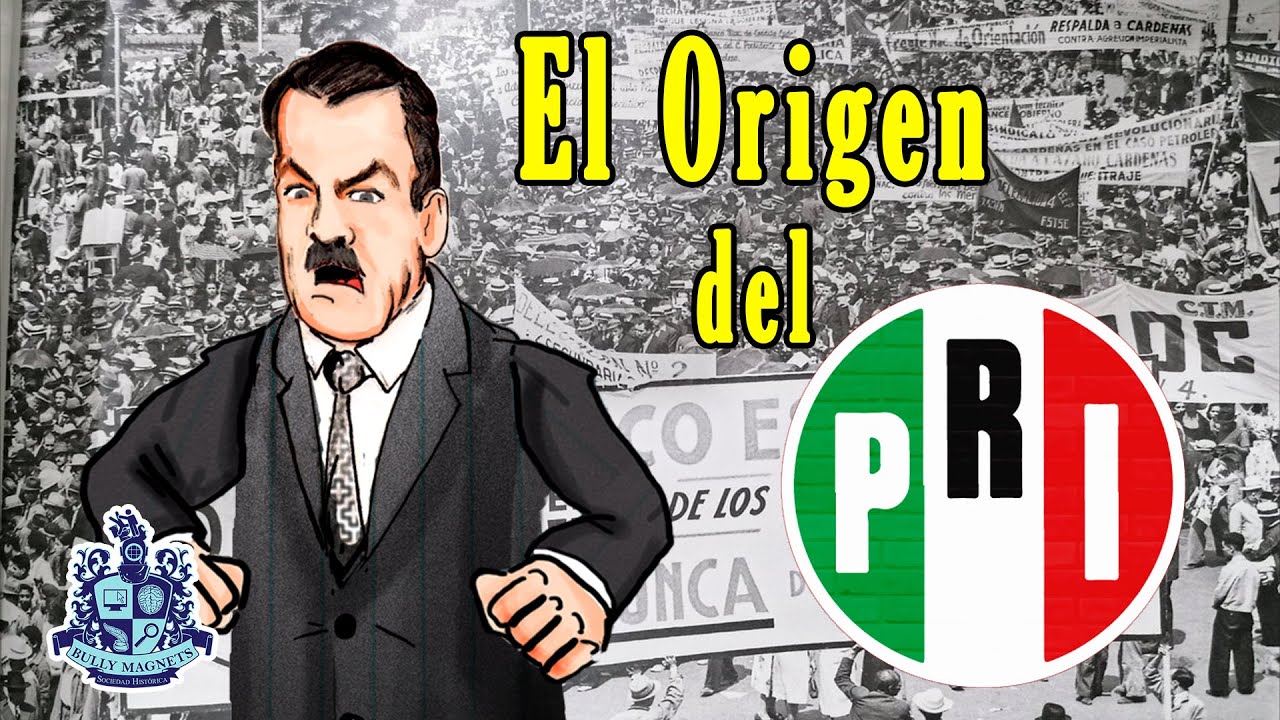
The Rise of the PRI (Institutional Revolutionary Party): How the chaotic aftermath of the revolution led to the creation of a ruling party that dominated Mexican politics for seven decades under a system of 'institutionalized revolution.'
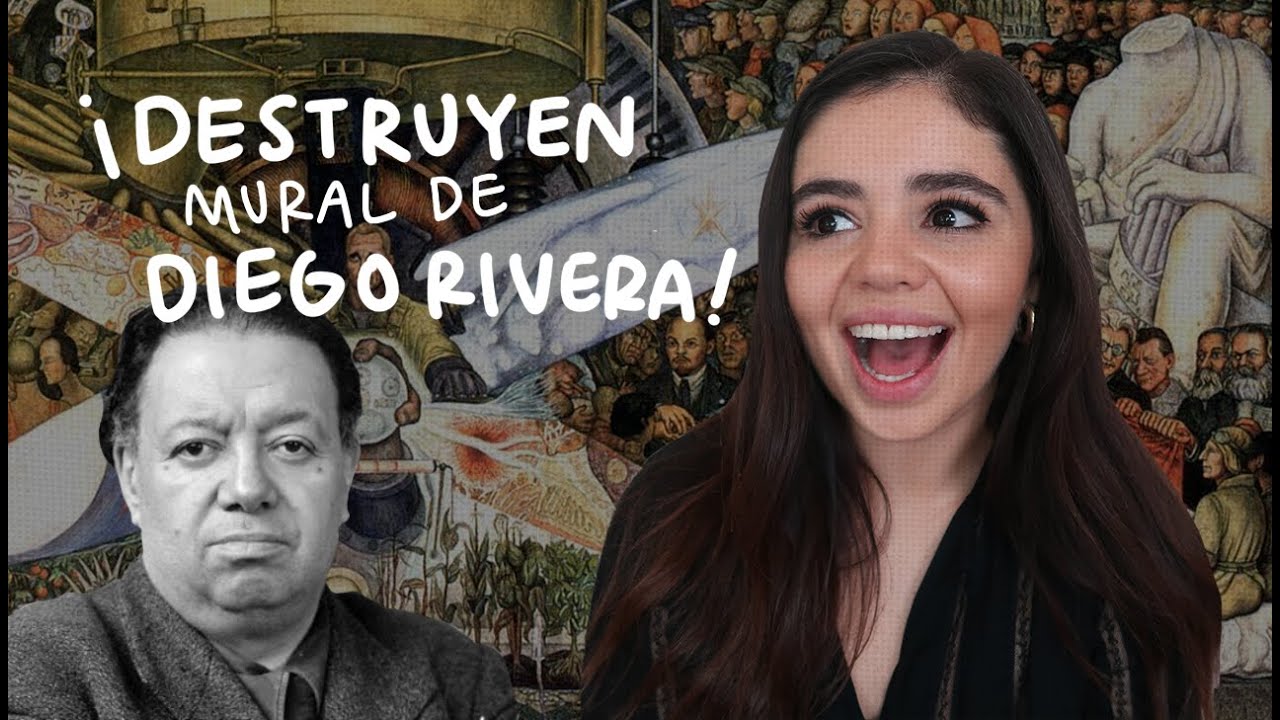
The Mexican Muralism Movement: How post-revolutionary governments funded public art by figures like Diego Rivera, David Alfaro Siqueiros, and José Clemente Orozco to foster a unified national and indigenous identity.
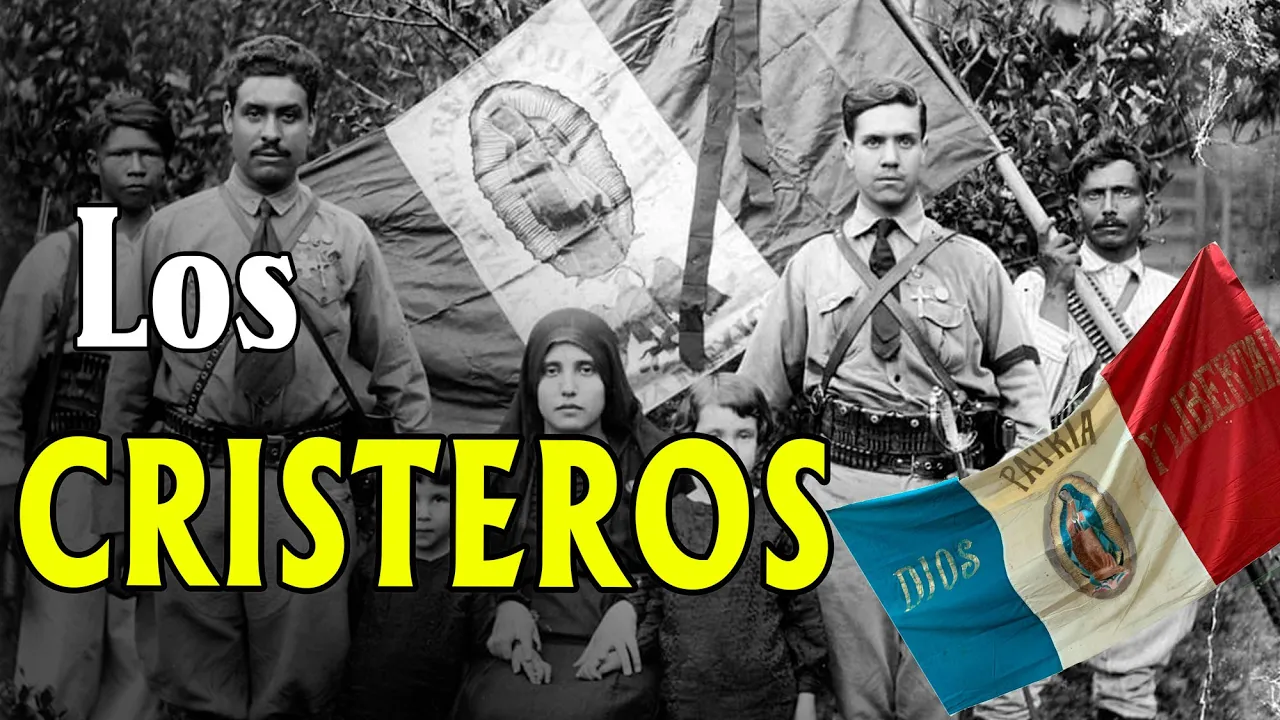
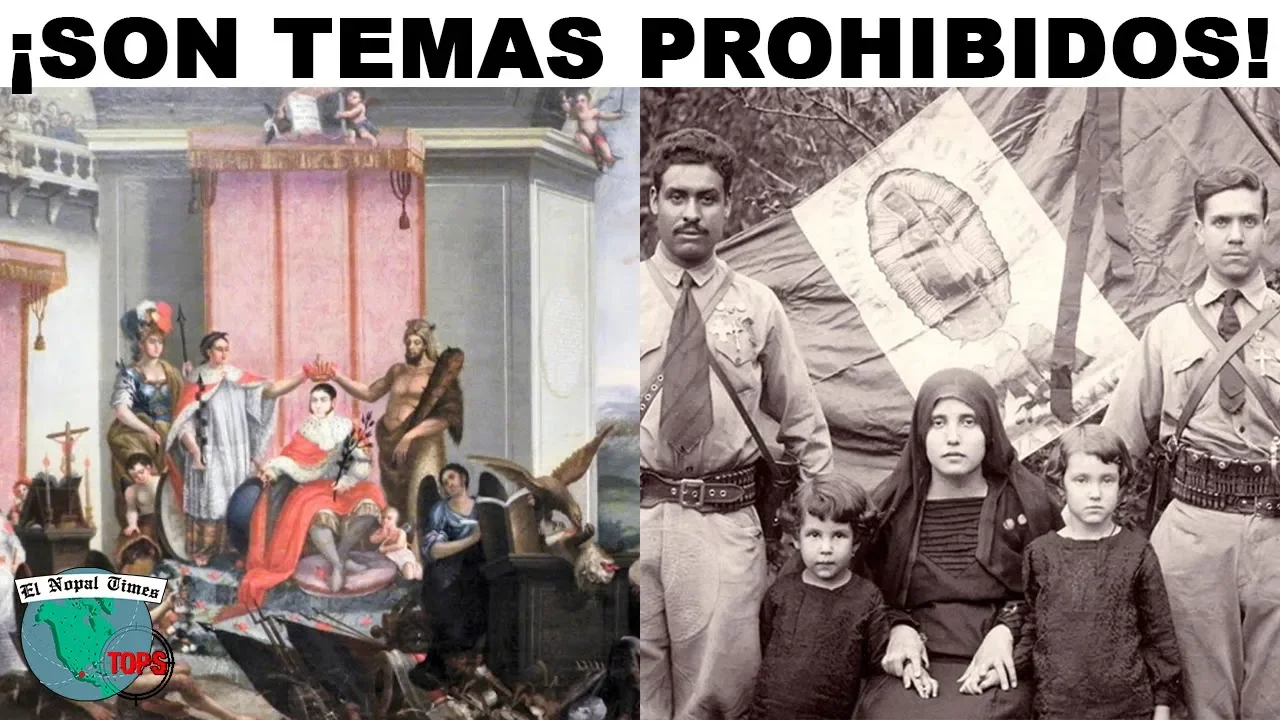
The Cristero War (1926–1929): The violent counter-revolutionary conflict triggered by secularist, anticlerical reforms implemented by the revolutionary government.
941.6K views20.4Klikes25:48Original Release: 2024-10-11
the Mexican Revolution of 1910 to 1920 was a conflict of Shifting alliances and assassinations peasant revolutionaries an attack on us soil and US intervention in Mexico the decade of struggle cost hundreds of thousands of lives resulted in new constitutions and governments and for some at least turned Bandits into [Applause] Heroes the seeds of the Mexican Revolution were swn in the early 20th century in the final years of the rule of dictator Porfirio Diaz although his 31 years in power had brought economic modernization in Mexico this also caused serious tensions in Mexican Society the vast majority of Mexico's 13 million people were rural peasants and they were unhappy with Diaz's rule this was because the countryside had become dominated by acendas which were big farming Estates owned by a few of the rich land owners by 1910 about 80% of vill were part of acendas where people worked as unskilled laborers that left only 20% of villages where peasants controlled the land to The Peasants the acendas were swallowing up their land especially native communities and replacing their independence with low wages and poor working conditions in 1910 these tensions boiled over but the challenge to Diaz's power came not directly from the peasants but from Francisco Madero who was himself a landowner he was supported by much of the middle class who wanted political and electoral reform but not an extreme Revolution MTO also wanted to get the support of the unhappy peasants as well so he announced the San Louis plan which promised to give them back much of their land on November 20th 1910 even though he was still in Exile in the US he called on Mexicans to rise up against Diaz after some hesitation peasants in the state of Chihuahua did rise up and managed to defeat the federal army at first they followed Madero but before long the uprising got out of madero's control to contain the peasant Revolution Madero and Diaz got together and signed the Suarez Accords for a transition of power and after Diaz resigned Madero won the election in November 1911 so the peasants had risen in revolt against the landowners which had led to Madero becoming president for Madero and the middle class Diaz was gone and the revolution had done its job MTO told the peasants that they had to give up their weapons before he could enact his plan to give them back their land but the peasants refused to disarm one of the most important peasant leaders was emilano Zapata a skilled Horseman from the rural state of Morelos under his command the southern Liberation Army had already begun reclaiming and redistributing land that it had seized from the acendas when the revolution had begun Madero approved of Zapata but they moved apart as Zapata became more radical and refused to disarm Zapata envisioned a society in which armed peasants could protect their land and force the hand of the central government when medo promised Zapata knew laws if he gave up his weapons he replied it strikes me that there won't be more laws than there are guns by November 1911 Zapata was disappointed in Madero and suspicious of his goals so he created his own Manifesto which he called the Ayala plan the 15 points of the plan became an influential Call to Arms for Mexican peasants we give notice that regarding the fields Timber and water which the landlords have usurped the citizens who have the titles corresponding to these properties will immediately enter into possession of that real estate of which they have been despoiled by the bad faith of our oppressors and maintain at any cost with arms in hand the mentioned possession by early 192 12 the split between Zapata and MTO was complete in a report to Congress MTO was critical of the zapatistas fortunately this amorphous agrarian socialism which for the rude intelligence of the farmers of Morelos can only take the form of sinister vandalism has found no echo in other regions of the country so MTO had split from Zapata's peasants and it turned out he was wrong about peasants in the rest of the country as well since they also began to Rebel but medo's downfall would not come at the hands of the peasants but from other enemies closer to home in February 1913 generals Bernardo Rees and Felix Diaz both of whom had served Theos dictator Porfirio Diaz and then rebelled against Madero were broken out of prison they quickly gathered 2,000 men and stormed the National Palace in Mexico City which began the period known as the 10 tragic days Madero ordered General victoriano erera to the rebels but wera was in no hurry since he himself wanted power instead wera negotiated with Diaz since Rez had been killed in the fighting they agreed to overthrow Madero together after which wera would take power this agreement was signed at the American Embassy since controversial US ambassador Henry Lane Wilson supported the coup in the hopes that wera would bring stability and protect us business interests in Mexico Wilson later explained his poor opinion of Madero [Music] MTO was a person of unsound intellect of imperfect education and vision he came into power as an apostle of Liberty but he was simply a man of disoriented intellect who happened to be in the public eye at the psychological moment in the last days of his government during the bombardment of the capital his mental qualities always abnormal developed into a homicidal dangerous form of lunacy just days after the coup the soldiers escorting Madero and his vice president to prison killed them their deaths triggered Insurrection in the countryside and resistance from the middle class which was not happy about a democratically elected president being overthrown and then murdered opposition to wera now took the form of a group calling themselves the constitutionalists this group of opponents included politicians generals and peasant leaders and they were led by politician benano karanza and general Alvaro oon in early 1914 the constit tionist Army won a series of Victories against wera's federal army things got even worse for aera when the United States military showed up on April 21st 1914 US Marines occupied the port city of Barac Cruz after a dispute involving the arrest of some US Sailors the port was the main source of wera's military supplies and was now cut off wera tried to convince the constitutionalists that the American imperialists were attacking both sides in the Mexican conf conflict but in no avail but US troops remained in Barac Cruz and the constitutionalist Army continued its attacks against wera's federal army and reached Mexico City in July wera went into Exile and karanza took over the government in August 194 so between 1910 and 1914 power in Mexico had gone from Diaz to Madero to wera and now to karanza but the most famous figure to emerge from the chaos was someone else else the Bandit turned General Poncho Bia Francisco Bia also known as Poncho was one of the most important figures in the Mexican Revolution he had been a bandit and a horse thief but in 1910 he began to lead peasant guerillas against the Diaz dictatorship his army the division Del Norte or Northern Division played an important role in overthrowing Diaz and then formed the backbone of karan's constitutionalist forces Bia troops won numerous victories against federal army which made him an icon to the northern peasantry in addition to his military success his unique character also Drew attention journalist John Reed described him this way he is the most natural human being I ever saw natural in the sense of being nearest to a wild animal he says almost nothing and seems so quiet as to be almost diffident if he isn't smiling he's looking gentle all except his eyes which are never still and full of energy and brutality Bia soon Allied himself with fellow peasant revolutionary Zapata and part of what United them was a distrust of karanza and the middle class both groups had cooperated against Diaz and wera but there were tensions Once wera Was Defeated in 1914 the constitutionalist leaders met to discuss the future karanza wanted the convention to confirm his Rule and end the violence but things soon went in another Direction the more radical peasant delegations including the zapatistas and beas adopted Zapata's Land Reform plan and demanded karan's resignation but karanza refused and general Alvaro oon supported him the alliance between karanza and the peasant leaders against tuerta was now broken and karanza and oon fled Mexico's City for Cordoba in Barac Cruz Bia and Zapata then attacked Mexico's City and captured it in December 1914 The Peasant Rebels now walked the corridors of power an unusual situation for most of them writer Martin Luis Guzman described the scene as Zapata's brother AO gave a tour of the National Palace we went up the staircase of Honor as he claimed each step with his tight wide seam trousers his drill shirt open below the waist and his excessively broad Sombrero he seemed to symbolize the historic days through which we were living for his borish not humble figure contrasted with the refinement and culture heralded by the staircase an ambassador would have moved respectfully up these stairs EO moved like a young stableman who thinks he will suddenly become president peasant revolutionaries had conquered the capital but neither Bia nor Zapata claimed power their priority was Regional power and land reform not running the whole country pania himself summed it up to Zapata this way I am a fighter not a Statesman I'm not educated enough to be president I only learn to read and write properly 2 years ago how could I who never went to school hope to be able to talk to foreign ambassadors and the cultivated gentlemen of Congress it would be bad for Mexico if an uneducated man were to be president byon Zapata believed that National Power ought to rest with the representative of the middle class and supported aalo Gutierrez as the interim president and this faction became known as the conventions so as 1915 began there were two governments in Mexico the constitutionalists under karanza and obon and their former allies the conventions under gutieres with the support of the peasants the revolution now became a civil war Bean Zapata's forces now held the advantage and there were some calls for marching on karanza stronghold in verac Cruz but neither peasant leader wanted to advance too far from their bases in Chihuahua and Morelos there were other internal tensions amongst the conventions as well many opposed peasant soldiers attacking Rich residents in Mexico City and the resulting Clash s Gutierrez and many of his ministers flee the capital and joined the constitutionalist camp in Barac Cruz in January 1915 beia and Zapata's refusal to attack Veracruz gave General oon the time that he needed to rebuild his forces into the new operational army he launched an offensive and recaptured Mexico City there karanza was able to gain 9,000 recruits from trade unions for his new red brigades beia and Zapata now fell back to their home states and their armies separated oron's operational army struck against beia first resulting in battles at Caya in April and Aguas Calientes in July as oron's forces approached AAS centes he reported on the severe difficulties they were facing in we have supplies only for tomorrow and our limited ammunition is only enough to take a town by assault four leagues from AAS Calientes impossible to retreat because there's not enough ammunition or provisions and because it would be very irksome perfectly aware of the risks I am taking all our men will begin the Advance on agas Calientes at dawn tomorrow with hopes but little Assurance given our ammunition shortages of occupying the town the All or Nothing attack paid off oon won a decisive Victory and Bs forces fled into the mountains the Victorious constitutionalists offered beia an amnesty but he refused and returned to Guerilla War oon famously lost an arm in the fighting as well meanwhile Zapata was isolated in Morelos he did manage to briefly reoccupy Mexico's City but for the most part he was left alone as oon concentrated on beia Zapata used this time to devel veloped his concept of the Morelos commune which planned for widespread redistribution of land and Industry so the Mexican revolution's winners had fallen out and begun a civil war across the border in the United States President woodro Wilson was beginning to worry about how the trouble in Mexico might affect us interests and international politics so he took action US policy in Mexico during the revolution had been inconsistent and the Americans had supported various factions at different times and even sold weapons to punch oia now that beia had been defeated Wilson wanted stability trade and access to Mexican oil fields so he recognized karan's government beia was outraged when he heard of the US decision he stated I tically declare that there is much I have to thank Mr Wilson for because he relieves me from the obligation of giving guarantees to foreigners and especially to those who had at one time been free citizens and are today vassals of an Evangelical professor of philosophy I take no responsibility for future events some observers have argued that after his defeat at AAS Calientes viia began to behave more recklessly and his men certainly did so in January 1916 bista stopped a train carrying 17 American engineers in Chihuahua and executed them beia denied he'd given the order for the killings but this is debated in February beia LED 140 fighters on a 2E expedition across the US border arriving at Columbus New Mexico on March 8th his forces attacked but accidentally shot into a horse stable they'd mistaken for a barracks and killed many of the horses that they' planned to steal nearly 300 men of the US Cavalry were based in the town and returned fire but beia's men managed to raid the town center before they were beaten back this was the first invasion of us soil since 1812 and left 17 Americans and up to 100 beist dead now there's a lively debate about why beia launched the raid on Columbus some have said it was to avenge Wilson's recognition of karanza others that it was a vendetta against an arms dealer who lived in the town and still others theorized that beia wanted to trigger a Mexican-American war in which Mexicans would unite around his Anti-Imperialist leadership whatever be reasons The Raid put pressure on Wilson to retaliate but he didn't want to risk full-scale war with Mexico so Wilson ordered a crossborder punitive Expedition led by General Jack persing and supported by the first Arrow Squadron the goal of the 10,000 man expedition was to capture beia dead or alive and at first it even had clandestine logistical help from karanza turns out the expedition was poorly planned and supplied did not know the terrain and did not get the support of the local population they did defeat and wound beia at Guerero on March 29th but he managed to escape pers Force marched more than 500 km into Mexico but could not Corner The elusive peasant Fighters like the ones at a skirmish near Tomo a heavy fusilade was received from the circular Hills to the east this was the main body of the bandits the bandits were not concentrated in any particular place but were scattered along the crest and side of the mountains they had a decided advantage in position and there was no possible way of getting around them in the short time left before dark immediately the heavy firing began and the troops encountered considerable fire from the hills to the east but found only individual Bandits or very small detachments to fire upon As Time passed beia's reputation amongst the peasants grew even more many US troops grew bored and frustrated in their camps and turned to gambling or local prostitutes both of which were tolerated by the Army and the longer the Americans were in Mexico the more tensions there were between them and karanza by June he ordered persing to leave the country and small-scale skirmishes broke out between US troops and Mexican constitutionalist forces eventually the American expedition returned home in January 1917 without achieving its goal Wilson's desire to end the Expedition received a boost from the Timon Telegram in which Germany had proposed an alliance with Mexico against the US the Germans hoped that if Mexico attacked the US the Americans would be less able to supply Germany's enemies in the Great War France and Britain With Arms and Supplies as they had been doing since 1914 this was the culmination of years of German involvement in Mexico back in 1915 German agents had proposed to support ex-president toera with weapons and cash if he declared war on the US in the case that he returned to power a plot the US was aware of in the end Mexico remained neutral in the Great War so by 19 17 the Americans had come and gone and the Civil War was ongoing but less intense beia had been weakened and Zapata was busy with regional concerns karanza now sought to reinforce his hold on power in early 1917 karanza announced a new constitution designed to end the conflict the Mexican constitution of 1917 was one of the most Progressive of the time including Land Reform equality of pay maternity leave and a minimum wage but the wealthy upper classes opposed the new constitution Jorge Bara estanol a minister under Diaz called it the bastard offspring of AUD he and others criticized the new document's approach to religion education and especially private property and foreign investment despite such opposition karanza was elected president in March although he had no serious opposition General oon was relieved of his military command and retreated into the background of Mexican politics karanza now decided to eliminate Zapata and he sent General Pablo Gonzalez to Morelos to break up the commu the zapatistas fought well but by late 1918 the constant pressure LED some peasants to defect Zapata was desperate for allies and even contacted the Bolsheviks he also learned of a dispute between General Pablo Gonzalez Garza and one of his officers Colonel Jus guajardo so Zapata tried to convince guajardo to join the peasant Revolt but Gonzalez learned of the plan and blackmailed guajardo into agreeing to gain Zapata's trust before executing him on April 10th 1919 when Zapata arrived for a meeting with the colonel guajardo's men promptly gunned him down by Spring 1919 Zapata was dead and moreles was now reunited with the rest of Mexico under karanza it seemed that karanza had triumphs but the Revolution was not over yet the 1917 Constitution had certainly promised a lot but in the eyes of many left-leaning politicians and army officers karanza hadn't delivered much by 1920 the economy was weak thanks to years of war and karan's opponents called for him to step down many Americans also still viewed karanza as a dangerous Bolshevik revolutionary karanza proposed a successor but the military wanted karan's old Ally General oon to take over government authorities then tried to arrest and possibly assassinate obon but he survived he fled the capital and called openly for karan's removal with the approval of many Mexican state Governors karanza once again tried to run to his old Safe Haven in Barac Cruz but he never made it on May 21st 1920 one of his escorts had had enough of running from oron's troops and shot karanza while he was asleep though it's possible but unlikely that karanza committed suicide in the north Poncho felt that oon was an improvement over karanza but soon fighting broke out between bista and government troops but after years of fighting neither side wanted a war and in July be agreed to lay down his arms in exchange for a military pension and a 25,000 acre estate oon was now in control of the country and appointed an interim president before he himself won the election and was sworn in as president of Mexico on December 1st 1920 for many historians obon election marks the end of a decade of revolution in Mexico though some argue it didn't end until the 1940s although he did continue to ruthlessly suppress his internal enemies aon's time as president is considered a period of relative stability although tensions remained with the us over oil rights and US draft Dodgers during World War I under obon Mexican peasants received some concessions a delicate balance was struck between revolutionary and more conservative groups in society and many former zapatistas even joined his government on the other hand his term also saw renewed rebellions and it's likely that he ordered the murder of Poncho beia in 1923 just 5 years before oon himself was shot by a Catholic assassin Mexico's post-revolutionary path would prove to be a winding one indeed the Mexican Revolution was a clash of ideologies and in the early 20th century that meant it was also fought in the mass media resistance to poro Diaz was heavily influenced by Publications such as the satirical newspaper Elio deot or the anarchist newspaper re During the Revolution various Publications supported their movement while criticizing opponents through cartoons and photographs the Revolution was also fought in print as much as on the battlefield but for the readers it wasn't always clear who was Behind These Publications a problem that you're probably familiar with in today's media landscape luckily there's a way to alleviate that challenge ground news Works to aggregate news articles from a wide spectrum of news organizations to expose bias and provide a more accurate and transparent picture of what's really going on in the world now whenever I'm reading the news or history books for that matter I keep in mind who's presenting the information and what their biases might be with ground news this Insight is available in a single app and website and every story comes with a visual breakdown of the political bias reliability and ownership all backed by three Independent Media rating organizations for example here's the story about Claudia Shin bound's victory in the Mexican presidential election over 480 news organizations reported on the story of these 33% lean left and 22% lean right below that you can see the reliability and ownership information for me comparing sources is crucial in evaluating a story and ground news lets you do that at a glimpse via their bias comparison features but also by directly comparing headlines for example this left leaning Outlet says that some have quote mixed feelings about her election this right leaning article says that Shin bound now has to prove that she can do a better job than her Mentor Andres Manuel Lopez orador and questions how radical she will be with ground news's blind spot feature you can also see which stories are under reported by either side of the political Spectrum for example if you lean right you probably miss this story about the death of Peru's controversial former president Alberto fujimori so check out ground news/ greatwar or click the link below to get 40% off their Vantage plan which is how you get unlimited access to all their features as usual you can find all our sources for this episode in the video description below and if you're watching this video on nebula or patreon thank you so much for the support we couldn't do it without you I'm Jesse Alexander and this is a production of realtime history the only History Channel whose mental qualities always abnormal developed into a homicidal dangerous form of lunacy for
Up Next

1:27
Sputnik 1 Launch: The Dawn of the Space Age (1957)
@WidmannJan
441.6K views•2008-06-21

93:30
Zola, Baudelaire, Maupassant & the Transformation of Paris, 1852-1900
@SylviaSagona
5.6K views•2015-05-31
90:57
Pre-WWI Conflicts: Russo-Japanese, Italo-Turkish, Balkan Wars
@TheGreatWar
1.6M views•2023-11-23
17:05
Understanding the Cold War: Superpower Conflicts and the Road to Détente
@OverSimplified
46.1M views•2019-01-24
Related Study Plans & Knowledge Roadmaps
Structured learning paths in History
history
Byzantine Iconoclasm: Theology, Art & Politics
01Foundations of Byzantium and Early Christian Images
02The First Iconoclasm: Leo III and the Crisis of Images
03Empress Irene, Nicaea II, and the Second Iconoclasm
+ 2 more learning modules
9h5 modules
Explore Roadmap
history
Iranian Revolution (Causes, Events & Legacy)
01The Pahlavi Dynasty and the Roots of Discontent
02The Spark of Rebellion and the Rise of Khomeini
031979: The Fall of the Shah and the Climax of the Revolution
+ 2 more learning modules
8h5 modules
Explore Roadmap
history
Mali Empire: Mansa Musa, Trade & Timbuktu
01Foundations of the Mali Empire
02The Trans-Saharan Gold and Salt Trade
03The Reign and Pilgrimage of Mansa Musa
+ 1 more learning modules
6h4 modules
Explore Roadmap
history
1947 Partition: Politics, Borders & Legacies
01Foundations of British India and the Divide
02The Political Negotiations and the Mountbatten Plan
03Drawing the Boundary: The Radcliffe Line
+ 2 more learning modules
8h5 modules
Explore Roadmap