
![School of Thoughts in Psychology ] Urdu/ Hindi #wellnessbyfarah #psychologylectures](https://i.ytimg.com/vi/9GrPb7qw8ug/maxresdefault.jpg)










![[Clase 5] Psicología Conductista (Parte 1/2)](https://i.ytimg.com/vi/V-h3IN0IrUE/maxresdefault.jpg)









Classical conditioning, discovered by Ivan Pavlov, involves learning to associate unrelated stimuli (like dogs salivating at a bell after associating it with food), while operant conditioning explains how consequences (reinforcement or punishment) shape voluntary behaviors; both are fundamental types of learning that explain how organisms adapt their responses based on experience.
Classical vs Operant Conditioning | Psychology Explained
Added:The basic principles of Behaviorism as a school of thought in psychology, which prioritizes observable behavior over internal mental states.
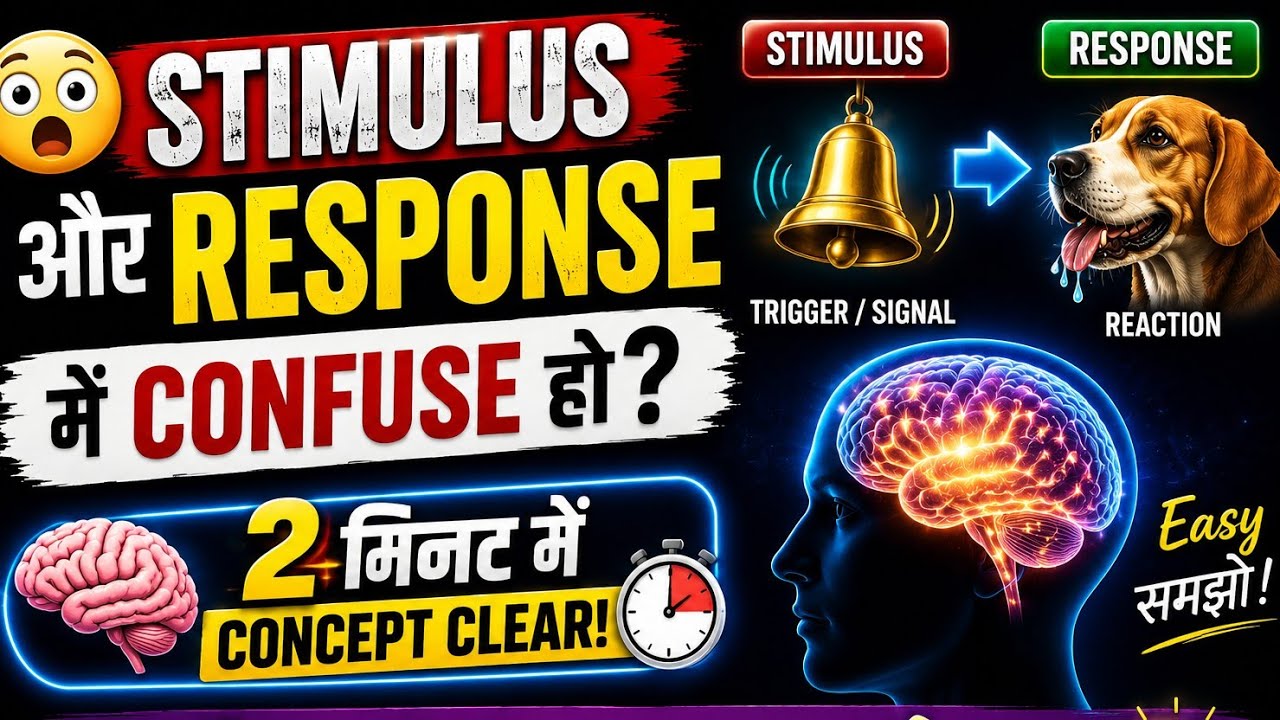
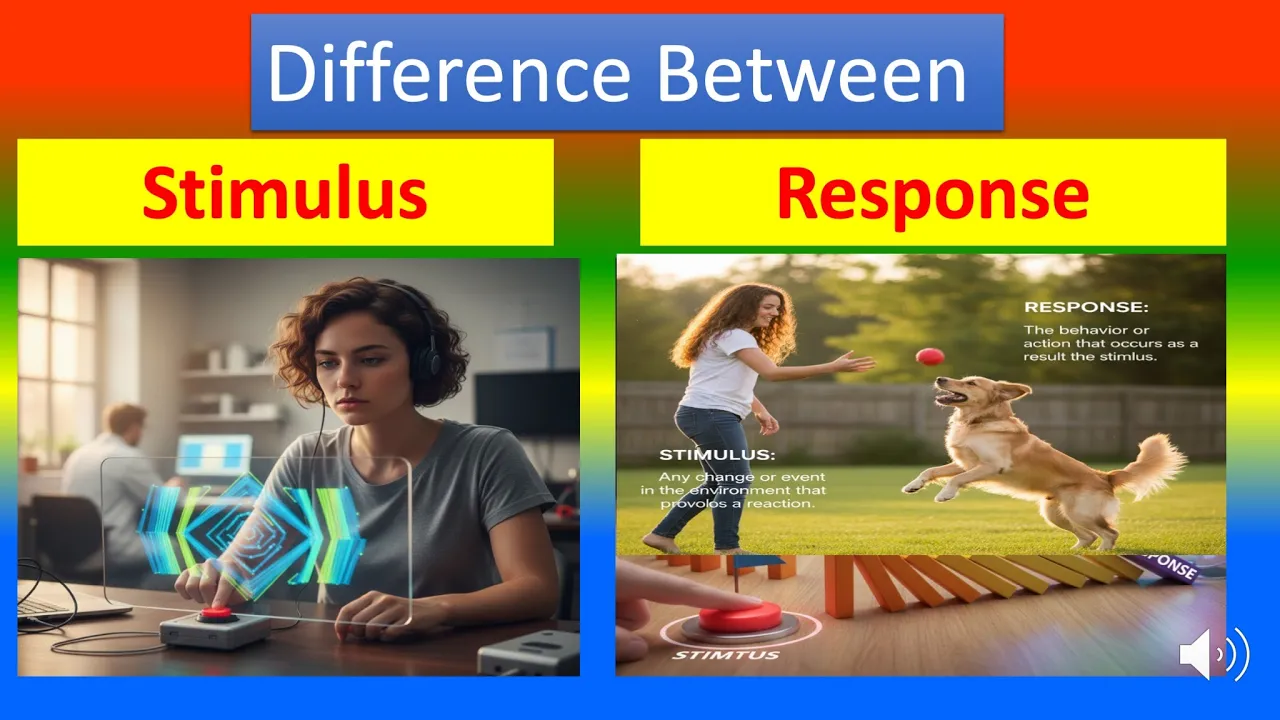
The fundamental definitions of a 'stimulus' (an environmental trigger) and a 'response' (the behavioral reaction to that trigger).
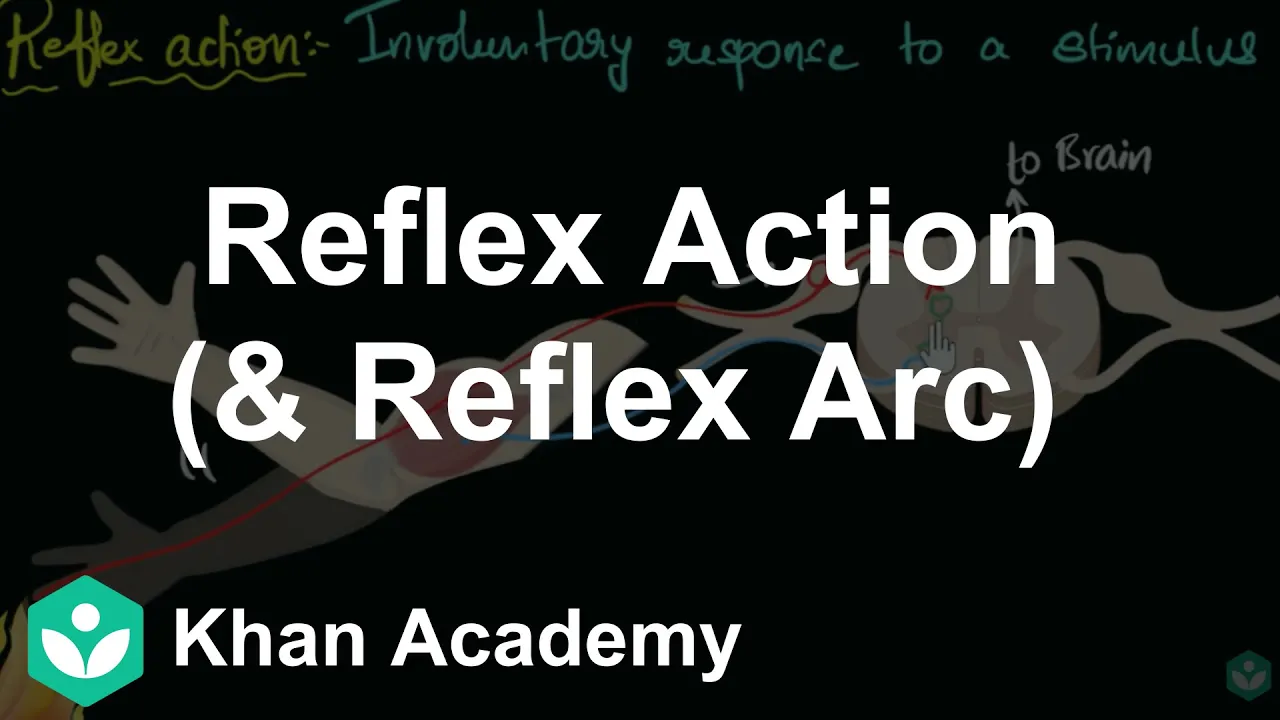
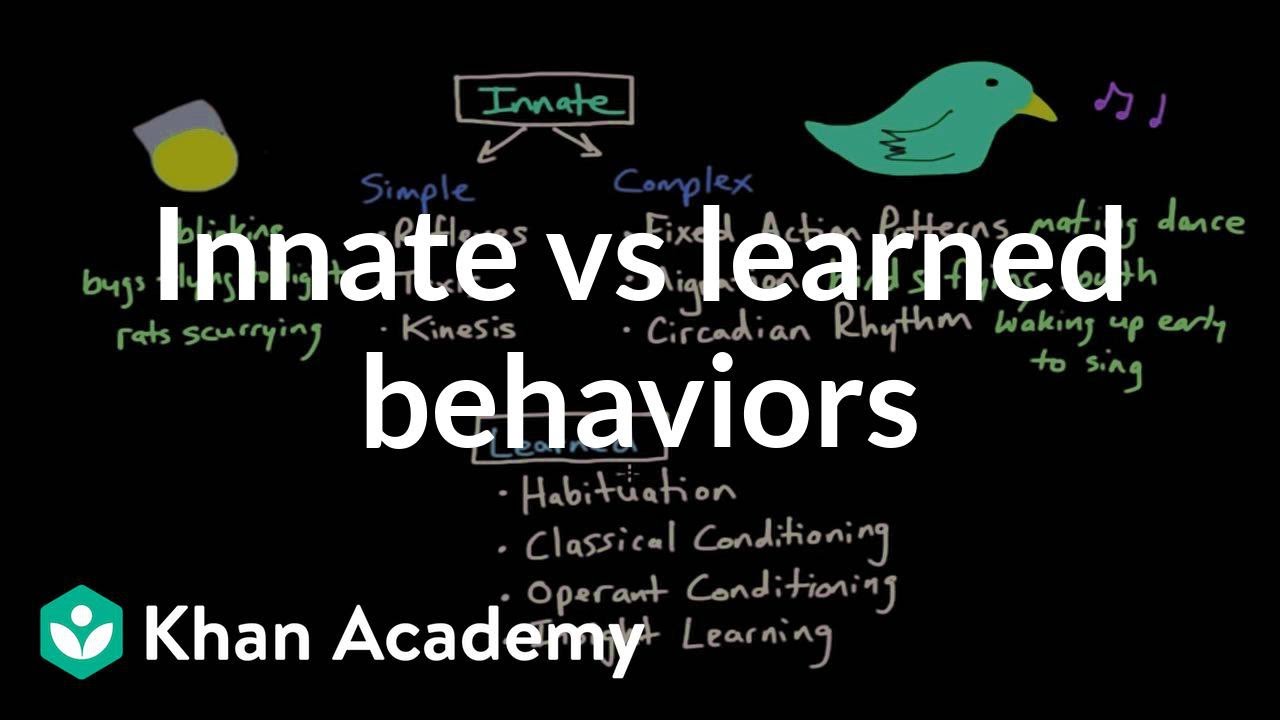
The distinction between innate, reflexive behaviors (such as salivating or blinking) and acquired, learned behaviors.
A general understanding of how early psychologists used animal models to study human behavior and learning processes.
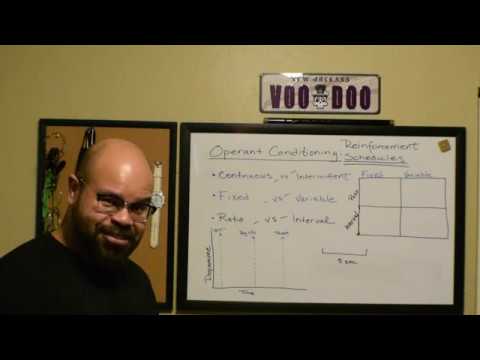
The different schedules of reinforcement in operant conditioning, such as fixed-ratio, variable-ratio, fixed-interval, and variable-interval schedules.
Real-world clinical applications of conditioning, including systematic desensitization for phobias, aversion therapy, and token economies.
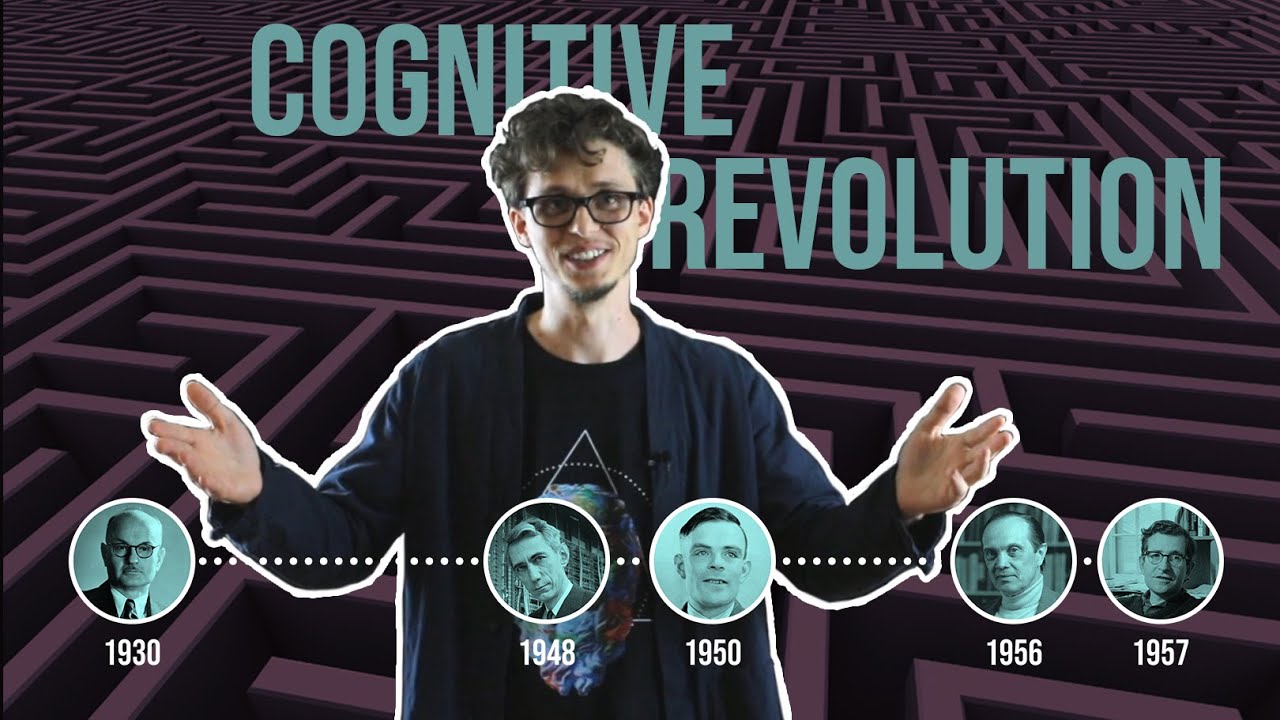
The cognitive revolution in psychology, specifically how concepts like Edward Tolman's latent learning and cognitive maps challenged strict behaviorist views.
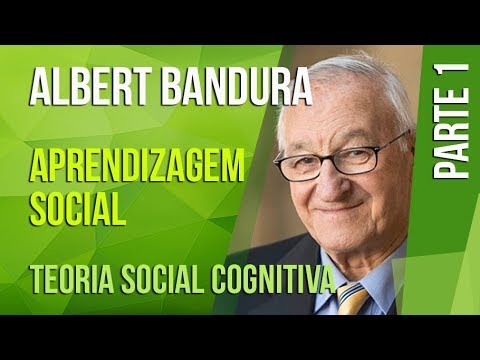
Albert Bandura's Social Learning Theory, which introduces observational learning and modeling as mechanisms of behavior change beyond direct conditioning.
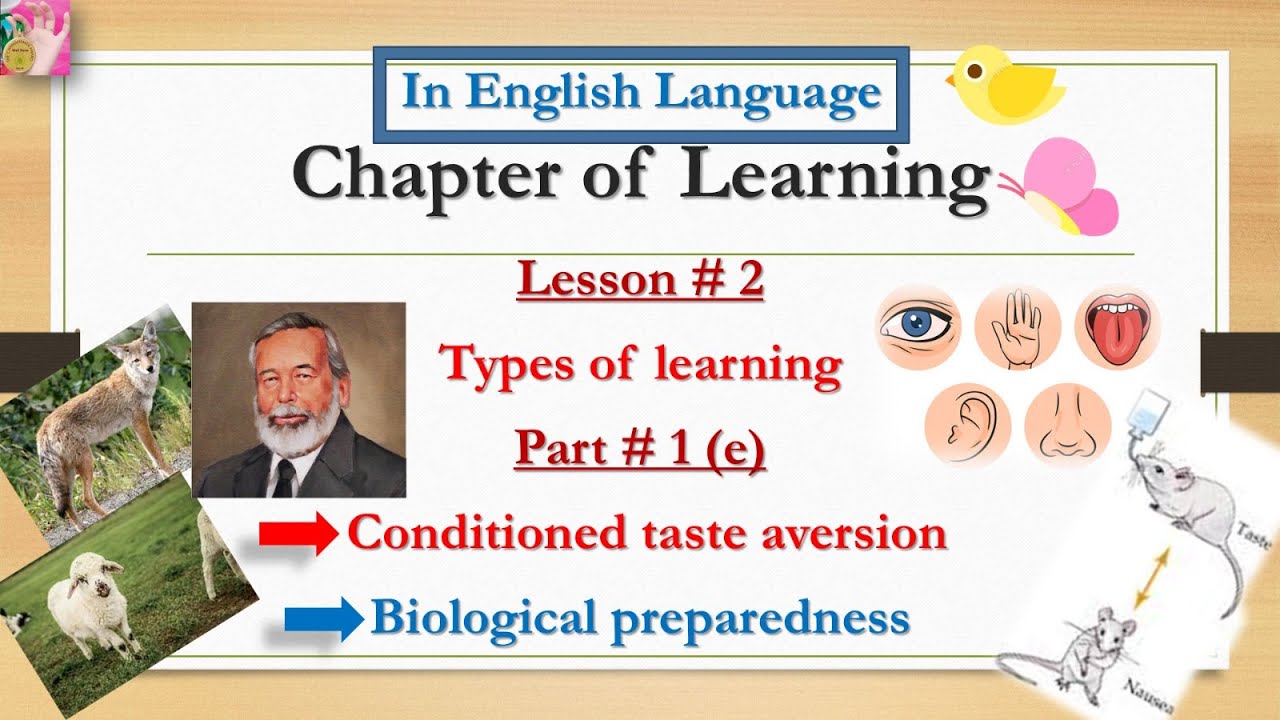
Biological constraints on learning, such as John Garcia's conditioned taste aversion (the Garcia Effect) and instinctive drift.
3.6M views46.1Klikes4:13Original Release: 2013-03-07
Translator: Andrea McDonough Reviewer: Bedirhan Cinar When we think about learning, we often picture students in a classroom or lecture hall, books open on their desks, listening intently to a teacher or professor in the front of the room.
But in psychology, learning means something else.
To psychologists, learning is a long-term change in behavior that's based on experience.
Two of the main types of learning are called classical conditioning and operant, or instrumental, conditioning.
Let's talk about classical conditioning first.
In the 1890's, a Russian physiologist named Ivan Pavlov did some really famous experiments on dogs.
He showed dogs some food and rang a bell at the same time.
After a while, the dogs would associate the bell with the food.
They would learn that when they heard the bell, they would get fed.
Eventually, just ringing the bell made the dogs salivate.
They learned to expect food at the sound of a bell.
You see, under normal conditions, the sight and smell of food causes a dog to salivate.
We call the food an unconditioned stimulus, and we call salivation the unconditioned response.
Nobody trains a dog to salivate over some steak.
However, when we pair an unconditioned stimulus like food with something that was previously neutral, like the sound of a bell, that neutral stimulus becomes a conditioned stimulus.
And so classical conditioning was discovered.
We see how this works with animals, but how does it work with humans?
In exactly the same way.
Let's say that one day you go to the doctor to get a shot.
She says, "Don't worry, this won't hurt a bit," and then gives you the most painful shot you've ever had.
A few weeks later you go to the dentist for a check-up.
He starts to put a mirror in your mouth to examine your teeth, and he says, "Don't worry, this won't hurt a bit."
Even though you know the mirror won't hurt, you jump out of the chair and run, screaming from the room.
When you went to get a shot, the words, "This won't hurt a bit," became a conditioned stimulus when they were paired with pain of the shot, the unconditioned stimulus, which was followed by your conditioned response of getting the heck out of there.
Classical conditioning in action.
Operant conditioning explains how consequences lead to changes in voluntary behavior.
So how does operant conditioning work?
There are two main components in operant conditioning: reinforcement and punishment.
Reinforcers make it more likely that you'll do something again, while punishers make it less likely.
Reinforcement and punishment can be positive or negative, but this doesn't mean good and bad.
Positive means the addition of a stimulus, like getting dessert after you finish your veggies, and negative means the removal of a stimulus, like getting a night of no homework because you did well on an exam.
Let's look at an example of operant conditioning.
After eating dinner with your family, you clear the table and wash the dishes.
When you're done, your mom gives you a big hug and says, "Thank you for helping me."
In this situation, your mom's response is positive reinforcement if it makes you more likely to repeat the operant response, which is to clear the table and wash the dishes.
Operant conditioning is everywhere in our daily lives.
There aren't many things we do that haven't been influenced at some point by operant conditioning.
We even see operant conditioning in some extraordinary situations.
One group of scientists showed the power of operant conditioning by teaching pigeons to be art connoisseurs.
Using food as a positive reinforcer, scientists have taught pigeons to select paintings by Monet over those by Picasso.
When showed works of other artists, scientists observed stimulus generalization as the pigeons chose the Impressionists over the Cubists.
Maybe next they'll condition the pigeons to paint their own masterpieces.
Up Next
12:25
The Psychology of Loot Boxes: How Game Mechanics Exploit Brain Chemistry
@GameTheory
3.5M views•2018-01-10

68:32
Cognitive Skills for Differentiated Instruction | Teacher PD
@BrainWareLearning
631 views•2017-12-17

18:40
The Moral Roots of Liberals and Conservatives | Jonathan Haidt
@TEDEd
2.8M views•2012-12-31

6:40
The Nocebo Effect: How Beliefs Can Cause Real Harm
@CGPGrey
10.4M views•2013-12-23
Related Study Plans & Knowledge Roadmaps
Structured learning paths in Psychology
psychology
Neuroscience of Creativity: Networks & Training
01Foundations of Creative Cognition
02The Cognitive Neuroscience of Insight & Fixation
03The Triple Network Model of Creativity
+ 1 more learning modules
15h4 modules
Explore Roadmap
psychology
Imposter Syndrome: Etiology & CBT Framework
01Defining the Imposter Phenomenon
02Socio-Developmental Etiologies
03CBT Fundamentals & Thought Distortions
+ 2 more learning modules
15h5 modules
Explore Roadmap
psychology
Adult ADHD: Executive Dysfunction & Scaffolding
01Neurobiology of the ADHD Brain
02The Core Triad of Executive Deficits
03Executive Dysfunction and Emotional Regulation
+ 2 more learning modules
12h5 modules
Explore Roadmap
psychology
Loneliness: Evolution, Neurobiology & CBT
01Evolutionary Origins of Human Connection and Loneliness
02The Neurobiology and Physiology of Chronic Loneliness
03Maladaptive Social Cognition: The Psychological Loop
+ 2 more learning modules
12h5 modules
Explore Roadmap