





















Loot boxes manipulate player behavior by exploiting psychological principles including intermittent reward schedules (Skinner boxes) that trigger dopamine release during anticipation rather than upon receiving rewards, loss aversion which makes people feel twice as bad about losses as good about equivalent gains, and the sunk cost fallacy that drives continued spending after initial losses; these mechanisms create situations where players, especially young gamers, may be tricked into gambling without fully realizing it.
The Psychology of Loot Boxes: How Game Mechanics Exploit Brain Chemistry
Added:The principles of Operant Conditioning, particularly B.F. Skinner's research on variable ratio schedules of reinforcement.
The biological basis of the brain's reward system, specifically the role of dopamine in anticipation, motivation, and reinforcement.
Introductory behavioral economics concepts, including cognitive biases like loss aversion and the gambler's fallacy.
The basic business models of modern video games, such as microtransactions, free-to-play (F2P) mechanics, and games-as-a-service (GaaS).
The international legal and regulatory frameworks governing loot boxes and digital gambling mechanics in video games (e.g., EU vs. US regulations).
The analysis of 'Dark Patterns' in UI/UX design, which are interface choices engineered to manipulate users into making decisions against their best interests.
The psychological and clinical overlap between video game addiction (specifically Internet Gaming Disorder) and traditional gambling disorders.
Ethical game design methodologies that prioritize player well-being while maintaining viable monetization strategies.
3.5M views114.6Klikes12:25Original Release: 2018-01-10
Do you love watching game theory But don't want the hassle of logging into YouTube and waiting for an upload that's supposed to happen on Saturday But it's almost always late every week Well now you don't have to. Get all the satisfaction of putting together mind-blowing theories of your own with Theory crates. An exciting new feature that lets all you loyal theorists feel the pride and accomplishment of concocting a new theory out of literally nothing Each box contains a random assortment of theory components and memes for you to make your very own game theory, From common materials like Mario and Pokemon to super rare content like Doki Doki literature club and even YouTube Meta theories. Now you too can prove that Pikachu is a sociopath or that PewDiePie is Sans It's as easy as 1 2 Insert your credit card number here, and today to celebrate the big launch I'm giving each of you loyal theorists a free crate to get the ball rolling Let's open it up and see what's inside Alright, we got purple guy a picture of me in a thinking pose, ooh Blank was in a coma all along that one is super rare and a diet coke gag Damn it every time. Oh wait There's one more in here Hello Internet welcome to game theory where at this point You've probably surmised that this episode is all about loot box systems come to every Triple A game near you from Shadow of War to Battlefront 2 2017 generated a lot of strong feelings on this topic prompting enough gamer rage that government started to notice and question whether they're technically gambling Some countries are even in conversations about banning them entirely But at the end of the day the debate over loot crate's isn't about how they make us feel It's about whether they're objectively bad for players are they just an annoying business practice Or is there something more sinister at work here do loot boxes actually lie Manipulate and steal by creating situations where gamers especially young gamers are tricked into gambling without knowing it it's Actually a really complex question with major legal implications and as such I'm not gonna come down on one side of the issue your Opinions on loot boxes can only be decided by you But what I am going to do though is take you through some information that no one is talking about when arguing over this topic The science and science doesn't take sides science just tells you how your brain responds to things like video games How it responds to loot boxes gambling in casinos?
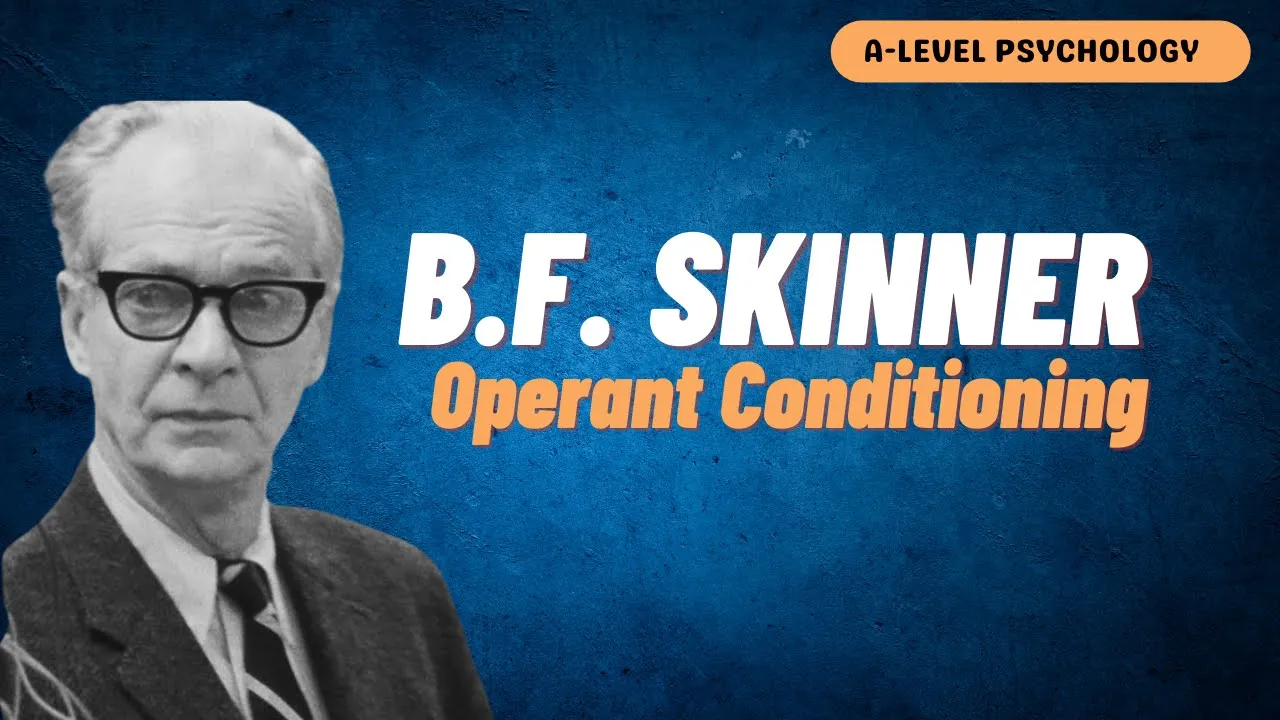
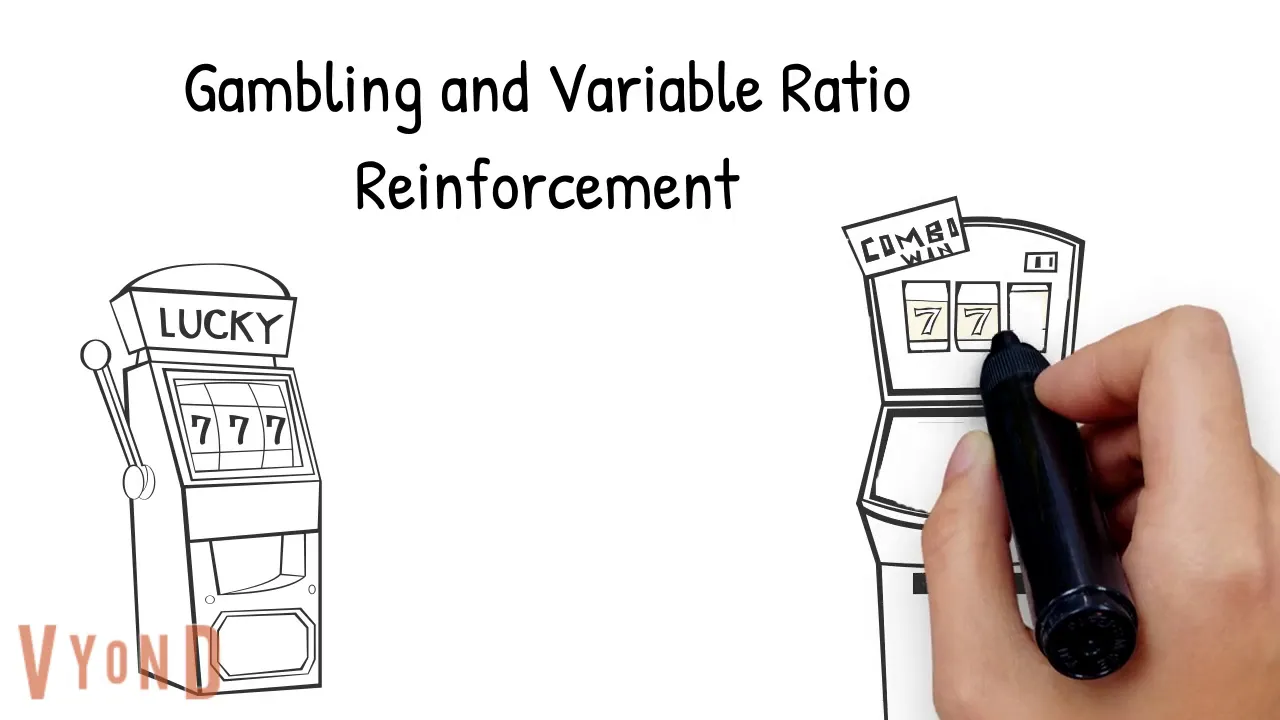
and then you can compare and contrast the results so today and Also later this week on Saturday since there's a lot to cover on this topic to do a justice I want to stop and take a couple minutes to objectively look at the biological and psychological Levers loot crate's utilize to help you decide whether you want to roll the dice and hopes of making your epic soldier look like your Dad at a backyard barbecue We begin our little exploration with the concept of the Skinner box a device created by behavioral psychologist BF Skinner to studies Psychological conditioning his box contained a button a button that when pressed Caused a reward to pop out Skinner's goal with the box was to prove that it was possible to condition animals and eventually humans to perform certain Behaviors like pressing a button when you reward them what he discovered though was a bit more Interesting his studies show that if you provided a reward every time the button was pressed test subjects Just eventually got bored or felt like they've gotten enough and as a result they stopped pressing the button But if he only gave rewards to test subject some of the times either Randomly or on a set timer they kept coming back pressing the button over and over again sometimes Indefinitely for a guy who wasn't a game designer Skinner is probably one of the single most influential people in the gaming industry because if you've ever played an MMORPG A timer based social or mobile game or any game that rewards your actions intermittently rewards your actions intermittently intermittent Intermittent slee I can't say it. Any game that rewards your actions at the regular intervals with anything from points to rare drops well, Congratulations You've been inside one of Skinner's boxes by making players anticipate an eventual Reward rather than giving it to him immediately a game makers can make them want to play just a little bit longer for one more Level or just one more item drop the reason. The reason we respond this way is due to our brains favorite neurotransmitter dopamine now I've talked about the dopamine pathway before in the context of mobile games, so I'm not gonna get too in-depth here Just click the iCard in the upper right hand corner of the screen to see that episode But your dopamine pathway is the one that controls your brain's reward Center to make you feel good for performing behaviors that your brain thinks are beneficial But it's actually a bit more complicated than I let on in that previous episode It's not just open crate, get spray, feel happy. dopamine isn't released when you receive a reward It's released when you do something that your brain Anticipates will result in getting a reward the pressing of the button is what sets off the dopamine not Necessarily what you get when you press that button and this has everything To do with how loot crate's hack into your brain with loot boxes the rewards you get are randomized Which means that suddenly your brain has something to anticipate and more importantly a reason to release dopamine.
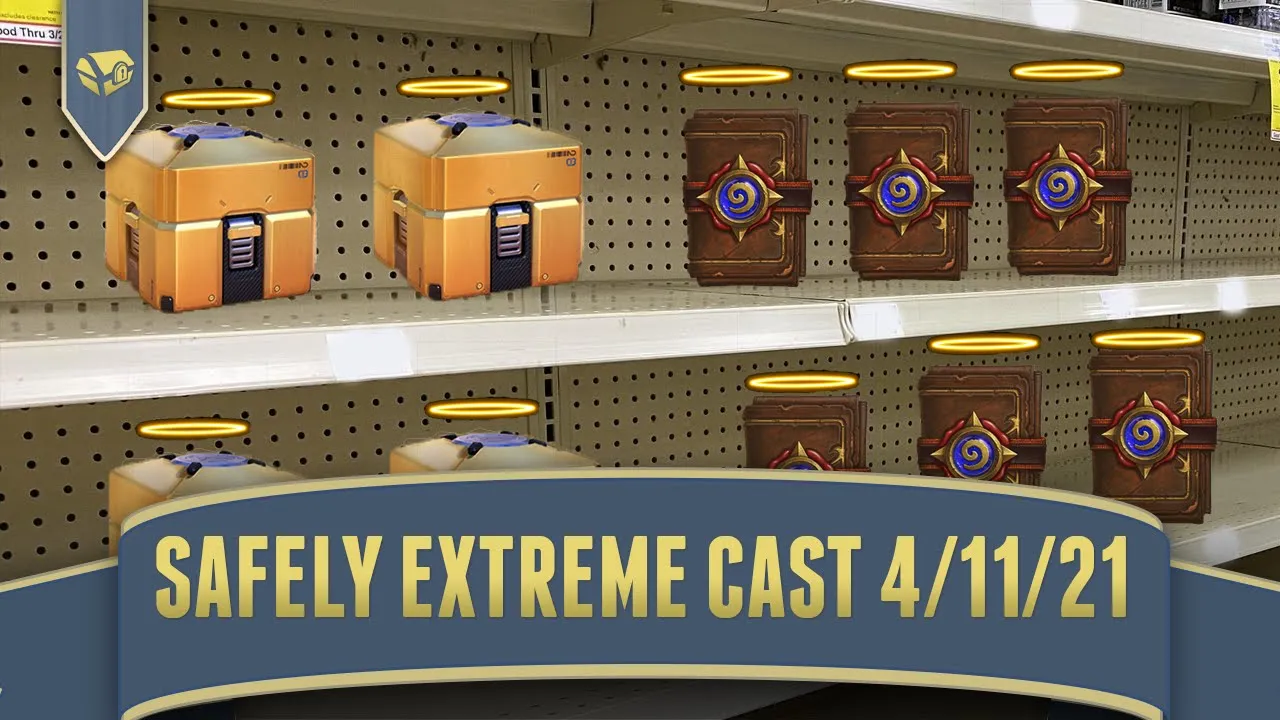
Well sure you might be disappointed to get Hanzo saying For the tenth time your brain has already gotten its dopamine reward in the seconds that it spent opening the box Many loot box systems actually further heighten the sense of anticipation with timers or long Animations of the boxes opening. Think of all the fireworks that go off every time you crack open a new pack of hearthstone cards Or a new overwatch loot box because your brain is rewarding you for buying and opening these boxes Regardless of what crap sprays you're getting in you naturally feel an impulse to buy more ever wonder Why kids channels have so much success opening kinder eggs? This is it.
This is why this psychological phenomenon is present from the time of your birth Another key psychological factor in the success of most loot box systems is the psychological concept of loss aversion?
Which is well?
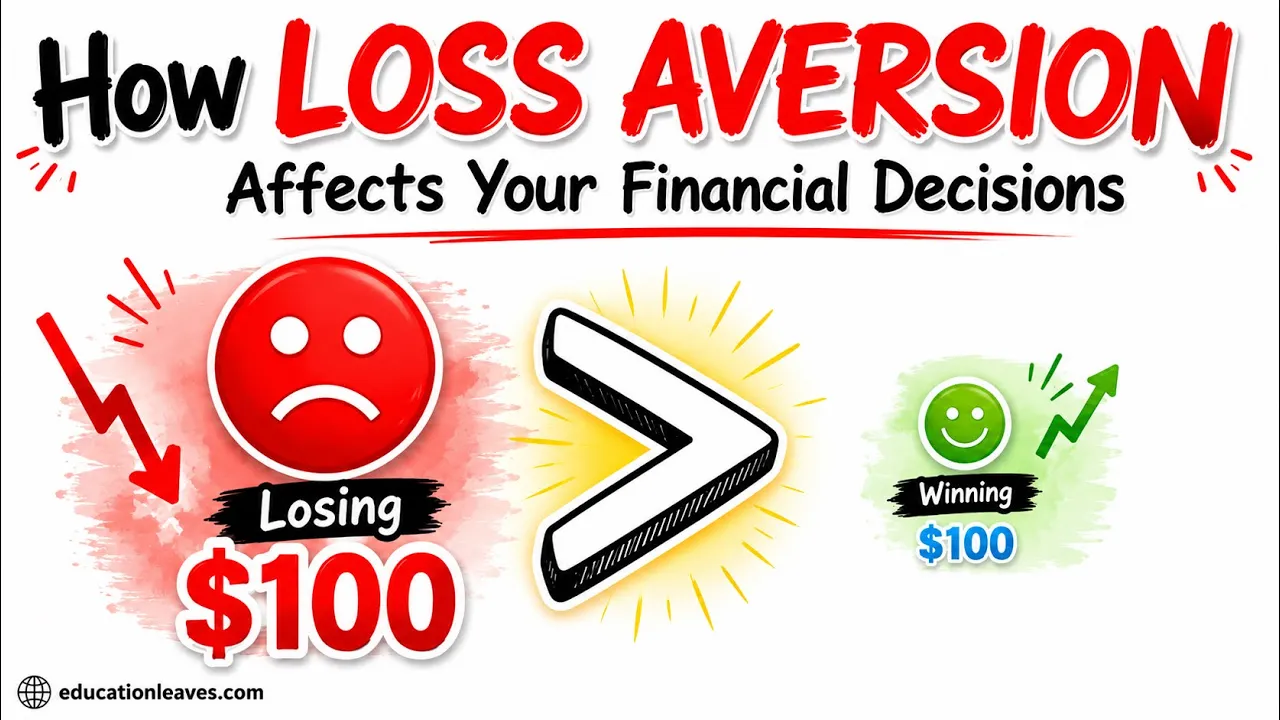
Exactly what it sounds like human beings hate losing even more than we love winning in fact studies have shown that the average Human feels two times worse about losing some things than they feel good about winning something of equal value this psychological Principle plays a huge role in casinos when it comes to all forms of gambling, but especially Completely random games like slots once you start gambling Loss aversion can make it very hard to stop many gamblers lose a small amount of money Then keep putting in more and more money Just trying to win it back This belief that eventually you'll net out ahead if you just keep on going is called the sunk cost fallacy A failure in the way that our brains work that convinces us to keep going even when we keep losing simply because we've already invested so much time or money into an activity if you've ever stayed in a Relationship longer than you should have most of the time It's because of sunk costs your brain is Subconsciously weighing the time money and emotional investments that you've put into that relationship And the longer you go the harder and harder It is to dig yourself out even if you recognize that she's a ball and chain on your leg of life Holding you back weighing you down or on a personal note for me I'm really bad at calling or texting people back and the longer I sit on that text the harder and harder It is for me to write back because it's like well They gotta hate me at this point, but here's the thing about the sunk cost fallacy It's just that a fallacy in casinos the longer you play the less likely you are to net out a head Casinos know people hate to walk away when they're losing But they also know that their brain is gonna convince them to keep playing longer Which is really bad for you since all casino games have higher odds for the house to win It's like a vortex for your brains chemistry and your wallet Which is why they always say to go into a casino with a set amount of money You're prepared to lose and in the case of my text messages. Well. Yeah the longer I go without responding the more likely people really will start to hate me So let it be known Nicolas if you're watching this episode I promise I will text you back as soon as I'm done more to the point of today's episode though in the case of loot boxes some costs is why they can be such a Slippery slope once you've bought one and haven't gotten the item you were looking for it's much more likely that you buy two Three five ten until you finally get the item that you wanted now You might expect that the loss of version principle acts as a deterrent to gambling after all if people hate losing so much Why would they ever bet anything in the first place well?
That's where Incentives come in Casinos offer plenty of perks to get your cash flowing from dining credits to free buffets even free chips at the tables And I don't mean free potato chips. I mean free like Cash Money chips although free potato chips would also be appreciated Thank you very much. I prefer salt and vinegar Pringles Please not sponsored, but totally could be sponsored video games do the exact same thing you ever wonder Why? Practically every game with a loot box gives you some for free or enough premium currency to buy one or while you're allowed to earn Them through regular gameplay with drops becoming less and less frequent the more you play just look at any mobile game with Microtransactions, they always force you to make a fake micro transaction in the tutorial It's all there to get you started To overcome that aversion to pinging and once you amass a decent collection of skins or in-game items it can suddenly become Very tempting to spend just a few extra dollars to roll the dice one or two more times to try and complete a costume set Especially when those rewards are only available for a limited amount of time Enter exclusive loot which puts a deadline on you making the decision to pay if you want it You gotta get it before it's gone forever all of it It's all there to make buying those items a normal part of your gameplay experience But we're still not done another way casinos and loot boxes exploit weaknesses in your brains is by creating what's known as an illusion of Control in Vegas many gamblers are more comfortable betting on games where they get to make the decisions themselves such as blackjack since that makes them feel like they've influenced the game with skill, but even if you make a Mathematically optimal play on every hand in a game of blackjack your odds of winning are still only 42 percent While the house has a forty nine percent chance of winning if you play for enough time you will always Lose more than you win, but it feels more fair because of that illusion trol if that idea doesn't sound familiar Hope it should because it's the same psychological principle as loop boxes many japanese gotcha games let you pick between several different banners that contain different characters Or items or have increased odds of dropping certain ones in Fire Emblem Heroes for instance you can even pick which color of unit you Want from a random selection of five at the end of the day your winnings are still doled out by a random number generator But simply giving you a choice of which slot you wanna spin is enough to make you feel more comfortable trading in your Cashola for a shot at the prize now up to this point I've only focused on how these games in general get around the ways human psychology works, but I'm far from done over I guess I should say the people who create these games are far from done because what I haven't touched on yet is that these Games aren't just trying to get everyone to spend more They're specifically trying to get you yes--you Lee's cousin kid Finch who lives on Guildford Boulevard to spend more money They're studying the way you play when you decide to make Purchases even when you get fed up and quit for the day Then suddenly tweaking your unique gaming experience in order for you to spend as much money as possible But that is a huge topic that needs to be covered all on its own so later this week should only be a few days Say Saturday check back to see how games are spying on your behavior to get you to spend money to roll the dice It's pretty impressive. How scary some of this stuff can be oh yeah, and as a part of that episode I'll actually be covering the other side of the argument to why none of this actually Constitutes any form of gambling which I honestly think might get some of you loot box haters to put down your pitchforks and stop Right into the Belgian gambling commission any way shatter that loot button you see on screen right now to get a random reward It'll probably just be a subscription and ensure that you see that episode when it comes out later this week and in the meantime Remember, it's all just a theory a game Theory, thanks for paying I mean watching and hey if you missed it check out that episode I mentioned earlier on how mobile games hack your brain It's actually a really good supplement to this video, so if you're fascinated by how neurotransmitters affect the games that you play And how you play um well then click that button you see on screen Now if you'll excuse me you need to go to text Nikolas back
Up Next
14:03
7 Psychology Principles Video Game Designers Use to Guide Players
@LogitechG
590K views•2017-10-14

68:32
Cognitive Skills for Differentiated Instruction | Teacher PD
@BrainWareLearning
631 views•2017-12-17

9:55
Thinking, Fast and Slow: Daniel Kahneman Animated Book Summary
@FightMediocrity
2.3M views•2015-06-05

6:40
The Nocebo Effect: How Beliefs Can Cause Real Harm
@CGPGrey
10.4M views•2013-12-23
Related Study Plans & Knowledge Roadmaps
Structured learning paths in Psychology
psychology
Neuroscience of Creativity: Networks & Training
01Foundations of Creative Cognition
02The Cognitive Neuroscience of Insight & Fixation
03The Triple Network Model of Creativity
+ 1 more learning modules
15h4 modules
Explore Roadmap
psychology
Imposter Syndrome: Etiology & CBT Framework
01Defining the Imposter Phenomenon
02Socio-Developmental Etiologies
03CBT Fundamentals & Thought Distortions
+ 2 more learning modules
15h5 modules
Explore Roadmap
psychology
Adult ADHD: Executive Dysfunction & Scaffolding
01Neurobiology of the ADHD Brain
02The Core Triad of Executive Deficits
03Executive Dysfunction and Emotional Regulation
+ 2 more learning modules
12h5 modules
Explore Roadmap
psychology
Loneliness: Evolution, Neurobiology & CBT
01Evolutionary Origins of Human Connection and Loneliness
02The Neurobiology and Physiology of Chronic Loneliness
03Maladaptive Social Cognition: The Psychological Loop
+ 2 more learning modules
12h5 modules
Explore Roadmap