



![🌐 Sistema Endocrino / Glándulas / Hormonas 💫 [Fácil y Rápido] | BIOLOGÍA |](https://i.ytimg.com/vi/81f3xFT0ca8/maxresdefault.jpg)
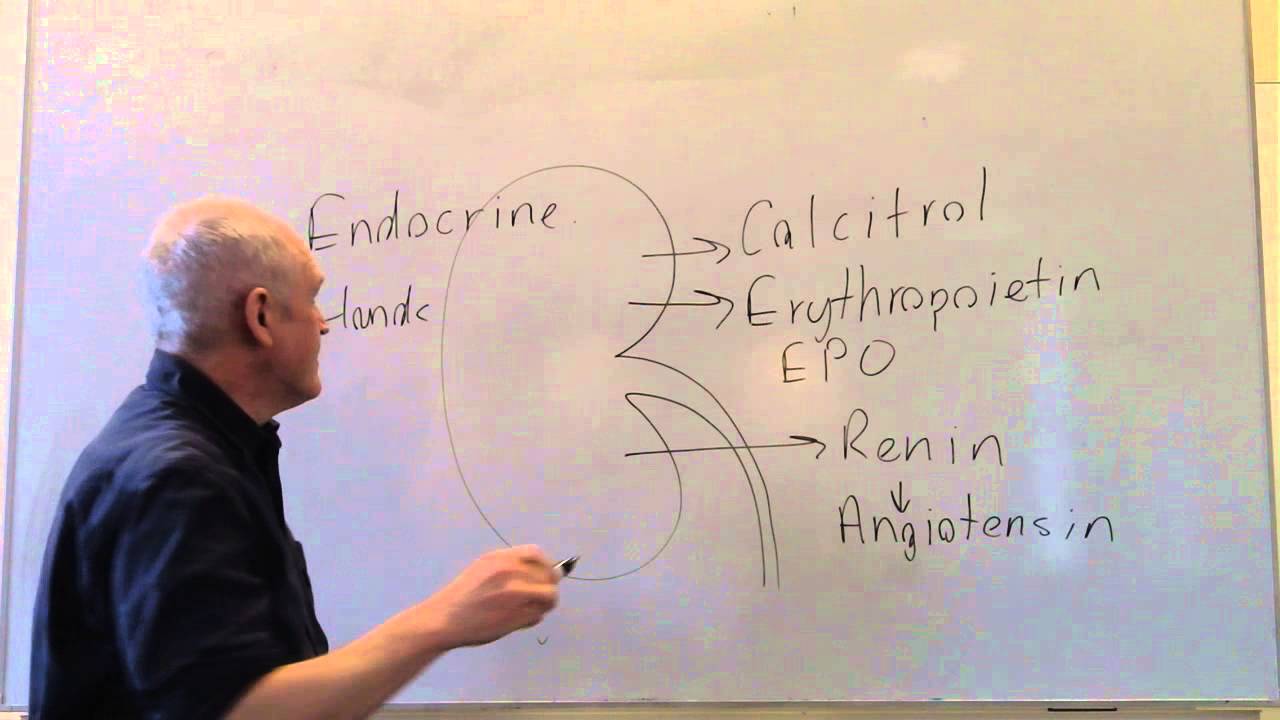
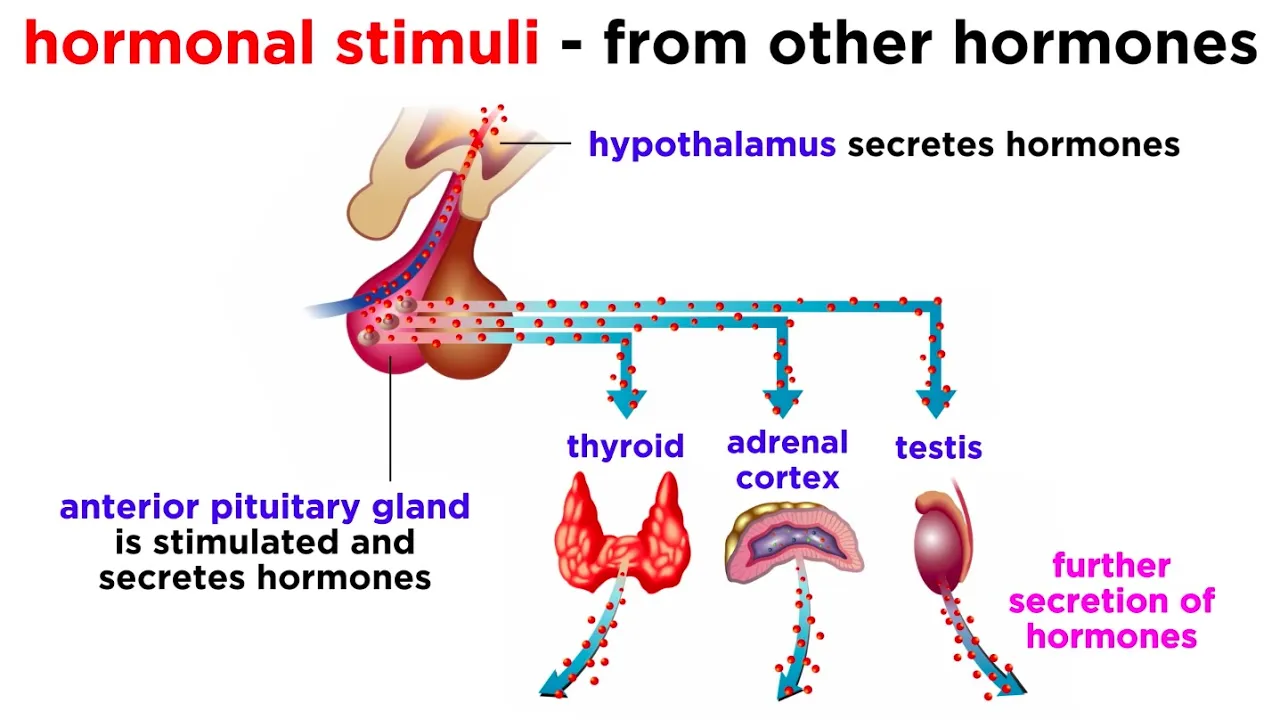
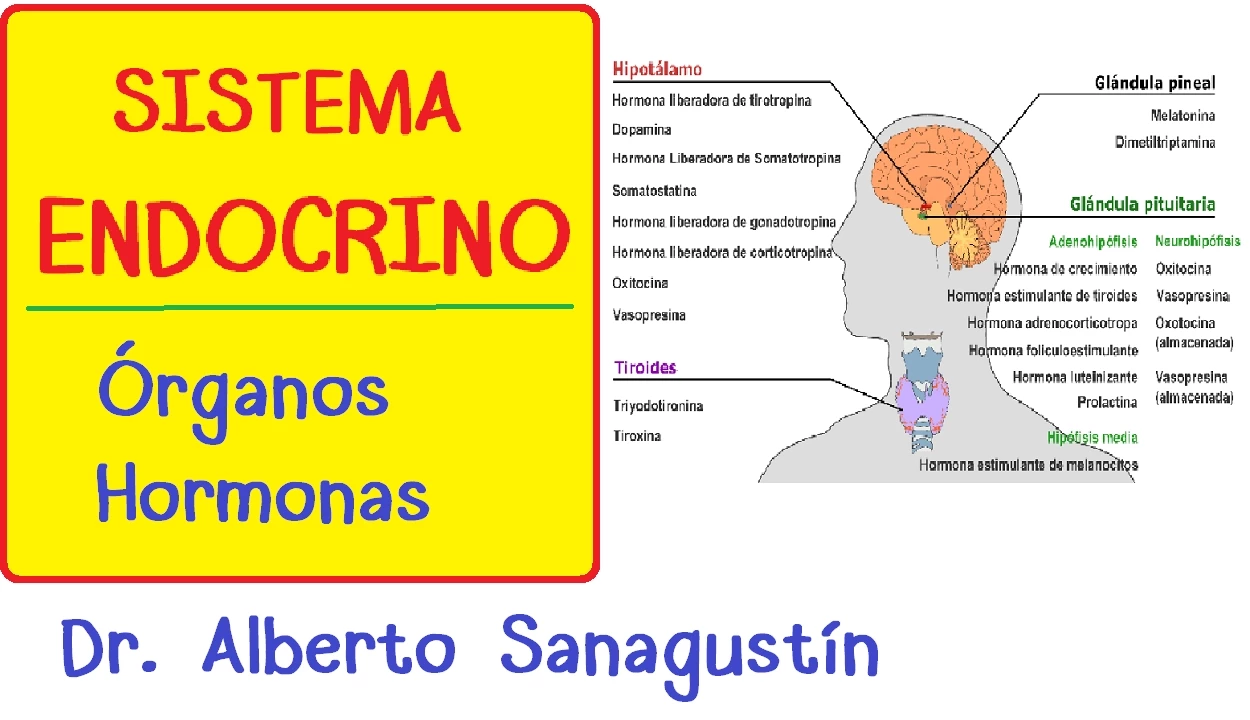














Persistent toxic chemicals in the environment accumulate through multiple exposure pathways, including microplastics that concentrate pollutants by up to 100,000 times in marine ecosystems, food packaging materials containing endocrine-disrupting chemicals like phthalates and bisphenol A, and agricultural contamination from treated wastewater sludge; these chemicals can disrupt hormonal systems across vertebrate species and enter the human body through consumption of contaminated fish, food crops grown on polluted soils, and everyday products like receipts and plastic containers.
Toxic Chemical Exposure Routes: Humans, Animals, & the Environment
Added:Basic understanding of food webs, trophic levels, and ecological pathways of energy and matter.
Elementary biology and chemistry concepts, specifically the structure of polymers (plastics) and the function of the animal endocrine system.
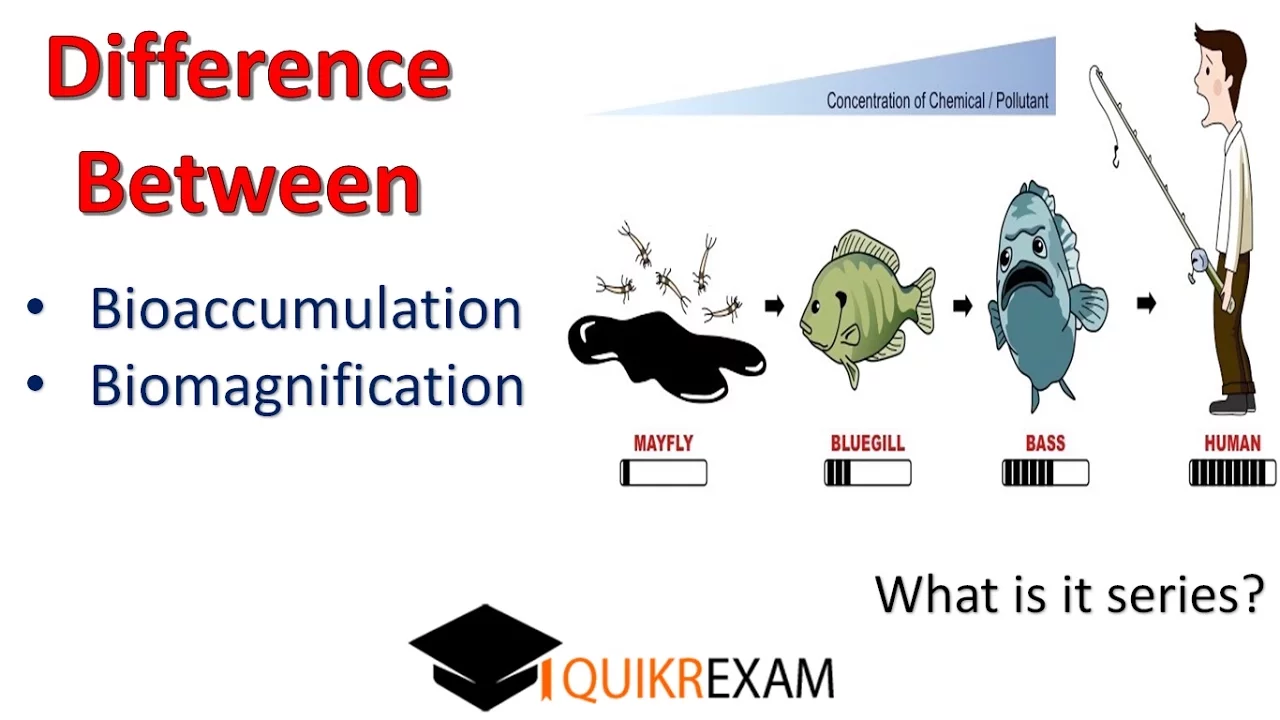
The core concepts of bioaccumulation (toxin buildup in a single organism) and biomagnification (toxin concentration scaling up the food chain).
General pathways of physiological exposure in living organisms, including ingestion, inhalation, and dermal absorption.
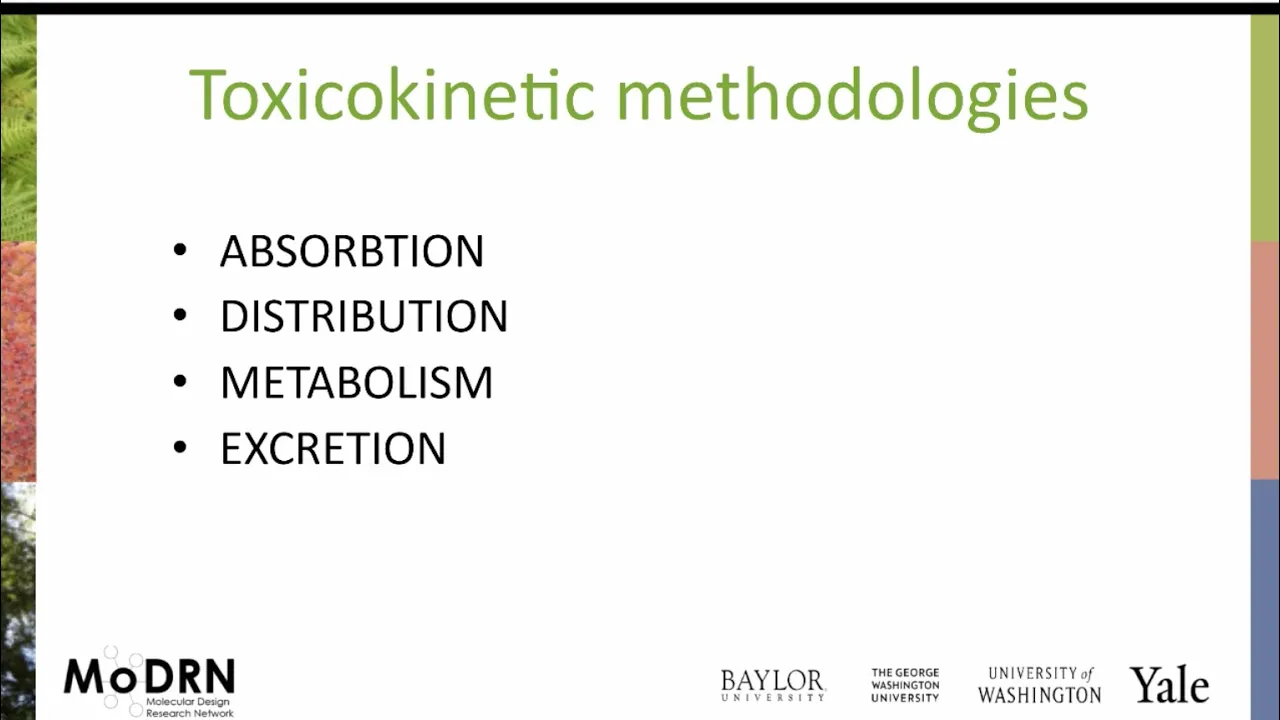
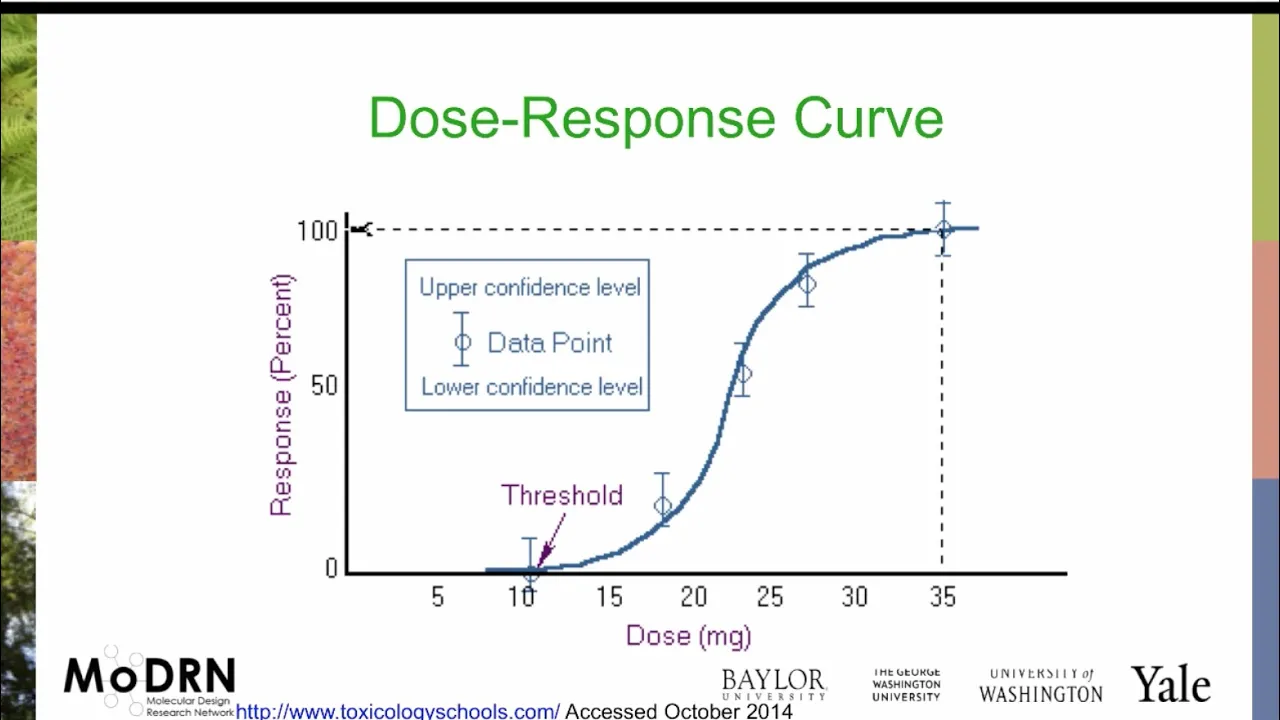
Environmental toxicology risk assessment methodologies, such as determining Dose-Response relationships and calculating daily tolerable intakes.
Regulatory frameworks and global treaties governing hazardous chemicals, such as the Stockholm Convention on Persistent Organic Pollutants (POPs).
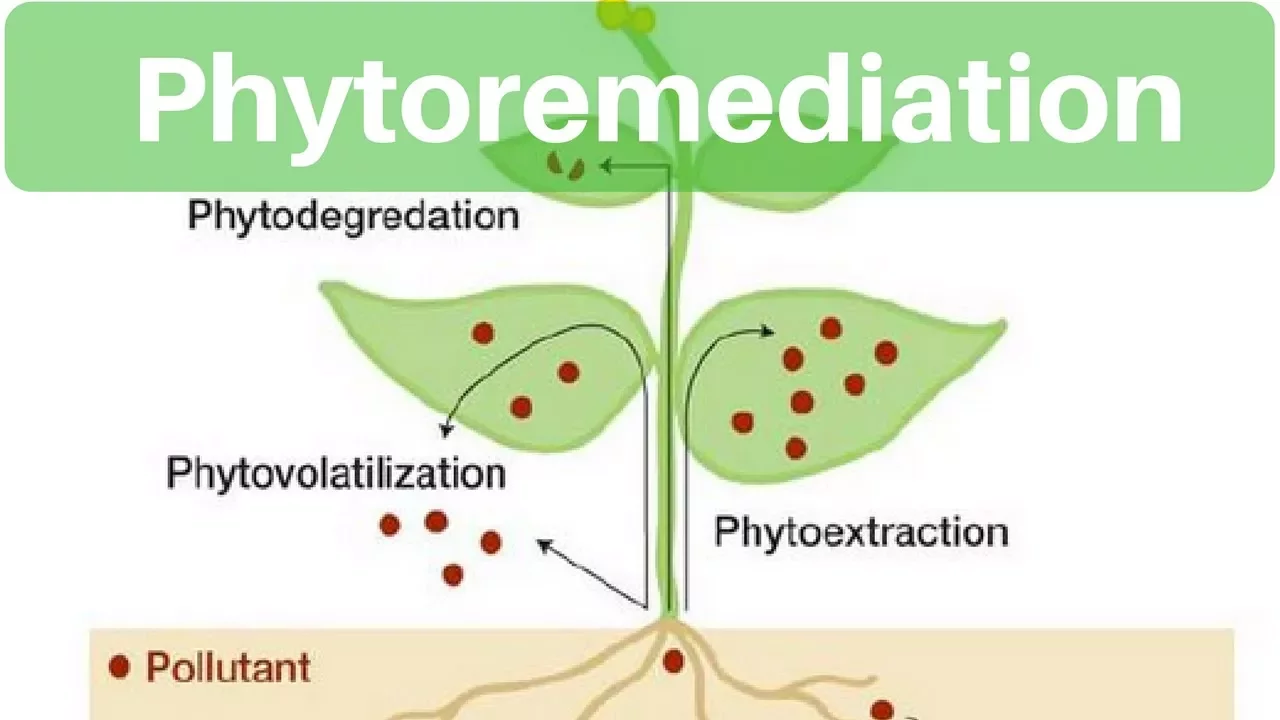
Advanced environmental remediation techniques, including bioremediation and phytoremediation, to clean up contaminated ecosystems.
The principles of Green Chemistry and the design of sustainable, non-disruptive chemical alternatives to conventional plastics.
312 views3likes6:56Original Release: 2018-06-05
[Music] we're running into a new problem now and we don't fully understand it over the last five years and especially the last three years we've become aware of how plastics are penetrating everywhere into the marine ecosystem micro plastics especially and that's a that is a problem and it's a problem for two reasons one many of the plastics that we use are inherently toxic to varying degrees depending upon which plastic it is but also those plastic particles because they're light they rise to the surface of the ocean and and few people are aware of the fact that the surface of the ocean is a place where oils from dead fish accumulate they rise rise to the surface and those oils concentrate things like persistent organic pollutants as the plastic rolls around in it the plastic gathers those persistent organic pollutants out of that surface film and can concentrate it by a factor of a hundred thousand times or more compared to the water column when we eat fish that have been eating those plastics we by definition are eating some of the persistent organic pollutants or the inherently toxic elements of plastics that are that have found their way to the surface one of my main areas of interest is to make people aware of where they're getting exposure to a lot of chemicals and what they can do to start to avoiding those they're not going to be available 100 percent free from any kind of contact with anything that's toxic but if we can really understand where some of the most some of the major pathways and the major places where this happens and we can start to figure out how do we minimize that that I think is really critical things like you know can linings and register receipts and CDs and other things I mean things like gore-tex these are all things that can get absorbed into our bodies and cause problems the whole issue of food packaging materials is very poorly appreciated deaths in fact where what may be one of the biggest sources of exposure that we have to not just plastics but also inks and other chemicals that are used in the plastic to make the product for packaging some of our plastics contain plasticizers that we know a really potent indirect and disruptors this is the class of chemicals called phthalates and so if you for example have a rubber ducky it's essentially a polyvinyl chloride plastic that's made soft and squishy by absorbing that weights on top and so when you throw one of these away you're getting a chemical that it is very clear impacts male reproductive health and that's now in the mix of the water etc that's coming out of landfills if the rubber ducky sails off from Los Angeles that part into the Pacific Ocean any microorganisms that choose to grow on are going to accumulate phthalates a lot of this field of endocrine disruption started in animals we started to see these warning signs of different phenotypes adverse health effects that were associated with chemical spills chemical exposures things like that and then when you looked in the human population it gave you a target it gave you something unanticipated it gave you a direction to go and without having studied that environment we never would have been able to see those effects recapitulated in humans so plus you can get into the food chain and the variety of ways in the in the most simple way plastic trash ends up in the ocean and it gets consumed by by various animals the animals can consume by other animals and it isn't so the plastic itself can be toxic right for example birds and fish see it is food and they eat it and they get full but it doesn't get digested and they starve to death would be one thing they get choked you see our pictures of birds choked by various kinds of plastics more insidiously the plastics when they start to break down inside the body many of them contain chemicals that we called endocrine disrupting chemicals that act on hormonal systems in the body that affect how our bodies develop and function and then the chemicals become contaminated in for example fish we eat those fish and then the contamination is passed on to us and because hormone receptors are quite similar across vertebrate species they will have similar kinds of effects in humans and in our pets 60% of bisphenol A is used to make bisphenol A polycarbonate those polycarbonate Goods then go to Atlanta in the landfill that that polycarbonate transforms back into bisphenol A very slowly over time and then when it rains on the landfill you end up with master nominal concentrations of bisphenol A and the leachate in some cases that leachate is intercepted and treated in some cases it goes straight into the ground and surface waters which is shocking but when we treat that eventually it makes its way often into a municipal wastewater treatment plant where there are there's a culture of bugs in the activated sludge that consumes about it's 82 plus or minus 12 percent of it but then we take that sludge we do water it and wheel and apply it to farms about 55 percent of it and so you know we know that crops grown on BPA contaminated soils can uptake this phenol a and so that includes leafy vegetables root crops and cereal grains you know in an ideal world I think we would get rid of all the plastics that there are that we that's pretty much impossible the way we're going right now I mean just about everything is made from plastic I think there are certain plastics that are worse than others we need to get rid of the ones that are really bad there's certain places where it makes sense to use plastic maybe I'm you know medical situations and for the sterility purposes or something like that but there's a lot of times the we as plastic just makes absolutely no sense picking up our groceries buying toys wrapped in you know how box is wrapped in plastic I mean what's the point of something like that there's lots of times that were using plastic particularly single-use disposable plastic makes absolutely no sense and we need to start rethinking the way we're doing things like that [Music] you
Up Next

2:51
Microplastics in Water: A Growing Environmental Concern
@NatGeo
251.2K views•2015-10-27

15:54
Life in Biosphere 2: Sustainable Ecosystems & Human Survival
@TED
334.9K views•2009-06-16
14:30
Microplastics Everywhere: How Plastic Impacts Our Lives
@TEDx
100.9K views•2018-05-08
10:28
Ice Stupa Artificial Glaciers: Solving Ladakh's Water Crisis
@SonamWangchuk66
3.2M views•2015-05-03
Related Study Plans & Knowledge Roadmaps
Structured learning paths in Environmental Science
environmental-science
Ocean Noise: Cetacean Impacts & Mitigation
01Fundamentals of Underwater Acoustics
02Marine Mammal Bioacoustics
03Anthropogenic Noise: Shipping & Seismic Surveying
+ 2 more learning modules
16h5 modules
Explore Roadmap
environmental-science
Road Ecology: Corridors, Overpasses & Fencing
01Foundations of Habitat Fragmentation and Carnivore Ecology
02The Road Barrier: Ecological Impacts of Transport Infrastructure
03Principles of Ecological Corridors and Connectivity Mapping
+ 3 more learning modules
14h6 modules
Explore Roadmap
environmental-science
Ocean Acidification: Kelp Buffering & Shellfish
01Fundamentals of Ocean Chemistry & pH
02Chemical Pathways of Coastal Acidification
03Bivalve Physiology & Calcification Under Stress
+ 2 more learning modules
18h5 modules
Explore Roadmap
environmental-science
Ice Stupas: Glacial Retreat & Water Security
01Foundations of Glaciology & Mountain Hydrology
02Climate Change and Glacial Retreat Dynamics
03The Science of Ice Stupas & Artificial Glaciers
+ 2 more learning modules
14h5 modules
Explore Roadmap