




















![Changing SOCIAL HIERARCHIES, 1450-1750 [AP World History Review—Unit 4 Topic 7]](https://i.ytimg.com/vi_webp/RQIEAt2_UoE/maxresdefault.webp)
The Columbian Exchange, beginning with Columbus's voyages in 1492, fundamentally transformed global biological landscapes by enabling unprecedented cross-continental transfer of species, resulting in devastating population declines among Native Americans (estimated 50-90% mortality from diseases like smallpox, measles, and chicken pox), while simultaneously introducing transformative crops (potatoes, corn, tomatoes, chilies, manioc) that fueled massive population growth in Eurasia and Africa, ultimately doubling world population between 1650-1850, though this came at the cost of reduced biodiversity and intensified human exploitation through slavery.
The Columbian Exchange: Effects on Old and New Worlds
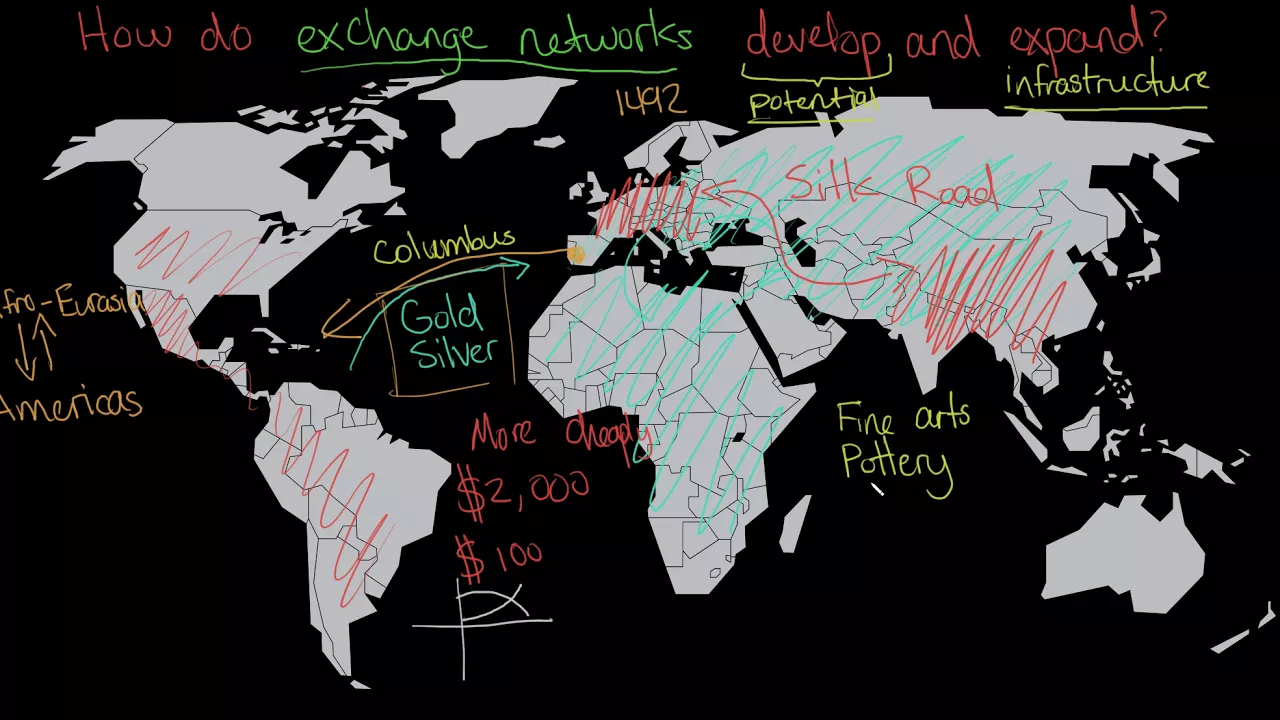
Added:Understanding of the state of Afro-Eurasia and the Americas prior to 1492, including their geographical isolation from one another.
Basic knowledge of the Age of Exploration, particularly the motivations of European explorers (e.g., trade routes, wealth, and religion) and key maritime advancements.
Fundamental concepts of immunology and epidemiology, specifically how isolated populations lack immunity to foreign pathogens.
An introduction to the concept of ecosystems and how the introduction of non-native species can disrupt existing ecological balances.
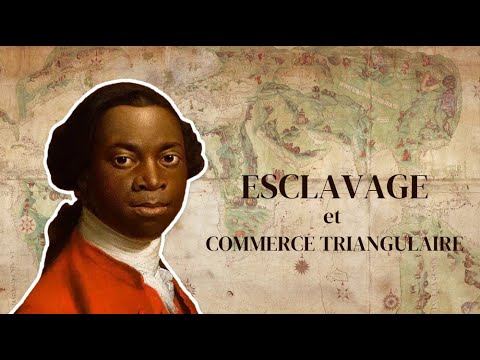
Analysis of the transatlantic slave trade and the establishment of the Triangular Trade system to meet agricultural labor demands.
Study of the 'Price Revolution' in Europe and the shift toward mercantilism and early global capitalism driven by American silver and agricultural wealth.
Examination of the long-term demographic impacts, such as the European and Asian population booms caused by calorie-dense New World crops like potatoes and maize.
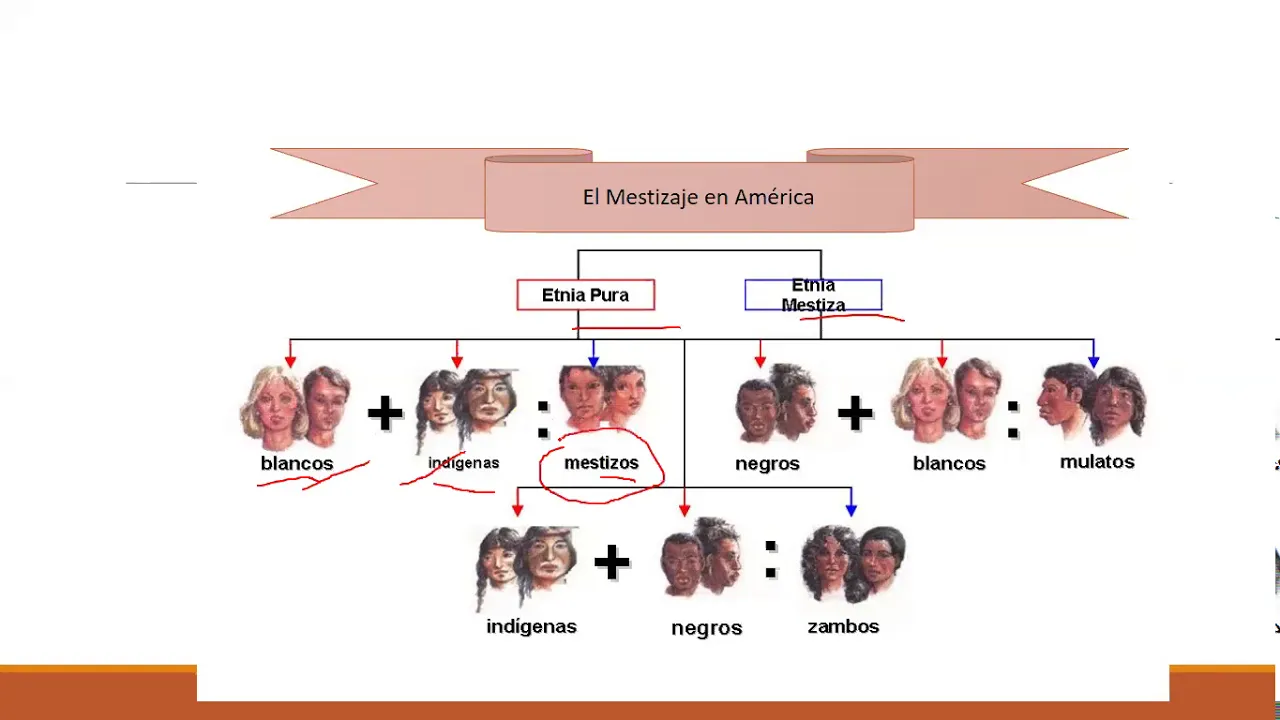
Investigation of the social and cultural syncretism that occurred in the Americas, including the emergence of new racial hierarchies (e.g., the Spanish casta system) and blended religious practices.
5.4M views45.7Klikes12:09Original Release: 2012-06-28
Hi. I’m John Green, this is Crash Course World History and today's video is kind of a response to one of the most riveting history books you'll ever read, the Columbian Exchange by David Crosby. He had a good year in 1969-- published The Columbian Exchange, played Woodstock, he was still on his first liver. What? It was Albert Crosby? Gash! History, never being as interesting as I want it to be.
Right, so it was Alfred Crosby Jr., and in that book he wrote, "The big questions are really the only ones worth considering, and colossal nerve has always been a prerequisite for such consideration." I love it!
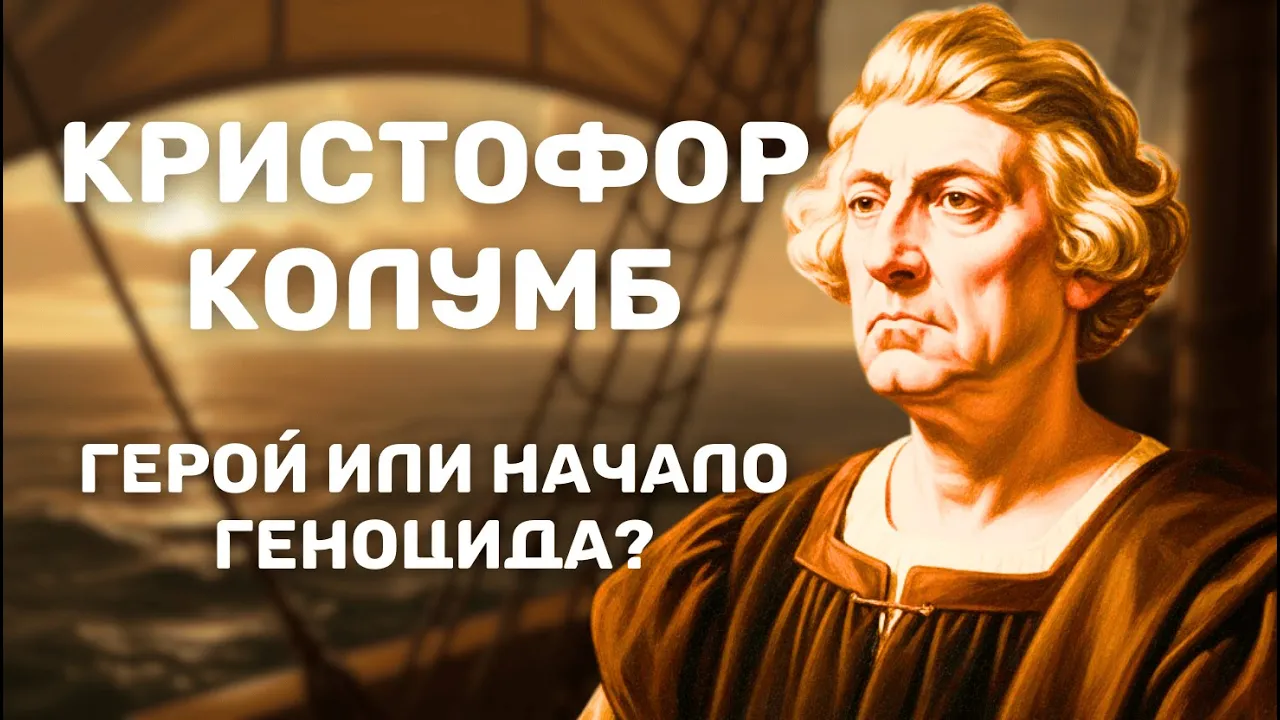
Before 1492, we couldn't really talk about a world history at all, we could only talk about the different histories of separate regions, but Columbus changed all of that, and everything else. The Columbian Exchange irrevocably homogenized the world's biological landscape. Since Columbus, the number of plant and animal species has continually diminished, and the variation in species from place to place has diminished dramatically. I mean, the first European visitors to the Americas had never seen a tomato or a catfish; Native Americans had never seen a horse, and by making our planet biologically singular, the Columbian Exchange completely remade the populations of animals, particularly humans. And vitally, this cross-pollination also made possible such wonders as contemporary pizza.
[theme music] So we're going to break the Columbian Exchange down into four categories: Diseases, boy, you're looking good Smallpox, I'm glad you've been eliminated; Animals, Plants, and People.
Mr. Green, Mr. Green! People are animals.
Yeah, that's true, me from the past, but just for the sake of simplicity we're-- Also, when you think about it, microbes are kinda animals and plants are, too, I mean-- Oh my god, shut up before I kill you and create a time travel paradox.
Microbes, like those hairy blokes back there, were a definite negative in terms of the Columbian Exchange. Terminology is hard here, but the majority of Caribbean Islanders or Native Americans or Amerindians had exactly one response to the arrival of Europeans: death.
We can't be sure of how many natives died as a result of European arrival but it was definitely more than 50% and some estimates place it as high as 90%. Historians used to blame European brutality, which was definitely a factor, but the main culprit was disease.
Smallpox is usually seen as the villain of the story but it is more likely that a series of diseases in combination did the damage. Along with smallpox, Americans were killed by measles and mumps, typhus, chicken pox, none of which they had been previously exposed to. This astonishing decrease of population was definitely the worst effect of these diseases, both psychologically and demographically.
But the secondary effects were almost as bad. For one thing the deaths of Aztec and Incan rulers touched off wars which made it easier to spread disease, because you know, the number one way to catch smallpox is via hand-to-hand combat. Plus leaders kept dying. Huayna Capac, the leader of the Incan empire, succumbed to smallpox before Pizarro even arrived. His death led to a violent succession struggle between his sons which was won by Atahualpa, who in turn was captured and killed by Pizarro. And without that war, the Inca would have had a much better chance against the Spaniards, whose numbers were comparatively tiny. A similar thing happened to the Aztecs. The Moctezuma who eventually lost to Cortés was the nephew of a much more powerful king who died of smallpox. And the death of that great king encouraged some of the smaller states in the Aztec empire to rebel, and some of them even fought for the Spaniards.
And another effect of disease was starvation, because there simply weren't enough people left to grow crops to feed the living. And the malnutrition made survivors that much more susceptible to disease. In short, it sucked.
The transmission of disease largely went one way, from the Old World to the New, but the Americans did have one gift for Europe: venereal syphilis. It showed up in Europe around 1493, and even though Europeans are very fond of ascribing syphilis to each other: Italians called it the French disease; the French called it the disease of Naples; Poles called it the German disease; Russians called it the Polish disease. The truth is, venereal syphilis was spread by sailors who'd returned from the Americas.
In fact, in his book, The Columbian Exchange, Crosby tells it like this: "Sailors, by the nature of their profession, are men without women and therefore men of many women. We can imagine no group more perfectly suited for guaranteeing that venereal syphilis would have worldwide distribution." Who says history books are boring? Syphilis would go on to infect a veritable who's who of Europe: from Baudelaire to Gauguin to Nietzsche, not to mention numerous family members of the famously infertile Tudor and Valois families, meaning that syphilis may be responsible for many of those miserably boring dynastic power struggles of post-Columbus Europe. Anyway, nothing against syphilis, but it pales in comparison to the devastation wrought by Old World diseases arriving in the New World.
But the New World did have one gift for the Old World that was pretty destructive: tobacco.
Oh, it's time for the open letter and there's been a costume change? That doesn't bode well.
An Open Letter to Tobacco.
But first let's see what's in the secret compartment don't be cinnamon don't be cinnamon don't be -- dang it!
I guess that I'm going to do the cinnamon challenge. Oh, I am not happy about this Stan, for the record -- alright, I'm going to do the cinnamon challenge: one tablespoon of cinnamon in my mouth, no water.
Huh, boy, that -- that sucked. I, I uh regret r-regret doing that to be honest with you.
Dear Tobacco, I just did something really stupid but at least it was cheap. I'm gonna tell you two stories about smoking, the first come from my high school history teacher Raoul Meyer who also writes Crash Course. When I was a senior in high school he walked up to me and he said, "I want you to keep smoking. I want you to smoke until the day after your 65th birthday, and then I want you to die so that I collect all of your social security." That inspired me, Mr. Meyer, to quit smoking just eight short years later.
Here is an amazing statistic: cigarettes were handed out to American servicemen during World War II and more soldiers who started smoking during the war died from smoking than died from the war.
So if the New World was looking to extract some measure of revenge for smallpox, and measles, and chicken pox: Mission accomplished.
Best Wishes, John Green Now onto animals. American animals, like llamas and guinea pigs, never really caught on in Eurasia. But imports to the Americas, like pigs, cows and horses were revolutionary.
Let's go to the thought bubble: First of all, these animals, especially pigs, completely remade the food supply. Pigs breed really quickly, they eat anything and they turn into bacon, which made them heroes to the new world just as today they are heroes to the internet. Here's how quickly pigs breed: When Hernando de Soto arrived in Florida in 1539, he brought 13 pigs. By the time of his death, there were 700 - that was 3 years later. The abundance of meat and plentiful land for agriculture and grazing meant that Europeans in the Americas very rarely experienced famine, and despite what you may have learned about religious and political freedom, the main reason Europeans came to America was to eat.
Large European animals also changed the nature of work in the Americas. Before Europeans, the largest beast of burden was the llama, and at best it could carry like, 100 lbs.
This meant that for the long distance travel that the Inca engaged in, the primary transportation animal was Incas. Oxen, when combined with their plows, made it possible to bring more land under cultivation and also made transportation easier and more efficient, and plus European animals remade culture.
The grossly stereotypical American Indian, like from the movies, riding the Great Plains with an eagle feather headdress and war paint, well he didn't exist before the Columbian Exchange because there were no horses for him to ride. And the introduction of horses allowed many Native Americans to abandon agriculture in favor of a nomadic lifestyle because riding around hunting buffalo made them far richer than farming ever had. Thanks Thought Bubble.
While animals and diseases completely reshaped the New World, it was New World plants that had the biggest effect on Eurasia.
Sure, Europeans brought over some crops that we now grow here in the Americas like wheat and grapes, both of which are necessary for Catholic mass, but New World plants radically changed the lives of millions, maybe hundreds of millions of Africans, Asians and Europeans, specifically by making pizza possible.
[Heavenly singing, "It was the greatest gift of all."]
I mean until 500 years ago Italians lived without tomatoes, without modern pizza or marinara sauce or pizza or ketchup or pizza or even pizza. Indians lived without curry, which contains chilies, a New World food. Persians lived without corn, which is a New World food, as are beans and potatoes and avocados and peanuts and blueberries - the list goes on and on.
And these New World crops led to probably the greatest population increase in history.
To quote Crosby, "It is crudely true that if man's caloric intake is sufficient, he will somehow stagger to maturity, and he will reproduce."
And New World food was far more caloric than Old World food, which is the central reason that the world population doubled between 1650 and 1850. Plants like corn and potatoes could grow in soils that were useless for Old World crops. Potatoes were actually introduced to Europe as an aphrodisiac, but it turns out that you have to distill those potatoes into vodka before they have the desired effect. Anyway, if potatoes are an aphrodisiac, the Irish quickly became the hottest people on Earth.
An acre and a half of potato cultivation could feed an Irish family for a year, and the average Irish worker often ate 10 lbs. of potatoes every day. Surviving primarily on potatoes, the Irish more than doubled their population between 1754 and 1845, when the Potato Famine showed up and ruined everything.
And it wasn't just Europe. Manioc, or cassava is a New World plant with roots that provide more calories than any other plant on Earth, provided they are properly processed (otherwise they're poisonous). Manioc is so prevalent in Africa that many Africans swear that the plant is native to the continent, but it isn't.
Nor are sweet potatoes, and while New World grains never replaced rice in Southeast, or East Asia, the sweet potato was so common that it is known as the "poor person’s staple" in China. Even in Japan, the tomb of the farmer who is reputed to have first brought them to the islands is known as the Temple of the Sweet Potato. And it's also worth noting that corn, while it may not feature prominently in European diets, has been the central source of food for animals in Europe for centuries.
And in fact, that's still the case. In 2005, 58% of the corn grown in America went to animal feed (is the kind of thing you learn when you live in Indiana).
Alright, so last but not least, the Columbian exchange involved the transfer of lots of people. Again, in the early stages this movement was mostly one way, with Europeans and Africans - the Africans usually against their will - making their way to the Americas.
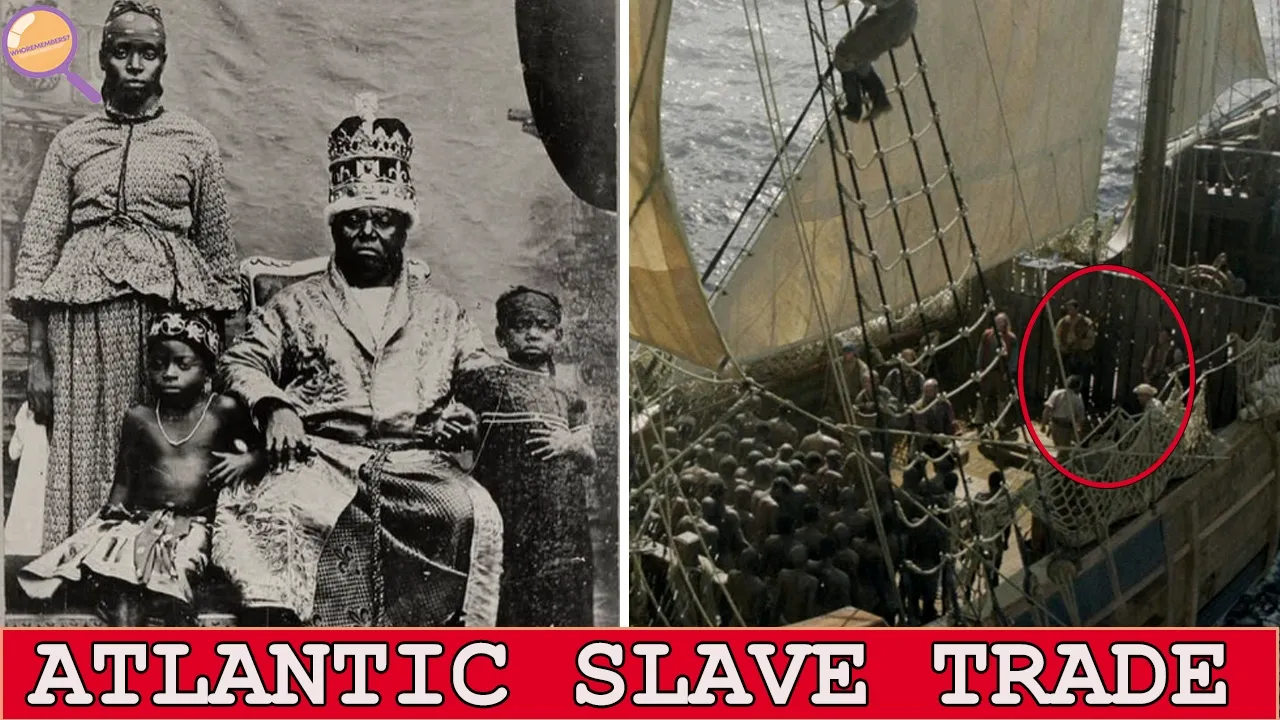
So the Columbian Exchange led to the re-population of the New World following the disease devastation of the initial encounter. And better nutrition allowed the population of the Old World to grow which in turn placed population pressure on Eurasia which led to more people coming to the Americas. In the process, the world's human inhabitants became more genetically and ethnically interconnected. But it also led to the horrors of Atlantic slavery, which we'll be discussing next week.
What are we to make of the Columbian Exchange? It devastated the population of the Americas, it led to the widespread slavery of Africans, but it also allowed for a worldwide population increase and the lives of some Natives including Plains tribes like the Lakota became better and more secure, at least for a while.
Fewer people have starved since the Columbian Exchange began, but the diversity of life on Earth has diminished dramatically and planting crops where they don't belong has hurt the environment.
So on the whole, should we be grateful for the Columbian Exchange? And should we work to continue and deepen its legacy of globalism and monoculture?
Crosby didn't think we were better off. "The Columbian Exchange has included man, and he has changed the Old and New Worlds sometimes inadvertently, sometimes intentionally, often brutally. It is possible that he and the plants and animals he brings with him have caused the extinction of more species of life forms in the last four hundred years than the usual processes of evolution might kill off in a million... The Columbian Exchange has left us with not a richer but a more impoverished genetic pool. We, all of the life on the planet, are the less for Columbus, and the impoverishment will increase."
But let's give you the last word today: Do you agree with Crosby? Are longer, healthier lives for more humans worth the sacrifice of an impoverished biosphere? And most importantly, how will your conclusions about those questions shape the way that you live your life?
Thanks for watching. I'll see you next week.
Crash Course is produced and directed by Stan Muller. Our script supervisor is Danica Johnson.
The show is written by my high school history teacher, Raoul Meyer, and myself, and our graphics team is Thought Bubble.
Last week’s phrase of the week was "Mario and Luigi,” thanks for that suggestion.
If you want to suggest future phrases of the week you can do so in comments or you can also guess at this week’s phrase of the week, and ask questions about today's video that will be answered by our team of historians. Thanks for watching Crash Course, and as we say in my hometown, Don't Forget To Be Awesome.
Up Next
31:31
Sugar, Slavery, and Modern Capitalism: A Historical Analysis
@YoungDonReacts
28.2K views•2026-03-24

33:02
The Great Schism of 1054: Causes and Consequences
@SacredCathedrals
113.5K views•2026-02-19

12:28
European Protests of the 1960s: Crash Course European History #45
@crashcourse
314.5K views•2020-06-20

17:05
Understanding the Cold War: Superpower Conflicts and the Road to Détente
@OverSimplified
46.1M views•2019-01-24
Related Study Plans & Knowledge Roadmaps
Structured learning paths in History
history
Byzantine Iconoclasm: Theology, Art & Politics
01Foundations of Byzantium and Early Christian Images
02The First Iconoclasm: Leo III and the Crisis of Images
03Empress Irene, Nicaea II, and the Second Iconoclasm
+ 2 more learning modules
9h5 modules
Explore Roadmap
history
Iranian Revolution (Causes, Events & Legacy)
01The Pahlavi Dynasty and the Roots of Discontent
02The Spark of Rebellion and the Rise of Khomeini
031979: The Fall of the Shah and the Climax of the Revolution
+ 2 more learning modules
8h5 modules
Explore Roadmap
history
Mali Empire: Mansa Musa, Trade & Timbuktu
01Foundations of the Mali Empire
02The Trans-Saharan Gold and Salt Trade
03The Reign and Pilgrimage of Mansa Musa
+ 1 more learning modules
6h4 modules
Explore Roadmap
history
1947 Partition: Politics, Borders & Legacies
01Foundations of British India and the Divide
02The Political Negotiations and the Mountbatten Plan
03Drawing the Boundary: The Radcliffe Line
+ 2 more learning modules
8h5 modules
Explore Roadmap