





























The American middle class has been progressively shrinking since the mid-20th century due to a combination of factors including slowing productivity growth (from 2.8% to 1.4% annually), increasing income inequality, and demographic shifts in labor force participation; this phenomenon, often termed the 'squeezed middle,' is evidenced by OECD data showing it would take over five generations for a low-income person to reach median income levels, reflecting how economic forces have fundamentally altered class mobility and wealth distribution in advanced economies.
The Shrinking Middle Class: Causes and Economic Impact | AltSimplified
Added:Understanding of basic income distribution metrics, including how socioeconomic classes (lower, middle, and upper) are statistically defined using median household income.
The concept of labor productivity and how it historically correlates with wage growth and employee compensation.
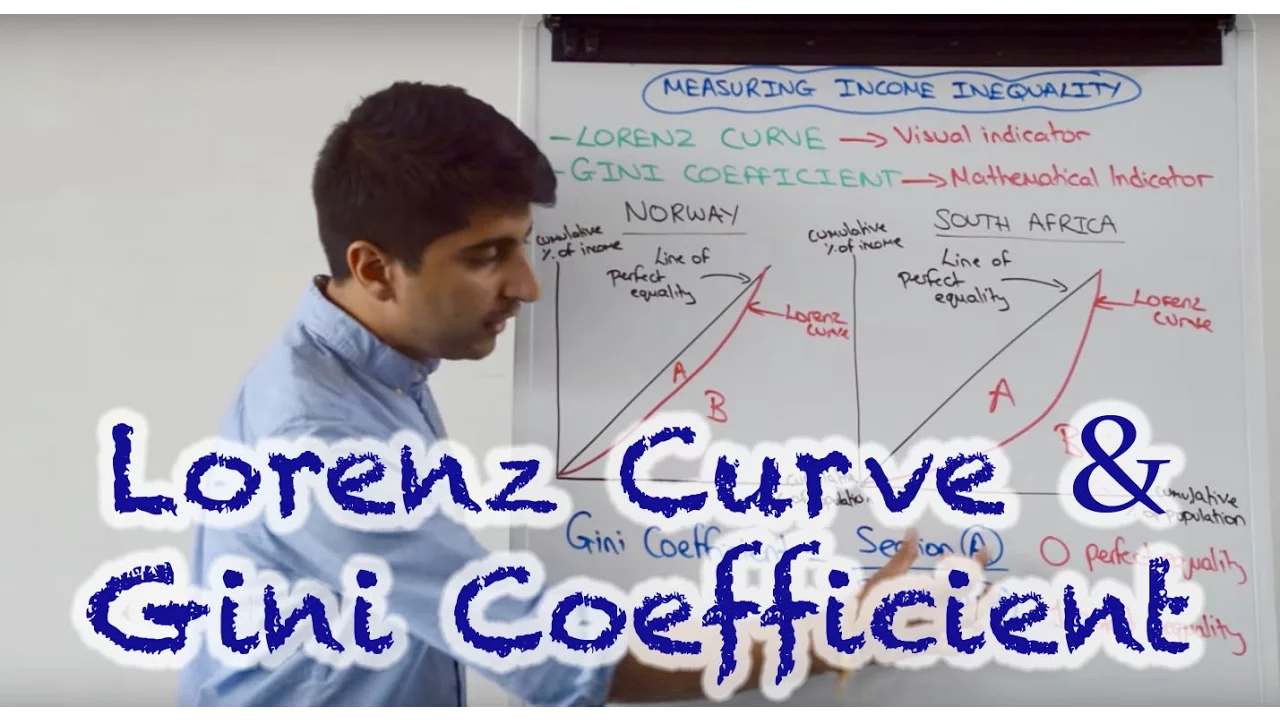
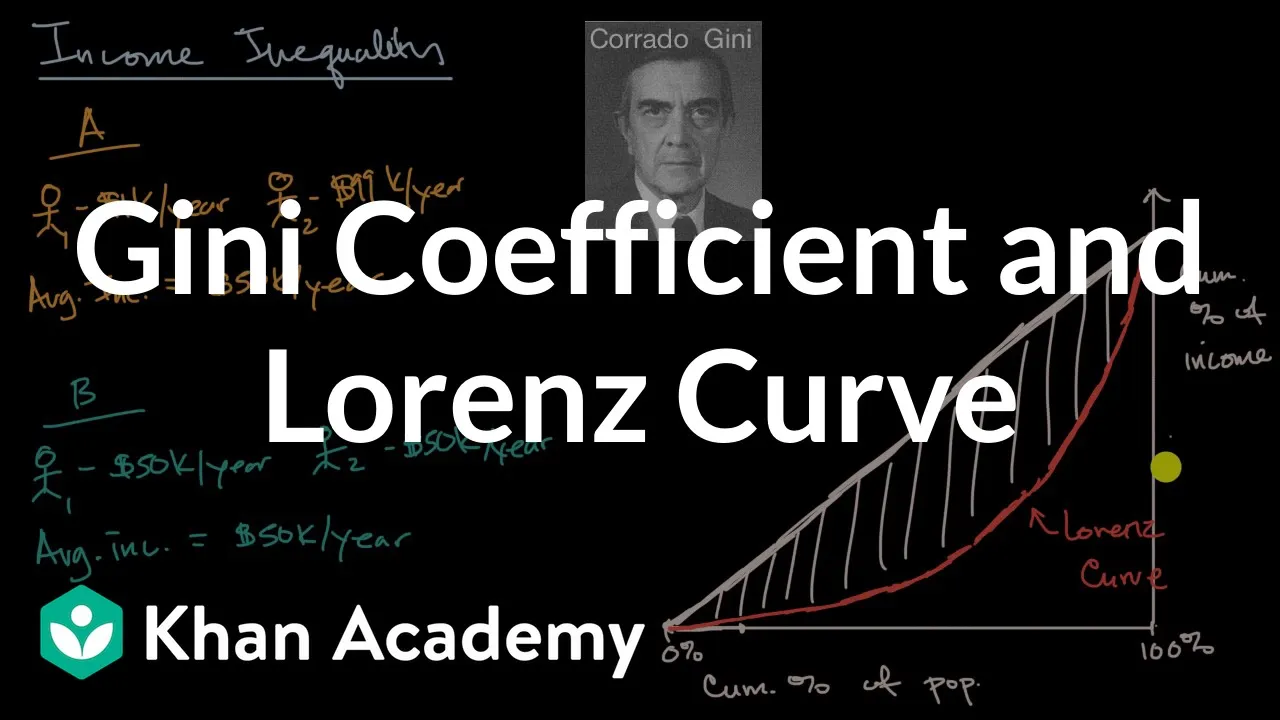
An introduction to measuring economic inequality, specifically through tools like the Gini coefficient and share of national income by percentiles.
The difference between real wages (adjusted for inflation) and nominal wages, and how purchasing power is calculated.
Exploration of fiscal policy solutions to wealth disparity, such as progressive taxation, wealth taxes, and universal basic income (UBI).
The impact of automation, artificial intelligence, and globalization on the 'hollowing out' of middle-skill jobs, also known as job polarization.
The study of intergenerational social mobility and the barriers that prevent individuals from moving upward through income brackets.
The political and social consequences of economic inequality, including its effects on democratic stability, public trust, and civic participation.
69K views1.1Klikes11:35Original Release: 2021-03-07
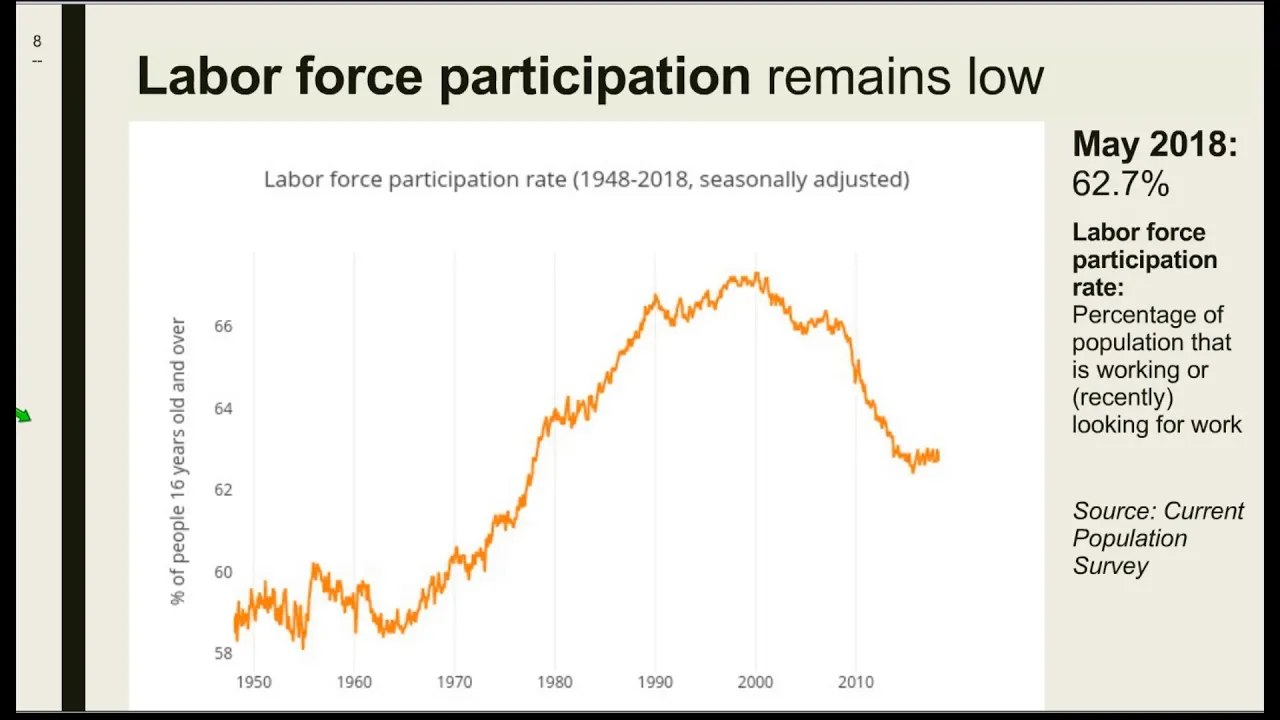
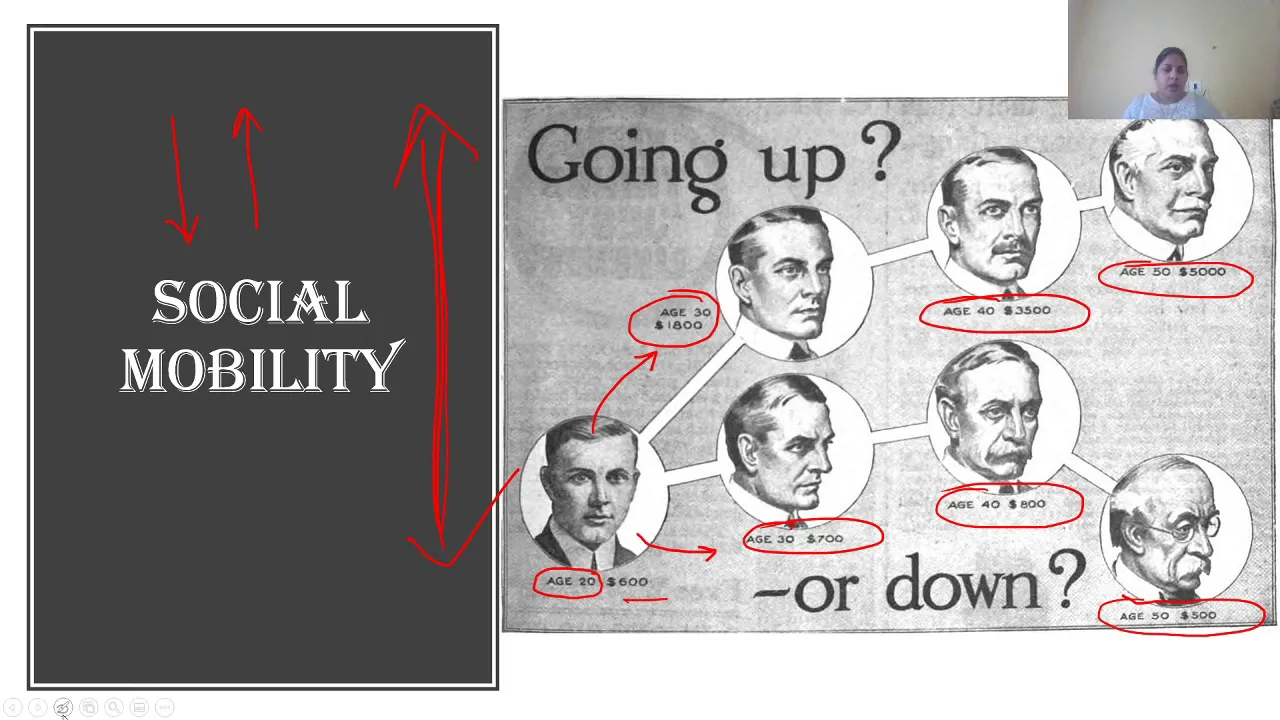
this is a chart of how america's income classes have changed over time what's striking is that whilst the middle class has become smaller and smaller a similar proportion of people have moved towards the lower and upper income bracket what this certainly doesn't reflect is how the wealth of the top 1 has risen to ridiculous levels but what it does reflect is just how complicated the economic picture has become the question as always is why why has the middle class in both the united states and in most advanced economies around the world become smaller who actually falls into this category what core economic factors are behind the squeezed middle why does the oecd estimate it will take 5 generations or more than 150 years for a low income person to reach the medium income and do all studies point to the same conclusion if you're watching this shortly after upload we'll be going live on the old simplified discord server after the first hour to answer any of your questions the link to which is in the description below now back to the video a good place to start would be how do you define the middle class given the choice of defining themselves as lower middle or upper class about two-thirds of people in the oecd would define themselves as being in the middle and whilst this is loosely reflective of actual incomes even after ignoring for social classes self-identification still tends to lead to a middle income bias a bias explained by the income thresholds people of different wealth tend to associate with different classes in general the less well-off tend to underestimate thresholds whilst the rich tend to overestimate where income boundaries start and end meaning more of the population identify with the middle than the economic reality which is fair enough because unlike us most people don't go around looking at national income reports sadly and that's all well and good but what is the reality in truth there is no one standardized definition when it comes to middle class income always something you should watch out for but here are some common definitions the oecd tends to define income classes on a relative basis a middle class income is anywhere between 75 to 200 percent of a nation's median income suggesting those below 75 of the threshold are lower income and those above 200 percent fall in the upper income bracket a more broad based approach is to take the 60 of the population falling around the medium income as this captures a wide enough group whilst avoiding extreme outliers alternatively things can be assessed on a more absolute basis than relative one like multiples of the federal poverty levels in the us the point of all this being studies don't all have one fixed benchmark though most economists are in general agreement that the total number falling into the middle class at any one time has been hollowing out for the best part of half a century creating what some have termed a squeezed middle but what led to the rise of the modern middle class well whilst the idea of a middle class has been around in some shape or form for centuries whether we're talking about medieval merchants or 19th century enterprise what we identify as the modern middle class has its foundations in the aftermath of the second world war at least for america you see the end of the second world war saw over 10 million service men and women return to a grateful nation instrumental to this gratitude was the gi bill not only did the bill help fund veterans through college at low interest rates it also provided federally guaranteed mortgages enabling veterans to enter the growing class of suburban professionals this transition was underpinned by the development of the interstate highway system across america a network of roads which dramatically increased access to cheap land for even cheaper housing such pieces of legislation whilst important were just one part of a much larger series of events which aided the rise of the middle class not to mention that not all minorities benefited fully from what the bill had to offer at the time so what if anything were the key turning points for the middle class economists have always tried to identify variables which impact other variables in this case middle class incomes so with that in mind the council of economic advisers note that post-war middle class incomes in the u.s have been largely influenced by three factors the growth in productivity how incomes have been distributed and how many people participate in the labor force between the late 40s and early 70s all three factors aligned to produce a healthy middle class a great example of this is rising us labor force productivity averaging an impressive 2.8 percent per year the period also saw the large-scale entrance of females into the workforce rising from a third to a half by the end of the period however like most things this time of alignment was not to last forever being replaced in the mid 70s all the way through to the mid 90s by a time when things started to break down for example the incredible growth rate in labor productivity slowed from 2.8 percent to 1.4 percent per year whilst the distribution of income became increasingly unequal nonetheless labor force participation continued to increase as dual income households became the new normal many economists also suggest that incomes would have stagnated or even outright declined over the period if it weren't for rising rates of female participation yet this participation rate would peak at the beginning of the millennium whilst the numbers of males in the workforce continued a steady decline going back to the 1960s something largely driven by decreasing or stagnant wages for those at the bottom end of the pay scale not to mention that at the same time wages were stagnating for some there had been a growing focus on the wealth of the 1 or even the 0.1 percent in fact when it comes to the middle classes relative to the top 1 it's just as useful to look at total assets as it is incomes looking at how assets are distributed reveals that the top 1 of households in america own over half of the nation's shares in stock a ratio which completely reverses for the bottom 50 percent who own approximately one percent of all the shares a pattern familiar with a number of other asset classes debt turns out to be the most evenly distributed factor in household wealth where the bottom 90 of households own 72 percent of the debt so with that in mind how has consumption impacted the middle class this is where things start to get a little bit more complicated a good proxy for middle class consumption is what people are consuming in the economy overall the data around this is often split into 12 categories where housing health care and transport account for the largest percentages however how these shares of expenditure have changed over the last four decades provides a slightly better understanding of what's going on noting that as a proportion food saw the largest decrease whilst health the largest increase interestingly the average share of housing expenditure was fairly constant but it was already the largest share to begin with now this is all well and good but how relevant is it to the middle class well to help understand this the federal reserve of cleveland has looked at how relative prices have changed compared to medium incomes of one and two person households somewhat unsurprisingly the largest price increase has been seen for education at over 600 percent followed by healthcare at well over a hundred percent meaning increases in the prices of these categories far outstripped the growth of income reflecting a reduction in purchasing power yet to be fair other categories like recreation and communication have seen substantial decreases which is not all bad as holidays and watching youtube videos or watching youtube videos on holiday has at least become cheaper now up until this point we've talked a lot about how the american middle class has met some setbacks though what other points should we consider firstly it's crucial to remember there is no one standard benchmark when it comes to middle-class incomes economists often look at an incredible amount of data and draw different conclusions a great example of this is looking at how medium household incomes have changed over time which shows that incomes have risen but this doesn't account for changes in population you see over time households have become older and more educated on average creating a positive impact on household income after adjusting for demographic changes like age education and minorities the income growth is still positive but not nearly as much just another point to consider when looking at data also a lot of research tends to take a snapshot of incomes at any one particular point in time which can lead to different results compared to tracking the same group of people over time in fact a recent study tracking two groups over 15 years one starting in the 60s and the other early 2000s found that whilst the number of people falling into the middle income over the two periods narrowed a substantial number of those people had moved into the upper income bracket which creates a slightly less bleak picture yet at the same time it's worth pointing out that upward mobility for those starting at the lowest income brackets has become harder as well as income growth at the top being almost twice as fast for those falling into the middle with more specialized roles attracting a growing premium compared to the average something reflected by levels of education with the number in the higher income brackets obtaining at least a bachelor's or above growing over the two periods though let's be clear here this isn't to say that all degrees attract a college premium as the returns from a degree in something like meme studies may unfortunately not be as great as one in science tech engineering or math the key point is that the chances of finding someone with a degree as you move up the income levels has certainly increased over time helping to explain why universities can charge such eye-watering amounts of money with student debt exploding to reach 1.7 trillion dollars in 2021 greater than the gdp of russia so overall the middle class has undergone radical change over the post-war period economists have attributed growing incomes or a lack of growth for that matter to factors like productivity labor force participation rates and how the incomes get distributed it's striking to see how many different ways there are to look at this and of course there are literally thousands of studies out there just looking into this has definitely raised more questions than it's answered a pandora's box of economics if you like one that in truth is way beyond the scope of a 15 minute youtube video but at least we hope this has got you thinking it sure did for us and now it's over to you do you think america's middle class has been eroded does income matter as much as social factors one of the reasons we chose to focus on the us was because of the sheer volume of data to hand and we'd be interested to hear your thoughts in the comments below we'll also be going live on the discord server one hour after upload also if you've enjoyed this video please consider leaving us a like and subscribing and as always see you in the next video
Up Next

63:15
Anna Stansbury: Labor Market Power and Inequality | MIT Economist
@scunning
863 views•2022-10-09

5:07
Impact of Yuan in Indo-Russian Trade Amid Sanctions
@WION
261.9K views•2022-07-01
10:33
Behavioral Economics Explained: Rationality, Nudges, and Risk
@crashcourse
1.1M views•2016-03-12

113:18
The Age of Easy Money: Fed & Inflation | Full Documentary
@frontline
21.2M views•2023-03-15
Related Study Plans & Knowledge Roadmaps
Structured learning paths in Economics
economics
Sovereign Debt: Defaults, IMF & Restructuring
01Introduction to Sovereign Debt & Government Bonds
02Debt Sustainability & Credit Ratings
03Anatomy and History of Debt Crises
+ 2 more learning modules
12h5 modules
Explore Roadmap
economics
Market Design: Matching Theory & Gale-Shapley
01Introduction to Market Design and Price-Free Markets
02Two-Sided Matching & The Gale-Shapley Algorithm
03School Choice Systems and Mechanism Design
+ 2 more learning modules
10h5 modules
Explore Roadmap
economics
Impossible Trinity: Forex, Capital & Policy
01Introduction to Monetary Policy and Central Banking
02Exchange Rates and International Capital Flows
03The Mundell-Fleming Model
+ 2 more learning modules
8h5 modules
Explore Roadmap
economics
Healthcare Economics: Market Failures & Systems
01Introduction to Healthcare Markets and Market Failure
02Asymmetric Information and Adverse Selection
03Moral Hazard and Insurance Design
+ 2 more learning modules
12h5 modules
Explore Roadmap