












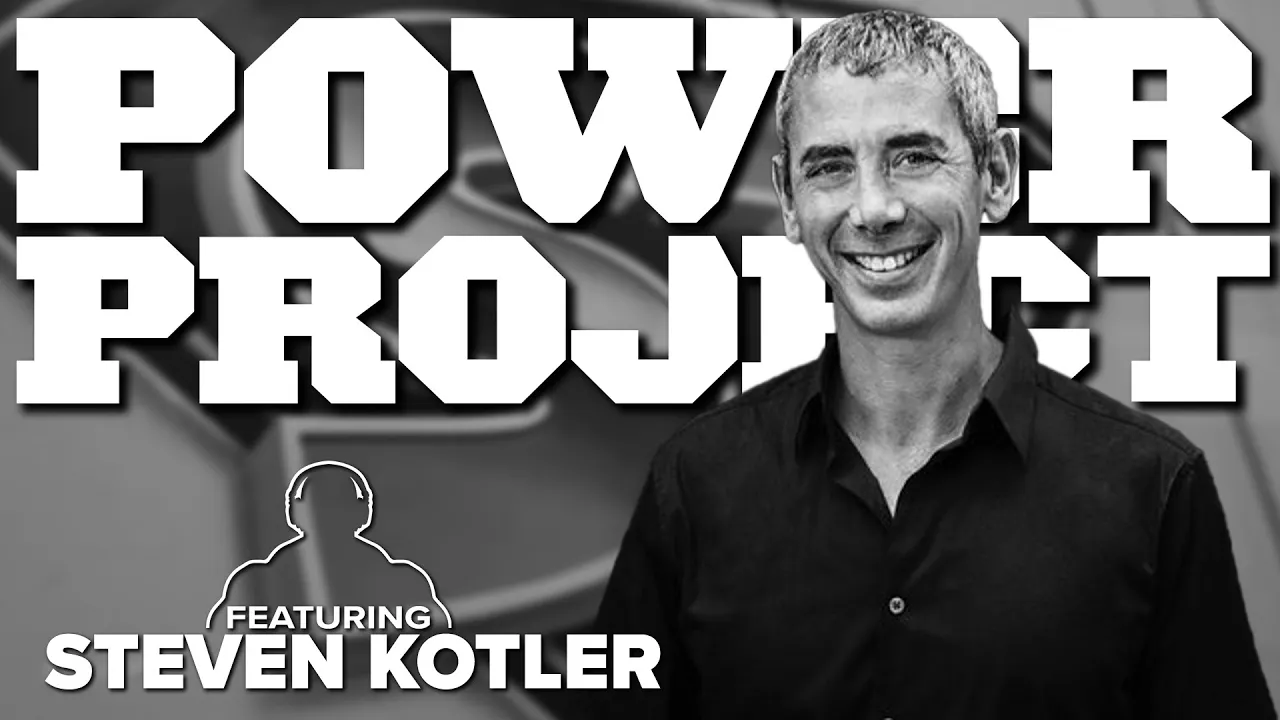












Flow is triggered by immediate feedback, which requires shrinking feedback cycles to days rather than months; combining physical exercise with mindfulness techniques like box breathing helps achieve flow, while pattern recognition and reading diverse non-fiction material outside your core area amplifies creativity and flow potential.
Flow State Triggers: Immediate Feedback, Box Breathing, and Creativity
Added:The fundamental definition of the 'Flow State' as conceptualized by psychologist Mihaly Csikszentmihalyi, specifically the balance between challenge and skill level.
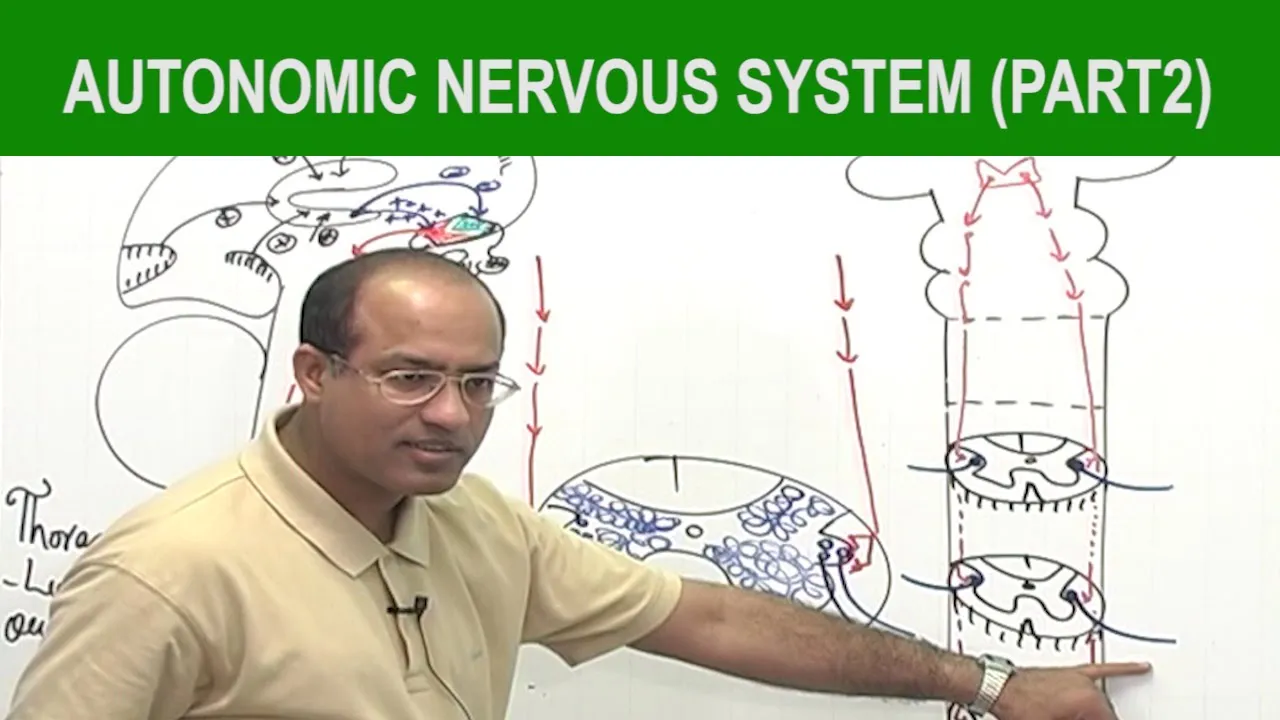
Basic mechanics of the autonomic nervous system, particularly how the sympathetic (stress response) and parasympathetic (relaxation response) systems govern physiological arousal.
The concept of feedback loops in cognitive psychology and how immediate versus delayed outcomes influence human motivation and behavior.
An understanding of basic cognitive load theory and the physiological and psychological barriers to maintaining deep focus.
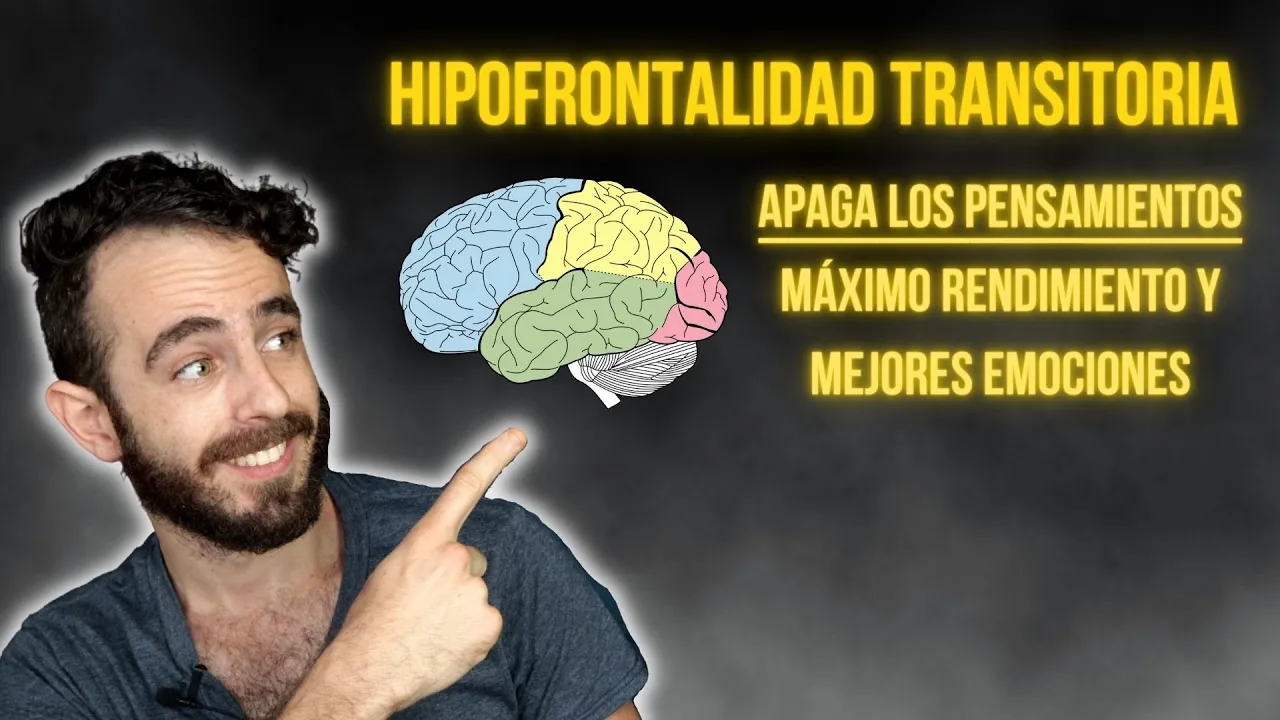
The neurobiology of flow, specifically the role of neurotransmitters like dopamine and endorphins, and the phenomenon of transient hypofrontality in the brain.
Advanced flow triggers, including social/group flow dynamics and environmental triggers utilized in high-consequence performance domains.
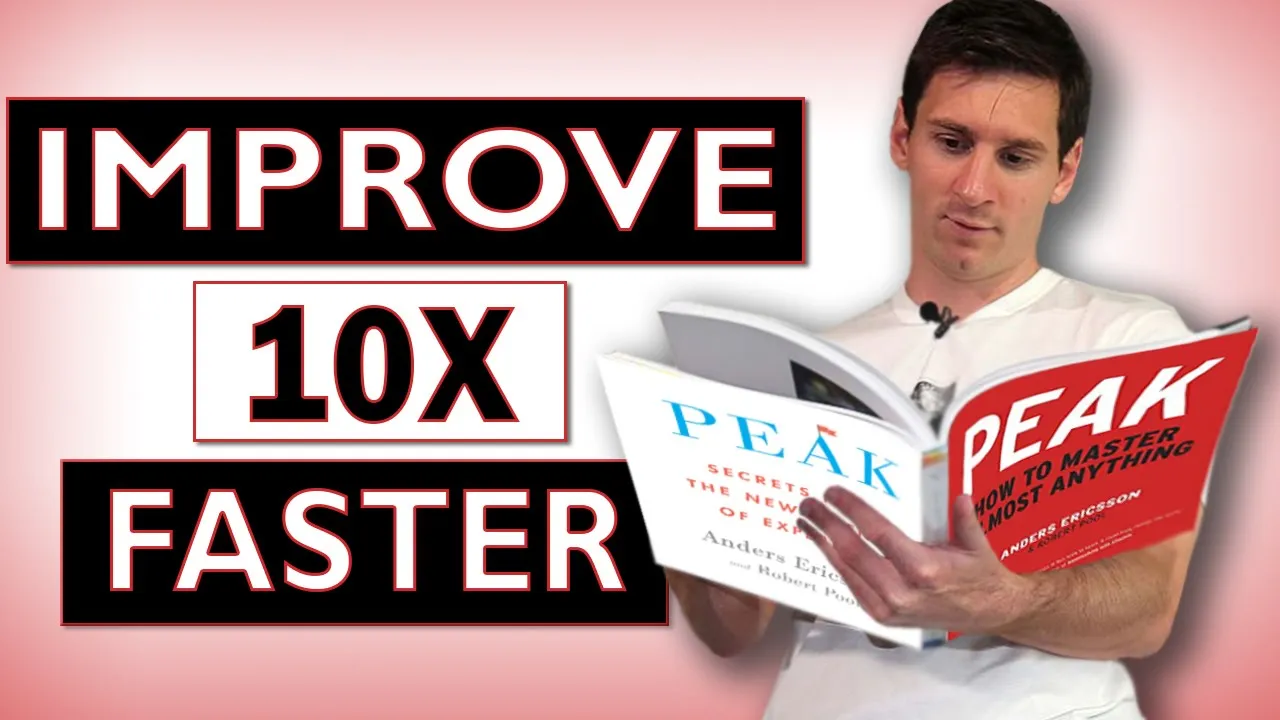
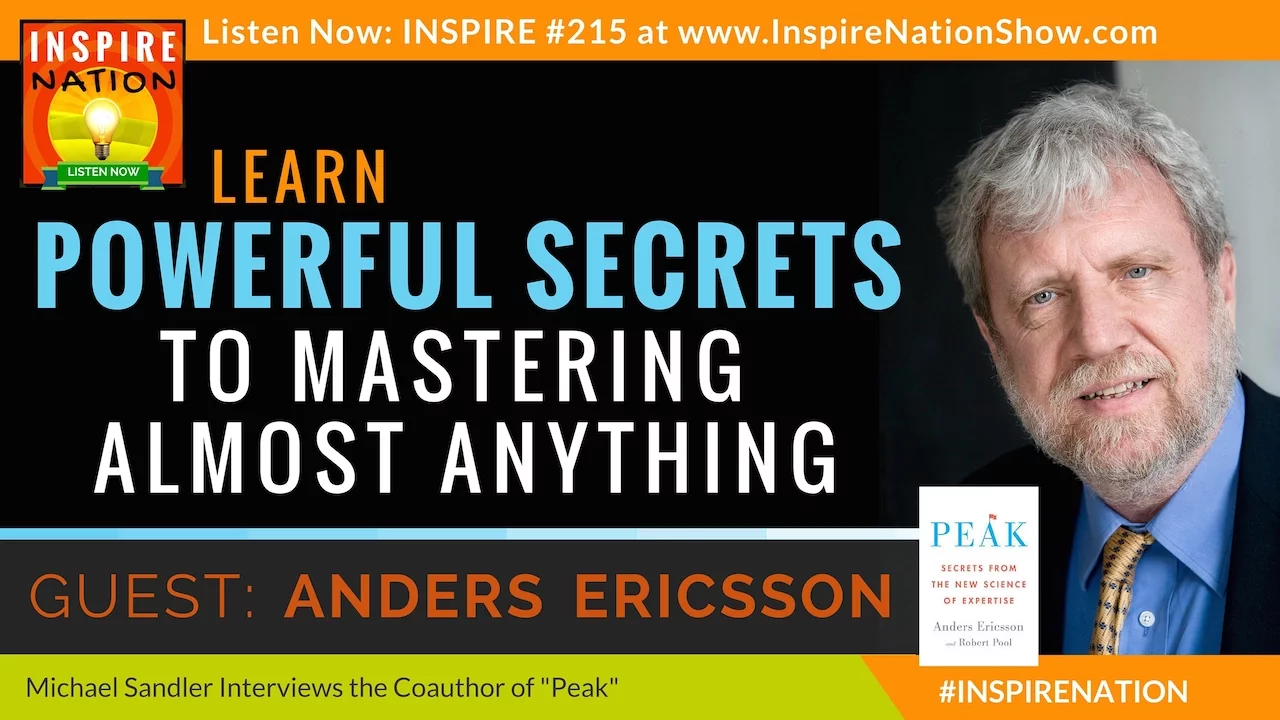
K. Anders Ericsson's theory of Deliberate Practice and how systematic, immediate feedback loops can be designed to accelerate skill acquisition.
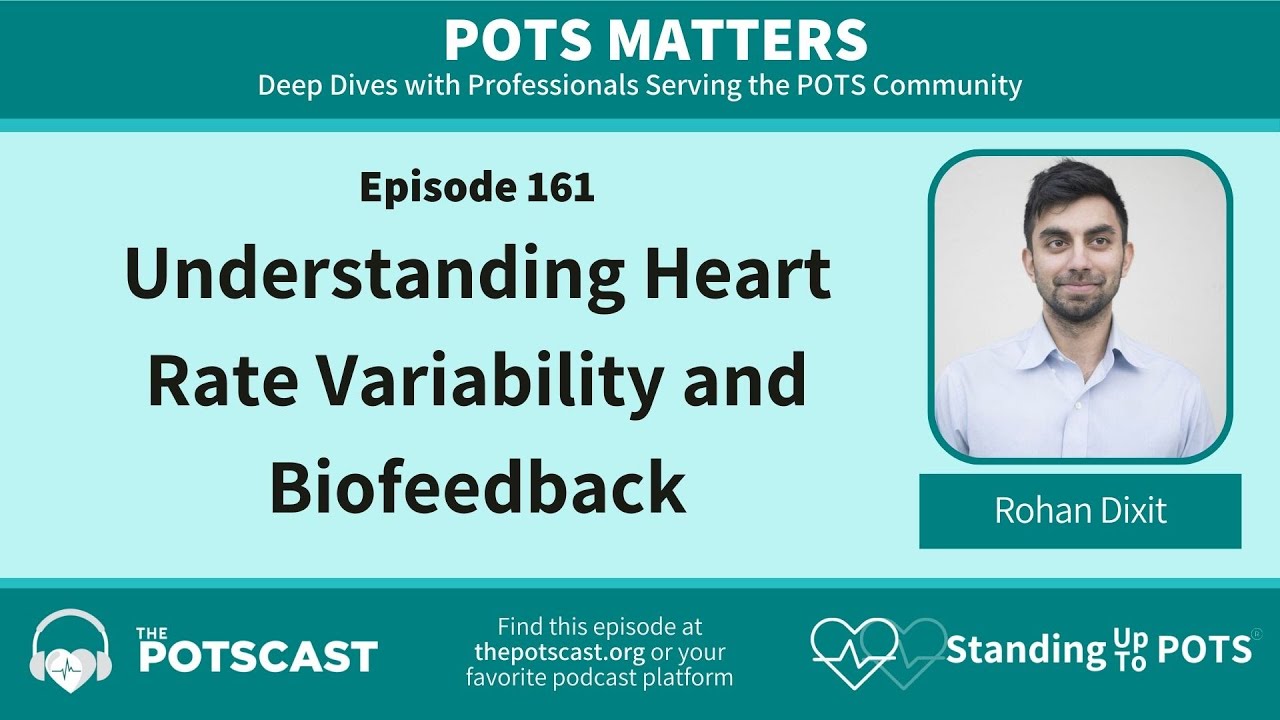
The science of Heart Rate Variability (HRV) and how clinical biofeedback tools can be used to measure and optimize the physiological effects of breathwork.
243.7K views6.7Klikes5:43Original Release: 2019-03-27
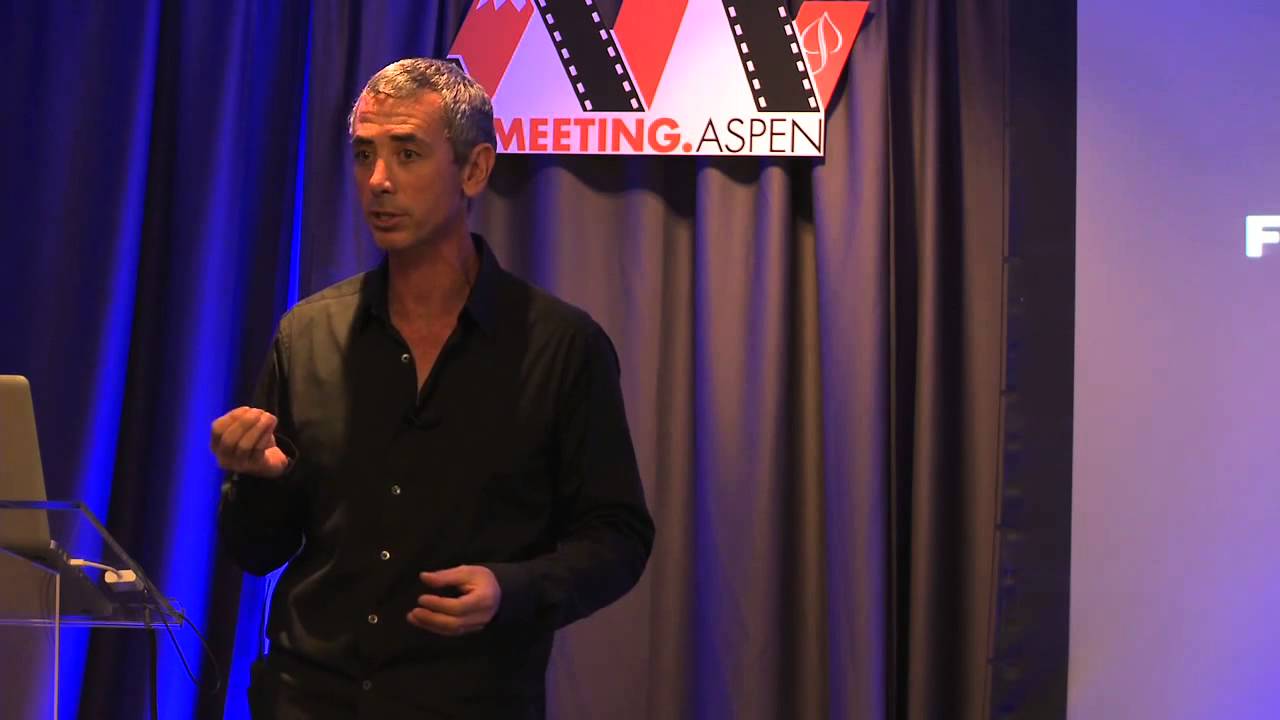
one of flo's triggers is known as immediate feedback this is one of the reasons action adventure sport athletes had such an advantage because right immediate feedback either set your ski edge on that hill or you're on a face for a death slide to the bottom of the car right it's immediate feedback so in writing what i discovered for example is editors don't do a hell of a lot of editing they're really busy so you get them that once twice you've written books you know what it's like right they jump in five months in and they give you some notes and they you see them again in five months and maybe you know what i mean it's not what you need so i have um i have a guy on my staff michael who you've met who's my editor and he reads almost everything i wrote usually uh two or three times a week and he gives me what i call the minimal feedback for flow so i have discovered for me and my writing so my watch words are never boring never confusing and never arrogant and i've discovered by the way when i make certain kinds of errors for example if my writing is really fancy i'm using lots of fancy language in my writing usually what that means is um so that would be an example of my writing is arrogant right i'm using and what that means is i haven't done enough homework i haven't done enough research so i'm trying to cover up what is a lack of knowledge with fancy writing and sometimes i don't even notice i don't know that i haven't done enough research i only know it when the fancy writing shows up but i have to usually have somebody pointed out to me so i figured out that my for my as a writer the minimal feedback or flow that i need is is it boring is it arrogant or is it confusing and so every couple of days michael reads whatever it is that i'm working on it answers those questions for me that's the minimal feedback for flow so i tell people is in your work situations obviously you can't get that kind of feedback from bosses very often people are too busy find a feedback buddy find somebody to work with in your life who can give you that kind of immediate feedback because if it's quarterly reviews or yearly reviews it's not enough to generate flow you want to really shrink down those feedback cycles as much as possible i'm a big believer in exercise try i i i exercise at least six days a week um and usually for a couple of hours minimum like i'll go for an hour long hike with my dogs in the morning and then i'll go to the gym in the afternoon or twice a week i uh for me i need action sports i have to hurl myself down mountains at high speeds um i have so there's a recovery period recovery is really important for flow so i have a infrared sauna in my house that i use um and i do uh box breathing every every day in the infrared sauna um and one is blind box breathing box breathing is just it's a kind of mindfulness um it's called box breathing because there's four sides to it so you inhale let's say it's five seconds inhale for five seconds hold it for five seconds exhale for five seconds hold it for five seconds and box breathing and then you do it for six seconds and seven seconds and the reason i find box breathing with the navy seals train is the mindfulness technique they use and the reason is not only is it a good so any kind of mindfulness training is training focus so it's all going to help with flow right all meditation training is going to help drive flow in the end i like box breathing because it's two things so when you exhale all the air from your lungs and you hold your breath which is what you do on one side of that of the box right you exhale and then you hold your breath so if you do that for over seven seconds for most people it depends how good their lungs are it automatically induces a fight or flight response right your brain goes holy crap there's no air in your lungs panic and what you have to do is you have to learn to focus through the panic right and which is one of the secrets especially in action sports or some of the martial arts like learning to focus through the panic is how you achieve flow it's a really good flow skill and it also so you're doubly down regulating the nervous system with box breathing the other thing is it's a complicated enough system that if you're even if you hate meditation and mindfulness anybody can learn to do it because there's enough going on there's some challenge there right so i a big believer in that and the last thing i do that the less kind of flow tip i'm going to give you guys so another flows triggers is creativity flow not only amplifies creativity creativity triggers flow and what really triggers flow is pattern recognition the linking of ideas together okay so if you want to create pattern recognition you actually have to feed the brain ideas and the problem in the modern world is that most of us tend to specialize and when you specialize right the ideas you're getting there's not enough distance between the incoming ideas and older ideas to create pattern recognition so i tell p people who are really interested in this you should read 25 to 50 pages a day preferably in a book and there are reasons i'm not going to go into it here but non-fiction outside your core area in something that you're curious about and just interested about and what you're doing is you're loading the pattern recognition system you're giving yourself kind of the basic necessities for pattern recognition and if you don't do that you can't make those connections so you're denying yourself some of the flow that you can have [Music] you
Up Next
6:33
Time Management vs Task Management: Prioritization Strategies for Deep Work
@JustinSung
304.6K views•2023-03-19

12:54
Triumph of Orthodoxy Icon: Byzantine Art & History Explained
@BenCallan
2.1K views•2024-08-06

9:49
FastAPI vs Flask vs Django: Choosing the Right Python Web Framework
@TechWithTim
302.5K views•2024-05-26

1:42
Game of Thrones Opening Credits: A Cinematic Analysis
@gameofthrones
46.3M views•2011-04-18
Related Study Plans & Knowledge Roadmaps
Structured learning paths in General & Interdisciplinary Studies
general-studies
Elevator Engineering: History, Physics & Cities
01From Hoists to Safety Brakes: The Dawn of Vertical Lift
02Hydraulic vs. Traction: The Engineering Physics of Elevators
03Modern Speed, Safety, and Algorithms
+ 2 more learning modules
12h5 modules
Explore Roadmap
general-studies
Rubber: Material Science, History & Geopolitics
01Origins of Natural Rubber & Mesoamerican History
02The Chemistry of Natural Rubber & Vulcanization
03The Geopolitics of the Rubber Boom & Colonization
+ 2 more learning modules
12h5 modules
Explore Roadmap
general-studies
Containerization: Evolution, Logistics & Trade
01Ancient Trade & Bulk Cargo: Amphorae to Barrels
02The Industrial Revolution & Cardboard Packaging
03The Containerization Revolution: Malcom McLean
+ 2 more learning modules
12h5 modules
Explore Roadmap
general-studies
Textile Tech: Evolution, Labor & Global Impact
01Pre-Industrial Textiles: Handloom & Cottage Industry
02Mechanization: The Spinning Jenny to the Power Loom
03The Factory System & Global Labor Transformation
+ 2 more learning modules
10h5 modules
Explore Roadmap