






















Flowmodoro combines the best elements of time blocking and Pomodoro techniques by emphasizing task management and prioritization over rigid scheduling; it addresses the common problem of 'urgency trapping' where people endlessly tackle urgent tasks without addressing root causes, instead advocating for creating an optimal environment for deep work and strategically prioritizing tasks that prevent future urgency, thereby breaking the cycle of growing to-do lists and burnout.
Time Management vs Task Management: Prioritization Strategies for Deep Work
Added:The fundamental concept of 'Deep Work' vs. 'Shallow Work' as established in contemporary productivity theory.
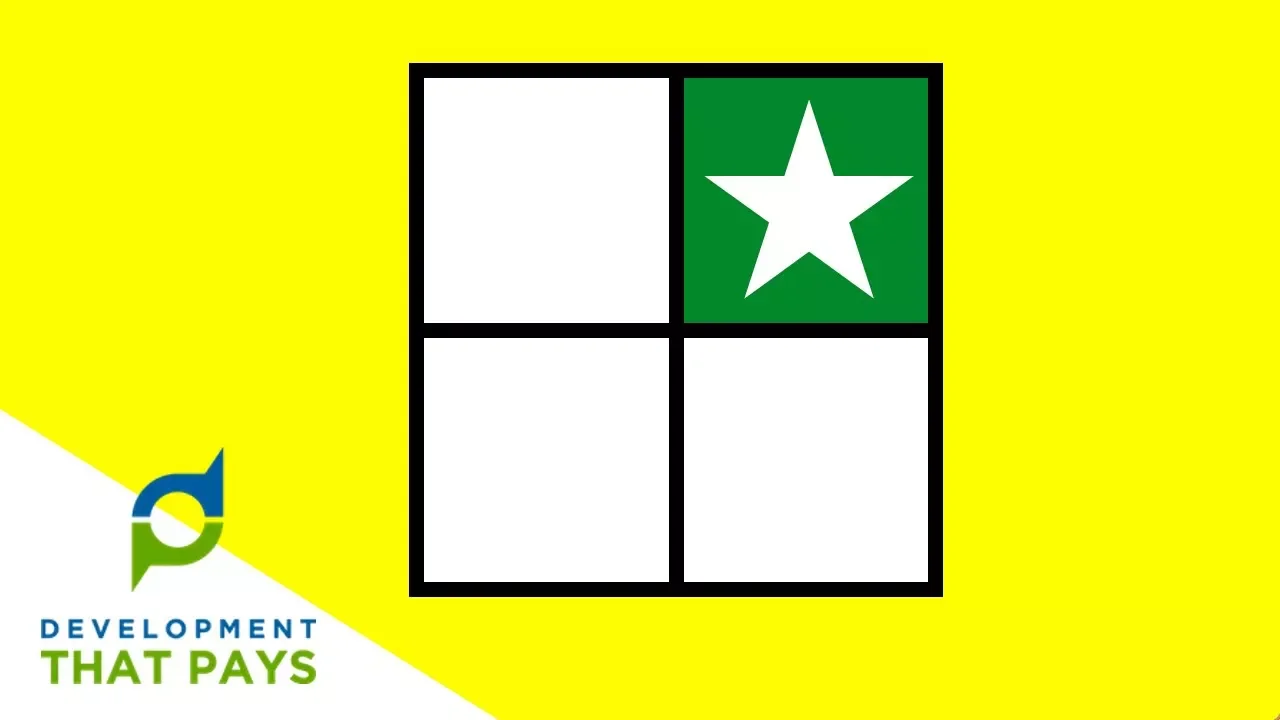
The basic principles of the Eisenhower Matrix (distinguishing between urgent tasks and important tasks).
An understanding of cognitive load theory and the physiological cost of 'context switching' (multitasking).
Familiarity with traditional time-allocation methods, such as time-blocking and standard to-do lists.
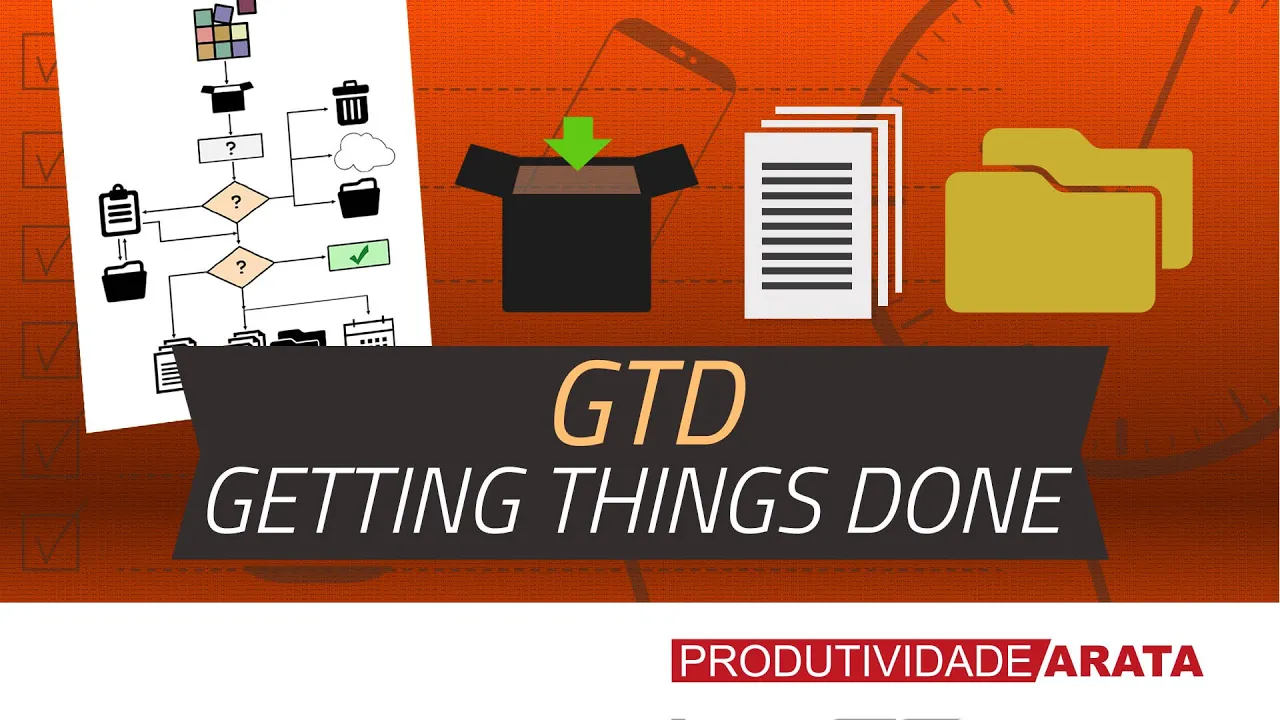
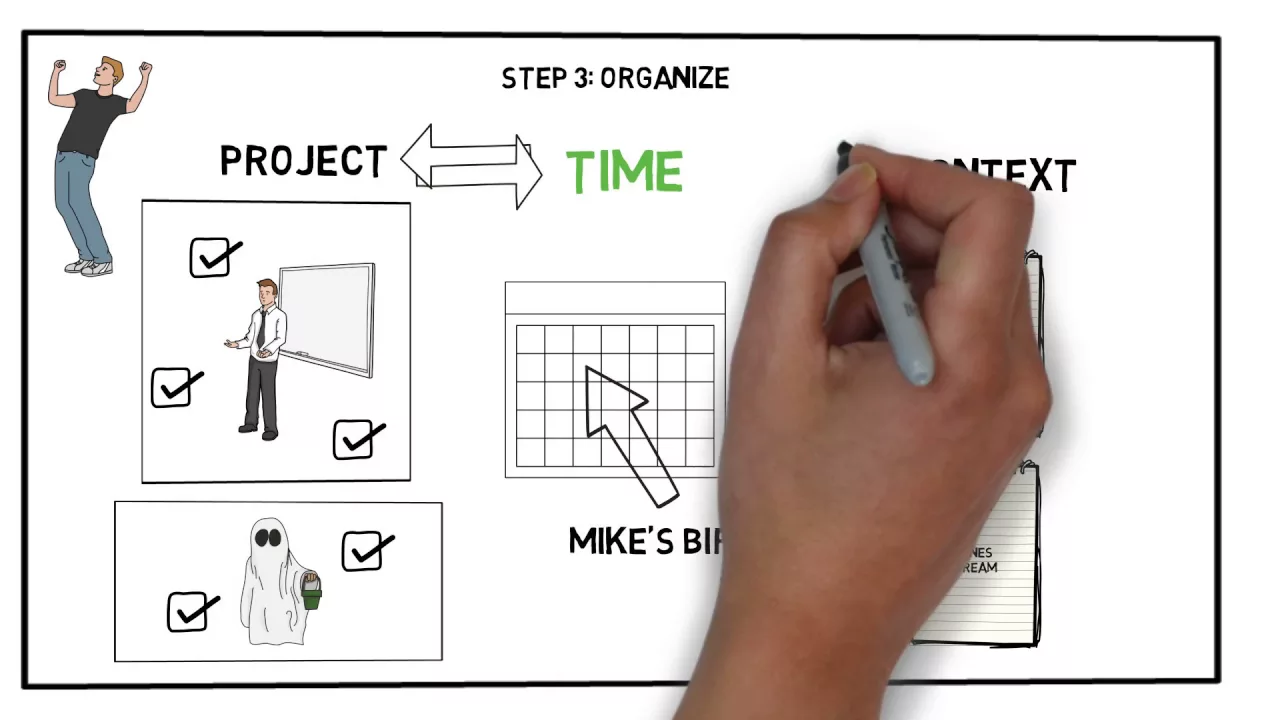
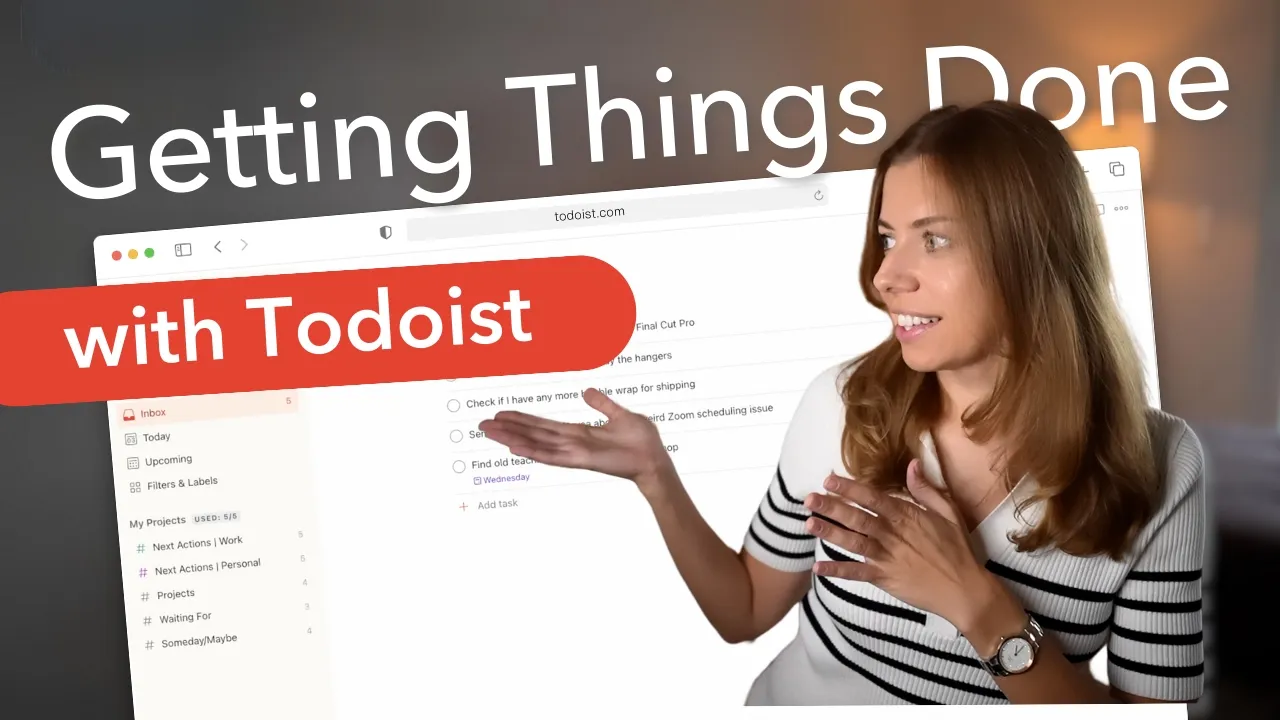
Implementation of advanced productivity systems, such as David Allen's 'Getting Things Done' (GTD) methodology.
The study of chronobiology and energy management (aligning task difficulty with daily circadian rhythms rather than just clock time).
Digital minimalism and designing physical/virtual workspaces that eliminate environmental friction and micro-distractions.
Developing qualitative metrics and feedback loops to measure personal deep-work depth and cognitive output over time.
304.6K views11.3Klikes6:33Original Release: 2023-03-19
how do you manage time and and why is time management such a problem for everyone I again this is going to be counter matter to what a lot of the commentary is but I strongly believe in this because I've worked with so many professionals and I found this to be the case almost 100 of the time I think time management is an issue because people overvalue time management there's a difference between time management and task management time management often involves time blocking creating very good schedules uh sort of managing the way that you're blocking out your time and shuffling things around there's a lot of micromanagement there time management is diminishing returns Beyond a certain threshold if you've got a schedule and that schedule is relatively representative of what you want to do and if you've got blocks of time set aside so that you can focus on something and those blocks do not by any means have to be accurate that's probably enough you're not really going to get much more returns for the amount of effort that you need to put into it the much more effective thing is task management so really really good prioritization I've never ever in my thousands of of people that I've worked with I've never met a single person that came to me that said that they had issues with time management but did really effective prioritization strictly and when the stakes are high it's a bit more brutal sometimes there's no situation where you feel good about why you're prioritized it's just a matter of picking what feels the least bad so there are all these things that are important to do let's break it down into a binary question is it possible for you to get all of these things done to a high quality the answer is no therefore you have to cut things out it's just a matter of fact an issue is that people will try to get all of it done anyway and now you're in the cycle where you're like oh I had to schedule and I just didn't do it and now you feel terrible your to-do list just constantly grows and it just becomes you know this this whale of a to-do list that will never die you know once you hit the triple digits it's like well your life is over instead we need to be really really struck with the prioritization and understanding that there are certain tasks that yes they're urgent and they need to get done but there are certain tasks that are not necessarily urgent this is coming to you know sort of Eisenhower type things which is popular prioritization Matrix there are certain tasks that are not urgent but if you were to do them it would make the other urgent tasks unnecessary or you wouldn't have those issues in the first place so if you're on a boat and it's leaking or there's water coming in the Urgent task is to bucket that water out but letting the water fill for a while so that you can plug the the hole that puts you in a position where the Urgent task doesn't exist anymore if we'll and I call this concept urgency trapping if we're always working on owning what's urgent without considering the future version of us whether that future version of us will still have these urgent matters that's that's a that's a negative spiral because if you're never completing everything then the list is growing if you're stuck in urgency then the list will continue to grow faster than you can clear it and then that can lead to a lot of burnout that can lead to a lot of uh you know bad habits in terms of procrastinating imagine time and motivational issues and things like that but sometimes you gotta bite the bullet and say I'm willing to take this loss in order to put myself in a position where I can then recover that loss later when I don't have to have so much urgent stuff on my plate it's a very different mindset to have and it's it's difficult for a lot of people how do we prioritize and put attention to our focus and focus management and um and you do talk about focus a lot can you sort of take us through the Journey and around focus and linking into prioritization okay so um deep work in the concept of deep work this is a huge field and it's so complicated to the point where no one really knows how to do it consistently we know that the environment makes a huge difference so my number one tip here is add a task that is important to you not urgent but it's important and it's worth doing to create an environment where you know that you're not going to be distracted by things keep it distraction sheet so when you're trying to do deep work no what what are the things that you're getting distracted by can you change the environment so those distractions do not bother you in the first place so often the tasks that we can prioritize to put ourselves in the position where deep work is more easily accessible it's very difficult to force ourselves into a into a state of deep work but it is possible to put ourselves in a position where we can enter into that state with a little bit less friction so it could be are you getting enough sleep is your environment good enough uh are you being distracted by your co-workers or notifications or other types of distractions the task is number one identify what those things are the next task is change the environment modify the the workplace or the settings or communicate with other people to set boundaries in a way that allows you to have that space and then deep work should be the thing that comes a little bit more naturally it should be the outcome of it the issue is that people will prioritize deep work in and of itself and they'll block it out on their schedule and say this is important for me to get done but the quality of the work is not there then that time that's been blocked out for this deep work doesn't produce the outcome that you need to and then that that also feels bad so first we need to be in a position where that deep work is possible and then we can prioritize that work and we can set it out in our schedule where there's from one to four pm I'm going to focus on this task and then when we enter into that state we can actually do it and execute on it effectively usually if we're in a good environment if we've structured it effectively the Deep work can come even in even in really busy settings you know there's a lot you can do you know do not disturb you know headphones White Noise you know a sign outside your door some offices um that I've worked with before have implemented a Post-It note system where they'll have a certain color Post-It note that they've put up and they know that if that's on their monitor or their desk or somewhere that's the physical do not disturb sign and so they'll you know use simple things like that because everyone in the workplace knows that deeper up is important everyone is supportive of things that would increase deep work the managers want more deep work the leaders want more deep work the employers want everyone wants it but sometimes you just don't know what you can do to do it and then everyone is just frustrated together foreign
Up Next

16:01
How to Achieve Deep Work: A Practical Guide to Peak Productivity
@Hamza97
256.5K views•2021-05-23

12:54
Triumph of Orthodoxy Icon: Byzantine Art & History Explained
@BenCallan
2.1K views•2024-08-06

9:49
FastAPI vs Flask vs Django: Choosing the Right Python Web Framework
@TechWithTim
302.5K views•2024-05-26

1:42
Game of Thrones Opening Credits: A Cinematic Analysis
@gameofthrones
46.3M views•2011-04-18
Related Study Plans & Knowledge Roadmaps
Structured learning paths in General & Interdisciplinary Studies
general-studies
Elevator Engineering: History, Physics & Cities
01From Hoists to Safety Brakes: The Dawn of Vertical Lift
02Hydraulic vs. Traction: The Engineering Physics of Elevators
03Modern Speed, Safety, and Algorithms
+ 2 more learning modules
12h5 modules
Explore Roadmap
general-studies
Rubber: Material Science, History & Geopolitics
01Origins of Natural Rubber & Mesoamerican History
02The Chemistry of Natural Rubber & Vulcanization
03The Geopolitics of the Rubber Boom & Colonization
+ 2 more learning modules
12h5 modules
Explore Roadmap
general-studies
Containerization: Evolution, Logistics & Trade
01Ancient Trade & Bulk Cargo: Amphorae to Barrels
02The Industrial Revolution & Cardboard Packaging
03The Containerization Revolution: Malcom McLean
+ 2 more learning modules
12h5 modules
Explore Roadmap
general-studies
Textile Tech: Evolution, Labor & Global Impact
01Pre-Industrial Textiles: Handloom & Cottage Industry
02Mechanization: The Spinning Jenny to the Power Loom
03The Factory System & Global Labor Transformation
+ 2 more learning modules
10h5 modules
Explore Roadmap