


![[vật lí 12- chương trình mới] Bài 1(Ctst)- Bài 1(kntt): Cấu trúc của vật chất.Sự chuyển thể](https://i.ytimg.com/vi/6sKVIPpzHf4/maxresdefault.jpg)







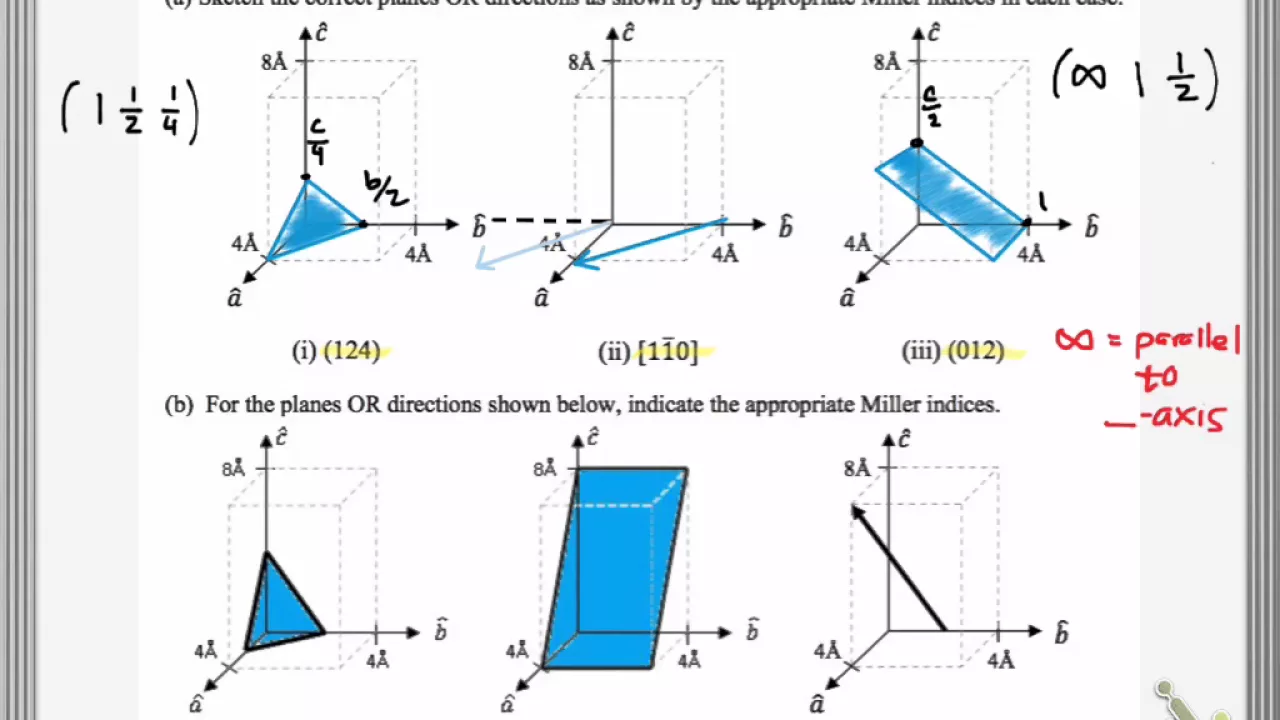
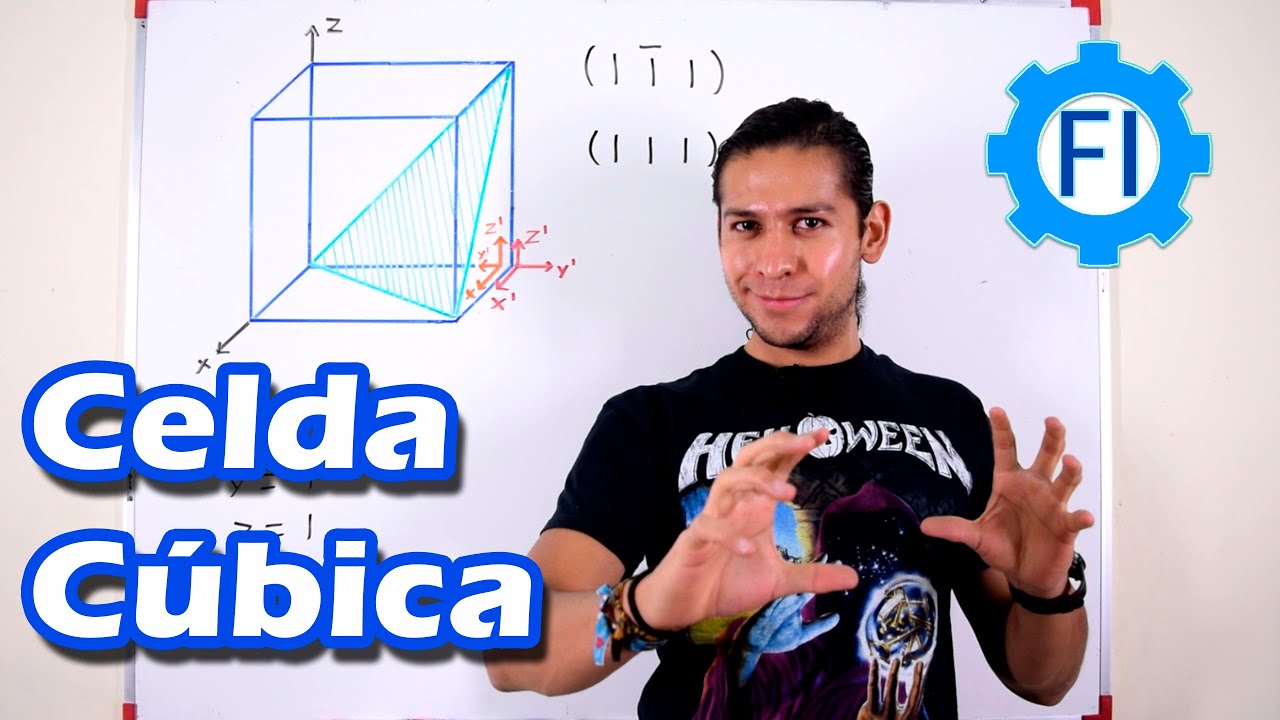
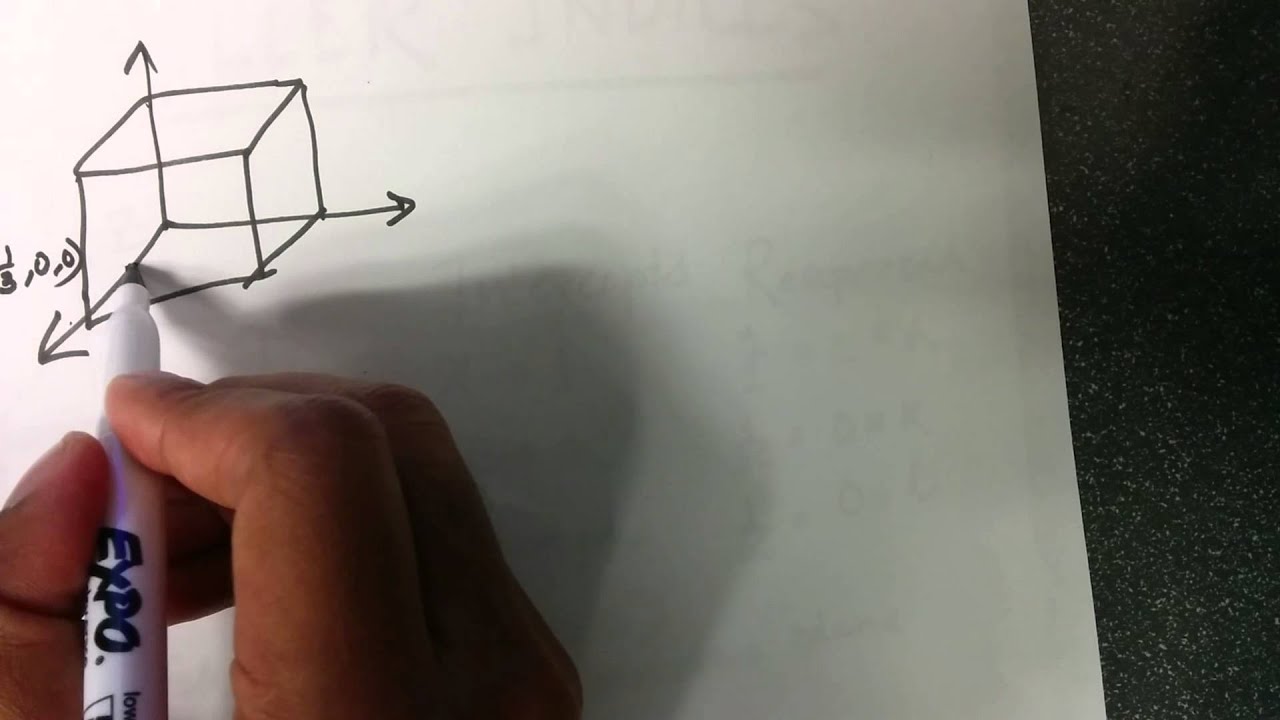



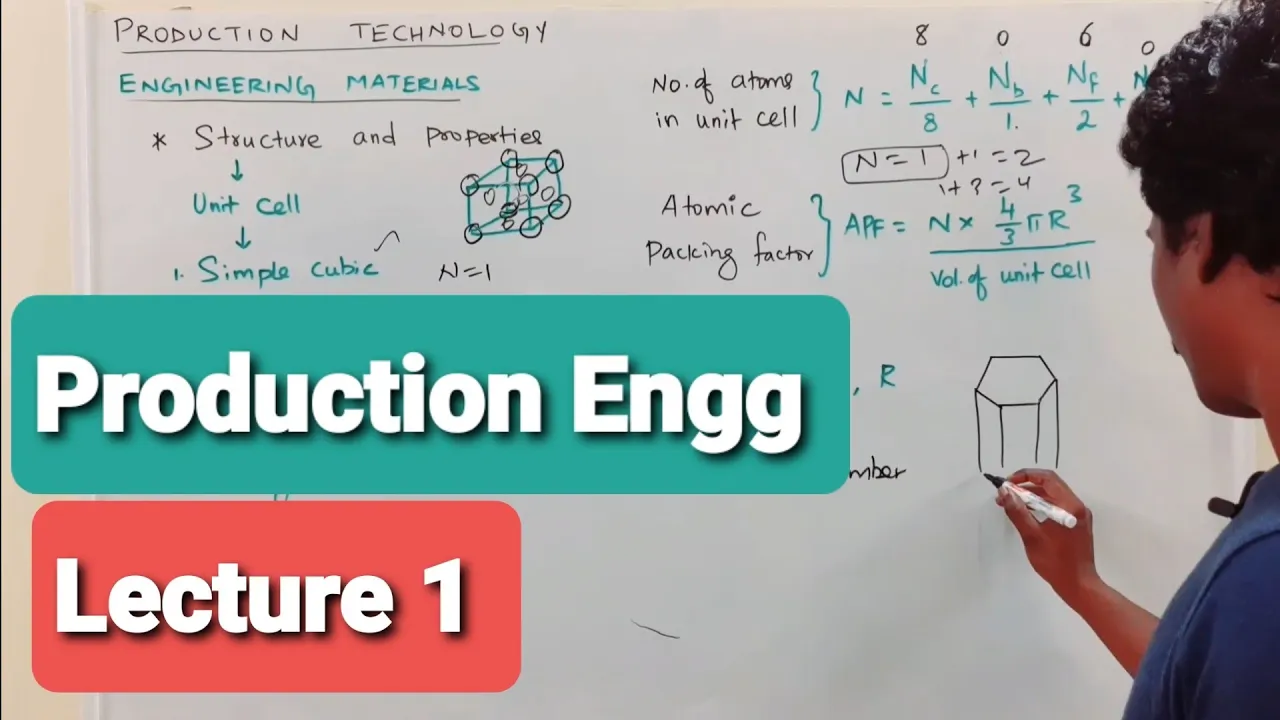






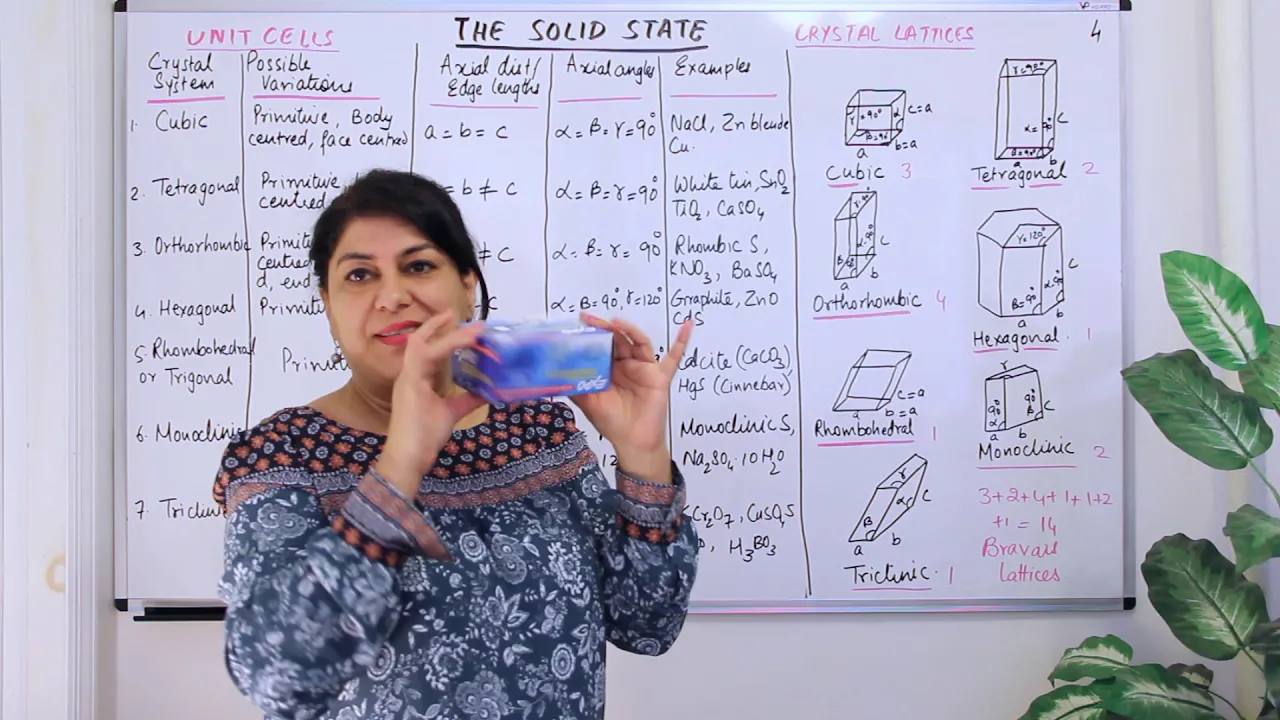
Crystalline solids are solids where atoms are arranged in a regular three-dimensional pattern called a space lattice, with each atom located at a definite point in space at specific distances and angular orientations to neighboring atoms; the crystal structure is built from repeating unit cells, which are the smallest geometrical patterns that repeat throughout the lattice, and these unit cells are defined by six parameters: three length parameters (a, b, c) along the x, y, and z axes, and three angle parameters (α, β, γ) between the axes, with unit cells classified as either primitive (atoms only at corners) or non-primitive (atoms also at faces and interior points).
Crystalline Solids, Unit Cells & Space Lattices Explained
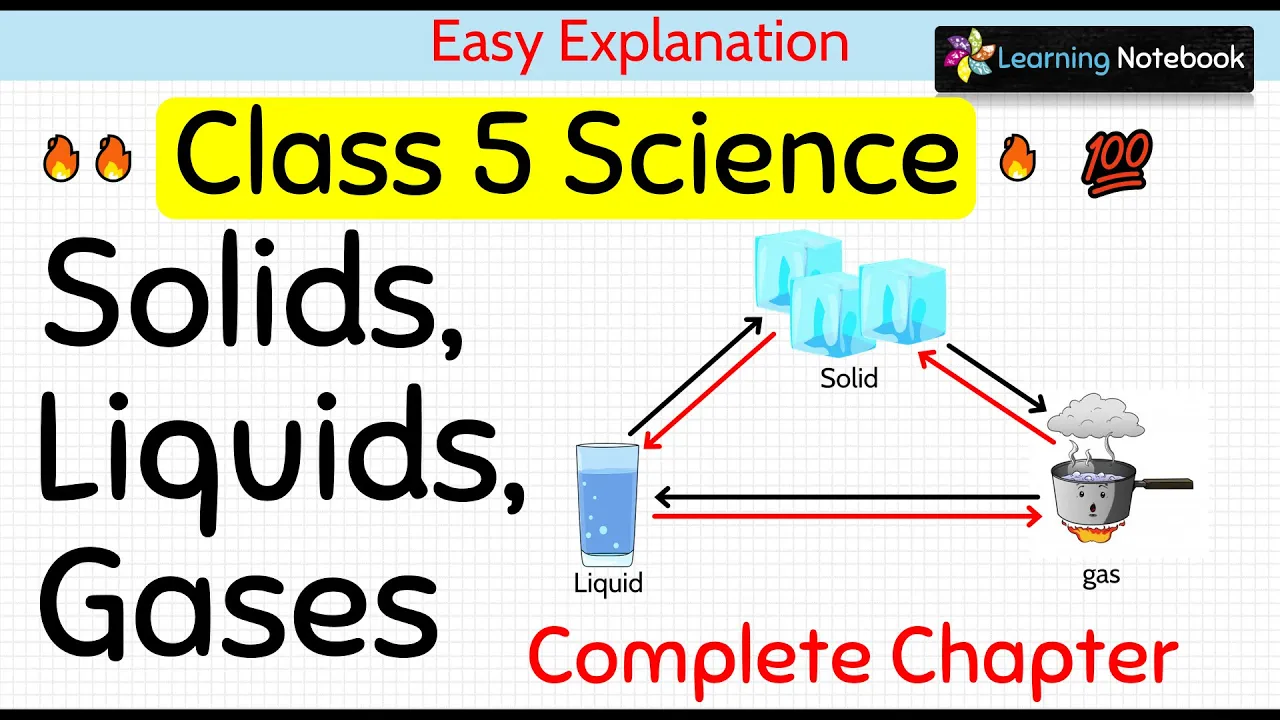
Added:Understanding of basic states of matter, specifically the structural differences between solids, liquids, and gases.
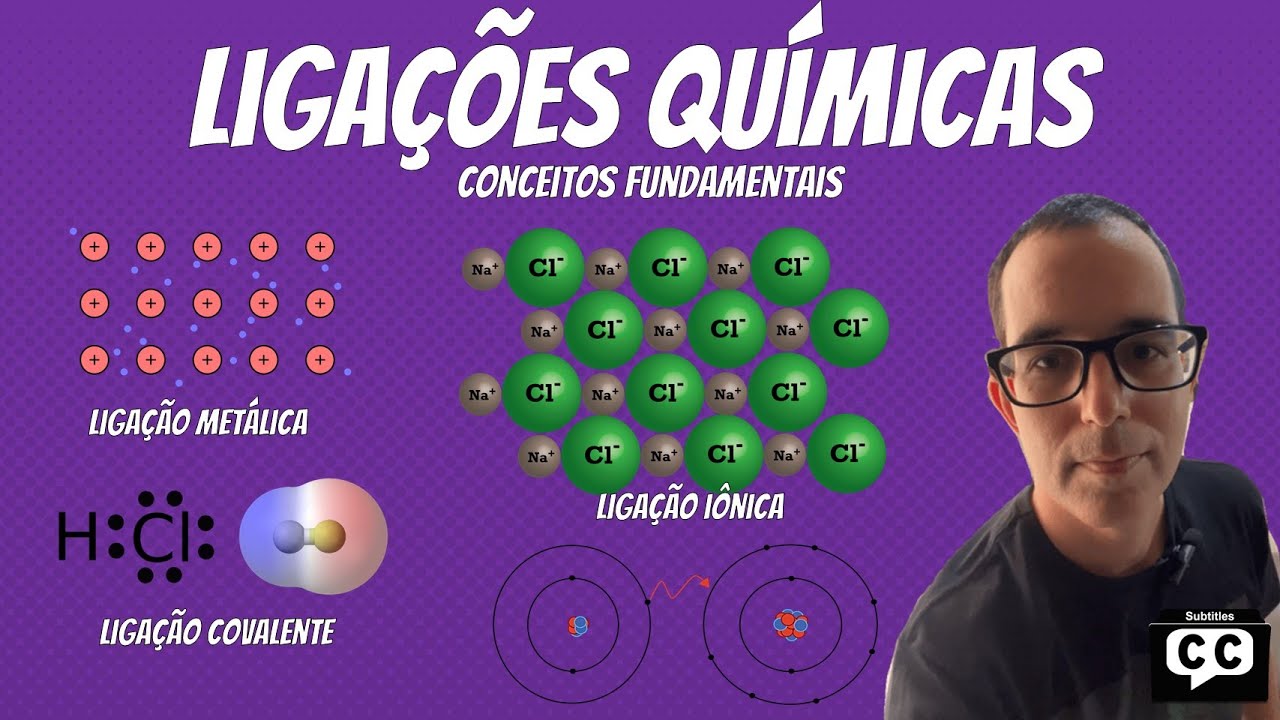
Fundamental concepts of atomic structure and chemical bonding, such as covalent, ionic, and metallic bonds.
Basic knowledge of 3D geometry, including Cartesian coordinate systems, vectors, and angles.
Study of the 14 Bravais Lattices and the 7 Crystal Systems to categorize different crystal structures.
Learning how to use Miller Indices to define crystallographic planes and directions within a unit cell.
Calculating atomic packing factor (APF), coordination numbers, and theoretical density for various crystal structures.
Exploring X-ray Diffraction (XRD) and Bragg's Law to understand how crystal structures are analyzed experimentally.
Investigating crystal defects (such as vacancies, interstitials, and dislocations) and their impact on material properties.
8.2K views135likes3:36Original Release: 2020-04-05
welcome to academic gain tutorials in this video we will discuss in details about crystalline solids and different important terms related to crystalline solids or crystals like unit cells and space lattice this video is a part of our course on engineering materials and material science we will cover all related topics one by one before starting if you haven't subscribed to this channel yet just click on subscribe and press the bell icon here we come up with new videos on different subjects to make the academic studies easier for you so into the topic crystalline solid a crystalline solid or a crystal is defined as a solid in which the atoms are arranged in a very regular and orderly fashion in a three-dimensional pattern called space lattices most of the solids including all metals are crystalline in structure and are made up of aggregate of single crystals in a crystalline solid each atom is located at a definite point in space at a definite distance from an inner definite angular orientation to other atoms surrounding it important terms related to crystalline solids or crystals space lattice space lattices the three-dimensional array of points atoms in which every point has surroundings identical with that of every point these points with identical surroundings are called lattice points space lattices the three-dimensional network of imaginary lines connecting the atoms this figure demonstrates space lattice where every point has surroundings identical with that of every point these points are called lattice points unit cell a unit cell is the smallest geometrical pattern repeating in a space lattice it's over and over repetition builds up the whole crystal it is formed by drawing a network of straight lines through selected lattice points each unit cell in a space lattices identical in size shape and orientation with every other unit cell this figure shows a unit cell by comparing it with the space lattice unit cells are two types primitive unit cell and non primitive unit a primitive unit cell is one which has points or atoms only at the corners of the unit cell on the other hand a non primitive unit cell has got points or atoms not only at corners but also at the faces and interior points the unit cell is defined by its six parameters three parameters along the length and three parameters on the angles along the lengths of the unit cell length parameter a is assumed along x-axis length parameter B is assumed along y-axis length parameter C is assumed along z-axis now the parameters based on angles between the different axes of the unit cell the angle alpha between y and z axis the angle beta between z and x axis the angle gamma between x and y axis so these are the six parameters that define the unit cell so we have learned in details about crystalline solids and different important terms related to crystalline solids or crystals like unit cells and space lattice thank you you
Up Next
17:54
Crystal Systems & Bravais Lattices | Class 12 Chemistry Solid State
@SeemaDhawanArora
41.1K views•2019-03-01

12:53
21cm Hyperfine Transition in Neutral Hydrogen: Radio Astronomy Basics
@AaronRobertParsons
12.4K views•2011-10-13

32:32
NMR Spin Physics I: Zeeman Effect, Resonance Condition & Larmor Frequency
@nptel-indianinstituteofsci8064
2.3K views•2024-01-17

27:14
Entropy and the Second Law of Thermodynamics Explained
@veritasium
27.5M views•2023-07-01
Related Study Plans & Knowledge Roadmaps
Structured learning paths in Physics
physics
Nuclear Physics (Decay, Fission & Reactors)
01Atomic Structure and the Binding Force
02Radioactive Decay and Half-Life
03Nuclear Fission Mechanics and Chain Reactions
+ 2 more learning modules
12h5 modules
Explore Roadmap
physics
Soft Matter (Polymers, Colloids & Rheology)
01Foundations of Soft Matter & Thermal Forces
02Polymer Physics and Macromolecules
03Colloids, Surfactants, and Self-Assembly
+ 2 more learning modules
38h5 modules
Explore Roadmap
physics
Analytical Mechanics: Lagrangian & Hamiltonian
01Mathematical Foundations: Calculus of Variations
02From Newtonian Mechanics to Constraint Dynamics
03The Principle of Least Action & Lagrangian Mechanics
+ 3 more learning modules
28h6 modules
Explore Roadmap
physics
General Relativity (Spacetime & Cosmology)
01Foundations of Relativity: Special Relativity
02The Geometry of Spacetime: Equivalence Principle & Curvature
03Einstein's Field Equations: The Mathematics of Gravity
+ 2 more learning modules
55h5 modules
Explore Roadmap