
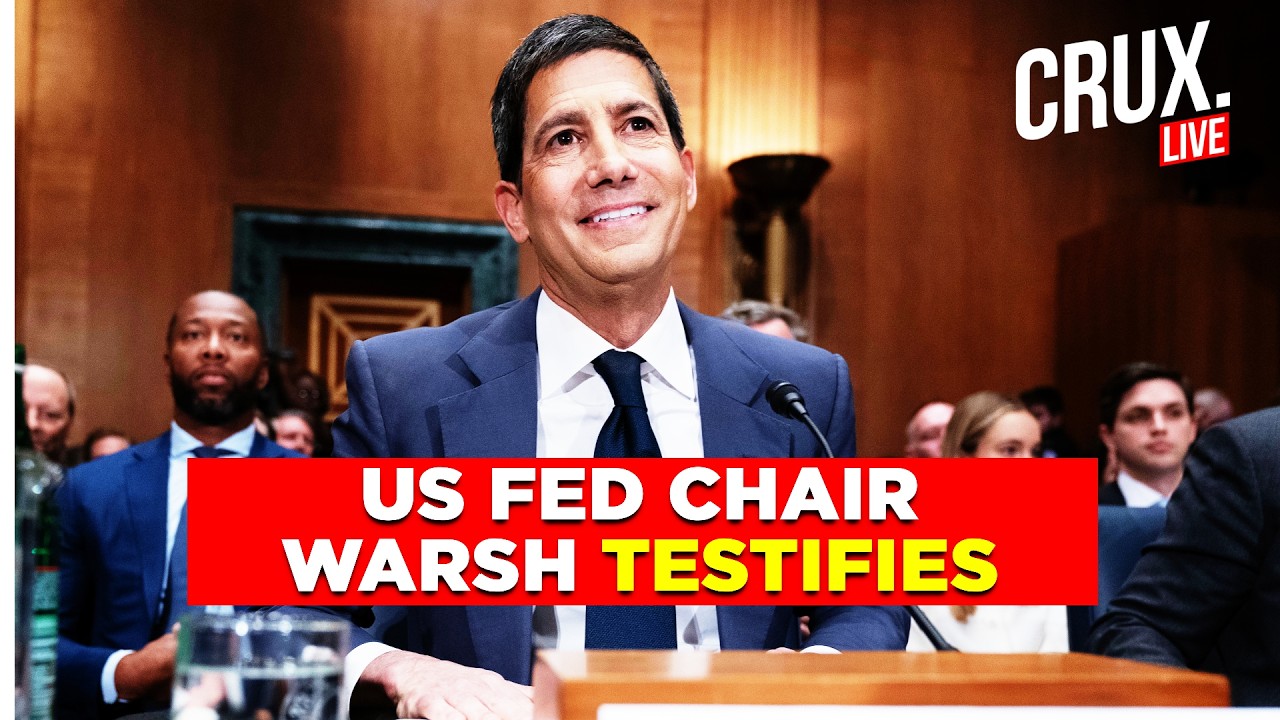













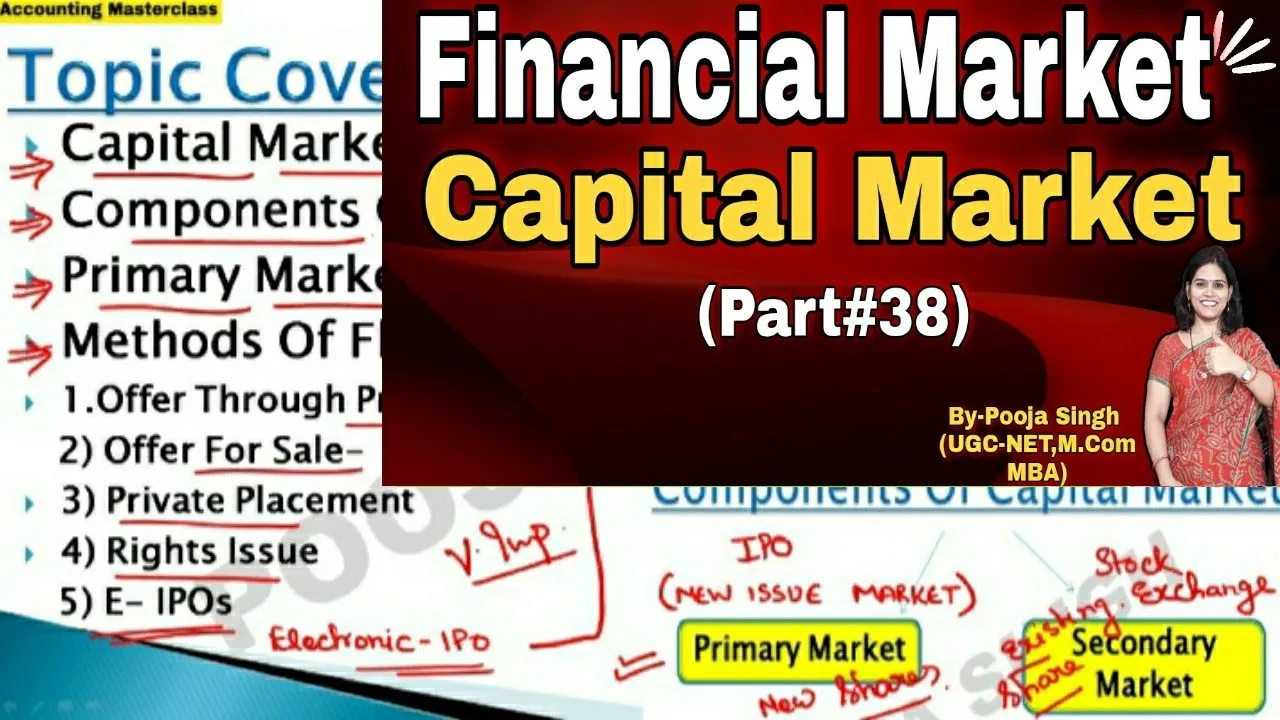
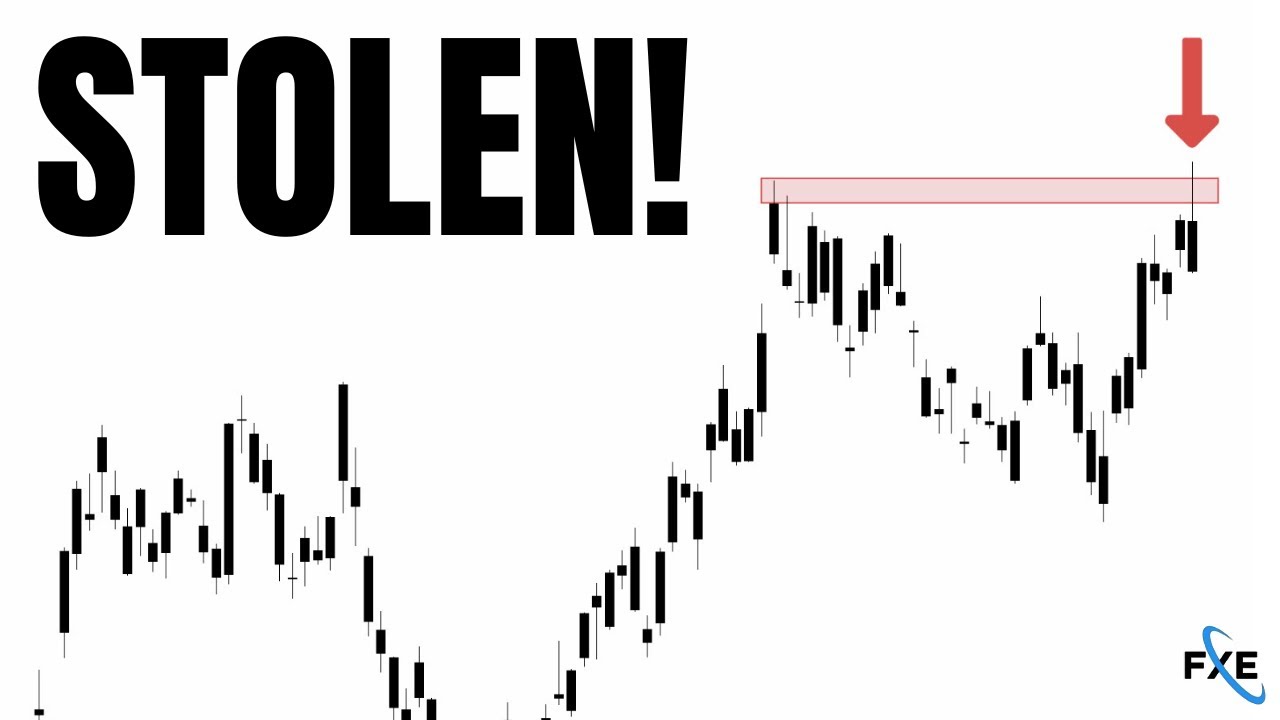




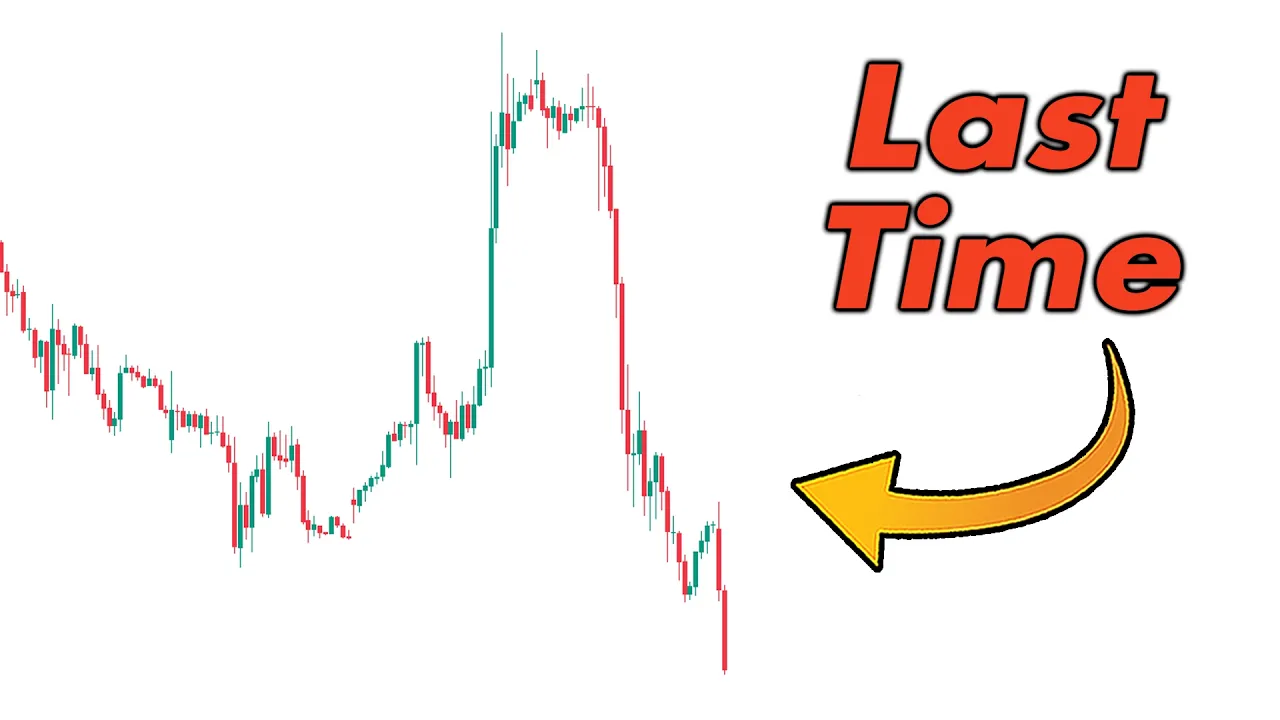


Market volatility is an inherent characteristic of financial markets, where stock prices fluctuate significantly based on economic data, company performance, geopolitical events, and investor sentiment; successful long-term investing requires maintaining a disciplined approach that avoids panic selling during market declines and recognizes that temporary corrections often present buying opportunities for fundamentally strong companies, as demonstrated by the contrast between short-term market fluctuations and the underlying economic fundamentals that drive sustainable investment value.
Market Open Analysis: Tesla Bitcoin, IPOs, Fed Hearing & Stock Picks
Added:Understanding of the Federal Reserve's role in the economy, including monetary policy, interest rates, and congressional hearings.
Basic mechanics of an Initial Public Offering (IPO), including the filing process and how companies transition from private to public.
Fundamentals of cryptocurrency, specifically how Bitcoin functions as a digital asset and its integration into corporate balance sheets.
Familiarity with stock market trading sessions, specifically pre-market trading, market indicators, and volatility.
Advanced corporate finance strategies, specifically how public corporations manage treasury assets using volatile instruments like cryptocurrencies.
Evaluation techniques for newly public companies (IPOs), including analyzing prospectuses (S-1 filings) and post-IPO performance metrics.
Macroeconomic analysis and trading, focusing on how Federal Reserve interest rate decisions and policy statements dictate long-term market trends.
Event-driven investment strategies, specifically learning to trade on market catalysts such as corporate announcements, regulatory hearings, and macroeconomic reports.
159.1K views3.1Klikes1:33:50Original Release: 2021-03-24
welcome back to another market open wow wow robin hood secretly files for ipo yesterday and in the middle of the night yesterday or at least it felt like the middle of it yesterday tesla decides you know what she's going to start now accepting bitcoin payments it's kind of exciting it's like uh the world is evolving bitcoin shot up on that news by the way i mean bitcoin has kind of been a little tentative over the last uh you know a little bit here and uh bitcoin shot up on that it's at 57 000 right now it was like straight up uh which you know i mean it's uh it kind of was trending down so maybe now it'll trend up which is nice uh but anyway let's take a look at what's going on in the stock market pre-market stock free market yeah we'll go with that so we got gamestop down 12 and a half percent really think the the ceo screwed up i mean they they should have talked so hardcore about like how great it is of everything that's happening maybe acknowledged how much society loves them now other than calling his customers obsessed uh and and talked about the you know like how they're gonna transform a little bit and i touched on that yesterday but just the call sucked the earnings call it is anyway gamestop down 13 down to 158 mp materials down again look at that it was down eighteen percent down again five percent and it i mean they smashed earnings went up and then raised a bunch of money and the stock market not very happy uh matterport's a bargain for you it's on sale at 14 33 it's incredible we've got uh a api backbone a clubhouse this one like we need more people going on a clubhouse maybe i'll do well maybe elon needs to go on clubhouse again maybe maybe that's what's missing here uh but actually you know once we get past this not a terrible amount of red today relative to uh well just everything else doing okay today you've got a t tattooed slack facebook fist fisker fighter these guys up a little bit quarter percent to a bit uh or to half percent rather and uh the biggest runner here look at this sos uh getting ready for a run here on the day we'll see what happens uh this is mostly pre-market boom here but intel's at six six six sixty six dollars and sixty cents uh we have bngos up here uh after uh after good earnings uh well i mean they were okay earnings but uh i think the the vision the forecast was uh was more exciting uh uh than the actual earnings in other words what was said was more exciting than the actual earnings uh steel dynamics united airlines up 2 percent here sun power up uh two and a half percent upstart here we go here we go with the upstart run again one sell-off back to green uh churchill capitals up a little bit today nowhere near i mean the stocks that are up today are up nowhere near uh to the sell-off that we had yesterday let's get the opening bell two dollars and i'm watching home about 10 cents away 10 seconds competition we all got the big screen tvs i'll take that 70-inch screen home if i don't if someone doesn't clean up our hall um yeah we got a bunch of tvs around this place and it's kind of not unexpected by the way one division i don't know if you watched it i think was great on division yeah i'm watching that show on on catching up really enjoyed it all right we're going to tell you who was doing the ringing here at the big board digital ocean celebrating its ipo today we're going to speak with the ceo it's a cloud computing company well that's a lot more green than what we've seen uh in you know i feel like the last couple days certainly yesterday so uh i'll take it i'll take some more green we could use it it's been too long it's been too long people fussing around we need babying around and look it's one thing to let's see here okay so okay i'm not muted right good uh but yeah uh you know it's it's one thing to be to express concerns it's another thing to do with the weenie babies do and sell out all the freaking time the worst is when it's like selling out when things are going down all right let's see what's going on here so uh we've got okay an okay start there at intel okay start at carnival actually nice bounce there on carnival that's a nice big green candlestick here at carnival sos is uh got some selling pressure carnival that's a move right here carnival's moving today ah now up uh what four and a third here a norwegian okay looks like travel's gonna run today spirit norwegian dave and busters all these guys that sold off yesterday because well why not are are doing very very well tech is even though tech sold off a bunch with these stocks yesterday texas is not coming back where's tech okay here's uh here's churchill churchill capital with the big old red candlesticks but uh still green by about one percent here we've got lemonade great company 96 bucks also got a red candle over here let's see lowe's twitter purple twilio all these guys i mean barely up barely green tesla's barely green but again well well and i was just saying i'd rather take some green and here we go with all the red candle sticks yeah oh no somebody in the comments look how bloat uh for tesla stock oh no uh quarter percent off chef oh yeah yeah okay well so what's going on are we uh we're gonna go on that trending down direction again here so i feel like we've had this open before okay game stuff's actually going green candle here uh still down 11 etsy red candle sticking wayfair red candles like these guys were up really decently yesterday yeah although i think they closed flat but they were up decently yesterday during the day neo look at this i mean just well below 45 where we don't look back one day and go dang we had a long opportunity to buy neo at 45.
hopefully we didn't squander it uh okay actually some more things have turned red here see like tattoo chef dropbox these guys have shouted out as having been green a little bit and uh they are now red a little bit dropbox not much four tenths of a percent both of them walmart virgin galactic blink all trending down a little bit c3ai c3i is just not getting a break stock that is well below its ipo price now see how much below i think it's like 20 bucks below so it's at 70 so basically 70 dollars now flat and if i zoom out on this thing back to ipo day we get a yeah we get a close of 99.38 a high of 115.
so we're definitely um c3i has it's definitely not been one of the ipos you wanted to get into so that's the problem with ipos you know the problem with it ipos is you uh it could go it literally just it could go in either direction it's so tough while we wait for the market to determine what's the value here airbnb uh you know it never revisited is its ipo price bumble did farm did roblox did for a little bit c3 i did in fact i wonder how roblox is doing right now uh i it uh sometimes it just has to do with the peak hype but and to have peak media attention but we haven't even seen much talk about roblox uh since they ipo'd but they are still above ipo price all right let's take a peek here what we got going on the jim cramer the deal that marvel did i thought that was amazing that marvel got that marv and the chinese approved it wasn't that incredible yeah the chinese trust regulators approve it i think they're the special meetings on the 15th of april so it'll close fairly soon stock is up seven percent uh symbol there is iphi pretty big deal for marvel and again it's it's that china approval gym are they saying it weird marvel because it was not expected it's a double l i thought they were talking about marvel and they got the superheroes with the double we know this is an important component of m a getting that china approval you can go through any number of names where it's an important part of the process and there's still questions so this one is interesting is it a one-off is it sort of a you know or does it mean something no it's not one-off because marbell technology is a leader in 5g and of course the united states has been very very tough on china 5g with i wonder how much these guys get paid no no it's like by like i'm sure they don't you know it's jaded to say oh the companies are like please pitch us on your show for home uh biden saber rattling for home but the fact that they let this deal through david i think is significant when it comes to geopolitical discussions it should have been turned out the old under president trump this would have been turned out you think so absolutely i know i know so then it is going to be taken generally speaking as a positive okay uh by those who are pursuing deals that will require chinese approval but all right all right okay i don't know anything about this company no i'm not saying that's good or bad that's just marvell tech okay what's going on over here vacation privacy concerns oh it's really going to play music for us to get us demonetized see they're setting landmines for us that's what they're doing all right quarter that's very interesting for a company that's incredibly conservative so joining us now on a cmuc exclusive is the chairman and ceo of adobe that's chanting orion who is a titan shantou congratulations on just a monster quarter you really blew out the numbers adobe okay all right let's uh let's jump for a moment i want to see the yields we'll come back we'll come back to see what's going on over here let's go take a look at our charts over here so we got some important things to look at we got to look at the 10 the five the vix get back to the sticks we need to make a song out of that and that way we know exactly what the pattern is oh look at that ten year climbing a little bit here fell to uh fell to a wow look at that it fell to 1.59 where was yesterday yesterday's end was where is that 24 24 it's right here okay so this right here is where the day started today so today it's been straight up but it's been straight up from about 1.59 on the 10-year to a 1.64 we were actually down yesterday uh pretty much straight down yesterday from 1.68 ish all the way down to uh roughly that that 1.59 figure so uh we're still not as high as really we were midday yesterday on the tenure let's take a peek at the five year all right five year line chart and three days that's what we care about uh also taking up slightly following that same kind of pattern i sell off on the yield portion and uh now sort of doing a little bit of a rally here again okay so we'll see if that ends up adding in pressure pressure let's look at the vix hop on into the vix line chart we got on the vix we have 20.27 okay uh let's see how it looks in the last three days so we hit 18 on monday then yesterday uh we hit a high of uh looks like a high of about 21.5 and now we are back still not under 20 though on the volatility index how is that going to translate to our sticks well it's obviously going to make playboy go up because playboy is now up 9.8 uh on the day here out of nowhere steel cases up a little bit again even though they sold off yesterday after earnings uh oh these are the these are the recently viewed here let's see what else is recently viewed oh let's just sort so okay eyes down 15 game stopped down 13 tried to recover it really tried to be someone try to be someone mp materials down again ctrm down again etsy oh down three percent our good old etsy it's one of my favorite little babies love that stock arc fintech down about a percent tesla oh oh look at the red on tesla jus just straight down this morning it's so sad how far is it gonna go that's uh that's uh that's always the thing oh man it's always the thing how far is it going to go you know you want to buy the dip but the dip keeps giving uh now it's important to still buy but uh not quite yet we'll wait a little bit we'll wait for the numbers to get real juicy again i'm i'm stocking up i've already been wiring over here so i could actually first of all i needed to make it so i could buy again on weeble weebles like kevin you're out of money oh that didn't make me very excited about about uh weeble it's like come on weeble how could you let this happen anyway macy's dave buster's five to six percent express carnival five percent nordic american tankers pops four percent american spirit four percent cheesecake almost four percent uso is up three and a half percent delta gap win this is a recovery stock day tech's just always getting left behind now it's like my favorite my favorite sector getting left behind it's like isn't there a rule like no child left behind like come on pick pick these guys up already um tesla yeah up see tesla just keeps going poor eyes my portfolio was tied into that stock at least crypto is doing good unfortunately you're all in on eyes i hope you got some ears too we'll see what yours is doing see at least ears is up a quarter of a percent that's not gonna help you offset eyes though uh oh well okay uh oh they're talking about nfts hold on market and the enthusiasm that those private companies are meeting in the spac world has that precluded your ability to actually perhaps buy companies you otherwise might have given their valuations are soaring that's true you goes back all of a sudden the valuation see we were thinking discord was going to spack uh and then microsoft's like hey we'll pay a 10 bill it's like well discord could literally be like hey well we could just back and get 20.
companies and i i think the the really good companies they'll always be a market for them they'll always be the appropriate valuation wow somebody says my what peter the bitcoin king ah you've even branded your name after it well you know you got to be a bull when when when you're changing your name to bitcoin my 100 bitcoin portfolio is looking good wow and i'm impressed so we just acquired workfront workfront which is in marketing workflow all right they're just talking about some mergers and acquisitions here wow too tired i need something to wake me up it needs to be more than coffee okay because yesterday it was a late night very late night okay jeff hoffman joins us this morning uh he's our travel guy and he's with us today jeff how are we going to need a vaccine passport before we can travel internationally stop stop with the vaccine stuff like like at least like tie this into like oh we think we think the stock's going to do well i mean maybe they put them up here for the obvious reason that's where the money is uh the america needs uh its doors open again and people traveling and right now there is a requirement for testing even if you have a vaccination and so there's as you know there's a working group pushing the blind administration to say let's change the regulation so if you're vaccinated you're exempt from testing requirements so we can reopen international travel i did not know that and that's actually i don't know i think that's weird really you make everybody get tested even if you have the vaccine i mean that seems like a disincentive to get the vaccine today putting out a very very clear apology saying that it's a you turn on the german policy but also fear and perhaps social backlash that that hard lock down i don't i don't get it i don't get it the the the level of news today is like negative job to create standards but there's going to be confusion i show up at the airport and i have stu safe and your health certificate and the tsa person says i don't know if this is a real app or a real health certificate so we are going to need a digital passport but it's not going to work until we have a standard so that at the airport you know what we need we need a blockchain passport that's what we need anybody could just scan your qr code and just put it on your forehead i scan your qr code it's like oh you were vaccinated on that day you got your second dose on that day that your your passport looks good oh and that's what you've been spending your money on released your bitcoin uh okay all right um well the suits are being a little boring here the the media suits i don't know do we lump them together the media suits and the fun suits i kind of i kind of feel like they're all collectively the suits just together you know they they don't have a level they don't have level 99 fire making let's go hmm all right powell and fifth oh yeah yeah people keep talking about powell like i got this like powell countdown going on here hold on a sec let's see what's going on with powy mr j powell you know he actually said that he he tries to get people to call him uh jay so i guess calling him j-pal is not an insult i mean he wants to be called jay oh i am not i'm not doing this garbage again it was so bad the senate panel uh you know i mean maybe maybe the way we do it is we like we like peek in on it uh you know just kind of like we we peak on fox and cmc but yesterday's hearing was so horribly boring i i'm still upset about it janet yellen and powell testify on the economy in karazhak before the senate banking committee okay well they're they're away from maxine waters today not saying that's a good or bad thing we're not here to get political just making a statement she runs the panel okay uh and today instead of talking at the house they're going to the senate side okay so who's on the senate banking panel uh that's that's what you got to find out like then you know if it's going to be entertaining or not you know uh like i don't know i guess i shouldn't mention names sherrod brown pat toomey yeah here we go uh shelby scott rounds tillis loomis moore kramer twins ossoff cinema smith elizabeth okay out of all of these maybe maybe elizabeth warren will create some entertainment like out of all of these that's the one that i would probably listen to just because it'll be very entertaining uh or i i'm pretty sure i have a good feeling i'm gonna make a bet right now okay elizabeth warren jay pow janet yellen don't you think it's time for a wealth tax i feel i'm sorry i feel like that's the only thing she's been talking about uh well at least that's the only thing the media has been covering for lately uh but anyway what is this square tesla apple airbnb and churchill capital all down half percent you know and face down 1.2 can we just get a break already oh oh maybe i shouldn't be complaining for a break when game stops down eighteen percent oh man we gotta type f for that one whoo ah man that's that's not good uh let's look at the short interest that games oh man if i pull this up again i'm going to get a million asks um and i think the worst part about pulling up the short interest data is telling some people that i just i have to stop i think that's probably the worst part anyway let's pull up the apps ah all right it's all right somebody says neo dropped under 40.
uh uh hi we need to be yeah is this freaking the weenie babies are such ah well you know this is this is a time for us to balance our portfolio let's just sell everything and sit around here and and do nothing you know we'll we'll put our money into shorting the bond market yeah that's what we'll do let's short the bond market ah weenie babies that's not it doesn't end but anyway i want to pull up the short interest on gamestop because uh i i think like it's uh today's gonna be more interesting yesterday we had earnings coming up so maybe we won't see a move much but uh oh 14.4 it did go down again we were kind of at the bottom here uh 14.25 was the bottom so that was the uh the bottom of the uh weenie baby short interest stock here you know that's what we should call it we should call it the weenie baby stock uh and uh i mean i like the company although they did send me like 27 emails to pay them i did finally pay them but like they just need to give me a chance okay in fairness they'd been asking for like three weeks but it was an excessive amount of emails kathy woods says she has no second thoughts you know like everybody tries to trip her up and you gotta give her credit she's just like people will be like hey your stock's down like x like when are you gonna change your opinion and start being a weenie baby she's like yeah no no we're we're buying tesla because it's a good deal i mean a credit where credits is due like it's great it's really good uh so what do we got over here the most is that prescient is that how i say that i i don't think i've ever read that word in my life yo alexa define prescient like notable yeah where's the i just didn't want to talk to me today ah press c end having or showing knowledge of events before they take place okay they're the most what they call it or like a a a for a fortune teller uh most prescient investor of oh but in the past okay gotcha of 2020 is besieged with a rat attack headlines or with ratatat headlines reporting who writes this uh okay whatever but a chorus of questions about the risks liquidity capacity or and the very promise of her approach okay i've done nothing to dent her confidence well yeah she's always been consistent i mean this is a very bizarre read i have to say uh jeez man this guy wants to write novels which hey i mean like it's probably great i wasn't going to read the whole thing anyway even if you wrote normal english but uh okay oh look we could just have the testimony up in real time and get the cliff notes see yell and powell yesterday were repeatedly asked about stimulus packages already passed did who saw that there was a part yesterday where literally janet yellen was summarizing what's in the stimulus package to congress which is the same stimulus package that congress passed like that right there was the moment of peak stupidity not not of yelling of of the process okay i don't call janet yellen stupid because i do respect them uh but of the process like really like there should be a rule please do not summarize the bills that we've already passed i don't get it i don't get it uh yeah i i don't think janet yellen's suggesting oh we'll work on easing the ten thousand dollar salt tax reduction is actually something that she even thought about twice after yesterday uh if it sounded a little bit more like a blow off than uh than something that she'll actually circle back on yeah well we'll see we'll keep the little live blog open and we'll see what happens uh so that'll be good we'll have that open as well okay how how crappy are the six going right now oh we can quickly look tenure to do 1.64 what 0.82 for the five and vix is under 20 now so volatility index actually declining slightly here uh so gamestop 18.6 fisker x ping open door and what else we have oh wow wow wow etsy 4.5 what freaking happened here what is this garbage what's my forecast for shift somebody says moon duh like 40.
people might laugh over shift but that's coming one day a little ten percent here there we don't care that thing is so undervalued and the ceo is straight shooter the co-ceo we talked to just give it to us straight and he did it was great you know gave us a very fair balanced uh view all right what else is going on here i mean honestly the stuff that's green here i feel like is even buster kind of giving it up here yeah dave and busters has given it up carnival's giving it up a little express is giving it up macy's is giving it none of them can keep it up today very frustrating american airlines boeing uh yeah no just just a disaster uh what's going on over here the gamestop thing now under under oh it hit 145 there and bounced off 145 for a second uh costs mp materials ooh materials are five percent quantum down what where's fastly fiskar wow fisker at 18 again uh zoom peloton hey those guys were up briefly yesterday actually for a good part of the morning part of the day they were up uh but yeah this looks like a very bizarre way to have opened the market here it's just a continuation of of yesterday where we open and then it's just [Applause] [Music] it's like bad i can't believe dropbox is at 27 that's kooky to me it's high uh in my opinion my humble opinion this is a little acquisition like people got excited about them i still think dropbox itself needs to be acquired integrated like what if microsoft bought dropbox i don't think they will but uh anyway tesla just hit a bottom here bouncing off the bottom we're bouncing off uh 655 roughly and we are now at uh 655 so we actually bounced off 652.
oh oops misread that one oh well gamestop still bouncing off bottom here and dave buster's down okay let's look at top news here let's see what's going on and i think what the the uh senate hearing starts in four minutes but that is not going to be our primary focus for sure i i we we have this the cliff notes live blog up see what else is going on here stocks rise ahead of bond auctions yeah they should revise that to u.s stocks fall ahead of bond auctions because i i don't know what's what screened right now uh and whatever's green it's not much biden's likely tax wins or personal rate hikes audits of rich ah okay what about uh court or capital gains key takeaway from a survey of 15 former current former white house and congressional aides specializing in tax policy completed by bloomberg this month okay the tax on unrealized capital gains was deemed impossible well that's good that's very good uh so no no tax on unrealized capital gains that would be like stocks that have gone to the moon for you in your portfolio and you haven't sold like that'd be insane if they made you pay taxes on that because that would literally mean you would have to sell some to pay taxes on it but then if you sell something to have the money to pay taxes on it wouldn't that be the same law or would then you be incurring more taxes i don't know president joe biden is planning for what would amount to the biggest set of tax increases since 93 to help pay for infrastructure clean energy and social initiatives okay uh tax the rich and corporations more strong consensus corporate tax hike likely to be a key component of the biden plan well that's not exactly good for the stock market either family tax credits uh expansion of tax credits for families oh well that's good irs audits uh so the biggest thing was they all agreed on and this got 45 points family tax credits next irs audits next individual income tax going up next the corporate tax rate then more taxes on estates a made america credit then overhauling the salt tax deduction oh so maybe that's already in talks minimum tax on foreign income capital gains tax was next itemized deductions limit itemized tax breaks geez i mean that a lot a lot of changes minimum tax on profits at companies like amazon netflix and zoom even though they lose money technically uh pay or make very little payroll tax on high earners wealth tax lite ah elizabeth warrens and more forecast pending wow like 12 different things okay 30 seconds away from that panel beginning let's go back to sticks see still bouncing a little bit here like dave and buster's uh carnival had a little bit of a bounce here in last three minutes not seeing a lot of red okay with the exception of up here if i go to the red section that's where you get the house of pain uh okay yeah is this is this the intro to it but either i think we have a response oh no they're just doing q a all right let's jump back over here see what we got ah squawk yeah beautiful walking the street i'm david faber with morgan brennan carl has the morning off let's give you a check on the markets a half hour into trading you can see we're up uh on the s p and the dow but the nasdaq which is uh well run into some headwinds of late uh is uh down about point four percent we're watching capitol hill this morning fed chair jay powell and secretary janet yellen will be facing questions from the senate banking committee this hour it's their second day of testimony on the u.s economic recovery of course uh from the covert 19 pandemic the main message from yesterday's testimony all the economy is well positioned to bounce back but it will take time with chair powell saying quote the recovery has progressed more quickly than generally expected in large part due to significant fiscal and monetary policy in other words the same script he's been reading forever okay uh it looks like we got more red coming here wow neo under 40. why uh etsy down three and a half percent micro vision mp materials jeez this is just uh this has just gotten to the level of entertainment now seeing how much red there [Applause] that's pretty bad yep the house of pain churchill capital oh down almost two percent here arc fintech arc genomics skies are down end phase arc innovative fun down uh oh let's get the all over here oh there we go we got even more over here xping down 6.5 look at the straight down arrow what is that ah come on straight down unreal weenie babies mp materials down fastly 67. oh remember when this thing was like 120 and like everybody every single day kevin what do you think about fastly oh my gosh like that was such that was like the meme stock before there were meme stocks it's half off now c3 ai i mean and this this has got to be all-time lows here i don't know are we are we at an all-time low on c3 relative to where we had crashed to the other day i think so oh my gosh c3ai yeah c3ai has just been straight into the gutter uh yeah yeah this this this makes me want to go back to sleep like wake me up in a couple months this is uh this is interesting i mean hey but express is up eight percent that's good you know the airlines are back a little bit oh and three percent i mean that's nice let's take three percent hey look shift is up a percent there you go yeah if you want something that basically just rubber bands above and below 850 and never goes anywhere even though you hope it will one day shift technologies is for you bye bye bye ah i was a little delayed but it worked i think i don't know okay uh all righty then quantum escapes down as well the zoom's down almost four percent doordash is down oh doordash what did they ipo for they got to be down oh they are whoa doordash hit a high of 195 on ipo day closed for 182.
folks it's at 126.
oh my gosh i mean this has just been like the slaughtering of ipos and valuations woo palanti uh i hope you got a second job so you could get some some money and and uh and go make some money oh which is the perfect opportunity to remind you that this coupon code officially expires friday and the price goes up so take a look at the programs down below on building your will use that coupon code hotel we'll rebuild how you think about money well change it or change you and it will turn you into a bull but a safe bull at that because you could get on the horse race hey get kevin stockwell ghost is with the link below okay where were we i don't know where we are here let's listen to this person how about that to the height of this uh pickup and economic growth i actually think you may have to see some cuts to earnings estimates is if the dollar continues it's a cent because the weakness in the dollar was a uh significant support for this turn back up and earning so i think that does represent a little bit of a risk to 2021 earnings if we continue to see this uh rebound lasagna you mentioned the lack of sort of in your opinion at least seeing the systemic uh inflation that we saw in the 70s and early 80s so i wonder why what what is the difference now what potentially could change your opinion i i think it's slack in the labor market it's the wage price spiral aspect of what we saw in the 70s and 80s and a much more direct philips curve kind of relationship that we're seeing wrong to the extent we see a significant drop in the unemployment rate but of course we don't know whether there's a secular shift in whether the phillips curve has worked because we were down at a sub 4 unemployment rate in the more recent expansion it didn't cause a pickup in inflation but i think that's at least a necessary ingredient um to generate that more systemic kind of inflation yeah and on the market itself you know we already know we got our we got a little bit of a bounce though uh which makes the day a little less bad uh tesla has continued to go up after it hit that uh 652 figure uh i don't know i'm nervous guys guys and gals i'm i'm nervous you're an income and child tax credit to put money directly in the pockets of workers to help reclaim my time okay where were we uh and face uh 154 yeah also kind of a little bit of a rebound here that's good uh all right we got gamestop 15 percent um okay uh ctrm about six percent you guys are pretty pretty beat up today uh neo's bouncing along the bottom it's like somebody you know threw the anchor of neo out and and it's just like along the bottom while we're still trying to drive hasn't gotten caught on a hook yet or like a rock not a hook why would there be a hook at the bottom of the ocean i don't know hasn't gotten hooked on a hook rock that's it rock hook teledoc also bouncing off let's see how pat tell it this one teledoc let's go back here okay yeah this one's consistently been growing uh this one also did not recently ipo it's been it's been in the markets for a while very nice uh teletalk teledoc down 2.3 percent arc fintech let's see alibaba all the arcs down one and a half percent pretty sure the arcs were down a good chunk yesterday actually they were let's look at what the flows were everybody wants to know what the flow is okay let's see hey don't make me do it again okay don't make me do it a third time okay okay flow there we go here we go and that's not a horrible outflow honestly uh they did have an outflow as usual because people always sell when the market's going down because that's logical and now it's stupid don't do that don't sell when the market's going down down about 48.7 billion in outflows yesterday but the day before they brought in 137 so obviously it's been a little bit of a volatile period of time i always think it's funny it's like why why when it's red are there outflows like if people weren't emotional they'd be bringing money in not out playboy at five point one nine percent transform up twelve percent they were up on something on like uh mad money yesterday i don't know i don't know i don't remember uh oh let's just look at the cliff notes version really quick of what's going on in the hearing see look we can put the hearing on to feel like we're actually listening to it but instead uh here's how wealth has changed okay the bottom 50 percent uh oh wait you can't see it there we go uh 20 20 gains for wealth the bottom 20 percent has gained this much wealth about a 50 rather next 40 percent next nine percent top one percent okay so really as long as you were in like the top 40 percent your wealth went up substantially if you're on that bottom fifty percent you did not and if you are between the bottom fifty percent oh well this says next forty percent okay okay so if you are above fifty percent that's uh that's where the wealth gains came from okay brown says see look we just get cliff notes brown says we can't go back to the way things were before the pandemics citing income inequality shots in people's arms brown nods the stock market's expressive gains over the year have you not tuned in for a live stream the last few days apparently not we'll have hugs and barbecues and birthday celebrations this summer okay well hopefully all right uh yeah i actually oh ranking member pat toomey is up now i i kind of like this yeah says he won't run for re-election like i don't care i really don't care but i'm glad i didn't have to listen to a five-minute tenure introduction wow here goes upstart again oh my goodness this is just this this is just this the market the this is this right here is upstart be the one trader stock the one trader stock that i feel like everybody's in right now because that's that's a big move right there all right especially on after a day like yesterday where's down a big chunk after skyrocketing i can't believe it's going back skyrocketing um great company i mean pricing now makes me nervous but yeah i guess just looking at ppp and what that's meant for the small businesses that have been able to access that funding versus some of the reports we're getting that there are something like hundreds of thousands of small businesses that that still um had to close their doors in the midst of this pandemic when we get past this we're on the other side of the pandemic and we're truly in this uh reopen economy what do you expect to see in terms of that small business landscape and i asked that in part because obviously small businesses are such a generator of new jobs yeah correct but if we just take a couple of industries uh and have a little deeper dive on the perspective from restaurants to travel and leisure to industries that really are tremendously affected by the close the closures that we've had and the restrictions that we've had really across the u.s you can definitely see as we begin to reopen not only because of stimulus but because we get to the other end of the science on this and more people are vaccinated and the economies really begin to open up i really think you're going to see a flood of investment not only back into new businesses but back into existing businesses as well it just feels like there's a lot of pent up demand out there once we get to the other side of this hopefully in a couple months hence demand yeah well we'll see um all right let's let's keep going here yeah there goes upstart again i mean it's been really incredible uh watching this stock move just out of nowhere boom just some big buy orders coming in here really really incredible okay remember want to play kind of uh back to where it was yeah it did have a little bit of a short selloff period there uh dave and buster's almost six percent carnival cruise lines 5.1 ish uh united states airline uh sorry united states oil and united airlines jeez man the coffee's gotta kick in three and a half percent jp morgan gm lows and all these guys kind of uh you know modestly up pinterest is pretty flat uh really the losers today well i mean it's it's being led down by gamestop although they did bounce off the bottom here oh peloton a peloton trending down to lows of the day neo uh-oh about to cross the line we have drawn here i don't even remember when we drew that line was about to cross the line that we drew and we don't like people going through our barriers unless it's up like we'll take up but uh yeah no down no matter what's down three percent docusign's down three percent oh oh docusign's almost under 200. oh that's exciting uh as as a buy not not exciting for hold purposes for whole purposes it's actually kind of depressing all right what else let's see here oh there's yelling unmute are they frozen this is like yesterday they're just staring at each other like i'm pretty sure i turned the volume on this is hilarious i can't hear him i don't i'm pretty sure i got the volume on there they have no idea what's going on this is priceless i feel bad but i also think like they can i do like a dress rehearsal uh mr chairman if um if you've got a technical problem here would you like for me to kick this over to our witnesses and then get back to you give me a thumbs up okay then in that case uh until we can resolve this technical difficulty um i will chairman powell all he has to do is unmute he double clicks every time he double clicks oh my gosh i wonder if they say that in the live block they do little communication snafu here it appears brown is muted and then one minute later still silent toomey says i do worry the fed may be behind the curve when inflation picks up i mean i'd like to hear their response to that 10 million jobs from its pre-pandemic peak when congress passed the cares and consolidated appropriations acts last year it gave the federal government some powerful tools to address the crisis but upon taking office i worried they weren't powerful enough yeah she's just reading her her statement here so uh let's look at uh for a brief moment here uh and i'll keep an eye here if we see like powy come up you know maybe that's what we'll do we'll just switch to the parts where like janet's not reading and to the parts where jerome's talking uh hold on in fairness jerome's got see see i literally said we've heard this before come on folks you know i listen to this stuff and look at this top memo here on the live blog yellen's testimony is nearly identical to her statement yesterday yeah exactly because it is oh gosh this is so stupid it's so dumb why do they put them through it twice why don't they just why don't they just like consolidate their questions like here nancy pelosi and chuck schumer you guys read the questions here are the questions we have put them together so that way we don't ask the same questions five times and uh actually be productive for once but no they all got to individually ask the same questions because they're all not listening to each other because it's so boring mcconnell says he hasn't spoken to biden since inauguration wow that's crazy i wonder if anybody's tried calling the other yeah retailers landlords clash over what counts as a pandemic era sale oh for um like percentage of rent purposes uh or percentage of sales as a way to get rent uh i'm pretty sure that's what that's gonna be referencing the gamestop tumbles on profit disappointment possible share sale yeah suez canal stays blocked despite efforts to free grounded ship oh uh 10 cent earnings and jimmy with standing okay yeah prices climb but but recovery is different from 2010 well let's see what they say here what's this pmis were slightly below expectations over manufacturing but still broadly in line with both manufacturing and services nudging up from feb levels the price index on composite hit a 62.4 another fresh all-time high in the admittedly short history of the survey okay so what's different [Music] i don't really care all right what else let's go to the second page of news here tesla accepts bitcoin yep we saw that vaccine passports are coming oh look main street investors are now able to co-fund their own spec for the first time you can be part of making a spec oh my gosh dub the people's fact that's it it's worse than nfts we can now spack [Laughter] oh dear all right yeah yeah 1.63 on the 10-year 0.82 on the five volatility is just under 20.
although we got a lot of red uh see if janet's still saying the same thing provides more than 30 billion to help renters and homeowners at risk of losing their homes and we're making sure that assistance flows as efficiently as possible it's the same thing that's literally the same thing meanwhile stock market's selling off while the uh you know while congress does nothing we're over here in the house of pain ah yeah yeah okay so it's the dip that keeps on dipping gamestop down eighteen percent cost down ten percent x ping oh man straight down finally just hit a potential bottom at 33 at uh 7.6 percent here amc fisker peloton big ouchies here canoes even down five percent today neo's down in the 38 range etsy's gonna cost 200 crispers down to 121.
lemonade's almost back into the 80s upwork is just being upwork or or should we call it downwork i don't know uh highly on gopro twilio where's tesla like uh square ooh square at 216. beyond me it's heading towards my 120 my 120 figure it always does and then that makes you wonder well then why buy it it'll just go back and say 120 again in the future i don't know uh matterport town like 14 and a half paypal down to 239. uh roblox 8 where's tesla tattoo chef is under 20. there is tesla back to 652. so back to bottoms in the day okay here we go it's on that trajectory to get within ten percent of the last bounce or bottom c j power approval congress provided by far the fastest and largest response to any post war economy oh i've never heard of that statement before read more jay powell businesses health care providers and state and local governments this historically important legislation provided critical support in our nation's hour of need as the virus uh okay uh yeah thank you for reminding me i gotta change the title market open market what should we make the title today well community survey here market open uh i maybe just like why bother why bother just keep it closed that's what we'll make it mark it open why bother just keep it closed it's it's endless it's kind of what it feels like uh okay uh with the exception of upstart up starts off starts up uh yeah up starts off dave and buster six percent really are you gonna rub it in like that do something else today mark it open shape how about sold a lot of stocks when a stripper told me she started investing this was before the drop and now i'm 50 well there you go that's awesome uh good good timing i that is not why i sold okay i promise lauren if you're watching i did not sell on february 16th the day before because of that okay anyway moving on now uh carnival is is off its highs for the day uh it is uh now down or it's it's still up it's at four percent but uh you know let's see what else here uh when okay okay so some some stability's still in the recovery sector here what's the uh the live blog say jerome powell saying here's a link to j pal's testimony you know what's bad when they just provide a link to what he's reading [Laughter] they're like we're not even gonna bother summarizing it just here's what he's saying hey tell me if this sounds familiar thank you for the opportunity to discuss the measures we have taken to address hardship brought by the pandemic starting with my time in bulgaria oh it's the same thing over and over and over again oh dear oh my goodness all right i mean there is at least no green over here it's just uh not not attack not in tech at all uh all right let's see here okay what else what else do we have here well we got red and we got uh x banks heading towards eight percent down why why are the uh chinese manufacturers all of a sudden just getting beat up is it is it because of uh biden and why china is so far ahead of u.s electric vehicle production oh that makes sense they say there's an article for cnbc talking about why china is ahead and the chinese automakers just sell off totally makes sense to me china wants to dominate it has invested 60 bills to support the ev industry by pushing its ambitious plan to transition all electric vehicles uh or hybrids by 2035. tesla entered the market at 2019 and has seen rapid growth uh signs the us is getting more serious about electric president biden announced a goal to reach zero net emissions by 2050 yeah and then promptly allowed the usps to give a contract for new vehicles to oshkosh which is probably just going to make a bunch of gas cars yeah don't worry politics is working fine everything is fine folks just buy buy buy okay powell reiterates he's gonna keep his support in place i'm more than 90 mil of 90 mil uh of the 1400 stimulus payments had been sent out as of last week okay i really hope they mean more than 90 billion because i'm pretty sure 90 million two three one two three ain't that much that's 64 000 checks bro we need like 80 million people to get the checks so i'm pretty sure they're off by like a factor of three here and if i add that in that'd be about 64 million that that that sounds more right uh i i really hope more than 90 million has been sent out it would not make sense otherwise okay uh so i'm i'm going to assume that's what they mean bloomberg fix your crap get it together million and billion sounds similar i get it um okay let's go back to the charts oh yeah oh yeah bouncing off 33.12 for xbang we've got that's you know i mean is there anything is there any entertainment oh no oh come on come on i can't go to cnbc look i had c-span up i go to cnbc to get something different and this one again people who are in danger of losing their homes food assistance we've heard the same thing over and over you know what we can guarantee though we can pretty much guarantee that fox business is not going to be covering this so probably be on the border wall or vaccines let's see that's a 50 savings perfect for travel even worse oh my gosh oh gosh i don't get it i don't get it i don't get it at all uh bloomberg tv uh don't i already have that up though pretty sure i do where's oh yeah oh come on people come on if we wanted this we'd go to c-span we don't need everybody playing the same crap i can't handle it oh can you down six percent open door down five percent yield on five percent c3i down four point eight percent amc's down five percent uh wait where'd gamestop go oh there it is almost nineteen percent down now not at all time lows of the day but uh okay upstart still 12 up hopefully whoever had the puts yesterday sold them it's a problem with options yes the buy and the sell all right here barney's not going to talk about janet janet janet yellen yeah why are they rallying okay wait a minute why are they rallying when intel announces plans to build two giant chip plants in arizona well that's because the emats of the world the kla is a lamb research i'll even throw in the asmls these are all chip suppliers meaning they supply the parts and in a mats case they help test the chips and that's because intel by the way intel has has come back down a lot from its early rally we're now down in the session which i found surprising despite the fact that intel is down they are still investing 20 billion dollars into those two chip factories and that's true they were they were the only thing that was green in like the pre market well that's not true but they were pretty up in the in the green in the pre-market as becoming just a purely chip design company and outsourcing their chip production to taiwan and the tsmc's in the world so the fact that they are keeping their production in-house in america is a great thing for these chip suppliers and that's helping rally the philly semiconductor index today up one and a half percent i'd just love to know why intel which you when you and i were talking about 45 minutes ago it was up about two and a half three and a half percent yeah now it's on the downside i wonder what happened maybe the expectations of investors were not met yeah well no okay so if you look at all the tech stocks right now they're all down because again we're looking at a cents in the 10-year yield so this might be again part of that industry and that sector decline that we're seeing but you know in terms of arizona i just want to quickly ask you stu how much do you think that intel is getting in the way of tax incentives to build those two fab plants in arizona for 20 billion you want me to speculate on how much i think a lot i'd say a lot yes i mean which which state would all right pause on this here uh yes still own uh neo definitely still own my neo uh the goal really over the last uh about 10 15 days here has been uh reducing margin which we are now we are starting to get close to my buys to where i want to go big on buys again uh and i'm waiting for that but if we if this and then so far the trend is is uh i mean oh my gosh look at xping uh yeah so far the trend is such that every day we wait we seem to get a couple of extra discounts here did a lot of buying a couple weeks ago now waiting for that that sort of reload opportunity let's see how low x ping went because i know they went into the 20s i still think we could hit a double dip of going down uh to within 10 of the prior low and see previously went down to 25 which that would put us around 27.50 which would be somewhere around here and even if it went from the bottom of the candlestick still have some room to go on x-ping before we even got real close to this this next target over here uh aurora aurora's pretty close oh they got they got to 50 and even at the bottom of the candlestick about 54. so you can see there's still i mean relative to the last the bottom the last bottom that we had there still appears to be some some room for these these declines and sort of pain uh to continue and that's what i'm prepping for is a potential big buy period here see what happens okay um let's go to we can look at the notes as far as what's going on too but let's take a quick peek here okay here we go if you pick up almost any newspaper in towns across pennsylvania in the last week or so a prominent story has been recurring all across the state that is the story of mayors and and township commissioners and county commissioners uh meeting to try to figure out what in the world they're going to do with this mountain of cash that just got dropped on them after having collected all the revenue they expected uh last year in some cases it's 50 of their entire budget uh really just extraordinary my question i'll start with uh chairman powell and what i'd like to do mr chairman is follow up on the conversation we had last week i i want to kind of understand um how the recent fed projections fit together because in some ways they there are some some apparent outliers at least boring okay so uh brown questions about how regulators incorporate climate change risks uh okay what else do we have here now fastball does bank do banks buying back stocks help the recovery over to me now powell reiterates how he said yesterday the fed has a responsibility to look at how climate change would impact financial institutions uh yeah janet yellen says financial institutions look healthier now and should have the ability under rules to make returns to shareholders okay companies are now strong companies have should have some ability to buy back their stock okay all right um yeah other than that testimony i don't know there's not much going on uh the testimony is not helping we've got uh what's going on here this is the five year at 0.82 volatility back up over 20 and a 10 year at 1.64 all right yeah let's see here hmm v auto x paying 7 percentish 7.5 to eight percent down uh canoes down six point four uh under 13.
yes see we are we're getting closer to some some big buy numbers again i mean neo honestly at 38 that's not bad ah that's not bad so uh somebody's asking if technical analysis is in the course you know it will be in the future and it's something that i i want to add in the future is uh uh in order it's gonna be a little more fundamental analysis options i'll probably mix options in uh and then ta i never planned on doing options and ta in the course because of uh you know just the overall direction the course takes you on but i think learning those is going to be very very good so we're going to be adding those those will get added for free uh which is cool because that way like for example if you locked in the pricing today before the price goes up for the courses on friday uh friday friday night i think the pricing goes uh you you'll get access to those when the lectures come out okay what else is going on here so look at this on the day here let's zoom out and see what's happening on the day here see now we're getting the red candlesticks here on the recoveries somebody says somebody's spamming who's who's spamming doom and gloom yeah okay uh [Music] okay i don't know so all right anyway oh thanks conscious look forward to having you okay nine uh almost ten percent here uh on upstart really nice runs on upstart i really want to buy upstart but not again not at these levels are there a lot of things i'd be interested in buying like i don't know i was looking at corsair gaming a little bit yesterday i don't know okay that's interesting they're trading today with the recovery stocks it's interesting yeah their valuation is very reasonable valuation-wise corsair is very reasonable like you can you can't really compare them to a tech stock uh just more of a just a regular kind of product biz uh neo okay nia's recovering a little bit here yeah micro vision except 15.
that's not bad you know it could be way worse for microvision you got to give it to them now like uh they're holding up they're holding up um we got uh etsy okay so we got we got a little bit of a rebound here you know it looks like we had a low in the day of around 10 19 10 18 somewhere around here we got uh yeah okay let's see here teledoc all these guys down about three percent over here churchill also look at this oh wow that's scary you know it is scary yeah we talked a little bit about c3 ai how they're basically way lower than ipo price but this is so scary we drew this box how long ago breaks into our box here with the long red candle stick literally bounces uh i mean this is for a box that's like a month old that's pretty scary that came over here and it bounced off like that that's crazy yeah the course is worth it changing my mentality on how i view money has been far more valuable to me than any stock advice which is also incredible get the course if you haven't already ah justin they're gonna call you a plant too i should honestly like i should be documenting that the feedback like have these screenshots that's that's so nice i really appreciate that thank you thank you for that yeah you got a lot of stuff it's it's not just when i buy or sell like my alerts or my rants which i give you as well on the market or the suits or whatever uh but it's also the lectures the psychology portion uh the the live streams for q a you know people ask obviously about real estate stocks credit lines business credit you get all all the questions liability llc's talk about all of it uh tax savings tricks tricks i like tricks tricks are good anyway uh yeah i mean really impressive a rebound here on the ricoh stocks but nothing's really changing here the ricoh is doing good uh the red red fins at 67 is under 70. that's that's a good price and uh let's see what would i okay let's do this let's make a little uh juan says the course is definitely definitely worth it and somebody else says i double clicked i can't hear you that that is good uh that's a good one all right let's let's make a little list okay um would you do a discord disc discount if you want a family member want the course email kevin meet kevin.com and ask that question okay so what's cheap well maybe maybe i should make a list of what's not cheap and that'd be shorter uh okay what what would i be remotely interested in in purchasing today um okay well let's see here i'm actually gonna sort by symbol here let's do a quick peek at this and then we'll look at the blog too to see what yelling and uh powell power you're talking about oh airbnb has fallen a little bit nice see it yeah it's been pretty volatile here but still i mean it's it's down okay uh i don't know so i i don't know i like airbnb but i don't know we'll see a firm staying away from c3 ai i have to say this one just keeps getting cheaper and cheaper and cheaper i don't know where i thought that in fact let's look at the bloomberg terminal here really quick let's see how rich these future earnings are being priced [Music] i swear like people there's no way so many people are coming out with these nice things to say here the course was surprising i thought it would be dry and technical but it is far from it very good for creating a healthy approach to finance and succeed with it geez man this is too nice stop it no uh focus kevin focus focus on the numbers that's it i'm not looking at the chat anymore focus all right so c3 ai um this is actually surprising to me how how relatively small they still are you know uh jan into january 6.7 billion dollar market cap we got revenues projected of 22 i'm sorry in 2022 of 239 million dollars uh we're actually negative uh still cash losing biz in 2022 per estimates here uh consent these are wall street consensus estimates can i go out to profitability here no is there a path to profitability well we go out to 2024 the answer is no so we have a company with an infinite pe ratio all the way out through 2024. i mean if we want to see infinite pe ratio we could go to docusign let's go to docusign for a sec oh docusign docusign uh okay what do we got here 230 dollars let's see here all right sorry 230 what am i saying i i think i thought i would talk more coherently if i had if i went and got a beer right now okay docusign are they ever gonna make freaking money where's the positive eps okay okay here we go we do go positive okay where do we go positive oh soon oh good consensus estimates are that in 2022 docusign will actually be positive so if we look at a 2023 between 2023 and 2024 with a pe of about uh a hundred we get that eps around two dollars i mean docusign's really good because it's very sticky like i signed up for get up here i'm like no no no no no no no uh if this if this continues maybe that'll happen one of these mornings and we're not we're not we're not there yet not quite there yet uh docusign's very interesting fascinating to me i like it under 200.
but docusign i just personally this is an anecdote i signed up for docusign in 2013 and i don't think i've ever canceled it and i don't even docusign as much as i used to but i still have it i should probably just cancel it but i still use it it's just so useful yeah i know because we use it with all our tenants i couldn't cancel it every yeah no what am i talking about it's because lauren does it all now i'm not logging into it anymore she's doing it shout out to lauren shout out to me lauren somebody go tell her on her channel to make a freaking video again what is this this is crap there are scammers on my youtube channel impersonating me you spent me you spent five dollars to tell me something that is very true and very annoying uh you should seriously take action because they're flooding your videos i do i have i've gone into clubhouse to yell at uh youtube but in addition to that let me show you how this works really quick and then i want to get the i we're going to listen to the uh summary here next of what uh powell and uh yellen are saying but let's see here okay so this is how this works this is like literally me every like 30 minutes okay every every 30 minutes and when i'm not streaming it's like every five minutes so i go to the comments read the comments y'all leave uh you know sometimes it's nice sometimes it's not uh so are you able to apply now yes you can apply now uh google rental assistance and your county all right i leave a little reply look this is me i get a little highlight in my name here's the scammer meet kevin thank you for watching endeavor to write as soon for more enlightenment or tips and so i can hide this user from the channel and that hides all of that person's crap all of it from their channel gets hidden so they've probably left like 50 comments see they probably left like 50 comments so that's hidden now but here's the problem all these people get an email of the reply and he's just gonna make a new account and he'll be back in two minutes it's it's horrible it's horrible it's this is youtube failure it's a youtube failure okay let's go back to what powell and uh uh janet are talking about but it's very frustrating and so if you see those spammers in in the chat just know it's total spammer scam total spam or scammer you know what i'll even sometimes do because of the email reply i made a shortcut uh to reply but there's only so much i can do it's it's insane it sucks it really sucks uh it's very frustrating game stops down eighteen percent now cost down nine point six four percent api what happened oh my gosh api is down almost nine percent on the day why let's click on weeble here remember to get yourself two free stocks with weeble go to metcalf dot com slash weeble and get uh up to eighteen hundred fifty dollars for free by signing up for the stock trading platform weeble link down below okay my cam.com all right microvision six percent x ping xbang is not that full seven percent anymore trying to bounce off the bottom here oh that's right we were we were totally got distracted off looking at things we wanted to look at okay so uh i i mean i know i could write down neo and x bing uh c3 ai is going to have a problem in this environment because there's no path to profitability right now at least that wall street sees and that's that's going to be very rough in this kind of environment beyond is getting close not there yet but it's getting close and so cciv cciv like in the 22s this is starting to get juicy cciv beyond what else yeah we're getting close to juicy levels here crispr i mean i've been eyeballing crispr for a very long period of time and i have to say it keeps getting cheaper it's it's also it's attractive it's getting it's getting juicy yeah what else here yeah we i uh docusign docu what else here and phase no doubt uh end phase is uh there's no way end phase over the next 10 years is not going to the moon not guaranteed not financial advice if you lose money grab a beer don't sue me bro fastly fiskar and remember you only lose if you sell so as long as you don't pay per hand you're good it's fine it's just money in a fire pit who cares oh look at this we are running basically to the line oh look at this on the day oh that's scary folks that is so scary look at that it touched the line and bounced off the line uh it's it's roughly there now oh yeah yeah alphabet see alphabet google amazon they just haven't sold off so crazily rather get some of the big discounts lemonade's getting close that ceo interview was very good by the way if you have not yet watched the lemon lemonade ceo video watch it it's good it's good like lemonade bye bye bye nga 1850 staying away from these though uh how is c-i-i-g doing oh my gosh oh that's the warren oh okay okay okay okay okay i'm like there's no way let's do c there we go okay oh no it's also down i was gonna say it's not like nine percent but yeah it's down like 5.9 like what uh but i think my shock was that i thought for a moment it was at nine dollars which was under spack price so sorry for shouting but i i totally hit the warrant like i would i would have vomited if that was under ten dollars because i know it's been sitting in the 20s so sorry for shouting but that was a little shocking that's jarring uh pal tears now under 23 oh we are plow what is this bounce is off the line over here on the day chart and it's going back to the low charts see on the uh the minute here there we go pound here under 23. oh that's juicy put that down talent here uh roblox redfin steel steelcase teledoc tesla tesla's not quite there voyager digital uh as as like the more volatile bitcoin is by the way the more of these ups and downs you see the more investing in these these companies is very interesting i still have to make my full video on it there's been too much news for me to get to it though but um yeah ah man three beers deep already oh man well then you should apply to be part of the rest group did i say that um yeah i did all right um uh somebody that's a bummer i was gonna read somebody say real review of kevin stock and then it and then it it literally just went away well i i we could we can see that though in the replay uh i wanted to read it oh wow uh we've got another um let's see i'm sure i can get it later i'm sorry i don't want to i don't mean to miss super chats uh but i had to go through all my uh it'll come back later when the super chats replay all right uh what's here's the 15 uh every company has gone up during cover 19 this past year most are five x over valuation with markets dropping can they even hold two and a half percent evaluation through this drop season thoughts um yeah i mean i i don't think we're gonna see as crazy of a fall as what we had seen so i'm not so worried about it uh with a course have value outside the us yeah i i think 90 applies i think the problem is uh just the tax portion that we cover because you really want to connect with a cpa and maybe take some of the the ideas uh and apply it justin kale says psychology portion of course alone is worth the full price well thank you for that appreciate it uh does youtube allow you to hire channel monitor moderators i don't hire them some people just volunteer so let's see here uh okay oh weird chrome extension that allows you to spam youtube comments yeah well that'll do it you help change my perspective on how to trade stocks from south africa oh thank you for saying that super cool appreciate that buy target for square i just lowered it to 200 actually so that's a good question look at ride bought in at 25 have a good laugh i feel sorry i don't want to laugh at you but i know that ride has uh has gotten wrecked oh man twelve dollars yeah i know i i do believe that this has been substantially oversold uh i do believe that and uh i do think that you know when they manu begin to manufacture in september this has got a rebound but yeah i mean it's it's going back to you know spac purchase price tesla's actually coming up a little bit here oh so we haven't looked at the live blog here for a moment about powy and yelly so uh let's do that let's go to the live blog where can i get it all right here we go uh all right here we go okay inflation has averaged 1.7 percent in the last 10 years powell says fiscal support deserves much of the credit for the recovery he's basically saying don't look at me in the money printer wasn't my fault yet good one jerome we believe that fed chair repeats monetary stimulus support to stay for as long as possible yellen says banks should have some ability to buy back stocks yellen's worry is that economic pain will continue [Music] i prefer this over listening to the whole thing fed's most recent forecast powell won't disclose his personal forecast but says the fomc's median is 6.5 for gdp calling it very strong uh okay what is this there's an interesting point from yellen earlier the assumption in general tends to be that crowding out private investment is a bad thing yellen says well no not necessarily and of course there have been times when private investment hasn't been productive think of the excess of the tech boom in the late 90s okay uh this is going to be a very strong year from a growth standpoint says powell what else here powell said he didn't expect out of control inflation but that the fed has tools to guide the rate back to two percent should that happen that's a powerful statement that could be leading to some comfort in the market we don't know what those tools are raising grates a lot be cool if you dove into those [Music] okay yellen says that because of a low written interest rate environment her view on how much the federal government can borrow has changed in other words let's borrow more it's because she used to be really anti all the borrowing that was going on uh at least a few years ago when she was sort of on the speaking circuit powell continues to view the run-up and yields in recent weeks to essentially being a statement of confidence right thanks powell okay cool let's look at the uh the yields as well because we are getting a little bit of a rebound in the market which is nice we've got the 10 at 1.64 5 at 0.82 volatility under 20 again okay so let's see if that corresponds with any kind of recovery uh on the day let's get all stocks okay so uh gamestop pretty stable around down 18 uh api bouncing off the bottom x ping trying to bounce off the bottom byd getting obliterated here down seven and a half percent lee auto down seven percent quantum scape six point eight three percent mp materials five percent peloton five percent fast the invid day uh canoe all four and a half to five percent down charge point down etsy down docusign c3 c3 actually not down as much as it was and neither is docusign yeah both of them are rallying a little bit here okay so we do have a bounce which is nice nice bounce off the bottom you have dave and buster's leading gains right now we're game stop oh sorry game stops not leading case where's upstart there it is upstart uh dave and busters is leading the games but upstart still up seven percent not as high as it was it's up almost 11 at one point bitcoin at 56.5 win resorts delta cheesecake all up three to four percent nice good balance here expi still under 50 but up about 1.7 percent uh end phase okay yeah pretty consistent here let's see here market is rebounding that's cool that is cool let's see how how did we already go through an hour and a half jeez i'm sure i have to say i'm surprised markets rebounding here uh but wow it's already been an hour and a half of us chatting that's cray-cray oh there goes gamestop again down 20 right now so uh in one hour i will be live with uh course members uh answering your questions probably do some uh we'll see if we can do some uh high conviction analysis as well those are always fun to do so yeah i think's pretty consistent here having a little bit of a rebound which is nice looking at the market notes on the top live blog [Music] yeah republicans worried about tax increases yellen said they're working on guidance a lot of thorny issues to work out yeah nothing nothing majorly really changing here so okay cool well i think that's a great way to uh to end it appreciate y'all being here we got a little bit of rebound that's a good time to go so uh use that coupon code does expire on uh friday and then the price does go up so uh hope to see you there folks thank you for being here we'll see you next time
Up Next

29:06
Stock Market Super Cycle: Historical Context and Catalysts Explained
@FelixFriends
119.4K views•2025-11-26

26:22
Walking in the City: Urban Rituals and the Flâneur in Contemporary India
@PSBTIndia
1.9K views•2016-08-02

9:49
FastAPI vs Flask vs Django: Choosing the Right Python Web Framework
@TechWithTim
302.5K views•2024-05-26

1:42
Game of Thrones Opening Credits: A Cinematic Analysis
@gameofthrones
46.3M views•2011-04-18
Related Study Plans & Knowledge Roadmaps
Structured learning paths in General & Interdisciplinary Studies
general-studies
Artificial Light: History, Tech & Human Impact
01The Pre-Electric Era: Fire, Oil, and Gas Lighting
02The Incandescent Revolution and Grid Electrification
03Gas Discharge and Fluorescent Illumination
+ 3 more learning modules
14h6 modules
Explore Roadmap
general-studies
Elevator Engineering: History, Physics & Cities
01From Hoists to Safety Brakes: The Dawn of Vertical Lift
02Hydraulic vs. Traction: The Engineering Physics of Elevators
03Modern Speed, Safety, and Algorithms
+ 2 more learning modules
12h5 modules
Explore Roadmap
general-studies
Rubber: Material Science, History & Geopolitics
01Origins of Natural Rubber & Mesoamerican History
02The Chemistry of Natural Rubber & Vulcanization
03The Geopolitics of the Rubber Boom & Colonization
+ 2 more learning modules
12h5 modules
Explore Roadmap
general-studies
Containerization: Evolution, Logistics & Trade
01Ancient Trade & Bulk Cargo: Amphorae to Barrels
02The Industrial Revolution & Cardboard Packaging
03The Containerization Revolution: Malcom McLean
+ 2 more learning modules
12h5 modules
Explore Roadmap