














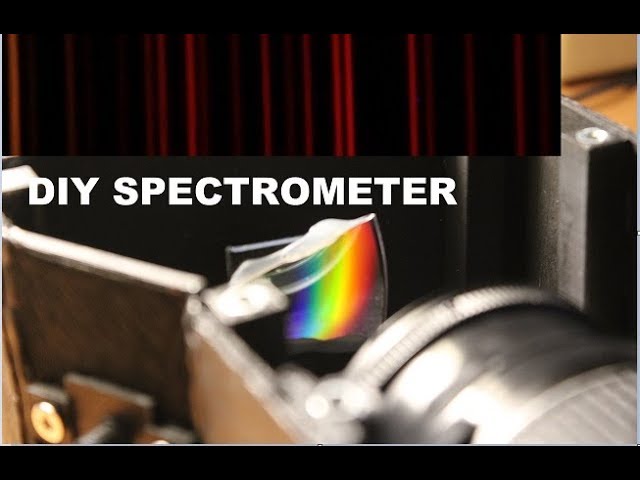
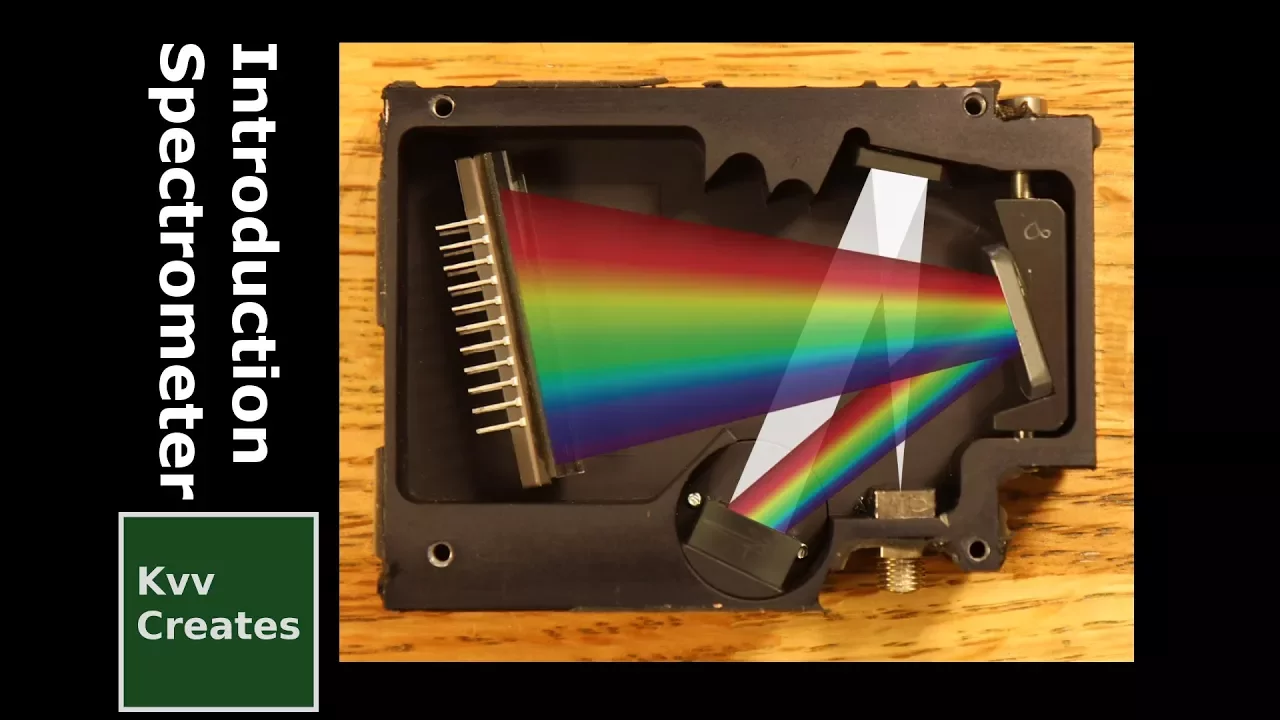
A visible-light spectrometer can be constructed using common materials including a DVD (as a diffraction grating), a VHS tape box (as housing), black card paper (to create a narrow slit), and a USB web camera, by assembling these components to split white light into its component wavelengths for analysis.
DIY Visible Light Spectroscopy: Build a USB Spectrometer
Added:Understanding the electromagnetic spectrum, specifically the wavelengths and properties of visible light.
Basic optical principles, including how light disperses, refracts, and diffracts through different media (e.g., prisms or diffraction gratings).
The fundamental concept of spectroscopy: how materials absorb, emit, or reflect specific wavelengths of light.
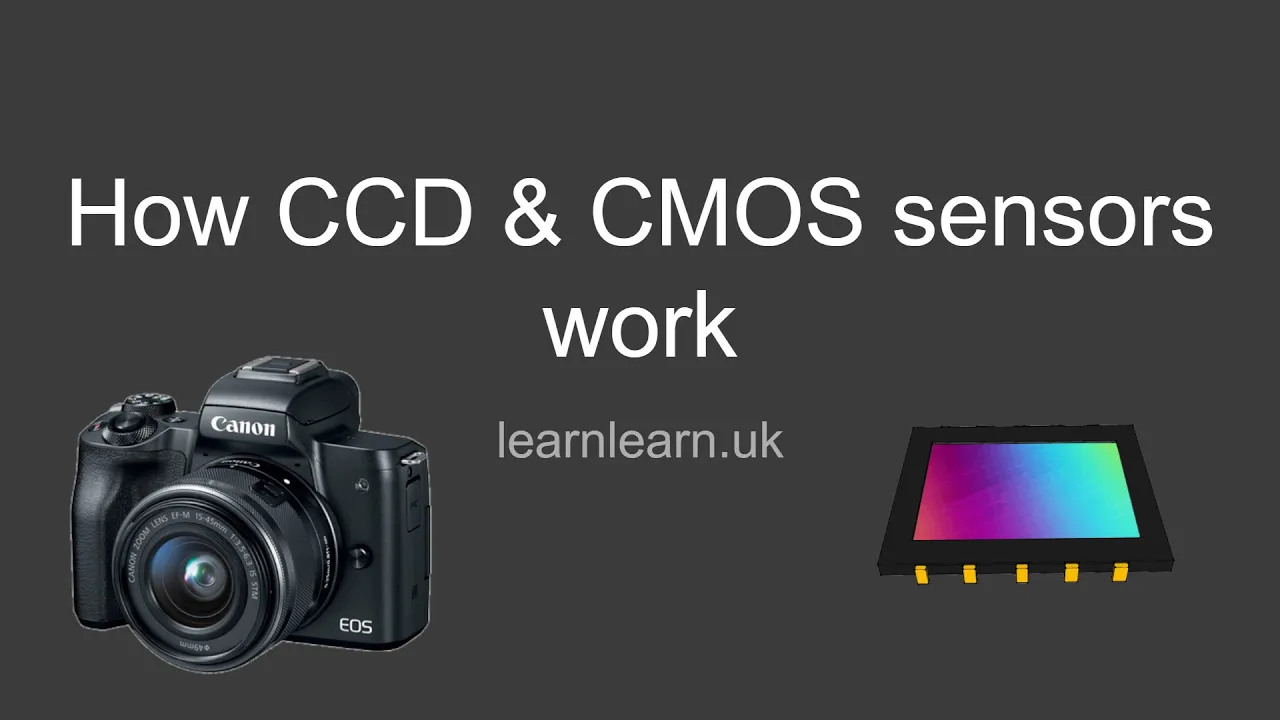
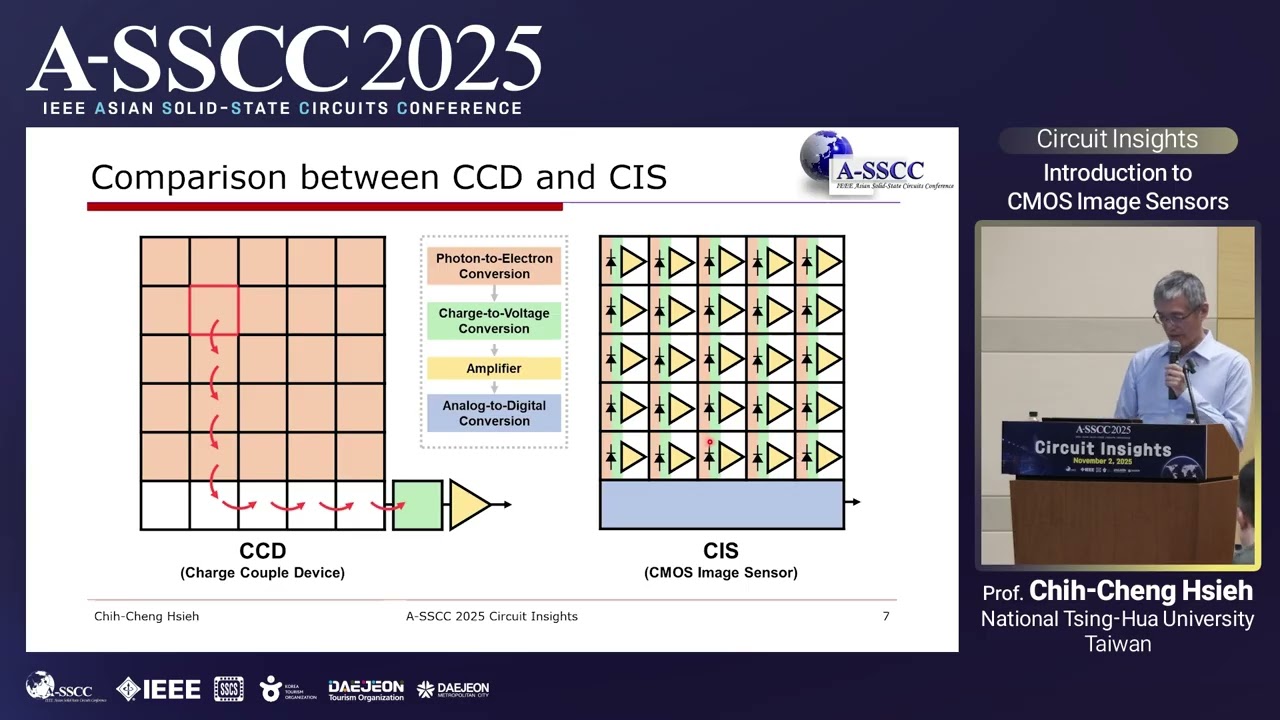
Familiarity with basic digital imaging sensors (like CCD or CMOS) and how they convert light into digital signals via USB.
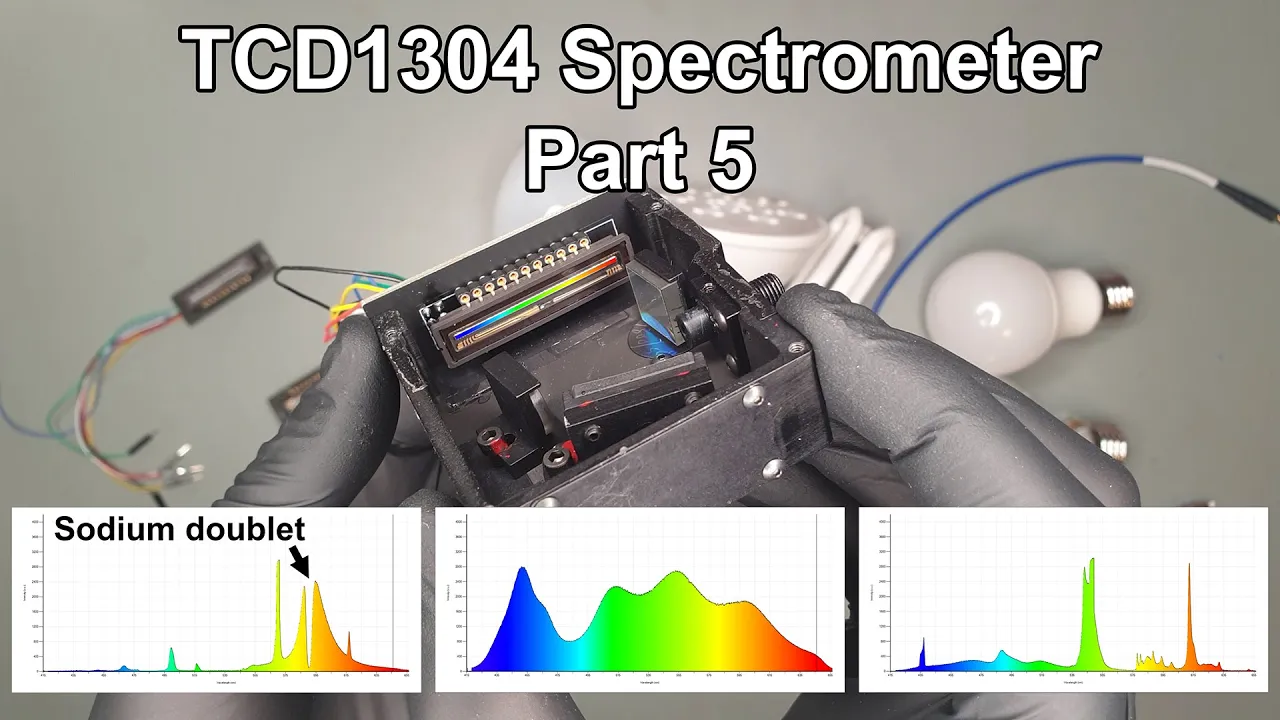
Wavelength calibration techniques using light sources with known emission lines, such as fluorescent lamps or helium-neon lasers.
Quantitative analysis applications, such as applying the Beer-Lambert Law to measure chemical concentrations in liquid solutions.
Environmental monitoring applications, including analyzing water samples for pollutants or measuring chlorophyll content in plant extracts.
Advanced spectrometer design, exploring how to optimize optical resolution, minimize stray light, and integrate automated data logging software.
111.9K views488likes9:25Original Release: 2011-11-30
This is a video tutorial for the plots $10 video spectrometer. Uh you can read more about it at this web address. And to start with, we're going to take a DVD, a DVDR, uh a VHS box like one from a Blockbuster that's going out of business, uh a piece of black card paper, uh and a um USB web camera. This one was $8 on Amazon. It's the Creative Live Notebook Cam. Um, and it's 640x480 resolution. I've just pulled the cap off of the lens there.
The black card is going to be 8 and 3/8 long uh by 4 and 1/8 tall. And then the last 7/8 I've taken and creased. So, you can fold it up like that.
Um, and now what I'm going to do is, uh, I'm going to draw a line on the card that's 1 and 38 up from the bottom. So that's 1 and 3/8 from the bottom here.
Let's just get that right.
And I'll just draw along that.
Doesn't have to be too precise.
And then um I'm going to do something quite careful here. I'm going to cut a narrow slot in this spot here so that light can shine through. [cough] [clears throat] I'm not going to cut all the way to the end. I'm just going to leave a little bit of space there.
And I'll hold it up so you can see in a second. It's got to be like a millimeter or so wide. It's really very narrow and as clean and consistent as you can get it. It's worthwhile to use a mat knife.
And then you kind of pick that out.
You can see there's a very narrow slot there.
Um, and now I'm going to open this up and put it inside here. Now, I'm going to have to cut some holes for these these two nubs.
Um, which uh you won't have to do on all VHS tapes, but this one you do. So, I'll just kind of wing it here. Doesn't have to be super precise.
All right, there we go. And it kind of fits snugly in there.
Now, um I'm actually going to put it this way or not. Uh this way. And then what's going to happen is this camera has to be set up so that it will uh so that it uh is at a diagonal and it exactly intersects that line. So sometimes you got to find a configuration where that will work. Okay. So this pro this is probably the best orientation for this camera. Um you can see that it's lined up with the slot. And then um we're going to have to cut a hole up here. I actually already cut it, but I'll show you how to do it on another VHS box. Um, you have to look for where it's going to line up with that slot.
And, uh, just cut a large hole there. It doesn't really matter how big it is, um, because most of it's going to be covered up by your paper anyway.
There you go. Um, I did a kind of a messy job, but it should be fine. And uh as you can see on our actual one, that insert allows that slit to show or to to uh allows light to pass through through the slit.
So, we have this cut and it's sitting inside of there.
Now, we have to take a piece of the DVD.
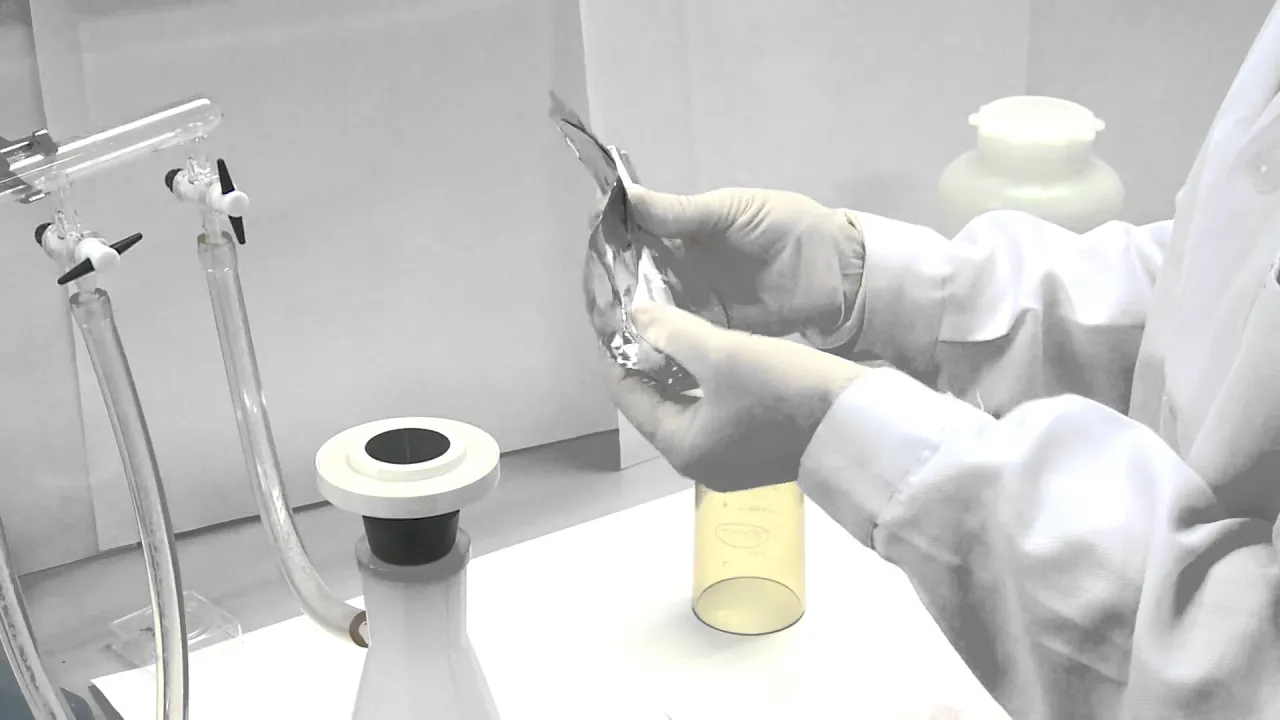
And just using a nice big pair of uh scissors, I'm going to cut uh a pretty big section out of this DVD.
There we go. And you can see it's already started to crack, but you can peel it apart like that and throw away the reflective part.
And you just want this. You can cut it down a little further even.
And then keeping uh remembering that this is the outer edge of the CD or the DVD, we have to we have to glue it or tape it onto the um video camera like this. So it when the video camera is running, this is still up and this is still down. So I'm going to go ahead and do that real quick.
I'm going to cut it pretty small.
Still maintaining that outer edge along here.
And I'm just going to use some duct tape.
The straighter up and down this is, the better your uh spectrometer will work.
There we go. That's pretty good.
And we just empty this out. Set it in here. I like to use duct tape to a fix it.
And the webcam is just at about a 45° angle with that line still maintained.
The uh line from the hole straight down to the lip. And now uh the last thing I'm going to do is the cable has got to come out. So I kind of want to cut a little deeper notch in here just to make sure it can come out without causing trouble.
All right, I've cut that notch pretty deep and I'm pretty sure we can fit the webcam cable in there.
It will shut properly. And that's pretty much it. There's a little leak of light right here. So, if you want to, you can tape over that.
Sometimes it works just to take a little strip of paper and tape it in place to block that. Uh, you can do a tighter job than I did or do it from the inside.
And then you have to plug this in and check that the whole thing works.
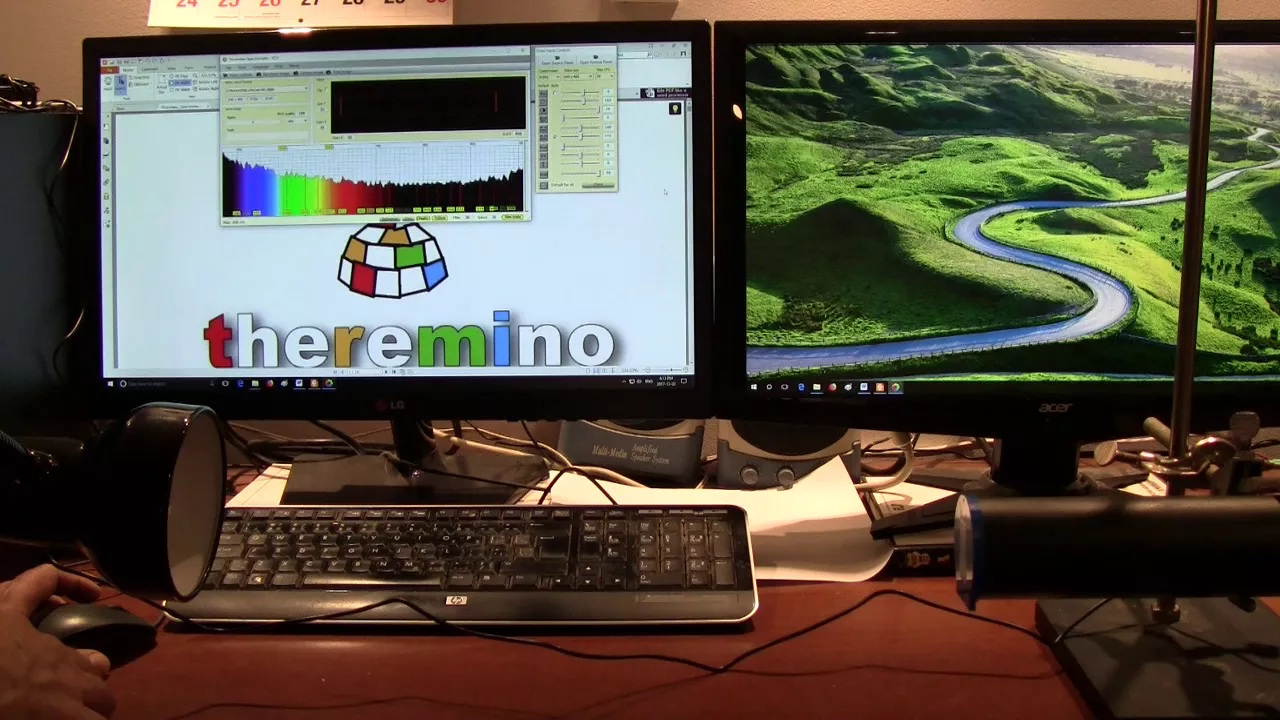
So now we've connected it to a laptop and I had to use a program called Mac Cam to actually get this to work um on a Mac. The I mean just the the webcam itself. And you can see we have the device here and that's the slit that we're going to use to actually uh image things. I've set up a really bright fluorescent bulb here, and I'm just going to point it down there. And you can see we have a spectrum, and it's a pretty good resolution spectrum, too. Uh there's some reflections because the top of the uh case is shiny, so that's creating those two stripes above. Um but if you want, you can actually add more black paper, kind of a matte black paper, and uh you'll get rid of that reflection. So there you go. Um, that's the webcam.
Thanks for watching. You can find more at public laboratory.org/wiki/videosp spectrometer. Uh, also /wiki/spectralworkbench for the software to actually use the spectrometer. And finally, to join Public Laboratory, you can go to public laboratory.org/ user/register.
Up Next

3:01
SQUID Magnetometer Demonstration | Superconducting Quantum Interference Device
@cmditr
29.9K views•2010-12-07
30:32
Ultrasonic Transducers: Resonant Frequency Measurement and Horn Design
@imajeenyus42
229.9K views•2017-02-22
54:16
Polymer Environmental Degradation: Mechanisms & Stabilization
@iit
1.8K views•2012-07-10
33:39
How a Student's Question Saved a NYC Skyscraper from Collapse
@veritasium
22.8M views•2025-04-26
Related Study Plans & Knowledge Roadmaps
Structured learning paths in Engineering
engineering
Building Acoustic Levitators: Physics & Arduino
01The Physics of Sound and Standing Waves
02Piezoelectric Transducers and H-Bridge Drivers
03Arduino Programming: Generating 40 kHz Signals
+ 2 more learning modules
14h5 modules
Explore Roadmap
engineering
Building Peltier Cloud Chambers: Particle Tracks
01Cosmic Rays & Cloud Chamber Physics
02Thermoelectric Cooling (TEC) Fundamentals
03Custom Liquid-Cooling Loop Design
+ 2 more learning modules
18h5 modules
Explore Roadmap
engineering
Yagi-Uda Antennas: Modeling, Build & VNA Test
01Introduction to RF and Antenna Fundamentals
02Yagi-Uda Antenna Design Principles
03Antenna Modeling and Simulation in 4NEC2
+ 2 more learning modules
18h5 modules
Explore Roadmap
engineering
ECG Monitor Design: Op-Amps, Filters & Noise
01Electronics & Breadboard Basics
02Op-Amps and Instrumentation Amplifiers
03Bioelectricity and ECG Fundamentals
+ 2 more learning modules
18h5 modules
Explore Roadmap