


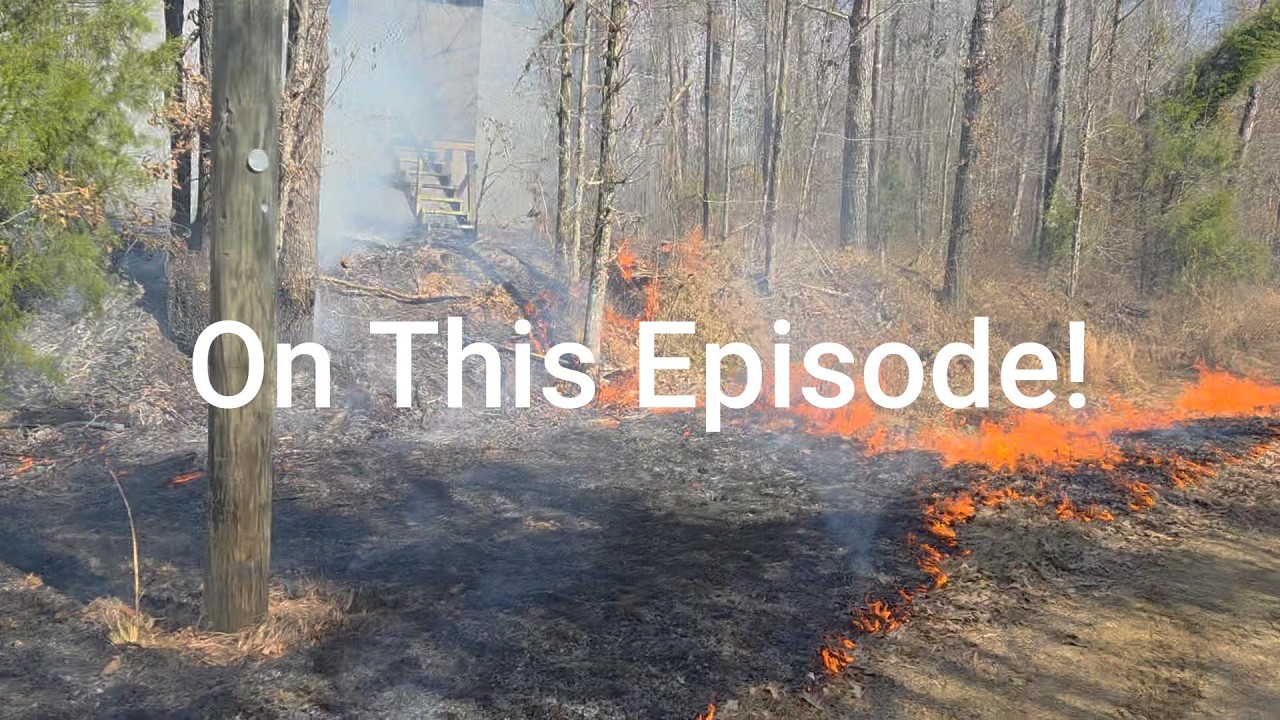




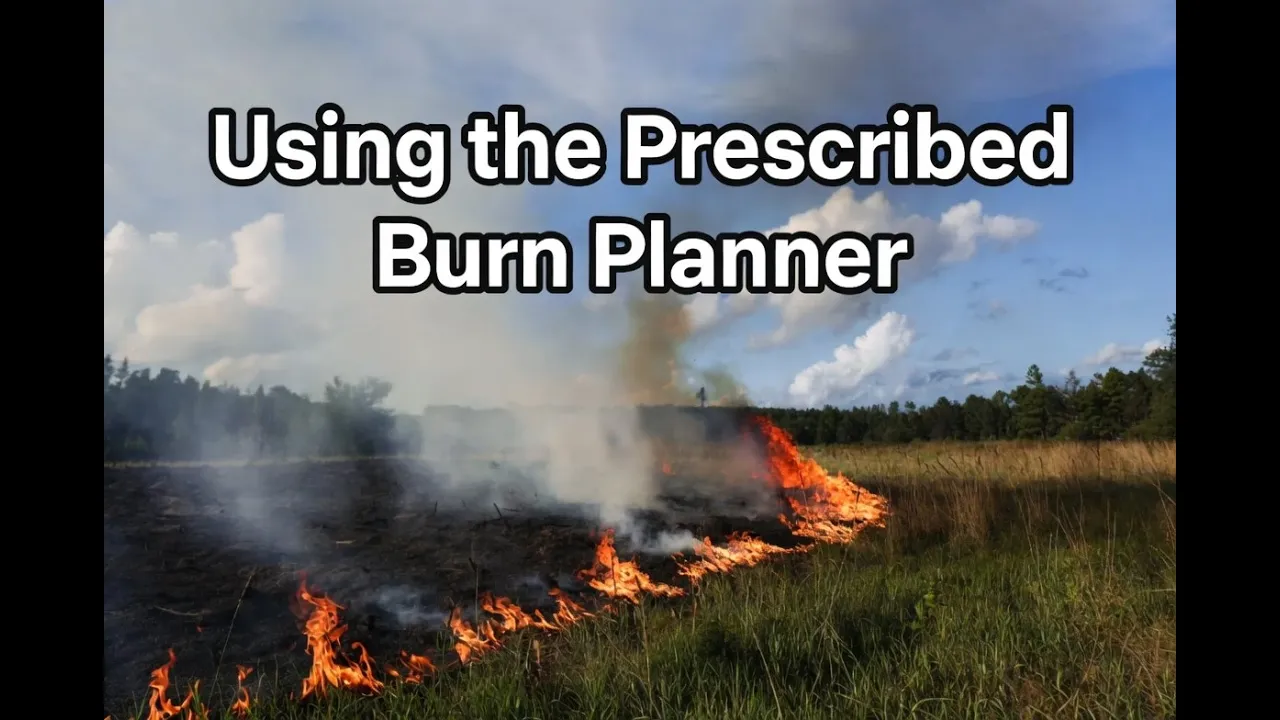









Prescribed burning uses two main ignition patterns—spot ignition (creating multiple small fires that burn slowly and can be expanded) and line ignition (creating continuous fire lines that produce higher intensity flames)—with spot ignition being preferred for low-intensity burns in sensitive areas like steep slopes or near threatened species, as it allows gradual fire spread and better control over fire behavior while minimizing scorch height and erosion risks.
Prescribed Burning Techniques: Ignition Patterns & Fire Behavior
Added:Understanding the fire triangle (oxygen, heat, fuel) and how basic weather factors like relative humidity, wind speed, and temperature influence fire behavior.
Familiarity with basic wildland fire terminology, such as fuel loading, rate of spread, head fire, backing fire, and flanking fire.
Knowledge of the ecological role of fire in various ecosystems and the primary objectives of fuel hazard reduction.
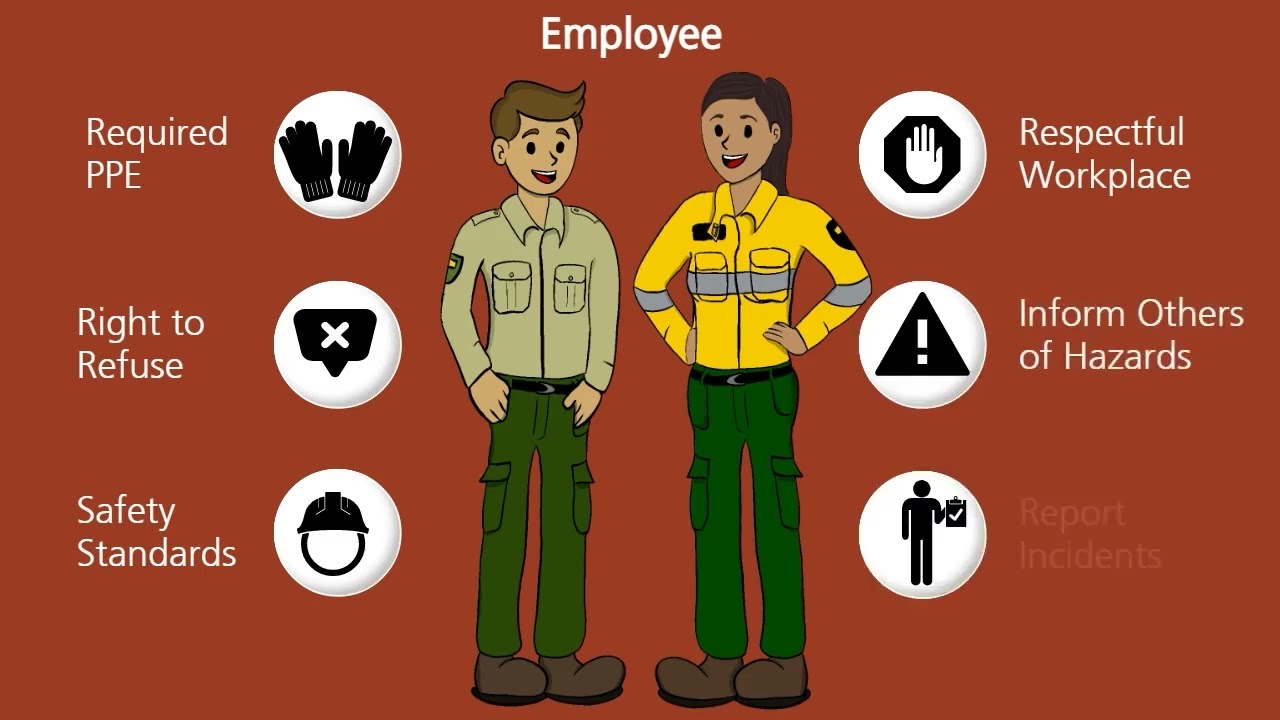
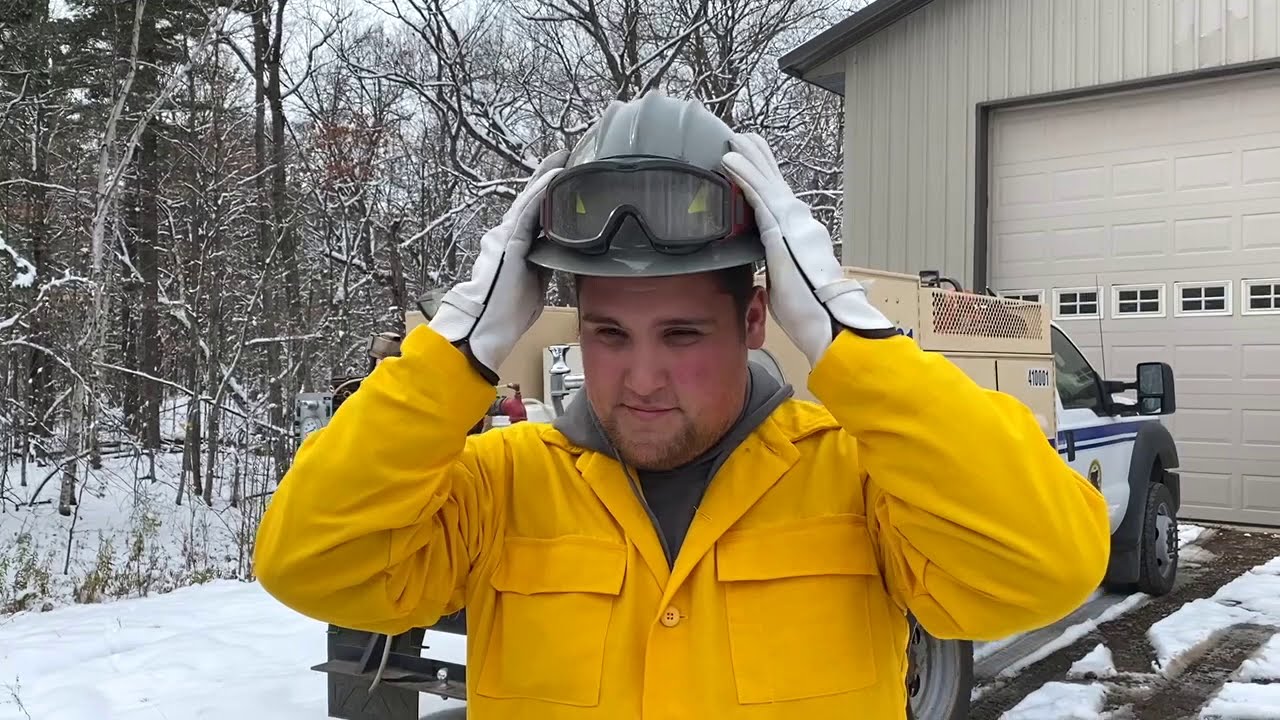
Basic awareness of wildland firefighting safety protocols, personal protective equipment (PPE), and standard suppression tools.
Writing a comprehensive Prescribed Burn Plan, including defining the acceptable weather 'window' (prescription parameters) and establishing contingency resources.
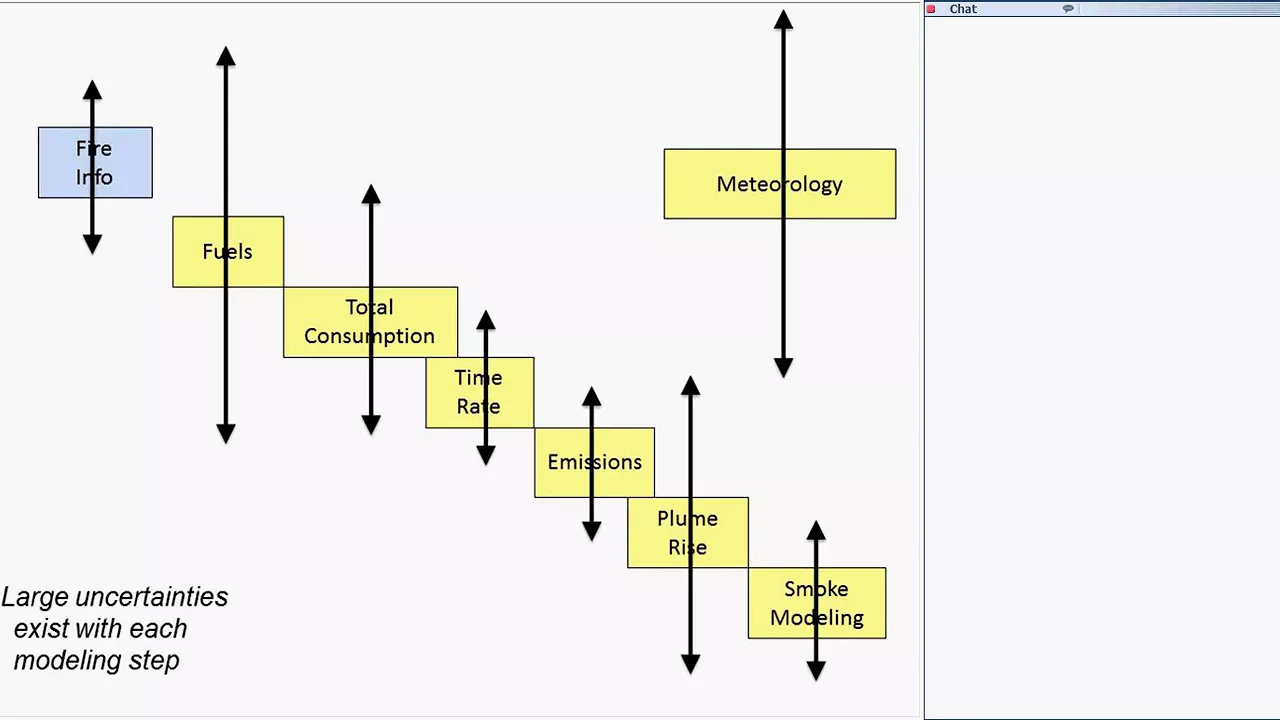
Smoke management planning, modeling smoke dispersion, and understanding the regulatory frameworks governing air quality during controlled burns.
Advanced ignition technologies and methods, such as aerial ignition using helitorches or plastic sphere devices (PSDs) for large-scale operations.
Post-burn ecological effects monitoring, including evaluating soil burn severity, tree mortality, and long-term vegetative regeneration.
7.3K views101likes11:19Original Release: 2023-03-27
foreign [Music] we're on site here at a prescribed Hazard reduction burn on the urban interface the prescription is for low intensity and you can see the the flame height is below our knee knee height low intensity here we've still got Patches of leaf litter on the ground we're not removing the entire level of leaf litter and the purpose of that is that we want to reduce the fuel but we don't want to get down to Mineral Earth and cause erosion issues so we're in an urban Bushland environment where we've got houses just over this way we're right behind the houses so properties that back onto the Bushland Reserves and it's really important to have an asset protection zone or fuel reduced areas close to community assets the purpose of this burn is to reduce the fuel to lessen the impact of bushfires in the summer months so the potential for bushfires to come and impact on on assets and houses in this area is is Extreme so it's really important that the rural fire service land managers work collaboratively to ensure that we're reducing fuels in these asset protection zones so one of the key indicators of a low intensity burn is how high our Scorch height gets to or what is impacted by the heat from the fire you can see here's some tree scarring fibrous bark tree so it's going to naturally want to burn but we can see that the scarring hasn't got all the way up the tree so key indicator is to keeping the flame height down at that low level so we don't have a Scorch height that is too high generally a Scorch height round about the hip is preferred in this sort of environment and the smooth back trees you can see they're not being impacted at all so for all Hazard reduction Burns it's vital that we have appropriate control lines around our burn that can be either a mineral Earth control line a fire Trail a road or it could be a creek or we can use moisture in the vegetation as a control line the situation here is we've got a mineral Earth control line that's been raked prior to us getting here hose lines in place and it's important not to cause erosion or establish a new walking Track an informal walking Track when we're establishing these control lines so this control line will be allowed to revegetate after we've completed the burn to ensure we don't have any erosion issues on this steep slope so part of the environmental prescriptions for this site is to have low intensity because we're on a steep steep slope but also because of the vegetation in the area this particular area has a Blue Gum forest in close proximity and that particular blue gun only grows in this area nowhere else part of the purpose of this burn is to protect that Blue Gum Forest just down slope so we want to reduce the fuels but we also want to use fire for regenerative purposes the natural regeneration process of giving a Buddha being a bit heat in the soil and germinating some of the seed in this area will help with all the ecological issues within this area so setting the priorities for hazard reductions can be a bit of a balancing act the priority for this burn is we've got houses or assets right at the top of the ridge including a child care center that need to be protected from the threat of wildfires but we also have The Balancing Act of dealing with the Blue Gum forest in this vicinity and some other threatened species so we need to take into consideration those threatened species before we simply go and burn the bush as part of the process we do an environmental assessment either under the hazard reduction environmental Bushfire environmental assessment code or a review of environmental factors for example that will give us the detail about how to include the environmental factors into our burn plan ultimately we then end up with a description about what sort of flame height we need and what areas we need to exclude in this particular burn we have two fire exclusion zones due to threatened species we also have to take into consideration the public access along bike tracks and also the neighbors where is the smoke going and where is that smoke going to impact on our community so prescribe burning essentially there's a lot in it it's not just something that we do at a whim so the benefit of doing spot ignition like this is that you can always start slow and add more fire as you go the further your spots are away you can always add more fire but if you add too much fire from the start you can't take it back easily so in this instance if we wanted to we could add additional fire between those spots and join them up but this is doing exactly what we want it to do Burning Down the slope it's burning well and removing that fuel at a slow pace it's just all about having a bit of patience and letting the fire do what it needs to do so we've got two spot ignitions here and we're just about to get a junction zone between the two spots so that's the junction Zone that you can expect but when you look at the previous spots it's the intensity without a junction Zone so now we're just going to do a straight line ignition and monitor the difference that'll do there instantaneously we can see fire Behavior completely different to the spot ignition just here [Music] because we do that line on that edge there you can see that the fire is drawing itself in but it's taking quite a while for the flame hunt to drop down it's actually really quite hot when you come around to the spot ignition just creeping in slowly don't have to worry about it going up the fibrous bark trees it's just doing its thing naturally we'll probably add some more flame there if we needed to you can always add more fire can't take it away but doing a continuous line has meant we've now got higher fire Behavior with the Wind blowing towards the assets so we're going to need to concentrate on fibrous about trees like these ones where the fire is going to get up the tree rather than doing squat ignition which would result in much less fire Behavior I think we've got a backing fire Against the Wind less than half a meter flame height doing its theme and then a direct line in the interior which is now affected by the wind one solid line the fire Behavior that's well and truly above a meter so this is a line ignition here you can see the difference in the fire Behavior whilst it's still only coming down the hill slowly this short run that it has up slope all of this area if we pan across this way we can see this whole area across here it's burning at a much faster rate that's just something to be mindful of and when you're doing a line ignition keeping it to 10 liter sections small bite-sized chunks that you can maintain this fire Behavior will drop down now but you can even feel the heat a lot hotter than where those spot ignitions were earlier so the issue here is that we've got fire underneath this fibrous bark tree and you can see the fiber is actually coming off and creating fire brands I mean so that is a real spot fire risk for anything upslope so in terms of your ignition if we take time to this spot ignition around trees like this remove the fuel around we don't have this issue we've actually got to have to get hoses in here to come and cool this bit down so with Hazard reductions it's important to get the right prescription another helpful way of doing that is to conduct night burning burning when the temperature is low and the relative humidity is high means the fire Behavior can remain under control particularly when we're doing large areas it also assists us to be able to see where Embers are flying at night and to be able to keep an eye on that so that spot fires don't occur outside the control lines so it's 10 o'clock at night and this is a backing fire at the bottom of the hill in casuarina vegetation it's about 19 degrees Celsius and 67 humidity it's backing photos still going quite well Crews have just done a 10 15 minute section of line ignition here nice we'll just see how that goes humidity is um pretty high it's about 60 70 percent we'll just see how that far activity goes in comparison to the spot ignition down here so we have a uh Junction zone between two spot ignitions just about to happen sunny and grass vegetation but you can see where you get that Junction zone of the flame increase in fire activity we need to be mindful of the ignition patterns being used on a broad scale particularly where there are pinch points or corners on the control line here we see a team on one side that's using line ignition and is causing a solid line of fire and under the influence of the wind is blowing smoke and Embers across to the other side that team is using spot ignition and their Junction zones haven't met up yet and only have moderate fire Behavior here we see an example of spot ignition that's been conducted too close together creating a solid line of Junction zones and a solid line of high intensity crowning fire when conducting prescribed burning we need to consider the ignition patterns that are suitable to the prescription that's been set in the burn plan
Up Next

12:06
Prescribed Burn Techniques: Drip Torch Safety and Fire Management
@wranglerstar
1.1M views•2017-04-20

12:54
Triumph of Orthodoxy Icon: Byzantine Art & History Explained
@BenCallan
2.1K views•2024-08-06

9:49
FastAPI vs Flask vs Django: Choosing the Right Python Web Framework
@TechWithTim
302.5K views•2024-05-26

1:42
Game of Thrones Opening Credits: A Cinematic Analysis
@gameofthrones
46.3M views•2011-04-18
Related Study Plans & Knowledge Roadmaps
Structured learning paths in General & Interdisciplinary Studies
general-studies
Elevator Engineering: History, Physics & Cities
01From Hoists to Safety Brakes: The Dawn of Vertical Lift
02Hydraulic vs. Traction: The Engineering Physics of Elevators
03Modern Speed, Safety, and Algorithms
+ 2 more learning modules
12h5 modules
Explore Roadmap
general-studies
Rubber: Material Science, History & Geopolitics
01Origins of Natural Rubber & Mesoamerican History
02The Chemistry of Natural Rubber & Vulcanization
03The Geopolitics of the Rubber Boom & Colonization
+ 2 more learning modules
12h5 modules
Explore Roadmap
general-studies
Containerization: Evolution, Logistics & Trade
01Ancient Trade & Bulk Cargo: Amphorae to Barrels
02The Industrial Revolution & Cardboard Packaging
03The Containerization Revolution: Malcom McLean
+ 2 more learning modules
12h5 modules
Explore Roadmap
general-studies
Textile Tech: Evolution, Labor & Global Impact
01Pre-Industrial Textiles: Handloom & Cottage Industry
02Mechanization: The Spinning Jenny to the Power Loom
03The Factory System & Global Labor Transformation
+ 2 more learning modules
10h5 modules
Explore Roadmap