








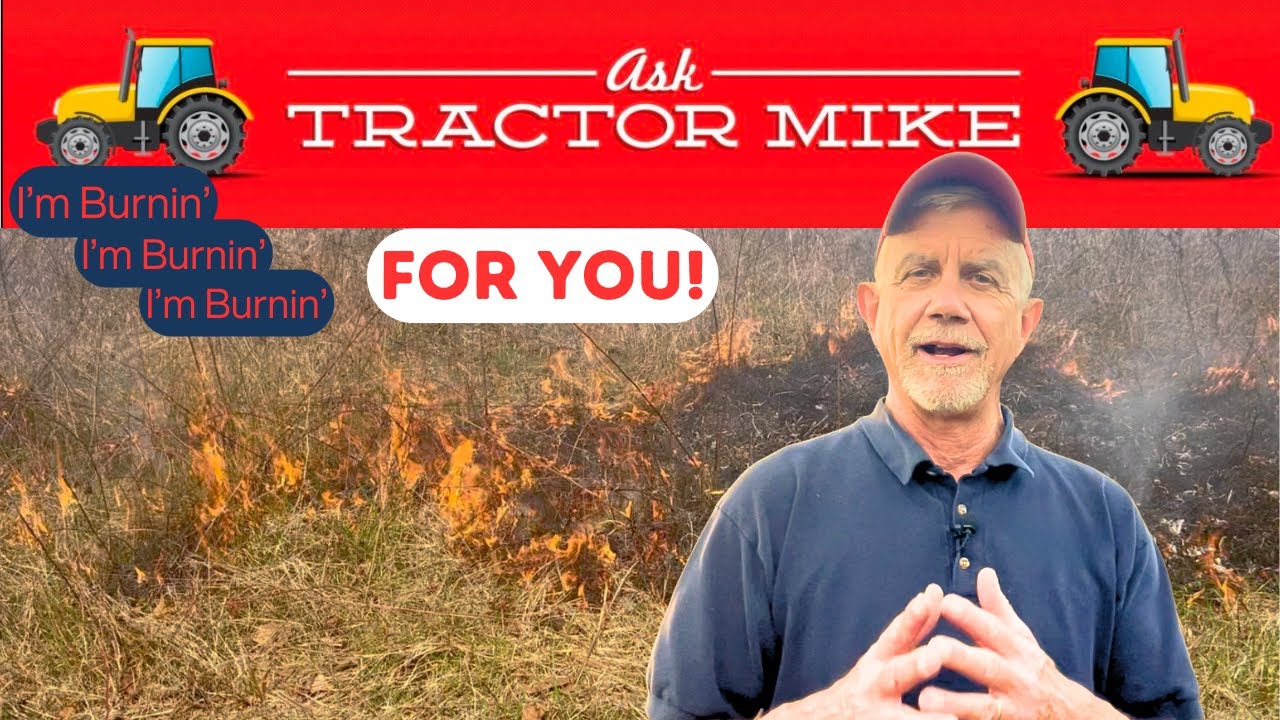










A drip torch is a specialized device used for controlled burns that uses a fuel mixture of kerosene, diesel, and gasoline (typically 75% diesel to 25% gasoline) to create a dripping flame that can be safely applied to start fires; the device includes a brass cap for fuel storage, a loop in the fuel line to prevent fire from traveling back into the mixture, and a wick that dispenses fuel when oriented correctly, requiring proper ignition technique and safety precautions including wearing gloves and maintaining a safe distance from the burning material.
Prescribed Burn Techniques: Drip Torch Safety and Fire Management
Added:Basic Fire Behavior and Chemistry: Understanding the fire tetrahedron (fuel, oxygen, heat, and chemical chain reaction) and how environmental factors like relative humidity, wind, and temperature influence fire spread.
The Ecological Role of Fire: Knowledge of how fire acts as a natural disturbance agent in various ecosystems to maintain biodiversity, recycle nutrients, and manage hazardous fuel loads.
Wildland Fire Terminology: Familiarity with standard industry terms such as fuel loading, fireline, anchor point, head fire, backfire, and flank fire.
Safety and Personal Protective Equipment (PPE) Basics: Awareness of the foundational safety gear required in wildland fire environments, including flame-resistant clothing (Nomex), safety boots, and emergency fire shelters.
Prescribed Burn Planning and Prescriptions: Learning how to write a formal burn plan, including defining acceptable weather windows (the prescription), safety mitigation strategies, and smoke management protocols.
Advanced Ignition Techniques and Patterns: Exploring complex firing methods such as aerial ignition (using helitorches or plastic sphere dispensers), ring firing, and strip-heading to safely manipulate fire behavior over varied terrain.
Post-Fire Ecological Monitoring and Restoration: Studying methods to evaluate the success of a burn, including measuring fuel consumption, monitoring soil health, and tracking the regeneration of native vs. invasive vegetation.
Incident Command System (ICS) and Wildfire Suppression: Understanding the organizational framework used to manage emergency response teams, coordinate resources, and suppress out-of-control wildfires.
1.1M views12.3Klikes12:06Original Release: 2017-04-20
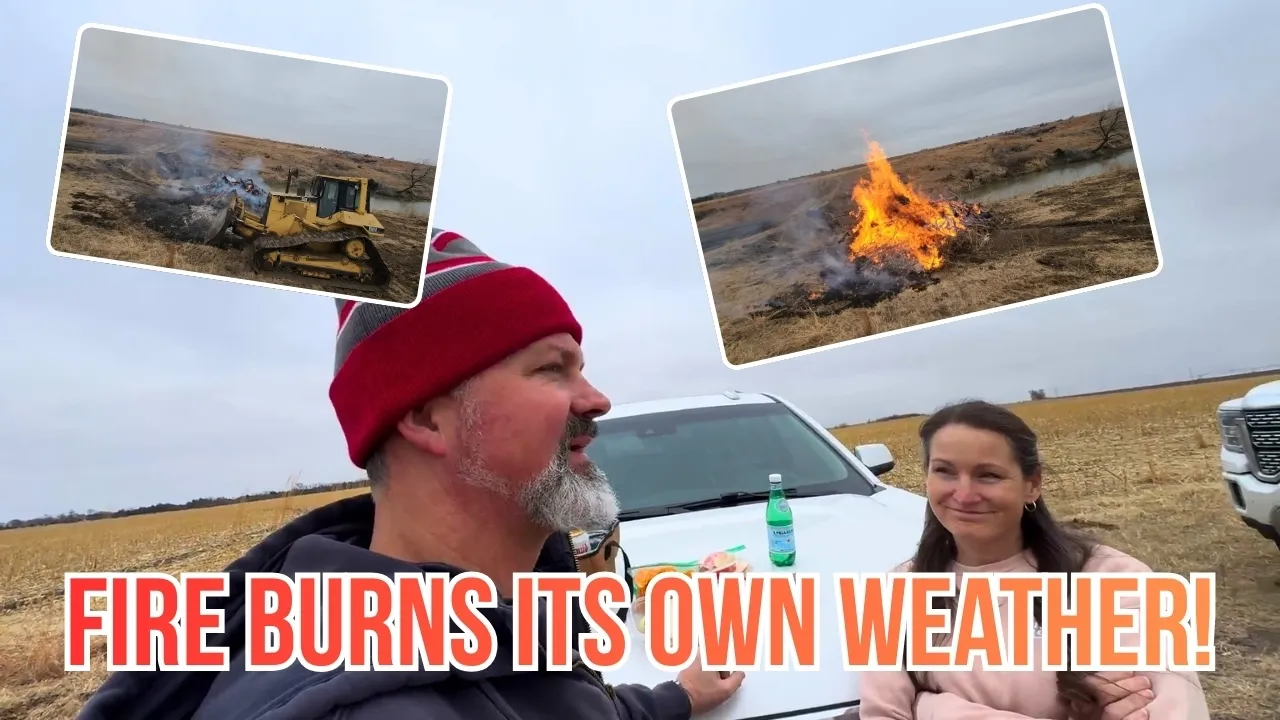
[Music] so today we have a very exciting video but I have toys for you guys I have one for you thank you one for you you can't have highly explosive a lime he can't have three quick this requires adult supervision so these are few Z's this is we're gonna actually going to start the prescribed burn today on one of our many piles but we have a pretty good sized one here and I'm gonna show you guys how to use the drip torch you know what that is if you you drip drip drip what higher you you drip at an oil that starts to fire the dripping oil starts to fire so in this jack is gas and diesel 7525 mix which ones more uh diesel that's right alright so let's go over here to the pile and I'll show you what we're going to do this is the pile we're burning today this is uh we rented the excavator was that like three years ago and we brushed all these things up we did we cleared all this area and got rid of all the dead and invasive stuff and it's been sitting for two two summers so it should be reasonably dry so it's a perfect time to burn it's really cool the humidity levels up pretty high there's zero wind down here so it's just ideal so we can we're going to have a rip roarin enjoy this house from the fire fire fire there's only ten by ten it's only ten by ten Vidya was asking all right I'm gonna drop some learning on you getting off some learning on you you're going to drip some learning on me so I showed this eye cream I showed this in a barely in a previous video but it's going to be this may be a bit of a what they call it a review for some of you okay so this is a drip torch so this is what we use to describe burns and in here is a mix of kerosene or diesel and gasoline and does anyone know why there's a loop in the line you go to did a lot too fast probably ear so Aaron something it's prevent the fire from going back up into the mixture it's like it's a like a pea trap like on a toilet the same price I forget what I meant because you have to have air for piracy cute great alright so this brass cap jack I started CCD starting to come out you see he's organizing things I wish I'd have in his room call you the Rain Man okay so this little thing here this is a cap and this when you're this is you put this cap on this is where the fuel goes you put this cap on when you're transporting it so it doesn't leak on you okay so but when you're not using when you're ready to use it you store the cap here from this little threaded area and the reason you do is as you're using it this cap will slam back and forth clogs this new fuel won't come out so that's just restoring it there and that's a filtration bottom there's that is not a filter but it's the wick you put this on here ah you orient it this way because you're gonna hold it on the handle and you want it to drip down and now you key right here Jack the diesel comes out there and it works on Thurs its ignited by the torch this is a beautiful clean organ Midford okay this is the fun part this is a fusee this is like a road torch it's used for wildland firefighting and in the different differences as it drips it drips rather so you can go along and you can light fires on it and this is something that's required for everyone to carry in their pack because if you ever needed to do a Burnout to save yourself or use them for a million different things you have that ready so you take the paper off here I mean why do we need to put gloves on yeah you want to use gloves with these yeah you need it right there okay see right there there's a sparkler on there see that jack right there okay so step back a little bit so the cap is that is the map basically the batch and you strike them that one's a little bit wet you said to get the worst ones I can find it wants to go all we need to do is get one of them to go then we can light the other ones I'm going to put her in the car so maybe storing these out in the metal pole barn is not the best thing all right we're going to get this one Jack yeah so our last chance it's just so wet so again okay so this use these wouldn't light because I had left them there just things got too wet in my shop so we're going into the bug out bag you look so pleased I hope I have I hope I prepared here and my prepare I am prepared totally the big question is do you have chocolate there may be some chocolate in there maybe I said that so maybe I should take a look some mouse eaten chocolate okay but we do have we do have fire here all right we'll light this the old oh there's a different TV in here you want it try there is a fusee in there maybe that was dry how does it feel it feels very damp is it everything feels kind of dance and dance it is dancers dancing here to your takeaway nice nice wondering where that way that wasn't very nice as you what if you were getting ran down by a web and fire you wouldn't want me lighting these things today would you nope like wait wait wait wait wait wait wait see if we can make it happen you ready yeah all right I got it it's the dribble missus all right so we can light our regulator torch or torch there look at that burnin all right you guys want your own absolutely why do you go monitor yours all right now hold it down in a way give it a good grip you don't want to grip on you if you catch on fire we're going to focus up there like a big kid firework here all right jack five years 20 years one out yeah well come on over here with me making you nervous it doesn't mean ervice don't know coming up and what point you throw it well it'll take an hour for it comes up okay and feet you're upwind together that blows downwards it won't smoke back on you see there you go yes tripping yeah oh my canister generators you put her in the car she's cold he's freezing Jack you care too but first doctors so what are we doing here I'm trying to politely [Music] like a motya of pasta or whatever at all the Molotov cocktail yeah okay so this is the best part so I'm going to give you one and I want you just to toss it underhand and we'll toss them on three into the pile you ready here's Thomas yep okay here we go one two three he's gonna go check the other side see if I overshot my is not working over here I'll push it in I'm so sick Oh how's that pile that you first start a brand with it's gonna go pretty good oh yeah it seems like it's want to take off [Music] [Applause] [Music] [Applause] [Music] [Applause] [Music] [Music] he's in there I am and maybe you two got on one side and the other side is wet yes probably 60 feet away and this is just right yes pretty I forgot that's it I'm not going up there the camera make the losers in really good at it ha we're going to lose a couple trees but we kind of knew that though those are trees that need to keep thinned anyway the other piles maybe we should pull further away from that tree yeah yeah [Music] so that's it friends starting to rain we can see the fire from the house we'll keep an eye on it but mr. W froze out left this and I'm not having very much fun here by myself so we'll see you guys on the next video [Music] [Music]
Up Next

122:23
NASA ARSET: Google Earth Engine Basics and Applications, Part 1/3
@NASAgovVideo
20.6K views•2021-06-17

26:22
Walking in the City: Urban Rituals and the Flâneur in Contemporary India
@PSBTIndia
1.9K views•2016-08-02

9:49
FastAPI vs Flask vs Django: Choosing the Right Python Web Framework
@TechWithTim
302.5K views•2024-05-26

1:42
Game of Thrones Opening Credits: A Cinematic Analysis
@gameofthrones
46.3M views•2011-04-18
Related Study Plans & Knowledge Roadmaps
Structured learning paths in General & Interdisciplinary Studies
general-studies
Artificial Light: History, Tech & Human Impact
01The Pre-Electric Era: Fire, Oil, and Gas Lighting
02The Incandescent Revolution and Grid Electrification
03Gas Discharge and Fluorescent Illumination
+ 3 more learning modules
14h6 modules
Explore Roadmap
general-studies
Elevator Engineering: History, Physics & Cities
01From Hoists to Safety Brakes: The Dawn of Vertical Lift
02Hydraulic vs. Traction: The Engineering Physics of Elevators
03Modern Speed, Safety, and Algorithms
+ 2 more learning modules
12h5 modules
Explore Roadmap
general-studies
Rubber: Material Science, History & Geopolitics
01Origins of Natural Rubber & Mesoamerican History
02The Chemistry of Natural Rubber & Vulcanization
03The Geopolitics of the Rubber Boom & Colonization
+ 2 more learning modules
12h5 modules
Explore Roadmap
general-studies
Containerization: Evolution, Logistics & Trade
01Ancient Trade & Bulk Cargo: Amphorae to Barrels
02The Industrial Revolution & Cardboard Packaging
03The Containerization Revolution: Malcom McLean
+ 2 more learning modules
12h5 modules
Explore Roadmap