





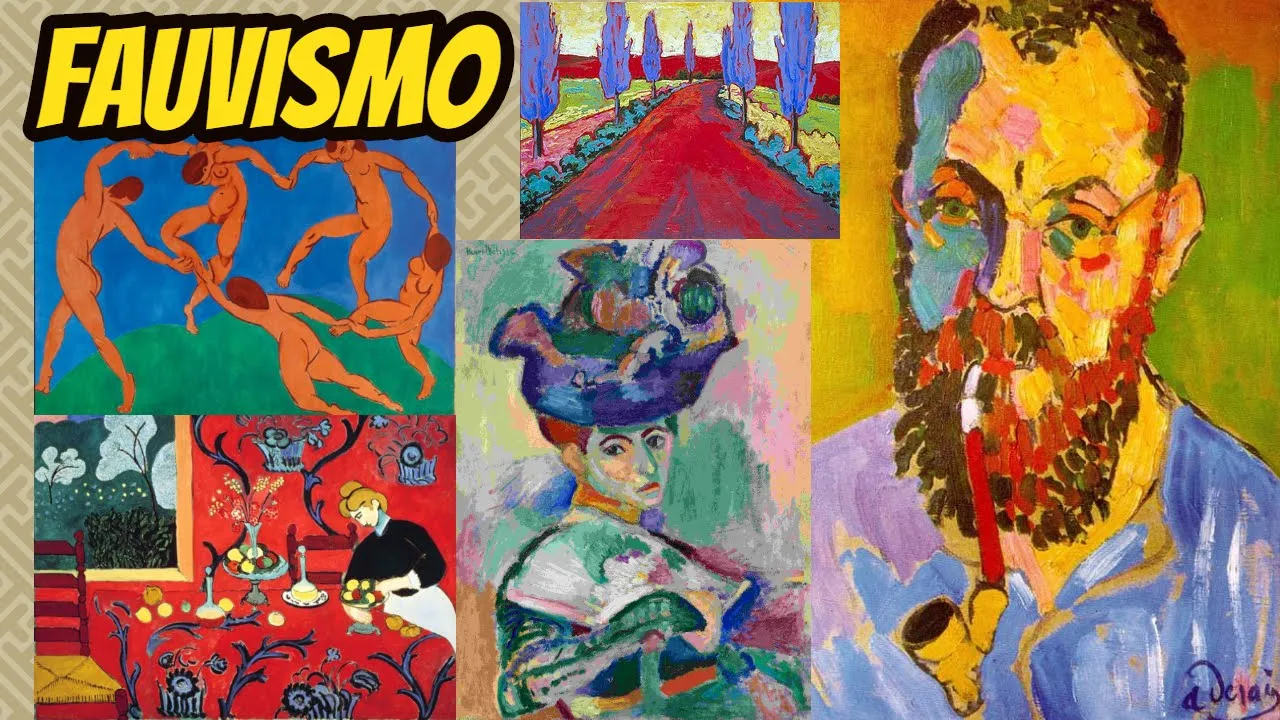


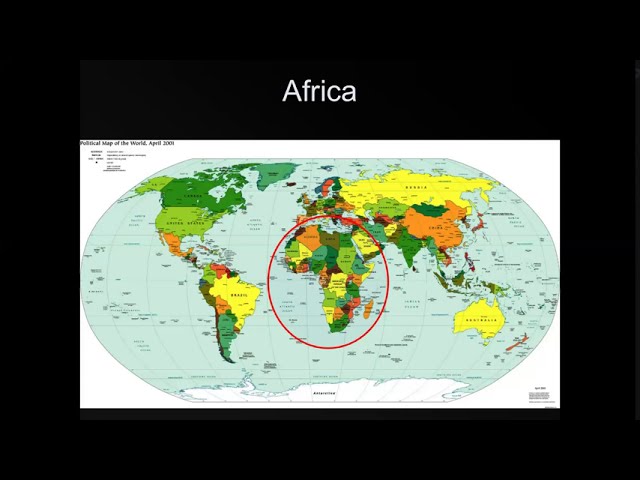



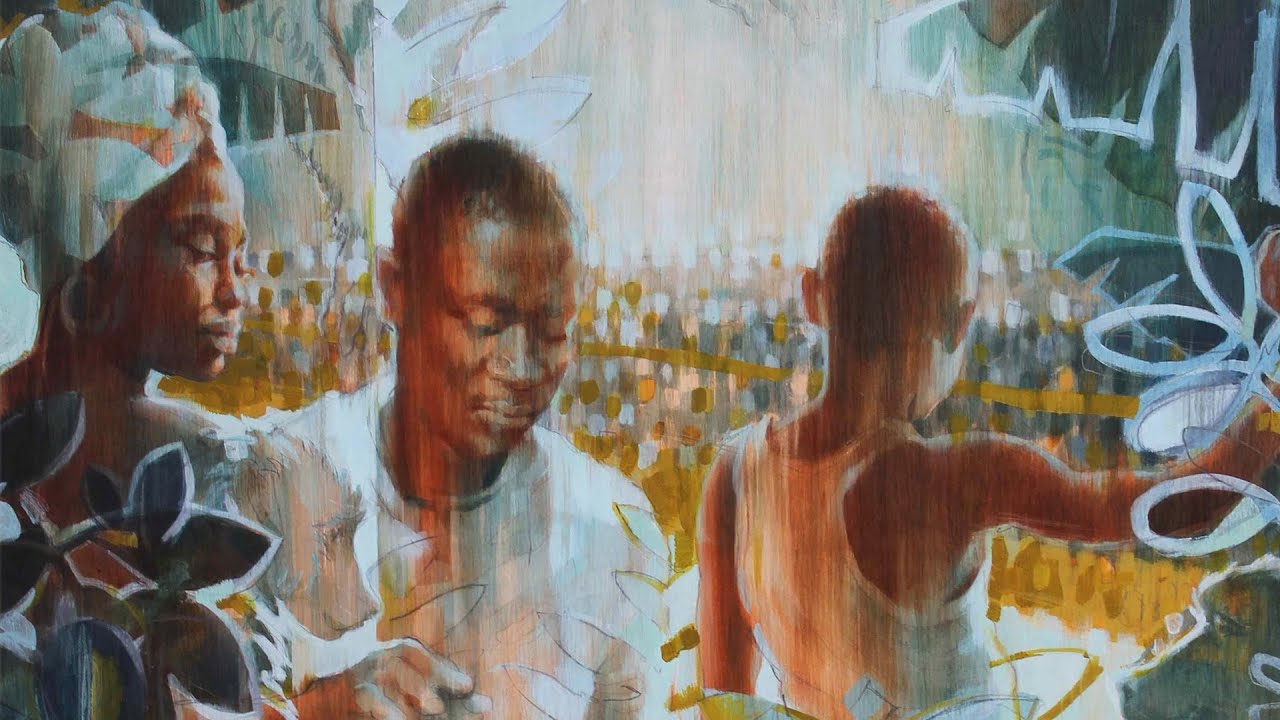


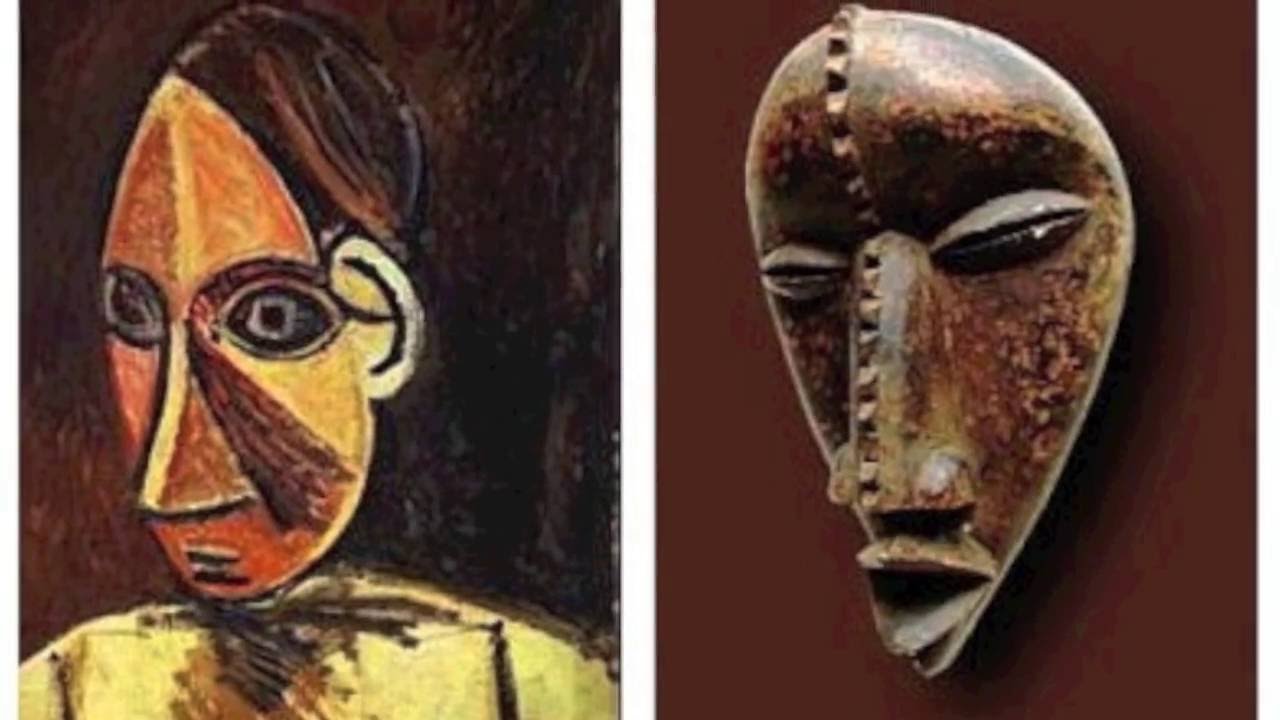
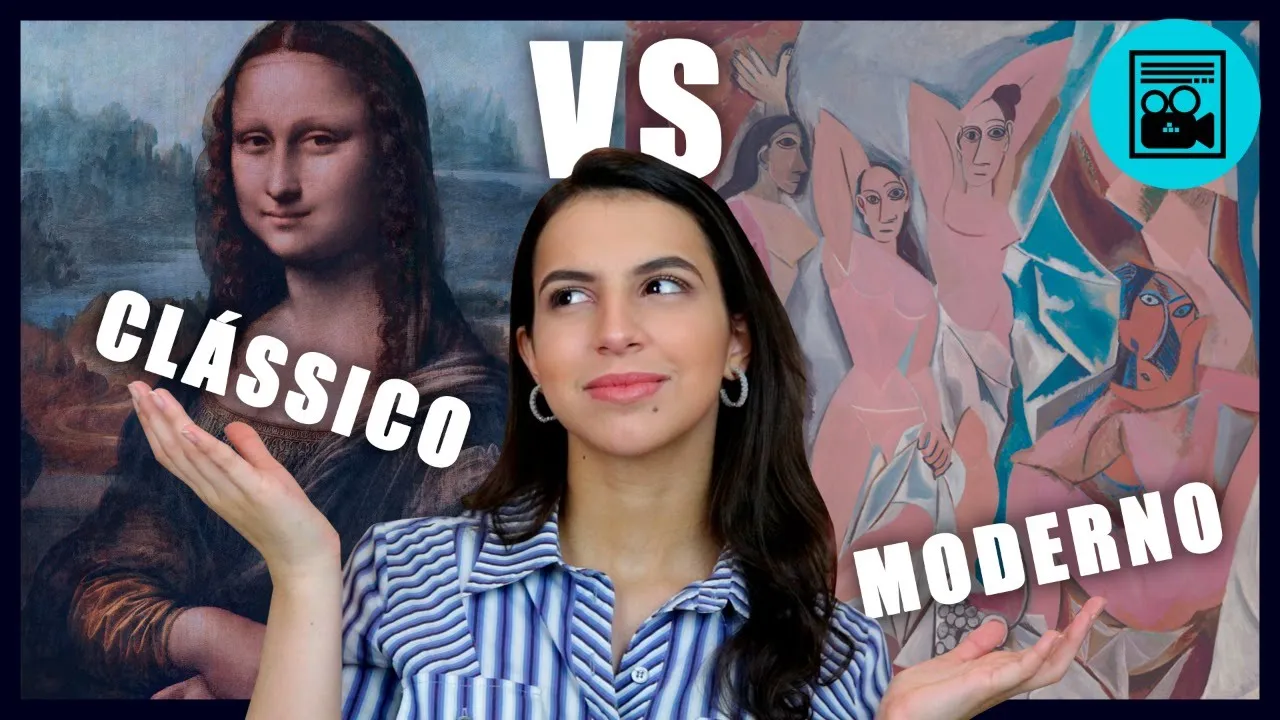





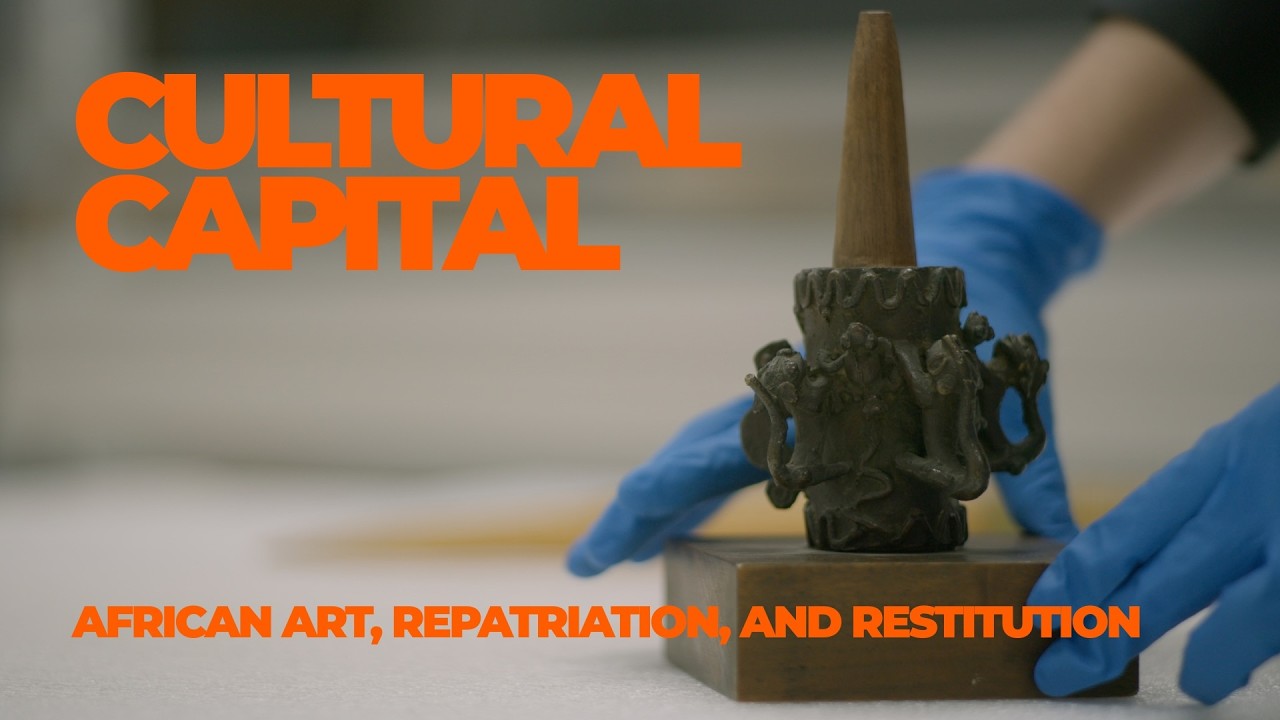

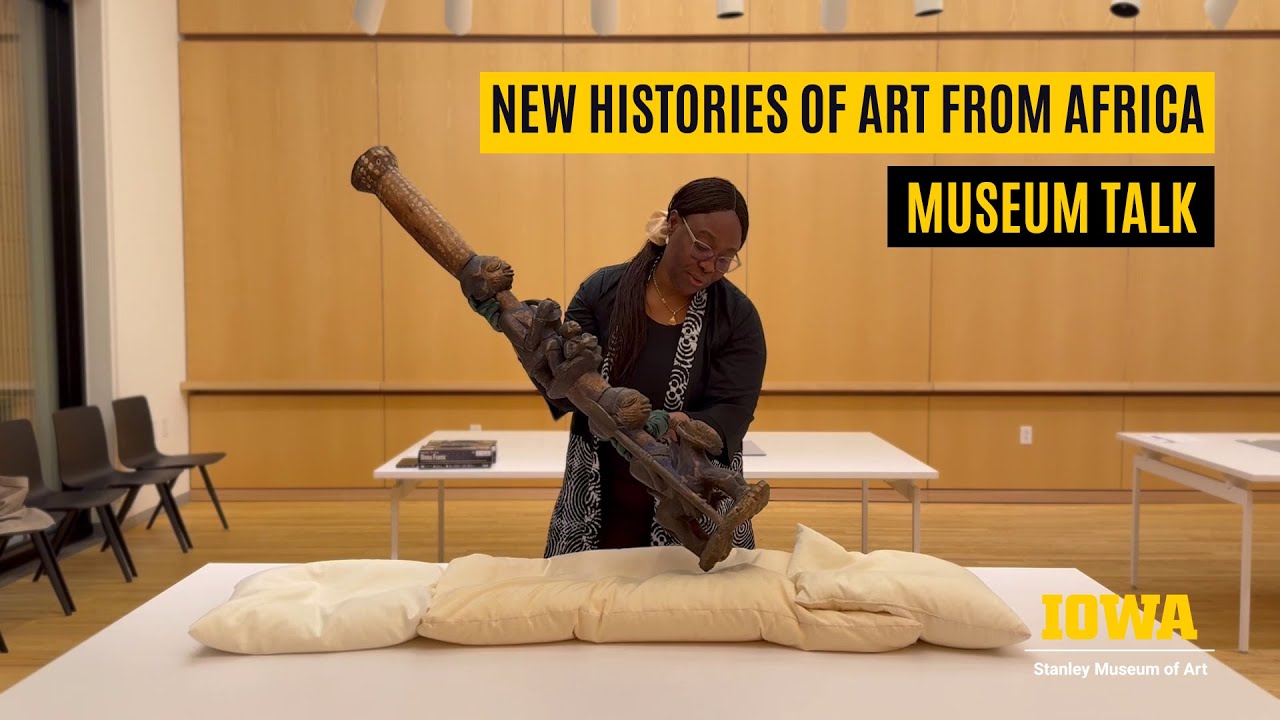

African art profoundly influenced European modernist artists like Henri Matisse and Pablo Picasso, who integrated African artistic principles into their work around 1905, yet these artists often denied this inspiration and the resulting movement was mislabeled as 'primitivism,' a term that misrepresents the sophisticated artistic traditions of Africa.
How African Art Revolutionized Matisse and Picasso's Work
Added:Familiarity with the dominant academic realism and naturalism in late 19th-century European art that Matisse and Picasso sought to break away from.
An understanding of early 20th-century Western art movements, specifically Fauvism and the origins of Cubism.
The historical context of European colonialism in Africa, which led to the influx of African cultural artifacts into Parisian ethnographic museums.
A basic appreciation of the formal qualities of traditional West and Central African sculpture, such as abstraction, conceptual representation, and geometric stylization.
Critical analysis of 'Primitivism' as an art historical term, exploring the power dynamics, colonial gaze, and cultural appropriation involved in Western Modernism.
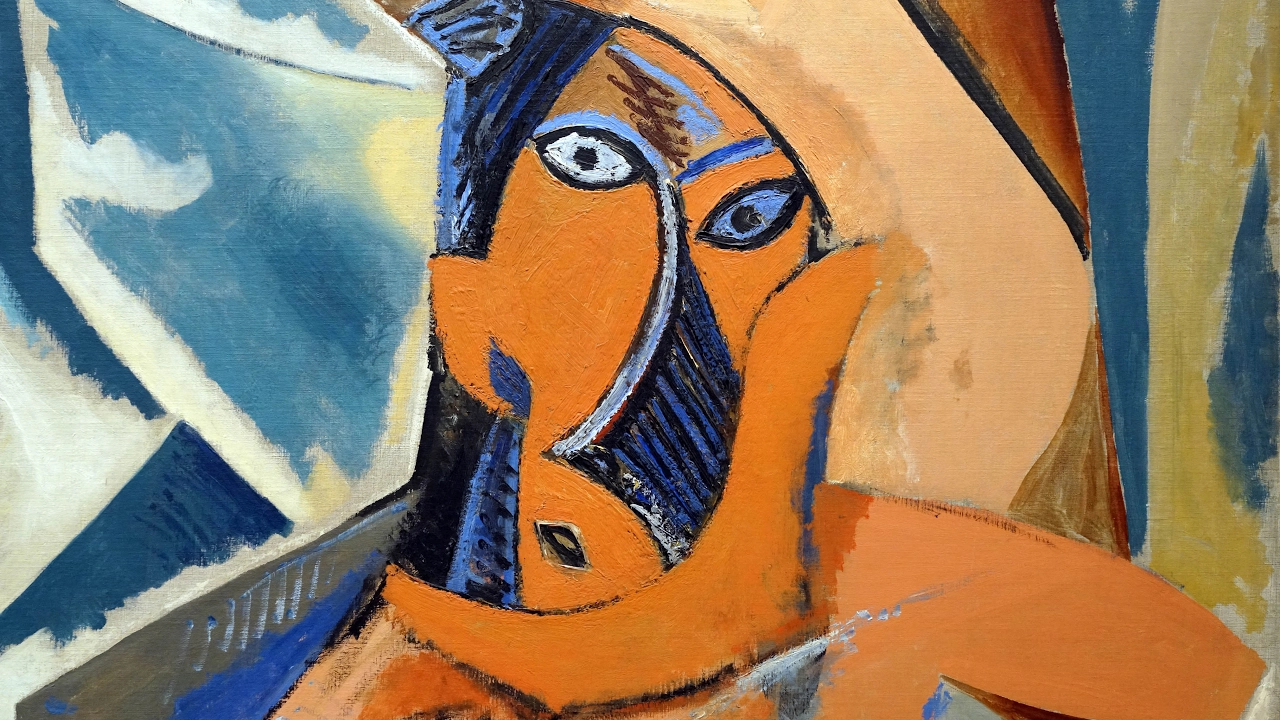
In-depth visual and structural analysis of specific transitional masterpieces, such as Pablo Picasso's 'Les Demoiselles d'Avignon'.
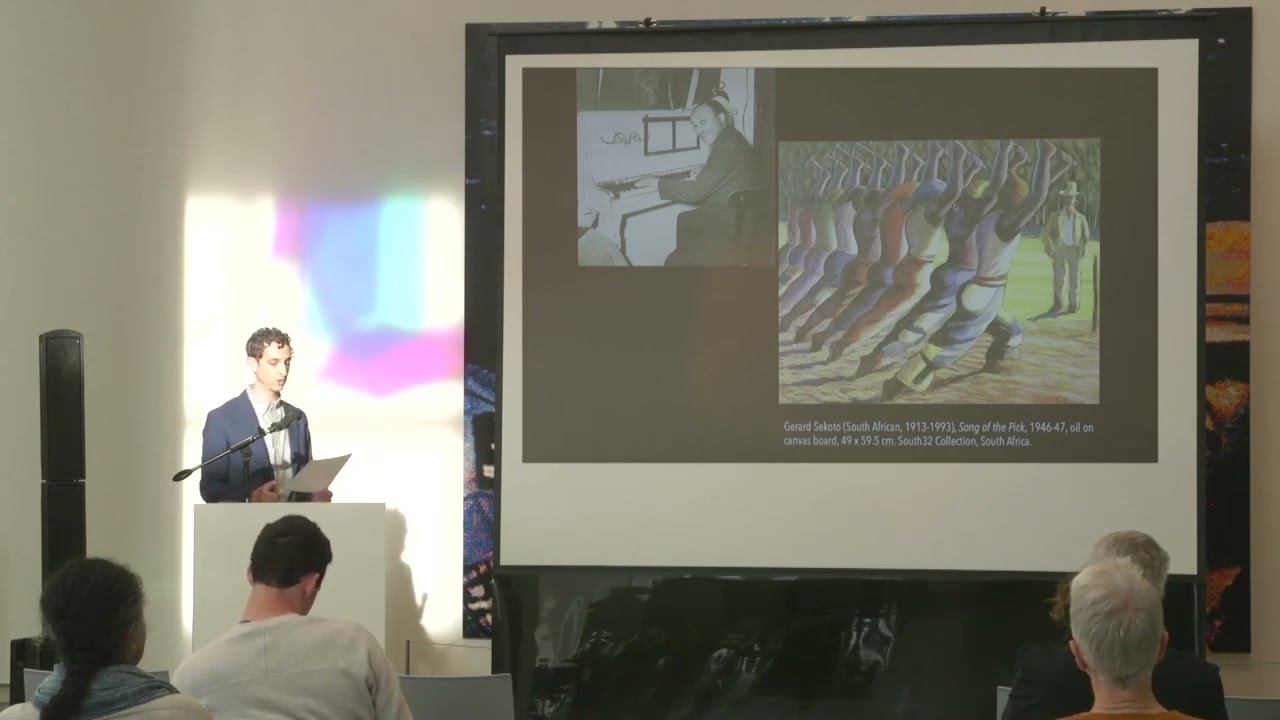
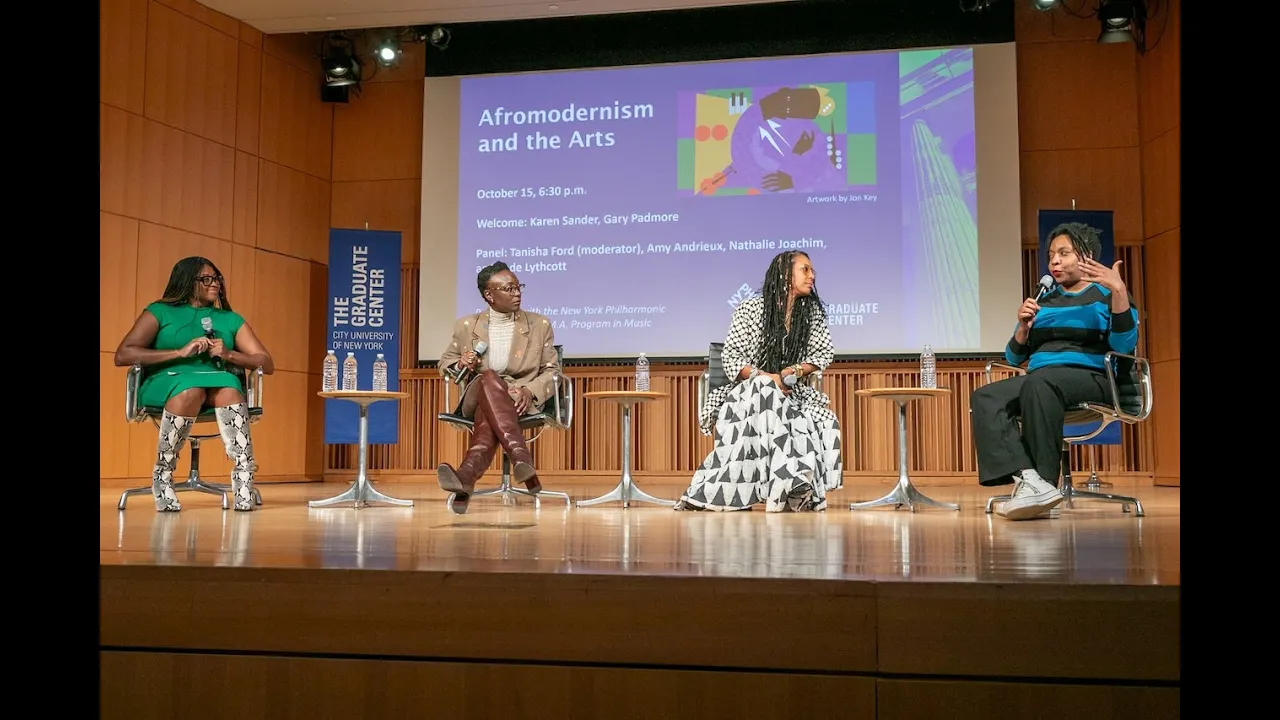
The study of African Modernism, examining how 20th-century African artists blended indigenous traditions with global influences to define their own modern art movements.
An exploration of contemporary debates surrounding provenance, museum ethics, and the repatriation of African art objects held in Western institutions.
15.3K views174likes7:15Original Release: 2009-12-16
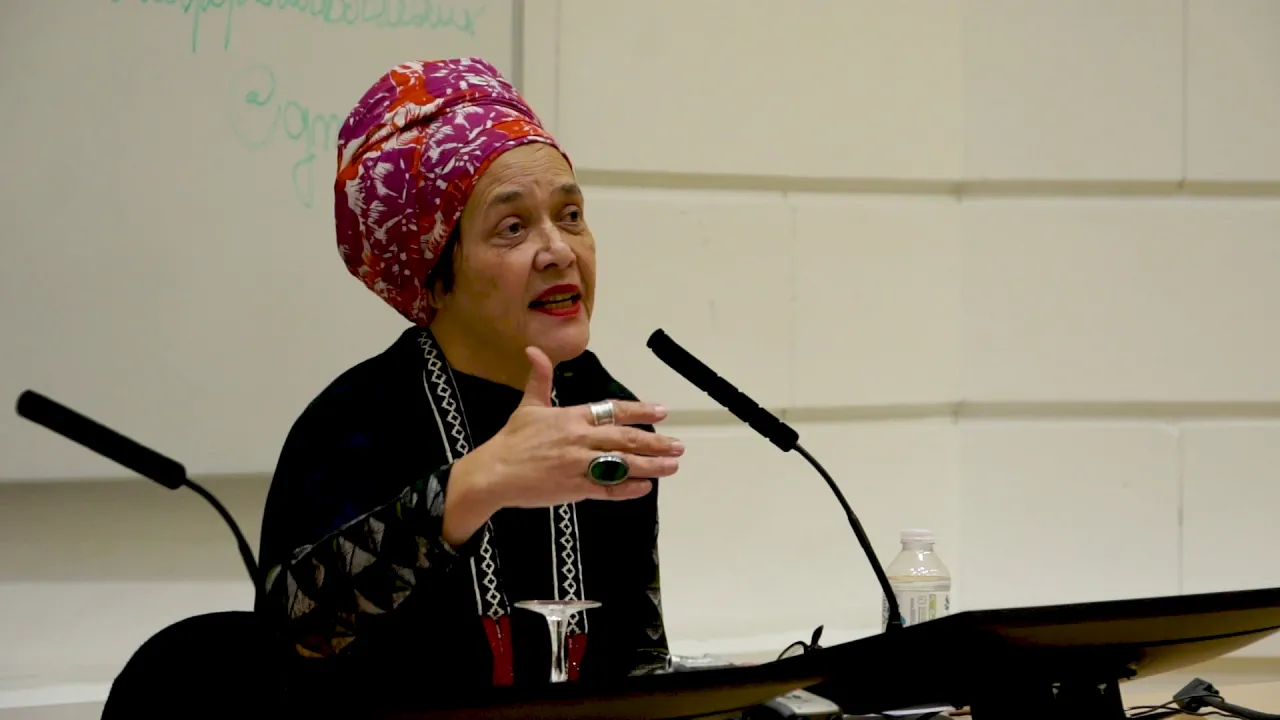
matis was a bit of an expert and he had a wonderful collection of really absolutely top quality work and matis is the person who finds a way of wrapping this new African practice into his own work first and he paints um what almost looks like a still life life of an African a small African sculpture um and this is about um 1905 and I think almost in painting it painting the planes that across the surface of this object realizing that the sculptor has sometimes offered convex convex surfaces where there should be concave that he's pushed and pulled the wood in very very sort of elastic ways that you begin to realize he began to realize that there were keys there were axioms in this practice that could offer him a way into doing something completely different and so he experiments first in painting then in sculpture with trying to um dynamize this practice and and matis who creates this incredible image of his wife Madame matis um it's it's white it's demure I mean it's in fact very much like the mask that we have here and some of his contempor thought that it was dreadfully disrespectful to paint his wife in this way um Andre sammon who was a contemporary art historian he thought that it was absolutely disgraceful that you know Madame matis this wonderful woman that she'd be painted in the guise of a ghost but I think what he saw in that face in that eyes as you might if you wander around that corner is that Infinity that connection that you have with someone that you love that can transcend death and so he's understood that and he's wrapped it into something which is both a portrait but also something far more and Picasso who is a very very different character you know this is quite a macho man as compared to the and he goes about it in a very very different way and he he acquires um Relic figures and he sees in in them something almost challenging and scary and the Cotter Relic figures are incredibly important these are figures that are connected to death they are very solemn and you get a sense of when you look into their eyes that there is a real feeling of quiet dignity in them and yet Picasso who saw those figures and you can go and look at them yourselves that we have them on display here but when he looked at them he saw something that was actually quite violent and I actually think that he's looking through the eyes and they're actually reflecting back his own Prejudice his own sense of the Africa that he thought he knew rather than the Africa which is actually there and hopefully if you look that you will actually see what the artist and also the person who would have commission commissioned that work would have felt which was that this was something solemn something respectful and something also deeply deeply beautiful and the great thing about pesso is that he may have been Macho and Incredibly um driven and that may have led him to make some of the kind of boldest statements which in this Regard in this particular area meant that some of his earliest practice is so powerful that it's it's difficult to deal with for some people of Africa this descent and there is practice here um from um um Liberia damn practice they produce beautifully sculpted oval heads um and Picasso discovered some of these toward um the end of the first decade of the 20th century and he began to work some of this into his practice and there's one or two there are one or two really glorious pieces that he created in that period And I think that there's some SC culture in this collection that dates from around there where he's beginning to resolve and understand some of the more subtle issues rather than just dealing with the things that he'd actually felt or about Africa that were driven probably more by contemporary Prejudice and the fascinating thing about particularly Picasso is that if you look back at his writings or the the interviews that he gave are around his African collection that he actually sees them as being witnesses to his great creativity rather than points of inspiration he completely denies that this work catalyzed his practice in a really meaningful way and yet I actually think that they almost did more than cataly it that these are very very significant points of inspiration for for Picasso for matis for some of the greatest artists of the 20th century and the heartbreaking thing I think for me and for many other people is that this practice that actually gives birth to the idea of modernity at the turn of the 20th century comes to be known as primitive and the practice that it inspires as primitivism I can't think of anything more wounding than that
Up Next
68:56
Posing Modernity: How Black Models Shaped Modern Art
@ArtStudentsLeagueNY
12.2K views•2019-02-07

114:18
Christian Iconography: History, Theology, and Meaning | Fr. Panayiotis Papageorgiou
@Trisagionfilms
58.8K views•2020-02-21
7:48
Ukiyo-e Art: History, Woodblock Printing & Influence
@japanathand
6.3K views•2023-06-08

16:34
Earliest Depictions of Jesus in Art: 10 Ancient Images Explained
@UsefulCharts
5.9M views•2022-06-03
Related Study Plans & Knowledge Roadmaps
Structured learning paths in Art History
art-history
Gothic Cathedrals: Engineering, Light & Society
01The Birth of the Gothic: Romanesque to Suger's Vision
02The Structural Triad: Pointed Arches, Ribbed Vaults, and Flying Buttresses
03Theology of Light: Lux Nova and Sacred Geometry
+ 2 more learning modules
14h5 modules
Explore Roadmap
art-history
Pre-Raphaelites: Realism, Symbolism & Critique
01The Victorian Art Establishment and Academic Formula
02The Founding of the PRB and Radical Realism
03Medieval Revivalism and Literary Symbolism
+ 1 more learning modules
8h4 modules
Explore Roadmap
art-history
Street Art: From Subways to Art Market
01Subcultural Origins in Philadelphia and New York (1970s)
02The Subway Era and Style Wars (Late 1970s - 1980s)
03The East Village Scene and Early Gallery Crossover
+ 2 more learning modules
10h5 modules
Explore Roadmap
art-history
Classic Maya Art: Iconography, Glyphs & Ritual
01Foundations of Classic Maya Visual Culture
02Deciphering Maya Hieroglyphs & Text-Image Integration
03Sacred Geography and Cosmological Architecture
+ 2 more learning modules
14h5 modules
Explore Roadmap