



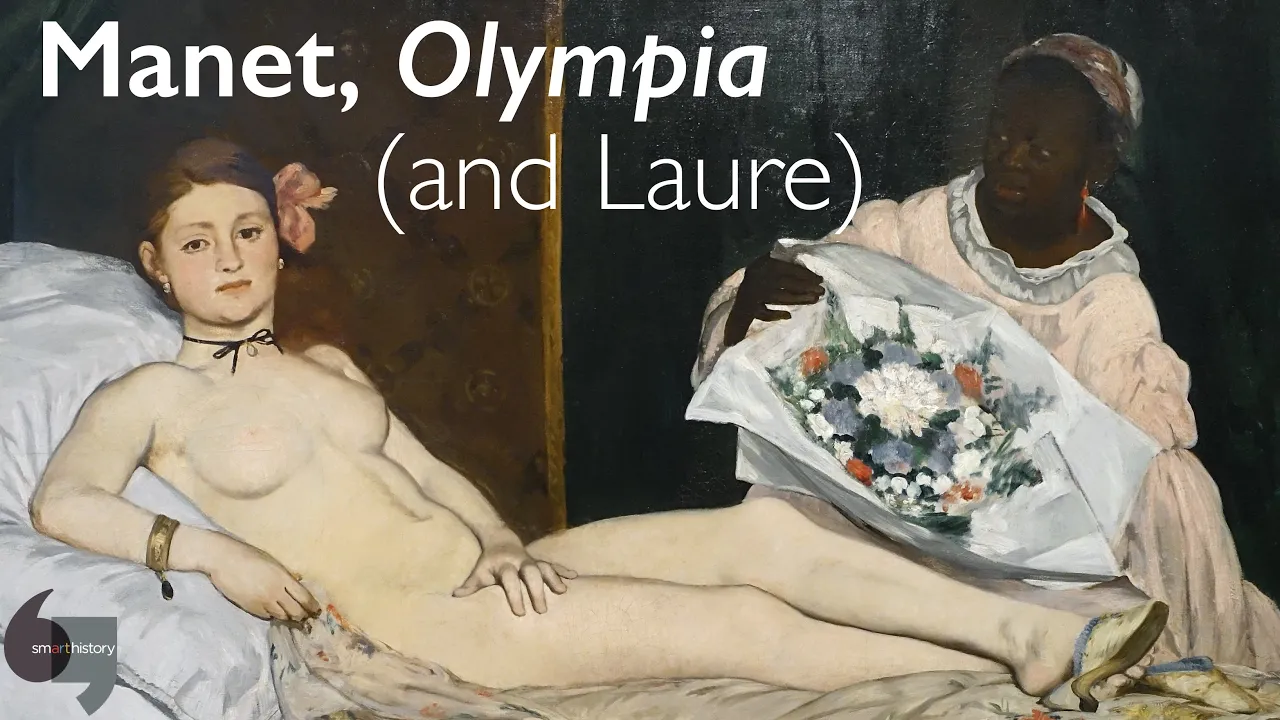


















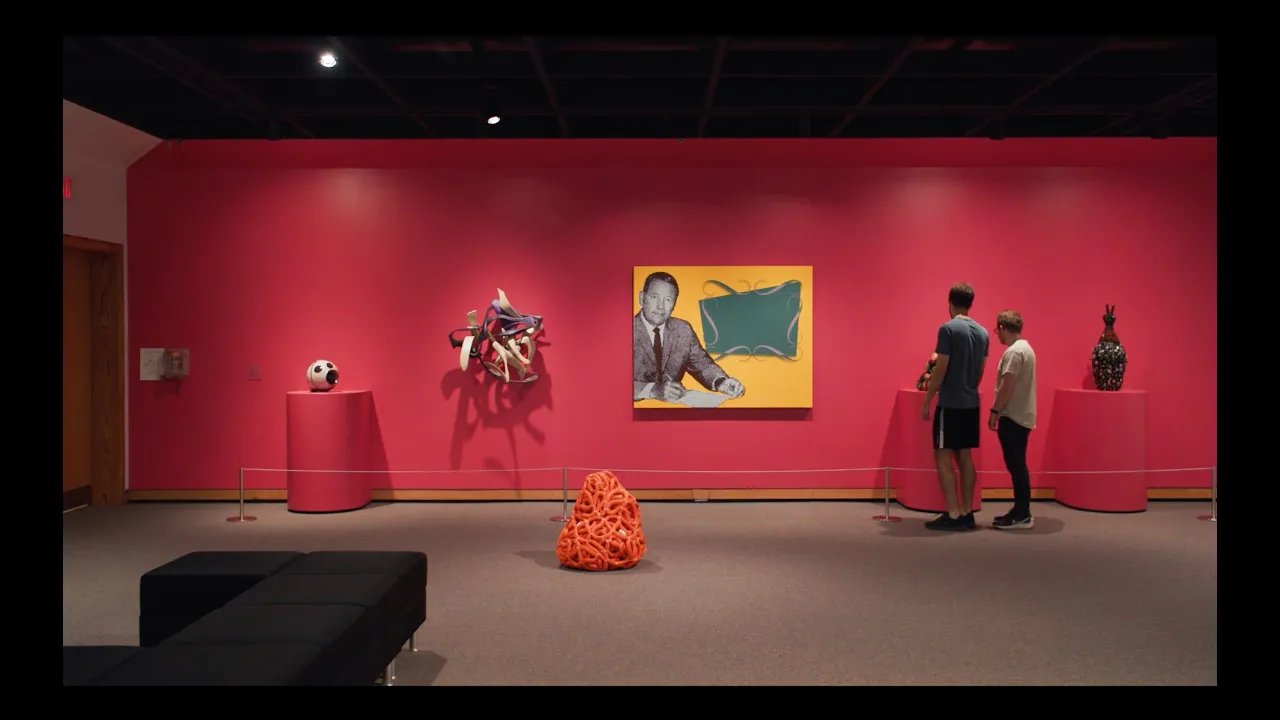



This lecture explores how the black female model has been depicted in Western art from the 1860s to today, tracing a continuous lineage from Edouard Manet's revolutionary portrayal of Lourdes in 'Olympia' (1863) through Henri Matisse's collaborations with black models and Romare Bearden's collages, to contemporary artists like Mickalene Thomas and Elizabeth Colomba. The exhibition reveals how black women have been rendered invisible in art history despite being central to modernist movements, and how contemporary artists are now interrogating, deconstructing, and reimagining this historical imagery to create works emblematic of our own time.
Posing Modernity: How Black Models Shaped Modern Art
Added:Familiarity with 19th-century European art movements, specifically French Realism and Impressionism, and key artists like Édouard Manet and Henri Matisse.
Understanding of Édouard Manet's seminal 1863 painting 'Olympia' and its historical reception in the Parisian art world.
Basic knowledge of the traditional Western art historical canon and how marginalized groups, particularly Black women, have historically been represented or erased.
The concept of 'the gaze' in art history, including how power dynamics, race, and gender influence the relationship between artist, model, and viewer.
In-depth study of contemporary Black portraiture and artists (e.g., Kehinde Wiley, Mickalene Thomas, Kerry James Marshall) who actively reclaim and subvert Western art traditions.
Exploration of critical race art history and intersectional feminism as frameworks for analyzing historical and contemporary visual culture.
Analysis of curatorial practices and institutional critique, focusing on how museums are recontextualizing historical collections to highlight diverse perspectives.
Archival research methodologies used to recover the biographies and contributions of historically under-documented artists' models and muses.
12.2K views212likes1:08:56Original Release: 2019-02-07
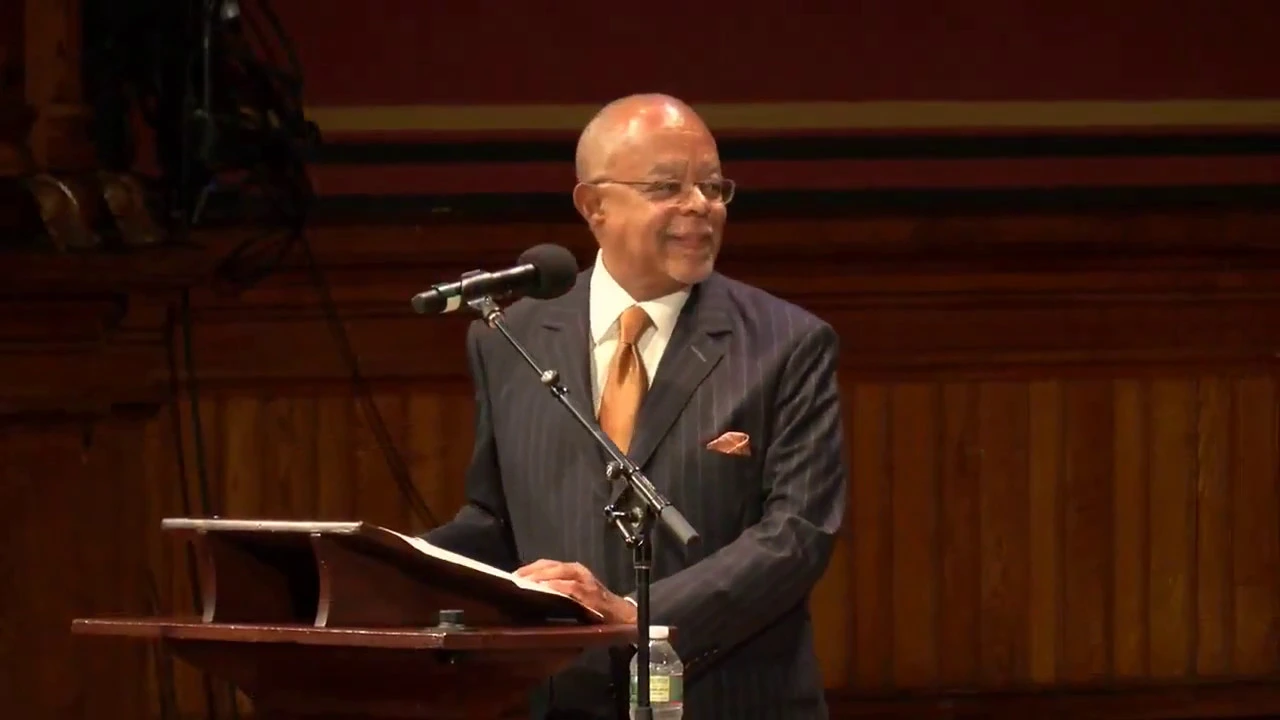
I am going to ask for quiet not because I'm interested in hearing myself speak which I assure you I am NOT but rather on the chance that we can imagine perhaps even audibly imagine the voices from this building from upstairs in the cafeteria this room and most importantly the studios below and those are the voices of O'Keefe and Pollock Rothko Gorky the voices which shape modernism and more importantly than their voices through their paintings and their sculpture they created a modernism which was so powerful so attractive that it is for us ubiquitous and ubiquitous to the extent that we have trouble seeing it objectively Denis Morel the curator of posing modernity is going to help us with that she through high daguerreian effort if you will has given us an exhibition which helps us see us through these paintings and then how both those paintings and us are embedded in this world culturally and that exhibition has been much celebrated Roberta Smith and others have said it was one of the most outstanding exhibitions of 2018 it will shortly take up residence at the Musee d'Orsay so Denis let me lead the applause for you and thank you for coming to our home and everyone who has come out join us this evening and what I hope is going to be a discussion I'm going to work very hard to do something that's difficult for recent PhDs after having written tomes and then it's the exhibition catalog and I'm going to try to be relatively brief I'd like to show you a series of images that I think will give you a good overview of the exhibition now on view at the Wallach art gallery at Columbia University I'm going to make a few comments just showing how I was thinking as I brought these images together but just moving to this first image this portrayal of a young black woman who the artist identified as Lord but whose name is generally not known in art history but the principle the premise of the entire exhibition exhibition posing modernity the black model from Van de mi t--'s to today is based on a legacy that I discovered as I looked at this figure who opposes the made in Olympia who is standing there right before us but who is typically most typically ignored in art historical commentary a woman who is therefore rendered invisible even though she is in plain view but this portrayal was so radically innovative and so powerful that it influenced successive generations of artists and that is what I want to look at today what was it about this particular figure that was so new and different in controversial in its own time and then how did it influence artists over successive generations from artists of mayonnaise own time the Acolytes of MANET who ultimately became the impressionist to the school of Harris specifically hungry my teas in the beginning of the 20th century who was working at the same time as the early American modernist of the Harlem Renaissance were remaking the imagery of african-americans in this country and then we go to the mid 20th century the modernism of romare bearden the african-american collages who brought influences from Western art from African art and from african-american culture into his own particular way of imagery imagery imaging the black female figure and then concluding with the work of the living artists of our own time who have engaged with this lineage of this iconography this history as they experiment and develop pictorial styles or art making styles that are emblematic of our own time so that is a subject I want to try to go through and as I said it begins with MANET Edouard Manet working in 1860s Paris and one thing that is interesting to keep in mind is that many made not one image of law certainly his portrayal of her as a maid in a high-end brothel is the most famous by far not just of her but of any model in throughout art history but he made three images of her a portrait posed as a nanny in tending her young charges in majority and the twee Lurie in Paris and it is this combined sort of set of images of Lourdes that I think give us a sense of what MANET was getting at as he followed the exhortation of his friend the poet Charles Baudelaire to be a paint modern life to not look to the art of the past or scenes from mythology or biblical or or history paintings but to go out into the streets of the Paris of his own time to roam the boulevards go down every alleyway alleyway and paint everything that he observed the idea that all of this was was worthy of fine painting that should be sucked shown at the Salon de power II at this time so these three images I think are implementing of what it was that made man a considered the reason why Nene was considered to be a foundational painting of painter of Modern Art and why Olympia was the painting that launched this reputation in looking at Olympia I think it's I want it to start with a slide that probably many of you in this room have seen it's it's it's a juxtaposition a comparison that anyone who's gone through who's taken in all right history 101 course gone through an art history program gone through a studio or at program BFA MFA sooner or later you're going to see Olympia and you're typically going to see it in comparison with Tisha's Venus of Urbino which is a late Benicia Renaissance portrait portrayal of a courtesan the Venus that was prototypical of the type of portrayal of this this trope of the nude object of desire that man a replicated or was inspired by when he remade this interest this image three centuries later but looking specifically at the made figure and just doing our basic formal analysis I was struck myself at the beginning of my write history studies by the difference just the formal difference in the way that MANET is portraying this figure income Harrison with the prototypical mates in petition he has two mates or the Venus of Urbino has two mates but they combined take up less pictorial space than mayonnaise black maid who's preferring flowers to her employer they are in the background in the deep background turned away from the viewer leaning over a trousseau Laura of Olympia is frontal she is gazing at her employer but she is facing the viewer and presenting herself to us in a way that I believe meant that MANET intended for us to look at this painting as a painting about two woman one black one white the historic analysis going through all the gender and class issues related to the nude white odalisque are certainly relevant and meaningful but they're part of a story I came to see as I really thought about this painting that MANET has presented Laura to us as emblematic of a racial situation that existed in 1860s Paris at a moment just 15 years after the final French abolition of territorial slavery so that was what pulled me into this I became curious to understand if Laura is is moving this pictorial imagery from the Renaissance into everyday 1860s Paris what is it that she represents and one thing I would point out just looking at this close-up of her is that Laura is very well painted one of the sort of one of the items or one of the aspects a post modernist critique of mayonnaise portrayal of Laura was that he blended her into the background and if you see this painting as reproductions in textbooks and especially if you see it in black and white you will perhaps have the impression that many has marginalized her has blended her into this kind of murky in black and white it looks like grey or inky black background her features are not that visible it's very important always to look at a work of art in the original and I still remember the moment when I first saw this painting about a decade ago at the musee d'orsay and I was just really struck by the fact that she is really very distinct from the background that background is not like it so it's a very vivid green black it's a blended green black her dress is not kind of a monochromatic indistinct white it's pink it has stylish details with the neckline with the sleeve her facial expression really shows that she is engaged if you go back to this prototypical comparison if the if the servants of petitions Venus of Urbino are totally out of the narrative of what this Venus represents to the viewer Laura is part of the narrative of lease of this prostitute who is kind of breaking with this convention being a submissive lover for a patron who is maintaining her in these luxurious circumstances and pretending that it's a love relationship what she seems to be saying is look I'm a working woman I appreciate these flowers but we have to work out the business details of this arrangement before anything is going to happen so what we have here are true paid woman who are part of what in the 1860s became known overtly as the sex trade they are sex workers they are women from lower from from working-class backgrounds who in the economic structure of 1860s Paris found this particular mode of to be their means to earn a living so thinking about law as a paid worker in this scene of sex work it's part of what makes her image modern she's not subject to complete control by anyone she's there for her own free Felician and I believe many presents her in that way the second way that you get at thinking about Laura as being part of this modern Paris at a time of enormous change the Industrial Revolution the beginning of the end of Empire the abolition of territorial slavery is to compare mayonnaise portrayal of Olympia not just with the precedent of the Venetian Renaissance but with the contemporary the standard mode of her train black woman or a woman period in the academic art that was typically shown at the Paris alone the Paris alone would be like the Whitney Biennial today it's what artists especially younger emerging artists aimed to to be shown at and the judges who decided what would be shown in this way unlike the Whitney Biennial we're not necessarily going for the avant-garde for innovation they were going for tradition they were going for academic tradition and that's what you see in this painting by Jerome who was known as probably the leading painter of this Orientalist style that was so symbolic of all of the values that were constructed around France as the head of this global Empire so we see these two women in an exotic locale they're in a harem that may have been observed at some point by sir Rome but these paintings were often made from the imagination from tales that were told to them by travelers and we see the portrayal of this black woman in a way that was just very typical of the way these oriental his painting shown along with portray this type of figure she has first and foremost bare-breasted she is dressed and beautifully painted exquisitely painted attire the entire painting is a visual feast a contrast of surfaces and textures all intended to demonstrate the virtuosity of the of the maker and that is part of why it was important to paint in this style to be shown with so long but this is a scene that sits outside modern life in Paris it sits in the heart of the French Empire and this construction of the black woman as irreducibly in a position of servitude to her white employer and her female her white female employer as completely under the control of the male owners or patrons of this place of sex work that is what was part of the way that French art artists and art historians and politicians visualized and constructed Empire MANET on the other hand a known Republican anti-slavery for abolition anti Empire although it took another number of decades before if that actually happened but the way that he manifested this personal vision this personal worldview was to make take these things these prototypical scenes a lot of scenes of Empire and insert enslavement and placed them in the sight of the numerous high end brothels that dot at the very neighborhood in which MANET and the Impressionists lived and worked at the time so this contrast between exotic and modern and between the prototype the prototypes of the Renaissance versus everyday life those are the reasons why this painting is considered to be a foundational painting of modern alright and so when you think about lar as emblematic of some lived reality that MANET would observe as he as he as he worked as a flutter and went out into the city went out into his neighborhood and roamed the area and observed life and then portrayed it it's this image of lore I came to understand indexed in aspect of reality that he would see just in his everyday life and we see that not so much in the paintings of the period which played to the conservative taste of the judges of the salon but in the popular culture in the visual culture and particularly in photography so here we have the photographer Nadar a friend of mine a the upper-left images were iconic they're part of how we understand today how MANET looked his friend Charles Baudelaire the two men below the the Alexandre Dumas family probably the most prominent black French writers of the day wealthy from a bi-racial but from his aristocratic French paternal line Jumma the father the author of the novel the three musketeers Duma the son a close friend same generation as MANET the author of a play la dama camellia woman of the the woman of camellia whose main character one of whose main characters was named Olympia and therefore has been often considered to be an influence for MANET so we see these personalities in the studio portraits made by mayonnaise friend the DAR and they are famous these are well-known portraits less well known was the astounding variety of portraits of black French people coming through nadar studio as well and I give you just a small sampling here we see my real life sooo who is a threat of the daughter she's a young student studying in Paris at this time the daughter of a black woman from New Orleans and a French father we see Marie Len TAS who was an artist model wearing the traditional velvet v-neck drape of the artist model we see a matron a middle class matron whose name we don't know she's identified as the wife of a provincial British mayor a French woman who is married to the mayor of a small town a town in England and we see an actress a conservatories a woman who apparently had gone through received training in drama at the conservatory and was working as a professional actress and these are this is just a small sampling of the literally dozens of these portraits of black French Parisians that were captured by mayonnaise friend Nadar at the same time that he was photographing the artists of famous artists and writers at the time another aspect of this sort of site specificity this neighborhood this sense that there was this black presence in the this would be something that MANET would see when he's just out and about in his neighborhood can be seen in this wonderful painting of an artist's studio a generous loan to us from the music the musee d'orsay and it portrays the MANET acolyte Basel I have this pointer here and he is this tall figure in the middle here and he is in his studio in an area of northern Paris known as the vaginal cartier he shared a studio at the time with another young artist Renoir who is considered often not definitively but often to be this big ear and they both were close friends with so we see here man a dapper at the easel with his he's living and working in one of the most bohemian neighborhoods in Paris but he was known for always being very dapper Lia tired with his bowler hat his waistcoat and his walking stick he stands at the easel he is advising these young impressionist this is made in 1870 so we're still about five years from the first impressionist exhibition to do what he has been doing roam the streets turn away from tradition and history and go out and take every subject of everyday life as the subject of their art also in this neighborhood the batching know and this would be the area of northern Paris once you go past the opera garnier up past the guards endless are you're at plus de clichy going east you pass possibly God plus beagle was then and still is today a famous entertainment district the Moulin Rouge the fully Bashar and then farther east you come to the garden north so cafes on the main squares where the artists hung out and as we know from mayonnaise description of law which not only described her as in tripel de Grasse but gave us her address as Russa Advanta media which is just a block or so below the plastic we she that would be this area here and we we see that Loire herself lived in this immediate neighborhood we don't know for sure how many came into contact with her we have a couple of clues and we'll talk about one of them in just a minute but as I looked at these various black French personalities who were the subject of subjects of paintings of photography of sculpture etcetera to the extent that I was able to identify there which are just very generally mapped out here with the green dots and then looking at the locations of mayonnaise cafes and studios the the cafe cure blah painted by all of the Impressionists they all gather there every Friday afternoon for a number of years the parallax wheel over at plus P Gao the locations of the studios including that of Basel in the Rue de la Condamine in noted by the red dots here and then we look at I'm fast-forwarding a little bit in time here but those blue dots represent what happened about 50 years after the era of my name this was the time when the early generation of African American expatriate expatriate artists writers musicians were coming to Paris studying they're performing there at a time when racial with racism limited their opportunities here in the u.s.
Langston Hughes Billie Holiday Josephine Baker Katherine Dunham all of them migrated to Paris to live in this particular neighborhood and their addresses are denoted by the blue dots here and this is just a sampling of the many but I think it gives a sense of the racial mix of this neighborhood so that as these painters of modern life these Flener Baudelaire ian flutters are out roaming the streets they're going to see a mix of free black cohesions they're going to see there were actually some earlier versions of african-american expect expatriates including the Shakespearean actor our Aldrich who was a very close friend of do my hair but that's where they're going to see and that's part of why fish shows up in their imagery just a very quick note to double down on why it's so important to look not just the paintings but at photography is that again the paintings catered to the conservative tastes of the judges of the silo and the prototypical portrayal of the black female figure was as a servant to a wide employer but I went into the archives at the bibliothèque nationale at the Musee d'Orsay at the museum's in France and collections in the US looking for other images of black woman as servants to these oh da leaks when I came across was a body of photography portraying black women in these positions of the odalisque honest seing on the same basis as the white prostitutes that you see on the left here two women who are being photographed marketed if you will as available they're socially in the same situation and then on the right a portrait made from a high-end brothel that was just very fast owns throw from where MANET lived in work we see a black woman who is being portrayed as the favorite or is one of the favorites of the house there is series of photos and they're consistent with these portraits of favorites that were offered to the male patrons who were paying for these expensive stylish luxurious accommodations where these where these sex workers were housed and the they would make portraits of each of these women to give to their patrons so we see from the popular culture that black women occupied all roles in sex work as they did in the overall society as seen in a doris photos as i mentioned many made three portrayal of the black model lore and for me one of the first most important discoveries of this entire project project was coming across his portrait of lore known as la aggress a racialized anonymous term that is increasingly controversial today but it was the common usage of the time one of the reasons that this painting is important is that we see I think in an even more elaborated manner the way that MANET is dealing with Laura as an individual it is in his carne his studio carne or notebook for the making of this painting that we have this description that is the only information we know about her today her name Laura that she lived in Ruth santa meal that he described her as in treble the grass so here we see her portrayed as herself and again to the extent that this has been there has been scholarship about this portrait of law it's often been you know dismissed lonna grass anonymous black woman even though the artists told us her name in notebooks that were available to all scholars and she is considered to be a study for Olympia but again when I did the conduct of this juxtaposition I'm being a good alright history student I'm looking at the images itself and not just what the writers tell me about them and I will admit I was helped I actually did this juxtaposition for a paper for seminars that I took with Linda nochlin the late great feminist art historian at the NYU IFA and she was one of the first people who helped me to understand this can't possibly be a study for Olympia it's not the same pose she's not wearing the same attire and then when you look at her you look at the care with which he's portrayed her face while being much more general in the depiction of her horse though it's pretty clear that this is consistent with what would be described as a portrait so one of the things that I suggested in my research is that we get rid of this named Lanna grass and renamed this painting portrait of Loy the artist himself told us who she was we should refer to her as such what we also see here just formally is part of why MANET was considered to be the patron or the mentor of the Impressionists the very loose brushstrokes only the suggestion of her attire that's actually a quite stylish second empire off the shoulder neckline with some embellishment the flat pleats the detailing at the upper on the upper sleeves that was very commonplace in fashion place of the time he opts not to depict that in hyper-realistic illusionism he felt that photography captured the actual image the job of the painter the the job of an artist was to suggest to create an impression and this is part of why the Earl in Impressionism ultimately became known as Impressionism which was a derogatory term initially it was considered to mean that they didn't know how to paint they didn't know how to really get the fine details right so they were only capable of making a very loose image but this type of expressive open open to the viewer open to the interpretation of the viewer portrayal of figures even in specific portraits is part of what we came to define as modernism and it's certainly more typical today of the way contemporary or successive generations of artists including contemporary artists would render a portrait looking for a way to stay something as the artist about what you observing rather than just meticulously rendering what you see before you so I've actually already kind of talked about what is so specific about Laura here just to give you a little bit of a close-up detail before we move on to the third portrayal that MANET made of Laura and it's actually a very sketchy one the entire image is sketchy this is definitely a sketch it's the genre scene it is titled children in the Tuileries it was intended to depict a scene that MANET wrote about observing on an almost daily basis as he down from the plastic Li she passed the opera through the twiddly regardons on his way to the loo for his almost daily sketching sessions it was come there were many people out enjoying the parks like the twee Leary at the time but one of the typical scenes was that of nannies who were out with their their their young charges typically from affluent families and so it's the attire more than a specific facial representation that places us that tells us who these people are so we still are in the far right side of the canvas identified mainly by her skin tones I've compared this with another there were many scenes many portrayals of nannies in the in the truly read in the Parkman so with theory on charges but I was especially drawn to this in part because when I first found it in the archives at the Harvard image of the black publications in Boston I had never seen it before and I quickly came to realize that it was shown at the same styl law 1865 as Olympia and just again doing some formal analysis we weren't able to find a lot of documentation about the maker of that painting fayan but just looking at her looking at the very few images of black woman that were shown in that particular so long I thought perhaps this is an indication another indication that lore is a working model who poses for multiple artists might this be a more naturalistic a more realistic portrayal of the model or the other thing I was really drawn to though about this painting in addition to the fact that those kids are really adorable is the fact that it's a relatively unusual portrayal of two woman black and white in the same social situation they're both nannies and they're both nannies that would have been identified as ethnic at the time Laura where's the head scarf or foulard in colors typical of the French Caribbean reflecting this pattern of immigration or migration migration from the newly freed French colonies Martinique Guadeloupe even from the Republic then independent Republic of Haiti true Paris in search of work often under employment contracts that were heavily criticized at the time as another form of slavery or as a form of in ditch or servitude they pay the cost of the transatlantic transportation and the employee worked it as a domestic servant in the household until these costs were paid off which happened definitely pretty far into the future but we also have the white nanny who is wearing the head wrap of the region of Brittany the northern French rural neighborhood depicted a couple of generate a couple of decades later by again the early work again showed how Brittany at the time was considered to be a rural even primitive the term primitive was actually used to describe Brittany so they're both ethnic migrants to Harris from working-class backgrounds looking for a way to get an economic to hold in life I just point out these scenes of modern life always have to be looked at in in terms of popular culture at the time and that culture was often explicitly racist the portrayal of nannies in particular in caricatures at the bottom here we see a caricature of Alexandra doula the father well-known famous but here racially stereotyped as it's a pretty layered analysis there but he's shown as this in the nanny of a particular play in the theatre that I believe was based on one of his novels but that sort of facial stereotyping it was not uncommon at all in French popular at the time there are often portraits of these nannies with their white infants as well so the third thing I want to talk about or the fourth image by MANET of a woman of color that I wanted to discuss is that of the biracial mistress of his friend the poet shawl both Charles Baudelaire her name was Jean Duval she was our mother was a patient ancestry we think Jean Duval was born in France itself we don't know we think her mother was a brothel worker herself and a French and unknown French father Jean Duval actually forged a pretty interesting acting career for herself in the 1840s and that is when she met book lair they became they were a couple she was his mistress for over 20 years well into the middle of the 1860s it was a controversial relationship both lair wrote a volume of poetry lay Fleur du mal flowers of evil today known as the foundational one of the foundational volumes of modern French poetry which was in large part in its individual poems a tribute to this fraught relationship he had with Jean Duval cycles of spectacular breakups reconciliations she moves out he says he can't go to the Louvre unless she comes with him because he can't look at fine works of fine art without her that type of turbulence I think is what man he is portraying in these billowing white skirts and fluttering curtains so again he's not trying the show to viola as she actually looked he was giving us an impression not just of her look but her personality and the life circumstances in which he met her part of wine showing Jean Duval in both layer here together with Laura is that we have another piece of information about Laurie that comes not from MANET but from Chevron the first the first archivist of MANET in the early 1920s he knew the son of man a who inherited his estate and through documents that we don't I have not been able to access today tab Iran suggested that it had been Butler who had given MANET Lloris name and address Ruth Antonia Jean Duval herself lived just a few blocks away she very much lived in the same neighborhood that we've been talking about there were cycles of poverty and luxury but she was well she had an apartment with her own servants and he maintained an apartment for her mother near the garden north so this is Jean Duvall as a last look at the 19th century before we move into across the Atlantic I show this these this juxtaposition to give a sense of this world in which the relationship Butler and Jean Duval took place the world of the dimi moment the demi-monde was a term half's path world coined by Alexandre Dumas the black trench writer who was a close friend of MANET and manifested in this play la da mo camellia that was a very successful play of the 1850s MANET was particularly close to do more feasts at the time that this play had its very successful premiere their accounts that immediately after the post opening party mine and his wife and and do my feast and his wife went off on vacation to the coast of Normandy but I shall do mahir Kara Cotuit in popular culture is kind of the patron saint of these fallen women the Traviata the the demi-monde n because the do ma clay became the basis for the Verdi opera La Traviata that is one of the best known and beloved operas of the day and it was just so interesting for me that in the middle of working on this project the upper Rada Perry does a new production of La Traviata featuring this making explicit this connection to mayonnaise painting Olympia which it featured in reproduction life-sized reproduction in on the set oh I have one more stop in the 19th century this acolyte by cell we looked at him and we looked at his studio we looked at him hovering around Nene together with the Impressionists Monet and Renoir and I should mention that part of why we don't know Godzilla's name today as well as we know MANET Monet and Renoir is that these paintings were made in 1869 70 this was five years four or five years before the first impressionist exhibition which was held in a studio of Nadar the painter that we have a photographer that we looked at earlier but bazzill was killed in the franco-prussian war at the end of 1970 so what we're looking at her three paintings that he made within that year he then is drafted or volunteers for this war and is one of the early casualties so he was not around by the time the Impressionists became the Impressionists but still I come to this juxtaposition as a way of pointing out the influence that MANET had on these emerging artists like myself like the young Impressionists as he exhorted them to turn away from scenes like this gorgeous Orientalist painting that we have and make sense of modern life there was actually a study for it this painting a lot while in the studio scene that we saw bazzill finished that painting submitted it to the salon in the middle of 1870 and it was rejected he'd shown a couple of things that this alone he decided at that point to give up and follow his true passion which was to accept mayonnaise urging to turn away and just paint these every day scenes so you'll see this black woman portrayed in la toilette in that prototypical mode she's bare breasted it's it's an Orientalist setting X was Italy painted exquisitely rendered a virtuoso display of bazzill the young Brazil's painterly talents and it's rejected working with that same model he immediately starts working on a couple of flower paintings including this one from the National Gallery in Washington where he he portrays her not in these scenes from tradition the Academy and the past but as a flower vendor another role nanny sex workers actresses artist models flower vendors there were photographs and prints French Caribbean woman entrepreneurs small entrepreneurs having their stands selling foodstuffs and flowers on the street corners and at the world Fair's in Paris so this is an avocation of that aspect of modern life this painting is often considered to be a tribute to MANET she prefers peonies which were known to be mayonnaise favorite flowers he had peonies gardens at his Country Estate he did two entire series of still lifes up here nice so by preferring these adapting the figure of the flower bearing black woman placing her in the scene that he could well have observed on the corner of the street where at the studio that we saw was located and preferring these peonies he is essentially paying homage to for helping him to decide to become this painter a modern artist and we see this kind of loose brush stroke of MANET in the rendering of this still very stylish very specific white dress that she wears but he has now turned away from the past and embrace the current moment so that brings us into the 20th century the transatlantic world of the 20th century is part of what I've tried to convey in the second half of the post modernity exhibition and I wanted to specifically look at true of the early schools of 20th century modern art one the school of Paris founded by Rene I'm sorry by angry Matisse whose drawing of the Haitian dancer is depicted here as well as of course Pablo Picasso and in the United States the modernist of the Harlem Renaissance african-american artists who were remaking the imagery of african-americans from rural and stereotyped and tied to slavery to being urbane city dwellers in the middle of the great migration that was taking place in the first thirty years of the 20th century so the thing that these artists had in common that again kind of conveys what the life of an artist looks like today is that they both worked transit transnationally the Harlem artists who had were known to have often spent periods of time in Europe and hospitable specifically in Paris because of the limited opportunities due to racial segregation in art schools I'll mention a little bit later that the Art Students League by the 1930s and 40s was a noted exception to that type of discrimination a couple of these Harlem Renaissance artists had very close ties to the Art Students League but the Harlem artists went to Paris they studied the old masters this is 50 60 years after MANET all the way back to the Renaissance then they came back to the US and as man a did in the 1860s painted everyday scenes of the major cities of the US the new black cities of Harlem of the South Side Chicago etc meanwhile Mattie's in particular comes to the US for the first time and heard of what he encounters is the Harlem Renaissance and we'll take a look at how I believe he adapted his style in affinity with this black modernism that he saw in New York but first we see my teas before he came to America working in the 1910s the 19 teams within this case two models including the very famous his very famous and frequent model Italian model laureate in her characteristic green and black robes and a model who's a little bit less well-known to us today but was quite well known at the time she was a Martin weaken heritage her name was Aisha she was initially a circus worker but she ultimately became a very well respected artist model including for my teas so here we see these two models in scenes that evoke nineteenth-century Orientalism the attire but these could never be mistaken for 19th century paintings because of the flat the absolutely 20th century nature of the flat pictorial plate and the flattening of these figures the mask aesthetic the African mask aesthetic that the school of Paris Picasso in particular but also my tease looking at African sculpture brought into the language of European modernism and also again a certain egalitarian aspect of the way that they are shown together initially the painting on the left copy might seem to be the typical black servant white employer but if you look closely some people see this as these two women Laurette with her espresso and Ayesha bringing her a glass of tea in the Middle East if you were portraying the Middle East you would show tea not in a cut but in a glass and they're taking a break from whatever work that they share together and looking at this painting which we were really lucky to have courtesy of the Mighty's family brahma lender who declined to be identified we really see this kind this kind of egalitarian relationship in an even more direct way their colleagues their friends here and there represented in a pictorial style that is utterly the early 20th century mode modernism and just the note that this kind of egalitarian treatment of this black model Ayesha would be very much how my teach them the other artists who portrayed her would know her in life I'm showing just one of literally dozens of photographs of Aisha who was a joy yen of mom panache Cafe Society but dome la Coupole she was fed it at parties and this is a scene showing her with her friends and admirers on the terrace of the Roatan cafe in Montparnasse so that's my tease before he comes to New York and at this time as I mentioned we saw the unfolding of the Harlem Renaissance where the Harlem artists were on the one hand portraying venerated elders many of whom in a case of this subject Anna Washington Derry had been freed from slavery okay a moment of enlightenment here from America from the American during the American abolition of slavery in 1865 this this revered this venerated elder Anna deavere of Washington Derry portrayed by the way by the first woman artist Laura wheeler wearing that we've seen in our exhibition again scenes a woman like this would have been seen perhaps on a farm in the south in the aftermath or reconstruction Derry focuses particularly on hands in her face I think this is one of the most exquisite renderings of herbicides that I've seen certainly in our show just showing the wisdom and the the wiseness the the the the character of this woman who's basically saying everything in her long life and then we have the young city urban night the city sophisticate young girl in a red dress stylish Lee attire represented in a manner that captures the masks aesthetics the pictorial flatness of the modernist style of the time but still just totally as as the historian Rick Powell wrote unabashedly a lot beautiful modern and with an interior tea that allows the viewer she presents herself to the viewer where she is presented to the viewer by by the way Charles Austin who was an African American painter who was a teacher was an instructor here at the Art Students League for several decades beginning in the 1930s so Austin made many master works of the Harlem Renaissance and this is one that we have in our exhibition William is Johnson captured another aspect of the modernizing objectives of the Harlem Renaissance as articulated by their by its founding philosopher Alain Locke portray everything that you see about african-american city life we have the matron the middle-class matron schoolteacher minister's wife businesswoman elegant reserved not at all playing into the stereotypes of performance and and and blackface and that type of thing that would have been a more typical image a woman who looks like this at the time and using kind of the modernists in interest in non-western cultures William H Johnson was particularly interested in folk alright and you see some of that in a way he's portrayed this figure but he's not gonna portray just the bush Massey he is going back he's working with the nude odalisque as well but beginning this long-standing project of african-american artists of African Diaspora an artist of placing the black female figure in the center of the image as the center of attention as the object of desire and but also being able to kind of send that up a little bit because some people see a certain around T you know kind of irreverent aspect of this painting he's evoking Cezanne with the still lives but he's also evoking mayonnaise Olympia but with a figural type a full-bodied Figaro type that but almost never have been seen in this pose by the artists portraying the white body this is a black body and being presented in an unabashed way and that is the world that REM I t's steps into when he comes to New York on four occasions in the 1930s from Paris on his way actually from nice he was living in the south of France at this time through the Barnes Foundation in Marion village just outside Philadelphia where he had a septic Commission to make the famous dancer murals and we know that for each of these four visits my tea stopped over in New York coming and going it was the port of entry to the United States and stayed for a week or two sometimes more and that is those business are well documented in New York Times chronicles his visit to the Metropolitan Museum the gala dinner that was given for him by the Rockefeller family but less well known that not really known at all and known only through the letters that I kind of stumbled across that he wrote to his wife and daughter my teeth was also going coming uptown coming from Midtown up town to Harlem and going to jazz clubs we believe that one of the people who may have been with him was Carl Van Vechten a well-known photographer who made many images of Harlem luminaries at the time including as you see here Bessie Smith and Billie Holiday my Tisa son Pierre also had a very well-established gallery in New York at the time and we see bendectin portraying Matisse in a way that he's almost never been seen before definitely kind of laid-back and relaxed and looking like he's open to to to refreshing his aesthetic vocabulary and we very much see that in the work that he made with black models a decade later when he finished the dancer murals and took a couple of sabbaticals went to Tahiti and then settled back into his work so here we see my teas and this is what brought my teas into this narrative for me coming across a 1947 new edition of both layers Lafleur Jamal we talked about Lee Fleur du mal as bud layers portrait volume written in large part in tribute to his biracial mistress as Jean Duvall in the 1850s so here is my teas making a new edition of this portrait volume and working with well known not highly famous but well-known Haitian dancer Carmen Lyons who posed for the illustrations that he made for specific pain to outport poems in the poetry volume live Fleur du mal poems that both Larry and scholars have described as being part of his tribute to John Duval so again we see kind of this vacillation from tradition to modernism and everything in between he's clearly experimenting developing his single line mode of drawing his signature single line mode of drawing but what we also see is affinity we see the the the face that he's pulling from this model Carmen influenced by the aesthetics of African masks clearly in this drawing which was intended to be the frontispiece of the volume and was posed by Carmen and it's very similar just formally to a portrait si Robson the wife of Paul Robeson that was inscribed to Carl Van Vechten high in the 1920s before my t's came to New York there was a relationship with between the Matisse and the ropes and family they visit each other etc so affinities another drawing posed by Carmen in comparison with call them vectors portrait new Negro style portrayal a Billie Holiday not as an entertainer but as a sophisticate with sort of a contemplative demeanor that was the way that this very extroverted very public performer chose to present herself in portraits that she sat for a second body of work that might East was making in exactly that's exactly the same time that Carmen was posing for the drawings of Li Fleur du mal was his a series of paintings that were his final easel paintings my teeth was elderly and ill by this time and this was the beginning of the end of his painting career he worked with a young Congolese journalist Belgian Congolese Congolese mother Belgian father who was a friend of the mighty family she was married to the Belgian attache to nice they lived in the villa or a Ponciano a residence not far from my tease she was friendly with artists and writers who were who were in my tesis circle and so here we see my cheese posing this this journalist whom he referred to as Madame Van lvova and Eve in the same in kind of this mid-forties modern style a very delicate treatment of the mask aesthetic not the very vivid manner in which Picasso and cubism worked with that particular style but the markers of ethnicity that force injuries have been attached to portrayals of the black female figure just kind of drop away here the turban the earrings the ornate jewelry the exotic attire she is just a mid 20th century sophisticate and the saint painted in the same way that he painted European models and in my mind how was it that he was able for the first time in his career at a time when he was in his 80s to decide to portray the black female figure in this in this trope I think certainly he saw he saw he saw ideas he may have been able to deduce ideas for this from what he would have observed of the artists of the Harlem Renaissance whom he knew and met through Carl Van Vechten so we see Charles Alston and we see my teas seated gauged to the side contemplation highly stylish the William Eights Johnson in particular I was really struck by sort of the patterning of these two women's attire and also by the specific placement of their hands this kind of boneless almost vegetal structure so this was mid-century modernism and I'm going to my next to third to last slide here closing out on my tees with this portrayal in his final style of art making the paper cut out the cut paper painting this is a portrayal called Creole dancer that his friend Erica who was a friend of Madame von Eve's described as a portrayal of the african-american dancer katherine dunham i mighty saw perform in the 1940s we've forgotten a little bit about Dunham today but she was just as famous in Paris then that's Josephine Baker and when you come to the exhibition you should take a look at the costumes that we are photography that we located showing the what he may have been evoking in this monumental cutout I point out again an affinity between my Tisa slate style and the mid-century modernism of premier Bearden another african-american artists with close ties to the Art Students League I believe he studied here for a couple of years in the 1940s and I was really struck when I looked at the records of his registration here to see that he registered in the name of Howard I've never heard from a or Bearden described as Howard be written so that was a revelation that isn't a graduation for history but so ribière Bearden is working in collage influenced by his teacher here George gross and this kind of commonality this formal affinity again between the African American and the French transatlantic artists both pulling from African from European and from everyday life pulling from all of these influences to make the work of their time and that is where I'll leave you which is where we are today looking at these two paintings by global contemporary artists living artists who are very much active on the international scene right now and I picked these two paintings to show the Living Legacy the continuing legacy of this imagery of MANET and the Impressionists but also of my teeth and Bearden you look at mickalene Thomas says den number one she subtitles it with the exact phrase that MANET used to describe the model or moonscape l nekross she's making it with a sort of patterning that she admired in the paintings and photography or prints drawings of mighties and this rhinestone applique onto the painted surface is emblematic of the collage that she admired by romare bearden and then a younger and emerging artist a French young French artist Elizabeth Columba also inspired by mayonnaise portrayals of law but also thinking about what aspects of Laura's life were left out of art history we're not portrayed by paintings of the time so here she attempts to use the painterly techniques of academic painting in mayonnaise time to portray a lure not in a studio scene but in her own life so we see her walking through the streets on the way to her studio session with MANET and she's got some nice references to Olympia there we see the patch wall the patron Olympia is probably refusing bringing his bouquet of flowers we see the coronate brought iron gates of Parc Monceau in the background and a studio was near the Parkman so and the overall composition is reminiscent of kaya buds rainy day so here's an artist very much living in among us today an emerging contemporary artist a black French woman who is looking back at this history as is the african-american and woman artists mickalene Thomas and to a degree that has never existed before in art history we are seeing these two artists and other artists women artists artists of color but really artists of all nationalities all backgrounds inspired by these early modern portrayals of the black female figure in a way that has led them to interrogate and deconstruct and remake reimagine this imagery in a way that allows them to make works that most of us recognize this emblematic of our own time and in that way they're repeating the the they're doubling down they're keeping alive the legacy and the exhortation of many from the 1860s so with that note I'm going to stop in thank you for your you [Music] [Applause]
Up Next

7:41
Aaron Douglas Aspiration Art Analysis - Harlem Renaissance & Texas Centennial
@smarthistory-art-history
58K views•2019-03-04

114:18
Christian Iconography: History, Theology, and Meaning | Fr. Panayiotis Papageorgiou
@Trisagionfilms
58.8K views•2020-02-21
7:48
Ukiyo-e Art: History, Woodblock Printing & Influence
@japanathand
6.3K views•2023-06-08

16:34
Earliest Depictions of Jesus in Art: 10 Ancient Images Explained
@UsefulCharts
5.9M views•2022-06-03
Related Study Plans & Knowledge Roadmaps
Structured learning paths in Art History
art-history
Gothic Cathedrals: Engineering, Light & Society
01The Birth of the Gothic: Romanesque to Suger's Vision
02The Structural Triad: Pointed Arches, Ribbed Vaults, and Flying Buttresses
03Theology of Light: Lux Nova and Sacred Geometry
+ 2 more learning modules
14h5 modules
Explore Roadmap
art-history
Pre-Raphaelites: Realism, Symbolism & Critique
01The Victorian Art Establishment and Academic Formula
02The Founding of the PRB and Radical Realism
03Medieval Revivalism and Literary Symbolism
+ 1 more learning modules
8h4 modules
Explore Roadmap
art-history
Street Art: From Subways to Art Market
01Subcultural Origins in Philadelphia and New York (1970s)
02The Subway Era and Style Wars (Late 1970s - 1980s)
03The East Village Scene and Early Gallery Crossover
+ 2 more learning modules
10h5 modules
Explore Roadmap
art-history
Classic Maya Art: Iconography, Glyphs & Ritual
01Foundations of Classic Maya Visual Culture
02Deciphering Maya Hieroglyphs & Text-Image Integration
03Sacred Geography and Cosmological Architecture
+ 2 more learning modules
14h5 modules
Explore Roadmap