













Language is not merely a neutral medium for communication but a powerful instrument that shapes reality, worldview, and social power structures; dominant languages and linguistic frameworks often serve to marginalize and control marginalized communities by limiting their capacity to articulate their own experiences, while indigenous and alternative linguistic systems may offer broader conceptual frameworks for understanding existence and fostering liberation.
How Language Shapes Reality: Oppression and Liberation
Added:The Sapir-Whorf Hypothesis (Linguistic Relativity): Understanding the foundational theory of how the structure of a language influences its speakers' cognition and worldview.
Basic Concepts of Cultural Imperialism: Awareness of how dominant nations impose their cultural systems, values, and languages on subordinated populations.
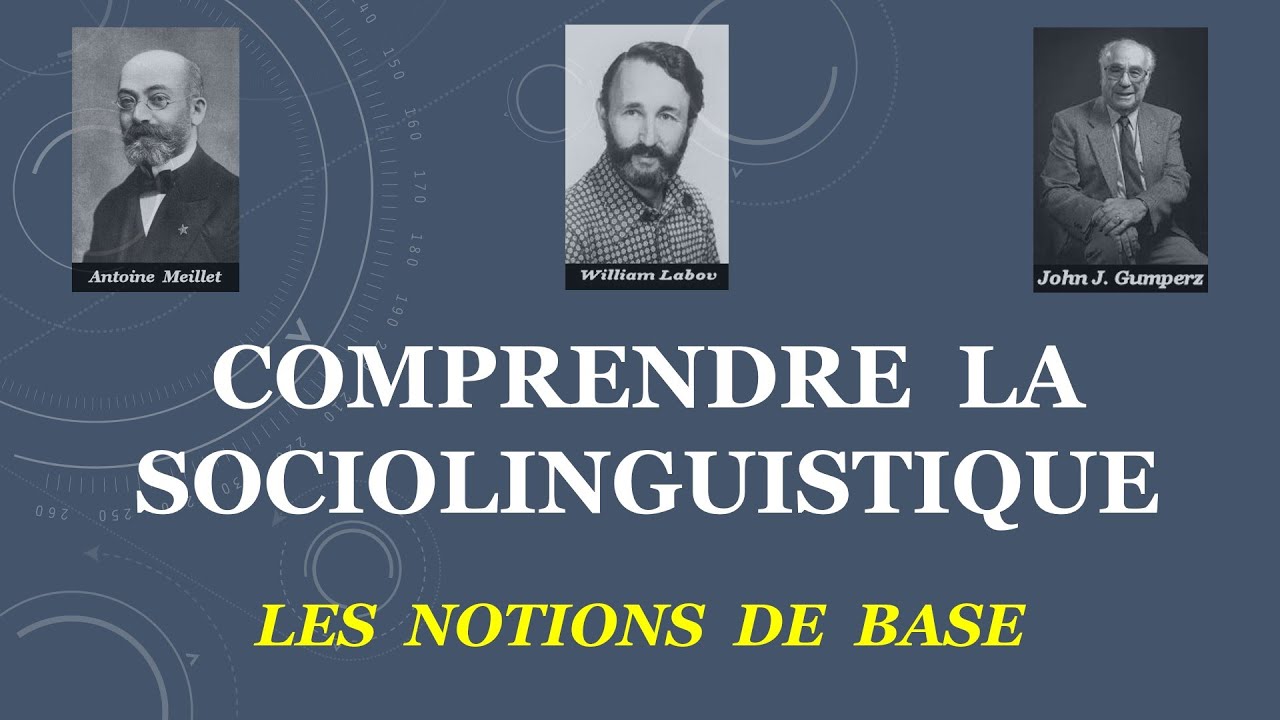
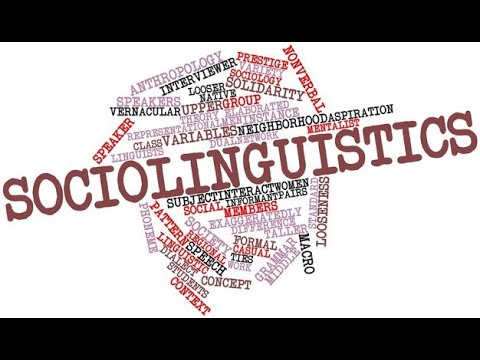
Fundamentals of Sociolinguistics: An introduction to how social factors—such as power, class, ethnicity, and gender—interact with and shape language usage.
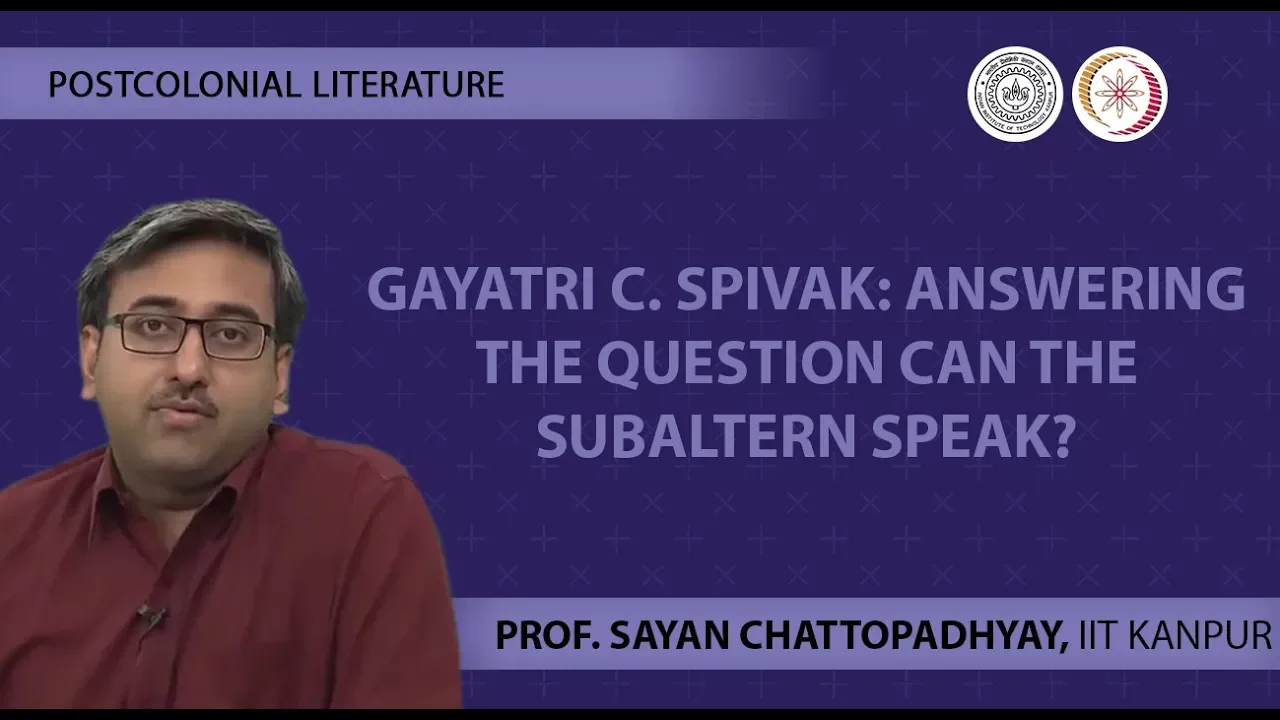
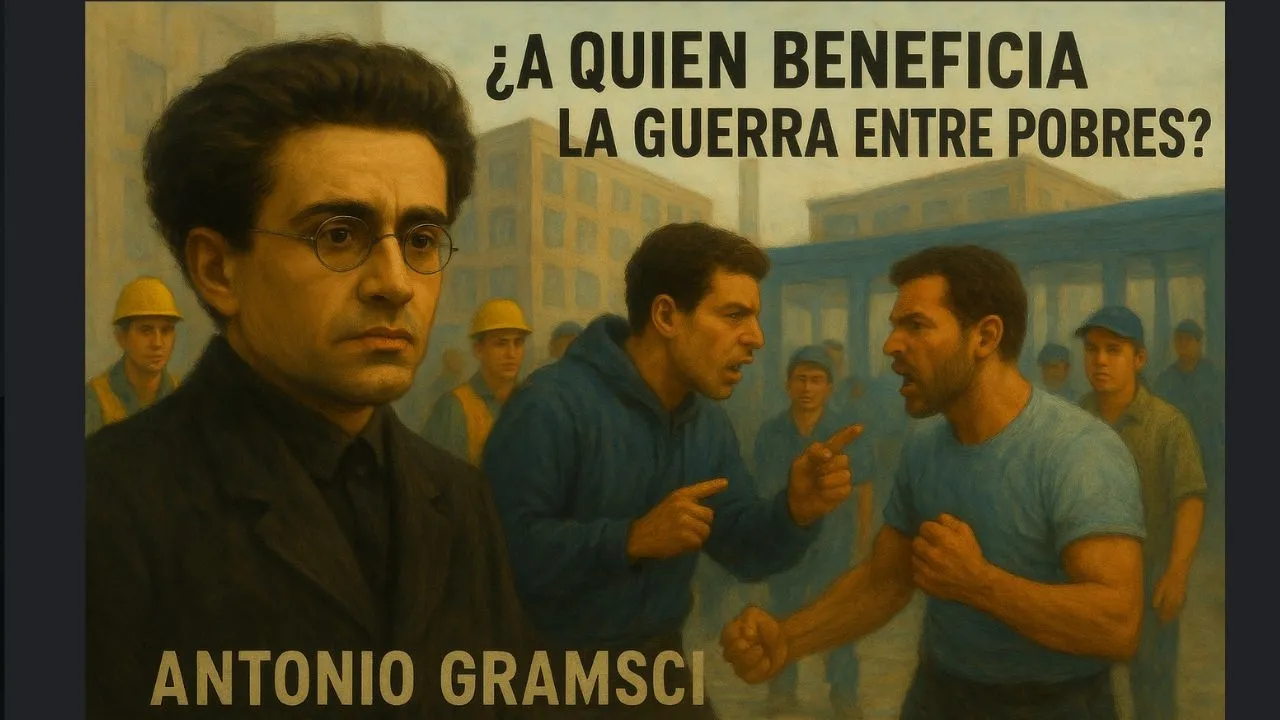
The Concept of Hegemony: Understanding how dominant groups maintain power through cultural and linguistic consent rather than just physical force.
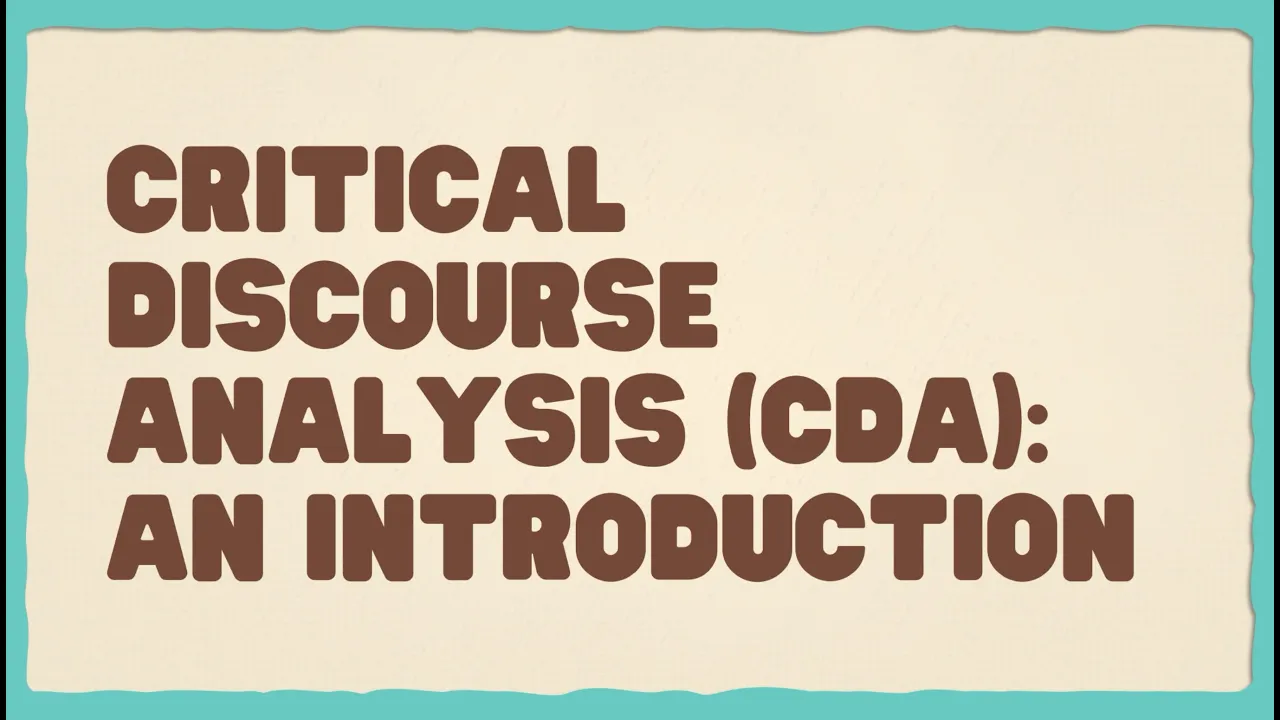
Critical Discourse Analysis (CDA): Learning how to systematically analyze texts, speech, and media to uncover embedded power relations, inequalities, and ideologies.
Decolonial Literature and Language Reclamation: Studying the works of postcolonial theorists, such as Ngũgĩ wa Thiong'o, on the importance of writing and thinking in native languages to 'decolonize the mind'.
Language Revitalization Movements: Examining real-world case studies of Indigenous and marginalized communities reclaiming and preserving endangered languages to assert sovereignty.
Cognitive Linguistics and Political Framing: Investigating how political movements and media outlets use specific linguistic frames to shape public perception and policy.
13.6K views1.2Klikes34:16Original Release: 2025-01-30
in a line that shook me to the core poet and essayist Adrien Rich writes this is the oppressor language yet I need it to talk to [Music] you have you ever wanted to express something to someone but you just couldn't find the words no language which could possibly adequately convey the sentiment friend trivializes The Blood Brother kinship that's more of a Soul Bond than any biological family sex doesn't capture the experience of cosmic Union ex-boyfriend seems to flatten the experience of the memory of that person in your bones how incredible it is that language can almost get it right and yet totally miss the mark love we say God we say family we say and the words get it all wrong as the famous count Alfred ksky wrote whatever you say something is it isn't in fact it's almost as if the things that matter most are the things that are least expressable of all what we feel most has no name I dream of lost tongues abandoned words that can express the inexpressible give name to the nameless but what if this inexpressibility this namelessness isn't just an innocent happen stance an unfortunate coincidence a quirk of language but deliberate and strategic hermeneutical Injustice refers to the harm that occurs when marginalized groups lack the capacity to make sense of their own experiences because we haven't developed the language or concept to our articulate them the very Act of naming has been until now a white sis hat upper class male prerogative victims of hermeneutical Injustice don't just accidentally lack these Concepts language has largely been created by and four dominant groups content warning for a brief discussion of CSA I'll put a time stamp here if you want to skip this part something I've often discussed on this channel is that when I experienced CSA it wasn't so much the sexual acts that kept me up at night but the way he used to look at me the subtle cues of his body near mind the creepy stories he used to tell me grooming pedophilic culture objectification doesn't quite capture it without a word for an act I cannot name it it remains unspeakable the courtroom certainly didn't take this violence into account all they cared about was the specific sexual act but even then I noticed an impoverishment in our language he choked me with his dick sounds pornographic he inserted his penis into my mouth sounds clinical I performed oral sex sounds trivial it's almost like I'm using a language that wants to make it as difficult as possible to describe this kind of violence for me the incapacity to understand was in many ways worse than the actual sexual violence itself I remember an almost tangible sense of relief when the sexual acts started because at least now I have something namable to point to something I and others recognize as real and yet I never called it rape because Notions of strangers attacking shaped my perception of real rape so even when a concept does exist if there's a conflict between its meaning at the formal policy level and those at the every Day level it can still lead to a failure of recognition for the seven years I knew him my incapacity to name it left me unable to protest it or enlist help to stop it Adrien Rich's words once again awoke something within me when she talked about women struggle to name the world to explode the oppressor language but this of course is not just the problem for women terms like system racism and police profiling only became part of mainstream conversations relatively recently and for centuries rigid binary definitions of gender and sexuality have dominated leaving many people without the Frameworks or language to describe their identities reflecting on their experiences of being black and queer civil rights activist James Baldwin said his issue with English is that it reflects none of his experience he can't find himself within this language considering such things makes you aware of how much your knowledge of the world is conventional knowledge a selection of particular things to which you attend to which you have been brainwashed to notice and the rest is disregarded but what if this goes beyond specific marginalized groups to a hermeneutical Injustice we all experience as a culture and society as a whole could the language of love exes friendship and family be constrained by dominant romantic and monogamous paradigms limiting the range of relationships we value and experience could the concept of God as a daddy in the sky benevolent Tyrant Big Papa exclude our awareness of something more animistic spiritual unifying could Notions of sex limited to rigid gendered sexual scripts shut us off from the meeting of different bodies and souls in a profound emotional spiritual and even Transcendent Union what might love relationships God and sex be if our Concepts were broader in other words what is expressable and inexpressible encodes and incarnates certain values actions and World Views we learn what exists what is normal what is possible and impossible it is therefore a fruitful terrain for the legitimization of power and control as psychologist Boris K galitzki put it deprived of an adequate complement of words the people are unable to express thoughts contrary to the standards imposed on them and become helpless and easily managed even if they are unhappy or dissatisfied with conditions they are unable to put that discontent into words much less actions control is more easily maintained at the linguistic level than through police repression and Brute Force the fewer options the ruling regime has of achieving sweeping political control the more it will resort to indirect methods of control such as the manipulation of language to preserve the existing order this this raises the questions what are the words we do not yet have how can we make language accountable to the truths of our experience and give name to the nameless so it can be [Music] thought when theoretical physicist Vera Heisenberg famously declared we've reached the limits of our language recognizing ordinary language as inadequate for describing the nuances of quantum physics his words struck a chord with me because in my brief phase of becoming obsessed with quantum physics I just couldn't get my head around basic concepts until I picked up a German book and started reading in my other native tongue and suddenly ideas that seemed obscure in English started to make sense Heisenberg's uncertainty principle for example is much easier to understand in its German translation vagueness relation or blur relation more accurately captures the inherent blurriness of quantum States better than the term uncertainty implies this shift in language altered my understanding completely showing me how language can alter perception and even comprehension of reality since then I've come to learn that many indigenous languages might be even better suited to understanding quantum physics and may even hold the key to understanding the nature of reality like time space and causality David boom was interested in Blackfoot metaphysics because the English language has to become a lot more process oriented in trying to explain some of the things that happens in the subatomic and that process oriented approach to English he was referring to as the real mode and that's what he was working on and when he when I understood that I said to him hey Blackfoot which I grew up in it's a whole lot more process oriented and so on and I jokingly told him hey quit the real mode hey just learn Blackfoot you know in the Blackfoot mind nothing is static everything is always on the move and you can never predict what is going to happen so that the only thing you can really say it's happening is the now in other words it would seem that languages dissect the world in different ways when we learn a language we learn to see reality through that languages lens and therefore if you study that language you begin to see that there are ways of thinking based on principles based on a kind of log that is not one's own common sense and therefore by studying this very different thing you get um a perspective on what your own assumptions are see most of us don't know what our assumptions are we operate on principles which we haven't really examined and by studying a completely different culture you begin to understand what your principles are this idea that language shapes reality is known by various names such as linguistic relativity linguistic determinism but these days it's most commonly referred to as the Sapia WF hypothesis a famous paper of sapia's claims human beings do not live in the objective world alone but are very much at the mercy of the particular language which has become the medium of expression for the Society it is quite an illusion to imagine that one adjusts to reality essentially without the use of language and that language is merely an incidental means of solving specific problems of communication or reflection the fact of the matter is the real world is to a large extent unconsciously built up on the language habits of the group we see and hear and otherwise experience very largely as we do because the language habits of our community predispose certain choices of interpretation no two languages are ever sufficiently similar to be considered as representing the same social reality the worlds in which different societies live are distinct worlds not merely the same worlds with different labels attached if Sapia and wolf are correct the implications for science politics philosophy anthropology amongst other fields are profound how much of what we consider Universal truths taken as self-evident rather reflect the world view specific to the languages in which they were developed what if our current philosophical political and scientific paradigms built largely off of eurocentric linguistic structures are but a partial vision of a much larger richer reality at a time where we're faced in the world with so many crises and critical questions could it be that the languages upon which we tend to rely are IL equipped for the tasks at [Music] hand poet and essayist audre Lord once said for the Master's tools will never dismantle the Master's house they may allow us to temporarily beat him at his own game but they will never enable us to bring about genuine change English is thought to be a particularly well-endowed language that its intrinsic value explains its Global spread but in reality the biggest reason English is the world language is because it was violently imposed through colonization linguistic imperialism and the killing off of other languages language has always a factor in a process of colonization the colonizer all always in all situations suppresses the language or the language that colonized and Elevate their own language right if you can suppress their language and their naming system they'll soon forget who they are when a language is endangered it is not just the words that will be lost language is a carrier of Heritage values and World Views each of these langu languages holds a little piece of information or a lot of information can hold information about about medicines and health can hold information about the constellations in the in the sky and that's an information that if you lose the language you lose that connection with that place with that way of thinking with tens of thousands of years of that language's lineage so the dominance of English and other eurocentric languages across the globe has transferred more than just vocabulary to indigenous communities in killing off a language and taking on the language of the oppressor white eurocentric ways of being become the invisible or inaudible Norm whilst other ways of being are quink quirky or backwards as the psychiatrist France vanor writes in black skin white masks a man who possesses a language possesses as an indirect Consequence the world expressed and imp lied by this language language is therefore a way to dominate and control the mental universe of the colonized economic and political control can never be complete or effective without mental control the domination of a people's Language by the languages of the colonizing Nations was crucial to the domination of the mental universe of the colonized in my view language was the most important vehicle through which that power fascinated and held the soul prisoner the B it was the means of the physical subjugation language was the means of the spiritual subjugation so can the Master's tools ever really dismantle the Master's house as long as Liberation is imagined spoken and fought for within the confines of the language of conquest and Slaughter it risks being a renovation to the Master's house not its dismantling to truly dismantle it we must ask ourselves what languages what ways of being what World Views are still waiting to be heard Liberation May begin not in the Master's tongue but in reclaiming the silences it sought to AR raay when you first clicked on this video what crossed your mind when you heard my Southern British accent did my words carry a subconscious Authority sophistication or intelligence as you continue to watch you might notice how my soft feminized voice my hyperbolic language my conversational tone might alter your perception of my competence would you assume I'm less listenable less knowledgeable perhaps even boring maybe you're one of the people who leaves me a helpful comment telling me how I should improve my speaking whatever the case might be I wouldn't really blame you aside from speaking like a woman I possess a lot of linguistic Capital fluency in and comfort with a high status worldwide language and the dialects accents and ways of speaking of upper class white cisgender men by virtue of having linguistic capital I was able to master interviews to land places at prestigious elitist universities and good jobs speaking the right language open the doors for upper class social networks resources and communities one of these opportunities I received was an internship with the United Nations and what became abundantly clear to me whilst I was there is that English is the language of the global panopticon the standard of international organizations media education literacy and law the problem with a Africa and the colon the formally colonized as a whole is the whole intellectual Community operates within European languages in the entire intellectual production of ideas is in foreign languages or it's in European languages I think in general it's easier for me to engage in discussions around world events because my linguistic Capital grants me access to the specialized jargon of media policy education and law those without linguistic capital on the other hand are encouraged to give up their agency or involvement in social and political issues because coming across words St it's easy to dismiss it as too complex or best left to The Experts my linguistic capital and capacity to understand the language of law was also what helped me get my abuser locked up I was better able to understand the jargon the lawyers used to manipulate me during questioning to feel relatively at home amongst the legal professionals who spoke like me and I have no doubt that my Southern British accent gave me more credibility in the eyes of the jury than my working class abuser even here on social media I'm sure that I enjoy enhanced visibility than my non-english counterparts because all the search engines are optimized in my favor when researching for these videos most Publications are cated to me making it easy for me to devour large amounts of information enhancing my credibility constant indoctrination into English language exceptionalism makes it easier for me to seem worthy of being listened to to I like most creators am encouraged to self- censor the words I use the topics I address to fit dominant narratives and avoid demonetization further consolidating Conformity to one homogenized standardized ideal way of speaking that being said whether it's at Uni the workplace or on social media my way of speaking will never carry the same power and Prestige as that of men of otherwise similar demographics just as non-white people have to constantly code switch to fit the language of white people or the working class to fit the language of the upper class I constantly find myself switching to try to speak the language of men like I constantly have to avoid saying like my linguistic Capital also diminishes when I speak German versus English because I speak Austrian German because I'm half a Austrian and Austrian is generally seen as more folky than the purity of standardized German but when I'm speaking English and people will find out I speak German or now Spanish people are always so impressed because German and Spanish are prestigious second languages whilst the multilingualism of my black and brown friends who speak lesser second languages like Swahili are instead met with constant fear among ering about the threat to the English tongue as we learn to internalize this linguistic elitism minority languages and ways of speaking can start to feel a sense of inferiority I definitely feel less competent in German than English when I speak amongst men then amongst women and if it's like that for me I can't imagine how it is for people who've had years of indoctrination into their ways of speaking or their languages as being backwards primitive or stupid the nearest parallel is a case of physically abused children who end up identifying with their abusers or captives who end up carrying out the mission or their captives with sincerity and even resolve if you look at a thread in the export of English in Scotland Wales Ireland and Africa particularly with a constant Association of extreme humiliation and negativity with Native languages and the corresponding value and prestig accorded English in colonial education factories so linguistic capital is Central to the perpetuation of unjust power structures creating winners and losers in the world's system further consolidating power and control in the hands of a few so if you're one of the people who's watching this video because you like me tend to privilege the voices of the linguistically elite it might be worth reflecting on how perhaps in talking to you in the language that hides the loss of so many tongues though I might be complaining to you about power and oppression am I automatically excluding the vast majority of the population across the globe the disenfranchised the marginalized the working class from the conversation am I further muting minorities casting their ideas identities and voices into the periphery can Liberation ever truly be spoken about thought for and realized within the confines of the linguistically [Music] elite me and my little neuros spicy brain often feel like an alien on this planet I don't understand these local humans their cultures their ways I'm often getting myself into a pickle because I don't get the rules right I feel I really belong in another dimension I'm just here temporarily as an anthropologist from Mars but what if in a sense we are all aliens on this planet that we think of as our home we don't speak the language of nature or its creatures maybe the pickle Humanity has got ourselves in therefore is in part because we've forgotten how to listen to its beings its ways its cultures but this isn't actually the case for all people amongst countless indigenous communities across every continent language isn't just something humans have but rather a property of the surrounding Earth animals and Cosmos itself their world view is animistic that is to say everything is alive with its own Consciousness and spirit the land is my own land and it's where the language come from you know there language all around you everything we see has language everything that moves have language all the food source and Waters Rivers they all have names and that's how we can describe what it is where in it's something that a lot of people can't even describe today in English you know obviously these other beings do not speak in human tongue they speak in signs rhythms movements or articulate themselves in the surrounding Shadows Elders will give advice like you should go among the standing people or go spend some time with those Bieber people school people don't just learn from Plants they learn from plants called plant teachers chief of the Native American loto people wrote that for the old Indian to sit or lie upon the ground is to be able to think more deeply and the Earth was a library and its books were the stones leaves grass Brooks and the birds and animals upon signing over their lands to the US government young chief of the kuus tribe pondered I wonder if the ground has anything to say I wonder if the ground is listening to what is said in all these ways these other cultures are reminding us of the capacity of other beings as our guides teachers and holders of wisdom English on the other hand confers an inanimate un alive insignificant status to anything that is not human in English you are either a human or you are an it the English language gives us no choice it imprisons Us in this idea of objectification of nature to iify Nature Within These traditional cultures would be Unthinkable because there's nothing that fundamentally distinguishes the Earth the cosmos the animals from people a word for nature doesn't even exist in many of these cultures instead they're classified literally as persons even relatives hence a rock might be addressed with the same level of respect and reverence as an ancient Elder grandfather and since everything is alive we humans have to take care of our speaking and use our words responsibly because we never know what other beings are listening when you feel that everything is speaking you know everything is also listening so does that affect your speaking and what you have to say notice how it shifts the way you speak when you're aware that there are all these other presences listening here language is often thought to have a sort of magical power capable of influencing the world around us old languages oral cultures generally use language not to represent the world or to represent to talk about that Mountain over there to talk about the weather or to talk about that stand of trees no they're just as much using language to talk to the mountain to call the Sun up out of the ground in the morning as many folks in the pblos here do every Dawn um to speak to the Moon to conjure clouds out of the fathomless blue so that they can gather and gather and get heavy with rain and drop it upon the high desert here that is language is a way of calling oneself into the presence of the forest of calling oneself into the presence of that mountain or of calling that mountain into relation with me and then listening for its reply um language is a way of Bridging the distance the gap between oneself and another uh much like when we use it to say um to a friend or to a sweetheart I love you so perhaps we need to Reem ourselves as aliens step out of the boundaries of conventional thought and language to Grant the natural world the same level of personhood as humans and so I have a modest proposal for you could we imagine coming to Greater respect and reciprocity with all the other beings on the earth with a linguistic switch in the skyw woman Story the geese the Muskrat the sturgeon The Loon were not objects right they were persons they were persons and beings that should be referred to in just that way conveying not human superiority but human family and so this experiment relates to how what what how could we animate English inspired by Anish naimo and many other indigenous languages in order to do this we must come to our senses reacquaint ourselves with this living breathing animate Planet slip out of ordinary language and enter into heightened reciprocity to the beings around us listening to an expressive singing Crying landscape to a world that [Music] speaks in reflecting on the words of Adrien Rich this is the oppressor language yet I need it to talk to you theorist B hooks poignantly writes I know that it is not the English language that hurts me but what the oppressors do with it language can limit our world view or illuminate a much larger richer reality erase entire peoples or give name to the nameless so it can be thought consolidate power in the linguistically elite or give voice to the silences of the periphery fortify the Master's house or be its dismantling slice us off from from the natural world or help us be literate in the lingua franka of the Living World ultimately language is a Battleground a sight of ideological struggle both a weapon of Oppression and a tool of Liberation and so the question is what will we do with it I would love to hear so much in the comments your experiences with language how it's shaped your reality and World Views if you like this video you might like my video on a revolution in our consciousnesses I'd really appreciate if you could support the channel via becoming a patreon leaving a onetime tip on PayPal or Kofi liking sharing subscribing thank you so much to my current patreons for helping to make this channel possible thank you so much to op out and JC Finley for editing this video I appreciate you so much and I'll see you in my next video bye [Music]
Up Next

14:53
ASL Grammar Fundamentals: Facial Expressions & Practice Exercises
@aslrochelle
74.1K views•2015-08-31
36:52
Constraint Interaction in Optimality Theory: Epenthesis & Deletion
@Vidyamitra
180 views•2018-08-20

8:59
Forensic Linguistics: How Language Solves Crimes | PBS
@pbsstoried
1M views•2024-01-25

21:32
Accent Expert Explains U.S. Regional Dialects | Part 1
@WIRED
9.3M views•2021-01-21
Related Study Plans & Knowledge Roadmaps
Structured learning paths in Linguistics
linguistics
Optimality Theory: Tableaux & Constraints
01Phonological Basics: Sounds, Syllables & Rules
02Foundations of Optimality Theory: GEN, CON, and EVAL
03The Constraint Inventory: Markedness vs. Faithfulness
+ 2 more learning modules
15h5 modules
Explore Roadmap
linguistics
Morphosyntactic Alignment: S, A & P Systems
01Foundations of Syntax: Transitivity and Arguments
02The Linguistic Variables: Mapping S, A, and P
03Nominative-Accusative Alignment
+ 3 more learning modules
12h6 modules
Explore Roadmap
linguistics
Analyzing Sign Language: Phonology & Syntax
01Foundations of Sign Language Linguistics
02Phonology: The Five Parameters of a Sign
03Morphology: Word Formation and Classifiers
+ 2 more learning modules
14h5 modules
Explore Roadmap
linguistics
Pragmatics: Speech Acts, Grice & Politeness
01Introduction to Pragmatics: Meaning in Context
02Grice’s Cooperative Principle & Implicature
03Speech Act Theory
+ 2 more learning modules
14h5 modules
Explore Roadmap