








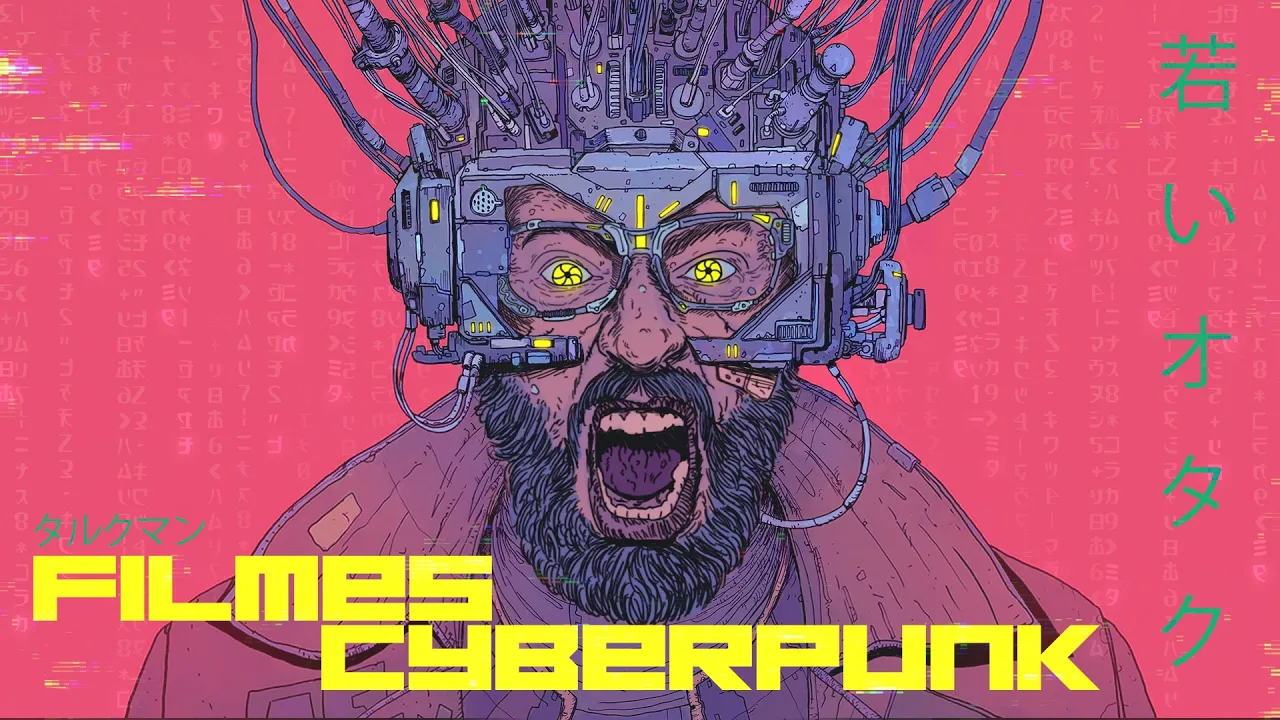
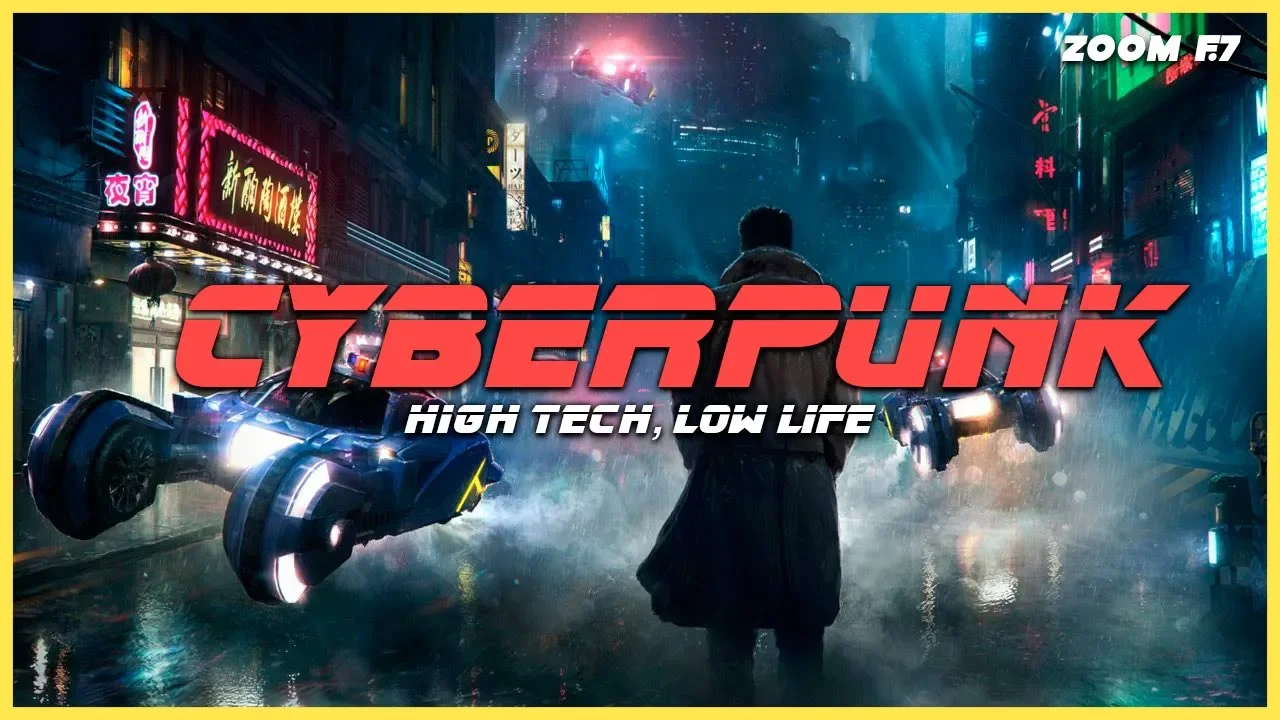



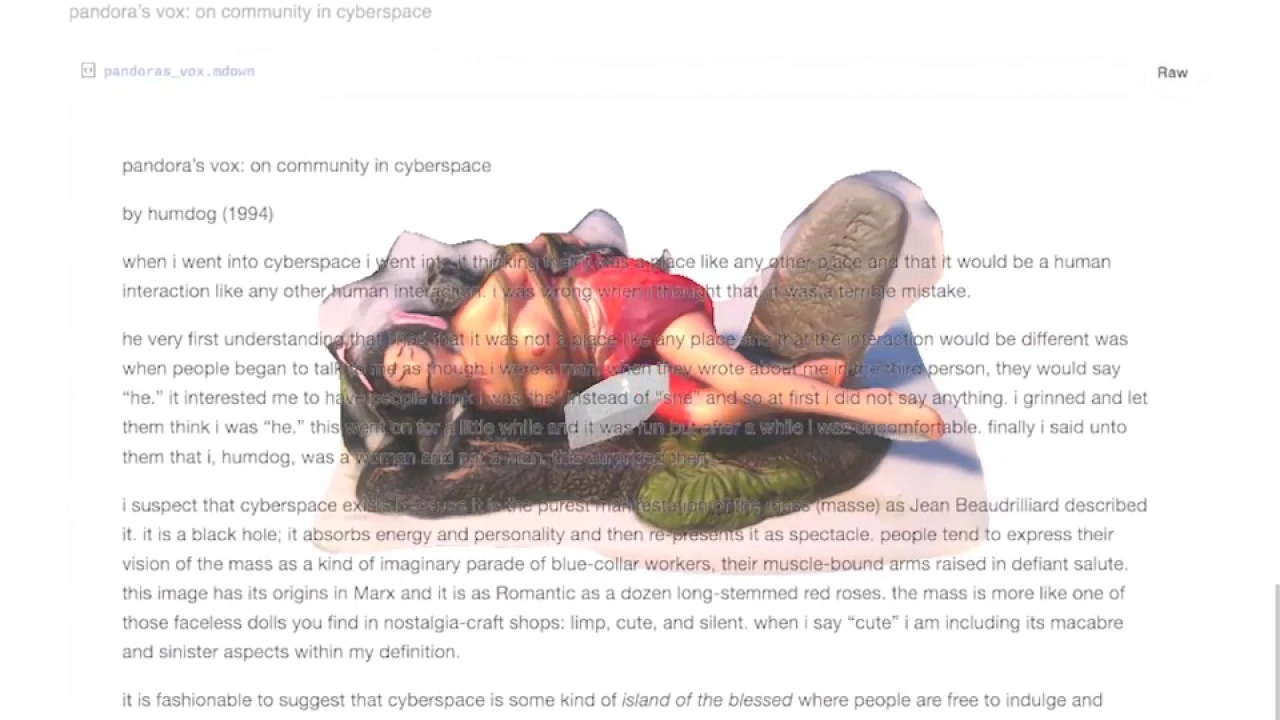
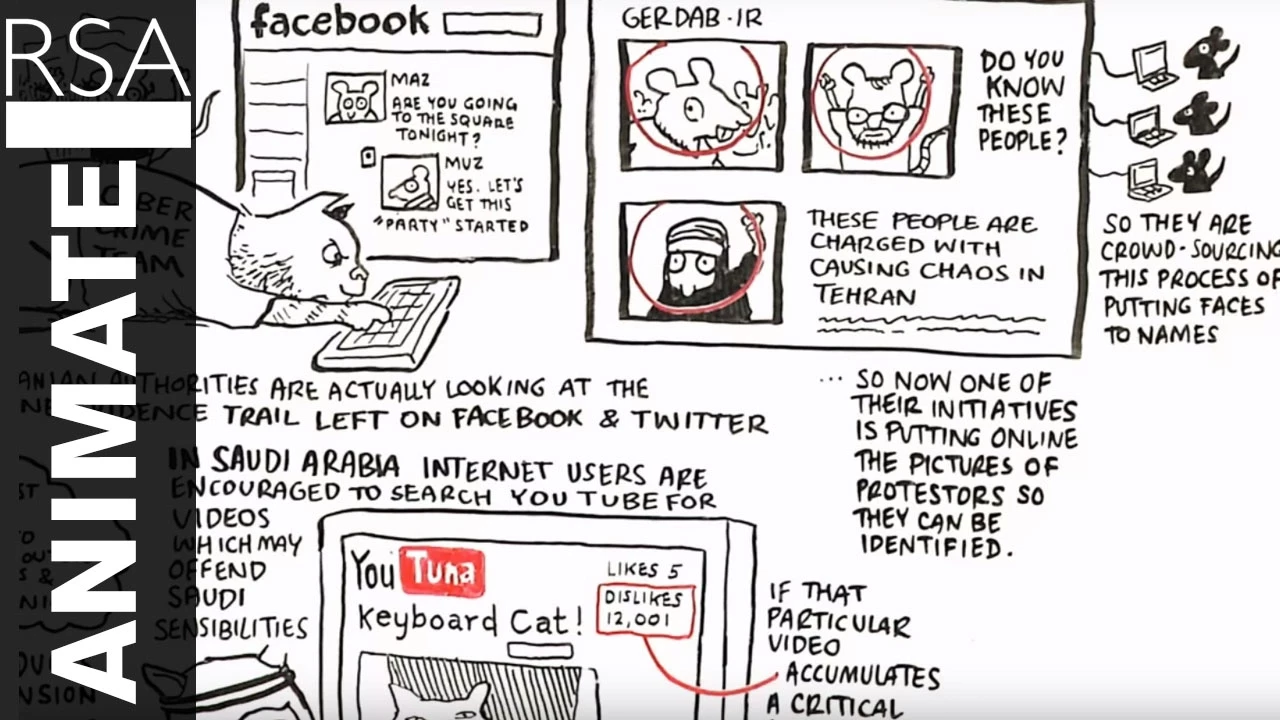











Cyberpunk emerged as a literary and cultural response to the decline of 1960s counterculture optimism and the rise of late capitalism, representing a critical examination of how technological advancement and corporate power have created a dystopian reality where resistance has become participation and self-expression has become conformity; the genre's central insight is that we are already living in a world where the sky above the horizon is the color of television tuned to a dead channel, and that attempting to 'log off' or escape into private spaces cannot address the fundamental reality of global capitalism that permeates all aspects of modern life.
Cyberpunk, Anti-Politics, and Postmodern Despair Explained
Added:Introduction to Postmodernism: Understanding key tenets such as the rejection of grand narratives, fragmentation, and Jean Baudrillard's concepts of simulacra and simulation.
The Concept of 'Late Capitalism': Familiarity with Fredric Jameson's theories on how post-WWII multinational capitalism influences culture, aesthetics, and social relations.
Origins of Cyberpunk Literature and Film: A foundational grasp of the genre's key tropes (e.g., 'high tech, low life', corporate dominance, transhumanism) through seminal works like William Gibson's 'Neuromancer' and Ridley Scott's 'Blade Runner'.
Early Cyberutopianism: Understanding the optimistic late-20th-century belief that the internet and digital technology would inherently democratize society and dissolve traditional hierarchies.
Capitalist Realism: Exploring Mark Fisher's political theory that it is easier to imagine the end of the world than the end of capitalism, which directly feeds into postmodern despair.
Accelerationism and Techno-Politics: Investigating the philosophical school of thought that proposes accelerating technological and capitalist processes to trigger radical social transformation.
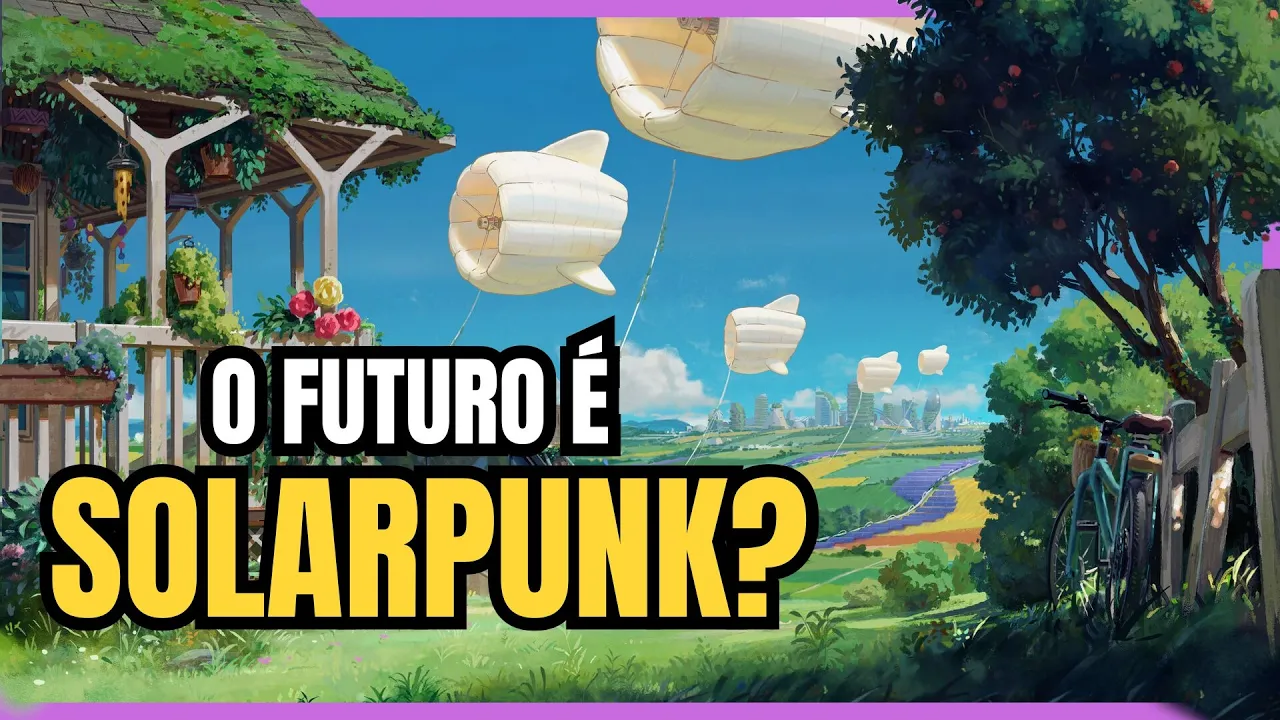
Literary Offshoots (Post-Cyberpunk and Solarpunk): Studying genres that evolved in response to cyberpunk's nihilism, focusing on systemic repair, ecological sustainability, and optimistic tech-futures.
Real-World Platform Capitalism and Surveillance: Analyzing how corporate monopolies, the gig economy, and algorithmic governance mirror the dystopian predictions of early cyberpunk.
21.9K views1.3Klikes14:51Original Release: 2021-07-20
we are just the neurotic consciousness of the world economy hello zerobooks readers and viewers it's me again douglas lane and in this video i'll be tackling the following topics modern despair the urge to log off and our fading nostalgia for cyber utopia i'll take excerpts from an upcoming book by are you serious entitled the freaks and the machine while hinting at what might be in matt christman's upcoming book for zero a book tintedly entitled behold a fail horse [Music] before i describe what cyberpunk is before i talk about the genre called cyberpunk or the buggy video game and the memes it spawned i want to tell you about the first time i ever heard the term it was early in the year 1991 and i was working as a canvasser for a non-profit organization called osberg i found out about cyberpunk when i knocked on the door of an interesting group of young people while i was out on turf collecting checks and signatures they were recreating bohemia in a small house in southeast portland they had a disco ball hanging from the living room ceiling and there were bongs on the coffee table they were a little older than i was mid-20s maybe and i seemed to hit it off with one of them he was a slightly plump gay would-be science fiction writer who wanted to explain two big ideas he had picked up the first big idea was that we were already living in a cyberpunk dystopia already living in virtual reality he said that the world had actually ended years earlier it had blown up in the 60s during the cold war what we were living in now he said was some fake world generated by computers or television waves or something we were living in an apocalypse papered over by magazine advertisements and vhs tapes and electromagnetic impulses but he said the genre of cyberpunk was an indication that the truth about the apocalypse was breaking through there was he said a bubble gum crisis that is the power of pop culture was faltering cyberpunk novels were really instruction manuals for how to live in the desert of the real in post-apocalyptic america cyberpunk was telling us how we would all be living in the very near future today when my sixteen-year-old son hears the term cyberpunk he thinks of a middle-aged keanu reeves and error messages he thinks of cyberpunk 2077 and has no idea that keanu was in a movie called johnny mnemonic or that cyberpunk was once a controversial some even say radical science fiction experiment [Music] if you enjoy these videos you should click on the subscribe button and click that bell and you should also consider supporting us on patreon patrons get access to our behind the scenes parent room discussions where we let our hair down dish out gossip or go into the weeds on topics such as a tendency of the rate of profit to decline imperialism and the critical theory of bernard morton coppell you'll also get access to our podcasts on from crisis to communization reform and revolution and the history of the russian revolution just as soon as i can coordinate times to record with danny and or my kids your support makes videos like this one possible thanks for watching knowing about the genre as i do being familiar with a few of the novels and having been online since 1993 it makes sense to me that a cyberpunk video game would be full of bugs that it would constantly crash and that's because for me the genre of cyberpunk is defined as much by are you serious and the magazine mondo 2000 as it is by william gibson or bruce sterling in his upcoming book the freaks in the machine ken goffman also known as are you serious describes how mondo and by extension cyberpunk came to be by the time we reached the mid-80s and the start of mondo very little appeared to be left of the irrational exuberance of the 60s left anarchic psychedelic counterculture or the certainty that a novel mutation and revolution was about to occur the cultural dynamics around any sort of movement were so disparate that many of us felt left to our own devices to make a life out of what remained or to look to something new to change the situation like extreme technology like far out science anything this is drugs this is your brain on drugs any questions that cyber optimism is today as dead as a psychedelic optimism of the 60s was in the 90s but whereas the psychedelic 60s were countered by reaganism and the dare to say no to drugs yesterday's cyber utopian dreams received not resistance but exorbitant public and private investment today we are all cyberpunks we're all living in a world where the sky above the horizon is the color of television tuned to a dead channel the bubble gum crisis is over there is no mainstream popular culture left there is no central authority no universally recognized face upon which to draw a mustache today resistance has become participation today self-expression has become conformity a few days ago i was talking to matt christman about his upcoming book behold a fail horse and he told me that what he wanted the book to be about what he wanted the book to be was a guide for people living in this post-political moment of despair i suggested that it might be a self-help book and he reluctantly agreed the message for a moment according to chrisman is that we need to accept that we have experienced a failure so let's talk grill pilling now i started calling myself grill pill a couple months ago basically as the campaign for sanders fell apart and as the mummified remains of imperiator uh joseph robinette biden were strapped to a chariot and uh led through the forum uh and it was my attempt to express my you know pretty much instantaneous disenchantment from the uh democratic elect presidential election what i would add to this message that chrisman is still formulating is that we should take a long view on this failure we should accept that it is a failure that goes back at least to occupy wall street if not to may of 68 or to 1919 once we admit to these failures we can start to see how our reactions to them have had a material impact on the development of the world and on world capitalism the development of cyberpunk can't be directly traced back to the history of marxism but it is possible to see that the literary genre was a reaction to the same historical forces from which the old frankfurt school philosophers sprang it's easy to see this because like everything else in the 90s the cyberpunk movement was self-conscious in the 1992 book storming the reality studio larry mccaffrey published essays in critical theory and post-modern theory alongside cyberpunk short stories excerpts from gibson's neuromancer were published alongside excerpts from frederick jameson's essay post-modernism or the cultural logic of late capitalism both were originally published in 1984 and both begin by announcing that we now live in a world where progress where the possibility for a new horizon has been foreclosed in neuromancer the first line is the sky above the port was the color of television tuned to a dead channel rather than the sky we are faced with a screen an impassable void created by the failure of our own images to depict reality and jameson's essay begins the last few years have been marked by an inverted millenarianism in which premonitions of the future catastrophic or redemptive have been replaced by senses of the end of this or that the end of ideology art or social class the crisis of leninism social democracy or the welfare state etc etc taken together all of these perhaps constitute what is increasingly called post-modernism the aim of the cyberpunk movement as it was written into existence on the pages of mondo 2000 and the aim of frederick jameson's essay were essentially the same they both can be summarized by one of the last lines from post-modernism or the cultural logic of late capitalism the aim was to all to the truth of the world space of multinational capital so that we may again begin to grasp our positioning as individual and collective subjects and regain a capacity to act and struggle which is at present neutralized by our spatial as well as our social confusion when mondo 2000 was published in 1989 the way to hold true to the truth of multinational capital and regain a capacity to act was to jump into the machines of finance capital and trip out on the experience what we're discovering now is that once we're in the machines once we're jacked in and surfing we only lose our subjectivity faster rather than becoming cyberpunks who can catch and then ride the wave in order to challenge the very order we rely upon for our self-expression we have become the data we are supposed to be stealing or subverting in 1991 i met a would-be science fiction writer who told me that world war iii had already happened that everybody was already dead or had never been born and that the world we knew was a computer simulation he told me there would be a crisis that the simulation would start to fall apart and that individuals who could understand the simulation and knew how to hack into and alter the machine code would lead to revolution but what i didn't think through at the time was that if we were really already dead then hacking the code would only speed up a second death it'll only speed up the dissolution of the remnants of who we were gibson begins his novel neuromancer with the following sentence and i consider it the best first sentence in 20th century american literature i hate to even use the word literature about this stuff the neuromancer being a work of what i call near future fiction a work that projects as does the movie blade runner the near future of possible social developments based on very close analysis of current trends in any case the first sentence of the novel goes like this the sky above the port was the color of television tuned to a dead channel and we have televisions it is a stupid strategy to think that you can turn them off all that can happen is they can turn you off you can't turn them off the other option today is to try to find each other and through that process reinvent each other but as roderick says that doesn't mean we can simply turn away from our tv sets log off from the internet and ignore the reality of global capitalism as we return to our gardens or as we start to take the grill pill that world of global capitalism is more real than our private lives as jameson says capital is the truth and we have to contend with that truth but as are you serious says after cyberpunk ours is a world where the dominant comfort narrative in games and movies for young people is an endlessly repeated story of colorful individualistic punk revolutionaries overthrowing dystopian authoritarian corporate states exactly like the ones in which we live this is what it looks like when the bad kids take all the good toys for themselves and leave us bereft and accrued and contemptuous caricature of the utopia we strove to make real sirius says we reached the shining celestial city on the hill and found a claustrophobic epic mirage be careful what you wish for [Music] thanks for watching this zero books video if you enjoyed it subscribe to this channel and click on the notifications bell so that you'll be alerted whenever we release a new video you should also consider supporting us on patreon our patrons get access to our inside zero books podcast every week and can get access to the xerobooks book club and help us to continue making online content from the left [Music] you
Up Next

30:34
Severance, Late Capitalism, and Media Critique | Video Analysis
@Meromorphic
395.3K views•2023-02-25

26:22
Walking in the City: Urban Rituals and the Flâneur in Contemporary India
@PSBTIndia
1.9K views•2016-08-02

9:49
FastAPI vs Flask vs Django: Choosing the Right Python Web Framework
@TechWithTim
302.5K views•2024-05-26

1:42
Game of Thrones Opening Credits: A Cinematic Analysis
@gameofthrones
46.3M views•2011-04-18
Related Study Plans & Knowledge Roadmaps
Structured learning paths in General & Interdisciplinary Studies
general-studies
Artificial Light: History, Tech & Human Impact
01The Pre-Electric Era: Fire, Oil, and Gas Lighting
02The Incandescent Revolution and Grid Electrification
03Gas Discharge and Fluorescent Illumination
+ 3 more learning modules
14h6 modules
Explore Roadmap
general-studies
Elevator Engineering: History, Physics & Cities
01From Hoists to Safety Brakes: The Dawn of Vertical Lift
02Hydraulic vs. Traction: The Engineering Physics of Elevators
03Modern Speed, Safety, and Algorithms
+ 2 more learning modules
12h5 modules
Explore Roadmap
general-studies
Rubber: Material Science, History & Geopolitics
01Origins of Natural Rubber & Mesoamerican History
02The Chemistry of Natural Rubber & Vulcanization
03The Geopolitics of the Rubber Boom & Colonization
+ 2 more learning modules
12h5 modules
Explore Roadmap
general-studies
Containerization: Evolution, Logistics & Trade
01Ancient Trade & Bulk Cargo: Amphorae to Barrels
02The Industrial Revolution & Cardboard Packaging
03The Containerization Revolution: Malcom McLean
+ 2 more learning modules
12h5 modules
Explore Roadmap