

























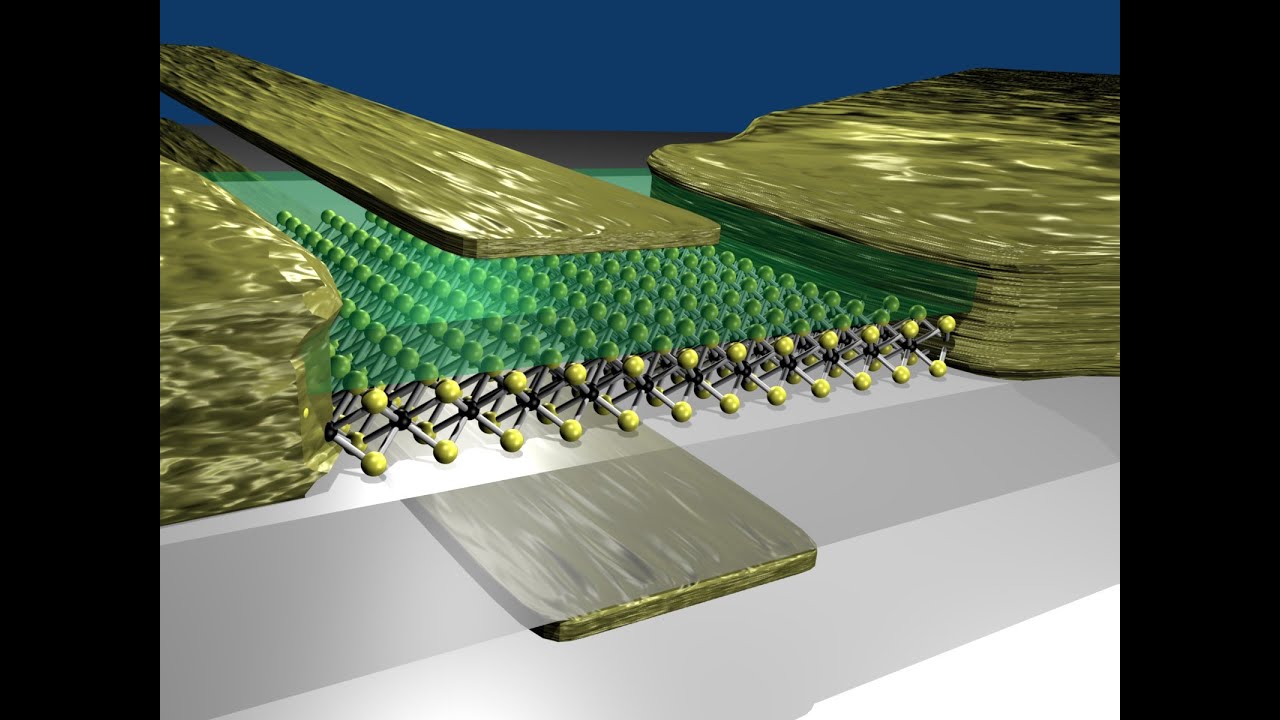






Nanomaterials are materials with at least one dimension smaller than 100 nanometers (one millionth of a millimeter), and they exhibit unique properties such as increased surface area, enhanced chemical reactivity, and altered optical properties compared to their larger-scale counterparts; these engineered nanomaterials have transformative applications in medicine (targeted drug delivery, protecting implanted cells), electronics (semiconductor components, batteries), and environmental remediation (pollution cleanup, oil spill absorption), though ongoing research is needed to fully understand their potential safety impacts on human health and the environment.
Nanomaterials Engineering: Applications and Properties
Added:Basic concepts of atomic structure, chemical bonding, and crystal lattices in solid-state chemistry.
The geometric concept of surface area-to-volume ratio and how physical properties scale as dimensions decrease.
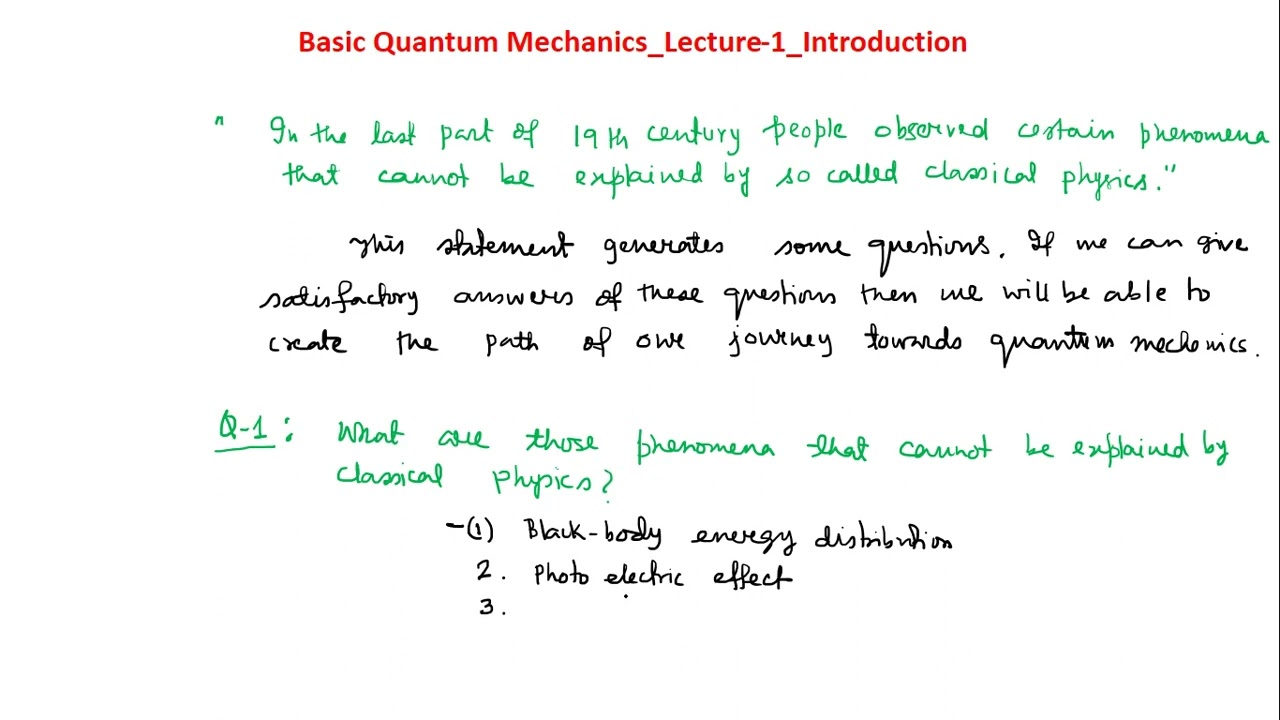
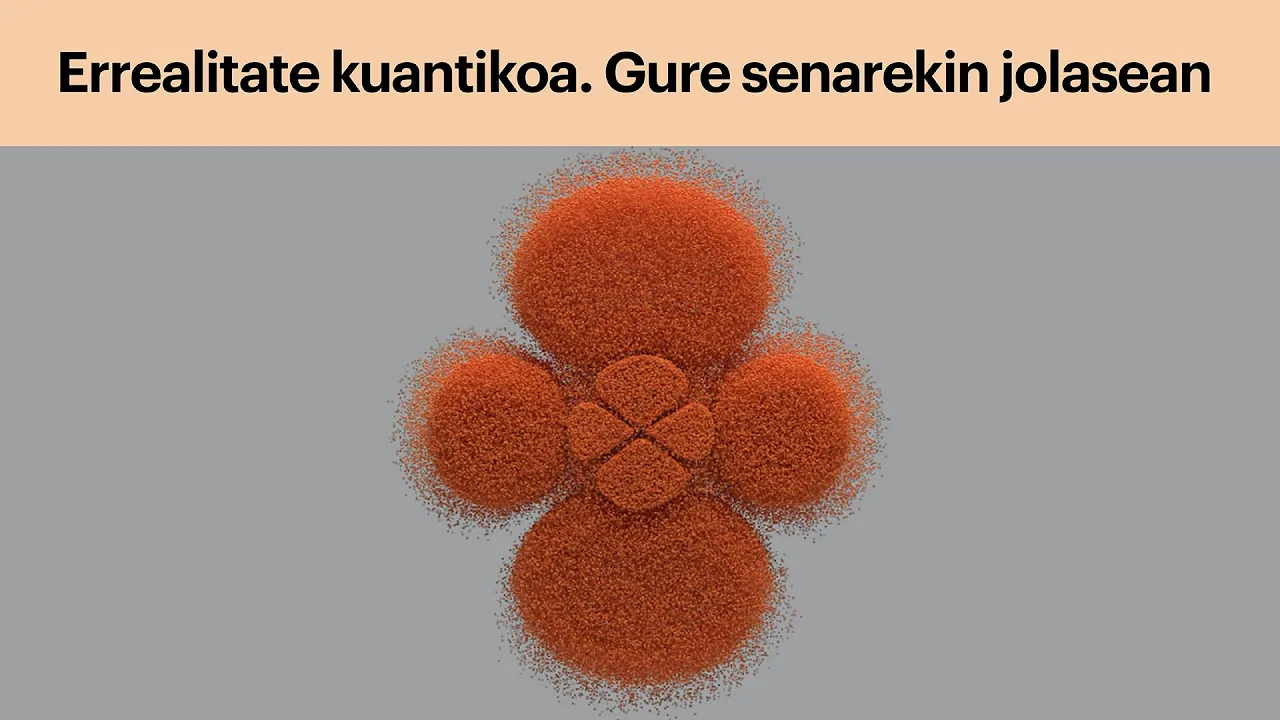
Introductory physics principles, particularly quantum mechanics basics such as energy quantization and wave-particle duality.
Fundamental material classification, distinguishing between conductors, semiconductors, and insulators.
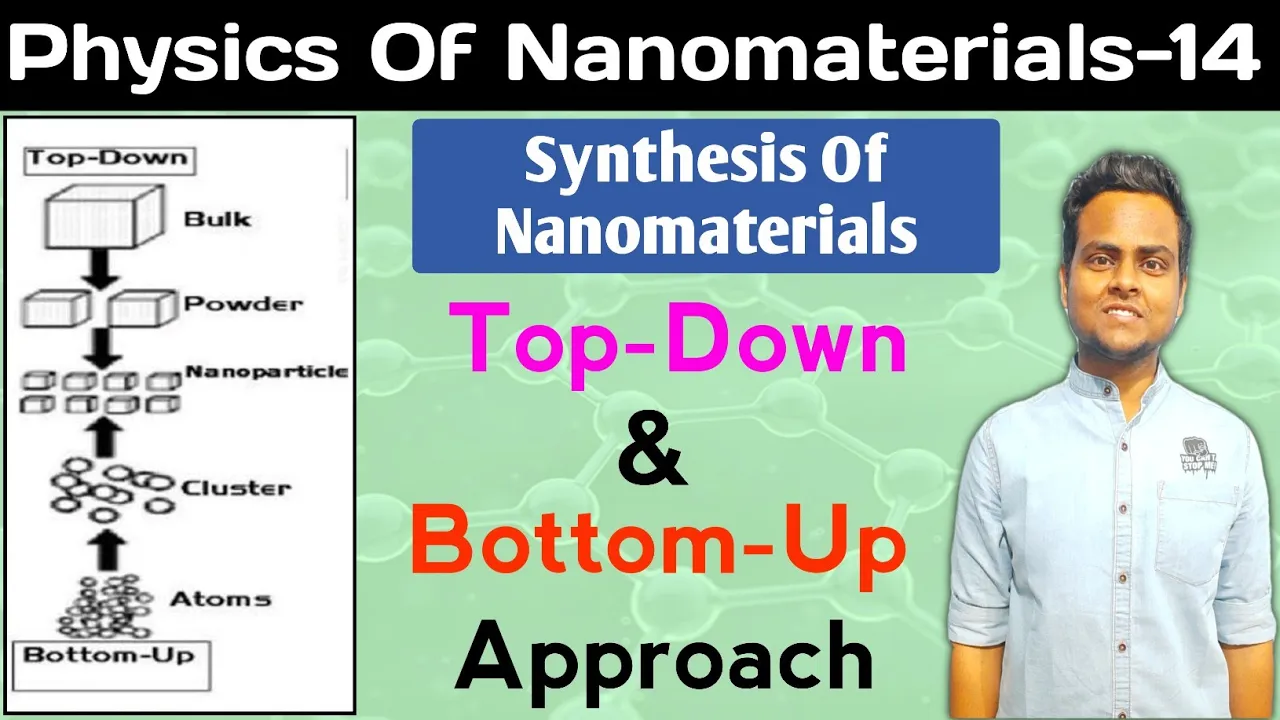
Nanomaterial synthesis methodologies, specifically comparing 'top-down' lithography with 'bottom-up' chemical self-assembly.
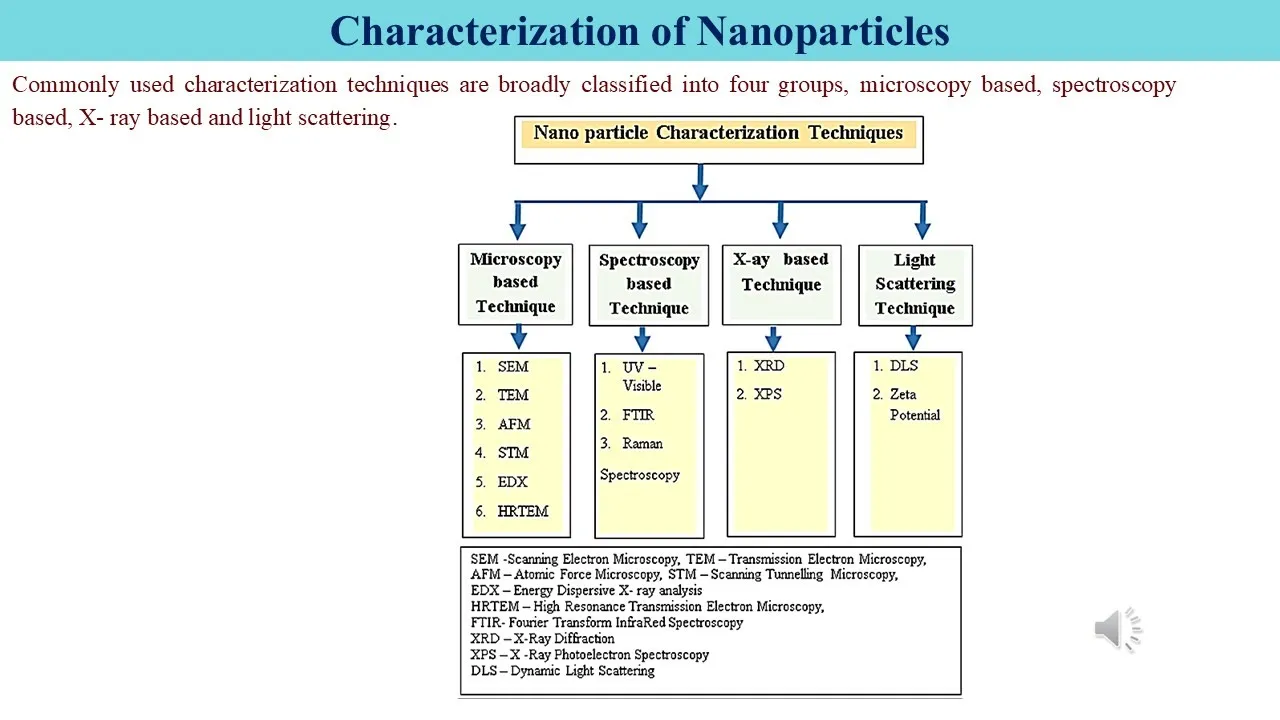
Characterization techniques for nanostructures, including Scanning Electron Microscopy (SEM), Transmission Electron Microscopy (TEM), and Atomic Force Microscopy (AFM).
Advanced nanomedicine and targeted drug delivery systems, focusing on how functionalized nanoparticles interact with biological systems.
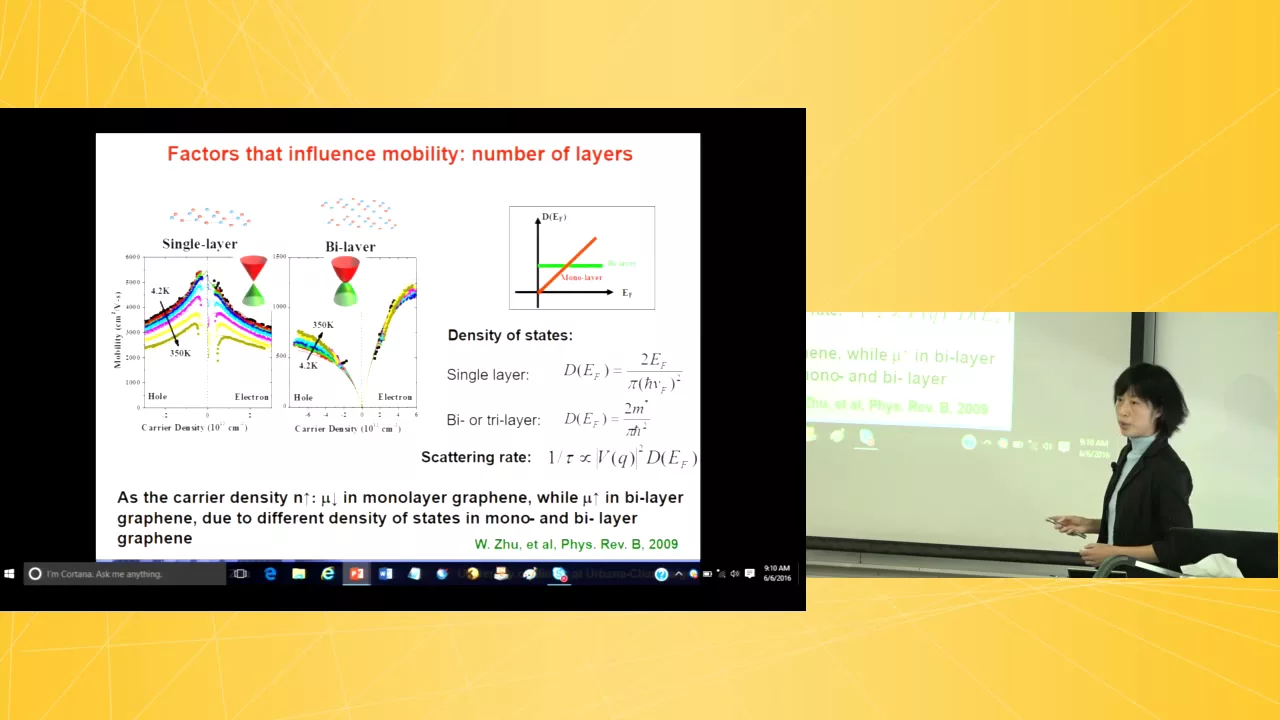
Next-generation nanoelectronics, exploring the applications of 2D materials like graphene and transition metal dichalcogenides (TMDs).
Nanotoxicology and the environmental, health, and safety (EHS) impacts of releasing engineered nanomaterials into ecosystems.
263.1K views5.4Klikes8:50Original Release: 2018-11-01
From the size of our airplanes to the height of our skyscrapers, feats of engineering just keep getting bigger and bigger.
But bigger isn’t always better.
Sometimes you want things to be small. Really small.
And if you want things to be really small, you’re gonna need to make them out of small materials: nanomaterials.
These are used everywhere from the healthcare industry to electronics.
And, even though they’re small in size, they pack a big punch!
[Theme Music] It’s easy to think of big problems, ones that you can see.
But many of today’s most important problems are actually microscopic.
Think of things like cancer or autoimmune diseases.
These are issues at the cellular level, far too small to solve with any conventional tools.
And even if we find a solution to the root problem, the body's own defense mechanisms will often see a potential cure as a threat and attack it.
A good example of this is Type I diabetes, a chronic condition that requires treatment with insulin.
To permanently fix the problem, doctors might want to implant cells to produce that insulin without needing daily injections.
But if you just stick those cells right into the human body, the patient’s own antibodies will probably attack and kill them before they can help.
So for this potential treatment to work, you need to find a way to protect them.
To solve this problem, and others like it, you’re going to need to build really small things.
And for that, you’ll need nanomaterials.
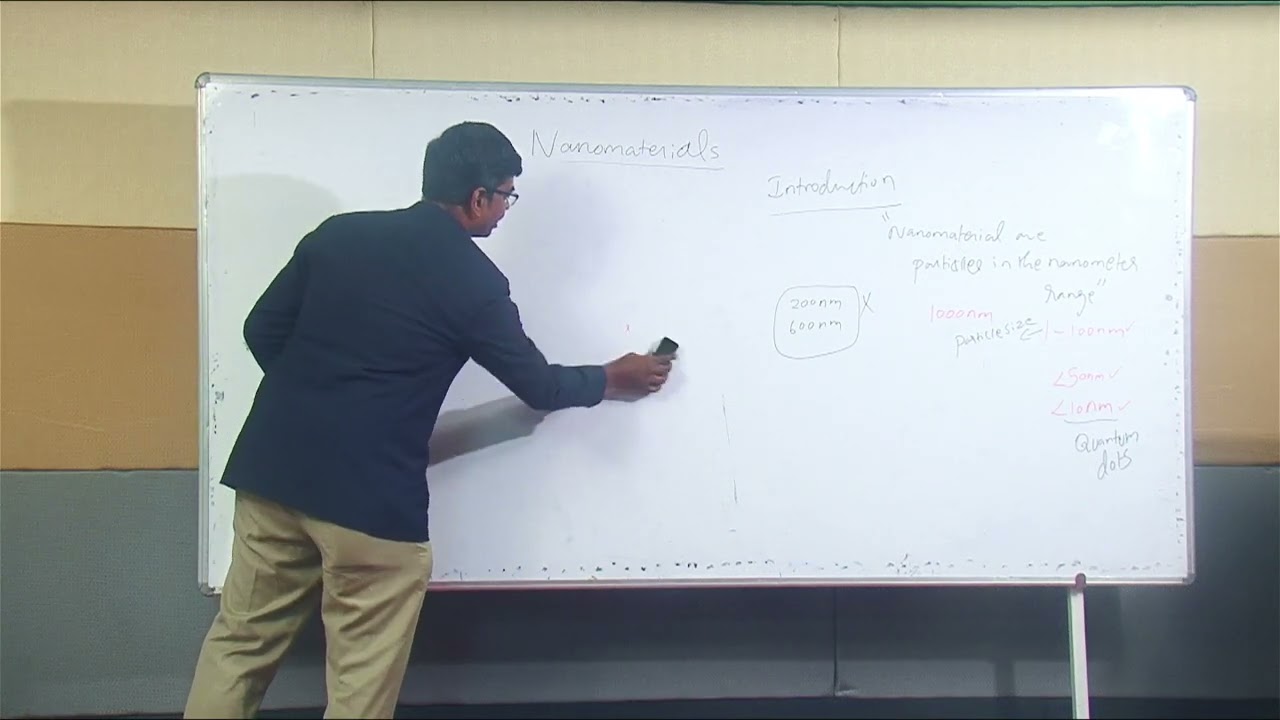
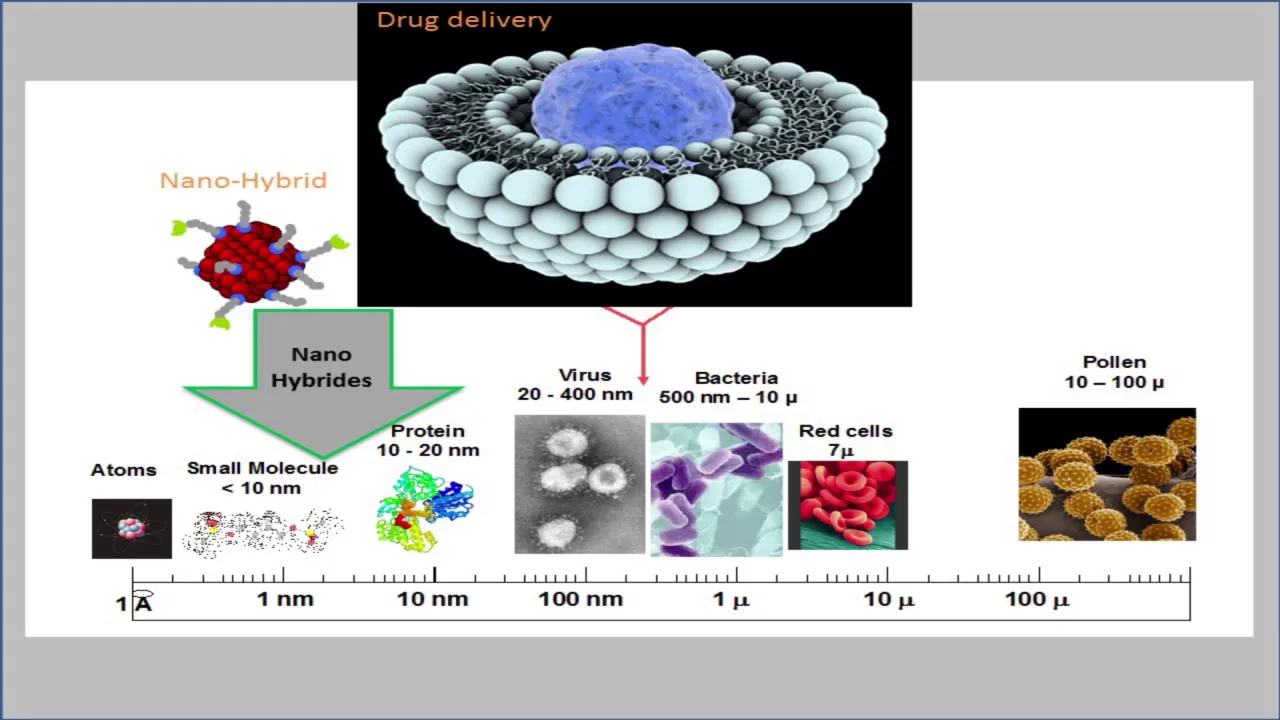
For something to officially be a nanomaterial, at least one of its dimensions must be smaller than 100 nanometers.
To put that in perspective, a nanometer is one millionth of a millimeter, or about 100,000 times smaller than the diameter of a human hair.
So pretty tiny!
In fact, most nanoscale materials are too small to be seen even with the help of conventional microscopes, like the ones you might find at your high school or college.
If you want to take a look at nanomaterials, you’ll have to use a better microscope, like an electron microscope, some of which can magnify samples by up to 1 million times.
Even then, to actually work on the nanoscale, you need something like the scanning tunnelling microscope, which not only allows you to see individual atoms and molecules, but also lets you move them around.
But don’t let the small size of nanomaterials fool you.
Compared to their larger-scale counterparts, they often have better properties like increased strength, chemical reactivity, and conductivity.
These traits can let you solve new kinds of problems, like protecting those implanted insulin-producing cells I mentioned earlier.
The device you’ll need to protect those cells will have to have holes large enough to let the insulin flow out, but small enough to keep the body’s attack cells from getting in.
That kind of precision engineering is a perfect application of nanotechnology.
While nanomaterials are certainly small, they actually have a comparatively large surface area.
That may sound a bit counterintuitive, but if you break something down into smaller chunks, the overall surface area increases.
You can see what I mean if you take a block and slice it down the middle.
You didn’t change the overall mass or amount of material, but now you have two new sides that add more surface area.
The more surface area there is, the more direct contact a material can have with its surroundings, and that contact matters!
For example, break a material into nanometer-sized particles, and the increased surface area will lead to a faster rate of any surface-level reactions.
This makes nanomaterials great catalysts, or substances that increase the rate of a chemical reaction, and it’s why they’re used in a wide range of important industrial chemical reactions.
Nanomaterials are also often more attractive to water and oil molecules, making them more absorbent than larger materials.
That’s why they’re used in water treatment plants to remove pollutants and at sea to clean up oil spills.
We’ve also found that solid nanoparticles can even act like liquids – not just as some sort of bulk movement, like you might see when a pile of sand acts like a fluid, but in the motion of individual particles themselves.
On their outermost layers, only about an atom or two thick, these nanoparticles appear to move about like a liquid.
Even though their insides are solid, their outsides can change shape and wobble about like a drop of water!
If you want to form solid, stable shapes out of nanoparticles, these movements could potentially cause your designs to fail, like losing an electrical connection in a circuit.
The nanoscale will even change other properties of a material, like its melting point and fluorescence, or the visible light that it emits.
Basically, its color.
A great example of this is gold.
Instead of the color we’re used to seeing in a treasure chest, nanoscale gold can appear red or purple.
This unique visual property might one day lead to better imaging and detection of things like tumors.
In these ways, it’s possible to literally fine-tune some of the properties that you’re interested in just by changing the size of a material.
By taking advantage of these characteristics and making your own nanomaterials, you’ll create what we call engineered nanomaterials, ones that are designed and produced to help solve problems.
There are also naturally occuring nanomaterials, like volcanic ash or soot from a fire, as well as ones that are produced as by-products of other processes like combustion.
These are often termed ultrafine particles and aren’t really what you’ll be worried about as an engineer.
However, you might have to factor in the effects of any ultrafine particles that you accidentally make.
But it’s the engineered materials that you’ll work with that show great potential for medicine, electronics, and other fields.
The nanotechnology you can make with nanomaterials can be used to design medicine that will target specific cells or parts of the body.
Think of the potential in not only helping out your own cells or keeping implanted ones safe, but in fighting off things like cancer or harmful bacteria.
And the small size of nanomaterials makes them perfect for electronics.
If you’ve ever looked at a circuit board, taken apart your smartphone, or put together your own computer, you can see just how small some of their components can be.
In fact, the semiconductors in computers are often on the nanoscale – and soon some may have parts only a nanometer long!
With electronics only getting smaller and smaller, we’ll likely see nanomaterials playing bigger and bigger roles in our tech-based future.
And hand-in-hand with modern electronics are batteries.
The strength and conductive properties of nanomaterials make them perfect for energy storage and creating high-capacity batteries.
You know, so your phone actually lasts through the day.
Nanomaterials can even be added to other materials, like cement or cloth, to make them stronger and lighter.
Thousands of common products contain engineered nanomaterials, while many others are manufactured using tools built from them.
Think of sunscreens, cosmetics, tires, and many sporting goods.
One of the most prominent areas of nanomaterial research is carbon nanotubes.
Efforts are being made to use this tube-shaped material for cleaning up oil spills, making better capacitors for circuits, and even creating artificial muscles.
But while nanomaterials seem great, there’s one pretty big problem: we don’t have a complete sense of the potential effects that they might have on the human body or the environment.
That means that we don’t know all of the safety risks and what the proper protocols should be when dealing with them.
And there have already been problems with nano-sized particles.
It’s easy to ingest or breathe in such small things by accident and without even noticing.
For example, we’ve seen that some kinds of carbon nanomaterials can cause inflammation in the lungs in ways that are similar to asbestos.
If you’re using nanomaterials to treat a disease, the last thing you want is to create new, unexpected problems.
Fear of the unknown isn’t a good reason to stop moving forward, but more research is always better.
The nanotechnology that could keep implanted cells safe inside your body to treat diabetes is still pretty new and in the development stage, but what it could do for patients would be life-changing.
Similar designs could be applied to other diseases, giving us effective cures to many of the problems that millions face every day.
From healthcare, to carbon nanotubes, to making better batteries, the possibilities of what we can do with nanomaterials seem endless.
Today we learned about nanomaterials, how small they are, and some of the things that they can do.
We learned about the special properties of nanomaterials and how some of them can change at different sizes.
Then we found the difference between engineered nanomaterials and ones that occur naturally.
Finally, we saw that since nanomaterials and nanotechnology are so new to us, we still need further research to fully figure out just how safe they are to use.
I’ll see you in our next episode, when we’ll learn more about biomaterials.
Crash Course Engineering is produced in association with PBS Digital Studios.
If you want to keep exploring big scientific mysteries by going very, VERY small, Deep Look is a 4K series that aims to see the unseen at the very edge of our visible world, from eye popping mantis shrimp to blood sucking mosquitos.
Check out Deep Look a the link in the description.
Crash Course is a Complexly production and this episode was filmed in the Doctor Cheryl C. Kinney Studio with the help of these wonderful people.
And our amazing graphics team is Thought Cafe.
Up Next

57:17
Introduction to Nanomaterials: Characterization and Properties
@iit
121.7K views•2014-09-18

30:32
Ultrasonic Transducers: Resonant Frequency Measurement and Horn Design
@imajeenyus42
229.9K views•2017-02-22

54:16
Polymer Environmental Degradation: Mechanisms & Stabilization
@iit
1.8K views•2012-07-10

33:39
How a Student's Question Saved a NYC Skyscraper from Collapse
@veritasium
22.8M views•2025-04-26
Related Study Plans & Knowledge Roadmaps
Structured learning paths in Engineering
engineering
Building Acoustic Levitators: Physics & Arduino
01The Physics of Sound and Standing Waves
02Piezoelectric Transducers and H-Bridge Drivers
03Arduino Programming: Generating 40 kHz Signals
+ 2 more learning modules
14h5 modules
Explore Roadmap
engineering
Building Peltier Cloud Chambers: Particle Tracks
01Cosmic Rays & Cloud Chamber Physics
02Thermoelectric Cooling (TEC) Fundamentals
03Custom Liquid-Cooling Loop Design
+ 2 more learning modules
18h5 modules
Explore Roadmap
engineering
Yagi-Uda Antennas: Modeling, Build & VNA Test
01Introduction to RF and Antenna Fundamentals
02Yagi-Uda Antenna Design Principles
03Antenna Modeling and Simulation in 4NEC2
+ 2 more learning modules
18h5 modules
Explore Roadmap
engineering
ECG Monitor Design: Op-Amps, Filters & Noise
01Electronics & Breadboard Basics
02Op-Amps and Instrumentation Amplifiers
03Bioelectricity and ECG Fundamentals
+ 2 more learning modules
18h5 modules
Explore Roadmap