





























Electrochemistry involves electron transfer reactions where oxidation (loss of electrons) and reduction (gain of electrons) occur simultaneously; in a voltaic/galvanic cell, the anode (oxidation site) loses mass while the cathode (reduction site) gains mass, with electrons flowing from anode to cathode. The standard cell potential (E°cell) is calculated by reversing one half-reaction so electrons cancel, then adding the potentials (E°cell = E°cathode + E°anode). The relationship between cell potential and Gibbs free energy is ΔG = -nFE, where n is moles of electrons and F is Faraday's constant. The Nernst equation (E = E° - (0.0591/n) × log Q) allows calculation of non-standard cell potential from concentrations. Strongest reducing agents have the most negative standard reduction potentials, while strongest oxidizing agents have the most positive values. For electrolysis stoichiometry, use Q = It (charge = current × time) and Faraday's constant (96,485 C/mol e⁻) to relate current, time, and mass deposited.
Electrochemistry Review: Cell Potential & Nernst Equation
Added:in this video we're going to talk about electrochemistry we're going to focus on how the voltaic cell works we're also going to uh balance equations under acidic basic conditions identify the oxidizing and the reduc an agent we're also going to talk about how to calculate the cell potential under standard and non-standard conditions how to calculate Delta G gives free energy from that and also the equilibrium constant K we'll also go over some conceptual examples some electrolysis problems and also uh some stochiometry how to calculate the current or the mass Des deposited on the cathode things like that so we're just going to do a nice overview of electrochemistry so let's begin let's talk about how the cell works so let's say that we have a zinc electrode on the left and a copper electrode on the right now the standard reduction potentials for zinc and copper are as follows this is the standard reduction potential for zinc which has a voltage of.76 and here we have the standard reduction potential for copper which has a voltage of positive.
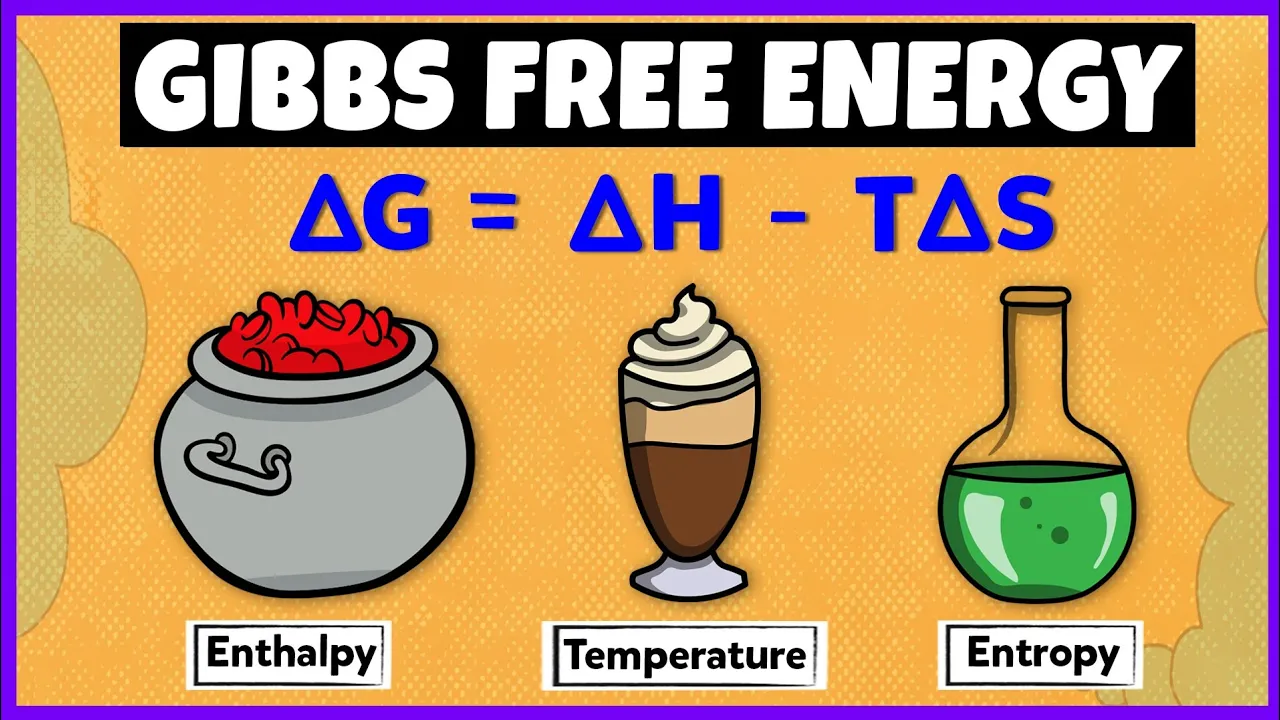
34 now in a voltaic cell or in a galvanic cell cell energy is produced the overall reaction is spontaneous meaning that the cell potential has to be positive in a an electrolytic cell you can use energy or put in energy to drive the reaction forward so the cell potential doesn't have to be positive it can be positive or negative a good way to illustrate this is think of a battery when the battery is powering your cell phone it is using its own energy to do so and so it's driving a spontaneous reaction in that case when a battery is powering your cell phone or laptop it's acting as a vol cell or a Gonic cell but when you plug in your battery into the outlet to charge it while energy flows from the outlet to the battery and so it's behaving as an electrolytic cell because it's receiving energy from an outside source so that illustration can help you to distinguish between a voltaic cell which is a galvanic cell versus an electrolytic cell but what you want to take from this is that remember we'll take and Gonic cells the cell potential has to be positive it's going to be a spontaneous reaction now here we have a voltaic cell because there's no outside energy source that's driving this system so if the electrochemical cell is generating its own energy it's a Volta cell now here we have standard reduction potentials anytime the electrons are on the left side it's reduction we need to switch one of these half reactions so that the overall cell potential is positive if we switch the half reaction for copper if we reverse it the cell potential is going to change from positive to negative and if we add the two we're going to get a negative cell potential which is what we don't want for a Gonic cell so instead we need to reverse the half reaction for zinc notice what happens when we do that so the cell potential is going to change from being negative to positive so it's positive. 76 volts and so at this point we can add the two half reactions if we add them the electrons will cancel on the left we have zinc plus copper 2+ and on the right we have zinc 2+ and copper metal so this is the net reaction and the cell potential for this net reaction all we need to do is add these two numbers so 76 plus 34 is about 1.1 volts so this is the stand standard cell potential um for this particular reaction now under standard conditions the concentration of the ions like the copper 2+ and the zinc 2+ ions that are in the solution the concentration has to be one molar or one mole per liter if the concentration is different the cell potential won't be 1.1 volts it's G to vary it might be 1.08 it might be 1.15 it's going to change but whenever you have a standard cell potential that means that the concentration of the ions are also standard as well it's one mole per liter but now let's talk about how this reaction works so looking at the first half reaction this is an oxidation half reaction the reason why it's oxidation is because zinc loses two electrons it gives away two electrons and notice that the oxidation state of zinc increases it increases from zero uh to 2 plus so whenever the oxid State goes up or if electrons are lost it's an oxidation half reaction and anytime you see the electrons on the right side it's also oxidation whenever the electrons are on the left side it's reduction the copper 2+ ions are gaining two electrons and so it's reduction and if you look at the oxidation state for copper it goes down from two to zero so the oxidation number reduces or decreases so therefore it's reduction now let's understand what's happening in this electrochemical cell so the zinc atoms in the zinc electrode are losing two electrons so every atom is going to give away uh two electrons and so the electrons going to flow from the zinc electrode into the copper electrode so as zinc loses two electrons it's going to enter the solution as zinc 2+ and as the electrons flow towards the copper electrode the copper ions that are in the solution well they're attracted to those electrons Opposites Attract and so those copper 2 plus ions they're going to be pulled toward toward those electrons because there's a an electrostatic interaction that pulls the electrons and the the positively charged copper ions together so they're going to accelerate towards this electrode and so as the copper two plus ions picks up two electrodes they're going to deposit themselves as copper um atoms on the on this electrode now the zinc electrode is called the anode and the copper electrode is known as the cathode electrons always flow from anode to cathode also oxidation always occurs at the anode zinc is being oxidized into zinc plus two as it gives away electrons so oxid o is occurring at the anode at the cathode reduction occurs reduction always occurs at the cathode you can see that the copper 2 plus ions are gaining electrons now notice that the zinc electrode is losing mass the zinc atoms are leaving the electrode and they're entering the solution therefore the anode always uh it loses Mass so it gets smaller and smaller now the cathode notice that it's gaining mass the copper ions in a solution they're depositing themselves towards the cathode and so the cathode uh it gains mass now let's talk about the salt bridge first let's uh clear away some space so let's say if you have three potential compounds to choose from let's say zinc sufate zinc hydroxide and uh zinc carbonate which of these three compounds will be most suitable for the aquous solution that contains the zinc electrode which one would you choose the best one to use use is the zinc sulfate solution and the reason why that's the case is because zinc carbonate is insoluble it's a solid and the same is true for zinc hydroxide so zinc sulfate is the best choice because it dissolves in water it's aquous it's soluble and so you want to use that so we're going to use uh zinc sulfate and copper sulfate uh for both Solutions now the purpose of the cell bridge is to maintain charge balance as the electrons flow from the anod uh to the cathode ions are going to travel through the salt bridge now it turns out that the zinc plus two Cates or the zinc 2 plus cations they're going to move towards the cathode cats always travel towards the cathode cations are positively charged ions the anions like the sufate ions anions are negatively charged um ions and the anions they travel towards the anod so they move to the left so make sure you remember that for uh this particular course Cades travel towards the cathode anions which are negatively charged they travel towards the anode so that's the those are the basics behind uh the electrochemical cell that's how it works but now now let's go back to the uh reaction that we wrote before the net reaction which was zinc plus uh copper 2+ which turns into zinc 2+ and copper metal zinc and copper are in a solid phase and the ions are in the aquous phase which means that they're dissolved in water so now how can we identify which one is the oxidizing agent and which is the reducing agent so in order to do that you need to find a substance that is oxidized and a substance that is reduced first so notice that zinc the oxidation number increases from zero to 2+ so therefore we could say zinc was oxidized and for the copper 2 plus ion notice that the oxidation state decreased from 2 to zero the oxidation state of any uh Pure Element in its natural state is zero so because it for copper went down from 2 to zero it was reduced so reduction occurred at the Copper 2 plus ion the substance that is oxidized and reduced it's always a reactant it's always on the left side so you can't pick uh one of the two products on the right side it has to be on the left side now the substance that is oxidized is also known as the reducing agent and the substance that is reduced is also known as the oxidizing agent the reducing agent is the one that causes the other substance to be reduced so zinc is considered to be the reducing agent because it causes copper 2+ to be reduced and the copper 2+ is the oxidizing agent because it causes the other substance zinc to be oxidized and so that's why you have to reverse them so just so you know metals are usually good reducing agents and metal ions they sometimes they could be decent oxidizing agents non-metals are usually oxidized agents like Florine oxygen gas those are oxidizing agents by the way so just want to make sure that you understand uh that particular concept but now let's go back into the cell potential of this reaction now we calculated the cell potential to be 1.1 volts using this information how can we calculate the Delta G of this reaction the Gibs free energy the equation that we need is Delta G is equal to NF now if we use the standard cell potential we're going to get the standard uh Delta G value now now n is the number of electrons in the balance reaction now keep in mind in the half reaction zinc converted into zinc 2+ by uh removing or dishing out two electrons and the same is true for copper the copper 2+ ions they picked up two electrons to turn into a copper metal and so therefore uh this is the n value the number of electrons it takes to balance the two half reactions so n is two f is Faraday constant which is basically uh 9648 cols per mole of electrons and E which is the cell potential it's 1.1 volts now volts the unit volts is basically Jews per colon that's what a volt is one volt is one Jewel per one Clon and so notice that the units uh Clum cancel and so we're going to get jewels over moles so if we multiply those numbers 2 * 96 485 * 1.1 Delta G is going to be equal to 212,000 267 jewles per mole and so this represents the electrical work that this cell can do so this cell can perform 22 jewles of work using one mole of electrons and so basically this is the electrical work that can be performed by the cell and that's Delta G that givs free energy and so that's what it's used for in this uh particular problem and now you know how to calculate it but now how can we find the equilibrium constant K from this information but before we do that let's talk about a few things in this example we have a positive cell potential whenever the cell potential is positive the reaction is spontaneous if the cell potential was negative it would be non-spontaneous notice that when the cell potential is positive Delta G is negative which is also true for a spontaneous reaction due to the fact that Delta G is equal to negative n Fe so when e is positive and you multiply it by this negative symbol Delta G is going to be negative now what about K when a cell potential is positive that means that at equilibrium is going to be product favored because that means that the reaction wants to go from the left to the right it wants to produce products the same is true when Delta G is negative but what about K whenever you have a spontaneous reaction at equilibrium it means that it's going to be product favored and therefore for a reaction to be product favored it has to be significantly large so K is going to be significantly greater than one it could be like 1 * 10 5 1 * 10 12 but it's a very large number and the reverse is true if the cell potential is negative that means that Delta G is going to be positive and so this process is going to be uh nonspontaneous so this is non-spontaneous in the forward Direction which means that in a reverse Direction it's spontaneous so therefore if it's not spontaneous in the forward Direction it wants to go to the left that means it wants to go towards the reactant side it's spontaneous in the reverse Direction so therefore this is going to be reactant favored at equilibrium and what do you know about K if it's reaction favored if it's reaction favored K is significantly less than one keep in mind that the equilibrium constant K is the ratio of the products divided by the reactants so if you have a high concentration of products at equilibrium that means K is going to be significantly large as you increase the value of the numerator of a fraction the entire value of the fraction goes up and so when you have a lot of products K is going to be large likewise if you have a lot of reactants if it's reactant favored K is going to be very very small it could be like 01 one or like 1 * 10 to8 when you increase the the value of the denominator the value of the entire fraction reduces and so that's what's happening here as the reactions go up K is going to be significantly small but now let's go ahead and calculate k for this particular example the equation that we need to calculate K is this equation Delta G is equal to RT Ln K but the only problem is we need to isolate K so let's divide both sides by negative RT and that equals the natural log of K now the base of the natural log is base e and so e raised to everything on the left side is equal to K this is a property of logs that's how you can convert um an equation in logarithmic form into exponential form so therefore K is equal to e raised to the Delta G / RT so let's go ahead and calculate the value of K using Delta G so in this equation because because R has the units Jews it's 8.3145 Jewels per mole per Kelvin Delta G has to be in jewles if it's in kilj you will not get the right answer so let's plug in in E raised to the negative which was Delta G for this reaction was um it was - 212,000 and 267 and then R is 8.314 5 and let's assume the temperature is the standard 25° C or 298 kin so now let's calculate K so if you type it in correctly you should get a very large number 1.67 * 10 3 7 and we expect that K should be large because because the cell potential was positive and Delta G was negative we said that it's going to be product favored and whenever you have a product favored situation K is going to be very very large and so that's why it's a huge number so now let's go back to the net reaction that we had before where zinc reacts with copper 2+ to produce the zinc 2+ ion and copper metal Now using this net reaction how can we write the cell notation for this reaction how would you do it so what we need to do is we need to start with the oxidative part of the reaction so we know that zinc is being oxidized to zinc 2+ so we're going to start start with zinc solid and then we're going to have a line this line is going to separate the solid phase from the aquous phase of zinc and then we're going to have a double line for the salt bridge so as you can see the first half of the cell notation represents the oxidation part of the reaction this second half is for the reduction so we're going to start with copper 2+ which is also in the aquous phase and we're going to separate the aquous phase with the solid phase and so the second side or the second part of the cell notation represents reduction so that's one way in which you can uh write the cell notation for a reaction so here we have a cell under non stand standard conditions keep in mind the cell potential or the standard cell potential was 1.1 Volts for uh this particular reaction and this would be the voltage if the concentration of the copper 2 plus ions and the zinc 2 plus ions if they're one mole per liter but now notice that the concentration is not standard so using this information how can we calculate the cell potential for this reaction when we know it's going to be a little bit different than 1.1 so the equation that we need the cell potential is equal to the standard cell potential minus 0591 Over N time log of Q This is the nurse equation now this is another different form of the nurse equation but this is one form uh of the nurse equation it's a simplified form so using this equation how can we calculate the cell potential so the first thing we need to find is q and Q is equal to the ratio of the products divided by the reactants the same way K the equilibrium constant K is the products over the reactants the only difference is Q is associated with the initial concentrations whereas K is associated with the equilibrium concentrations but the way you calculate it is the same now we can't include any solids or liquids in the expression for k or Q so in a reaction where zinc reacts with copper 2+ to produce zinc 2+ and copper metal we can't include copper solid or zinc solid in a reaction we can only include the zinc 2+ and the copper 2+ ions because they're dissolved in the aquous solution so since Q is the ratio of the products divided by the reactants it's going to be the concentration of zinc 2+ divid by the concentration of copper 2+ which is for copper it's it's 10 for copper and for zinc it's uh 01 so 01 divided by 10 that's 01 so now let's plug in everything into the equation so the standard cell potential is 1.1 and N we know it to be two and then times the log of Q which is 0.1 so log of 01 is about -3 a -3 multiplied 0591 / by two that's about positive 00 I mean 8865 and then we're going to add 1.1 to that and so the total cell potential that you should have for this problem is 1.19 volts so now let's understand what's going on here so let's begin with the net reaction so the concentration of the reactant was very high it was about 10 and the concentration of the product was very low it was 01 so let's go back to chemical equilibrium let chal's principle what happens if you increase the amount of reactants that are present whenever you increase the reactant the system is going to try to undo the change that you imposed to it so as you increase the reactant it's going to try to bring it back down and the only way you can do that is by shifting to the right as the reaction goes to the right the amount of products go up and the amount of reactants go back down and so whenever you have a lot like a large amount of reactants it's going to drive the reaction forward and as it drives the reaction forward it becomes more spontaneous and that's why the cell potential it increased from 1.1 to 1.19 because we have a large amount of reactants and the same is true for the products we decrease the concentration of the products and so the system is going to try to uh bring it back up actually hold on yes it's going to try to bring it back up and the only way it can do that is by shifting to the right as the reaction shifts to the right the products will go back up and the reactants will decrease so increase in the reactants causes the cell potential to go up and decrease in the products also cause the cell potential to go up so whenever you have a large amount of reactants or a small amount of products the cell potential will increase the reaction will become more spontaneous Delta G will become more negative and K well K is going to be the same now the products as you increase the concentration of the products it's going to shift to the left and it's going to be less spontaneous or more nonspontaneous but if you decrease the products it's going to shift to the right causing the reaction to be more uh spontaneous therefore increase in the cell potential so make sure you understand these Concepts because depending on what type of chemistry class you you might be taking you may be tested on this information so now let's say if we're given the cell potential so we know the standard cell potential it's always going to be 1.1 volts and that's not going to change but what if the cell potential of this reaction the non-standard cell potential let's say if it's uh 97 volts with that information how can you find the ratio of the products to the reactants basically the ratio of the zinc plus 2 cation to The Copper plus 2 cation how can we do that basically this is equal to q q is the ratio of the products divided by the reactants so we need to find Q so starting with this equation eal eus 0591 Over N log Q so we need to isolate Q so the first thing we should do is um we need to subtract the standard potential so e minus E and then what we're going to do next is we're going to multiply both sides by n and at the same time we're going to divide by negative.
591 so on the right side the 0591 will cancel and N will cancel as well but we're still going to multiply this by what we have on the left side so we're going to have n * e minus E /.
0591 which equals log of Q and so now log has the base or is in base 10 so the solve for is going to be 10 raised to everything we see on the left equals Q so Q is equal to 10 raised to the now what I'm going to do is I'm going to distribute this negative sign into this term so if I multiply top and bottom by1 I won't have the negative on the bottom Instead This e is going to be negative and this e knot is going to be positive so I'm going to reverse it so it's G to be 10 raised to the N time positive e minus E divided by positive 0591 okay so now that we have that let's calculate Q so Q is equal to 10 raised to the N which is 2 the standard cell potential is 1.1 minus the non-standard potential which was 97 and we're going to divide that by0 591 so you should get 25,000 and 80 so this is the ratio of the products to the reactants so the ratio between zinc 2+ and the copper 2+ ions is 2,80 now let's say if you want to find the ratio of the reactants to the products as opposed to the products over the reactants so if you want to find a ratio of copper to zinc all you need to do is flip this number over one or under one so it's going to be one over uh 25,000 180 so that's going to be a very small number 3.99 * 10us 5 so looking at this number the 25,000 means that there's a lot of products relative to reactants so this is a product favored system so now let's go back to our net reaction and let's see what is going on here so if Q is very large that means we have a lot of products and a very small amount of reactants so if we increase the products will the reaction shift to the right or to the left if you increase the concentration of the products it's going to shift to the left and as it shifts to the left it becomes less spontanous and that's why the cell potential it decreased from 1.1 Vol to 97 because we have a product favored system we have a large we have a a high ratio of products to reactants so whenever you have a large amount of products and a small amount of reactants the cell potential will decrease and the reverse is true if you have a large amount of reactant and a small amount of products the cell potential will increase so that's that's all I want to say about that one thing I do want to mention is that notice that the cell potential the non-standard cell potential is dependent on the concentration of the reactants and the products so if you change the concentration of the reactants or the products the non-standard cell potential will change not the standard cell potential this is going to be relatively constant now the same is true for Delta G the non-standard Delta G value will change whenever you change the concentration of the uh products or the reactants however the standard Delta G value will be constant now K the equilibrium constant K only changes if the temperature change if you change the concentration of the products the equilibrium constant K does not change it remains constant so you've seen this equation Delta gal RT Ln K but notice that this is the standard Delta G value not the non-standard Delta G value so K is going to remain constant if the temperature is constant K is only dependent on temperature so if you do not change the temperature K is going to be the same regardless if you change the concentration of the products or the reactants and if you do change the concentration of the products or the reactants the standard cell potential will be the same and the standard uh Gibs free energy will be the same so if this is the same K is GNA be the same however the non-standard cell potential and the nonstandard Delta G value can change if the concentration of the reactants or the products changes so now let's work on some stochiometry problems as relates to electrochemistry so here's a typical problem that you might see a current of 1.25 amps passes through a solution of copper sulfate for 39 minutes calculate the mass of copper that was deposited on the cathode so let's go over a few things Q is equal to it Q represents the charge and the charge is measured in colums I represents the current which is measured in amps and T is the time in seconds so what you need to know is that 1 colum is equal to 1 amp * 1 second and the second thing you need to know is Faraday's constant Faraday's constant is uh 9648 colums per one mole of electron now in the conversion I'm not going to write colums instead I'm going to use amps time seconds in place of clums so let's go ahead and begin so the first thing we need to do we need to convert minutes into seconds so there's 39 minutes and in each minute there are 60 seconds so the units minutes cancel and then we're going to multiply this by the number of amps so we have 1.25 amps so now that we have amps and seconds we can convert that into moles of electrons so there's 9648 cols or amps time seconds per one mole of electrons now we need to convert moles of electrons into copper and we need to understand uh the half reaction for copper 2+ so in copper sulfate we have the copper 2+ ions and it's going to pick up two electrons in order to become copper metal and when that happens it can deposit itself on the cathode keep in mind the mass of the cathode increases the mass of the anode decreases so notice the ratio between copper and uh electrons it's a 1 to2 ratio so for every two moles of electrons that passes through the solution we can say that one Mo of copper will be deposited or plated onto the cathode so now the last thing we need to do is convert moles into grams so we need to reference the periodic table and the atomic mass of copper is 6355 so which means that there are 6355 G of copper per one mole of copper atoms so let's focus on the units now we see that the units seconds uh cancel and the units amps uh cancel as well and moles of electrons cancel and moles of copper cancel so we're left with grams of copper so now all we need to do is the math so 39 * 60 * 1.25 / 9648 time 6355 ID 2 is about 963 so that's how many grams of copper were deposited onto the cathode so the mass of the cathode increased by 963 G number two the mass of the zinc anode decreased by 1.43 G in 56 minutes calculate the average current that passed through the solution during this time period now in the last example we have had the time in minutes and the amps the current in amps and we were able to calculate the mass in grams now we have the mass in grams in a time we need to find the current so let's start with 1.43 g of the zinc anode and let's convert it into moles the molar mass of zinc let me uh consult the periodic table is about 6539 so there are 6539 G of zinc per one mole of electrons actually per one mole of zinc atoms that's what I meant to right now we need to convert moles of zinc into moles of electrons and for the zinc uh half reaction because we're dealing with the anal we know it's uh we know oxidation occurs at the anal so it's going to be written this way but the important important thing is the m ratio we can see that the M ratio is 1 to two so that means that for every one mole of zinc that is uh displaced into the solution two moles of electrons passes uh uh Through the Wire or through the solution well technically the electrons don't really pass through the solution they travel through the wire so I guess I should have rephrased this problem uh in a better way it's the ions that actually passes through the solution but the electrons they travel from the anode Through the Wire to the cathode so now let's use a fadat constant to convert from moles of electrons into amps time second so one mole of electrons is equal to 96,000 485 colums but instead of writings I'm going to write amps times seconds now this is the part where we want to pause and think about where we are right now so the moles of zinc cancel and the moles of electrons cancel now we want to find the amps so we need to divide by seconds so let's convert 56 minutes into seconds we know that all we need to do is multiply 56 by 60 so that's 3,360 seconds so if you want to get amps we need to divide by the time in seconds so notice that the units seconds cancel and so we're left with amps and that's going to be the current that passes uh through the anode uh to the cathode by means of the wire so 1.43 G of zinc ID 6539 * 2 * 9648 / by 3360 so the current is 1.2 26 amps and so that's the answer for this problem number three how long will it take in hours for a current of 745 milliamps to deposit 8.56 G of chromium onto the cathode using a solution of chromium 3 chloride so feel free to pause the video and try this problem Yourself by the way if you want more examples particularly multiple choice questions on chemistry if you're preparing for like a final exam uh check out two videos one of the videos that I've created General chemistry 2 uh study guide review and there's another one on uh General chemistry 1 uh study guide review that I've created as well so you can check that out and it has a lot of multiple choice problems and you can get more practice on these questions if that's what you're looking for so let's go ahead and begin with this problem so we're looking for time let let's start with the mass so there's 8.56 G of chromium and we need to convert it into moles so the mol mass of chromium is 52 so one mole of chromium atoms has a mass of 52 G so the units grams uh cancel and now we need to convert moles of chromium into moles of electrons so let's write the half reaction for chromium notice that chromium is in the plus three oxidation state because there's three chloride ions attached to it and each chloride ion has a charge of Nega 1 so this is a reduction half reaction so chromium plus three is going to need three electrons to turn into chromium metal so the M ratio is uh it's 1 to three so for every mole of chromium that is deposited onto the cathode three moles of electrons passes from the anode to the cathode so now the units moles of chromium cancel so now we can convert moles of electrons into amps time seconds so one mole of electron is equal to 9648 amps time seconds now because we're looking for time we want to cancel not the seconds but the amps so what we have is the current in milliamps 745 milliamps is the same as 745 amps to convert from milliamps to amps you need to divide by th000 1 amp is equal to 1,000 milliamps so we're going to divide by 745 amps and so at this point we have the unit in seconds moles of electrons cancel as well so now we need to convert seconds into hours so we know that there's 60 seconds in 1 minute and is also uh 60 minutes in uh 1 hour so now this is going to give us the answer so it's going to be 8.56 / 52 * 3 * 9648 divid 745 divid by 60 and divid by 60 again so the answer that you should have is about 1777 hours that's how long it's going to take to deposit uh 8.56 gram of chromium if we use a small current of 745 amps consider these uh four standard reduction potentials now what I want you to think about while I write these reactions I want you to identify which species has the or which species is the strongest reducing agent and which one is the strongest oxidizing agent now the cell potential or the standard reduction potential for aluminum is 1.66 Volts for Fe it's about ne44 I believe somewhere around here for copper it's positive 34 and for silver it's about 80 volts so now this four there actually there's eight species here there's the the four metals on the right side and the four uh metal ions on the left so out of these eight species which one is the strongest reducing agent and which one is the strongest oxidizing agent so if you place the cell Potentials in order the strongest reducing agent is going to be the metal on top metals are usually reducing agents and non and metal ions or metal cats which are the ones on the left they are oxidizing agents so a metal can't really oxidize anything because for something to be an oxidizing agent it wants to gain electrons metals they want to give away electrons so therefore by definition Metals which give away electrons are reducing agents and metal ions which wants to acquire electrons are oxidizing agents so if you understand that the most powerful reducing agent is going to be something on the right side and the most powerful oxidizing agent is going to be one of these metal cat now the most powerful reducing agent is the one who really wants to give away electrons and that's going to be aluminum because if you reverse the reaction it's going to be the most spontaneous reaction aluminum wants to give away three electrons and the cell potential is very high it's positive1 166 the higher the cell potential the more spontaneous that reaction is and that's why aluminum is the strongest uh reducing agent out of everything that's listed here so what about the strongest oxidizing agent the strongest oxidizing agent oxidizing agents they like to acquire electrons and so it's going to be one of the metal cation so it's going to be one of these ions on the left side so which one wants to acquire electrons the one that wants to acquire electrons is the one with the most positive cell potential and that is Silver the ag+ ion really wants to acquire electron and it has the highest cell potential when the electrons are on the left side and so ag+ is the strongest oxidizing agent so let's try another example problem so magnesium 2+ plus two electrons will turn into mg and zinc 2+ plus two electrons it's going to turn into zinc and then pb2+ plus two electrons will turn into PB now for magnesium I believe the cell potential is around - 2.37 and for zinc.76 and for Pb things like13 or4 now so given the standard reduction potentials where the electrons are all on the left side which of these six species which one is the strongest reducing agent so if you're looking for the reducing agent you need to look at the metals metals are reducing agents because reducing agents they tend to give away electrons so which of these three Metals is the strongest reducing agent now for it to be a reducing agent we have to reverse the reaction so it's going to be this one magnesium it's never going to be the one in the middle if you place the cell Potentials in order so it's going to be either the one on top or the one on the bottom so magnesium is going to be the strongest reducing agent because when you reverse it the cell potential is going to be very high it's going to be positive 2.37 and notice that as you reverse it the reaction changes from reduction to oxidation whenever the electrons are on the right side is oxidation notice that magnesium increases from0 to plus two so it's being oxidized the substance that is being oxidized is also the reducing agent and that's why we can say that reducing agents they give away electrons and metals usually are the ones that give away electrons so metals are usually reducing agents so the best reducing agent is the one that's going to give away electrons or the electrons are going to be the right side and it's going to have the most positive cell potential so that's how you identify the strongest reducing agent the strongest oxidizing agent compared to all the reactions that are listed here it's going to be one of the three metal cats but it's the one that is most positive or least negative so in this case it's going to be pb2+ and so this one is the strongest oxidized nature because it's least negative or most positive so it's more likely to pick up two electrons than any of the other two uh metal cations so now we're going to try another question but instead of dealing with metals and metal Cates we're going to deal with uh non-metals and non-metal Anin so I want you to identify the strongest oxidizing agent and the strongest reducing agent the cell potential for iodine is about 0.54 and for oxygen under acidic conditions it's 1.23 volts and then we're going to have a chlorine and also Florine as well so at this point as you probably noticed the strongest oxidizing agent and the strongest reducing agent is not going to be in this reaction or in this reaction if you put the cell Potentials in order it's going to be in a reaction with the lowest cell potential and with the the one with the highest cell potential now reducing agents likes to give away electrons and oxidizing agents likes to acquire electrons so the oxidizing agents are going to be the ones on the left side because these non-metals they like to acquire electrons non-metals are usually oxidizing agents and metals are usually reducing agents now on the right side the non-metal anions are going to be reducing agents and metal cats are oxidizing agents so if it has a negative charge typically it's more likely to be a R an agent than an oxidizing agent because if it has a negative charge it doesn't want to acquire more electrons rather it may want to give it away and so it's going to behave more as a reducing agent so just to review Metals neutral metals are reducing agents neutral non-metals are oxidizing agents metal cats that are that's Metals with positive charges those are oxidizing agents and non-metal anions which are non-metals with negative charges those are reducing agents so which one is the most powerful or the strongest oxidizing agent we said that non-metals are oxidizing agents so which of these have the most positive cell potential it's none other than Florine now to identify the strongest reducing agent we need to look at the non-metal anions and so the nonmetal anions the one that is the strongest it's going to be basically on the other side so it has to be this one it's never going to be the ones in the middle it's always the ones at the opposite ends so iodide is the strongest reducing agent because if we were to reverse all the reactions iodide will be the most positive or the least negative it's going to be Nega.54 and.54 is less negative than 1.36 or- 2.87 so iodide is the strongest producing agent and Florine is the strongest oxidizing agent now let's say if you're given uh two half reactions let's use fe3+ plus an electron which turns into fe2+ the cell potential for that is 77 and let's use nickel 2+ plus two electrons which turns into nickel and let's say that's uh.23 volts so if you're given these two half reactions how do you calculate the cell potential and also how do you write the cell notation uh for this uh reaction so I want to do some practice examples on this because you know how to calculate the non-standard cell potential you know how to find Delta G you know how to find K but we should work on a few more examples on how to calculate the standard cell potential so we have the standard reduction potentials where all the electrons on the left side we need to reverse one of them because whenever you have a Redux reaction one has to be oxidation the other has to be reduction so the electrons they cannot be on the same side if we're dealing with a Gonic cell or any cell for that matter so which one do we need to reverse if this is a Gonic or Vol cell if it's a Gonic cell or Vol take cell the overall cell potential has to be positive so if we reverse this reaction it's going to be.77 and if we add that to ne23 it's going to be negative overall so we don't want to do that rather we want to reverse uh this reaction so if we revers it it's going to be nickel which is converted to a nickel 2+ plus two electrons and the cell potential is now going to be positive 23 so if we add these two the overall cell potential is 1.1 volts but we do have to balance the reaction though since we have two electrons on this side and only one in the first half reaction we need to multiply the first first half reaction by two so now the number of electrons are equal so we can add the two half reactions to get the net reactions so these will cancel and so it's going to be 2 fe3+ plus ni and that's going to turn into ni2 plus plus uh two fe2+ so that's the net reaction so the ions are in the aquous phase and nickel which is a metal is in a solid phase by the way which reaction occurs at the anode and which reaction occurs at the cathode so we need to know which one is oxidation and which one is reduction anytime the electrons are on the right side it's oxidation and if the electrons are on the left side it's going to be reduction and keep in mind oxidation occurs at the anode so this is the anode half reaction and reduction always occurs at the cathode so this is the cathode half reaction so now that we have this information we can write the cell notation so whenever you're if you wish to write the cell notation the left side is going to be the side for oxidation and on the right side is for reduction so it goes from anode to cathode so let's start with the anode so we have nickel which is the anode and it's a solid and then to separate the phase we need a line and then we have the nickel 2+ cadine and that's in the uh aquous phase and now to separate the oxidation and the reduction half reaction we need to use a double line which represents the salt bridge now on the right side notice that we have uh two ions Fe 2+ and fe3+ and they're in the same phase so we got to separate them with a comma so it's going to be fe3+ comma fe2+ and they're both in Aquis phase which typically you should write that as well so basically so what is the cathode because the cathode can't be an ion it has to be like a solid and we don't have two solids in a net reaction we only have one so in that case we need to use an inert or non reactant or non-reactive uh electrode so you have some choices you can use uh Platinum you can use padium you can use carbon graphite so in this example I'm going to use platinum so Platinum is going to be our solid electrode and so this is the cell notation for this particular reaction but let's try another example consider these two standard reduction potentials so Chrome iium 3+ plus uh three electrons and that's going to turn into chromium metal and a cell potential for that is.74 and we're going to have a chlorine gas plus two electrons and that's going to turn into two chloride ions and the cell potential for that is going to be positive 1.36 volts so this is a gas and this is a solid and whenever you have an ion it's going to be uh dissolved uh in a solution so first what we need to do is balance this half reaction or these two half reactions and we want to calculate the net cell potential so which reaction do we need to reverse we don't want to reverse the second half reaction because it's going to be 1.36 and if we add that to.74 it's going to be overall so for a voltaic cell or a Gonic cell we want the overall cell potential to be positive because the reaction has to be spontaneous so let's reverse the first reaction and at the same time we're going to multiply by two because to write the overall net reaction we need this to be six electrons and because we have two electrons on the second reaction we need to multiply by three so we can get six electrons the least common multiple between two and three is six and so that's why we want six electrons so that they can both be equal so let's reverse the first reaction and let's multiply by two so it's going to be 2 CR and that's going to turn into 2 CR 3+ plus uh six electrons now even though we multiply the reaction by two the cell potential doesn't change it's we don't we shouldn't multiply that by two but when we reverse the reaction the cell potential will change sign it's going to flip from netive 74 to positive 74 however it's not going to be 74 * 2 it doesn't work that way for chlorine we need to multiply by three so it's going to be 3 cl2 plus 6 electrons which turns into six uh chloride ions and the cell potential is going to remain the same it's going to be positive 1.36 volts and we shouldn't multiply by three so now let's add these two half reactions so the electrons will cancel and so the net reaction is going to be 2 CR solid plus 3 C2 which is a gas and that's going to turn into 2 cr3+ which is in the aquous phase and plus six chloride ions which is also in the aquous phase and the cell potential for that reaction is going to be 74 Plus 1.36 so the total cell potential is 2.10 volts now which reaction occurs at the anode and which one occurs at the cathode so anytime the electrons are on the right side it's going to be oxidation and if it's on the left side it's reduction and keep in mind oxidation occurs at the anode so chromium is associated with the anode and reduction occurs at the cathode so chlorine is associated with the cathode so let's make some space so now how can we write the cell notation for this reaction so let's start with the anal side the oxidation part of the reaction so we have chromium metal and we're going to separate this solid with a line and this is going to turn into chromium 3+ which is in the aquous phase so next we need to salt bridge which is represented by the two lines in the middle and so now we'll finish with the oxidative part of the reaction that is the anode part so now let's move on to the cathode or the reduction side of the reaction so we have a chlorine gas and we need to separate the gaseous phase from the aquous phase so chlorine gas is converted to the chloride ion which is in the Aquis phase and notice that for the cathode for or for the reduction half reaction there's no solids so there's no electrodes so we got to add an electrode last time we used PT Platinum but this time we're going to use a different uh innert electrode so we're going to use graphite which is composed of Elemental carbon so we're going to use carbon carbon based graphite for the uh the cathode material and so this is the sound notation for uh this particular uh uh gavon Excel so that's how you can write it by the way notice that we didn't put a two here um we shouldn't include any coefficients in the balance reaction in this uh cell notation now there is something else I do want to review and that's the order in which we wrote it so we had oxidation on the left side and for the oxidation half reaction we started with chromium on the left which is here and then we moved on to the right side which has the chromium plus3 ion and then for the reduction half reaction we started with cl2 which is on the left side and then on the right side as we go from left to right we have the chloride ions which there was a six but we didn't put a six in front of it it wouldn't be proper and then since there's no uh solids we know this is a gas and this is Aquis we had to include the another electrode in this case we chose uh graphite so now you know how to write the cell notations for different types of uh electrochemical cells so now what we're going to do is we're going to focus on balancing reactions under acidic and basic conditions so let's say if you're given this reaction I should have done this before but better late than ever right how would you balance this Redux reaction first under acidic conditions and then under basic conditions so let's start with iodide iodide is going to turn into I2 now the first thing you want to do is you want to balance the atoms we have two iodine atoms on the right side so we need to put a two in front of I minus on the left side now the next thing we need to do is we got to balance the charges notice that the net charge on the right side is zero but the net charge on the left side is -2 2 * -1 is -2 so how many electrons do we need to add the difference between 0 and -2 is two so we need to add two electrons but to which side now we have to add the electrons to the side of the higher charge so that is the right side zero is higher than -2 on the number line so we're finished with that half reaction because the electrons are on the right side we know that this half reaction is an oxidation half reaction which would occur at the anode so now let's balance the second half reaction the reduction half reaction so chlorate is going to be reduced to chloride so under acidic conditions we are allowed to add an H+ and H2O uh to balance the reaction so we have three oxygen atoms on the left so we're going to add three water molecules on the right to balance the number of oxygen atoms and so once you balance the oxygen atoms next move on to balance the hydrogen atoms since we have six hydrogen atoms on the right side let's add six hydrogen ions on the left so now all of the atoms are balanced so now we got to balance the charges what is the net charge on the right side the net charge on the right side is Nega 1 and the net charge on the left side is 6 * 1 which is 6 plus the negative one charge from the Chlor ion so the total charge on the left side is posi 5 so now what is the difference between 5 and negative 1 if you subtract ract these two numbers 5 -1 is six so that means we need to add six electrons to the side with the higher charge and since the left side has the higher charge we're going to add six electrons to this side so now what we need to do we need to make sure that the number of electrons are the same on both sides so we have six electrons on the second uh reaction and two on the right so we need to multiply the first half reaction by three so that the number of electrons will be equal so it's going to be 6 IUS and 3 I2 plus six electrons so now what we can do is we can add these two half reactions so the number of electrons will cancel and so it's going to be 6 H+ plus cl3 minus plus six iodide ions and that's going to yield chloride Plus three water molecules plus three iodine molecules so this is the net balanc reaction under acidic conditions now if you want to balance it under basic conditions you want to start with this half reaction that we have here so here's what we need to do we need to add hydroxide to both sides of the reaction so notice that we have six H+ ions we need to get get rid of all of the hydrogen ions because it should only be present under acidic conditions so let's go ahead and add six hydroxide ions to both sides since we have six H+ ions on the left side so H+ plus oh minus these two they are going to combine and form H2O so on the left side we should have six water molecules plus one chlorate ion six iodide ions and everything is going to be the same but we're going to have an additional six hydroxide ions on the right side so now notice that we have water on both sides we have six water molecules on the left three water molecules on the right and we need to subtract both sides by the smaller of these two numbers so let's subtract both sides by three H2O molecules so this is going to disappear now we're going to have our final net reaction under basic conditions so it's going to be 3 H2O plus chlorate plus iodide and so forth so this is the net balance reaction on the basic conditions so let's check our answers notice that we have six hydrogen atoms on both sides we have six iodine atoms on both sides 3 * 2 is six one chlorine atom and we have six oxygen atoms here we got three in chlorate and three in water so that's six so all of the atoms are balanced the next thing we need to look at is the total charge so here this is minus1 and -6 and on the right side we have a negative 1 charge for the chloride ion and6 for the hydroxide ion so the net charge on both side is -7 so the atoms and thees are balanced on both sides so we know this is the right answer but let's go ahead and try another example so try this one let's say if we have iron metal plus permanganate and this is going to turn into the maganese 2+ ion plus the fe3+ cation so go ahead and balance this reaction first under acidic conditions and then then under basic conditions so let's begin Fe is going to turn into fe3+ and we need to balance the charges by adding three electrons to the side with the higher charge so we finished with the oxidative part of this reduxx reaction so now let's move on to permanganate let's balance it under acidic conditions so we have four oxygen atoms on the left side so we need to add four water molecules on the right side so that the number of oxygen atoms are balanced let next let's um balance the hydrogen atoms so we have eight hydrogen atoms on the right side so we need to add eight to the left side so now let's consider the charges the total charge on the right side is positive2 and on the left side we have 8 * 1 which is 8 plus uh negative 1 so that's going to be plus seven for the total charge on the left side so 7 minus 2 is five so we need to add five electrons to the side with the higher charge and that is the left side so this is the reduction half reaction since the electrons are on the right side I mean on the left side excuse me so now what we need to do is make sure the number of electrons are equal the least common multiple between 5 and 3 is 15 so to get to 15 we need to multiply the first equation by five and the second equation by three so for the first equation it's going to be 5 Fe yields uh five fe3 plus ions plus 15 electrons and for the second equation it's going to be 15 electrons plus 24 H+ ions and then three perinate ions and that's going to turn into three manganese 2 plus ions and 12 water molecules so now what we can do is add these two reactions so let me put that up here so on the left side we're going to have 5 Fe plus 24 H+ and three perinate ions the number of electrons will cancel and on the right side it's going to be five fe3+ ions three manganese ions and 12 water molecules so this is going to be the balanc reaction under acidic conditions so under basic conditions what we need to do is we need to add 24 hydroxide ions to both sides to balance it under basic conditions and so these two will cancel and they they're going to turn into uh 24 water molecules so it's going to be 5 Fe plus 24 H2O molecules and everything else is going to be the same but on the right side we are going to add 24 hydroxide ions now there's one more step that we need to take care of and that is the water molecues so we need to subtract both sides by the smaller of the two numbers so that there going to be only H2O on one side of the reaction so these two will cancel so now what we have left over is going to be 5 Fe plus 12 H2 molecules and three permanganate ions and that's going to turn into five fe3+ ions and three meanes 2 plus ions and 24 hydroxide ions on the right side so now this reaction is balanced so that's how you can balance it under acidic and basic conditions so let's say if we have an electrochemical cell so we have a power source and we only have like one Beaker instead of two and let's say that the electrons are flowing from the left side to the right side so with this information and let's say that uh the solution contains copper sulfate and hydrochloric acid with this information how can you determine which reactions are occurring at the anode and at the cathode you can also use the standard reduction potential and if you don't have it with you these are the important reactions that you need to consider so hydrogen can pick up two electrons and it can turn into hydrogen gas and the cell potential is about Z volts now this is the standard reduction potential for copper and it's about 34 volts now the standard reduction potential for oxygen under acidic conditions is about 1.23 volts we also have the reduction potential for chlorine and it's going to turn to Chloride with a cell potential of 1.36 volts and also sulfate can be reduced to sulfur dioxide under acidic conditions and sulfur dioxide is polar so it can dissolve in water and a cell potential for this uh part is going to be7 volts so with these reduction potentials which one is going to occur at the anode and which will occur at the cathode so go ahead take a minute pause the video and see if you can figure this one out so let's begin let's identify the anode and the cathode first we know that oxidation occurs at the anode reduction occurs at the cathode so we know that also electrons flow from the anode to the cathode so the anode is on the left side and for this example the cathode is on the right side the cathode doesn't always have to be on the right side sometimes it can be on the left just keep in mind the electrons flow from anode to cathode so which species do we have in the solution right now in the solution we have H+ ions we have chloride we have copper 2+ and we also have sulfine so which of these four species is most likely to be reduced so if it's going to be reduced that means that it's gaining electrons the hydrogen ions are capable of gaining electrons the same is true for copper sulfate can gain electrons but chloride doesn't want to gain electrons so chloride will not be reduced because if it gains electrons it will be like CL minus 2 and that's not possible so out of these three species that we have highlighted H+ cu2+ and sulfate which of those is most likely to be reduced so this is when we need to look at the cell potential so which one has the highest or most positive cell potential it's going to be copper 2+. it wants to gain two electrons and the cell potential is higher than H+ or SO2 I mean or so4 sulfate so therefore this is going to be the reaction that occurs at the cathode this is the reduction half reaction now all of these are reduction potentials now we know that oxidation occurs at the anode so at the anode we need to reverse one of these reactions so H2 can't occur at the end of because we don't have hydrogen gas in the solution so it can't be this we got to look at the left side now we do have water because this is dissolved in water so water could be oxidized to oxygen gas it could go to the left so we need to look at that we do have chloride chloride could be oxidized to chlorine gas for oxidation electrons are lost so if we reverse it it can be an oxidation reaction we don't have sulfur dioxide so we can't use the third reaction so it's either going to be we can't use the fifth reaction we could use the third one I meant say the third not the fifth so it's either going to be water or chloride that we can oxidize so if we reverse those two reactions which one is better if we reverse uh H2O with O2 it's going to be negative 1.23 and if we reverse the chloride half reaction it's going to be negative 1.36 in actuality because these values are relatively close to one another um both of them can occur but it's going to be easier for water to be oxidized to oxygen than chloride because it takes less energy to oxidize water into oxygen gas so why can we say that to oxidize chloride into chlorine we need at least 1.36 volts but to oxidize water into oxygen we only need 1.23 volts so that's why it's easier to oxidize water into oxygen gas but both will occur so at the cathode copper is going to reduce into or be reduced into copper metal and at the anode oxygen or rather water is going to be oxidized into oxygen gas plus hydrogen ions and it's going to give up four electrons and the cell potential for that is 1.23 so these two reactions will be the prominant reactions that are occurring at the cathode and the anode however the other reactions can occur so chloride can be oxidized into chlorine gas because the cell potential is not too far away from that um with water now sulfate can also be reduced at the cathode as well because the cell potential is pretty close to that of copper but it's going to be easier to reduce copper 2 plus instead of the sulfate ion as you can see the cell potential is not too far away but if you just want the best reactions it's going to be H2O H2 is going to be oxidized at the anode and carer 2 plus will be reduced at the cathode those reactions are the most favorable reactions that will occur at those two electrodes the others may occur but just um in a lower yield they're just simply less likely to occur but they can still happen they can still occur so that is it for this video thanks for watching and uh have a great day
Up Next
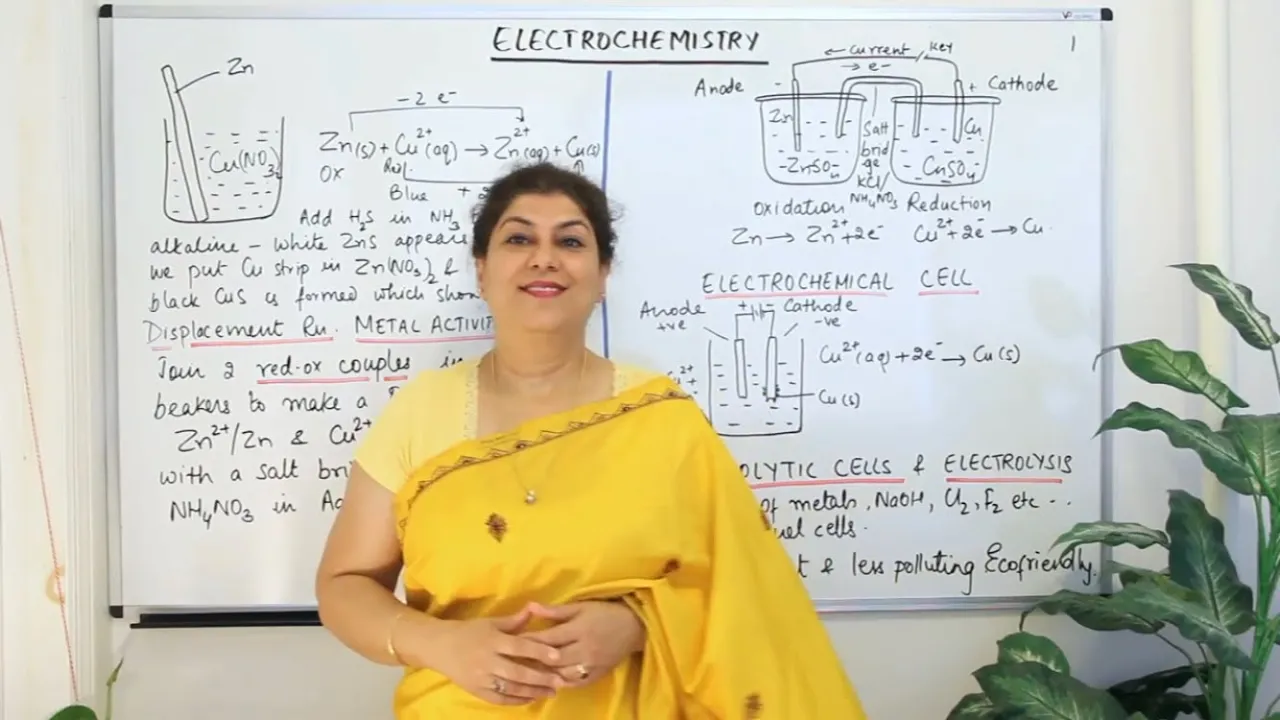
Electrochemistry Introduction: Redox Reactions & Electrochemical Cells
@SeemaDhawanArora
82K views•2019-06-26
Biocatalysis and Catalysis in Islatravir Synthesis | Merck Webinar
@SCIwheresciencemeetsbusiness
675 views•2020-10-08
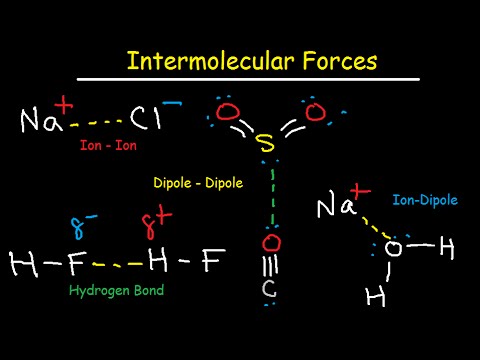
Intermolecular Forces: Hydrogen Bonding, Dipole-Dipole, Ion-Dipole
@TheOrganicChemistryTutor
2.5M views•2016-06-17

Edible Water Bottles: A DIY Guide to Sodium Alginate Spherification
@ryan
10.5M views•2019-06-21
Related Study Plans & Knowledge Roadmaps
Structured learning paths in Chemistry