




























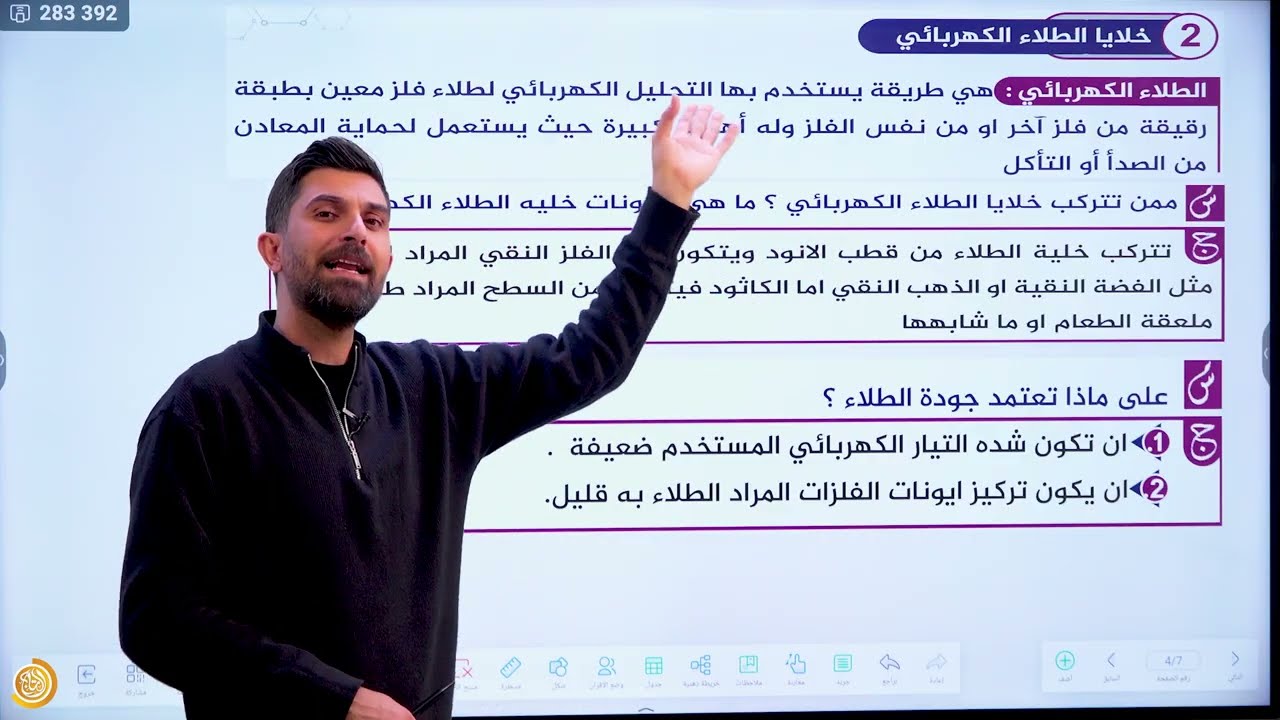





Electrochemistry is the branch of chemistry that studies chemical reactions involving the generation of electricity or the use of electricity to cause chemical reactions; it encompasses two main processes: electrochemical cells (like the Daniell cell) where spontaneous redox reactions generate electrical energy through electron transfer between metals via a salt bridge, and electrolysis where electrical energy is used to drive non-spontaneous chemical reactions, such as the purification of metals.
Electrochemistry Introduction: Redox Reactions & Electrochemical Cells
Added:Understanding atomic structure, specifically valence electrons, ion formation, and electronegativity.
The concept of oxidation states (oxidation numbers) and the rules for assigning them to elements in a compound.
Basic principles of chemical equations, including balancing mass and understanding stoichiometry.
The reactivity series of metals, which predicts the likelihood of single displacement reactions.
Standard reduction potentials and using them to calculate the electromotive force (emf) or cell potential of a galvanic cell.
The Nernst Equation, which determines cell potential under non-standard concentration and temperature conditions.
The thermodynamic relationship between cell potential, Gibbs Free Energy change (ΔG), and the equilibrium constant (K).
Electrolytic cells and electrolysis, focusing on how electrical energy drives non-spontaneous chemical reactions.
Practical engineering applications, including battery technologies, fuel cells, and methods for corrosion prevention.
82K views1.7Klikes17:17Original Release: 2019-06-26
hello I'm Seema and welcome to my chemistry lessons today I'm going to introduce the topic electrochemistry to you electro means electricity and chemistry means chemical reactions so any chemical reaction that leads to generation of electricity or electricity that is used to cause chemical reactions would be studied under the topic electrochemistry before we come to the details let me just recapitulate a little bit the veep's tell you in class 11 in class tip if you remember we studied displacement reactions displacement reactions are where two eyes compete with each other and the one that is more reactive tends to take the place of a lesser reactive I'm from its salt or it pushes it out and takes its place in the salt such reactions are known as displacement reactions and if you remember these are also redox reactions that is reduction and oxidation occur during such a displacement so let us study one such reaction if you take a solution of copper nitrate and you dip a zinc rod into it what do you notice zinc is more reactive than copper or it has a stronger tendency to get oxidized or which means that it has a stronger tendency to lose electrons in comparison to cover so in copper nitrate copper is already present in its oxidized form that is in the form of co2 positive minds but zinc has a stronger tendency to lose these electrons so sink forces its electrons onto copper and it itself acquires the - positive state and pushes copper out of the solution or out of the salt so copper starts getting deposited while zinc the zinc rod it gets dissolved little by little as it displaces the copper from the copper nitrate solution and zinc which was neutral solid it reacted with copper nitrate the copper ions were displaced so what actually happened was that two electrons from zinc went to copper and copper which already had lost two electrons and was an iron it became neutral and it became a solid copper and zinc that was the solid and the neutral atom it lost two electrons and formed the zinc I'm and took the place of copper in the salt copper nitrate and now the salt solution is of zinc nitrate now notice what happens in this reaction the copper nitrate solution was blue in color and if you really see what you observe the blue color of copper nitrate as zinc enters into zinc ions and copper stocks can be deposited the blue color solution it turns colorless because zinc nitrate is a colorless solution now if we add h2s gas to this and we make the solution alkaline by adding ammonia to it which will turn into ammonium hydroxide you know so it in an alkaline medium when we pass h2s gas through this solution a white precipitate of zinc sulphide appears which proves that zinc was present a zinc ions in the solution and which means that no more of the copper is present in the solution of copper eyes are no longer there now if we try to do the opposite now if we put a copper strip in zinc nitrate now that you have the reaction has occurred the copper has deposited on the on the metal zinc metal rod and you remove the zinc metal rod because now you're left with zinc nitrate solution and you checked also that it would turn if you pass h2s through it in an alkaline medium it would give a white color all precipitate of zinc sulfide let us take this pure solution now I'm not with the zinc sulfide but pure zinc nitrate since and this time let us dip a copper rod into it and if that happens with a zero and why doesn't this happen with a copper rod the same reaction should take place with a copper or copper should now displaced sink but this does not happen why because copper is less reactive or has a lesser tendency to get oxidized than zinc nickel copper being a weaker what should I say reducing agent does not displace zinc so we try the same thing now we turn it alkaline the solution after a while and we pass h2s through it we know that the color of copper sulfide is black and we should just have we got the white zinc sulphide we should get the black copper sulphide but that does not happen which shows that such a reaction did not occur which gives us an indication why such displacement reactions occur and how they are redox reactions now the question is why are these redox reactions of interest to us and why am I talking about this in electrochemistry because what is happening here if you can't really notice is a transfer of electrons a transfer of electrons is taking place from a stronger metal or a stronger reducing agent to a weaker reducing agent something that gets oxidized more easily as a result of which this transfer of electrons if it is if you really look at what moving electrons is or moving charges are moving charge is nothing but electricity so what is happening is that there is electricity being generated in this chemical reaction using this is electrochemistry and how do we use this this knowledge that it whistles there are electrons that are moving since there are ions which are charged which are moving it means charges are moving in that electricity so how do we tap this how do we use this electricity so what is done you have you must have studied about redox couples in class even a redox couple is a half reaction a half reaction which means the oxidized and the reduced form of the same metal so if you have zinc sit into positive and into NSYNC so oxidized and reduced forms of the two metals that is zinc and copper so we have both the redox couples and these redox couples what we did was that we had put the zinc rod into the copper sulfate solution if we separate these two and carry out the reaction in such a way that the electrons do not get transferred directly into solution but through an external wire we will be able to get electricity in the external wire so that is what we try to do so what do we do displace in sorry there is one point that I forgot mentioning the metal Activity series all the metals have a tendency to get oxidized some are stronger and some are and the one that has a stronger tendency to get oxidized is a stronger reducing agent too so based on their reactivity they are written down in a series or in a hierarchical hierarchy hierarchical order of their reactivity which is known as the metal activity series and any metal which is higher up in the Activity series has a tendency to displace one which is lower in the active disease which means it's activity is lesser than this one before this can displace the lower metal but a lower metal cannot displace a higher metal in the Activity series coming back to a point of the redox couples you have two redox couples you join the two redox couples in separate liqueurs and that results in the making of a Danial cell and that results in the generation of electricity that can be used how do you do it you connect them with the help of a solid bridge what is the surge bridge assault bridge is a glass tube which is a you tube which has been filled with calcium or ammonium nitrate solution and which has been heated up with agar agar and agar agar when it is heated up in with water it results in the formation of a jelly-like substance why is this done because the jelly is kind of a semi solid which does not move anymore but it allows the movement of ions through it so it is a kind of a bridge which is going to connect the two the two beakers so we keep the two redox couples in two separate because that is what we do we are done here in the Daniell cell in one beaker we take a zinc rod dipped in zinc sulfate solution and in the other beaker we take a copper rod dipped in copper sulphate solution and this is the you tube which has got KCl or ammonium nitrate in agar agar jelly which acts as the salt rich it is known as a salt rich one it is a bridge it is bridging the two solutions and it is connecting the two solutions and it is a salt bridge because it has salts like KCl and nitrate in it and it helps in the movement of eyes this is done in order to complete the circuit you have studied in physics that no electrical appliance will work unless there is a complete circuit unless the circle is completed if electrons move from one point at the other point they have to come back the cycle has to be completed only the electricity actually travels so we have this source which acts as that connector to bring back the electrons now on the zinc and zinc sulfate that is the electrode we call these electrodes the electrode at which oxidation occurs is known as the anode and in an electrochemical cell this is known as an electrochemical cell or the Linnaean self one example of an electrochemical cell is the Union cell you have the zinc rod which acts at the anode and zip in zinc sulphate solution and the cathode or the positive electrode is the cathode which is at which reduction occurs and you have a copper rod dipped in copper sulphate solution connected by the salt bridge which has KCl or ammonium nitrates in Agoura by Jen now at the anode oxidation occurs that is zinc gets oxidized to say the two positive and it releases two electrons these two electrons travel by the external circuit do you see here electrons moving in this direction and this is key the key and an ammeter to check the current the key as soon as you lock the key like you put it into it the circuit gets connected and the moment the circuit gets connected this oxy the oxidized it turns trapping through the outer wire and that can be read on an ammeter that there is current because moving and an electrons move here become too careful they are supplied into this beaker through the catwalk and the the copper ions which are present in the solution here they gain those electrons and they get deposited in the form of copper and the onions which are present based are traveling through the through the solid bridge and therefore the the difference in the charges that is created as a result of which that is balanced by completing the circuit when you went to the salt bridge we be doing this detailed study of how this works and how it functions when I actually do the video 70 but right now my aim is to tell you that how electricity is generated in electrochemistry that we carry out the half reactions in two different beakers of two different containers and connecting through a wire in order to get electric current in the wire and then use that electric current how is that useful it generates electricity we use chemical reactions to generate electricity that is why intro chemistry is a very important topic or field of study so this is one aspect that you can create electricity using chemical reactions the opposite is also possible and if you can create electricity using chemical reactions you can actually cause chemical reactions which are non spontaneous now this reaction spontaneous this happens on its own zinc is more reactive it is stronger it can displace copper but it is possible to displace a weaker metal by force if you force it and how do you force it by using electric current so the opposite of what happens the reaction that takes place in an area electrochemical cell the opposite can beat a can take place if you pass the actual potential which is higher than the one that is created here one you pass electro electricity which is higher which has potential higher than what is created here sit-in you pass that electric current in the opposite direction and force the opposite reaction that process is known as electrolysis and that is also done so the opposite also can be carried out and that is also an important branch of chemistry which has its own use so in an electrolytic in an electrolytic cell or the process is known as electrolysis we listen smeels breaking down electro means electricity so using electricity to break down a compound so we force electricity to to break down a compound for example if you take us to copper x1 acting as anode one act is acting it at would why because you connected one to the positive terminal of the battery and one to the negative terminal of the battery and since electrolysis is the opposite of generating electricity in an electrochemical cell the positive electrode in electrolytic cell is negative episode of the cathode is negative and the anode is positive again we'll be studying in details about electro electrolysis as we do the chapter but right now what I want to convey is that you can carry out the opposite process where you use electric current and force a reaction so we took two copper rod dipped in copper sulphate solution the at the cathode the reaction that the place was copper engaged to a would it is always reduction that occurs so it gains two electrons gets reduced to solid cover and this copper gets deposited on the copper rod and at the same time a deficit is created in the solution what happened with the copper that is the copper lines that have been lost now will be supplied by the other electrode that is the anode so I don't draw and had neutral copper this neutral carbon loses two electrons and it produces the copper ions into the solution so it's furnished so what happens the copper and hold it gets smaller and smaller and the copper cathode gets thicker and thicker and in this process what is happening only copper ions are moving and depositing a solid copper metal so it is a method that is used to purify many metals and many chemicals it is a purification method so you have both the opposite processes which are very useful in electrochemistry now what is electrochemistry used for a large number of metals sodium hydroxide chlorine fluorine a lot of chemicals are produced as a result of our knowledge of electrochemistry then it is used as a source of electricity how you use chemical energy and turn it into electrical energy so you get batteries and fuel cells that we use they are all based on electro chemistry and why is electro chemistry so desirable because one it is energy efficient two it is environment friendly since it is environment or eco friendly electrochemistry is desired you are not burning any fuel you're not causing pollution in the air this is a technique that can be carried out in closed chambers and yet you get electric current out of it on a pure material out of it so this was the introduction of electrochemistry so in the following classes we'll be studying the chapter in details if you found the video helpful give it a thumbs up subscribe to my channel recommend it to your friends and please keep retiring from use in chemistry thank you for watching bye bye open up
Up Next

2:47
Standard Hydrogen Electrode: Construction & Working | Electrochemistry Explained
@LearnEngg
411.2K views•2016-06-20
83:56
Biocatalysis and Catalysis in Islatravir Synthesis | Merck Webinar
@SCIwheresciencemeetsbusiness
675 views•2020-10-08
10:06
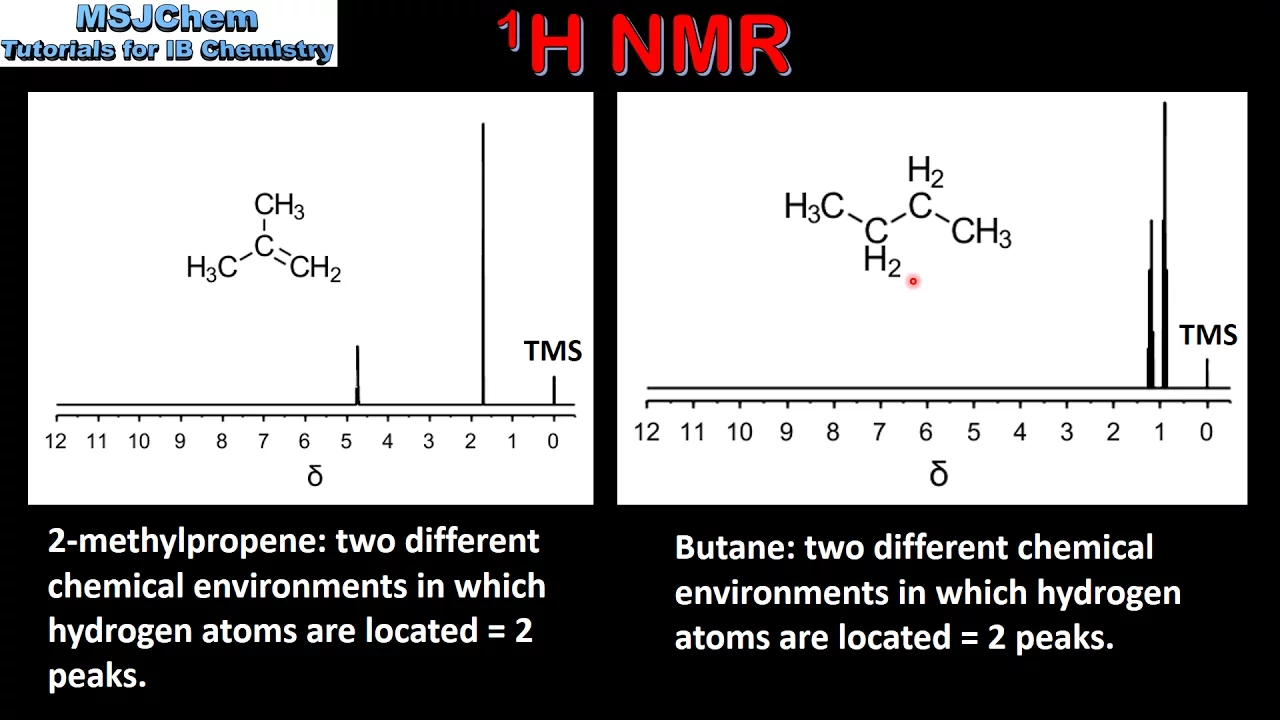
1H NMR: Determining Number of Peaks from Structure
@MSJChem
59.2K views•2017-04-06

17:31
Edible Water Bottles: A DIY Guide to Sodium Alginate Spherification
@ryan
10.5M views•2019-06-21
Related Study Plans & Knowledge Roadmaps
Structured learning paths in Chemistry
chemistry
Nuclear Chemistry: Decay, Meds & Fuel Cycle
01Introduction to Nuclear Structure and Radioactivity
02Decay Dynamics and Kinetics
03Radiation Interaction and Detection
+ 2 more learning modules
24h5 modules
Explore Roadmap
chemistry
Supramolecular Chemistry: Forces & Machines
01Foundations of Chemical Bonding and Intermolecular Forces
02Introduction to Host-Guest Chemistry
03Thermodynamics and Dynamics of Self-Assembly
+ 2 more learning modules
16h5 modules
Explore Roadmap
chemistry
Photochemistry: Excited States & Reactions
01Foundations of Light-Matter Interactions
02Molecular Orbitals and Electronic States
03Photophysical Processes and Jablonski Diagrams
+ 2 more learning modules
18h5 modules
Explore Roadmap
chemistry
Coordination Chemistry: Bonding & Properties
01Introduction to Transition Metals and Ligands
02Crystal Field Theory (CFT) and Geometry
03Magnetic Behavior and Spin States
+ 2 more learning modules
14h5 modules
Explore Roadmap