
























![[시흥아카데미] 백세건강학교(기본) 6강 「운동하세요. 뇌가 좋아합니다.」 - 홍승연(강남대학교 실버산업학부)](https://i.ytimg.com/vi/WR5ovNXxEc4/maxresdefault.jpg)



Running transforms your brain through multiple mechanisms: it produces runner's high via endocannabinoids (not endorphins), stimulates neurogenesis in the hippocampus through BDNF release, and promotes angiogenesis via VEGF to improve cerebral blood supply; these effects occur across different timeframes—minutes for the euphoric feeling, days for improved learning and memory, weeks for sustained cognitive benefits, and years for protection against age-related cognitive decline.
The Neuroscience of Running: How Exercise Rewires Your Brain
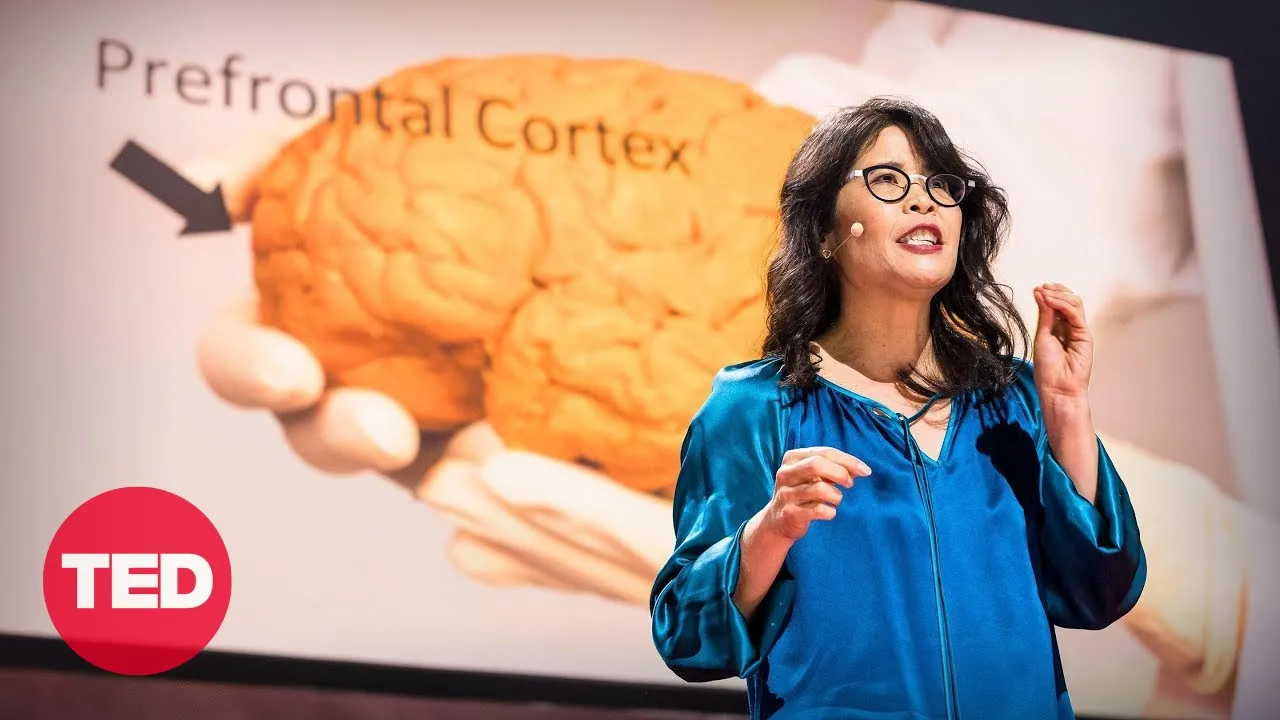
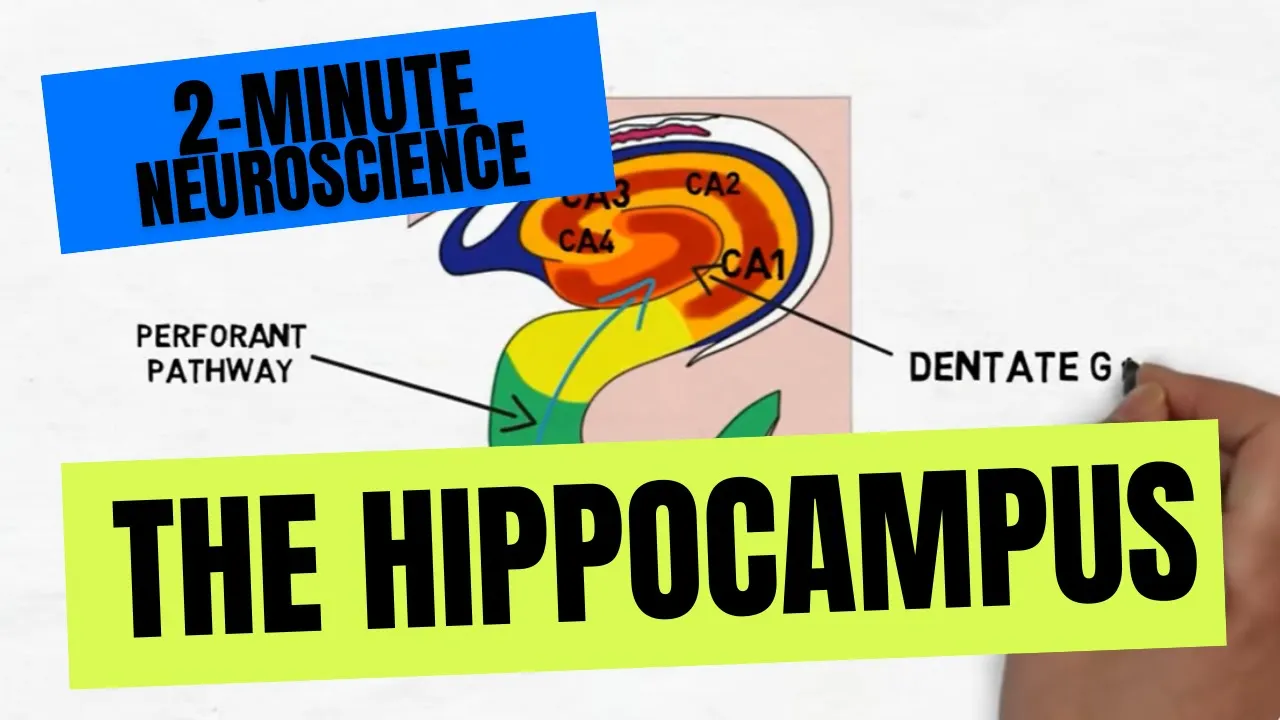
Added:Basic neuroanatomy, specifically the structure and functions of the hippocampus and prefrontal cortex, which are central to memory and focus.
The concept of neuroplasticity, which refers to the brain's ability to adapt, reorganize, and grow new neural pathways in response to stimuli.
Fundamentals of cellular biology, particularly how proteins and growth factors function as signaling molecules to regulate cell survival and development.
The basics of cardiovascular physiology, including how physical exertion affects systemic blood circulation and cerebral blood flow.
Comparative neurobiology of different exercise types, analyzing how the cognitive impacts of aerobic exercise (running) differ from resistance training or high-intensity interval training (HIIT).
The therapeutic application of exercise in clinical neuroscience, such as its role in mitigating neurodegenerative diseases like Alzheimer's and managing psychiatric conditions like depression and ADHD.
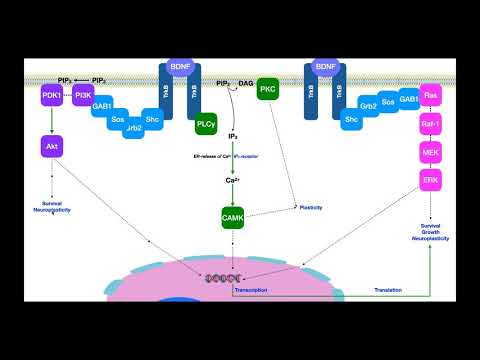
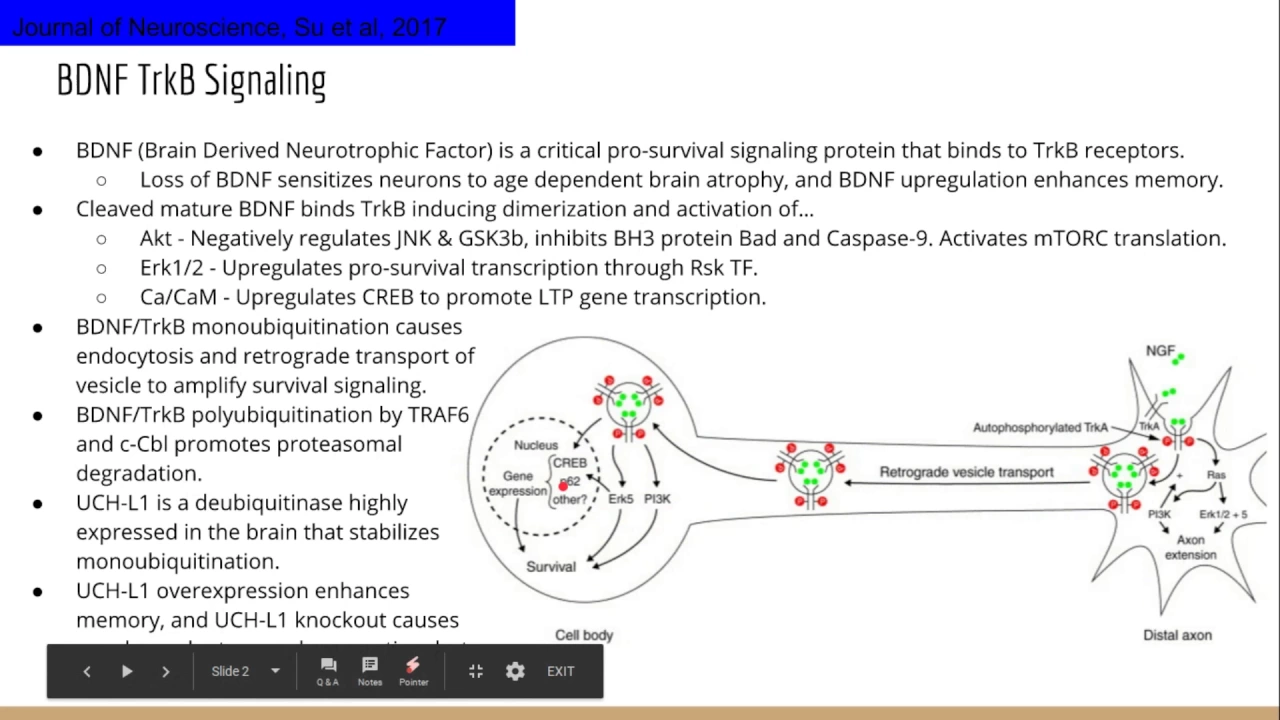
The detailed biochemical pathways of Brain-Derived Neurotrophic Factor (BDNF), including its interaction with TrkB receptors and its role in synaptic plasticity.
Practical application of exercise prescription for cognitive longevity, focusing on how to design personalized fitness regimens to optimize executive function across different stages of life.
359.7K views11.2Klikes15:35Original Release: 2024-02-25
R changes your brain let me [Music] explain let's go when I started researching how running affects the brain I really thought I'd be just exploring Runners high and endorphins and how that concoction helps us think and what I found was completely different so first of all endorphins can't get into the brain so they can't impact the brain so why do we get run as high then and then the next thing I found was that 90-year-olds can actually grow new brain cells and running can affect the growth of those brain cells so we're going to be going into that and finally I'm going to take you through a few practical ways to incorporate running into your life taking into account all of the mental impacts it can have so how can you time it what intensity all of those sort of questions will address at the end so stick around and I'm Jack I'm a doctor in the UK and I'm about to go on a run so let's get into [Music] this it turns out that running actually impacts your brain on different time frames so this video is going to be structured by those time frames so impacts that you can find in minutes then days then weeks then years so let's head out on the run [Music] up sry I called myself slipping over in the mud that would not be ideal this is not that kind of video we're not going for a blueprint so I'm about 10 minutes Post run now and what I'm going to go through is how Runners High actually works within the brain because over years and years we've actually misunderstood the mechanism of runers high so we always thought that it was to do with endorphins but some scientists in Germany have actually completely disproven that so the background that you need to understand is that endorphins are opioid like substances so they act through the same receptors that heroin does we use opioids all the time in A&E and we use them for pain relief so that's exactly how endorphins act on our body so they allow us to block the painful feelings that we're getting during exercise allowing us to keep going and run further I'm not going to lie I'm really not in the mood right now but I'm just going to power through but the other interesting impact of opioids is that of like heroin which is the that it makes us feel good so people in the past have put those two together and said well the endorphins are painkillers but they also might give us the runner's high and some scientists in Germany have actually completely disproven that so what they did was take 64 subjects 64 Runners and they gave them a drug called Noone and what that does is it blocks the opioid receptor so the theory is that if you block the opioid receptor that doesn't allow endorphins to work so we shouldn't get runers high but those subjects actually did experience the runnner high so that means that it must be happening through a different mechanism and those scientists worked out what it was I've read that it takes 30 minutes for the Endo can aboid to kick in so let's see if that study works for me rather than a heroin-like substance it's actually intrinsic marijuana basically so it's a compound called endoc canabo and the scientists in Germany found that while the opioids obviously weren't working the endorphins weren't able to work the endocannabinoids were skyrocketed in those people so that fits with the working theory that they are the cause of Runners high so let's move on now to how running can affect your learning memory and focus your hippocampus is this really cool part of your brain that is responsible for learning for encoding memories and for regulating your mood and I found some like fascinating research about it that I want to share so every single day you generate 700 new neurons within your hippocampus and you may be thinking Jack I don't care I've got billions of neurons within my brain 700 is neither here nor there I don't care but what I found as a really fun fact was that when you're born you've obviously got all the neurons within your hippocampus but because you're generating new neurons you end up replacing old ones so when you're 50 years old you have none of the neurons in your hippocampus that you were born with you've got all new ones which I found insane but it also beged the question of if there you know I'm producing more neurons how could I speed that process up and I found that running actually you know speeds that process up and now I'm going to explain exactly how that works the way we regulate neurogenesis within our brains is through one key molecule which is bdnf so bdnf stands for brain Direct derived neurotrophic factor and it's like Miracle Grow of the brain it tells your brain that you need to grow new neurons within the hippocampus because there's some need for them here you can see exactly how bdnf is impacting the brain on this side here you have a mouse's brain that is sedentary and you can see how many new neurons are being produced and on this side you can see that you've got a running Mouse and look how many more neurons they have produced versus the sedentary Mouse so how does exercise cause bdnf release so my muscles right now the calves my thighs my glutes they're all releasing Mya kindes that are signal into my brain to release bdnf and the second place that signals to the brain is the liver I'm putting my body under stress so in that stress my li is signaled to release be hydroxy berate an absolute mouthful and that's also signaling the release of bdnf sorry I'm so out of breath probably could be a lot fitter right now so why should you care about releasing more bdnf within your brain when you run you stimulate the hippocampus to produce more neurons through bdnf and that improves your memory can improve your mood and also your ability to learn shift Focus so it's brilliant and stick around to the end of the video because I'm going to be exploring how I am using all of this new knowledge to incorporate running into my life to enhance my learning my focus my memory Etc but next I want to go on to how running is impacting you in months to years down the line you continue to produce uced neurons up into your '90s and why is that so important well I used to think that age related cognitive decline was you know you get Alzheimer's disease because you're not producing any more neurons and the neurons you've got are kind of you know withering way and so this kind of changed my thinking and so the question then is well what's causing age related cognitive decline and Alzheimer's well these scientists thought that it could be to do with the blood supply to the brain rather than the fact that you're not growing any more neurons so if the blood supply is getting worse and your vessels are getting harder and thinner and you know the diameter of those vessels is getting smaller then you're not able to supply your brain with all the nutrients it needs and that is then causing the cells that are there and the new ones that are growing to be deficient and not work as well so how can we then improve the blood supply into our brains to make sure that that doesn't happen and you guessed it running can help so I can feel the lectic acid building up now towards the end of my run and that's signaling to my brain that actually we could have better blood supply let's grow some new vessels some New Roads into the brain so that we can adequately oxygenate it the lactic acid that you produce in your muscles signals that your brain needs to produce vascular endothelial growth factor and if we break that down vascular blood vessels endothelium you know the the lining of the blood vessels growth factor we actually produce more blood vessels within the brain and so what does that mean well imagine a city and you've got one massive road that goes through the the middle and you want to reduce congestion well then you create loads of other roads off that one road to reduce congestion and that is exactly what the brain does so the VF the vascular endothelial growth factor causes production of loads of other roads off the you know one big road and that means that you get better Supply you get less traffic going into the brain so you get more nutrients to all the tissues and then you have healthier supply to the brain which could help with Alzheimer's with age related cognitive decline so running is impacting you all the way like through your whole life and it can actually you know stop you from getting age related cognitive decline which is massive but what it relies on is you developing this into a habit that you stick with and that habit than you know being sustainable over time that's what I'm going to go into now is how can we use all of this knowledge to Leverage The cognitive impacts of running and also to make sure that we continue doing it sustainably so that we can reap the rewards of running on our brains both in the present moment and over time so my first question to myself was you know when should I run and the way that I've thought about this is I want to leverage the impacts on my hippocampus so I want the focus the memory and the regulating my mood so I'm going to be running in the morning and I'll be trying to time that run for before I do you know research or writing or you know big cognitive tasks because I want to try and leverage the fact that my hippocampus is more active and the another really really cool thing I found on the internet was uh Wendy Suzuki uh did a study that showed that the cognitive impacts of exercise can last up to 2 hours and she didn't actually go past two hours so they may even continue after 2 hours but if you imagine you know do your run get down do that work for at least 2 hours then you're getting the most out of the cognitive you know shortterm memory Focus attention impact of running you're taking advantage of that so that's what I'm planning to try and do so the next one is how often should we run and so for me I'm going to be running about two or three times a week because I want to lift weights I enjoy lifting weights so I want it to be you know sustainable for me because over time I don't want to you know just stop so for me that's going to be two to three times a week but I think it's really important that this is a very personal decision so you know try running five times a week or just once a week and find the thing that works for you because the main thing is that it needs to be sustainable over time the next one is how how long should I run for and this seems to vary so Wendy Suzuki seems like a you know pretty well-renowned neuroscientist talking about exercise she says just even just 10 minutes can be helpful and I agree that it even that small amount can be really beneficial for you depending on where your starting point is but personally for myself I'm going to be running for about half an hour that seems to be the sweet spot for me where it doesn't take too long but I see the mental benefits I've just got back now and I have to say I feel good but [Music] tired there's loads of stuff on the internet about Zone 2 cardio and I like the principle that I should run at an intensity that I wouldn't be able to talk at you know you're doing zone two cardio when you can't hold a conversation while you're doing the exercise that's the bench mark and I can't even speak anyway but I'm not going to be you know measuring my heart rate and making sure it's 70 to 80% of the V2 Max that's not what I'm going to do I'm just going to try and make sure that I wouldn't be able to have a com ation at that pace it's actually just any aerobic exercise so if that's rowing for you or cycling or any form of aerobic exercise but importantly these benefits can't be seen from lifting weights so if you want to see the benefits to the brain of lifting weights I can explore that in another video I have no idea what those benefits might be because I've not looked into any of the research but I'm kind of intrigued so if you want to see that video then you know let me know in the comments down below and I'm more than happy to make it and if you've enjoyed this video let me know in the comments any questions for me about this and I'll try my best to answer them if you've enjoyed this please subscribe and I'll see you [Music] soon you may have heard of this structure called the hi
Up Next

9:10
The Sublime in Friedrich's Paintings: Nature, Vastness, and Human Experience
@Shawn.Grenier
124.2K views•2021-07-06

12:54
Triumph of Orthodoxy Icon: Byzantine Art & History Explained
@BenCallan
2.1K views•2024-08-06

9:49
FastAPI vs Flask vs Django: Choosing the Right Python Web Framework
@TechWithTim
302.5K views•2024-05-26

1:42
Game of Thrones Opening Credits: A Cinematic Analysis
@gameofthrones
46.3M views•2011-04-18
Related Study Plans & Knowledge Roadmaps
Structured learning paths in General & Interdisciplinary Studies
general-studies
Elevator Engineering: History, Physics & Cities
01From Hoists to Safety Brakes: The Dawn of Vertical Lift
02Hydraulic vs. Traction: The Engineering Physics of Elevators
03Modern Speed, Safety, and Algorithms
+ 2 more learning modules
12h5 modules
Explore Roadmap
general-studies
Rubber: Material Science, History & Geopolitics
01Origins of Natural Rubber & Mesoamerican History
02The Chemistry of Natural Rubber & Vulcanization
03The Geopolitics of the Rubber Boom & Colonization
+ 2 more learning modules
12h5 modules
Explore Roadmap
general-studies
Containerization: Evolution, Logistics & Trade
01Ancient Trade & Bulk Cargo: Amphorae to Barrels
02The Industrial Revolution & Cardboard Packaging
03The Containerization Revolution: Malcom McLean
+ 2 more learning modules
12h5 modules
Explore Roadmap
general-studies
Textile Tech: Evolution, Labor & Global Impact
01Pre-Industrial Textiles: Handloom & Cottage Industry
02Mechanization: The Spinning Jenny to the Power Loom
03The Factory System & Global Labor Transformation
+ 2 more learning modules
10h5 modules
Explore Roadmap