












![State Sen. Jamilah Nasheed on St. Louis violence [Full Interview]](https://i.ytimg.com/vi_webp/BWHJdLN-n2Y/maxresdefault.webp)







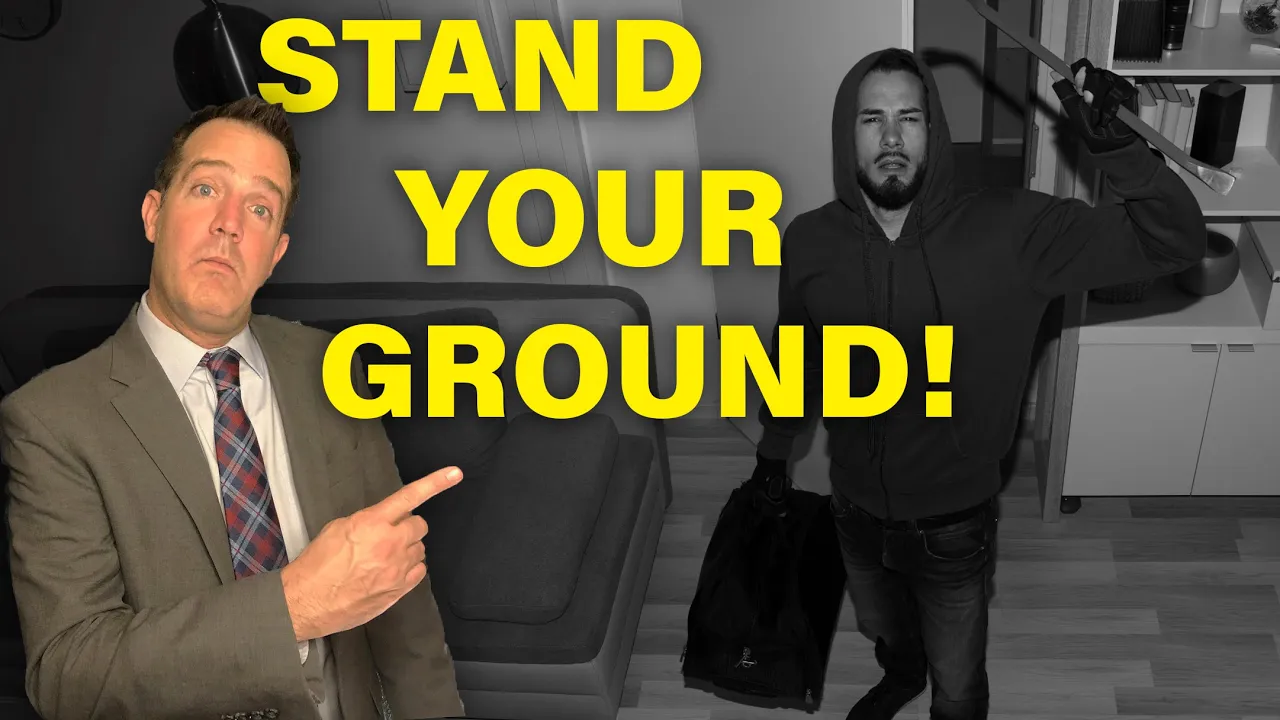
Stand Your Ground laws are state-level self-defense statutes that eliminate the duty to retreat when facing an aggressor, allowing individuals to use lethal force in self-defense even in public places; these laws, which originated from self-defense principles and the castle doctrine (which protects homeowners from retreat requirements), exist in approximately 28 states and have been associated with increased homicide rates and racial disparities in prosecution, with critics arguing they promote a 'shoot first, justify later' mentality while proponents view them as essential Second Amendment protections.
Stand Your Ground Laws Explained: Legal Analyst Overview
Added:The fundamental legal definition of self-defense, including the concepts of 'imminent threat' and 'proportional force'.
The traditional common law principle of the 'duty to retreat' before using deadly force in public spaces.
The historical concept of the 'Castle Doctrine,' which establishes that a person has no duty to retreat within their own home.
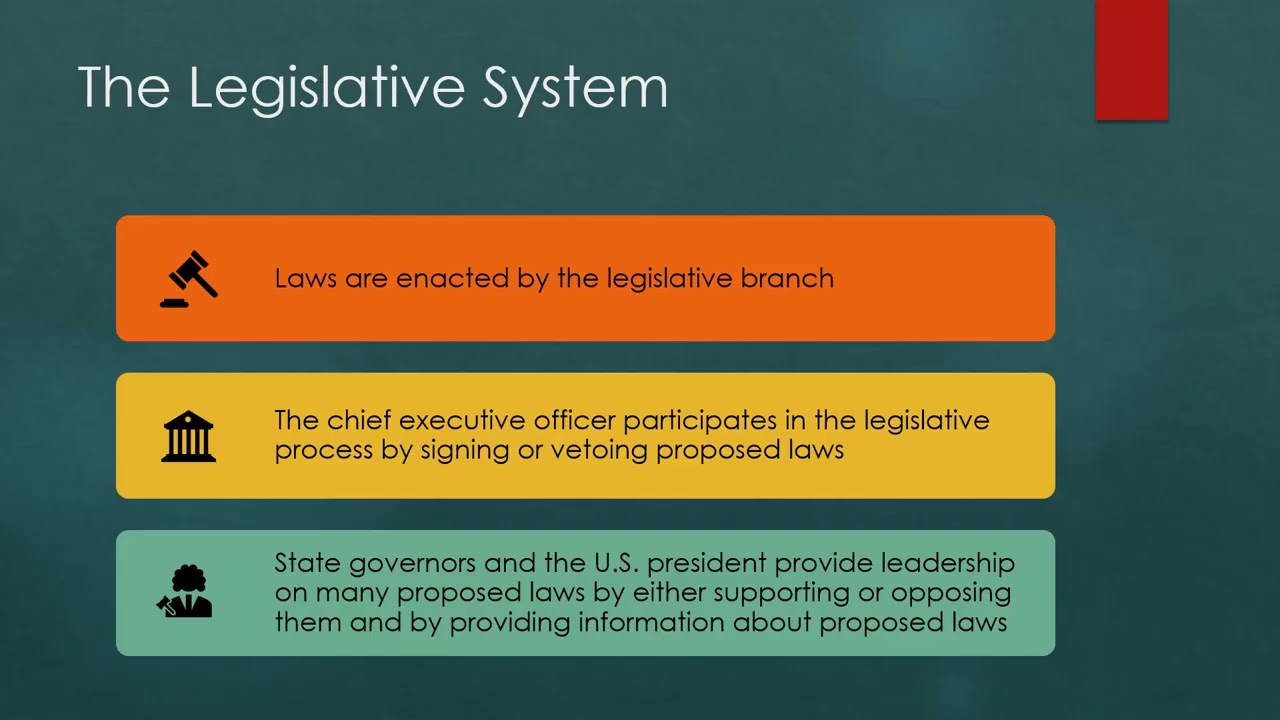
The structure of the U.S. legal system regarding how criminal law is primarily governed and varied at the state level rather than the federal level.
Analysis of landmark legal cases where 'Stand Your Ground' defenses were successfully or unsuccessfully invoked (such as State of Florida v. George Zimmerman).
Empirical research on the sociological and criminological impacts of these laws, specifically their correlation with homicide rates and gun violence statistics.
An in-depth study of implicit bias and systemic racism within jury decision-making and legal interpretations of 'reasonable fear'.
Comparative legal analysis examining how international jurisdictions (e.g., Canada, the UK, or European nations) handle self-defense and the duty to retreat.
900 views13likes14:50Original Release: 2023-05-01
Thanks for joining us here on 9 News Plus.
I'm Chris. Beyond recent high profile shootings have brought UA term t you've robably heard a lot of Indiana the last few weeks and perhaps the last few months even the last few ye.
Stand Your Ground.
So what exactly is a Stand Your Ground law?
How does it vary between federal laws as well as state laws?
And how could it perhaps impact some of those high profile cases we've talked about lately?
We're now joined by 9 News legal expert Woody Trailer for a bit more on Stand Your Ground laws.
And Whitney, can you just startf with a bit of a broad perspecti, a broad overview?
What exactly is a stage of ground law, the Stand Your Ground law?
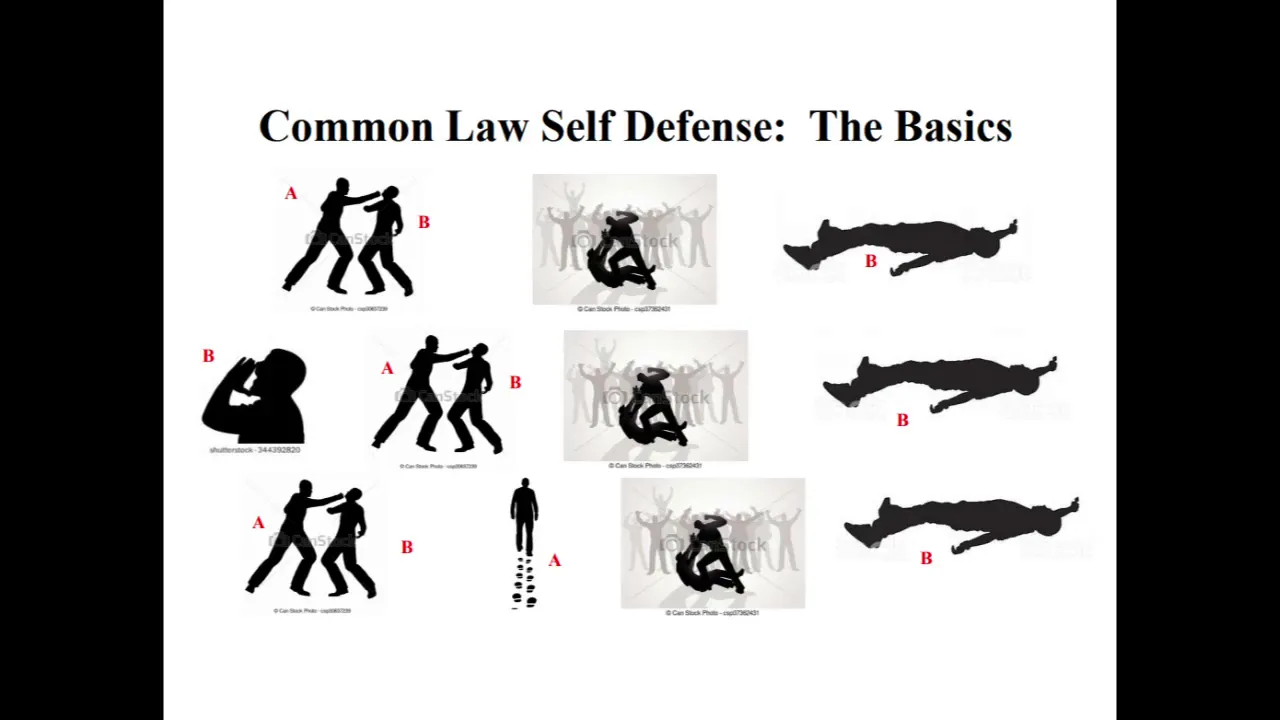
This stems out of essentially selfdefense types of notion and and there's really 3 concepts.
Selfdefense.
The castle doctrine and then std your ground and so self-defense really the laws throughout the the stae say that you have a duty or a rt to defend yourself and the level of that you exercise that defen.
How aggressive you can be, Can you use lethal force those kind of things that depends on state to state.
Some states say you have to ret.
As far as you can.
So if you can safely retreat, you're required to do so.
So the self-defense really revolves around proportionality.
Was it necessary the the level of force, all these types of things?
Well that notion was expanded to what we call the castle doctrin, which is your home is your cast.
And so in the castle doctrine it says if somebody's coming to use force on you in your home, you don't have a duty to retreat and you can defend your.
House Essentially, even if you can get out safely, some states say you have to retreat as far as you possibly, and if you can't retreat anymore then then you can use force.
But the castle doctrine says you don't have to retreat, you can defend yourself.
Then the stand your ground law takes that even further and says you don't have a duty to retreat even in a public place.
So stand your ground.
If somebody, if you came at me aggressive and I feared for my life and we were in a public place, I don't have a duty even if I cn run off or get into a safe plac, I can defend myself even in that public place.
And that's where the stand Your Ground comes in.
And it becomes more complex and nuanced in our society because e have so many more guns on the street.
And now if people have a right d they say I feared for my my lif.
They can.
It's sort of like the wild, Wild West.
And so there's a lot of critici.
And you're seeing this now with this recent shooting.
Somebody pulled in the wrong driveway, Somebody got in the wrong car.
The the kid just rang the doorbell, right?
And literally people are shooti.
And so we're going to see folks using the Stand Your Ground law more, more and more as we have this proliferation of guns and on the streets, so to be.
Clear stand your ground, the Castle doctrine are all these are these federal or these state by state houses? These are state by state.
So about 28 states have a standr ground statute that allows you to use lethal force if you're in self-defense.
And now other states have, like Colorado, it's not in a ste but the courts have said that yu can stand your ground that you t have a duty to retreat. So some.
Yes, exactly right precedent.
Some states actually codified it in their their state statutes and then others the case law.
There's precedent establishing.
Is it politically run.
So for example the redder the s, is there more stand your grounds or and blue or the state perhap.
Is that how it works?
I don't know if I would say necessarily across the board, but generally speaking, yes.
The more red states tend to have stronger stand your ground laws in like Florida for example, they've taken it to another level that says, look, if it's self-defense, we can't even prosecute.
When you claim self-defense, so they've given like an extra layer of protection on the on the stand your ground.
And what the statistics bear out though is that where their stats with stand your ground laws, the homicide rate goes up and there's also a racial component and that is when it's a a white.
Person asserting the Stand your ground against a black person.
The statistics show that there's almost always a verdict for the defens, if you will.
A verdict for that, that white person when it's a.
Black person shooting a white person, it's almost exclusively it's 10n times less likely or more likely that that black person will be prosecuted.
So there's statistics that show there's racial disparities in in this issue as well and and that's of course comingp to light now with these Ralph yu are all the 16 year old boy who.
Shot when he was ringing the wrong doorbell.
I believe it was near Kansas City where that took place.
I guess when it comes to this, one of the things that immediaty comes to my mind when it comes a question with with standing ground laws is how do you determine self-defense.
Isn't there a big Gray area the?
Well it's subjective and the question is did the person have a reasone fear of their life being in danger and.
A lot of these cases, you know, the the Kansas City case, he just literally rang the door.
So that man who shot and who's now been charged has not assertd the Stand your ground yet.
But that may be a case and the question is going to be exactly what you asked.
What was his basis for believing his life was a fear and is it a reasonable basis?
And I have to, based on the facts as I understand him, literally, he just rang the doorbell, which is the purpose of a doorb.
You know to be wrong if you wil.
So if that was all, then the stand your ground should not apply.
There was no reasonable threat.
So yeah, it is subjective, but there has to be some basis r believing that you're in harm's.
You mentioned the start here.
There's been a bit more questiog about these stand your ground l.
Is this is this polarized politically?
Is there momentum to perhaps.
Look this, what's your understag about the potential perhaps alterations, so senior laws, No, I think it is becoming political.
I think you you alluded to it in your previous question red states ves blue States and you're seeing n.
Yeah there is a push to expand r to have stand your ground laws n more places and and you do see I mean it's it's the the the evidence s there there is a higher homicide rate when you have stand your ground laws.
And I guess when it comes to the Castle Doctrine, I want to kindf clarify that a bit more becauseu mentioned that as one of the components within the Stand Your Ground la, and that seems like a stepping stone to a Stand your ground la.
What, what exactly is it?
How does it work?
Right. So it's it's a stepping stone, could be, could be a word, but they're two separate ideas.
The Castle Doctrine says you its specifically related to your ho.
You don't have a duty to retreat in your home.
The Stand Your Ground Laws takes that notion into a public place.
So if you're at the grocery stoe and somebody's threatening you d you can get away, you don't hav.
Under the Stand your Ground law.
You can literally stand there and defend yourself, even using lethal for, if you believed your life was in danger.
And so some people are saying,, this is giving people a license to to kill.
And you see this, they tried to use that with Ahmd Arbery in Georgia when the three guys essentially were chased, Ahmad Arbery was running and thy tried to use the stand your Grod law and they were unsuccessful s it as it should because they wee literally in their truck chasing him.
But they said we believed our life was in danger.
He was trying to steal and all.
And so you're going to see, I think more people trying to use the.
Stand your ground as we become more trigger happy, I mean, folks are when you have this sort of fear and paranoia, right?
You're looking, we're getting ready for a 2024 presidential election and a lot of the rhetoric is about, you know, lack of safety, lack of border control, other people come, you know, and so this paranoia, plus the proliferation of guns on the streets, plus the stand your ground laws, it's just a a a powder cake.
Waiting to happen.
We're going to see more, more homicides and we're going to see more people using this as a def.
Let me flip it around the other.
Let's make an argument in favor of these Stand Your Ground laws.
Because if there is an increase in crime, which there's no doubt there has been since the pandemic, there are more guns on the streets and perhaps a bit more f that paranoia that's in place, could that not also increase the need or want for Stand Your Ground laws because.
There is. There are statistical.
There is statistical backing for the fact that maybe there is moe danger out there, isn't there?
Well, it depends on. Yeah.
I mean depends on how you see i.
I'm just. Yeah. It depends on argument.
Correct. And and depending on what state you're in.
And that is the argument is that hey, there's more bad guys with guns out there.
So I should be able to defend myself.
But the issue there, So yes, that is an argument that hey, I should be able to defend myse.
You know I and to be clear is that is that the general argument of. Is, is, is that generally the argument t you you see from the other side?
Yeah, I think so. And and you k, in the issue though it what it comes down to is if the person can safely retreat, shouldn't they do that?
And Stand Your Ground is saying, no, even if they can retreat, there's a Second Amendment, you're lawfully carrying a weap.
That's what you could do.
So yeah, that is the argument ad it's promoting this sort of SEC.
It's it's consistent with the Second Amendment argument, which is hey, we have a right, you, you know, don't regulate, don't touch our guns.
And we have a right to defend ourselves no matter where we ar.
Is it specifically defend yours?
Is it fear for life or is it, let's say, somebody's threatenig to have to punch you or somethig like that physically assault.
What is the. Exact definition t.
Well, and that's a great questi, and that's where you're going to get in.
Did I did he think, did the pern think their life was in danger?
And that's a question.
Some states say you can only use the amount of force necessary to defend yourself.
So sometimes I can't be lethal force.
Other states say you could stand your ground, you can use lethal force.
Even if lethal force is not being used against you, but that becomes a problem because then it's a question we, can I defend my property if somy can I use lethal force in protecting my property in some states allow you to to do that's a a form of the castle doctrine.
Are there any cases I'm going tt you on the spot here a little b.
Are there any cases heading up to the Supreme Court that could put sof this into jeopardy and maybe or put it into a federal codified as federally?
No, I don't think so.
I'm not aware of any sort of federal legislation.
This is the in a lot of these gun laws are state to state.
So yeah this is a state thing.
28 states have a stand your ground eight other states have.
28 states have it codified in statute, 8 states have it in common law where the courts have said yes, you haven't you, you can lawfully defend yourself no matter where you are.
It's somewhat surprising to me, considering the fact that there's a pretty conservative Supreme Court that's in place, that there hasn't been a challee that's gone up or that is perha, as you said, not heading up that way.
Would you anticipate one the next few years?
I wouldn't be surprised.
I'm not aware of of of the case making its way up.
But but the Supreme Court has hs ruled on some of these issues ad the Castle Doctrine has been up.
The Stand Your Ground has has been upheld.
So yeah, I wouldn't be surprised if we saw one.
But no case is coming to mind tt that's that's on the horizon.
Yeah, it's fair enough.
Any other final things we should know about Stand Your Ground las and how they apply to the publi?
Well, no. The issue here is you have to know what your state.
Your state law allows, right.
And but again when you have the number of guns, the paranoia thn when you have concealed carry states, I mean this is really a powder.
And the the argument is, hey, I have a right to defend myself.
I'm lawfully carrying, you know, I don't have this duty to retre.
But the problem with that is we're at such a polarized time.
Everybody is on edge like.
We're we're just resorting to shooting so much more quickly.
And if the laws continue to expd that right and and give people further rights towards defending themses and not having a duty to retrea, you're just going to have more more shootings.
I mean you know and and the counterargument is I want to I want to defend myself.
I have a right to defend myself.
But the argument is.
Yeah, but if you're quick on the trigger and you don't have a duty to retreat, you're just going to see more people shooting and saying, hey, I I feared for my life and it's kind of a shoot first justify later kind of mentality.
So I, I have some real concerns with the expansion of these laws around the country, especially as you mentioned with the racial dynamic in play where there's such a discrepancy betw.
The prosecution of black minoriy people compared to white people, right.
That's exactly right.
And the the statistics show that and it's it's problematic becaue we are so fear based right now.
I mean there is just in in our politics, in our legislation, everything.
There's just a lot of fear right now and there's a lot of us versus them.
We're all Americans.
We're all here together and the more that we have that feeling s versus them with these kind of, you're just it's just going to be more violence I think interesting. And I'm sure we'll hear more about this in the coming weeks and months.
We'll have you back on to discus with them but in the meantime 9s legal expert Whitney trailer ths so much for explaining stand onr ground laws council doctor and w this all plays in. So thank you.
Sure thing. Good to be here.
Up Next
19:10
Legal Self-Defense: 9 Gun-Carry Mistakes to Avoid
@hamptonlawfirm
906.7K views•2025-10-24

4:27
US Secondary Sanctions Impact on EU Businesses and Blocking Legislation
@Bureauvandijk
1.6K views•2019-03-20

5:27
Forensic Phonetics: Speaker Identification in Legal Cases
@nptel-nociitm9240
539 views•2025-03-19

24:42
Police Interrogation Tactics: False Confessions & Legal Reform
@LastWeekTonight
7M views•2022-04-18
Related Study Plans & Knowledge Roadmaps
Structured learning paths in Law
law
Self-Defense Law: Imminence & Castle Doctrine
01Foundations of Self-Defense Law
02Imminent Threat & Reasonable Belief
03The Principle of Proportionality
+ 3 more learning modules
12h6 modules
Explore Roadmap
law
Defamation Law: First Amendment & Actual Malice
01Introduction to civil torts and the First Amendment
02Elements of Defamation: Libel and Slander
03Public Figures vs. Private Individuals
+ 2 more learning modules
8h5 modules
Explore Roadmap
law
Hearsay Rule: Trial Evidence & Exceptions
01Introduction to Trial Evidence & Courtroom Basics
02Demystifying Hearsay: The Core Definition
03Non-Hearsay: Exclusions Under FRE 801(d)
+ 3 more learning modules
14h6 modules
Explore Roadmap
law
Medical Malpractice: Law, Liability & Care
01Foundations of Tort Law and Civil Liability
02The Four Elements of Medical Malpractice
03Defining and Proving the Standard of Care
+ 2 more learning modules
12h5 modules
Explore Roadmap