






















Mammalian embryos establish their anterior-posterior axis through two signaling centers—the node (which induces the nervous system and patterns the anterior-posterior axis by secreting BMP inhibitors like chordin and noggin) and the anterior visceral endoderm (AVE, which positions the primitive streak by secreting inhibitors of Wnt3 and Nodal in the anterior region)—with mechanical stress from uterine constraints playing a crucial role in AVE formation; morphogen gradients of FGF8 (established by mRNA decay) and retinoic acid (regulated by synthesizing and degrading enzymes) then pattern the embryo, with higher concentrations in posterior regions promoting hindbrain development and activating hox genes.
Mammalian Embryo Axis Specification | A-P & L-R Patterning
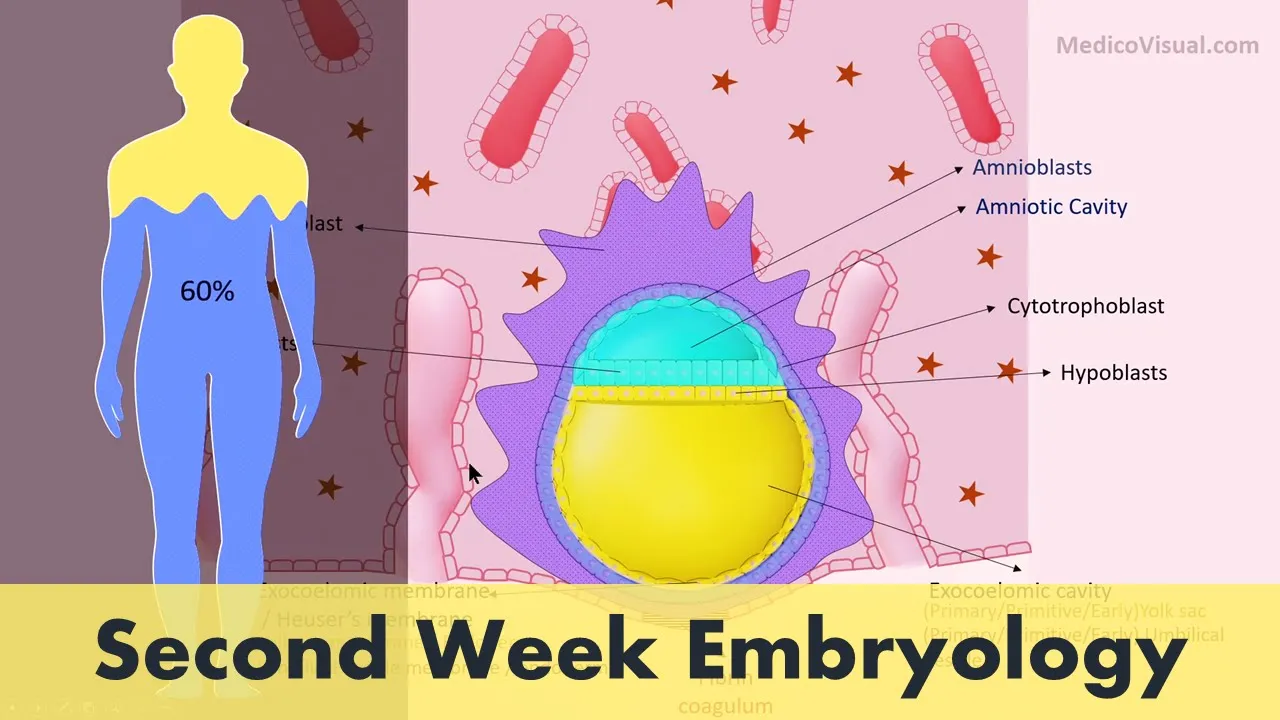
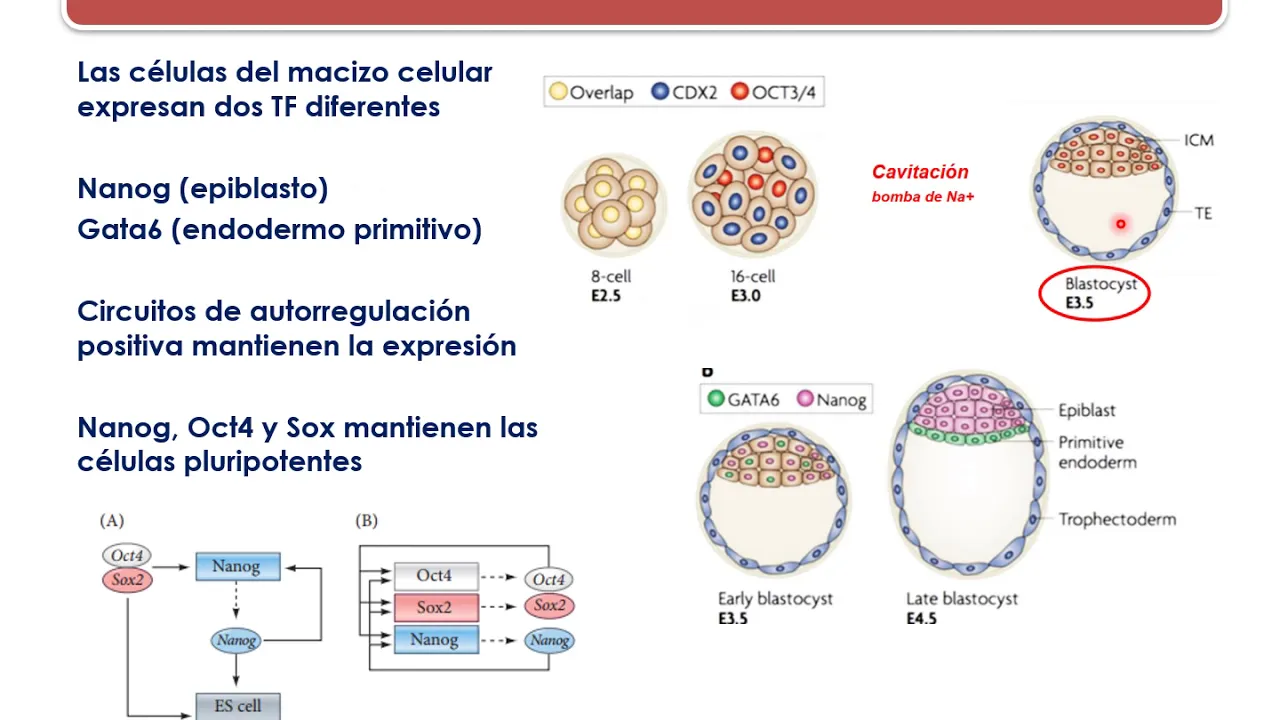
Added:Understanding of early mammalian blastocyst anatomy, specifically the differentiation of the inner cell mass, epiblast, and extraembryonic tissues.
The process of gastrulation, including the formation of the three primary germ layers and the establishment of the primitive streak.
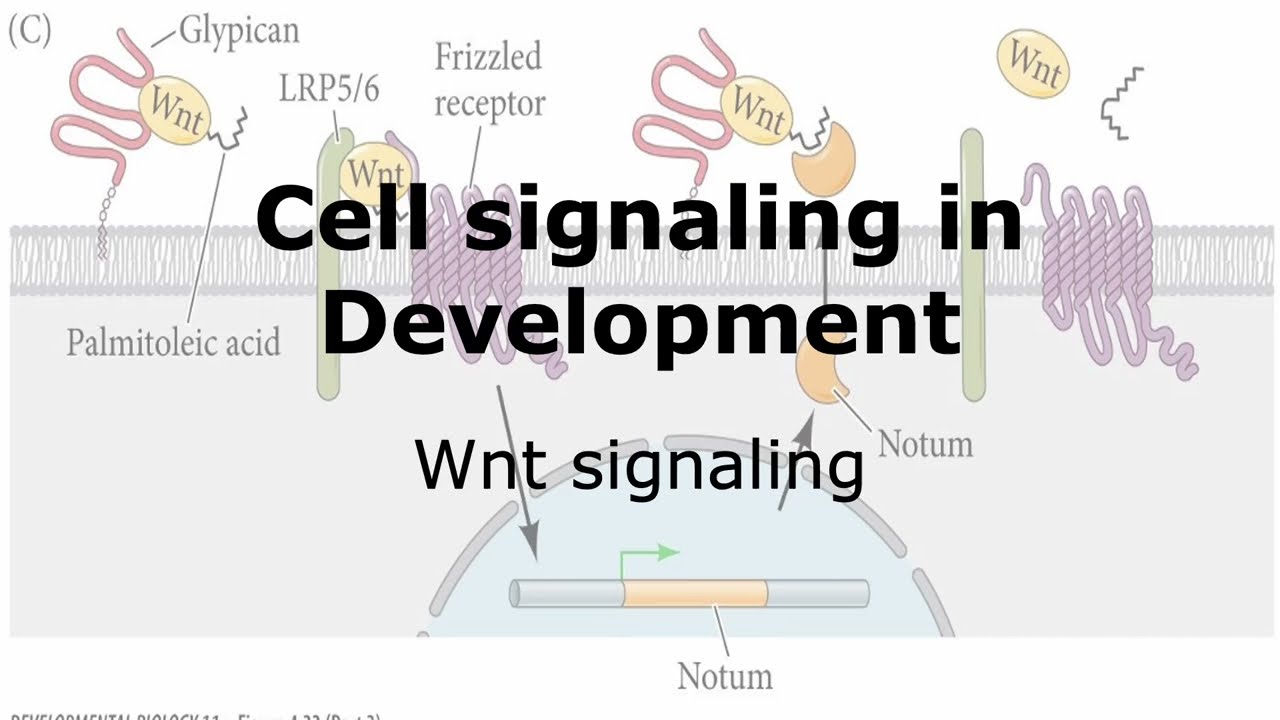
Fundamentals of developmental cell signaling, particularly the roles of morphogen gradients (such as Wnt, BMP, Nodal, and FGF signaling pathways).
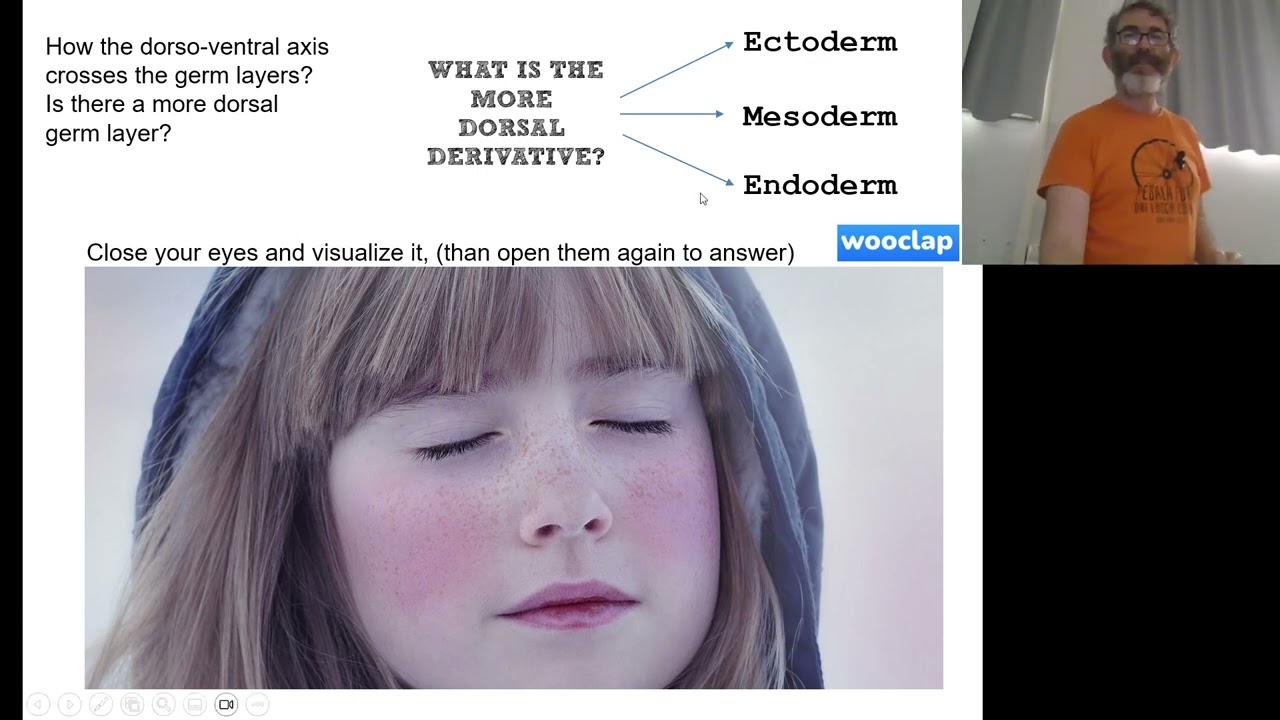
Basic anatomical terminology regarding animal body plans, including the definitions of the anterior-posterior, dorsal-ventral, and left-right axes.
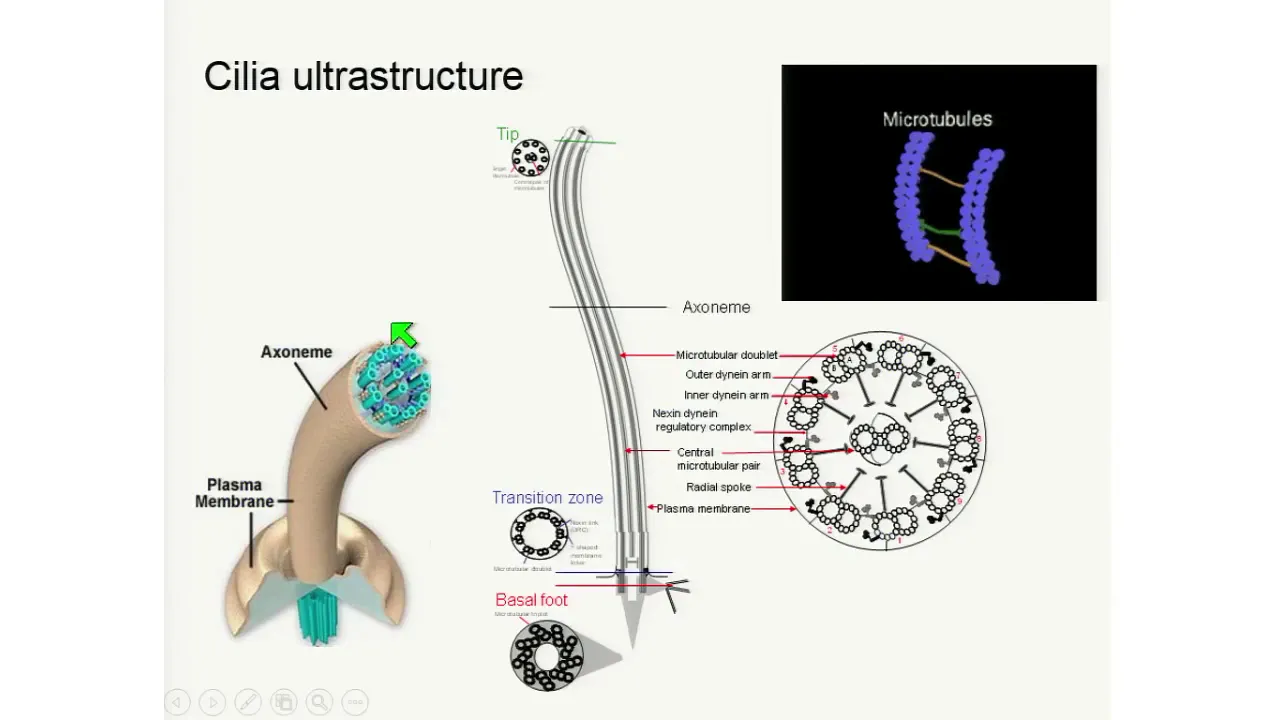
The biophysical and molecular mechanisms of left-right asymmetry, focusing on nodal cilia fluid flow and asymmetric gene cascades (e.g., Nodal, Lefty, and Pitx2).
Asymmetric organogenesis, exploring how initial axis specification directs the asymmetric positioning and looping of visceral organs like the heart, lungs, and gut.
Clinical consequences of defective axis patterning, such as situs inversus, heterotaxy syndromes, and ciliopathies like Kartagener syndrome.
Comparative embryology, analyzing how mammalian axis specification differs from or aligns with other model organisms like amphibians, birds, and fish.
6.6K views0likes5:17Original Release: 2020-11-02
in this lecture we continue exploring the early development of mammalian embryos we've looked at the process of gastrulation in mouse and human embryos recall that this process involves the movement of cells that will give rise to the mesoderm and endoderm through a structure known as the primitive streak the primitive streak is located at the future posterior of the embryo and in this lecture we'll focus on how the anterior posterior and left right axis of the mammalian embryo are specified whereas amphibians have a single signaling center the organizer in mammals there appear to be two signaling centers that have overlapping functions one of these is the node which is equivalent to the portion of the amphibian organizer that's located at the trunk region the other is the anterior visceral endoderm or ave the ave is responsible for positioning the primitive streak the side that marks the start of gastrulation on the other hand the node induces the nervous system and is important for patterning the anterior posterior axis as with amphibian embryos the inhibition of bmps and of the wind signaling pathway is needed for the formation of anterior structures the trifecta them that surrounds the epiblast secretes bmp4 and that refactor them is labeled here as extra embryonic ectoderm bmp4 causes the epiblast cells to express win3 and noro and this when three and neutral activate transcription factors that are involved in the specification of the mesoderm however the anterior visceral endoderm secretes inhibitors to win3 and noodle in the anterior region of the embryo so the secretion of wind and nodal inhibitors by the ave prevents the primitive streak from forming at the anterior region of the embryo the permitted streak instead forms in the posterior region which expresses nodal and as i mentioned is inhibited from forming in the anterior region as a result of the presence of neutral inhibitors but this pattern of nodal expression and the roles of nodal change as development progresses the node which eventually gives rise to the notochord secretes vmp inhibitors like chordin and noggin as in the amphibian embryo the inhibition of bmps is critical for the formation of the nervous system and together the inhibition of wind and bmp signaling promotes the formation of anterior neural structures but how does the ave form well the ave which essentially determines the anterior posterior axis by helping to position the primitive streak is formed as a result of the constraints that are placed by the growth of the embryo inside of the uterus so mechanical stress plays an essential role in the specification of the anterior posterior axis in mammals initially when the embryo is small it grows in all directions as the embryo grows in size its growth becomes restricted by the walls of the uterus so the embryo grows downward as the embryo grows downward it breaks to the extracellular matrix and this breach in the ecm leads to changes in gene expression in the cells that are located at the side of the breach this change in gene expression induces the migration of these cells and their specification as anterior visceral endotherm and i should point out that this figure is a little confusing the embryo is still located within the visceral endoderm so these cells are at the most distal location are the ones that are going to migrate anteriorly and give rise to the anterior visceral endoderm as development progresses morphogen gradients are established which are important for the patterning of the organism similar to what happens in amphibians in mammals there are gradients of winds bmps and fgfs with these factors being highest at the posterior and lowest at the anterior in the anterior bmp and wind inhibitors are secreted which allow the anterior structures of the brain and the phase to form other factors that are important for patterning the anterior posterior axis are fgf8 and retinoic acid the expression of these two factors is also higher in the posterior regions of the embryo compared to the anterior regions the fdfa gradient is formed by the graded decay of its mrna this happens because the transcription of fgf8 is restricted to the growing posterior tip of the embryo and the fgf8 mrna is progressively degraded in the newly formed tissues this results in the formation of an fgf8 mrna gradient and thus an fgfa protein gradient with the levels being highest at the posterior in the case of retinoic acid the gradient is established by the presence of enzymes that synthesize retinoic acid in the posterior regions of the embryo and enzymes that degraded in the more anterior regions these different morphogen gradients pattern the embryo and in fact the patterning of the posterior region of the embryo beginning at the hindbrain is related to the activation of different hox genes as a result of the gradient of retinoic acid win3a and fgf8
Up Next
39:27
Spemann-Mangold Organizer & Chemistry of Organizers | Developmental Biology
@drlathalectures3349
2.8K views•2021-08-17

50:12
Bacterial Communication: Quorum Sensing and Biofilm Formation Explained
@JHUAAP
12.6K views•2011-06-28

5:35
Enteric Nervous System Explained: The Gut's Brain | Neurobiology Lecture
@alumniu6029
438 views•2018-09-12

7:08
Bacteriophages: Earth's Deadliest Killers and Future Antibiotics
@kurzgesagt
34.6M views•2018-05-13
Related Study Plans & Knowledge Roadmaps
Structured learning paths in Biology
biology
RNAi: Biogenesis, RISC & Gene Silencing
01Molecular Biology Foundations: DNA to Protein
02Introduction to RNA Interference (RNAi)
03Molecular Biogenesis of miRNA and siRNA
+ 2 more learning modules
10h5 modules
Explore Roadmap
biology
Mycorrhizae: Signaling, Biophysics & Ecology
01Foundations of Mycorrhizal Symbiosis
02Molecular Signaling and Root Colonization
03Biophysics and Bioenergetics of Nutrient Exchange
+ 1 more learning modules
11h4 modules
Explore Roadmap
biology
Circadian Clocks: TTFL, SCN & Periphery
01Foundations of Molecular Biology & Gene Expression
02Introduction to Chronobiology and Actograms
03The Core TTFL: Molecular Architecture of the Clock
+ 3 more learning modules
14h6 modules
Explore Roadmap
biology
Population Genetics: Math, Drift & Selection
01Genetic & Probability Foundations
02The Hardy-Weinberg Principle and Baseline Models
03Mathematical Modeling of Natural Selection
+ 3 more learning modules
18h6 modules
Explore Roadmap