![[LIVE] NEWS CENTER (2023-11-01)](https://i.ytimg.com/vi/d-MmnQbL8P0/maxresdefault.jpg)

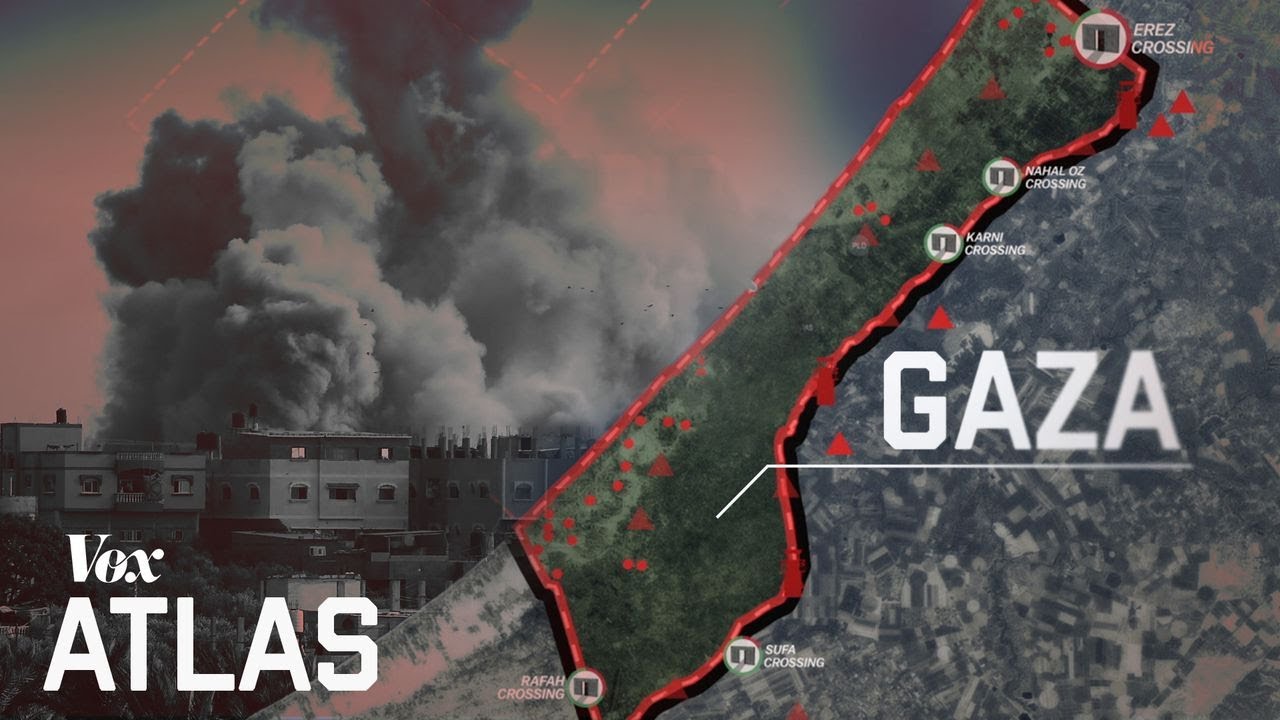



















True solidarity in humanitarian work requires decolonizing our approach by prioritizing the agency and leadership of affected communities over Western-led aid, recognizing that addressing root causes (such as colonial occupation) is more effective than emergency relief alone, and understanding that international law must apply universally to all peoples regardless of power dynamics.
Decolonizing Solidarity: Dr. Mads Gilbert on Gaza's Healthcare Crisis
Added:The historical and geopolitical context of the Gaza Strip, including the impact of the ongoing blockade on its public infrastructure and healthcare system.
The core tenets of Decolonial Theory, particularly how power imbalances from colonial eras persist in modern international relations and humanitarian aid structures.
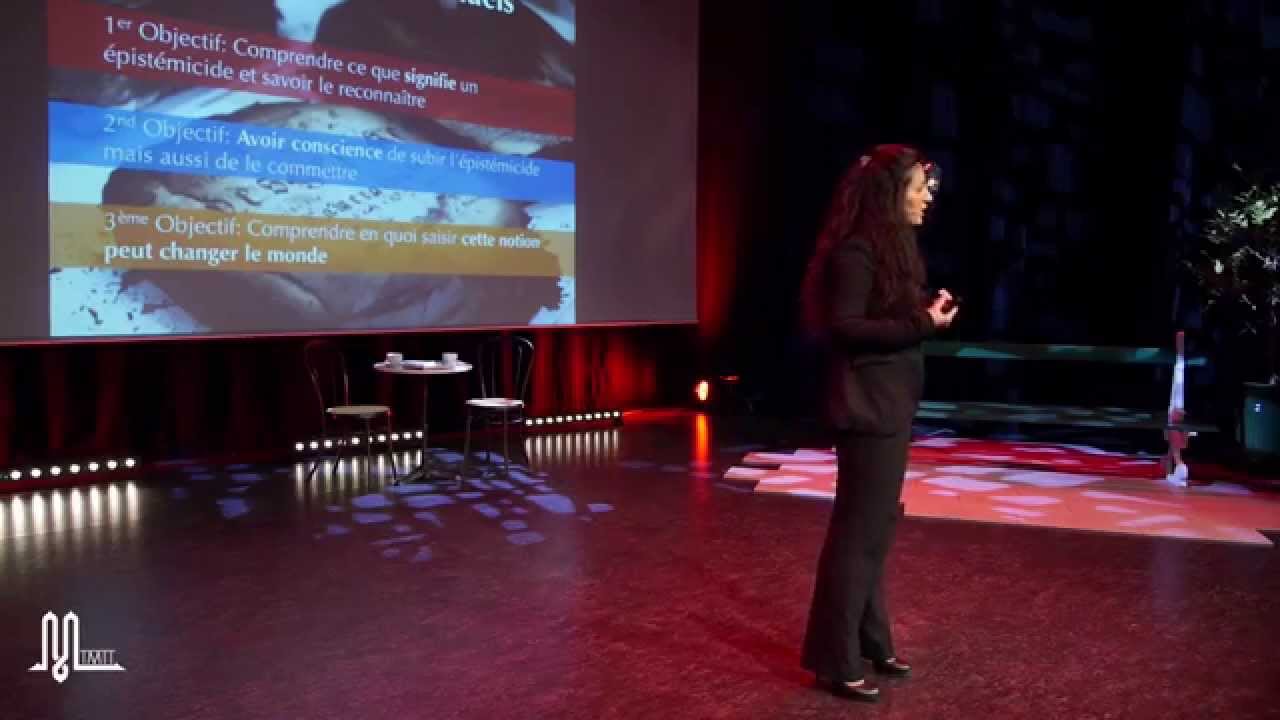
The concept of 'epistemicide'—the systematic destruction or marginalization of localized knowledge systems, academic institutions, and cultural heritage.
International Humanitarian Law (IHL) and the Geneva Conventions, specifically regarding the legal protections and neutral status guaranteed to healthcare workers and medical facilities during armed conflicts.
Advanced models of 'decolonized aid' and localized mutual aid networks that prioritize self-determination over traditional, top-down Western humanitarian interventions.
The broader phenomenon of 'scholasticide' and 'educide'—analyzing the targeted destruction of educational infrastructure and intellectual life in occupied territories.
The long-term public health impacts of structural violence, focusing on how prolonged conflict and blockades affect chronic illness management, maternal health, and mental health.
The ethics of medical neutrality and advocacy, exploring how healthcare professionals navigate political speaking-out and witnessing in active conflict zones.
11.9K views256likes42:42Original Release: 2025-02-21
we know everything the Western governments have known this all the time now for for 15 months and the responsibility is of course to uphold international law similarly powerful for white brown black and yellow people and I think we need to realize that the world the powers of the world would never ever have accepted that 177,000 Jewish Israeli children had been killed in hia and in Tel AV Welcome to The Floodgate podcast brought to you by the palestin chronicle we are here to engage with today's most pressing issues and unpack them beyond the cliches of mainstream media I'm your host ramzi barud and with me is the brilliant Romano Rubio an Italian journalist and the managing editor of the pistan chronicle let's get started thank you Ramsey and with us in the studio is Dr MTS Gilbert uh many if not most of you are of course already familiar with Dr Gilbert and his immense contributions not only to the humanitarian work in Gaza and Palestine but also to the conversation on Palestine as well Dr Gilbert is a Norwegian physician humanitarian and activist with a broad range of experience in international humanitarian work since the 1970s he has been actively involved with solidarity work concerning Palestine thank you Dr Gilbert for being with us today thank you so much Salam Alum everyone and thank you for inviting me all the long way from Norway and to youum Dr gber welcome to the show if we could just start with your assessment of the current situation the current humanitarian crises in Gaza with a particular emphasis of course on the state of hospitals and other medical centers which have been from the very first day of the Israeli War the Israeli genocide the main target of the Israeli military machine um what can you tell us well I think we need to refocus and not only talk about the humanitarian situation because it will dim our vision of what is the root cause and the root problem that needs to be solved now and I say this not uh to imp implicate that that the humanitarian is are not important indeed they are critical and vital but because so much of the West's effort to um solve in their way the Palestinian issue is to focus on emergency relief uh Medical Teams uh medical supplies and humanitarian support and we've been doing that for uh for at least 75 years uh without coming an inch further with the root cause of all this mystery which is the settler Colonial project and the occupational Palestine and as a doctor I am obliged to seek the root cause before I start to try to treat the problem and if I only look at the uh types of amputations or the types of diarrhea without critically assessing what caused all this human misery and suffering and losses I will fail my duty as a medical doctor because there are few things in a society that are that is more closely linked than public health and politics because public health is all a matter of access to water food human security housing work education and of course freedom to move and if you don't have these basic Provisions you can have any Healthcare you want you will not be able to obtain any public health and all these Provisions that I just mentioned are limited if not completely absent in gasa which is a man-made 100% man-made disaster so we need before we discuss the humanitarian situation I think we need to have a conversation on the current political situation in Gaza and that is very difficult why is it very difficult because we have a an extremely fragile ceasefire and for those who have followed the statistics uh the Israelis have been killing on an average uh one Palestinian per day since the ceasefire took uh took power uh and they have not uh been uh fulfilling the agreement on the number of patients who should be allowed to exit Gaza for treatment abroad you know there are 12,000 on the waiting list who need critical treatment that is not available in Gaza and the daily ra the daily rate of um um patients being allowed to to pass out was set to 50 and it's not been that even that the number of tents that should be in is far uh higher than the actual number of tents allowed and also with provisional housing so on every aspect of the ceasefire the Israeli occupation power is actually undermining the ceasefire which creates a very fragile and and dangerous situation and now as they're entering into the next phase of negotiations of course this can take effect uh where tension Will Rise um and in addition to the uh difficult ceasefire situation uh which of course also is very un unbalanced powerwise you have all these new horror uh moves by the the US politicians with the president president Trump leading on in threatening to take over Gaza which is it sounds absurd but he is not the clown and we should be careful not to laugh because they are completely concurent these two Ambitions the ambition of netan and the ambition of of trump to conquer to anate and to um and to ethnically cleanse the Palestinians out to Gaza so these These are the important an questions and since ukraina now has taken the center stage at least in European politics there is a very high risk that Gaza and the occupation of Palestine and the West Bank not to forget is pushed into the Shadow and um the Israel occupation forces and Nan can proceed with his cynical plan to cleanse Gaza of Palestinians and to uh anate and actually Annex uh the west bank and to corroborate what Dr Gilbert was saying we reported these days that only F uh out of the 500 heavy machinery that technically should enter Gaza actually entered Gaza so absolutely the the commitment on the Israeli side has been very uh you know not very strong and Regard in this regard like the uh project the political project that is behind Israeli actions how do you feel about Israel's constant targeting of Palestinian doctors and medical figures as if they were enemy combatants or even terrorists for example according to a statement by the Palestinian alesan Center for human rights Dr husam Abu safia now is detained under the unlawful combatant law Dr Abu safia who is the director of the Kamal edwan hospital was detained by Israel last December he has been detained in the infamous dment Center then moved to the offer prison and systematically tortured since then according to his lawyers so what do you think is Israel's logic in doing so and especially how can International Health institutions confront this legal precedent of targeting killing torturing or trying doctors as militants well we all know the brave uh Brave actions and history of Dr h abafi of course he is a he's a to me a very a very prominent symbol of the resistance because the Palestinian resistance against occupation it's not only Kasam and and and the other armed groups the resistance in Gaza and in the West Bank is very broad-based it's a popular resistance against occupation containing you know consisting of teachers and Housewives and fishermen and and young people and and healthc Care Personnel ambulance paramedics and so on and they all say as long as the SAT and the olive trees are staying we will be saying we will be staying to quote one of your famous poets so the attack on Healthcare has to be seen in a wider context because it is an attack on two elements which is so important for the resistance number one the uh structural the infrastructural um health care which is a Cornerstone for the feeling of safety for the population and the feeling of safety and the feeling of being being able to be cared for in a crisis in a disaster and in a war situation or an attack situation as I would call it in Gaza it's very important to maintain the spirit of resistance say you know you have children and you have a family and you know there there are attacks then if there is no Health Care available you will be much more um anxious to take part in the active resistance and still I'm not talking about the military resistance so to have a healthcare is a Cornerstone in a society to make people feel safe and to make the families um continue to live as a coherent unit so to destroy Health Care is in a way to attack the inner Spirit of the resistance in my opinion and what we have seen in Gaza is unprecedented in any Modern Warfare if we could call it Warfare because it has been so systematic not only directly targeting a number of hospitals but systematically cutting the local hospitals off from the population by bombing the nearby um uh apartment buildings and and habitat destroying the roads destroying all the supply lines so that the hospitals became isolated Islands in in a very sort of destroyed desert of the society and then add to that the systematic targeting of healthc care Personnel more than 1,000 doctors nurses paramedics medical students pharmaceutical students and so on have been killed the majority of those killed being female healthcare workers and nurses there is actually a higher risk of being killed in Gaza if you are a healthcare worker than if you are a civilian so that is the other aspect of the attacks on Healthcare and of course all of this is in contravention to international law but the the second the second ambition or goal of the occupiers is the epistemic side that is to eradicate the knowledge of the Palestinian people and an important part of the collective knowledge in Gaza is what is embedded in the healthcare not only the hospitals and the primary healthcare clinics and a fantastic uh paramedic uh corpse they have but also in the educational system the medical faculties the brilliant school of medicine and alasar University the brilliant School of Medicine in Islamic University both universities like all the other universities and colleges destroyed completely and Israelis have tried intensely both to kill students and to kill the institutions in order to stop the uh education of the Palestinian people and to destroy all the knowledge the research body the clinical knowledge the organizational knowledge of the healthcare system which is so important part of the knowledge space of the Palestinian people and this to end is what the colonial project is all about it is the the politics of elimination elimination of people elimination of habitat elimination of knowledge elimination of culture and elimination of the existence of a people absolutely um absolutely thank you for this um I know this is a question there's a question of priorities here I mean where do we get started um let's not deprive Palestinians in Gaza from the element of agency obviously it's their smooth it's their steadfastness it it's it's it's their resistance in all of its forms as you mentioned Dr Gilbert that that that makes them strong and keeps them going but of course there is solidarity that comes in so many different forms many organizations around the world are mobilizing in support of Gaza many healthc Care Professionals including doctors would love to seize the opportunity to make a direct contribution to helping War victims in Gaza if you could provide a concise and and clear instructions and I know it's not exactly uh possible to be clear and concise under these horrific circumstances but just to deal with the questions of what can we do to help in in supporting the Palestinians uh it's a loaded question but uh it it could be a starting point uh for those who want to channel their help and support and if you don't mind if you could even provide names of specific organizations that are most credible and most helpful in this part at this particular stage well uh Ramy that's a very very uh important question and um Let me let me start my answer by by by reflecting on the word solidarity because to me the two most beautiful words in my language is love and solidarity because these two capacities of humankind are the ones that really brings us through crisis in everyday crisis somebody falling off the bicycle in the street somebody having a mardal infection somebody being abused you know or capacity and willingness to stand up for others and and provide help and provide support and our shoulder to support that is critically important and when we talk about Dr husu safia there has been a massive International campaign to free him as you all know and now I heard the news today actually that he is probably going to be freed tomorrow I heard if not for the international solidarity his lawyers would never have been allowed to come to the Concentration Camp is in so so so let's not forget that the most important thing I do as a Norwegian doctor is not to go to Gaza it is to work steadfastly in Norway to educate people to do advocacy to be a part of the solidarity movement which is aiming at changing the politics of the Norwegian government and that's the greatest contribution we can give to the Palestinian people that is if and when we can change the politics of the Norwegian government to divest to uh to uh divest all the the massive Norwegian pension fund which is the largest in the world to uh make sure that Norway continue to contribute to unva uh to make sure that uh that the Norwegian uh government is very clear in their um practical uh sanctioning of Israeli uh trade uh research uh Co operation cultural cooperation and so on so we have our homework I think is the most important contribution then of course we may travel and we may travel to to Gaza or to the West Bank as health professionals doctors nurses psychologist what what is it uh but my principle I don't I don't practice humanitarian medicine I practice solidarity medicine and number one rule there is don't go if you're not asked to come because the relief industry and the colonial aspect of the relief industry the white savior uh model is that we in the global North we always know what they need so we just go with our tents or whatever relief and and and and we impose ourselves on them without asking what do you need in fact do you need us at all or will we only be in the way and to be a little bit controversial I can tell you that um several times quite a number of times I have been asked by my colleagues in Gaza and I've been working with the with the healthcare workers in Gaza for 253 years and I was there during the attack in 2006 9 12 14 and worked in shifa and alz hospitals so I know them well they're personal friends they called me and said Can can you try to stop these foreign medical team teams coming because they need Transportation they consume the fuel which we almost don't have at all they need beds and food and water which is extremely limited they stay for a short time take a lot of pictures do some operations and and go home and this is an ongoing debate um the relief industry as a colonial element um obscuring three important things number one the sovereignity of the affected people the Palestinian people should be in charge of just everything defining the need um accepting who is going to come and be the director of those who come it should not be like different organizations setting up their tents and headquarters they should all be under the umbrella of the minister of health and Gaza Dr yusf abish and number two they should not be allowed to Define what needs they are going to cover they should be uh they should be uh booked or ordered by the Palestinian Healthcare um and being asked can you cover this can you cover that so that they have the full control and the layout of the emergency medical support and um number three um I think again that when we look for organizations as you ask for Ramy I would look again at what Palestinian grassroot organizations are there we all all the northern all the you know the the global North we think that oh it's going have to be U Doctors Without Borders or or UNICEF or whatever of these organizations which come from Europe or the United States and that obscures the fact that there are brilliant grassroot Healthcare organizations in Palestine in occupied palestin take for example Palestinian medical relief soci a large non-governmental volunteering uh medical organization uh led by Dr Mustafa baruti who is a brilliant uh clinician doctor also a politician as you both know a close friend of mine they have 75 Medical Teams on the ground in gasa they see around 250,000 patients per month in Gaza they know the culture they know the language they know the families they know how it is to live under occupation and they can fit in in a way that no foreign team can fit in so I have changed I don't give any money to any Northern white and yo I only give whatever we um uh do in fundraising and we've been doing a lot of fundraising in Norway lately and we give that to Palestinian medical Relief Society directly so that not one nickel is wasted on air tickets Hotel Transportation per DMS and all that money which is consumed to have an international medical team now let me be clear I'm not criticizing the individuals who travel and I've been doing that for myself many many times but I am saying that we need uh we need a conversation and a discussion on the role of the international relief industry and it's more important than ever right now when we are going to discuss the Reconstruction of Healthcare in Gaza and look everybody talks about all that is destroyed yes the Israelis have been very efficient in destroying but half of the hospitals half of the 36 hospitals in Gaza are operative not at full scale but they are operative and the list of hospitals that the Palestinian minister of health and the healthcare workers and volunteers have been able to reopen is very impressive and this is not covered in the mainstream media so you only get this picture of the suffering begging helpless destroyed Palestinian Healthcare I see another picture I see a strong mastering leading uh Health Care under the very Stern and and and brave leadership of people like Dr YF abish he's a pediatrician he has been a minister of Health I believe the last eight years a fantastic leader uh Dr sois Dr I I could mention many and I see a healthcare a Palestinian healthare system that have been able to reopen functions in the hospitals only days after the Israelis have tried to destroy them take for example shifa a few days after the invasion the bombing and the burning of shifa they reopened the dialysis unit in in two rooms that were not completely destroyed they cleaned them they swept them they cleaned up and they put in the dialysis machines and they could be able they were able actually to save lives of of kidney failure patients in shifa the same with the ey hospital was re renewed and reopened um the calad Juan was also reopened before the last destruction was reopened um the uh Naser Hospital which was invaded and besieged and destroyed is reopened and function alaa hospital has been refurbished and is functioning so again why should we come in as expats white experts and and tell the Palestinians how to rebuild their own Healthcare they are the ones to do it they should be in the on the steering wheel and we should respect their leadership and we should support the leadership and ask them what is the best we can do to support your healthc care system now and how can we provide support for the rebuilding of the healthcare system in Goa that is the true anti-colonial and liberative way of of putting ourselves as health healthcare workers as useful elements for the liberation of Palestine if we only Nar AIT to look at the humanitarian aspect alone we will fail and we will be part of the problem in my opinion it's a brilliant opinion and the Palestine Chronicle and all the work and research we do I mean this is what we have been championing for years so just hearing it being articulated in such a wholesome and powerful and and and apologistics uh produced uh by Dr Gilbert and his colleagues you wrote an article uh for BMC medicine um with other doctors and I'm quoting here the expansion of field hospitals throughout Gaza raises a multitude of ethical and political concerns and should not be promoted as part of any recovery proposal without several important caveats I found that so interesting when I was going through the notes um can you explain the principle a bit more to our readers because I don't think it's like something that they are familiar with yeah thank you thank you so much Roman and um this is exactly online with the discussion or the answer I I I I just gave and um I am a co-author of this paper um here it is uh it's uh it's entitled realizing Health Justice in Palestine Beyond humanitarian voices and it is actually a very sharp rebuffing of some of the European plans that have been put forward um and we criticize uh because we who have authored this we took part in some important International uh meetings and discussions in Aman last year uh and several European health initiatives which follow this line of the NGO industry by not not addressing the root cause of the misery the occupation and is really Colonial project uh and uh not at all addressing the leadership of the Palestinians in their own Healthcare System and their achievements and the efforts they are undertaking now and uh criticizing the lack of wish for solving the root cause namely the occupation but only scratching the surface by saying can we substitute the lack of Hospital capacity with more field hospitals organized by different Western organizations um and what we have seen also is that this field Hospital strategy has empted many places brain drained so to say the Palestinian hospitals in Gaza some places there were field hospitals next to a hospital structure uh in the governmental system in the de facto government which is uh in the civilian part of it in under the Ministry of Health across the street was a field hospital and the doctors in the governmental hospital they were hardly paid any salaries because of the financial disastrous situation in the Ministry of Health whereas across the street say they got $50 if they had payment per month across the street they were offered 500 $100 so where do you go if you have a family you have a husband you have a wife you have five kids you have two grandparents where do you go in that situation where you know the prices in Gaza were soaring up to the skies uh poverty is rampant and they are going to work and at the same time try to to to get some income for the family of course it's easy to say yes to that nice offer to go across the street to that international field hospital and have $500 paid per month because minister of Health didn't even manage to pay them every month so just that illustration in a way can give us a picture of how how a combination of brain drain and and and fatiguing the official Health Care system through setting up parallel structures that have abundant with money and resources but do not belong to the native Health Care system and it's only temporarily and also use resources that should have been used to immediately repair restore and reopen the Palestinian hospitals and provide a decent salary for the doctors The Midwives the nurses the paramedics so so everything hangs together here uh so we we criticize that in this paper and I urge people to to read it because if you years ago I coined the term evidence-based solidarity you know in medicine we are supposed to do evidence-based practice meaning that we should only provide treatment that has solid evidence in the research literature in clinical research in double blind uh uh randomized studies to see if treatment really has effects so evidence-base is the slogan of modern medicine and when I say evidence-based solidarity I think that all of us all of us around the the globe who take part in in the massive solidarity movement for Palestine we need to study more we need to go deeper we need to know the numbers we need to be able to rebuff the lies and the propaganda from the hashar and we need to do our own studies so so this paper I I recommend it I hope you can have the reference as somewhere in the in the video of course uh the second paper is uh another one that we just published in the landet which is about trauma care in Naser Hospital 13 Pages where we did something very Innovative with the young doctors in nasur who who were stuck with extremely serious War trauma and not much clinical experience so we gathered a system with a 100 topnotch uh Clinic experts from around the world who were available in a sort of a call system so when they had a case in Naser hospital they could call and we could provide the the right uh expertise they would send whatever they had of pictures and x-rays and U and small movie clips small videos and then they will be guided handson through video in the surgery or in the treatment modality and we describ that in this paper this is from lanet just recently and and the last paper I just take as an example is also from the lanet uh not very much reported this was published uh the 23rd of January this year and this is a group of uh researchers who have looked at life expectancy in Gaza I don't know if you know the result it's it's it's really shocking you know that the life expectancy you know how how long are you expected to live on an average uh when you're born it has us it has dropped by 34.9 years within 12 months can you imagine the occupation the bombing the starvation the decease the siege of Gaza has had such a dramatic effect on public health that you will lose 35 years of your life and this is the indirect effect of the ethnic cleansing and and the collective punishment and I would say it is a a dramatic illustration of the genocide in addition to the m killing so this again this is landet so evidence-based solidarity my friends all around study more follow read be the expert on what the colonial forces are doing and in particular particular now when when when when when we have all this you know horrible initiatives or whatever you should call it the stealing of Gaza by the Americans suggested by by President Trump and we have this very strong focus on ukraina and the dealing between Russia and us we must not lose focus on Gaza and the West Bank because what goes on in Gaza has been going on in Gaza is now going on in in the West Bank and the attacks on Healthcare are just the same as in Kasa um I don't want to take much more of your time Dr Gilbert but a couple of things I want to say number one is that we are going to be linking to all these uh studies and papers uh in all of our platforms and of course we'll be writing about this uh at the pan Chronicle and other newspapers and we are going to highlight the concept of the evidence-based solidarity it's an absolutely brilliant way of of putting it one just very very quick followup and if you don't mind the quick answer as well um you know we have um friends in in uh a certain country in the Middle East and they are or they were in the process of preparing a field hospital and they were you know just ready to go to to Gaza and to build this field hospital and um and we know that they are good in will intentioned but now what you're saying are you essentially saying don't do that direct these resources and energies to an existing medical infrastructure and the under the leadership of Palestinians in Gaza is this essentially what you're saying what I am saying is that that question should be answered by Dr Yousef abish and his staff you know and this this is to decolonize our thinking why why I if somebody came to Norway if we had a massive Avalanche snow Avalanche we have a lot of that and they came from Saudi Arabia and landed in our airport and came with some field hospitals that we never asked for and set them up we would say go away we are in control so I would be politely suggest that they ask Dr ysf abish and his staff it's well organized they have been massively efficient through these uh 15 months uh I know him personally he is one of the best leaders I know in the world today so ask them maybe they want to fi hospital if they want it they should direct it to where it should be uh put up and they should maybe even consider the people who provide the field hospital um how they will uh arrange with the wages for those who are going to work there of course it's always nice to see the picture of a of a clever expert in in you know pediatric surgery doing some complicated surgery on a child coming from outside and doing it and everybody's holding up the child and it's very nice and they're rescued but that again blurs the most important picture which is the picture of an extremely Brave healthc care sector with Palestinians and they are doing 99% of the clinical work it's not we white to do it it is the Palestinian system and it's been like that all this 15 months it's been like that for the 25 years I've been been in Gaza and yet we have not been able to convert the NGO efforts into sustain able ways of really supporting Palestinian Healthcare proper and we should be very careful not to create Gaza and the West Bank as a donor dependent Society like Afghanistan because that is again a way an other way of colonizing the global South it is to in in Infuse all this well- willing you know almost unarguably good uh uh projects but they may not be good at all they may be Contra contraproductive in the long term and my simple answer to your question is ask the Palestinians and respect their answer and maybe if if you had $2 million maybe those $2 million would be better used to pay wages for the healthcare workers in Gaza the Palestinians who have been starved on both wages and food for 15 months thank you for that and Roman your your ch answer at one last very quick question so uh Dr Gilbert can get back to his work yes really very quickly um of course it's very clear the role uh that you know the International Community should have because they tend to replace as you said in a colonial way but they don't endorse their responsibilities really very briefly what are the UH responsibilities of the International Community am made this horrific Israeli genocide well it's massive it's massive I mean we know from minute to minute what's going on we see it on our on our screens we can I mean if you're on on on whatever platform on X or on Twitter Twitter X or you are on Instagram or whatever or you follow of electronic intifada brilliant or Al jazer Arabia or Al jaer English or trt English we know everything the Western governments have known this all the time now for for 15 months and the responsibility is of course to uphold international law similarly powerful for white brown black and yellow people and I think we need to realize that the world the powers of the world would never ever have accepted that 17,000 Jewish Israeli children had been killed in hia and in Tel Aviv under a Siege of Israel or would never ever have accepted that a thousand Israeli healthcare workers were killed by some enemy attacking Israel or accept that 18 out of 36 hospitals have been closed down due to attacks so this double standard is horrific and international law either it applies to everyone or it applies to no one and and we are on the way back to the law of the Jungle that's very not very original to say but if might defines right then to the extent that there is a world order that will collapse and I'm very scared for my children and my grandchildren that we are entering now into a new uh neocolonial ERA with bush with with Putin with the big powers and with netan and his fascist government that they are allowed to do anything with without sanctions so I'm extremely happy that South Africa have taken uh Israel to the international court of justice I'm I'm happy for the icc's arrest order uh but I think we need to step up our demands on our governments for them to say stop to the United States and to Israel my government have been critical of Israel but they have not at all been critical of the United States supply of arms and money to Israel so us uh the US government have been Exempted from from the criticism that the Israeli government has got and we need to see the connections and one final quote Samora Melle the first president in the fre Mambi Republic a Guerilla fighter and Commander he said solidarity is not an act of Charity it is an act of unity between people fighting on different grounds towards the same goals the struggle the Palestinians are are fighting for their Humanity for their freedom and against occupation is actually a struggle for my children and my grandchildren and our freedom my struggle in Norway is a struggle for the Palestinian people and the children and the women and the civilians and all the people of occupied Palestine so this distinction between charity and solidarity is so important because within solidarity concept we are fighting together toward the same goals Freedom equality no racism no occupation and no colonialism solidarity is not an act of Charity it is an act of unity between people fighting on different grounds towards the same goals and if you want to read a good book on charity this book against charity a brilliant book by uh raventos and War um which covers the the essence of the debate on the um problems with Charity thank you so much Dr matz Gilbert thank you very much for your Insight for your compassion um but I feel like we've raised really more questions for future discussions and debates uh then then we answered because this was very very compelling indeed and and and very courageous in many ways and but we are used to the uh courageous Dr Gilbert in everything he does uh to our viewers and listeners thank you for tuning in in remember to share like and interact with our content and to do everything in your power to spread the word from me ramzi barud and my co-host Roman Rubio see you next time shukran jilan thank you
Up Next

111:12
The Brain and Its Politics: George Lakoff on Cognitive Science and Democracy
@uoregon
18.2K views•2010-07-14

24:30
BRICS Pay and de-dollarization: A New Financial Order Emerges? | 55 chars
@DannyHaiphongYT
164.6K views•2024-10-22

7:33
Government Surveillance Methods: 10 Ways You May Be Watched
@BeAmazed
1.6M views•2017-04-09
10:19
Explaining the Saudi-Iranian Proxy Conflict in the Middle East
@Vox
18.2M views•2017-07-17
Related Study Plans & Knowledge Roadmaps
Structured learning paths in Political Science
political-science
Economic Statecraft: Sanctions & Chokepoints
01Foundations of Geoeconomics and Economic Statecraft
02The Mechanics of Weaponized Interdependence
03International Sanctions: Types, Implementation, and Efficacy
+ 2 more learning modules
12h5 modules
Explore Roadmap
political-science
Central Bank Independence: Politics & Policy
01Foundations of Central Banking and Monetary Policy
02The Time Inconsistency Problem & Inflation Bias
03The Delegation Model and Designing Independence
+ 2 more learning modules
12h5 modules
Explore Roadmap
political-science
Consociationalism: Power-Sharing & Stability
01Democratic Dilemmas in Divided Societies
02Introduction to Consociational Democracy
03The Four Pillars of Consociational Design
+ 2 more learning modules
12h5 modules
Explore Roadmap
political-science
Rebel Governance: Legitimacy, Economy & State
01Foundations of Rebel Governance and Statehood
02Establishing Political Legitimacy and the Rebel Social Contract
03Wartime Economies and Rebel Resource Management
+ 2 more learning modules
14h5 modules
Explore Roadmap