


















![★[넛지] 설민석 강독 풀버전★ 노벨경제학상 수상자 리처드 탈러의 화제작! 넛지(Nudge) | 책 읽어드립니다 The Page-Turners EP.9](https://i.ytimg.com/vi/EP-6cPXpeXc/maxresdefault.jpg)
![[알릴레오 북's 16회] 자유의지냐? 운명이냐? / 운명의 과학 - 한나 크리츨로우](https://i.ytimg.com/vi/hTYZF_6xt_M/maxresdefault.jpg)
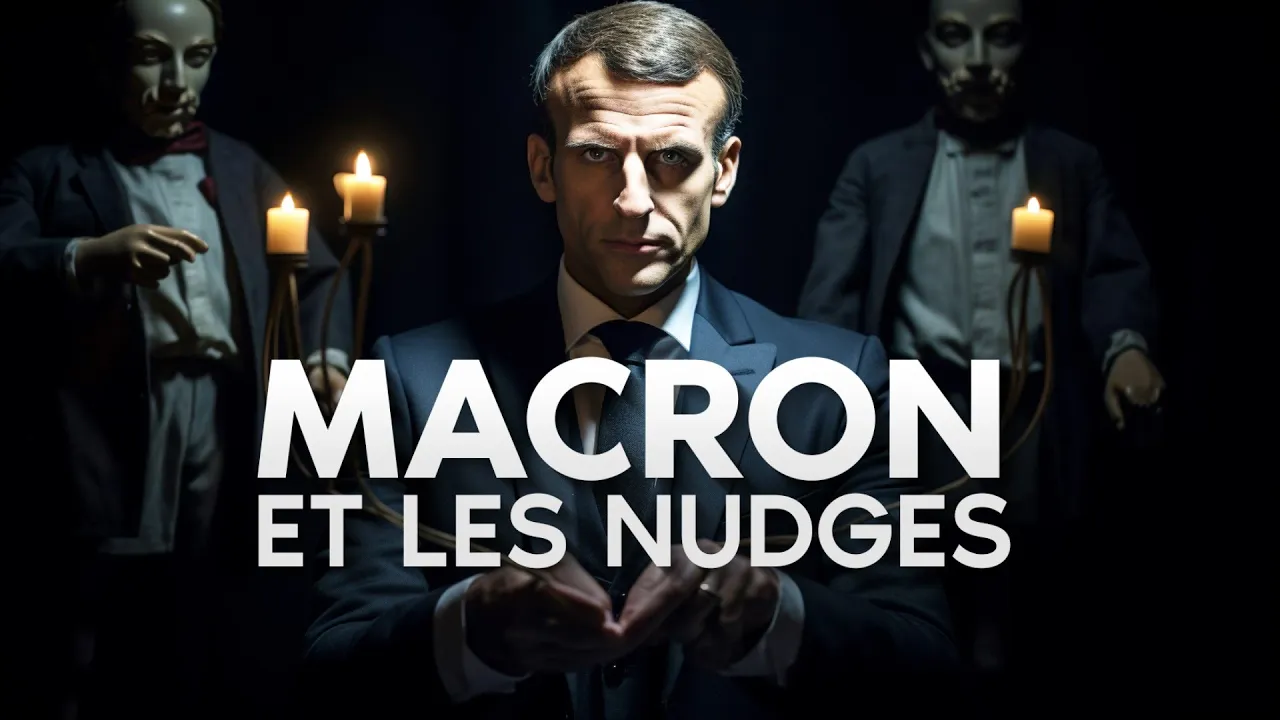


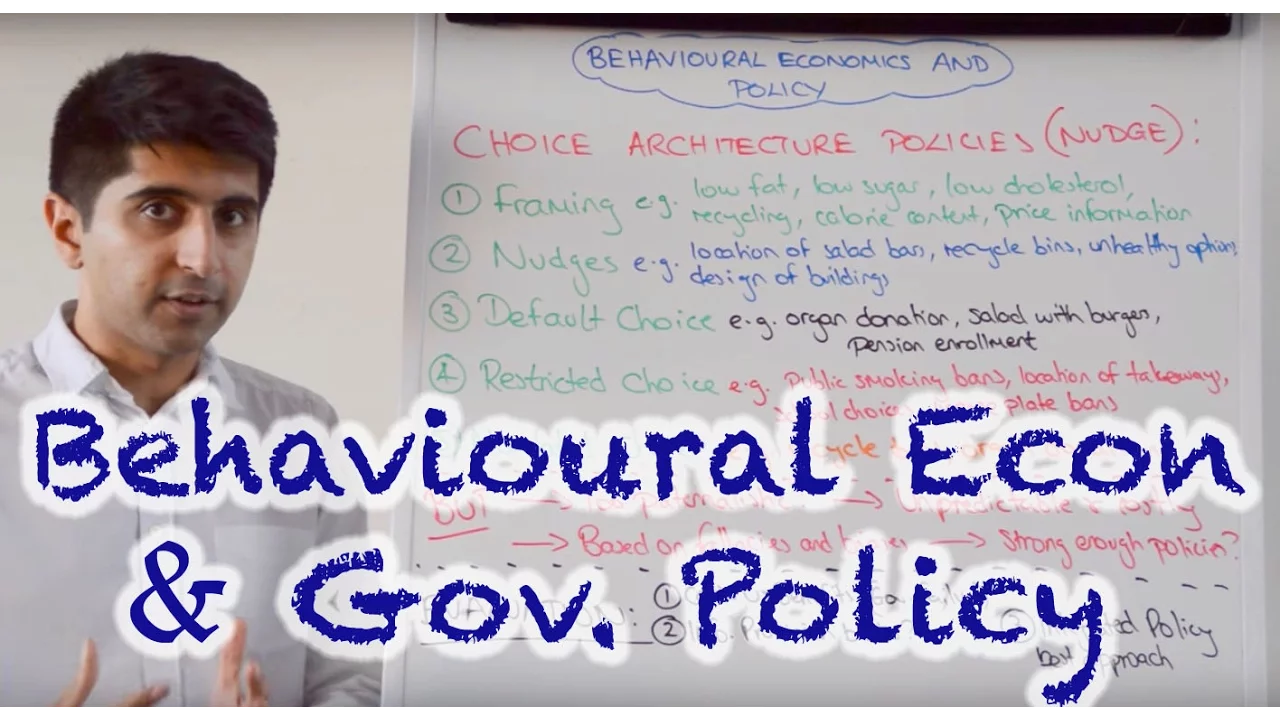
Human reason operates primarily unconsciously through conceptual frames and embodied metaphors rather than conscious logical deduction, as demonstrated by neuroscience showing that emotion is essential for rational thought, mirror neurons enable empathy, and mirror neuron activity varies with cooperation levels; this explains why political positions cluster around two fundamental models—the strict father family model (emphasizing discipline, punishment, and self-reliance) and the nurturant parent model (emphasizing empathy, care, and collective welfare)—and why conservatives have systematically promoted their conceptual framework through organized think tanks since the 1970s, while progressives have lacked equivalent institutional infrastructure to articulate and disseminate their alternative worldview.
The Brain and Its Politics: George Lakoff on Cognitive Science and Democracy
Added:welcome to this lecture sponsored by the University of Oregon Humanities Center before you leave tonight I hope that you'll take advantage of some of the literature in the back of the room that explains what the humanity Center does and what some of its upcoming programs are my name is John Davidson I'm an instructor in the political science department and I invited Professor Loff here in connection with a class I'm teaching this term entitled matters of life and death I wanted to take just a minute to describe the class and recognize some of the people who made both the class and this talk possible the class is an interdisciplinary offering in which the students and I have been examining some of the difficult and controversial policy areas where the value of life has been placed at issue abortion and infanticide capital punishment assisted suicide in euthanasia famine relief vivisection factory farming and animal rights preemptive War nuclear deterrence and the doctrine of acceptable civilian casualties we're applying a variety of disciplinary perspectives in an attempt to answer questions such as why is death bad whose lives matter matter when is killing acceptable another core question we try to answer is why do people feel the way they do about these issues why do their positions on these issues cluster in the way that they do why are people who are more concerned than average over the deaths of cougars and bears often less concerned with the deaths of fetuses why are people who are generally more ready to condemn abortion generally less ready to condemn preemptive war and collateral civilian casualties in some of his work George Loff raises similar questions but his questions are much more ambitious he doesn't seek merely to understand how our opinions cluster on issues of life and death he seeks to understand and explain the underlying values and metaphors that guide our positions on the entire universe of ethical and political issues and more his perspective is obviously an ideal contribution to our course and judging from the attendance here he has a much wider contribution to make as well as I mentioned neither the course nor this talk would have been possible without a great deal of help the political science and Humanities departments supported the vision for this course by authorizing it as a part of their course offerings funds for preparation of the course and for Professor loff's talk were made available through the Robert F and Evelyn Nelson Wolf professorship in the humanities the Wolves created the press professorship for the purpose of educating students on fundamental ethical issues including the structure and bases of human values the moral development of individuals the nature and character of Integrity the appreciation of individual rights and the nature of social responsibilities funds were also provided by the humanity Center endowment additionally I should recognize the entire staff of the humanity Center especially Julia Hayden Melissa Gustafson and Steve shankman when I say this wouldn't have been possible without them I mean it wouldn't have been possible without them I had no idea what I was doing and they saved me um now to introduce Professor Loff I'm going to turn over the microphone to Professor Mark Johnson um if you've ever had the privilege of listening to him speak on the philosophy of language or the philosophy of metaphor the philosophy of cognitive science or Emanuel Kant you'll remember how lucky you were because of his thoughtfulness and insightfulness in addition he's the co-author of two works with George Loff metaphors we live by and philosophy in the flesh the embodied mind and its challenge to West thought markk Johnson now um you came here to hear George leoff and to talk with him not to hear another introduction so I'll be brief most of you know George leoff from his long and distinguished career as a linguist and cognitive scientist at the University of California Berkeley and you know him more recently as co-founder and Senior fellow of the at the Rockridge Institute which sadly will cease to exist um in the next couple of days you know George through his profoundly influential books and articles that for many of us especially for me have changed the way they look we look at mind thought language science politics religion ethics in his earlier books from 1980 through the mid90s George led the way I think in bringing the new emerging cognitive Sciences into collaborative discussion with the humanities I'm thinking of books here like metaphors we live by in 1980 women fire in dangerous things what categories reveal about the mind in ' 87 more than coel reason a field guide to Poetic metaphor in ' 89 philosophy in the flesh the embodied mind and its challenge to Western thought in 99 and where mathematics comes from how the embodied mind brings mathematics into being and 2000 and of these five books um four of them are collaborative and I think it's a tribute to him and his interdisciplinary spirit and his ability to collaborate he sets up a kind of model for this sort of work in this body of work George showed how the sciences and the humanities can be mutually enlightening rather than antagonistic he helps us appreciate the necessity of broadly interdisciplinary work if we're to develop the richest possible understanding of what it means to be human and the question he would always ask in in my experience in working with him after you do all this difficult work from all these different disciplines and you struggle with this there's still the question to be asked what difference does any of this scholarly work make for human being for how we live our lives and if you can't answer that then you have to ask yourself why you're doing what you're doing why isn't it just a game a little over a decade ago this fundamental existential question took on an even greater urgency for George in a series of Highly influential books which many of you know he began to use his vast knowledge of Sciences of mind to directly address moral social cultural political problems of our day this began with moral politics what conservatives know that liberals don't in 1996 and it was followed by uh in quick succession don't think of an elephant know your values and frame the debate um who's Freedom the battle over America's most important idea thinking points communicating our American values and vision and um this month or next month I guess in in early June uh his next book is coming out a very exciting piece the political mind why you can't understand 21st century politics with an 18th century view of mind and I understand that that advanced they're taking Advanced orders at are 20% discount out of out in front um what I admire most about George LOF as a scholar and teacher is the way he's taken his breathtaking inter interdisciplinary studies of Mind thought and language and then brought them to bear on the most pressing human problems and issues War politics environmental issues Freedom democracy economics social welfare religion ethics and much much more as John said I regard George as a model of the kind of public intellectual we need today in a world that seems to have gone mad with war greed violence torture destruction of the environment and disregard for education and Social Services everyone who's here tonight I suspect has come because they share this vision of the importance of putting our intellectual work into moral practice and I regard George LOF as an embodiment of this ideal so please welcome him uh thank you Mark and thank you all for coming uh those of you who had the pleasure of studying with Mark will know what a treasure you have at the University of Oregon um I've worked with Mark for nearly 30 years and I really know what a treasure he is um I want to start with uh the book that's coming out it it actually is in print now um I told I haven't seen it yet but it's uh my publisher called and said you'll have it by Tuesday so it's being shipped all right uh it begins it's actually uh something very different from the books I've written on politics before because what I tried to do there is take the uh amazing developments in our understanding of the brain and the mind that have occurred in the last 30 years and give a popular introduction to them by way of politics and why understanding the brain and the mind matters in every detail for our politics and this is not something that you might expect but by the end of tonight I hope you'll understand it and and uh see why it's absolutely crucial to get an understanding of what has been discovered um the structure of the book is this I it was really hard to write this book to be honest uh and the only way I could figure out to structure it was to take the common a common assumption a set of assumptions about the mind that come to us from the enlightenment uh a lot of folks who U study political science uh get a view uh which is partly true that this democracy came out of the idea of political ideas of the de of the Enlightenment and that's true uh however the enlightenment also had a view of the mind and that has become very commonplace and let me just go through what that view of the mind is it starts like this it says uh reason that is thought is conscious you know dayart said I think therefore I am I you know I know I'm conscious I think uh it assum assumes that reason is dispassionate you know think uh you know Star Trek and Mr Spock right uh it assumes that uh reason is logical that it works by mathematical logic sort of and that everybody thinks the same way around the world and that reason can apply directly to the world that you can reason about the world as it is directly it also assumes that um reason is universal everybody thinks the same way and it's disembodied abstract and lastly it assumes that uh reason is based on self-interest that we evolved reason to be able to satisfy our interests right every part of that view is false every single heart has been shown in the last 30 years to be false and I grew up with that view so it was a little shocking to me as it came along but let me try to give you some sense of it uh virtually the usual estimate of unconscious thought and reason is about 98% unconscious it's what your brain is doing while your mind is busy being conscious uh most of it is not accessible but it can be studied and that's what we do uh the last 30 years we have lots and lots of techniques for studying uh you know how we understand understand the mind and the and what the brain is doing and we'll go through some of that now uh is it dispassionate is reason dispassionate the opposite is true Antonio deasio in a a groundbreaking book called decart's error uh showed about 10 years ago that people who have a certain kind of brain damage that keeps them from feeling emotions or understanding what other people's emotions are cannot function rationally why think for a minute imagine that you had such brain damage you had no emotions and you didn't know what anyone else would feel how would you know what to want how would you know whether it would satisfy you or not well satisfaction wouldn't mean anything and not only that how would you know if people would be angry with you or happy with you you couldn't tell at all you wouldn't know how to function at all and people who have that form of brain damage cannot function rationally in the world turns out that uh emotion is necessary for reason and we'll see why in a little bit next uh does it defit the world directly the answer is no with a big n and the reason is that we think in terms of what are called conceptual frames let me talk a little bit about what conceptual frames are and then we'll get on to why they're important for politics uh conceptual frames were um discovered in the early 1970s uh by three great Scholars independently in three different fields in within the same year um it's one of those great things that happens now and then uh Irving gofman great sociologist uh was studying institutions and he found that every Institution is structured in terms of what he called uh frames or roles you think of of a hospital where there are doctors and patients and uh orderly and so on or a restaurant where you have waiters and uh chefs and uh customers and so on people serve certain roles there are relationships between the roles and then there are certain scenarios they carry out you know in a hospital uh the surgeons do the operating uh the receptionists take you in and and register you and so on so if you walk into the hospital to the reception desk they hand you a scalpel and say you're operating on the surgeon on the desk over here you've broken the frame and that was one of the things that that Goffin pointed out that the way you tell what the frame is is to ask what's impermissible uh Charles Filmore great linguist uh looking at just language noticed the same things uh if you take uh words like um uh related words knife Fork spoon or Sunday Monday Tuesday Wednesday Etc uh these are what are called semantic fields and you know that they're related in a certain in a certain way and you can tell what's not in the field and you don't have to get an NSF Grant to do this uh I give you uh Sunday Monday Monday Apple Tuesday and you know which one is not in the group right now uh what if you take words like U Buy sell cost price what Filmore observed is that you understand it with respect to a frame namely uh there's a buyer seller goods and money in any commercial event and then first the buyer uh has uh the money wants the goods the seller has the goods wants the money they exchange the opposite is true and that's it every commercial event works that way and every time you hear the word cost as in uh that cost me $10 you know that you're talking about the goods and the money but not the but that there is a buyer and a seller that's implicit in the frame uh Marvin Minsky one of the founders of artificial intelligence came to the same conclusion this is all around 1974 75 uh we think in terms of frames but every word is defined relative to some frame every every word and that's important because if you think that thought can just fit the world directly you're going to miss that you will think that language is neutral and just fits the world it actually fits a conceptual framework and what you're going to see as we go along is that not everybody has the same frames we have very different ones and that's an important thing to know so that's first it turns out that reason does not directly fit the world it has to go through framing but it also goes through metaphorical thought and this is something that Mark and I stumbled on back in the late 1970s and started writing about and since then uh there's been a great uh deal of work on this um the uh most interesting of that came in the late 1990s with uh a neural theory of metaphor we now have some sense sense of how they develop and how metaphorical thought comes about and it apparently comes about you know even before you've learned a lot of language metaphorical thought precedes metaphorical language and there are a lot of what are called primary metaphors let me give you an example uh and just simple everyday cases more is up and less is down why prices rise fall Etc why turns out it's not just true in English it's in many other languages not necessarily all but you don't get the reverse think of it you pour water in the glass the level goes up every day of your life okay what is happening in the brain of a child who sees this every day in the brain verticality is registered in one part of the brain quantity in another they're registered in two different parts of the brain the child sees it and the child doesn't know this but the brain is being activated in two different places now the same is true for and let's take other examples of metaphors like uh he's a warm uh person a cold person okay you're held by your parents when you're a child affectionately and there's a correlation between affection and physical temperature warmth two different parts of your brain are active the part that has to do with affection the part that has to do with warmth what happens when this happens over and over and over over again every day two different parts of the brain are active activation spreads along existing Pathways as it spreads over and over you get stronger and stronger synapses along that path those Pathways and each you know neuron has connections to thousand to to 10,000 others you get lots of spreading through the brain until there is a connection made and at that point you get twice the reinforcement that is twice the uh uh the um uh change in the synapsis and a circuit is formed that circuit is the metaphor or is up or affection is Wares that is why you have certain not all metaphors similar around the world because where we have similar correspondences in experience we get similar metaphors in a lot of languages now they may or may not show up in the language but but they show up in the way we understand the world uh I'll give you lots of examples I mean I could give you hundreds I won't but uh a simple case um purposes are destinations they're goals you're trying to reach that's what it means one of the things it means to achieve a purpose right why you know you want a cold beer you got to go to the fridge want to go to the lecture you got to come here but a baby who wants his blankie and it's over there got to crawl over and get it right every single day there's a correlation between achieving a purpose and going to some destination and then you get the metaphor via that spread okay your brain is doing this and you're going those are Elementary or primary metaphors complicated metaphors of the sort you get in Shakespeare and other poets and so on are combinations of these and they're complex interesting combinations those are not necessarily Universal those can be very very different from culture to culture now um so it turns out that by the time you're like five or six years old you have learned hundreds of primary metaphors just by living in the world just by going around every day where two different parts of your experience are correlated and they affect your brain and you learn those and you don't know they're there they're part of the cognitive unconscious we'll see in a minute that this affects your understanding of morality and politics in a deep way we'll get to there so one reason is not just fitting the world it's fitting metaphors and it's fitting frames it's also not just working by mathematical logic because metaphors and Frames don't just work by mathematical logic and in addition to that these uh ideas these frames and metaphors are embodied after all think what we just said about more it up you're living in the world you have an embodied experience erience your whole metaphor system is based on your embodied experience but it's deeper even than that there's a remarkable set of discoveries be made beginning around 1990 uh uh the first that I knew of was by Martha Farah at Penn and what she discovered was this she found that if you take people who are doing imagin visual imagination experiments they were learning a picture you do a drawing of a Treasure Island or something like that where there is um a port and a palm tree and a treasure and a house and stuff like this and you have them memorize this and until they can get it really really right then you uh put them in an a a brain scanner and you say okay uh now imagine this you do an experiment where they you know walk from here to here and here from one place to another what is activated in their brains the visual system down to the primary visual cortex a good part not all of this but a good part of what you what is active in the brain when you see is active in the brain when you imagine seeing and the same when you remember seeing and the same when you dream about seeing and the same when you hear words about seeing similarly if you're acting you're moving in the world it turns out if you're a imagining moving that part of the brain is is active so you check with the brain scanner and you say okay now you're imagining running what's lighting up the part that has to do with your feet you're imagining grasping something the part that has to do with your hand you're biting something the part that has to do with your mouth and it's also true if you remember doing it if you dream about doing it and if you use language like biting an apple versus Gra gping an apple versus kicking an apple different parts of your brain will be active Okay in short that's how meaning arises think about it this way if I take give you a sentence like um Harry drank a glass of water if you can't even imagine what it would mean to drink a glass of water you don't understand the sentence to understand the sentence you have to at least be able to simulate it in your brain and that's what understanding concrete sentences is about and the abstract ones have to do with metaphorical projections of those you have the metaphor system you already have now that is remarkable we understand something about meaning but it isn't what people thought it isn't words fitting the world in itself it has to do with the way you understand the world given the brains and bodies that we have and that is remarkable so now we have a very different picture of reason and is not it's not disembodied it's not floating out in space it has to do with your physical body every single idea that you have is physically in your brain every time you learn a new word that word is defined with respect to some frame and that frame is physically in your brain and then you say what does it mean for a frame to be physically in your brain and one of the nice things about uh being at a major university is there are people who have figured out these things uh I've been working for the last 20 years with Jerry Feldman at Berkeley uh at the international Computer Science Institute on the neural theory of language and thought project and um he has a terrific book called from molecules to metaphors where he explains the kinds of circuitry and the the kinds of neural computation needed to give you frames metaphors and so on that is we have we know if not we can't go down and see the actual circuits but we know what their properties would have to be now given that there's another very important question is our reason dedicated to our interests is it there for self-interest well there's another great discovery in neuros science that occurred in 1996 in Parma Italy justifiably famous for parmesan cheese and Bruto de Parma uh but also for mirror neurons m i r r o r let me explain a little bit about it um in that laboratory uh they were doing studies uh of macak monkeys and they had a remarkable apparatus set up and in that apparatus they had the monkeys um uh a probe inserted in the monkey's brain with micro probes that could register when any single neuron was fired and they were looking at the um premotor cortex which is coord does coordination coordinations of complex actions like that as opposed to simple actions like this which are done in the motor cortex and they trained the monkey to do things like peel bananas and press buttons and um grab Rings and Things of this sort and they would go and they would check neuron by neuron which neurons were firing and they would have a computer there hooked up to it to register exactly which neurons were firing when and um at one point the experimentor took a break uh I know that I I've since met this the guy he's become a friend he took a break and uh for lunch came back there was a pile of bananas so he picked up a banana started to peel it and he heard click click click click click from the computer but it was hooked up to the monkey not him turns out that these neurons fire when either you perform an action or you see someone else perform the same action that's why they're called mirror neurons well it turns out they're very interesting because that part of the brain is also tied to the emotional regions via circuitry and we know that there is a neurophysiology of emotion you know that if you're happy you smile and if you're sad you droop and if you're angry you bear your teeth and so on which is why you can tell what someone else is feeling this is the physiological basis of empathy we are born hardwired to for empathy to feel what someone else else feels and it turns out they fire more if you're cooperating we are hardwired for empathy and cooperation not just for self-interest remarkable terrifically important fact about what it means to be a moral person and we'll get to that in a minute so it's important to see that this view of the Mind as ious logical literal fitting the world directly unemotional disembodied and self-interested is utterly false and then the question is why does it matter well it turns out that most economic theories are based on this thing called the rational actor model and uh uh cognitive scientists uh of various sorts have shown that there are many problem problems with this for example uh Danny conoman actually won a Nobel Prize in in economics though he's a cognitive scientist not an economist for showing that frames and metaphors and so on apply in economic reasoning right it's not that way it turns out to matter for foreign policy because if you take a course in international relations Theory they will teach you about the rational actor model assuming that states all act according to this model they don't that's important to know okay so that's the least of it but it's true and important but it's important in other ways because if you believe suppose you believe this view of Reason what would you think about language you would think language was neutral you would think language just fit the world you wouldn't know about the frames and the metors and so on and so what would happen if conservatives happened to frame the issues in public discourse their way and you didn't know about framing that it was natural and normal that their words were fitting their frames their ways of understanding the world you know you would just accept them if you were a journalist trained in the rational in this notion of rationality you would just accept it and not only that suppose someone came along and told you about framing they would think that this was a way was just political spin you would think that this was a way of fooling people right and that is a big mistake it turns out you cannot tell the truth about anything without framing it properly you let me give you examples from politics and this is a problem for progressives and Democrats one of the problems you will see over and over in Democratic discourse is the following people will give you the facts and the figures as an argument there are 47 million people without health care so all right well what does this mean to a conservative uh well uh Rudy juliani said that's too bad they haven't earned it they should go out get a job and earn enough to get their health care after all he said Health Care is just a consumer product like flat screen TVs yes he said Healthcare is like flat screen TVs it should be done only by the market with flat screen TVs you have you sell a lot of them the prices go down why you would save money on healthare that way right wrong right Healthcare is not exactly like flat screen TVs you know uh I don't have a flat screen TV and a lot of people if they don't have flat screen TVs don't die but more than that let's take the example of Health Care as opposed to health insurance because it's very important to understand the framing of the healthc Care debate then we'll come back to understanding why it's framed in this way um Health Care is not coverage coverage is not care you have all kinds of health insurance and you go to your HMO and they find find reasons not to give you care right if you've seen Michael Moore's movie you understand it from sio but most of you will understand it from life all right it turns out that the reason that there's a lot of administrative costs administrative costs vary from 15 to 30% in uh hmos uh plus profit above that the reason is that they're trying they try to find reasons to deny you care and that's how hmos make profit they make profit by ensuring people who are already healthy or denying care that is they make their profit by not giving care the more less care they give the more profit they make right now is this a market phenomenon the answer is no it is the opposite of a market phenomenon it is an anti-market phenomenon for the following reason Reon in a market the company that delivers the most product makes the most profit in health insurance the company that delivers the least product makes the most profit in a market the more competition you have the better it is for consumers but with Healthcare the more competition you have the competition is about Investors who want to make the most profit and they make the most profit when the companies give the least care therefore the more competition there is the least care product you're going to get it's an anti-market phenomenon it's the reverse of how a Market's supposed to work right so one of the most interesting things is this right now have you heard this in the healthcare debates of all of the discussion of healthcare never discussed with all that verbiage you know never discussed right now where is it discussed it's discussed under what is with it what is named very badly Single Payer Healthcare terrible name what is Single Payer about it is about patient centered care under such a system what Happ happens is that your care is determined by your doctor and you period that any government agency or most likely a trust not the government itself but a trust set up would collect the money and be like a bank and then disperse it and the costs would be determined by um Regional councils of healthc Care Professionals economics economists and so on so that what happen under uh a patient centered care is there's no the the only administrative cost as with uh Medicare would be 3% very very small no profit costs there's enough money left over from what's already being paid to cover everybody and not only that nobody's there to deny you care your care is determined by you and your doctor have you heard that before did anybody ever tell you what this was this thing called Single Payer that's what it is Bill 676 House Bill 676 in Congress and people trying to defeat it are not just Republicans but many Democrats for reasons we'll get to okay now it's very important to know that the truth must be framed which is what I just did I just didn't call it singleplayer care I didn't give it just some verbiage I framed it for you in terms of that you can understand what it really is about I distinguished between care and insurance which you don't get right now in any of the discussions in order to tell the truth you must frame because that's the only way that people will understand it and grasp it okay now why is it that this isn't out there why is it that we have these and various other uh false views of the world floating around in public discourse it's not an accident it's by plan in 1971 Lewis Powell uh before he went on to the Supreme Court Nixon Supreme Court wrote a memo for the national Chamber of Commerce which you can get on the internet by putting into Google Lewis Powell memo and basically what Powell said was this 1971 height of the Vietnam War a terrible thing is happening the best and brightest of our students don't want to be conservative businessmen this is awful we have to do something about this what we have to do is get wealthy conservatives to fund business business you know Conservative Business professorships in major universities to set up institutes in major universities but we can't trust the universities we have to set up our own research institutes get the best Scholars we can get pay them well and get them research assistance the best research assistance they can get pay them well set up uh magazines and journals where they can publish and buy media to get their word out right 1971 now there are over 80 such conservative institutions the amount spent on them is about $400 million a year the total spent is over4 billion dollars over that period and what they do is they take the ideas of conservatism and apply them everywhere nothing like this was done by progressives progress about four or five years ago figured out finally that this was happening and then they set up the opposite kinds of think tanks that is they set up things like the center for American progress filled with very very good people who were doing issue by isue research and never getting to what Progressive ideas were about they were doing you know foreign policy or military policy or health policy or something or other but never Progressive policy never Progressive ideas never getting them out there the conservatives spent money on training institutes the training the major Institute Leadership Institute in V Virginia trains tens of thousands of people a year a year we don't have it we don't have people trained to talk about how to think about these things what you have is basically anti-intellectualism on the Progressive side the conservatives value their intellectuals and pay them well this is not true of people in Progressive politics they set up policy institutes and those policy institutes have a certain mode of thought it's called Enlightenment reason and the rational actor model every policy Institute runs that way way okay think about that for a moment it turns out that the brain does matter for who is making up your policies and how they're doing it now um what has come out of this is that on the most important ideas that we can have the conservatives have gotten their versions into the public and what are those ideas the idea of what government itself is the idea of what morality is the idea of what security is what taxes are uh what responsibility is what what character is uh and what life is all of I mean and more and more fundamental ideas are out there and repeated over and over by the right when do you generally hear progressives talking at that level you don't and that's terrible because progressives have an understanding at that level and it is part of the cognitive unconscious if you talk to progressives it's very simple to see what this is and let me tell you how I got at this and why it's a cognitive science problem um the history in my own history it came about this way in 1992 uh I was watching the Republican National Convention that summer uh out of a sense of civic duty um and I really wanted to hear what Dan Quail had to say uh because his speech was written by William Crystal a major conservative theorist and I'd been following William Crystal I wanted to hear what Crystal was going to write so I sat there listening to Dan quail in my living room and I got a deep sense of embarrassment because I did not understand Dan well I understood every word in every sentence that wasn't the problem I had no idea how those sentences fit together or what they meant so I try to remember at least one remember linguist that's what we do you know okay here's one Dan quail's argument against the progressive income tax was one sentence why should the best people be punished everybody there claps and ra you know they they applaud they wave their signs a cheering and I don't get it right now this is my field I don't get it this is embarrassing two years later I'm reading 1994 I come about I I duly go down to my local uh independent bookstore and buy a copy of the contract with America and then I really get puzzled I say look here are these people who are promis pring certain things what are they promising they're going to get rid of abortion and they're going to Institute a flat tax what does a flat tax have to do with abortion not only that they're going to get rid of environmental regulations what does that have to do with the flat tax and they're going to make sure you can own machine guns what does that have to do with getting rid of environmental regulations and not only that they're going to have Tor reform what does that have to do with machine guns I didn't get it so I said look I'm I have the opposite views on all of these things how do My Views fit together I had no answer I didn't have a way to explain it but I knew one thing this is a cognitive science problem it's in my field so dutifully I started researching and so I went out and I interviewed liberals and conservatives uh as much as I could I took down people's speeches I uh you know uh took things out of the newspapers every argument I could find every use of language you know for several months I did this I got nowhere until I remembered that a student in my class had written a remarkable little four page homework paper on the fact that we have a metaphor of the nation as family we have founding fathers every second grader knows that George Washington is the father of his country and doesn't say what do you mean it's not Daddy right we have the Daughters of the American Revolution we have Homeland Security right and it's it's not just here this Mother Russia Mother India uh the Fatherland it's in it's all over the world so why should we have a metaphor of the nation as a family and what's going on okay now more recently that was in 1994 in 1997 this neural theory of metaphor was figured out and I came to understand it better and it goes like this it's actually more General than the nation as family why think of it this way in terms of your experience what is your earliest experience with governance in your family or you know you have your family members in one part of your brain you recognize them and they're telling you what to do in another part of the brain and taking care of you and setting up stuff for you and governing your life what you learn as a result is a metaphor that a governing institution is a family and it the nation is one example but it could be at any level and it could be the church or a little league team or or or a business or all kinds of other governing institutions but the nation is one natural one now I then looking at that I said hey you know if we have two different uh models for how the nation should run maybe we there there are two different models of the family okay so I took the U knowing something about metaphor metaphors can be written down almost like mathematical equations just write them straight down they're called mappings and um you put in the facts about the politics and you work backwards and outp two models of the family a strict father family and a nurturing parent family and each of them has a major mode of thought each of them has a mode of morality built in and this is common in America and um when I noticed this I I'll tell you about it in a minute I first went out and I gave a Linguistics lecture on this to to 500 cognitive linguists okay in Albuquerque and sitting in the back of the room like up there were two friends of mine who were in the Christian Coalition whispering to each other and after the lecture they came down and uh we had there was a party and somebody's backyard and they pulled me over uh I was drinking a beer and they weren't and they said hey look you know this strict father family it's pretty much right but you have to fix it up here and you really need to change it there they were very very helpful about this I mean they're good linguists and you know very smart nice people who I like very much they're they're friends and good friends and uh then they said but you should know all this don't you read Dobson I said who I said James Dobson you must be from Berkeley yeah well he you know more radio stations than anyone else he runs this thing called focus on the family it's in more newspapers than anyone else he has so many people writing in for his stuff that he needs his own ZIP code so many people working for him is his own freeway entrance oh gee I I hadn't seen him down in our local bookstore on Telegraph and Cody's and and he said no he wouldn't be there he'd be in your local Christian bookstore oh um I'm from Berkeley said even Berkeley just walk down Telegraph five blocks turn right you will see the Jews for Jesus bookstore so I get out my dark glasses in my trench coat take a bag for a plain plain brown wrapper and go down there and um there is Dobson's classic dare to discipline and other classic works on rightwing childing here's what comes out of it and it's pretty much exactly what I found when I went backwards from the politics to the family model in the strict father family it works like this you need a strict father because there's evil in the world and he's got to protect the family from Evil and Mommy can't do it you need a strict father because there's competition in the world and if he's going to support his family he's got to win those competitions and Mommy can do it you need a strict father because kids are born bad they're born bad and they just do what they want to do they don't know right from wrong the strict father knows right from wrong and he has to teach the kids right from wrong and there's only one way punishment when they do wrong and maybe reward when they do right but punishment when they do wrong and then Dobson is very clear the punishment must be painful enough so that the child will want to avoid doing wrong and do right through physical discipline the child will learn internal discipline and that's the only way the child will become moral now it turns out when you read a bunch of these books um it turns out Dobson's a liberal relative to the rest because he says very clearly there is no excuse for ever hitting a child below the age of 15 15 months the other books they start from birth now but notice and Thompson then says but of course you want to love your child this is any an act of love and when the child does right you want to show love the child does wrong you must punish and that's an act of love you say I punishing you because I love you right now in addition to that there's another wonderful secondary effect because if the child learns the discipline of obedience then they can go out into the market and become prosperous using that discipline so there's a logic here what happens if you're not prosperous that means you're not disciplined enough to be prosperous but if you're not disciplined you can't be moral so you deserve your poverty you've heard this before right what does it mean about social programs social programs give people things they haven't earned it takes away they take away their discipline that means both their capacity to earn a living and their capacity to be moral it's they're doubly immoral okay now you take this and you apply it this is a mode of thought and it's a mode of morality and it com comes from the moral idea of that morality is obedience to a legitimate Authority and that to be obedient and to have order you must have discipline discipline is a prerequisite for order and for Morality right these are crucial things in conservative thought and then you apply it everywhere because remember the metaphor is not just about the nation it's about any governing insti so what are some of the governing institutions let's start with the church right this what does this say about God it says God is a strict father right it's a view in conservative Christianity as opposed to Progressive Christianity which says God is a strict father you follow my Commandments you go to heaven you don't you go to hell well I'll give you a second chance you can be born again now you follow my Commandments you go to heaven okay now okay um very different from Progressive Christianity which we'll talk about in a minute um you apply it to the market what does it say it says the market is the legitimate Authority itself and there's no higher authority and it's natural and it's moral so the idea of in the market you're supposed to seek and M to maximize your own profit that idea is you know Supreme and it's wrong to interfere with it now what is what kind of interference do you get four kinds one regulation two taxation takes away profits three unionization takes away profits worker rights four tort cases that is Civil Justice system where you can sue companies who do harm to the public takes away profits okay those are the four things that conserv is want to get rid of with respect to the market there's a logic here the form of reasoning that comes out of a strict father family via metaphor is projected onto religion onto the market and foreign policy okay who's the decider it's on to the way government itself is run who's the moral Authority in the world why America what does that say about other countries they should do what we say or else punishment right in short when you start applying this these set of principles which show up in the family metaphorically to other domains what you get is radical conservatism radical conservatism it's a mode of thought now I'm not saying all conservatives only think this way we're going to come back to that in a minute but what's the other model of the family it's what I call a nurturant parent family and it goes like this it says that you have two parents and they're equal and their job is to nurture their child and to raise their child to nurture others to care about others what is nurturance two things empathy you care about your child you you have to know what all those cries mean two responsibility you have to take care of the child you don't just let them do whatever they want because they get hurt themselves you have to tell them you know how to do things right and you have to answer their questions you have to tell them why all right so responsibility and empathy are the basis of this and then you have various other parts of family life that follow follow from that namely you want kids to be fulfilled in life you want them to be happy in life uh you know you want them to be um uh to learn to be socially responsible because there's you raise them to be nurturing toward others and so on that is you raise children utterly differently and when kids do wrong what do you do what you want to do is get them to do something to make up for it clean their room uh you know just do something to make up for what you've done you just don't just beat them up now very different idea how do you get how do parents get Authority in this way by being models by being nurturing by being a legitimate Authority by actually protecting the child by actually empowering the child by answering Those Questions by caring that's the way that you earn Authority in a nurturing system now um you apply this to politics and to the market and to religion and you get totally different responses so what is God in a progressive perspective God is in ntur trans parent and you have love forgiveness and Healing The Sick and taking care of the poor and so on very different view what happens when you to the market well the market is there so that human beings will Thrive the market is there for the common good regulation is part of the definition of a market right consider this you have a prescription drug market and you have but you don't have a hallucinatee drug Market Society is decided one is for the common good and the other isn't um but again Mar markets are and and then drug testing is supposed to be done as part of Regulation so the idea is regulation is part of the definition of markets very different from the other view what is the role of government under this view the role of government is two things protection and empowerment and I don't mean just military protection mean worker protection consumer protection safety nets um uh Environmental Protection should be healthc care what is empowerment well you don't just build roads and and uh you know systems of U communication satellite systems internet and so on but you also have uh a banking system upheld by the federal government a stock market you know upheld by the federal government a Judicial System mostly for corporate law upheld by the government okay nobody can earn a in the country without protection and empowerment by the government what is taxation under this view taxation is what you pay to live in a country that has protection and empowerment you live here and not in Bangladesh or Chad or countries that don't have that and that's what taxes are about moreover protection and empowerment are about freedom from a progressive point of view there are two part two kinds of freedom freedom from and freedom to freedom from is freedom from harm that's protection Freedom two is freedom to fulfill yourself in life that's empowerment from a progressive point of view government is about those two kinds of freedom and taxes are what you pay to be free ever heard that said before in a political campaign I mean you know maybe you don't believe a word of it but I don't think so that understanding is implicit in Progressive thought but not said and we have to say it out loud because every Progressive program is about it doesn't matter what it's going to show up one place or another wherever you go now um let's take a question of framing again because these ideas the ideas the Deep ideas that conservatives have gotten out there what is uh government you've seen their idea it's very very different from ours what is the market very different what are taxes very different what is security security is military security what the Army is engaged in or the param or paramilitary forces or the Homeland Security Department uh you know where you spy on people that's seen as security not Health Care not worker protections and Environmental Protections those are the real Securities those are the Securities of your home so very important to note the difference between Progressive and conservative thought it's a huge huge difference and what's interesting is we all have both models this is something very important and there's a reason in your brain that tells you why first how do you know we all have both models right suppose you are nurturant in every part of your life you can walk into an Arnold schwarzer movie and understand it if you understand it if you don't just walk out saying what was that about you know you see a John way movie and you don't say I didn't get it you know nobody says that you at least have a strict father model for understanding culture okay and there are a lot of people in this country who have both models in different parts of their lives people who are conservative about uh economics and um Progressive on social issues or conservative about foreign policy and Progressive on domestic policy or the converse all kinds of mixtures and there's no linear line between conservative and Progressive and you can see this in a very simple case compare Joseph Lieberman and Chuck Hegel Chuck Hegel a conservative on everything except the war liberman liberal on many things but conservative on the war they share virtually nothing in common they're both called moderates there is no moderate worldview It's a combination of the other twoo but why should this happen it turns out brains are structured to permit it we have in our brains what uh circuitry called Mutual inhibitory circuitry circuitry so that when one part is active the other is inactive okay so that I mean you know imagine you've seen these what are called Necker cubes where you uh have a a drawing of a two-dimensional drawing of a cube and sometimes one face pops out and another phase pops out but not both at once they sort of go back and forth that's because of mutual inhibition your brain allows one but not the other swing voters are that way and what you want to do in an election is activate in swing voters your worldview okay so now let's take the election that you're now looking at a very interesting election day by day you have two candidates in the Democratic primary Hillary Clinton and Barack Obama who according to the New York time New York Times is a wild strange paper um it came out supporting Hillary Clinton on the following grounds that uh Barack Obama was really had nothing but empty verbiage and nothing to say but he had the same positions as Hillary Clinton but she had more experience I didn't follow that anyway uh what's interesting about this is they are actually opposites in a deep way as when you look at it from the point of view of cognitive science they're totally different in the way they would govern and they're different in a very important way uh Ronald Reagan uh learned something very important um and uh I had the U pleasure of talking to Reagan's Chief strategist wild back uh and this is Dick Worland who is now retired and in in his 80s very proud of what he accomplished and uh I invited I happened to meet him at a conference I invited him to lunch and asked him you know what was it like being Reagan's Chief strategist and he said well you know we accomplished a lot it was quite wonderful but it wasn't always easy when I started out that I had gone to Berkeley and I had learned how to do polling there and I had learned at Berkeley that people vote for for for candidates on the basis of their positions on issues I did my first Poll for Reagan nobody liked his positions on issues and everybody wanted to vote for Reagan so here I was the chief strategist I had no idea why anyone wanted to vote for my candidate but I went out and I did surveys focus groups Etc and I soon figured it out Reagan talked about values and people people cared about values and if he talked about an issue it was to illustrate a value Reagan was authentic or people saw that believed that he said exactly what he believed authenticity matters if somebody has values that you know and they say what you believe you can trust them you may not agree with them but you know where they stand you can trust them and he communicated he connected and so when people connect with you you can identify with them so we set up the campaign not on the basis of issues but on the basis of values authenticity trust communication and identity and in those debates when I watched the debates with uh Carter and mandale I thought Carter and mandale W mopped the floor with Reagan and then Reagan won and I didn't get it the debates were not about the issues they were about values authenticity trust identity and that's a difference you see in this election Hillary is running on list of issues Barack is running on Trust on values on identity on communication not that he doesn't have all the issues they're running on totally different grounds right that's the first part now uh they also both say that they're that they're bipartisan but they're bipartisan in opposite ways let me explain when Hillary says she's bipartisan Hillary believes that there really is a center and that to get anything done you have to move to the right you have to adopt conservative views right to compromise Obama believes the opposite he says if you look at people who call themselves conservatives they have lots of progressive views as well they're Bic conceptual they have both and you want to find the conservatives who agree with you on those views so you don't have to adopt conservative positions right and there's a lot of this I mean for example you know why is it that you have Democrats running Montana think of it it what did schwitzer understand what did you know very straightforward thing he understood that there are people there who consider themselves conservatives socially in various other ways but who have Progressive views for example they love the land most conservatives love the land they would never think of themselves as environmentalists they never talk about Wetlands they talk about swamps but they love the land right um you go to the Midwest and the west and you talk to conservatives I lived in the Midwest for some years uh went to grad school there uh and taught there for a while and uh in small Midwestern towns and you find honest Progressive business people what's a progressive businessman somebody who runs a business honestly who treats his employees well and would never harm the public all through the Midwest you find lots of small business people who are like this and they consider themselves conservatives but they're Progressive business people all through the Midwest and the South and the West you have Progressive Christians who believe that God is a nurturing parent right and that's what Obama understood when he won Southern Illinois which is like the South by like 80% of the vote and that's what he does it's the opposite of what Hillary does right utterly different ideas then there is something else the basis of progressive thought is empathy caring about other people and acting responsibly on that care and that takes strength it takes endurance to do that that's what Progressive thought is about and that's what this country was founded on country was founded on the idea that we as citizens have to care about each other and the instrument of that care is government that's how we care about each other through the way we govern each other we govern our our country now um this idea is actually there in Obama's speeches whereas the opposite idea that this is about interests is there in Hillary speeches Hillary's constantly talking about interest interests all the time interests interests interests Obama talks about the empathy deficit if you go listen to his Selma speech all about the empathy deficit you go listen to the the speech about race they're interest it's a very interesting thing there's a line in there where he says what is this country about it's about Freedom it's about fairness it's about caring it's about Prosperity caring in that list the next day he's interviewed on CNN by Anderson Cooper and I happen to turn it on the TV and I happen to turn be there at the right time and Anderson asks him what is the difference between your idea of of patriotism and John McCain's you know what do you think patriotism is and he says patriotism starts with people caring about each other and then he goes on to all the other values the week later he's on NBC in the morning with Anne Curry and Anne Curry asks him what's the most important thing that your mother taught you typical and Curry question but it's to a presidential candidate and his answer is empathy putting yourself in someone else's shoes is the most important thing that a president can do okay different from the idea of interests and empathy we learn from miror neurons is built in to us that capacity is there it turns out that this is important and I think it's important right now for uh what's going on in the presidential race uh right now um what you're getting in uh on the TV is U the results of polls of a certain cont mind and you keep there's certain things that you hear over and over if you're listening the this week it changes week by week but this week it's uh Obama can't get uh votes from uh the uh White working class nor from women nor from voters over 40 okay now you listen to this and by the way I I somebody brought this up of course immediately in the a course I'm teaching and I said okay well what does this mean you hear this how do you understand this right now first why those categories where do they come from well they come from the pollsters but where did the pollsters get them why did the pollsters use those categories you know why didn't they use some random categories the answer is the census it's the easiest place to get category pollsters are lazy they take the categories that are there okay so they have they take census categories now they say Okay um what happens in Pennsylvania well in Pennsylvania if you look at and you break down there are lots of census categories you could have taken but if you break it down there is a certain sort of micro part of this category where Hillary gets more votes than Obama in Pennsylvania and that is white working class well how many more about eight or nine% is that the way you understand it is it reported that in pennsylv that pennsylvanians happen pennsylvanians who are white working class go eight or nine% more you don't hear that you hear he they're not voting for him as if it's 100% right and also you don't hear any reason for it and the same thing with people over 40 like nobody over 40 is voting for Obama come on you know and as if the categories don't overlap you know there are no uh women over 40 who are working and you know and white right just think about what you're hearing right now the next thing is why are they saying that and what do you get like for example suppose you heard that the pollsters had discovered that um more people who have moles on their left arm voted for Hillary in Pennsylvania so what nothing if you hear white working class you use a frame and that frame says the following says the reason they're not voting for him is they either don't identify with him or he doesn't serve their interests right so here you have a difference in demography in Pennsylvania now it turns out that in Wyoming the white working class overwhelmingly voted for Obama as they did in many other states is that what you hear no it's only Pennsylvania because that's the last election not the ones before it and so what is the effect of this on the voters in Indiana who here on TV that white workingclass people are not voting for Obama they say well I'm white workingclass maybe I shouldn't right think about framing think about the way brains work even the brains of posters right now so that's first thing so here you have um you know and and notice who is repeating this over and over Hillary why is Hillary doing this who was Hillary's just fired Chief strategist Mark Penn what book did Mark Penn write microt Trends what are microt Trends about carving up the electorate into white workingclass people in Pennsylvania etc etc you carve it up now it's not just that it's also the fact that Hillary Works in terms of interest group politics what is interest group politics about it's picking a microt trend some area where there's some part of the population that has been ill served either by the market or government and then say we're going to have a government program just for you so she goes to Pennsylvania people have lost their jobs and says I have proposed a$2 billion job training program just for you right Etc you another one and what this is what the Clinton Administration did it put together lots and lots of little interest groups which didn't add up to a progressive Vision at all microt Trends right that is you it's a different way of thinking about policy Obama is thinking in terms of empathy and what he says is something different and something I think he needs to be saying now because he's been saying it all along um and you saw it in that speech on Race there are three persistent themes in Obama's campaign that are very different from the themes in Hillary's they are one empathy caring about people two Unity arrived at through bonal ISM where people agree with you not fighting them not you know fighting against them but finding where they agree and three participation because he always says you not Hillary says I will fight for you I will do this he always says you right now what are he what is he facing he's facing one the demographic arguments two Hillary comes out and she says I'm getting more of the popular vote than he is how does she reach this conclusion well she happens to count Michigan and Florida where he didn't campaign and wasn't Follow by following the rules and she doesn't count any popular vote in caucus states that is if you divide up the the electorate enough in the right ways ah I have more votes it's more slicing and dicing of the population okay but of course this is I mean you know if it were the popular vote Al Gore would have been president in 2001 right we have delegates that are done and that's how this gets chosen that's not mentioned however Hillary is saying something else which is if she doesn't have enough delegates she'll go to the superdelegates but she really wants the voters to decide wait a minute right now I mean it's important to listen to what you he it's quite amazing now Obama is facing that he's facing several other things the elitism charge he's supposed to be elite the idea that uh these white uh working class voters might be racists there's racism uh here there's a question that there might be a gender issue okay so what has he have to say what he has already said if he does it right for the following reason he has three themes one empathy two Unity three participation what about empathy it says and he's not running for this group or that group or the other group that he's running for one group all those Americans who care about other Americans and about their country period what does that mean it means transcending race transcending gender transcending class transcending ethnicity transcending the slicing and dicing of America period and that's what he's been saying all the way through I hope he gives a speech thank you um we have questions there are two microphones and if anybody can't get to the microphone we have another one here just raise your hand raise your hand if you can't get there here here's a hand raised right here working working good yeah hi hello thank you for the thank you for the speech throughout throughout the speech you were very very clear to delineate categories um Us Versus Them liberal conservative and you made clear that it wasn't a dichotomy but more of a Continuum between the between no not a Continuum at all combinations which are not on a Continuum very well and and it's not just categories it's modes of thinking modes of thought that are present in all of us but in different ways and my question is this who's to say there's more who's to say there are more than two or less than that the question is are there more than two and there may very well be uh what I'm pointing out is two that are very very important in American politics now there are other countries where you have uh lots more parties and uh B conceptualism would suggest that combinations of these would give rise to other parties in various other countries but also it may be that parties in other countries are not based on these modes of thought they may be based on other modes of thought you know I'm just observing it as a cognitive scientist I'm looking at how do people reason what language do do they use how does it work and you know when you do that that's what you see I mean it it is not logical it doesn't necessar follow but what does follow is that you will all learn that a governing institution is a family okay and then there are different types of family models in different parts of the world uh one of my students Jason pattent who's a specialist on China uh went to China for three years to ask how does this work in China it's different there are different family models and you get you know results that aren't exactly like America you know it's a different way of thinking about government so yeah I have a question how do we bring about a not really a consensus but a meeting of the different conceptual Frameworks is it going back to the uh to the metaphor or well there are two ways in which I can understand your question so I'm not exactly sure which it is is but I'll try answering both um one way is to understand how the brain works and that's why I I put out the political mind because um if you suppose that knowledge about the mind and the Brain were fully democratized suppose that everybody knew as much about that as they knew that the um you know that the the earth goes around the Sun and not conversely it's possible that over 50 years from now that will happen and slowly happen as we learn more about the brain and as it becomes public at that point it could be possible to understand what views you have why you have them what moral systems they come from and why you disagree and also why where you are Bic conceptual and where you agree and where you disagree you can see that you're probably not going to agree about these things because you have different fundamental views about what constitutes morality itself right and then one can say what is a productive debate what isn't a productive debate and then there's another question you can ask which is what is the country about and this is extremely important um there's a mythology that the country is about maximizing self-interest it's about autonomy that's what they teach in a lot of political science classes in the history but historian um uh you know historians have been studying this period and Lynn hunt who's a great historian at UCLA put out a book called inventing human rights where she started with the Declaration of Independence we hold these truths to be self-evident that all men are created equal that they are endowed by their creators with blah blah blah okay and she said when did this become self-evident said in 1770 let's look at the history did it become self-evident with dayart did it become self-evident uh before dayart after the answer is around 1750 about 25 years before how did it become self-evident it turns out through various novels and artworks that portrayed the inhuman practices toward people of lower classes and created empathy and what she documents is that it's through EMP empathy not through autonomy or self-interest that this country was founded yeah yeah um in this time of militarization and War and the whole security issues it seems like that our society is kind of got this hunkered down feeling so um and that so Obama is now asking us to trust so um I'm wondering if there's a if that's a conf that if he's got a big challenge there that we have this mental frame of you know fearfulness right um and he's asking us to like take a leap of faith and um so I see that as a a challenge he has in his campaign I wonder if you have any comment or well actually the brain tells us a lot about that um there are two major emotional Pathways in the brain with different neurotransmitters uh a positive and em and negative emotional Pathways the positive one is has do amine the negative one norepinephrine and the positive one uh goes past parts of the brain which when activated gives you feelings of uh Joy satisfaction awe things about that the negative one goes past path parts of the brain which when activated give you the feelings of fear anxiety disgust and so on and um then these pathways are then connected to various narratives and this is important I didn't get the chance to tell you about narratives um we have a lot of national narratives that are broken down into Elementary narratives by with dozens and dozens of them uh and that's all in in the new book but a narrative what what makes something a narrative and not just the frame a narrative has somebody you identify with a protagonist and it has emotional structure so take the hero narrative the villain does something bad you get angry the villain and the hero meet for a grand battle and they're you know and you don't know who's going to win you get anxious the hero wins you get happy right these are conventional things built into neural Pathways between different parts of the brain and the emotional systems um the same thing happens with with narratives like um uh um you know Rags to Riches things like that we have a lot of national narratives of this sort and they show up in politics all the time so that emotion is is quite crucial in this now it turns out that hope and fear orise in different Pathways and if you're a progressive candidate you want to use hope to activate that pathway which will create empathy rather than fear which evokes uh Authority that is a strict father idea you want to evoke Progressive ideas and Progressive emotions and that's why you have fear and hope showing up in this election yes question why do you use the word Progressive as opposed to Liberal I take that liberal got vilified by the right and thus the word Progressive came into use and I'm wondering if it also got vilified by the left why did it get vilified by the let me explain the history the history of this U since I lived it um the uh first on the right uh it was deliberately after the Goldwater era uh in the late 60s um the right this started talking about the liberal media the liberal Elite the limousine liberals Etc and what they did in creating a conservative populism was take people who were Bic conceptual on social issues conservative on social issues and then convince them that liberals were elitist looking down on them okay and they use that over and over with adjectives like you know the sushi eating the bruls ETC okay I had my Sushi headl now now and my latte later on now the uh but during the Vietnam war it was the Cold War liberals who were uh being being attacked by the left because they were supporting the Vietnam War and recently because of um neoliberal economics you get liberals being attacked because of NAFTA and and trade policies so what you have is liberals getting it from both sides and there was a a um poll taken uh by John podesta before he formed the center for American progress he was trying to find a name when I first talked to John about this he hadn't yet settled on a name so they decided to do a poll and they they pulled Progressive versus liberal uh liberal got favorite favorite uh you know uh positive views from 25% roughly and Progressive got over 80% positive use so they chose Progressive you wanted to know yes um we have a project called the green Democratic Alliance working in building coalitions between greens and Democrats it's a really interesting Gap to try to bridge um we started out with the greens for Gore Coalition in 2000 this kind of success my particular project is um to create National and state caucuses of green dog Democrats um what I'm curious about is how would you frame it how would you sell that to because I've been scratching my head on this one for a while too okay look first of all how would you how would you how would you how would you frame this to Greens look this is a bring them under the Big T it's a I I I love the question because it illuminates so much I really does in a lot of ways because i' I've spent a lot of time working with the environmental community and so and um all right first you the Democratic party is split in three I don't if you know about this but in you know in Congress there are three caucuses the progressive caucus the new Democrat Caucus which is the DLC and you know the sort of conservative Democrats and then you have the blue dogs who are Bic conceptuals who are who are uh you know really conservative in certain ways but Progressive on a lot of very Central Democratic issues okay now um and the blue dogs in particular happen to run in districts where uh their voters are Bic conceptual too and they really are conservative about certain things and not only that their voters have conservative or conservative language built in that they've accepted so when you talk to uh the blue dogs and you say things like um you know uh you probably shouldn't use the word War because war in Iraq was the war in Iraq was over in 2003 when we defeated Saddam Hussein's AR Army then an occupation began okay now which members of Congress have used the word occupation Chuck web used it uh in this election you got it from Edwards and Obama has slipped it in here and there unnoticed okay but what you got from the communications people working for the blue dogs was we can't say that because everybody in our district who lost a child wouldn't want to have lost it to an occupation if it's to a war it's Noble and it's the loss at least they can compensate for that and you might want to say well that's the point but for blue dog to say this is to say I might lose the next election if I tried that because of the fact that our ideas are not out there so the first thing to understand is that members of congress the people running for office need the public to say these things first now very important you think leaders come out there you think they are leaders and so they say it first wrong the very first rule of running for office is you never say anything the public doesn't understand right if it you know the public has to say it over and over 10,000 times then you can say it because then it's public knowledge public understands it so that's the first if you say green dog that evokes blue dog you're dead [Laughter] just a bit of linguistics when I talk to people in the Democratic party when I say I'm a green Democrat they look at me like oh my God nater but when I say I'm a green dog Democrat they understand I'm a Democrat with green ideas that's why I use the term green dog Democrat I I don't think you're GNA find that uh working very well with the progressive caucus okay uh now however if you say it to the blue dogs it's different because they are blue dogs and so you are evoking it and that's good and then what and then what you're saying is you're evoking their love of the land which is also good which is common that's why that works with that population not the other um now what was the rest I'm sorry you had a lot of others so what would work with say green party people are being swayed into the party right now by Obama who I want to keep in the party notice your question has to do with words and slogans no words and slogans by themselves are going to work unless the Deep ideas are out there this is not about superficial messaging this is about getting ideas about the nature of progressivism the nature of government about you know all this stuff about empathy and and um protection and empowerment all those things have to be out there uh take the idea all suppose you're talking about climate change let me give you an example of how this works in actual policy um there's a thing I call which I call cognitive policy it's the ideas that have to be out there in order for policies to work M as material policies uh let's contrast two real examples of policy we're going to get to other people just trying to do this quickly one of them is uh out there right now it's a a CPP and trade proposal put out there um by um um uh Warner and uh and liberman okay now that proposal is an opposite proposal which is called CAP dividend put out by Peter Barnes which is not before Congress the Peter Barnes proposal tries to change the way you think about the environment in the following way it says we all own the air if we all own the air then that means companies are dumping stuff in our air they should at least be paying us for it so when you do a cap and trade situation what you do is you put the cap on the Distributors not the burners but you make them buy permits to sell at auction 2% less than the year before each year for 40 years to get 80% reduction which means the permits will go up in price and you'll get a permit Market but then where do the where does the money go the money goes into a trust and is immediately transferred equally to every citizen of the United States that is about $600 per person per year at the beginning before the prices rise okay you like this notice it tells you every month in your bank account you own the air the other idea is to say no we're going to give permits to the worst polluters to pollute just a little bit less this year and a little bit less after that and they're going to get all the money because they can then sell and trade the permits so they make money off of their last poll their their their previous pollution what idea does that say it says you have a right to pollute the air making money by I mean you know exactly the wrong idea policy makers never include the ideas behind the policies in the policies they need to okay yes yeah a question on miror neurons I'm not entirely convinced that you can say something from B1 firing to all the way to something like M no no not V1 M neurons are not in V1 mirin neurons are in couple of places one uh they're in um the um premotor cortex which has connections to the parietal cortex and they're act those connections allow these uh the neurons the Mir neurons to occur in both places and they're tuned when you're a kid so that you get cor correlations between them so it's it's not in V1 at all there no Mir Nur in V1 and how does I'm just um if I may be a bit of a skeptic and how do you link that to emotions something as complex as I'm sorry how do you link that to be something as complex as empathy because I I don't know a lot of neuroscientists don't seem to well understand the way it works is this uh if you look at the literature uh let's say on uh the neurophysiology of emotion um which you know you know it's a huge literature and a whole emotion society that does that uh what you have are connections between um motor movements say facial muscles and other movements of the body and emotions you have connections to the emotional regions from the premotor cortex where certain mirror neurons are to the emotional regions now if you can see from some looking at someone else through the parietal version of these you connect those to the motor version which connects to to the emotional regions you can then look at someone else and tell if they are interested bored angry happy Etc that's how that works okay yeah okay my my question relates to a couple different sections of your lecture yeah um you mentioned before that Obama campaigns to the emotion aspect of people kind of I'm saying no no what I'm saying is Obama connects to to what is real see there's all right there's a big misconception about this people think that Reagan was just uh appealing to emotions illegitimately right but actually if you think about it the appeal to values and trust is important because the issues change over four years but values and Trust are supposed to be constant it make actually makes very good sense to choose somebody who tells you the truth who has your values and someone you can trust rather than somebody who just has a laundry list of programs well actually that kind of let leads into my question because Obama and Reagan seem like they campaign similarly uh you know not same issues but have similar ways of doing it and since Obama has won a lot of the red states do you think that we can expect uh quite a showing for people like Obama if he wins a nomination do you think that he'll have quite a bit of a good showing in the general election then I would think so but of course McCain is trying the same strategy uh he's being tutored in how to sound like Reagan uh I've been told that there's one more question which I hate so but try it well um you've talked about two different kinds of of of political approaches one the conservative uh father model and the the other nurturing model but I'm kind of curious about politicians and I'm wondering if there isn't a significant number of them who are suffering from that whole lack of values uh syndrome that you talked about initially and I'm I'm serious about this because I've taken back to your Dan Quail story and he had nothing to say the words had to be put into his mouth by William Crystal and I'm wondering if a lot of politicians aren't selected um particularly in a top- Down Party by this model because they're particular Adept at identifying uh a constituent's values or a group's values or their interests and then they can translate that immediately into talking points um and basically there's there they empty shells well um from my acquaintanceship with people in Congress which has extended now only over about five years I had never met a congressman or senator be four or five years ago and now I've met a lot they're not empty shells they're pretty clever people they may you know they may not be intellectuals they may be intellectuals many are um but at least they're pretty smart George Bush is a really smart guy I was called in I didn't realize this for a while I was called in some years back by the Atlantic Monthly to review videotapes of his early run for Congress and it turned out in that early run for Congress he never mispronounced the word he spoke in completely grammatical sentences and argued In classical rhetorical form and he lost to a Bubba and he said he would never be out Bubba again and he hasn't been there's actually a remarkable tape I saw of uh there was some an old family friend who was visiting who had gone to Yale with him and they were sitting and talking as if they were in Yale and then the official camera went on and all of a sudden he was from Texas right he's not dumb he plays dumb um thank you there's a book signing outside and I'll be happy to sign any books and if you want to order the new one it's there hi
Up Next

George Lakoff: How to Frame the Debate | Cognitive Politics Explained
@TheEthanwashere
47.9K views•2012-07-18

BRICS Pay and de-dollarization: A New Financial Order Emerges? | 55 chars
@DannyHaiphongYT
164.6K views•2024-10-22
Government Surveillance Methods: 10 Ways You May Be Watched
@BeAmazed
1.6M views•2017-04-09
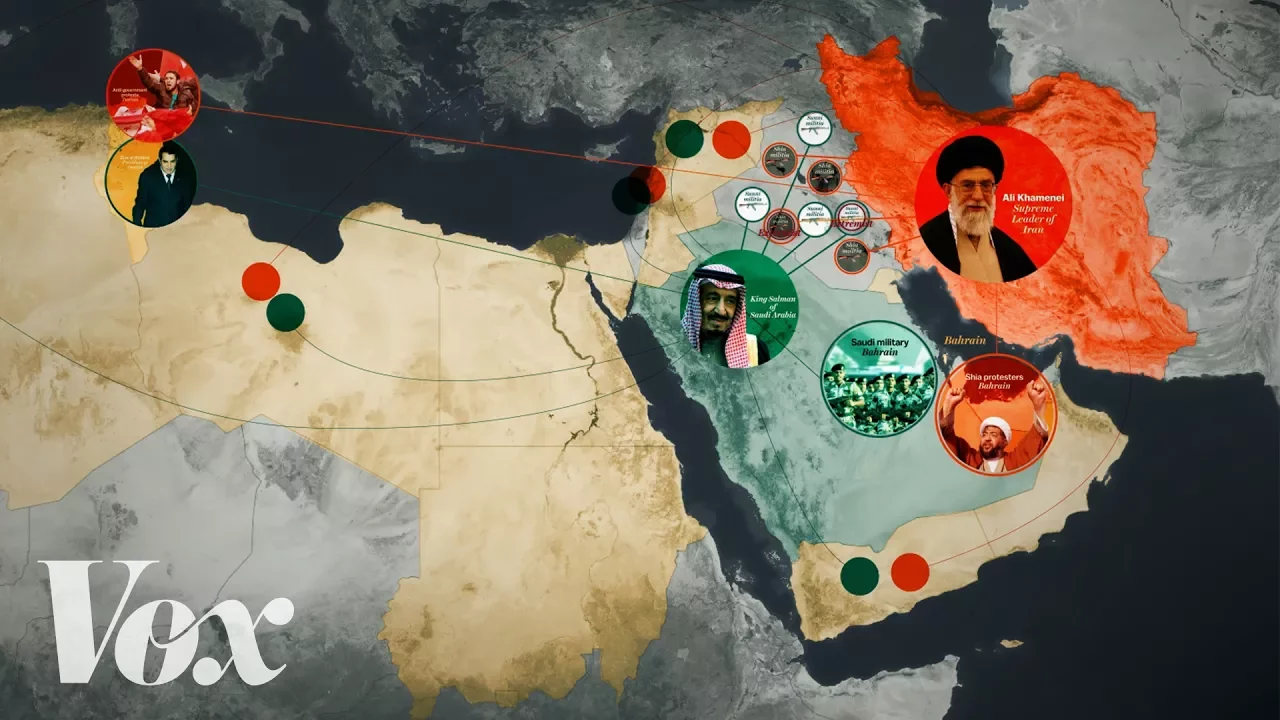
Explaining the Saudi-Iranian Proxy Conflict in the Middle East
@Vox
18.2M views•2017-07-17
Related Study Plans & Knowledge Roadmaps
Structured learning paths in Political Science