

















African-American English (also known as Ebonics or African-American Vernacular English) is grammatically more complex than standard academic English, particularly in its sophisticated treatment of tense, aspect, and mood through constructions like habitual be and various modal verbs, which encode nuanced temporal and aspectual distinctions that standard English lacks.
Why Black English Is More Grammatically Complex Than Standard English
Added:Understanding the difference between prescriptive grammar (rules about how people 'should' speak) and descriptive grammar (scientific observation of how people 'do' speak).
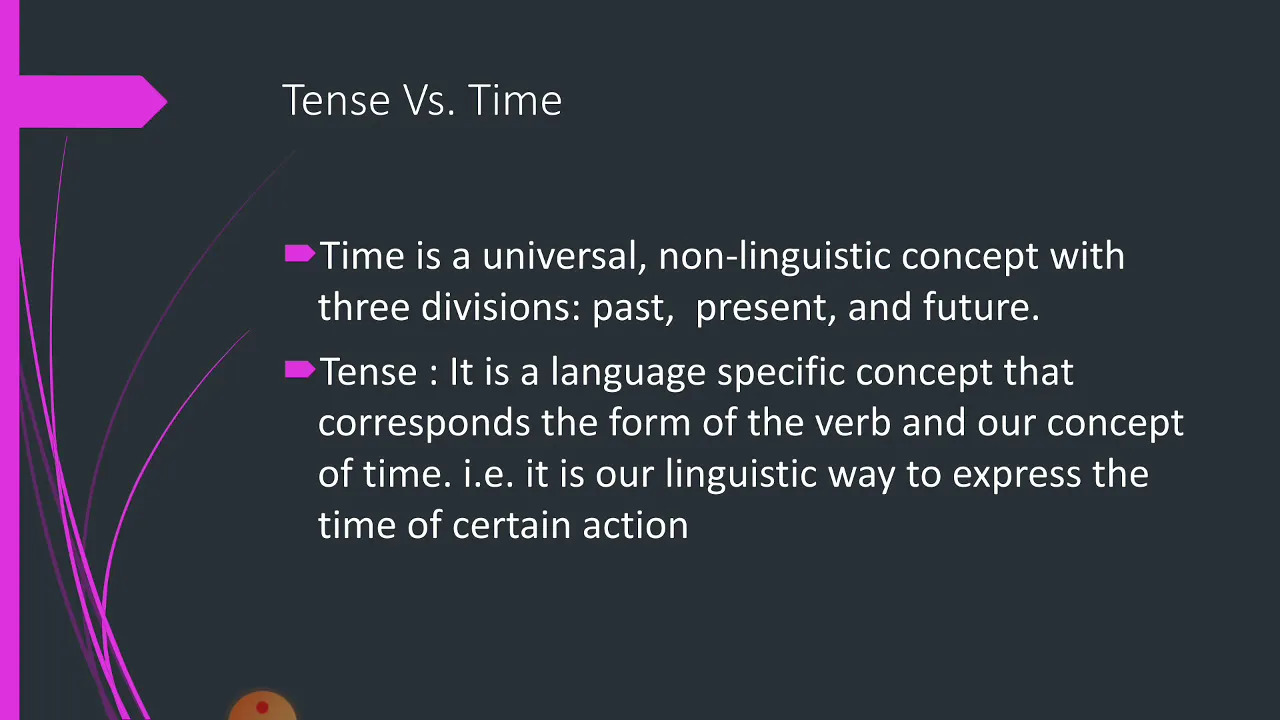
Basic knowledge of the linguistic concepts of 'Tense' (when an action happens), 'Aspect' (how an action flows through time, such as habitual or completed), and 'Mood' (the speaker's attitude toward the event).
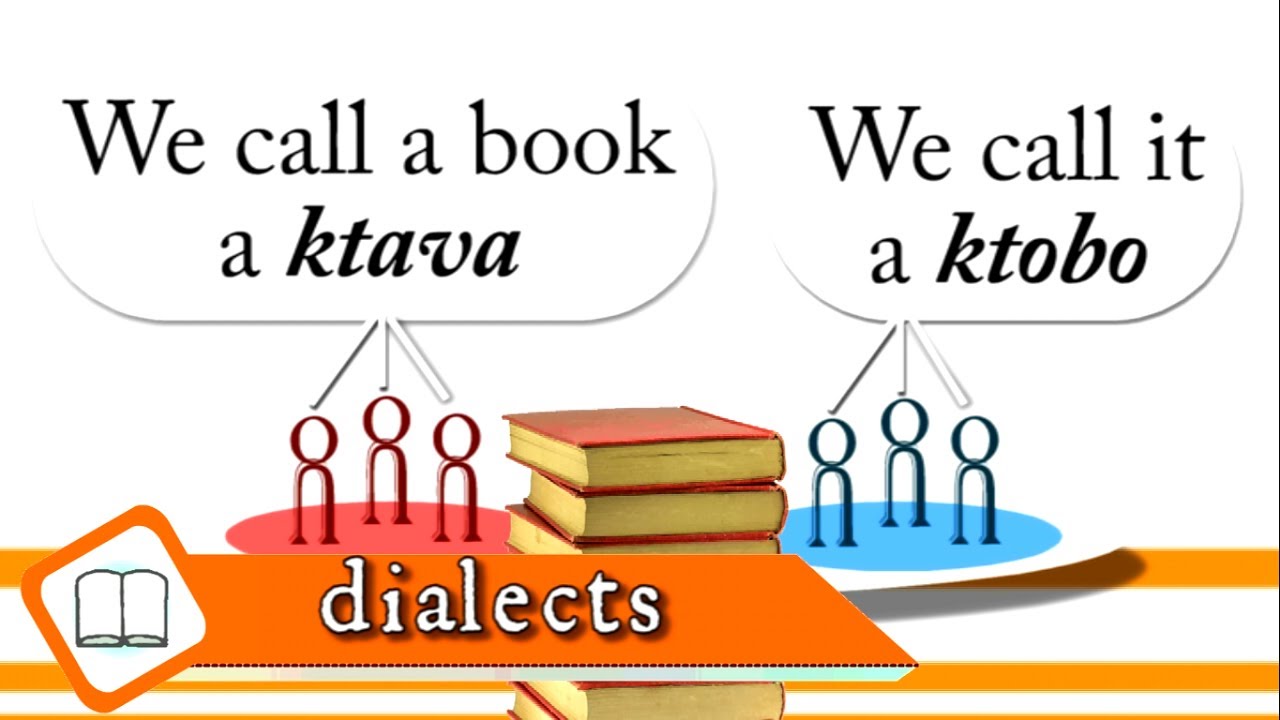
The linguistic definition of a dialect: a systematic, rule-governed variety of a language spoken by a specific group, rather than a collection of 'mistakes' or 'slang'.
The concept of 'Standard Language Ideology', which privileges one dialect as the 'correct' version of a language due to socio-political power rather than linguistic superiority.
Advanced analysis of specific African-American Vernacular English (AAVE) grammatical features, such as the habitual 'be', remote past 'been', and copula absence.
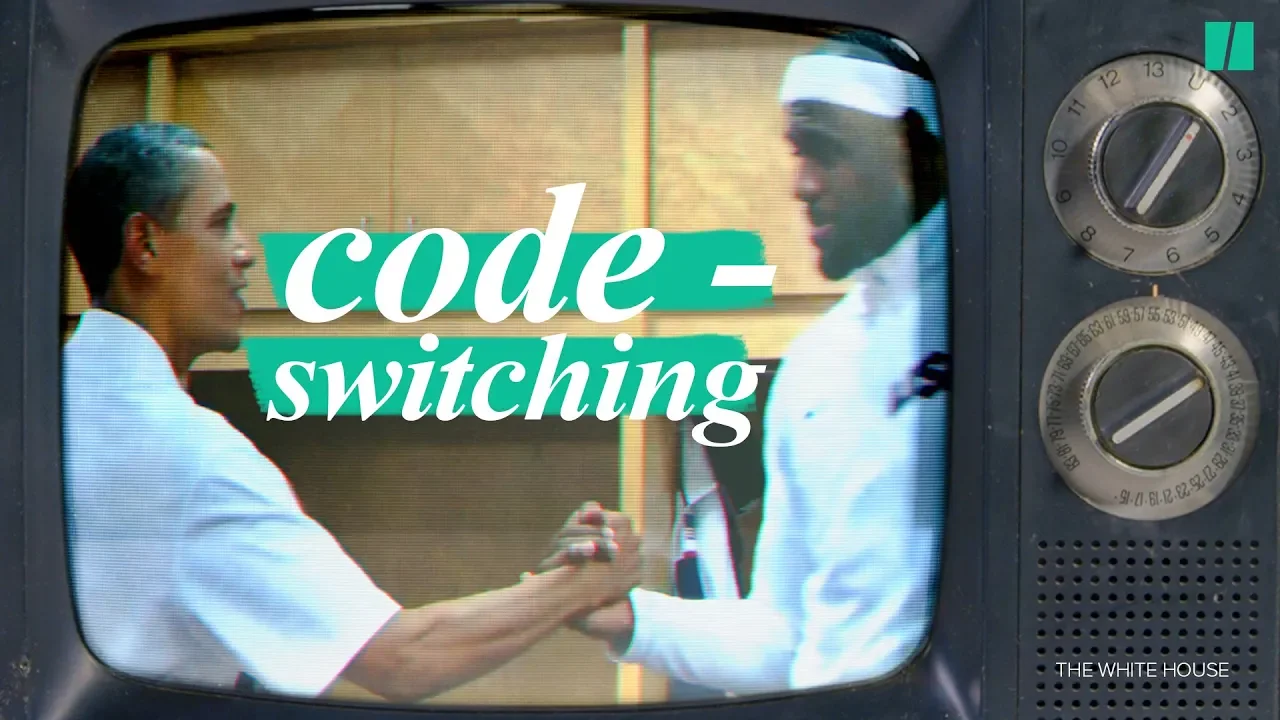
The study of code-switching and style-shifting: how speakers dynamically navigate between different dialects or languages depending on social and professional contexts.
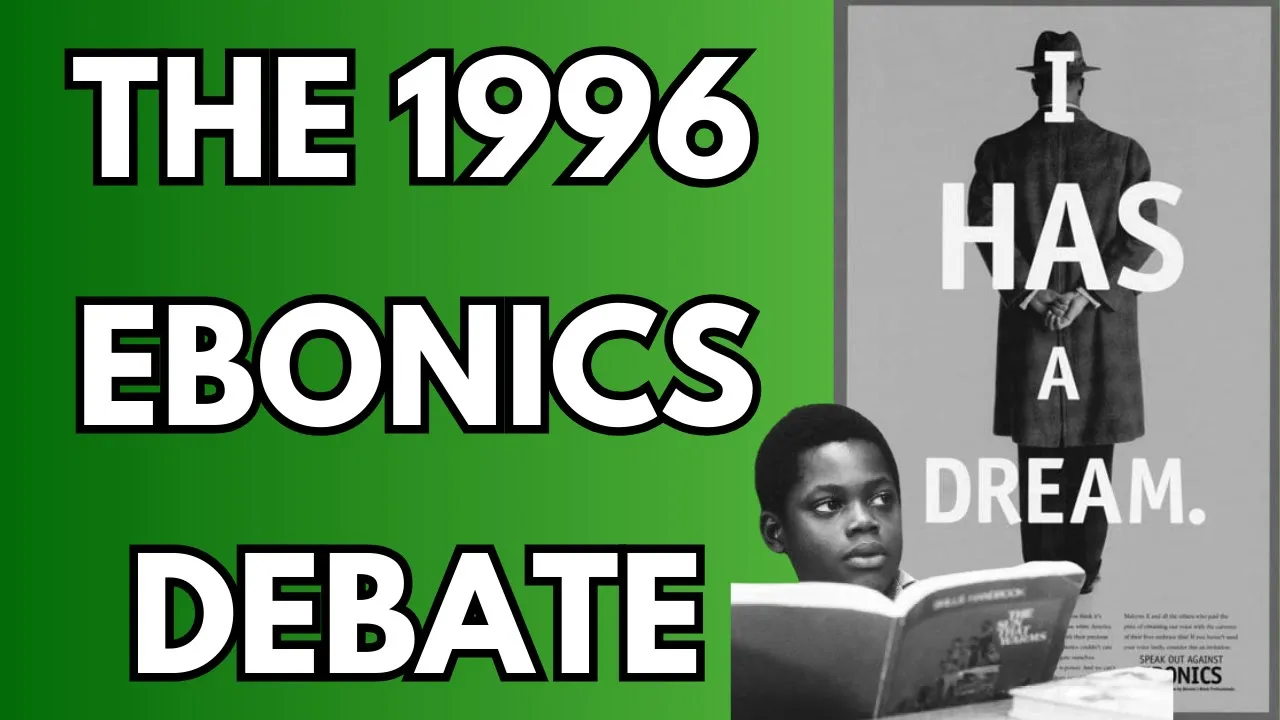
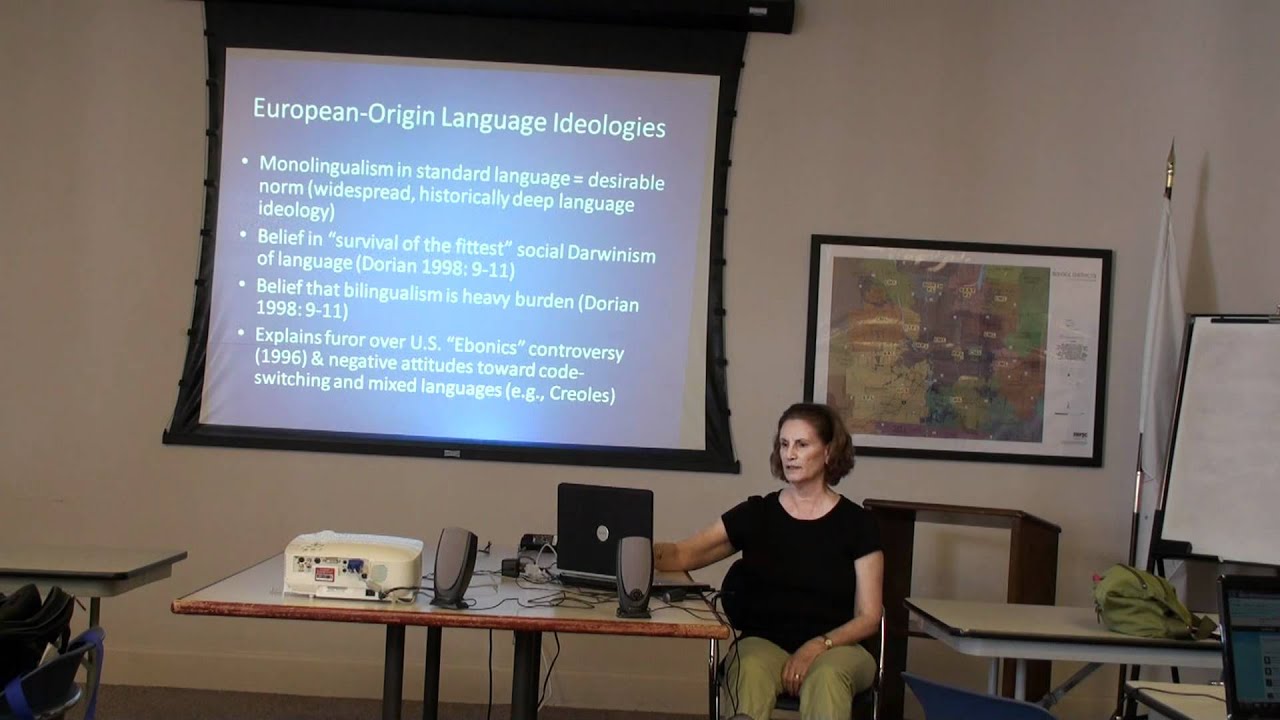
Exploring the history and socio-political implications of the Oakland Ebonics controversy of 1996 and its impact on educational policy and linguistic justice.
Investigating linguistic discrimination (accent/dialect bias) in real-world systems, such as housing, employment, and the legal system.
Examining the historical origin theories of AAVE, specifically the debate between the Creolist hypothesis (origins in West African-English creoles) and the Dialectologist hypothesis (origins in British regional dialects).
1.1M views62.9Klikes13:05Original Release: 2024-07-03
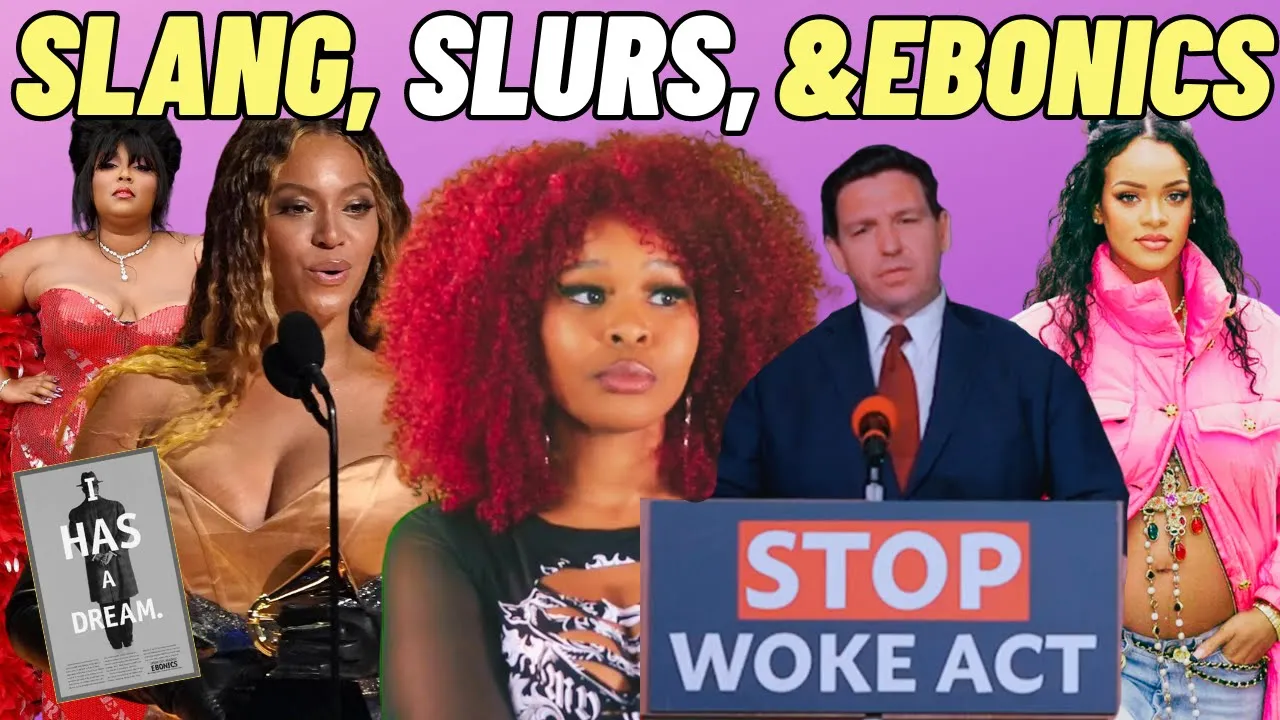
here's a really spicy claim black English the language variety indigenous to the United States developed by black people who are the descendants of forly enslaved Africans that's more complex and more sophisticated than the academic English that we all learned in the classroom stick with me on this one I recently gave a keynote speech at the American Association of electronic reporters and transcribers where I talked about accents and non-standard dialects and all the challenges that those pose for transcription and especially for transcriptionists who want to be better than Ai and I made that claim and it seemed to surprise people and I get it I get it you're probably still on weight is he talking about ebonics and sort of I'll explain that too but whatever you call it a lot of people have The Stereotype that it's lazy that it's bad English and that it flouts or completely disregards the entire concept of grammar and that's wrong that could not be further from the truth which is a whole lot weirder than you probably know so stick around and I'll explain why exactly I say black English African-American language ebonics is more grammatically complex than you might think and more sophisticated than it's given credit for I'm Dr Taylor Jones and I'm going to blow your mind uh I'm Dr Taylor Jones and this is language [Music] Jones I promise you this is not a gimmick what you probably know as ebonics and what linguists call African-American English or African-American language or sometimes black English the black black ones anyway is way more grammatically complex and subtle and nuanced and yes sophisticated than people think but that's not the reputation it has so first why the reputation and then I'll tell you all about the more complex grammar which is really cool before I continue I just want to add that I'm working on a book right now about how black English has shaped all of American English but its impact is in many ways invisible or even actively erased if you're interested in that book and you should be please leave me a comment saying so maybe even ask me what you wish you knew about it that way Publishers and agents can see how much interest there actually is and I'm more likely to get it to Market first things first teeny tiny history lesson America has a complicated history with race that's an understatement anybody watching this probably knows that what is now the US had hundreds of years of chatt slavery in which Africans and later their descendants were enslaved in the American South and yes other groups were enslaved and have been throughout history but in the US the Irish ran away and then claimed they weren't Irish and nobody could tell and the indigenous people ran away and then got really good at staying away because they already knew the terrain better they were here first slavers very quickly settled on bringing Africans who if they even survived the trip were in a foreign land stood out wherever they went and were thrown in with people who didn't speak the same languages and that's kind of an important part here you have lots of people who are native speakers of Bantu languages but who are forced to communicate using either the plantation Creo or some some form of English now is not the time to go into all the detail about the linguistic arguments about the Genesis of African-American English and in fact we can never really know because we have insufficient and wildly unreliable records it's a hugely contentious issue in linguistics and that unreliability of Records is kind of the point the US has a mainstream culture that stereotypes black people as lazy and unintelligent and it comes in large part out of our history of slavery and Jim Crow unintelligent is a justification for forcing people to do ual labor they don't want to do and lazy is one way of looking at their resisting literal slavery you go pick tobacco in Maryland in June and get back to me about how enthusiastic you are about doing that all day every day until after the Civil War black Americans were denied even basic education albeit with some exceptions and it wasn't until the middle of the 20th century that they were guaranteed equal and not separate access to education at least on paper but also we tend to overstate the importance of formal education and academic Norms around the right way to speak any language you could name including the fancy educated ones like Latin were developed by illiterate people literally since language change is driven by kids so over the last 400 years black Americans have developed a distinct language variety not all black Americans obviously and in fact more than one variety gulla and black English are not the same ionic actually historically referred to all the different language varieties that came out of the new world contact between West African languages and European Colonial languages so technically Brazilian Portuguese hatian Creo and gulla are all ebonics too but the point is that it is its own distinct language variety maybe a dialect of English maybe a dealed Creo as I've said in other videos it has rules this means that it's not just breaking the rules of classroom English it's a language variety with highly regular highly systematic rules the rules are just different from classroom English and that's where we get to my claim that it's more complicated and sophisticated I'm not saying the dudes on the corner outside in Harlem where I live hang out and smoking are necessarily more sophisticated by our cultural standards than the ivy league professors teaching down the street of Columbia in their tweet or whatever but I am absolutely saying that their language use is grammatically more sophisticated than the English being taught to those IV League Legacy students in their first year writing classes so hear me out a lot of you like my channel for language learning and Linguistics content about other languages many know that I'm big on thinking about how languages treat tense as aspect and mood if you haven't watched my videos about these all you really need to know is that we abuse the word tense in English to refer to all three to grossly oversimplify tense actually refers to whether some shape of the verb indicates when something happens aspect indicates whether it's thought of as ongoing or completed and mood refers to something that indicates in some way how the speaker feels about what they're talking about some languages have only tense or only aspect so for instance Mandarin Chinese has aspect but not tense Biblical Hebrew had aspect and not tense modern Hebrew has tense and aspect is a bit iffy in English we have modal verbs like you should do this or you must do that but other languages can modify modify basically anything so you have things like the subjunctive that indicates doubt about the proposition it also does other stuff that's more structural because languages are messy so the point here is when I say black English is more complicated and sophisticated what I mean is that the grammatical system of tense aspect and mood in black English makes more and more nuanced distin where it gets confusing is that it does so with basically the same words just used differently Dr Arthur Spears calls these camouflage constructions so let me give some examples the most famous in linguistics is what is sometimes called habitual be I actually don't really like the name and prefer the less used invariant B because it has more functions than marking habituality but that is a main one so if I say it be that way that doesn't mean the same thing as it is that way when you add the words sometimes both end up meaning the same thing but it be that way on its own has built in that it is that way sometimes and not necessarily right now these can lead to miscommunications where people who don't speak black English think that they understand what's being said but they're missing some of the nuance and instead of recognizing that they usually think that the black English speaker is just using bad grammar so if I say I'm going to call him at work and my friend says nah he don't be at work I might understand the social communicative function of that speech act and choose not to call him but I might miss the Nuance he isn't usually at work so it's probably not a good bet but my friend is not asserting that they know he isn't at work right now in fact it could be the case that he don't usually be at work but in an unforeseen turn of events he there right now did you notice by the way that you can optionally delete the present indicative form of to be just like in Hebrew Russian Arabic Mandarin and a ton of other languages habitual be isn't just about the habits but can also be about generic States Dr Lisa green calls the trick your abstract form bicycle sentences after an example from a famous interview with the speaker said something along the lines of some of them be big and some of them be small this doesn't mean that each bicycle is usually big but sometimes small like the Magic School Bus and invariant B is just the tip of the iceberg there's stressed Bend which indicates remote perfect you know how saying I have been in English means it started in the past and it's relevant to the present especially in like British English remote been usually indicates completion in the distant past and relevance to the present so if I say I've been told you that it doesn't mean I've been telling you that it means I told you that a long time ago dummy linguist did an informal study of white school teachers in Harlem in the 197s and asked teachers if your student says they been did their homework is it completed or are they still working on it and the majority of the teachers got it wrong using the dialect kids speak at home to teach them literacy and then using the ability to read and write to teach them academic English was actually the proposal that kicked off the Oakland ebonics controversy black English also has many more modal verbs in classroom English although many of you might be familiar with them from social media or from them slowly being adopted into the mainstream there's the future modal finna originally from the very Southern fixing oneself to do something in the South everybody uses it in the north it was historically only speakers of black English though that's changing there tryina which does not mean trying to I'm going to say that again Trina does not mean trying to it's a future model that indicates intent not attempt that's how you can get a question like when are you trying to leave the same is the case for B and there's further reduction of gunana to G and on and uh and all these have different gradations of meaning when it comes to time and not only does black English have more grammatical distinctions in terms of time and aspect but you can combine them so you could have been gone there and you been could have gone there have different implications leave me a comment by the way if you think you can explain the difference so what you have is a very robust grammatical system but one that's built in part by using slightly different versions of the same words to do very different things this has a few repercussions first first because the words all sound like Words other English speakers use a lot of people completely fail to recognize they're being used to do something different you'll almost certainly see this in the comments on this video people who don't speak black English will assume they know what is meant and not realize that they're shoehorning a different grammatical construction into one they already feel familiar with second that process combined with stereotypes just kind of erase that black English exists if you think I just talk lazy or have bad grammar then you won't be attuned to the difference in meaning when I say he don't be over there you might think a sentence like he ain't working there today but he'd be working there is contradictory gibberish you might not recognize that Oscar Gamble's famous quote they don't think it be that way but it do is both grammatically correct for that dialect and perfectly clear they don't think it's usually that way but it is usually that way and lastly because the first two points people might get it wrong and not realize it I mentioned this in my video on the word woke and I've also mentioned this in interviews but it's totally possible to get black English wrong and plenty of people do sometimes it's Russian Bots attempting to stoke racial tensions in the US on Twitter sometimes it's comedians using phrases they think sound funny sometimes it's corporate ad exex mashing up everything they think is teenp speak babies on fleek okay but my my be do though and speakers of black English will immediately know that you're faking it just like most of you would notice immediately if I will start mix uping my tenses in regular the English that's what you sound like to Black Americans when you be saying today's weather be Sunshine the thing about language and linguistic ideologies though is that it's never really about the people so if black English had less tense aspect in mood marking people would say it's because those people are intellectually inferior and they can't do all the grammar that we sophisticates do but when it has more even if I can convince you of that it's easy for people to keep the disparagement but flip the reason those people are intellectually inferior and so their language doesn't have the elegant Simplicity of ours to quote a famous speaker of black English who you probably don't think of that way you can't [Music] win out you can't win you can't break even and you can't get out of the game there's a lot more that I could say about this so much more that it could fill a book so if you're interested in that book definitely drop a comment I've already written chapters about the history of black English Regional dialects and homegrown flavor how racism and the culture War have shaped the academic study of it in weird ways and an entire chapter on just all the memes so if you want to hear about the time of middle-aged white guy blurted out by Felicia to a black linguist friend of mine and what happened next you're going to want to get a copy of this book if you like what I'm doing with the channel you can support me on patreon at www.patreon.com language Jones or right here on YouTube with super thanks and Super Chat I've got upcoming videos on Dual lingo disinformation disrespectful slurs and that's just the D's if you like this video YouTube thinks that you'll like this one and they know about these things until next time
Up Next
29:13
Lexicography and Language: A Guide to Dictionary Making
@LegalTalkNetwork-channel
109 views•2017-07-19
36:52
Constraint Interaction in Optimality Theory: Epenthesis & Deletion
@Vidyamitra
180 views•2018-08-20
14:53
Ergativity Explained: How 25% of Languages Challenge Grammar
@languagejones
42.3K views•2026-03-09

21:32
Accent Expert Explains U.S. Regional Dialects | Part 1
@WIRED
9.3M views•2021-01-21
Related Study Plans & Knowledge Roadmaps
Structured learning paths in Linguistics
linguistics
Optimality Theory: Tableaux & Constraints
01Phonological Basics: Sounds, Syllables & Rules
02Foundations of Optimality Theory: GEN, CON, and EVAL
03The Constraint Inventory: Markedness vs. Faithfulness
+ 2 more learning modules
15h5 modules
Explore Roadmap
linguistics
Morphosyntactic Alignment: S, A & P Systems
01Foundations of Syntax: Transitivity and Arguments
02The Linguistic Variables: Mapping S, A, and P
03Nominative-Accusative Alignment
+ 3 more learning modules
12h6 modules
Explore Roadmap
linguistics
Analyzing Sign Language: Phonology & Syntax
01Foundations of Sign Language Linguistics
02Phonology: The Five Parameters of a Sign
03Morphology: Word Formation and Classifiers
+ 2 more learning modules
14h5 modules
Explore Roadmap
linguistics
Pragmatics: Speech Acts, Grice & Politeness
01Introduction to Pragmatics: Meaning in Context
02Grice’s Cooperative Principle & Implicature
03Speech Act Theory
+ 2 more learning modules
14h5 modules
Explore Roadmap