









![[Metaethics and Ethical Theories] Introduction to (Meta-)Ethics](https://i.ytimg.com/vi_webp/hUJrYqAUAU8/maxresdefault.webp)
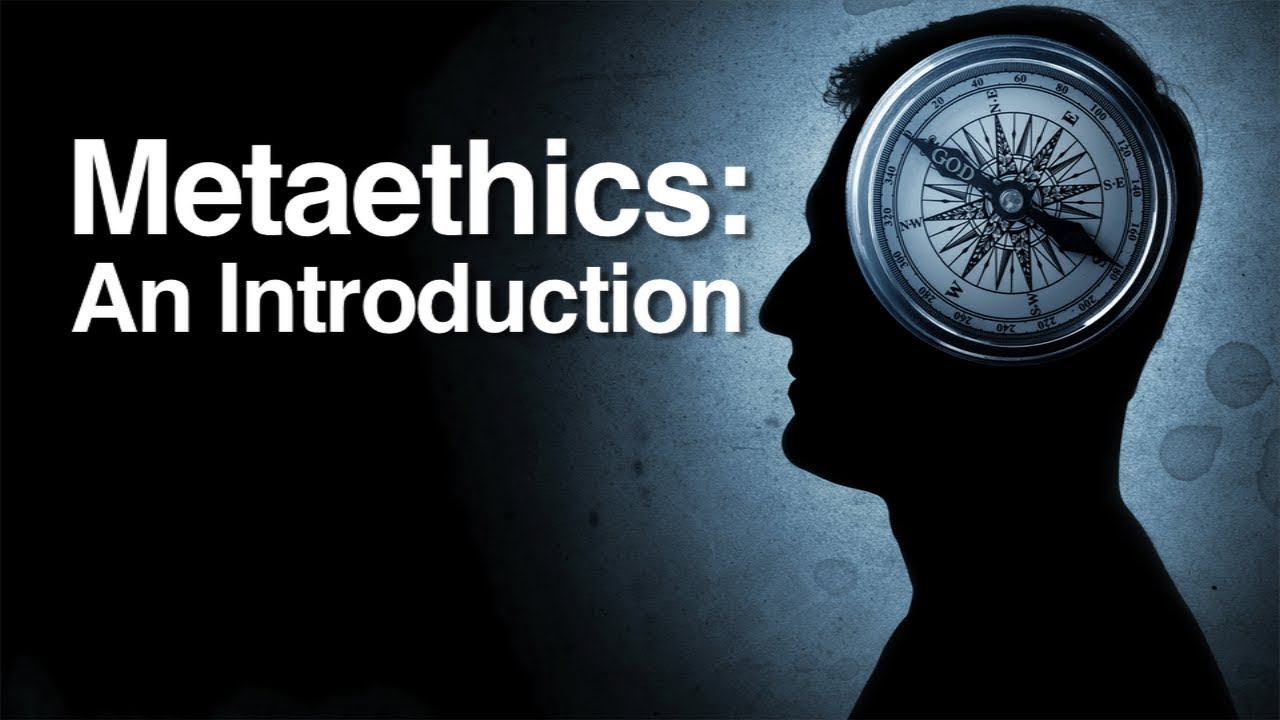







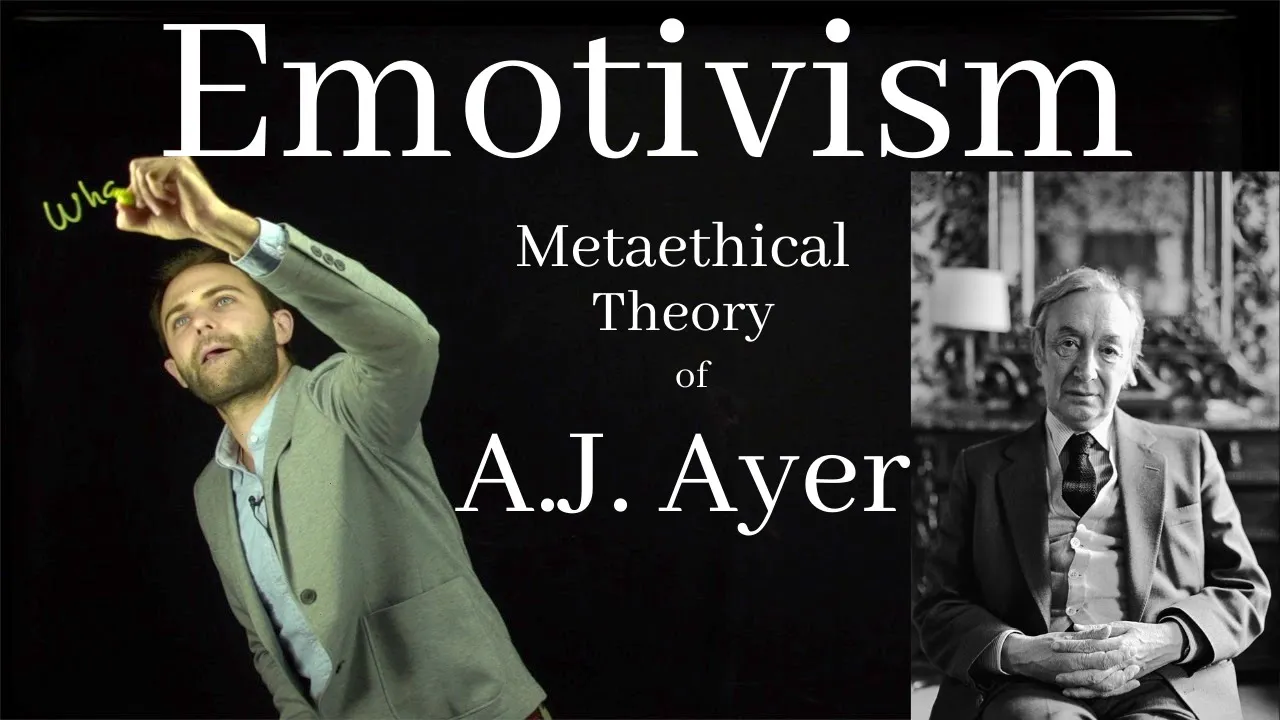




Meta-ethics is the branch of moral philosophy that examines the most fundamental questions about the nature of morality, specifically whether moral language is meaningful (cognitivism) or meaningless (non-cognitivism); cognitivists believe moral statements are propositions that can be true or false, while non-cognitivists argue moral statements are not truth-apt and cannot be evaluated as true or false.
Meta-Ethics Explained for A Level Philosophy Students
Added:The basic distinction between normative ethics (which asks what is right/wrong) and meta-ethics (which asks what 'right' and 'wrong' actually mean).
Fundamental philosophical terminology, particularly the distinction between objective (mind-independent) and subjective (mind-dependent) concepts.
The concept of a 'proposition' in philosophy, including what it means for a statement to have a truth-value (to be capable of being true or false).
An in-depth study of specific cognitivist theories, including Ethical Naturalism, Intuitionism (Non-Naturalism), and J.L. Mackie's Error Theory.
An in-depth study of specific non-cognitivist theories, such as Emotivism (A.J. Ayer's 'Boo/Hurrah' theory) and Richard Hare's Prescriptivism.
Analyses of key challenges in moral language, such as David Hume's Is-Ought Gap and G.E. Moore's Open Question Argument.
The exploration of moral motivation debates, specifically the relationship between making a moral judgment and being motivated to act on it (Internalism vs. Externalism).
40.3K views544likes5:59Original Release: 2022-02-26
on the one hand socrates argued that morality really exists and that we can judge human actions against an unchanging and objective standard but then we have thrashy marcus who disagreed and he argued that morality is just a human creation it's made up who is right socrates or thrashimakis is morality real or made up is morality about fact or opinion objective or subjective these are the sorts of questions asked in metaethics this is a video tutorial introducing metaethics for a level students what we have just seen is one of the earliest recorded discussions on metaethics that can be found in plato's republic this is the kind of contextual information you can use in assessments when you unpack what meta ethics is as is often the case we can trace it back to the ancient greeks so what is metaethics and what are the two main positions in this area of philosophy metaethics is one of the three main branches of moral philosophy we have applied ethics normative ethics and then meta ethics meta means beyond or behind so what is the study of what is behind ethics well it's the deepest level questions we can ask about morality meta ethics is about the nature of ethical language itself these three branches layer on top of each other in fact whenever someone makes a moral claim about a specific issue in applied ethics they're also taking whether they know it or not a position in normative and met metaethics this is what makes metaethics so interesting as it's the deepest level it examines the most fundamental assumptions we have about the nature of morality everything else is built on top of it as we will see we can map all norms of ethical theories so utilitarianism natural moral law canteen ethics somewhere in metaethics in fact we're going to explore this whole unit in the form of a map it makes it more visual and it helps us remember what would otherwise be a lot of different ideas and positions you'll want to be able to draw this from memory but don't worry not yet first just have luke is there any terms that you recognize hopefully you notice some of the normative ethical theories that you may be studied already now these represent the main positions in meta ethics that you should know some might not be necessary for you depending which specification you do so check yourself but just because something isn't on your spec doesn't mean you can't mention it to show off knowledge but they shouldn't form the main part of your answer in the exam most important information for most specifications are these areas so let's start by unpacking the two main sides in metaethics which are cogtivism and non-contivism these are terms students tend to get muddled with but we really want to know these as some exam questions can ask you to evaluate which side is more successful i'll give you two ways to remember them and you choose the way that works best for you the simple way of remembering is that cognitivism is a belief that moral language is meaningful non-cognitivism is the belief that moral language is meaningless if this is all you can remember then that's what you want to state in your exam answers in fact if an exam question were to ask you to evaluate the view that moral language is meaningless they're asking you to evaluate non-cognitivism so this is a good and straightforward way to understand these terms however a more complicated definition one that lets you show off a little bit more involves the word proposition hopefully you've come across this word before remember a proposition is a statement that makes a claim about something that can be true or false okay so how does this link to our new terms well cognitivists think moral statements are propositions so they can be true or false non-cognitivists think moral statements are not propositions so cannot be true or false where students get confused is that non-cognitivism is not the same as saying moral statements are false they're saying moral statements aren't meaningless not false when we utter a moral statement we do not say something capable of being true or false according to non-cognitivism anyone who thinks moral statements can be true or false is on the same side and that's cognitivism another way of saying this is that cognitivists think moral statements are truth apt non-cognitivism think moral statements are not truth act cannot be true or false or what we said in our simple definition meaningless non-cognitivism will make more sense when we look at specific examples like emotivism that claims moral language is just an expression of emotion so don't worry too much about the details at this stage but try to lock down this definition let's review our definition cognitivism means moral language is meaningful moral statements are propositions so they can be true or false they're truth apt non-contravism is the position that moral language is meaningless moral statements are not propositions they cannot be true or false they're not truth apt have you understood so far pause and complete before going on to the next video [Music] so [Music] you
Up Next
9:34
Metaethics Explained: Moral Realism, Relativism & Subjectivism
@crashcourse
2.4M views•2016-10-25

164:01
John of Damascus on Holy Images: A Theological Defense
@BannedBooks
139 views•2026-04-25

68:32
Should We Destroy the Machines? Big Tech Surveillance Critique
@TheStoriesWeTell303
167.9K views•2025-11-30
4:57
The Myth of Sisyphus: A Greek Legend of Eternal Punishment
@TEDEd
8.6M views•2018-11-13
Related Study Plans & Knowledge Roadmaps
Structured learning paths in Philosophy
philosophy
Frankfurt School: Critical Theory & Culture
01Foundations of the Frankfurt School and Critical Theory
02Horkheimer & Adorno: The Critique of Instrumental Reason
03The Culture Industry and Mass Deception
+ 2 more learning modules
12h5 modules
Explore Roadmap
philosophy
Philosophy of Language: From Frege to Austin
01The Linguistic Turn: An Introduction to Language in Philosophy
02Gottlob Frege: Sense and Reference
03Early Wittgenstein: The Picture Theory of Meaning
+ 3 more learning modules
15h6 modules
Explore Roadmap
philosophy
Feminist Epistemology: Standpoint & Injustice
01Introduction to Epistemology and Feminist Critiques
02Sandra Harding and Standpoint Theory
03Donna Haraway and Situated Knowledges
+ 2 more learning modules
12h5 modules
Explore Roadmap
philosophy
Environmental Philosophy: Ethics & Deep Ecology
01Foundations of Environmental Ethics & Anthropocentrism
02Biocentric Individualism and Animal Liberation
03Ecocentric Holism and Deep Ecology
+ 1 more learning modules
10h4 modules
Explore Roadmap