![Les solutions basées sur la nature sont-elles bonnes [...] face au changement climatique? - V. DUVAT](https://i.ytimg.com/vi/mYc7XxfARnI/maxresdefault.jpg)















Effective governance of nature-based solutions requires integrating diverse stakeholder perspectives through participatory decision-making processes, combining interdisciplinary expertise from urban planning and landscape design, and implementing politically contextualized frameworks that address access, burden sharing, and corruption resistance while ensuring equitable benefit distribution and long-term sustainability across ecosystems and communities.
Governing Nature-Based Solutions: Global Insights & Action
Added:The fundamental definition and concepts of Nature-based Solutions (NbS), including ecosystem-based adaptation and green infrastructure.
Basic principles of environmental governance, particularly how multi-stakeholder partnerships and international frameworks (e.g., the Paris Agreement) operate.
Introduction to climate and conservation finance, including public-private funding structures and carbon markets.
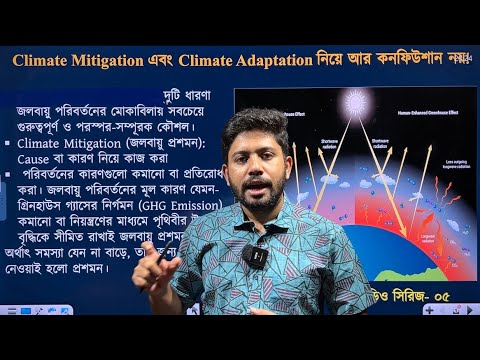
The core distinction between climate change mitigation (reducing greenhouse gases) and climate change adaptation (building resilience to climate impacts).
Strategies for integrating NbS into national-level policy instruments, such as Nationally Determined Contributions (NDCs) and urban planning frameworks.
Advanced environmental finance mechanisms, including blended finance, biodiversity offsets, and Payments for Ecosystem Services (PES).
Methodologies for Monitoring, Reporting, and Verification (MRV) to measure the long-term ecological and socio-economic impacts of NbS.
The role of environmental justice, indigenous rights, and community-led governance in the equitable deployment of nature-based solutions.
305 views7likes1:39:47Original Release: 2020-07-21
welcome back everyone welcome to the final poster sessions of nature-based solutions digital dialogues 2020. the topic for this section reflects the content of our two panel sessions today with a particular focus on governing nature-based solutions and so it is great pleasure that i introduce and then hand over to alex rosson alex has been conducting and applying social and ecological research over the past seven years in conservation science and nature-based solutions he manages and collaborates the delivery of research and knowledge exchange outputs for the nature-based solutions initiative he is particularly interested in interdisciplinary research at the nexus of biodiversity development and climate change issues and is currently focusing on capacity strengthening to bridge research policy and practice gaps over to you alex thank you natalie um it's wonderful to be here i will just start sharing my screen and there we go all right so i am very delighted to welcome you all to our final poster session of these digital dialogues the previous session highlighted the importance of innovative and effective governance across skills and we will continue on this theme with a wonderful lineup of five posters from around the world focusing on the governance of nature-based solutions the posters in the session cut across skills from local decision making and implementation processes for nature-based solutions in rivers cities to the national and international policy landscapes including the role of nature-based solutions in national climate adaptation planning and progress towards the sustainable development goals um the poster session will be slightly shorter than the previous poster sessions so each will have five minutes we'll have a chance to answer question or two and hopefully there will be more time at the end to discuss some of the issues so do submit your questions live via the q a and for you tweeters please use the hashtag indicated on the screen you can also download the posters on the website that you see and so without further ado i would like to introduce our first presenter of the day mario university in germany mario the floor is yours thank you yeah thanks alex and hello everybody um yeah i'm very pleased and to present you some insights um from our participatory multi-criteria analysis um which we applied for a river restoration case study in germany and our aim was to explore how a group of government representatives and judge and discuss the suitability of different river restoration options as nature-based solutions and yeah the concept of nature-based solution is understood here as the outcome of a collective decision-making process so usually a group of actors chooses an action which should meet the common criteria of nature-based solutions first an action must address a well-defined problem of social relevance second it must contribute to ecosystem processes and biodiversity and third it must be implementable we assume and that these criteria are perceived and judged differently by each actor and depending on their knowledge beliefs values and um yeah consequently each actor might and prefer different actions as nature-based solutions and agreeing in one actions as naturally solutions can be quite difficult and as well as um depends on how the process of decision making is structured um yeah now our research interest was um to learn more about the preferences of government representatives um for nature-based solutions and that address a concrete problem they actually deal with so we therefore applied the um participatory multi-criteria analysis with an existing group of representatives who work for different water authorities but have the common goal to enhance the land river in germany ecologically and the problem they faced was to find a river restoration option for a wire which best satisfies different stakeholder interests first we wanted to know which river restoration option each representatives believe is most suitable as nature-based solution so we focused first only on the beliefs on the representatives and which we define what a person holds to be true or what is certain or not and secondly we wanted to know how the preferences of each representative change when personal values are also taken into the account and by values we mean what a person's hopes to be important um yeah with the aid of the participatory multi-criteria analysis these representatives initially had to judge the performances of four alternatives based on nine criteria the alternatives were doing nothing um a0 implementing small ecological methods and that's an a1 creating a near natural bypass channel a2 and restoring a cut of meander a3 and the criteria we used include six stakeholder objectives such as flood protection sports and leisure voting and biodiversity as well as free implementation constraints and such as implementation costs and acceptance so the initial task the subjective judgment of the criteria performance for each alternative gave us um some indications of the beliefs additionally the representatives had to rate these nine criteria so which criteria do they find more or less important and this gave us information about their personal values um yeah what we found out so far is that they're doing nothing alternative and also the small ecological measures so a0 and i1 are more preferred when we ignore the personal values of the representatives so if we excluded them from the analysis this is illustrated here on the left diagram on the left hand side but when we consider the personal values then in tendency alternative a2 and a3 so larger restorations are more likely to be to be preferred and on the right hand side diagram and we excluded beliefs from from the analysis in which the representatives were unsure about the performances of the alternative so in those cases and decisions are in favor of higher degrees of restoration interventions to sum up we observed that in particular the beliefs were a very critical factor in the decision-making process on nature-based solutions and the representatives believed either that a larger restoration had more negative performances on certain criteria for example on boating or agriculture and in terms of the feasibility or they have hardly knowledge about the multiple performance of restoration interventions yes i hope you could follow my presentation and yeah i'm looking forward to your questions thank you very much thank you very much mario very briefly um a couple of related questions in relation to the application of those findings can you very briefly talk about the conclusions you draw from this study and the relevance for policy practice um and governance but perhaps focus on on on one of these uh such as the how to include personal values into decision making in practice thank you yes sure um yeah i think um if we want to implement large scale nature-based solutions um decisions on suitable accents should not not rest solely on individual beliefs of government representatives and because decision making on nature-based solutions will often involve conflicting beliefs and values on suitable actions and there will often be a lack of information and regarding how suitable actions affect and contribute to national people so what is important is how the administrative decision making process can involve different stakeholders with the with their beliefs and values integrate reliable information from science and also local knowledge and i think the most important thing is to enable social learning between the actors so especially when reliable information is not available thank you mario that's fantastic um i would now like to move on and introduced uh the next presenter uh saree mousavi from the universite library in belgium sorry the floor is yours thank you thank you alex um today i'm going to talk about the synergies of interdisciplinary urban planning and landscape design and creating nature-based cities and this research has been conducted with my colleague dr judy bush from the department of urban planning and at the university of melbourne so why these two particular disciplines first of all we all know that the built environment is responsible for significant environmental impacts cities are a major source of greenhouse gas emissions and at the same time they are places where most of the global population reside with experiencing a higher impact of climate change urban planners and landscape architects are two key players among other built environment professionals obviously in shaping and designing our cities and defining the spaces that can be allocated to nature and in our city so if you want to move towards nature-based cities and these two are important actors in in that process there are a number of obviously challenges when we talk about planning and designing natural cities in the 21st century some of them include for example balancing conflicting needs in the built environment and the needs of those that are less vocal or less are visible and this can be seen as biodiversity so non-human species but it can also be seen as less vocal human or citizens that often don't get the voice to kind of contribute to decision-making processes other challenges that we have been talking a lot about in the last three days are responding to uh climate change and the uncertainties embedded in these impacts so how to count basically for uncertainties when we are putting in place things that are include natural systems and living systems so we were interested to actually look into complementary roles or contributions of these two disciplines in operationalizing nature-based solutions for climate change adaptation just on a side note this research also came out of running an interdisciplinary studio subject in at the university of melbourne melbourne school of design between urban planning students and landscape architecture students and co-teaching with duty we have reflected on some of our observations looking at how these disciplines actually interacted by uh using a lens to uh um you know solving a complex environmental issue through the length of the nature based solution so a design and the role that designers can play they obviously bring creativity to materialization of nature-based solutions they are trained to design with nature and they carry ecological literacy often the know-how of how ecosystems function and change over time but also they bring a focus to ecological aesthetics and appreciation for ecological aesthetics and processes in our cities they actually also focus on synergies between nature and culture by a focus on recreational aspects of nps but they lack a regulatory status and lacks like mechanisms to impact or influence policy and politics but they also don't have a major drive for a public participation because it's very designer center process on the other hand urban planners bring functional focus to manuals they address trade-off and competition they often go through participatory approaches and provide regulatory status to decisions however they lack connections and expertise with ecology and natural dynamics and often there is a tendency toward path dependency and reinforcing the fact that there is a potential lack of its institutional innovation so we can already see that there are some complementary contributions that these two what if working together an interdisciplinary manner can actually bring to um integrate for example creativity with regulatory status or develop innovative approaches to engage temporality and change an interesting example of this is for example the development of the green factor tool that the city of melbourne has just recently launched where landscape architects and urban planners in collaboration with obviously ecologists and engineers and other um professionals uh came out i came up with this decision-making tool to kind of maximize the amount of vegetation and new development projects and kind of make it a mainstream and regulatory and processes we have identified performative thinking as a bridge that can be integrated in integrating these two disciplines together defined as processes or approaches that focus on the performance of nature-based solutions and how they function and change as opposed to how they look like so performative thinking has come out mostly from the design literature and it focuses on for example using uh performative testing through project prototyping or institute modeling institute monitoring and then adaptive management of systems that we put in place so basically what it does it provides a mechanism for data driven and evidence-based planning and design it enables adaptive management at a greater engagement with uncertainty and temporality a great example is the climate proofing social how to project for example in london where designers and engineers actually flooded an in implemented rain garden to test weather and how it's going to perform if there's going to be a plot a 1 to 100 year flood so so they simulated that event and tested the performance of their own design which is an interesting way of uh kind of using a safe to fail experimentation for a performative testing and also if we use for example digital models or scenario modeling that also increases the chance of higher and more effective visualization and effective participation with the with the public so how would it look like in practice we suggest that design-based planning can be a very important approach um bringing designers from the get-go and planning and policy creation and also co-create and co-design approaches with the use of strategies such as scenario modeling can also help thank you thank you saree thank you very much that was fantastic just very quickly in relation to um to decision making tool um given your experience uh we would you know i i me and along with with uh one of the participants one of the attendees would like to to to get you to elaborate a little bit of how you see uh improvement for these decision making tools that use performative thinking are there any areas in which they can be improved thank you so i would say that this is a kind of a very new and recent concept performative testing and performative design thinking but um some of the things that we that designers for example are using are tools that often engineers use to say kind of test their ideas or test their their design through different scenarios of climate impact or climate projection and then use that to kind of like um use it as a feedback loop to then adapt their design process or adapt their thinking and by learning what came out of that um whether it was failure of the of the of a system or whether it was a kind of like a direction for improvement of systems so i would say a lot of tools that for example engineers use can come to play because we are working with scientific data we are working with projections that are being updated every every single day so we really need to keep up with this amount of scientific data to be able to think in that performative way of thinking of these nature-based systems thank you that is fascinating and um now let's move on uh our next presenter is anika tartan from certain excuse me from the international institute for sustainable development in canada anika please thank you ah thank you alex and good afternoon good morning everyone from canada um so i'd like to use my five minute poster presentation to highlight with you some key findings from a review and analysis that we have undertaken or it was undertaken by the nap global network which is a global initiative to support countries adaptation planning processes and it's housed at the international institute for sustainable development so according to the united nations framework convention on climate change there are currently 120 countries that have either initiated or are currently in the development of their national adaptation plan process so for context the nav process is a strategic process that enables countries to identify and address their medium and long-term priorities to adapt to climate change and so given the current momentum and growing interest of nature-based solutions in and their potential to deliver cost-effective adaptation solutions in the form of ecosystem-based adaptation we reviewed the 19 nap documents that have been submitted by countries to the unf triple c by march 2020 to get a better understanding to of the extent to which countries um have been integrating ecosystems and ecosystem-based adaptation measures as a tool and in learn apps and potentially identify opportunities to strengthen the uptake of those um ecosystem-based adaptation measures but also the the quality and here i should really mention that it wasn't our intention to assess the overall quality of map documents obviously they're very um country directed individual or even the eba measures the the the um objective is really to identify gaps trends and and opportunities in countries approaches that they're taking right now and um drawing lessons from that for future adaptation planning and ongoing nap processes in other countries so the table you see here aims to provide reality the visual overview of these results and i will just highlight five key findings from it first almost all nab documents identify ecosystems almost all all nab documents identify ecosystems either as a standalone sector with a couple exceptions that identify ecosystems as cross-sectoral as well so while almost all naps also identify ecosystem services we found that the contributions and the societal benefits those ecosystem services provide to people are very much implied in the document and discussed in very generic terms and then second the effort to assess ecological vulnerabilities has become a standard feature in all maps however they put a large focus on the ongoing and anticipate degradation of ecosystems rather than their role in adaptation options so as an example while most countries include eba measures to reduce the vulnerabilities of ecosystems and people when you actually look at the measures identified in more detail it doesn't necessarily appear that they are intentionally designed to address specific climate risks and deliver adaptation outcomes but they resemble rather business as usual conservation measures and then third we found that efforts to monitor eba are still very limited only a few countries have actually started to identify time-bound evidence-based measures or targets for epa and then fourth which we found very interesting is that the naps that have been submitted by latin american countries showed a much stronger street treatment of ecosystem services some even included the whole framework for eba and they all connected their nap to their national biodiversity strategy we think this is likely due to the um the fact that there are a lot more eba projects in that region for a long time and it shows that these projects are actually instigating policy change at the national level and then last we found that forests freshwater coastal marine areas were ecosystems most commonly identified as vulnerable and also had the most eba measures related to them in comparison mountain regions or eco mountainous ecosystems and deserts were very underrepresented and if they were identified as vulnerable they often were not necessarily vulnerabilities were not necessarily addressed through eba measures so this is really just a snapshot of the analysis i presented i hope you found this insightful and the four results of the review will be made public as part of a larger knowledge product later in october this year and you can also find my contact information on the poster thank you thank you anika that was fantastic so um there are a few few related questions here um you you said at one point that caught my attention but you said a lot of what's in there is reflects businesses usual conservation can you elaborate on why then specifically then that process provides a strategic opportunity um to advance the eba agenda well we we know already for like uh years of experience on on ecosystem-based adaptation that eba is supposed to be part of a strategic adaptation or larger adaptation planning process which i think then creates that framework to really focus on producing adaptation outcomes right from the beginning and then also importantly we always talk about we need to scale up eba or nature-based solutions for adaptation um and the nap process likely provides a framework that can be used in terms of accessing and identifying financial resources specifically but most important it offers the opportunity um of a multi-sectoral approach because part of the lab process is that it's undertaken in a multi-sectoral way and also across levels of governments which really provides an opportunity to integrate eba and ecosystems or nature first solutions across sectors aside from our traditional sectors of water agriculture we're thinking of when we talk about ebay but infrastructure transport urban areas and then of course on the um the national to the local level the involvement of several levels of government that are contributing to that process provides another opportunity to integrate eba into different levels of government uh thank you very briefly just one more question can you elaborate on why only nine countries have um currently have naps um 19 you mean um yes so they are the nap process is ongoing in 120 countries according to um the least developed countries um group from under the unforeseen however only 19 countries actually of today i think it's 20 or 21 have submitted an actual map document to the unf uh triple c um that doesn't mean that there are only 19 nap processes going on but these countries have finalized their their nap and have submitted it um it's it's a rather longer process and some countries are faster than others in um initiating in that process and also initiating financial resources but these are 19 documents but we have 120 countries where the nav process is ongoing and i think this research provides also a good opportunity now to influence these ongoing processes to improve the quality of eba measures and also upscale the integration of ecosystems in map processes thank you anika that's extremely interesting and very promising um i'd like to to move on now to our next presenter um and we have with us allison fairbreast from the university college of london allison the floor is yours um can i i well i can't but uh your poster is visible and i can hear you okay fine oh no now i can see your video yes please oh okay brilliant okay um hello everyone so today i'm going to talk about some work that's coming out of a collaboration between a team including myself at university college london with the un environment program so unep in 2019 published a measuring progress report which was a stock take of the environmental dimension of the sdg indicators and classified 93 of the over 200 scg indicators as being environmental they also looked at data availability and methods supporting them and found them somewhat lacking and i will go into that in more detail for 2021 they are preparing a second iteration of the measuring progress work and which will be looking at um how environmental actions and nature-based solutions in countries seems to be translating into environmental impacts and the work that ucl have been leading have been is forming the analytical backbone of this work so we are taking a data-driven approach to identifying relationships between scg indicators that are related to nature-based solutions and the small number of sdg indicators which track the state of the environment so this is a global analysis we're using the sdg indicator data sets that cover all the un member states and using scientific evidence we're identifying potential relationships between nature-based solutions and the environment and seeing what can be investigated in terms of how these are represented by the indicators in the sdgs we are using correlation analysis to test these relationships between pairs of indicators that relate to nature-based solutions and the state of the environment and then using these results to try and identify those countries that seem to be doing well and are outliers in terms of translating nature-based solutions into improvements in the state of the environment so the graphic in the middle of the poster illustrates the preliminary results that we have produced so we identified almost 70 potential relationships between the sdg indicators the 19 sdg indicators that are related to nature-based solutions and the 11 sdg indicators that track the state of the environment the sdg indicators that are related to nature-based solutions tend to be focused on protection and management of the environment coming back to the data issue this kind of links to collins talk earlier where we are finding that a lot of the environmental sdg indicators are not um supported by agreed methods or systematic data collection by countries so a large proportion of the relationships that we identified as being possible to investigate using the sdg indicator framework were not possible due to these data limitations we were able to investigate 16 pairs of indicators that represent relationships between nature-based solutions and the environment um some not surprising relate significant relationships have come out of this work for example indicator 15.1 15.1.2 on the protection of key freshwater biodiversity areas is positively correlated with 6.6.1 on water ecosystem extent other interesting non-significant relationships such as the indicator on marine protected areas and the indicator on species extinction risk a large number of the sdg indicators are actually aggregates of sub-indicators and one unusual result that's come out of this is opposing relationships between sub-indicators and indicators of the state of environment for example sub-indicator of 15.2.1 which is proportion of forest area within legally established protected areas and another sub-indicator of proportion of forest area with a long-term management plan have opposing relationships with the indicator and endangered species the next stage of this result this work is tying up this more quantitative analysis and moving into a qualitative qualitative policy assessment with experts so using the results of this analysis we are now trying to identify outlier countries that seem to be translating successfully nature-based solutions into impacts on the state of the environment so the graph in the bottom left-hand corner illustrates um that the united kingdom seemed to be an outlier in terms of the number of plants that they have conserved genetic resources for and also is one of the few countries that is reporting a decrease in the extinction risk to their domestic species so it's results like these that we are planning to investigate with experts on the topic and in these countries to try and understand what is the policy landscape that might be acting um as a good environment to translate nature-based solutions into improvements in the environment um so thank you very much i'm very happy to take some questions thank you allison that's fascinating and indeed it links back to um a theme in in the previous session um on measurements and and and qualities not not not just just quantities um so in relation to that i'm really interested but um please only keep this brief but it's i'm interested in the um this this second phase where you deal through a qualitative approach you engage experts in the policy assessment phase you know you learn from countries where this has worked and uh can you just briefly explain that to us a little bit yes of course so the project has already formed an expert drafting group um which were mainly um experts that have been invited through uneps network um i think natalie seddon actually attended our most recent meeting of that expert drafting group um so we'll now start to reach out to that expert drafting group based on their expertise and the results of the analysis uh to find people that are able to really dig into why we're seeing these results in these particular countries um and i'd very much like to encourage anyone um in the call today that feels like this is something that they could add to and would like to be involved um to definitely contact me as we are actively um you know going into this new phase of the project thank you alison that's fantastic um i think yeah hopefully we have a bit more time to to discuss this at the end but i'd like to move on now um to our last presentation and it's a pleasure to welcome a fellow oxford colleague mark herrens from the environmental change institute right here in oxford mark the floor is yours thanks um alex thanks very much for the opportunity to share my poster yeah i wanted to take a bit of a step back and look at the bigger picture really and just reflect a bit on the governance of nature-based climate solutions or natural climate solutions ncs and i'll um i'll start by reflecting on a couple of key threads on discourse knowledge and institutions and then outline some ideas around how we might respond so i think the wider climate discourse is really becoming increasingly carbon-centric and crisis orientated and i think this is somewhat problematic because it narrows the scope of issues that require solving or the problems that require solutions for example sidelines inequality and it also emphasizes an emergency politics over more deliberative and democratic forms of politics with respect to the the knowledge there's really been i think an emphasis on quantifying the global mitigation potential of natural climate solutions and these kind of more modeling based approaches tend to sideline key governance issues such as land rights or the contested values um that we've heard so much about this conference and it's often based on or reinforces quite a partial um form of knowledge as figure one which demonstrates there's a real death of evidence on nature-based solutions over africa and it's important to recognize that these are innocent processes but they're rather embedded in a politics around whose interests count um and who's whose knowledge is considered valid furthermore this leads to a kind of ramping up of ambition that we've seen with respect to the multiple trillion trees campaigns in the bond campaign but um rather than being caused for celebration there's a degree of nervousness around this with the history of well-documented history of kind of green land grabs and colonialism and i think fundamentally a lot of the knowledge at the moment that's being produced obscures rather than clarifies the conflicting interests and trade-offs involved in governing natural climate solutions here among those of the institutions particularly around land rights um yeah we've heard a lot about the importance of land tenure but there isn't really any simple relationship between land tenure and land management decisions and there's no um there's a lot of concern actually that formalization of customary land rights can actually entrench inequalities so fundamentally i think the the context is really about framing natural climate solutions is about navigating conflicts rather than trying to deliver win wins so how might we respond to this context um i think i've kind of tried to create what a an abc framework for this um and i think whatever area of natural climate solutions you're working in these these elements um are key to trying to bring governance issues um front and center what we're doing whether it's in ecological work um economics or policy so a is for access and it's critical that we think um and understand who can access the financial and non-financial benefits from natural climate solutions who can access the decision-making processes on natural climate solutions and it's really important to disaggregate these questions across scales across genders across kind of social groups to mitigate the risk of entrenching further entrenching inequality similarly b burden sharing um it's vital that we understand how the costs associated with delivering natural climate solutions are distributed it's important instrumentally um with return with respect to the effectiveness of these schemes but also ethically with how equity is kind of addressed through these these schemes and again it's really important to disaggregate these across scales um and finally see resisting corruption there was an interesting conversation very first session of this conference on the risk of ncs being corrupted for example by um fossil fuel companies looking just to extend the uh status quo and um i have a kind of working hypothesis that it's that the kind of best strategy for resisting corruption is providing um or working with ncs in a much more politically contextualized way that identifies um real actors how rights um responsibilities are distributed in interests and incentives and how our work feeds into those as well as the kind of distribution of costs benefits and opportunities associated associated with ncs um in a very um concrete and tangible way rather than combat ncs in kind of very abstract terms so yeah that's just a quick summary of um my thoughts i'd be very happy to take questions or interact with with anyone uh in my uh you can my details i think are around art i can post them thanks mark thank you yes well the the poster will also be online and we're happy to um uh please post your questions and we'll do our best to answer them now or if not then after we only have 10 minutes but mark um you know i want to talk about to you specifically i want to talk about this issue of power because it affects all sorts of issues that we've discussed throughout the three days in a fox it affects measurements um it affects you know these decision-making processes that were mentioned at the start of the concert uh the discussion by mario um so you know in bold here on your poster it says we need a politically contextualized approach to ncs3 to avoid co-option and co-option fundamentally is about power so you know can you just elaborate a little bit about do you have any thoughts on how this could take place i mean obviously it's not my expertise so i would really like to hear from you um what your thoughts are and how we can implement a more politically contextualized approach yeah thanks um well i think i guess one of the key audiences for this message would be would be people researchers working on this and so um i think there's a need to really keep pushing on the interdisciplinarity and multidisciplinary um way of approaches to understanding ncs um and yeah so i think in my kind of more provocative moments sometimes i think if you're doing research on ncs and you can't say anything about for example the distribution of access or distribution of burden sharing then um think about whether this is the right stage to really push that research out or whether it's time to try and build a collaboration so that you can actually say something meaningful about this political context and um and so the political implications of your your work um so yeah i think in summary i think interdisciplinary ways there's a lot of work within kind of a number of different disciplines that engage with power political ecology um being one of the um key ones and so i think there's a lot of scope actually for um trying to to build on those kind of collaborations it's you know speaking from experience it's extremely hard work to do but um i think it is a kind of critical piece of the puzzle yeah thank you mark yeah i'm very interested in this and now i think yeah we just have a you know we don't have that much more time um i think we have about six or so minutes left um i want to i want to follow up to this this discussion point on the value of these issues of power uh the need for interdisciplinarity transdisciplinarity through engagement processes with policymakers and practitioners um we've heard this i guess i'll i'll ask everyone um starting with mario we've discussed quite a bit throughout these three days about the need to encompass a diversity of knowledge is it's often said but it perhaps not always appreciated how power issues and power dynamics affects which knowledges are considered even if we have good intentions so mario since you worked on decision making processes at the local scale you had a very close look at how they develop and how people change their opinions based on these discussions can you can you share your thoughts on that and then i'll extend the question to the other participants um yes just to understand your questions you mean um how you how they change their their opinions um when we integrate knowledge you mean yeah how can how can we better be aware of how these power dynamics might influence that process and how how can we ensure that indeed a diversity of views are are considered well i think it's important that um actors which are involved in a decision-making process um and get the chance to reflect their own um opinion and um yeah their own beliefs and values but also um get to know um the beliefs and values of others the opinions of either others um um yeah and um i think science for example i think it's plays a big role there because especially um and about what is true or not um how we use nature or not i think there um science can make a big contribution um [Music] and yeah and to put new facts and new um evidence um and in the discussion and and help them um to reflect um their own um mindset i hope i could answer your question yeah thank you i i guess having these spaces to express these ideas is very important perhaps perhaps i you do you have any thoughts on that front um since you you've talked about these i guess these spaces for co-creation or or or uh corporate production or um in these designs sure um i think one of the major barriers might be the knowledge barriers or expertise that for example can hinder a transit truly trans-disciplinary approach for bringing in communities and taking their voice on board and one of the things that we can actually start thinking about is the capacity buildings through using for example tools that community can can quickly learn how to work with and a good example that comes into my mind is for example a tool that in brussels they are using in the brush oh project which is called map it where communities with no expertise can actually map their hydrological communities by just putting in a couple of data their local knowledge about how their neighborhood is being affected by flooding and just uh you know so it's a very simple tool that is accessible to everyone and then that knowledge can then go to a higher level of conversation with expertise so i feel that capacity building and using tools that can be shared and accessible to everyone to input data from uh from you know broader community it's really important when we think about these you know co-creation and collaboration thank you yes sir that's fantastic and then and you mentioned transdisciplinarity so this idea of um you know going beyond interdisciplinarity to working with with with research users or practitioners um and and i think um uh this this also applies to allison's uh presentation because she discussed these the step two you know to engage with with um at a higher scale but to engage with with i guess decision makers to learn more about um what what particular policies may work into drought learning lessons for other countries alison do you have any thoughts on that front [Music] um um i probably will have more once we've gone through the qualitative phase um one thought that i did have on this question is at the international level i feel like the sdg indicator framework is providing a framework for all countries to monitor and report um on their indicators so in that way i think it it's nice and that's creating kind of like it's leveling up the playing field perhaps in terms of like bringing countries that perhaps wouldn't be um systematically monitoring or reporting data before um bringing data from you know 193 countries into one place and therefore potentially making it easier to have international discussions about what's going on um in terms of sustainable sustainable development internationally thank you yeah thank you alison and anika i mean we've we've heard this this idea and also in other panels of um creating connectivity between uh different groups to to promote learning and i i it seems it would be highly relevant also for the nap process like is there anything on that front um that you can share with us and really you mentioned 19 are submitted that the process is ongoing but very briefly uh 30 seconds if you could just uh tell us any thoughts on that front yeah i mean like the if you look at the nap technical guidelines that have been developed by the unf triple c and the least developed countries expert group it reinforces the the call for it needs to be gender response and it needs to include indigenous knowledge it needs to include vulnerable groups um and and different it needs to be acknowledged social diversity within the country to ensure that adaptation measures are not undermining certain groups or are developed in a way that they don't include their views um and i think that is one of the features that takes a long time and that's why we see some of these nap processes going on over a number of years and i think actually earlier rosa from from peru the peruvian process is very interesting in the way they use the ndc and included adaptation as part of their ndc and the process they used based on those principles of ensuring uh following these these processes that we have socially inclusive participation in those in those national processes thank you that's fantastic i think that's a great place to end it we have to wrap up so thank you to all the presenters i think it really enforces a central theme in these dialogues that really people are at the core of these nature-based solutions across scales from design implementation to identifying policy solutions so i just want to leave it right there uh and let you all know that uh to please stay tuned for the final keynote presentation by christina figueres thank you to all of the poster presenters welcome back everyone we have now come to the third and closing keynotes of naturebase solutions digital dialogues 2020.
what a privileges it is to be welcoming and introducing someone who will be very familiar to you all and whose role in shifting the dial on climate change collaboration and ambition has been transformative cristiano figueres is a costa rican citizen and an internationally recognised leader on climate change she was executive secretary of united nations framework convention on climate change from 2010 to 2016.
during her tenure at the unf triple c christiana brought together national and sub-national governments corporations and activists financial institutions and ngos to jointly deliver the historic paris agreement on climate change in which 195 sovereign states agreed on a collaborative path forward to limit future global warming to well below 2 degrees and strive for 1.5 degrees in order to protect the most vulnerable for this achievement christiana has been credited with forging a brand new type of collaborative diplomacy and has received multiple awards since then she has continued to accelerate the global response to climate change today cristiano is the co-founder of global optimism co-host of the podcast outrage and optimism and is co-author of the recently published book the future we choose surviving the climate crisis christiana sits on multiple executive and advisory boards and is a frequent public speaker and media commentator she is a graduate of swarthmore college and the london school of economics she lives in costa rica and has two fantastic daughters thank you so much christiana over to you thank you thank you very much and now can i first start by congratulating natalie on behalf of all of us for organizing this very very comprehensive inquiry into nature-based solutions over three days and the fact that over three days you still have and i'm looking at the numbers 149 participants is honestly radical success so congratulations for that but also um natalie congratulations as i said before for the very comprehensive nature of everything that you have i've been focusing on over the past three years three days feels like three years i'm sure to many people um sitting at home um i studied your agenda and i saw that you started with benefits of protecting and restoring nature of course um then uh and and even without climate change which i thought was very helpful to look at both the climate uh benefits but also even if we didn't have climate which we most certainly do even uh as a stand-alone concentration of our efforts what all of the benefits are that she then also talked about the need to include all ecosystems in this effort um that you then focused on the climate change benefits both mitigation and adaptation and the critical role that um is played by people especially those who are closest to all of these um areas and and their closest both in proximity and physical proximity but also closest in wisdom because they understand so much more than we who have grown up at a physical distance from most of the natural ecosystems sadly you then also talked about the need for these activities to be ecologically sound about the importance of good governance um and finally about finance so as i say really a very comprehensive tour de force of all of the components that need to be um in in our view almost as though this were a kaleidoscope and we're constantly moving that little tube so that we see all the pieces and how they fit together if there was one aspect that i think was actually missing but you would then have to add a whole fourth day and i'm sure you didn't want to do that is the whole i would say universe of the emotional um support that we humans get from nature the psychological benefits the medical benefits that we get from just walking in a forest and the japanese are quite famous for their bathing in the forest which is just barely walking in a forest and of course um everything to do with the spiritual um inspiration that so many cultures both traditional but also current cultures imbibe from their closeness and their understanding of nature so a whole chapter there still to be explored should you want to do another of these um comprehensive inquiries in the future to all of the topics that have been um delved into in such uh rigorous detail i just wanted to add three um let me call them macro thoughts the first is that while we are still only at the beginning of understanding the very very intricate nature of nature how everything is interdependent including our species which is only one species in the entire web of species of nature while we're only at the beginning of understanding that the complexity of that and the intricacy and the interconnectedness it is actually very urgent that we speed up our understanding of that because as many of you have uh have discussed we're actually losing much of the intricacy and losing very very key pieces of that puzzle and so it is very urgent that we acquire through activities such as this acquire the knowledge from each other to understand that intricacy and that interconnectedness the second thought that i wanted to leave with you is that while each of the aspects that you have discussed over the past three days stand alone and are equally as important one to the other the fact is that together and only together do they magnify the complexity of both the solutions that we need to work toward as well as the importance of getting those solutions right so we're operating in two realities here at the same time each of these aspects that you have delved into stands on its own on its own right um stands on its own feet but it is really through understanding them together and into play that we can understand um the complexity and the importance of getting it right and the third idea that i wanted to share with you is that um because of the depth of the knowledge that we still don't have but that we are gathering it is very possible that each of these aspects that you have discussed has to be addressed by a different institution a different center of expertise different um organizations in different geographies because it will be different in each geography in each ecosystem so we do have to open up for specificity necessary specificity that has to be there both in the focus of our attention as well as in who is paying bad attention however all of that cannot be done independently of each other we cannot lock ourselves into silos per ecosystem or per geography or per um area of expertise because we will then not benefit from the full view and from so many of the interlinkages in the interplays that are there in that fantastic complexity of the web of nature and hence we do as we move forward and very much in the spirit of this three-day inquiry have to be inspired and guided by the interconnectedness of that web of nature and understand that that interconnectedness of the web of nature is not just something for us to observe and study but actually something for us to emulate because it is that interconnectedness of us humans and all of our efforts that is going to actually make a difference the um summary of those three points um i would like to say is that our greatest challenge going forward as we engage in all of these nature-based solutions is certainly what we do but most importantly it's how we do it so not just what we're paying attention to but how we pay attention to it how we interact with each other and how do we collaborate um with each other in good imitation of the interconnectedness of the web of nature um and i didn't want to extend these words too long because you've all been in front of your computers and in front of your screens for just an inordinate number of hours but i did just want to leave those three points and and a quick wrap up with you um and with that let me just again thank natalie and her whole team for um having pulled together so many of you uh to really begin to un unpack but then repack all of the all of the different efforts that are currently underway and that we know have to now progress not on an incremental or linear way but rather exponential both in speed as well as in complexity and interconnectedness so with that natalie thank you very much thank you for inviting me to join you here quite at the end um and above all thanks to everyone who had the staying power to still be on and to listen to your closing remarks natalie thank you very much christiana absolutely wonderful to to have you saying those words as we close if you wouldn't mind i do have a couple of questions before i move on to my wrap-up i asked them you had such a long experience with negotiations and with the hulk in the whole climate change space and why isn't a lot of people are asking and they've asked a number of panels like why is now different what's different about now we've had similar movements you know 20 years ago that ultimately didn't really shift the dial on ambition for nature and the relationship between climate and nature what you see is the key thing that differentiates this time now and and um you know and how can we really seize seize this opportunity we have especially given what's happened to us with the pandemic i think there are many reasons for that but let me just start by saying i think there is a um a deepening and growing awareness of the fact that we're about to drop off the precipice and i know that we've been saying this for many years if not decades but now we truly truly are and i think you know as we stand there on the precipice and look down i think there has been a huge realization of oh my gosh uh what have we been blind to um and that i think goes for all climate and biodiversity action specifically to nature-based solutions i think there are a couple of things that have occurred in the past maybe two years that have been mutually reinforcing the the first and i'll try to go sequentially but but maybe not um actually um be able to be so sequential the first in my recollection was the ipcc report on 1.5 degrees that came out in october two years ago um that was um the most defining report on climate for sure um it was the most granular report that we had ever seen we had never really understood the difference between 1.5 and 2 degrees we thought half a degree is no big deal um and that report made us all stand up and realize that half a degree is actually the difference between one world and a completely different world and that report made it abundantly clear that yes we have to work on energy missions and bring them down to to zero but also we have to work on the 30 of emissions that come from other from nature from land use and from water um and and that above and beyond that we also have to nurture the possibilities of negative emissions which for some people are negative emissions with industrial carbon sequestration for me it's negative emissions through natural carbon absorption but that was a huge hit on the head that we all got that whoa not only is it that 30 of emissions it is actually even more than that so i think that was a huge wake-up call for everyone then the fact that this year we were supposed to have both the biodiversity convention as well as the climate convention coming up to a huge head and all the information that has been shared about the urgency of uh of coming to an agreement on protection of biodiversity also helped an incredible amount and thirdly although there are many others but i don't want to extend too long i think the culvert crisis has actually helped because all of us who are locked up in our homes and i can see you know from the from from the viewings that most of us are in our homes you know the one thing that we're creating two things we're craving going out and giving people we love a big hug and we're craving walking in the forest walking along the stream hugging a tree rolling in the grass we're craving nature we're so craving nature and we have understood that nature is actually at the basis of our life we've understood that every single drop of water that we drink and we don't last very long without water comes from nature every single molecule of oxygen that we breathe and we don't survive very long without oxygen comes from nature and most of our food comes from nature and more is going to come from nature and so i i think you know we have totally understood now during this um period which has been a huge period of pause and reflection and meditation on where are we and who do we want to be as a society we've had you know huge revelations um most of which have not all have been very good for us um have pulled the rug from under our previous legacy thinking and have cut up a catapulted us into i think a new level of understanding maybe that's too optimistic but you know natalie i'm optimistic yes and we we love you phil and are inspired greatly by your optimism and i think the nature based lesions community is generally a pretty optimistic community but the nature-based solutions community has grown enormously in recent months hasn't it and and as things get very big and as communities grow there's also a tendency for fragmentation and i sometimes get the sense that the nature based solutions community is fragmenting a little bit so i don't know it might be a tough question but um what do you think are the key actions that we need to try and bring this community together so that we're all you know singing with it with it with the same voice uh and and well i i think you need to answer that question natalie because this is definitely in your bailiwick um let me address so the fragmentation issue okay because you asked what do we need to focus on um and and so i will leave that i'm sure to your closing words but to the fragmentation you know it strikes me that there's two ways of looking at fragmentation we can look at fragmentation as being unhelpful because um we might go into silo thinking silo acting as i was talking before but we could also look at fragmentation from a different perspective and understand that as you said because this nature-based solution area has attracted now so much interest so many brains so much expertise so much enthusiasm so much commitment this is a good thing and so what we're actually seeing is a thousand flowers blooming and in a small garden you can probably keep an inventory of you know how many roses or how many calendulas are growing or how many heads of lettuce are coming out of vegetable garden or whatever but once you get a huge garden you lose track of how many plants are growing that's a good thing that's a good thing i have completely lost track of everything that people are doing on the more traditional side of climate which is on the energy side i used to know most everybody who was working on that i don't anymore that's a good thing because if i knew everyone we would actually be in a very very bad situation because we know that this cannot be only the purview of experts and those who are devoting their life to this this has to be normalized this has to be something that not just experts but every single human being is actually contributing to and so fragmentation may not be a bad idea as long as what it actually means is that we're normalizing the interest and the commitment to these issues thank you thank you so much i i absolutely agree i've also stopped trying to keep track of all and it is it is blooming very merrily now and i think there have been many uh many people on this call over the last over the last few days um i'm really engaged with this and it's been a it's been a very very thrilling few days but thank you so much for joining us it's wonderful to have you thank you natalie thank you very much and congratulations again thank you very much so we've now come to the end of nature-based solutions digital dialogues 2020 and um it's it's going to be um difficult to summarize such a such a an invigorating few days of talks and i'd like to thank all of you who have taken the journey with us over these days and who have engaged with questions and comments and an especially heartfelt thanks to all our brilliant speakers panelists poster presenters and moderators thank you for finding the time and all the energy to share your diverse views and all your work with us and i will just switch to share my my screen now so in addition to thanking all of the participants i want to also thank our twitter reporters especially youth for nature and of course many thanks to the brilliant nature-based solutions team for their work convening and organizing this event to cecilia geraldine alex and stephen waranecki for moderate convening and moderating our wonderful poster sessions for beth turner and megan mcgillivray for much work behind the scenes and especially to izzy key and dan seddon who have worked so tirelessly and enthusiastically over the past few months and who have worked very intensively behind the scenes over the past three days troubleshooting all manner of technical challenges running a conference online certainly brings a lot of challenges and still feels to many of us somewhat alien but it also brings many joys in the end we had over 720 people register and tune in at various times over the last three days this is more than twice as many people as we would have been able to host at a meeting in oxford moreover the speakers and audience were global in fact quite a small proportion around approximately 10 percent came from the uk and we are very proud to have hosted such a dynamic event with such a global reach and yet had to have a very low carbon footprint so remote meeting is currently a necessity but as we move beyond covert 19 so it must become the norm we all have to stop flying around at the drop of a hat that much is clear each flight i believe must be rigorously justified and extremely carefully offset as panel one on the day one of this conference explained and so next year it is our ambition to host a hybrid event one that fully integrates both in-person and remote participation one that discourages flying entirely whilst enabling participation globally let's work as a community to really change the zeitgeist on this issue out of respect for each other for nature and for future generations who really do need to inherit a much healthier planet but where do we want to be in 12 months time where do we want to be ahead of all the big meetings next year well what the last few days have clearly shown us is that we all do have our work cut out for us of course and that we will only achieve our ultimate goal to take nature-based solutions to scale if we work together as much in our research as in our communications so this event nature-based solutions digital dialogues had two goals met two main goals the first was to merge with a better shared understanding of the values and limits to nature based solution and what's needed in terms of knowledge enablers finance and governance to scale them up and the second was to foster greater collaboration and encourages all to be more united in our efforts to scale up and scale out successful sustainable nature-based solutions so over the next few minutes i don't want to take up too much time with this as i appreciate that we are all quite tired after three long days but i want to give a brief resume of what we covered and what critical actions are now needed so we started with a dazzling keynote from asunder mumbai she emphasized that we can make substantial progress towards addressing the interlinked socio-environmental issues of climate change biodiversity loss and poverty by supporting women by supporting the youth and the development of environmentally sustainable landscaping entrepreneurship jobs green jobs and so forth by rethinking our agroecological systems intensive modes of productions degrade landscapes and do not produce nutritious foods at the end of the day she also highlighted our need to reduce consumption and also to accept uncertainty she emphasized how the world's peoples need to recognize that their fates are intertwined covert has made that obvious as does climate change therefore we need to view ourselves as a collective and work together the future is very uncertain so we need to be adaptable as well as resilient as do our landscapes and identifying and enabling integra integrated solutions portfolios of solutions is absolutely crucial so the first session panel or panel one addressed the complex issue of carbon offsetting this panel explored how much nature nature-based solutions can contribute to climate change mitigation in a context that's relevant to the goals of the paris agreement and it concluded that the deployment of nature-based solutions is very time sensitive the session highlighted that the protection of stable intact ecosystems and better management of working lands would make the biggest contribution to climate change mitigation highlighting that we need to invest in in nature intensively now for staying well below two degrees and for long-term cooling as well as all the other societal benefits about which we've been hearing so much panel one also debated the moral hazards of carbon offsetting you know nature-based solutions or natural climate solutions have the potential to offset emissions from the agricultural sector but we absolutely cannot rely on nature-based solutions to offset emissions from other sectors yet current financing for nature-based solutions does not reflect their contribution as a mitigation option and most funding with the current state of affairs will come from the carbon market but we do need and this was heavily emphasized by the panelists that we need to constrain the use of nature-based solutions as offsets to ensure that industry remains deeply committed to decarbonizing their systems at the same time we don't want to sideline nature-based solutions this session also quantified the extent to which the recent focus on expanding forests for rapid carbon gains could be counterproductive to climate goals and demonstrated the importance of forests natural for natural ecosystems other than forests and in particularly highlighted the need to focus on nature-based solutions that increase soil carbon sequestration it won't require more land it sequesters more carbon on a long scale and provides a very wide range of ecological and socio-economic benefits in panel two there was a great discussion around how important it is to think about other non-forest ecosystems not only because they are important for climate change mitigation and for providing you know critical ecosystem services but um because the broader landscape in which forests are embedded are very important forests often act as the kind of the connective tissue across landscapes and need to be viewed in this way this panel which included you know discussions of perspectives from marine and coastal as well as inland ecosystems and the dry lands the great great green wall of africa really highlighted that effectiveness is really found at the local level uh often measured at the local level but local regional national international involvement are needed all at the same time in other words we need a system where bottom-up approaches meet top down effective nature-based solutions need to have local people involved absolutely front and center they need to be consulted and have ownership over projects at the same time has been supported by the government in different ways whether through finance legislation technical support now small scale as i say small-scale interventions can be effective at the local level but they can scale out to deliver benefits as a much larger scale and a lot of work is needed on on what enables that scaling out across landscapes but the issue is of course we have to bear this in mind that nature-based solutions won't be long-term a viable option in the long term because they're impacted by global activities that are way outside their control so we need and we'll return to this systemic transformation in trade production and consumption when we when it came to the second keynote we had a wonderful keynote from sandra leverell very insightful we learned that whilst we know that nature contributes mitigation and adaptation benefits these can be enhanced through management which can also decrease risks from the fact that nature itself is very vulnerable to climate change and this is a point that comes up time and time again we need to take a into account the impacts of climate change on the ecosystem's capacity to develop to deliver all these benefits but by finding key leverage points in the socioecological system management can deliver bundles of benefits and address multiple hazards which which really does reflect the reality that people are facing at the same time different management management options will lead to different adaptation outcomes so enabling and supporting communities to make these assessments is key although we have to remember that many you know communities already have very good methods for doing so and we have a lot to learn from those communities at the end of the day again because of the uncertainty of climate change and other hazards the best options will be those that maximize adapted adaptive capacity and resilience as such they can handle this variability in panel three um we learnt that um well all sorts of things but we learned that to be effective and successful nature-based solutions need to be transformative so meaning that we cannot make the same mistakes as past green agendas have done that have dichotomized people and nature and in particular that have excluded indigenous peoples and their rights nature-based solutions only works when the local people are empowered and engaged and therefore we need to break barriers that are causing their oppression and equality key to this is securing land rights giving them a voice in decision making incorporating their own solutions and showing that their own actions matter and building their confidence at the same time of course um there are key roles for other actors you know governments you know we rely on governments for policies and legislation to safeguard local people's actions in the long term and inclusion of locals and decision making and to provide finances researchers are needed of all different types social and natural and physical scientists working together to share knowledge and work with local knowledge to develop solutions the private sector is needed for finance and of course ngos from the development and conservation sectors can facilitate um between actors and can provide financial and technical support finally there is consensus among our speakers from across the diverse context that barriers to implementation can be overcome by different means such as talking in a common language showing that all actors are interested in the same objectives presenting concrete facts that would result from different actions in other words demonstrating the benefits of nature-based solutions getting to the root cause of the barrier to implementation such as cultural values and of course a great deal of patience is always needed in panel four we explored the fundamental importance of biodiversity biodiversity as a key outcome of successful sustainable um nature-based solutions but also as a fundamental property we explore the relationship between those different um positions of biodiversity in the nature-based solutions framework you know as i said before nature-based solutions will only work if we consider the future effects of climate change and it's important therefore that we consider genetic diversity and we have to think of different management implications so we may need to intervene in some situations using assisted migration or by using plantations of key species biodiversity indicators so a really important work much more works done and neat is much more work is needed to evaluate the outcomes for biodiversity and measure the outcomes in using a suite of biodiversity indicators of interventions for say adaptation mitigation these are instrumental for governments assessing nature-based solutions as a tool to make climate condition commitments and of course for companies to see the impacts of their investment and that feeds into the narrative about science-based targets that we've discussed today and we need new tools to measure biodiversity outcomes we can look at ecological integrity gis and remote sensing for example to estimate diversity or biodiversity even vegetation cover but of course targets that are as quantifiable as climate change mitigation goals are inherently more demanding in the session we also discuss the importance of social resilience in the interplay between ecological and social resilience um and then we moved on to talk about you know the issue that for nature-based solutions to have the same standing with the conventional biological diversity as it does with united nations framework convention for climate change we must agree on how we measure and also how we communicate the value of nature-based solutions for biodiversity but nature-based solutions have the potential to provide a switching paradigm from defensive conservation to proactive projects today we started with a very powerful intervention um in the form of justin adams presentation justin had highlighted five key points on what the nature-based solutions community needs to do to make sure we use the present window opportunity we have and his points were more or less indoors endorsed during the excellent panel discussion so i think it's it's useful to frame the outcomes of that discussion in terms of his five points the first is that we need to build a strong so this is a session on financing nature-based solutions and what it will take to mobilize the sustainable flows of finance the first is that we need to build a strong and relevant narrative at the moment jobs and economic opportunities are a key issue we need to put forward a strong case of how nature-based solutions delivers on this and have consistent messaging coming from the nature-based solutions community after debate amongst ourselves can add confusion to the broader issue so we need to embrace the complexity in the research but very be very clear on our messaging to decision makers we need to clarify the pathways for how policymakers and businesses can build a nature positive economy and we need to you know changes as needed in the global south as much as in the global north sorry as much as it is in the global south and nature-based solutions finance needs to be channeled for uh nature-based use for adaptation and resilience not only mitigation so we really do need to bring the narrative around nature-based solutions back to these holistic benefits especially adaptation resilience and biodiversity we need better and different metrics for nature-based solutions so not just economic metrics and we need to rethink how we measure progress and value in ways that are better aligned with the benefits we need a systemic shift to consider social ecological values is needed um and not just economic values and short-term profits or efficiency and so forth closing the gap is vitally important of course mobilizing finance from carbon and also ecosystem service markets that will unlock funding sources that have been previously unavailable to us so something that was highlighted was the need to redirect agricultural subsidies that destroy nature to invest in nature positive activities and the covered recovery phase of course presents a huge window of opportunity to finance nature-based solutions globally within cities and also always recognizing the oil of ecosystems in cities is crucial for infrastructure for human well-being and health and their current pandemic has definitely revealed that to us has been very important and finally we must address absolutely very fundamentally must address equity and inclusion without addressing this a fundamental and underlying challenge nature-based solutions won't work and this includes marginalized communities city dwellers indigenous communities as well as farmers and foresters nature-based solutions has the opportunity to lead the transformation towards greater social justice and in the final session this afternoon um we discussed you know issues around governing nature-based solutions highlighting successes in different countries in peru bangladesh and the uk we recognize it was recognized that now is a window of opportunity government and the private sector sector are open to nature-based solutions so it's crucial now for the nature-based solutions community to demonstrate to decision makers what nature-based solutions are in a practical sense we need to use this opportunity now to unlock nature-based solutions into long-term government planning and we have seen this deliver effective nature-based solutions in the past nature-based solutions is relevant uh for all government sectors and that's a very important thing the key thing is to engage you know the very influential the most influential ministries and ministry of finance in particular and it is key to have a space for these different sectors to communicate amongst themselves and to allow mbs integration into their own sectors to help meet climate and biodiversity goals as well as their own priorities so aligning those priorities within and between those sectors um there was much discussion about how we measure natural capital the currently measure measurements of natural capital were described as not being fit for purpose there's a huge undervaluing of nature but as we know from from the panel session five huge progress has been made in improving the measurement of natural assets and natural capital in general we need to move beyond trying to value ecosystem flowing from natural assets instead look at costs of maintaining and restoring the integrity of natural assets that provide these services and at the international level nature-based solutions can link the goals of the unf triple c and the cbd in terms of actions if not in writing of legislation and finally it was highlighted that needs to be global solidarity between the groups practicing nature-based solutions and this will be a force to be reckoned with so to conclude the current pandemic has done much damage and many continue to suffer especially the most poor and marginalized people across the world but it is highlighted to us the scale of the change needed to put us on a sustainable trajectory and the degree of radical transformation needed in all our lives though daunting it has shown us what is possible and what needs to be done there's been much talk of seizing the moment to hike up climate ambition and a growth and awareness of the vitally important role of nature and economic recovery indeed in this meeting we have seen that nature-based solutions have huge potential to help us build back better in cities and rural areas alike not only will protecting and restoring natural systems buffer us and increase resilience against new pathogens as well as climate change impacts but also through the provision of much needed jobs so it's a vision wherein as we restore our ecosystems and working lands as we bring nature into cities so we will restore our livelihoods and our health and our children's opportunities and it's on this basis that we can engage ministries and business leaders and secure finance flows providing we measure things better and communicate more clearly in this way nature-based solutions provide us with a positive vision of the future and we have seen so many great examples of this from all over the world over the past few days as such nature-based solution can be used as a vehicle to get us onto this onto a sustainable path once we are there we won't need to label them as such anymore because we will already be doing the right thing nature-based solutions emerged from the major paradigm shift that took place in it took place in the late 2000s that involved a move away from conserving nature for its own sake to conserving nature for people's sake a decade later nature-based solutions could play a key role in enabling another an even more fundamental paradigm shift one that is being fast-tracked by the current pandemic this is of course the transformation of a destructive global economic model that ignores nature's immeasurable value to people to one where a healthy economy is defined by the social and ecological well-being being it brings for nature-based solutions to play this role it's vital to get the message right about what they are to avoid polarized debates and agendas that separate people from nature that pitch technology against green solutions or that deter robust private and public investment so we must get better at communicating as well as measuring communicating about as well as measuring nature's value working together as a community of scientists policymakers and practitioners to coordinate and harmonize our efforts as we work towards a successful cop 15 cop 26 and of course beyond and it is in the spirit of collaboration and harmony that we close nature-based solutions digital dialogues 2020 thank you all for your engagement good luck in all your amazing efforts keep in touch and we very much look forward to welcoming you both in person and online in 12 months time goodbye you
Up Next

17:12
Generational Warfare in the UK: Examining the Economic Divide and Policy Implications
@NovaraMedia
27.7K views•2025-11-28

24:30
BRICS Pay and de-dollarization: A New Financial Order Emerges? | 55 chars
@DannyHaiphongYT
164.6K views•2024-10-22

7:33
Government Surveillance Methods: 10 Ways You May Be Watched
@BeAmazed
1.6M views•2017-04-09
10:19
Explaining the Saudi-Iranian Proxy Conflict in the Middle East
@Vox
18.2M views•2017-07-17
Related Study Plans & Knowledge Roadmaps
Structured learning paths in Political Science
political-science
Economic Statecraft: Sanctions & Chokepoints
01Foundations of Geoeconomics and Economic Statecraft
02The Mechanics of Weaponized Interdependence
03International Sanctions: Types, Implementation, and Efficacy
+ 2 more learning modules
12h5 modules
Explore Roadmap
political-science
Central Bank Independence: Politics & Policy
01Foundations of Central Banking and Monetary Policy
02The Time Inconsistency Problem & Inflation Bias
03The Delegation Model and Designing Independence
+ 2 more learning modules
12h5 modules
Explore Roadmap
political-science
Consociationalism: Power-Sharing & Stability
01Democratic Dilemmas in Divided Societies
02Introduction to Consociational Democracy
03The Four Pillars of Consociational Design
+ 2 more learning modules
12h5 modules
Explore Roadmap
political-science
Rebel Governance: Legitimacy, Economy & State
01Foundations of Rebel Governance and Statehood
02Establishing Political Legitimacy and the Rebel Social Contract
03Wartime Economies and Rebel Resource Management
+ 2 more learning modules
14h5 modules
Explore Roadmap