









![President Kagame: "We found people still alive in mass graves..." [Part 2]](https://i.ytimg.com/vi/npTRqw0GJNA/maxresdefault.jpg)








The word 'cleansing' is one of the most dangerous words in human vocabulary because it functions as a euphemism for mass violence while simultaneously carrying positive connotations of purity and regeneration; it operates through two distinct modes—outer cleansing (physical eradication of perceived enemies from territory) and inner cleansing (metaphysical amputation of contaminating elements from society)—and has been weaponized across all major political ideologies from religious crusades to socialist revolutions to nationalist movements, making it uniquely effective at mobilizing support for violence while allowing perpetrators plausible deniability.
Why 'Cleansing' Is the Most Dangerous Word in Politics
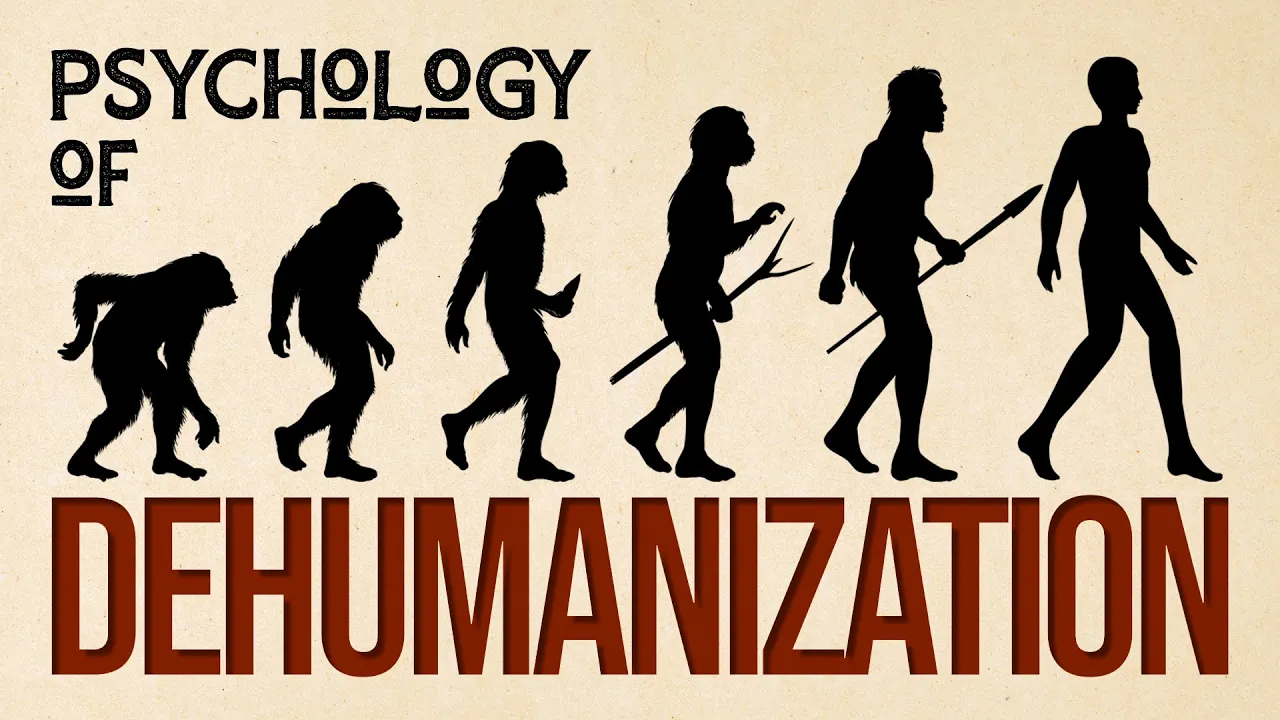
Added:The concept of dehumanization and 'othering' in sociological and psychological contexts.
A foundational understanding of the Crusades and the role of religious ideology in medieval conflicts.
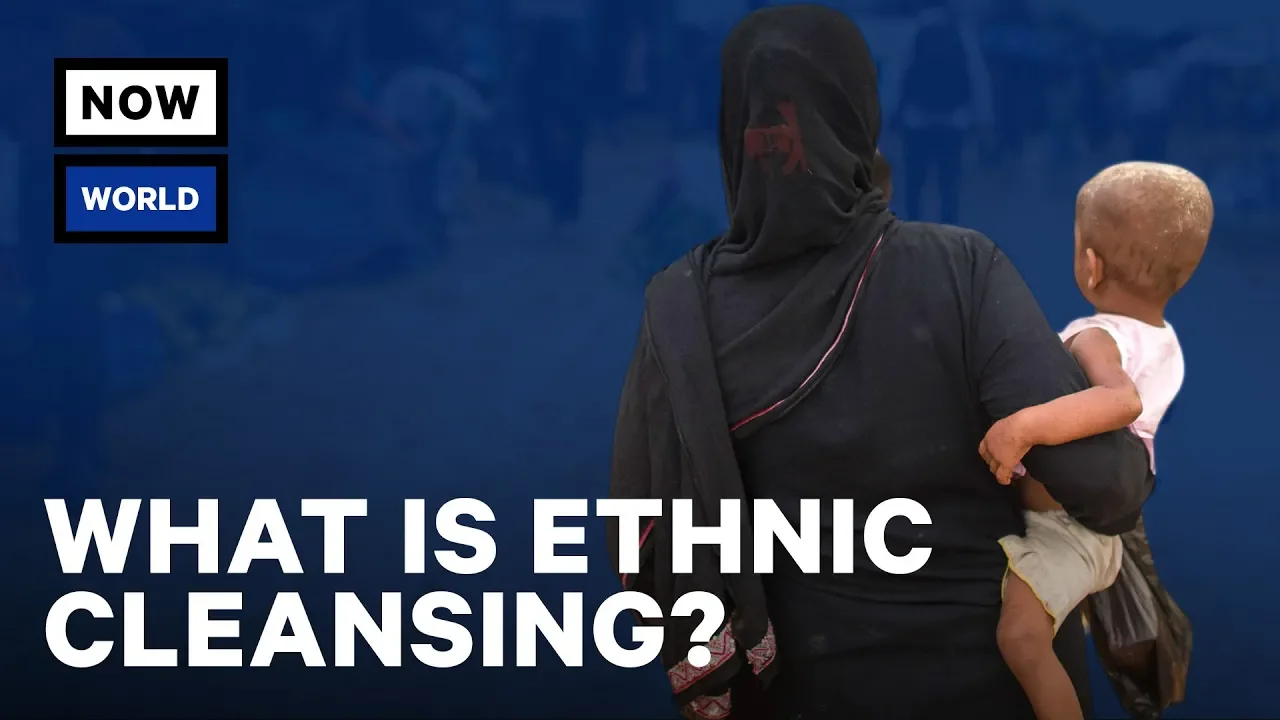
The definition and distinction between 'ethnic cleansing' and 'genocide' under international law.
The basic principles of political rhetoric, propaganda, and how language is used to manipulate public perception.
The role of the International Criminal Court (ICC) and transitional justice in prosecuting war crimes related to ethnic cleansing.
Comparative analysis of 20th-century mass atrocities, such as the Bosnian War and the Rwandan Genocide, focusing on the rhetoric that preceded them.
The study of 'Dangerous Speech' frameworks used by global watchdogs to identify early warning signs of state-sponsored violence.
Strategies for historical reconciliation and memory politics in post-conflict societies.
103 views2likes1:27:00Original Release: 2021-09-14
so thank you so much dear near thank you for the invitation and thank you for your kind words of the introduction i'm thrilled to see so many faces friendly faces and the unknown faces as well because the day in boston is so nice and bright and this topic is definitely going not going to be beautiful yet you decided to to bear with me from my side i will try to be as mindful as possible and i will speak about 50 minutes on a specific topic which is the word cleansing within a general practice of mass destruction i will try to convince you today of something that you might already instinctively know which is that the word cleansing is most probably one of the most if not the most dangerous words in the human vocabulary i know it's a bit of a tall order and it will take some convincing from my side but i will do my best should you stop seeing me or hearing me at any moment please let me know somehow so that we can uh we can prevail over all these technical difficulties in general what i tend to do is to situate cleansing within a wider framework of otherwise rich language of mass destruction and then to try to demonstrate its omni presence through a number of examples striving literally from the middle ages all until today then i will try to compare all these examples to see what can we learn from it in terms of structure of cleansing and function of cleansing within politics and within the society let's see how far i can go with that so let me start by sharing with you some preliminaries about that very word you must have heard it so many times because it normalized it creeped into so many languages and it's not even questioned for the most part they are cleansing their enemies and there is all there is to it it's immensely counterintuitive though because we all know if we literally spare five seconds on the matter that the content the meaning of the word cleansing is absolutely not clean it's a dirty practice even visually it's a dirty practice skulls are being opened blood is being still that's absolutely not clean so we need to think how come this huge inversion had happened and while we think that i think about that i propose to juxtapose cleansing to some other words uh which are typically used in such situations if we try to see what is the difference between the word cleansing and let's say extermination or genocide probably we would together come to a conclusion that genocide or extermination is definitely more definitive whereas cleansing is showing some amount of flexibility cleansing indeed is much more polycemic than let's say annihilation or obliteration it's also more perpetual than massacre or atrocity because both massacre and atrocity are somehow signalizing or symbolizing a one-off type of of of the act of violence whereas cleansing is suggesting something which is continuous in its section and lastly it's probably less ambivalent than some other words such as destruction or persecution where it's kind of unclear to which degree something is being distracted or who is being persecuted so somehow cleansing i think navigates in a very special way uh between all these other uh other otherwise comparable words cleansing is also more intimate in a sense it has huge liminal potentials of which i will share a couple of thoughts in the conclusion of this talk it's rooted in tradition and not only one tradition but in so many different traditions we will scrutinize today and for the most part is positively connotated and this connotation simply sticks with it no matter that again it usually denotes anything but dirty actions lastly it easily travels it finds its way between different languages cultures and ideologies on an astonishing in an astonishing degree well here i just sort of singled out a number of examples from languages that i am uh having certain knowledge of you will see the word cleansing in different forms from ancient greek and latin to french english german russian and serbian and my friend professor onward just subscribed me the the arabic and turkish version which i was not able to integrate here but i assure you that in semantic languages as well as in the indo-european languages you will see the same cleansing and semantic proxies such as purification pure clean and so on are always to be found as a rule as some sort of linguistic weed within whichever criminal context or context of an enormous state or societal repression the examples of this type of linguistic abuse or use better to say are many if you look at these historical examples that i'm going to be drawing my ideas from today they go from crusades all the way to myanmar of today through the balkans new england stalinists robespierre south after the civil war and so on and so forth it's so immense and omnipresent that indeed it calls for an explanation how come why is that the case in order to put some structure into otherwise rather messy number of examples i tried to divide them and the order of division is according to the overall concept which is getting weaponized in that cleansing by concept which is getting weaponized i simply mean uh what do you cleanse in the name of right what is the ideological narrative which then uses cleansing or justifies cleansing as a technique and if we try to line up all these examples according to these overarching principles we will see that we can talk about religious and pseudo-religious cleansing where creed is the dominant concept but also dynastic uh interests which is what makes it sometimes quite pseudo religious uh then we can see it's very present in colonial and anti-colonial type of a discourse where certainly control over the land or creation of an empire is the defining concept which is getting weaponized we can also see it in the discussions about revolution and counter-revolution and in revolutionary practices where class is certainly the element which is getting weaponized if not the whole of the society then there is social racial cleansing in which race or health of a society is being uh being used as a justification for cleansing and certainly there is ethnopolitical cleansing in which uh ethnicity or nation is the defining concept so as you see no shortage of examples we have find five main uh types each manifesting into two different modes uh certainly this taxonomy is very provisional i don't even like the word taxonomy let alone taxonomize i'm completely aware that many of these cleansings are actually overlapping in practice and actually i'm really really curious to hear your ideas uh if you could come up with the better or more rigorous or more justified uh justified taxonomy of of this practice where to begin i could begin at so many places i could take you to the to del oro the island of dallas in the peloponnesian war and read from two citadels i could take you to the old testament as well perhaps but i think it would be safer and sounder to start with the high middle ages in the interest of time and i will spend some more time talking about religious cleansing because i think it's important to set the base and the yardstick because many of the elements which we are going to see in the first crusade and the crusade against the qatar's are simply going to be repeated in many other different forms in those other uh four types of cleansings that i uh that i uh delineated sadly i will not have enough time to dedicate enough attention to all these uh examples which i am really unhappy with i never lose out of sight that those were one of some of the most traumatic events in human history and i would really like to do the manner but i hope that neil will invite me again for each and every one of those uh those crime bases so religious cleansing the story quite known to all of you council of clermont in 1095 where pope urban the second called on european christendom to take part in the uh in helping the byzantine uh emperor defend itself from the rise of the islam and to take uh the holy city well back then there was no zoom so this spiritual like mine was not recorded and we don't exactly know what the pope said there are five or six versions of his uh of his sermon and interestingly enough each and every one of those sermons mentions cleansing at least once uh most persistently this is done by giberden or bear uh look at how he translates what the pope had to say the pope said look god leading you god fighting you you should strive with your utmost efforts to cleanse the holy city modern tour in latin and the glory of the super which is now polluted polluted by the gentiles uh this should be a glorious undertake he said it would be a new cleansing reportium and actually he compared it to the new baptism to another baptism baptismatis um the pope also evoked a biblical segment it was psalm 79 according to another chronicle balderich doll where he said to the christians assembled oh god the nations have come into your inheritance your holy temple now they have defiled they have laid jerusalem in ruins fast forward four years the first and the most successful crusade came to fruition in 1099 when after one month of siege got three of bouyon and the other crusaders succeeded to enter the jerusalem this was not an easy takeover at all actually according to gaster francorum uh crusaders were up until their ankles in blood this is probably exaggeration which is typical for medieval writing but for sure what followed was extermination of the population of jerusalem be the muslims beat them jews on the order of thousands and most probably tens of thousands look at how the chroniclers uh of the crusaders are talking about these events who share charter for instance says what more shall i tell none of them was allowed to live they did not spare the women and children and then when he explains he feels the need to explain why are crusaders killing women and children and he says well it was a contamination of pagan superstition christian temples in his view were contaminated simply by their presence there another ordinary vitalist he says they persuade them the crusaders were hunting down basically uh the population of jerusalem cut them down with such a hatred because they have polluted followers the temple of the lord and the church of the holy spalka this type of cleansing i would like you to commit to your memory as a sort of an outer cleansing why outer well because in this case the population of jerusalem is an absolute other nurse anyhow they don't belong to the christendom and they are being that it's not them who are being cleansed it's the territory and it's holy pieces which is cleansed of them provisionally i would call this cleansing cleansing by extirpation even etymologically it makes sense probably will come to that at some point so you extirpate what you don't like people whom you don't like from a given territory in this case also from sacral objects which you are then basically consuming within your political and religious projects the other type of cleansing which i would call again provisionally inner cleansing also comes from the middle ages also comes from crusades the crusade is a different one it has no number as the others it's a crusade against the qatar's interestingly the clean ones in greek this is what qatar means uh qatar's were a theoretical religious institution or a sect in southern france and uh between 1209 and 1229 there was quite a vicious crusade against them uh and this crusade was also colored by a really colorful language uh this is one of the middle uh middle the quotes from the middle ages which is attributed to the papal representative with the crusaders arnold apparently he had said uh after the fall of the city of bezier there were many prisoners and then the crusaders told him well look i mean many are qatars but there are also catholics there so what should we do and apparently he said well just kill them all because the god will know his own this was his logic there is some doubt if he really had said it but what is certainly not doubtful is that in his letter to the pope innocent iii he was writing along the lines that bezier was taken our men spared no one irrespective of rank sex or age and put the sword almost 20 000 people after this great slaughter the whole city was spoiled and burned the pope innocent iii was definitely not shocked upon receiving such a dispatch all on the contrary a couple of years later after the fourth latter on collateral council in 1215 he threatened to all the other christian princes of europe which are not so proactive in cleansing the qatar's that he will excommunicate them if they fail to purge their territory teram swamp of this heretical dirt this type of cleansing i would tend to call cleansing by amputation it's an inner cleansing you are not so much cleansing territory as much you're cleansing your perceived society from those aspects of that society which you deem dirty rotten and contagious and you want to amputate them in order to somehow save the rest of the society so it's inner as opposed to the outer one we will see both of those examples of cleansings in many other uh historical situations i will jump immediately to european sectarian violence of uh the 15th 16th and 17th century basically reformation in england france and the german territories the interesting thing about this period is that cleansing which was mostly mostly worded in latin is breaking into european vernaculars in different forms so in england purge and cleansing appears uh in france netoyage and the poracion absolutely everybody in this room is quite uh uh quite in the know about the same night of the centuries in 1572 in france it's depicted in this painting uh of the contemporary order of the time this was probably the key element of operation of france of its uh huguenots or calvinists but it was one of the massacres in the long long queue of vicious uh vicious massacres for instance consider this order of queen mother of french king charles ix her name was of course catherine in the mediterry she is writing 10 years before the night of december ptolemy to the governor of burgundy and she says do everything that you can to cleanse the entire region of burgundy of this vermin of preachers and ministers who have introduced this plague there just look at the language there is so much to unpack here in the terms of deadly metaphors we can talk about it a bit uh a bit later because i have to cross the channel and go to england for a short while the other painting that you see here is the so-called pride's purge price purge as you know was a historical event whereby soldiers of oliver cromwell kicked out all those uh unreliable uh deputies in the so-called long parliament so members of the parliament who were not necessarily from aliens creating therefore a ramp parliament through an event called the bride's purge and this rum parliament was exactly the one which put the king charles first to trial and sentenced him to death leading england into further uh area of political and religious instability um on the continent actually during the 30 years war also cleansing is on many lips this time in german form mostly reinikung sometimes joy berung and how it looks in practice again you can see here from contemporary visualizations i don't see much clean in this in this running this story essentially ends with the piece of westvale in 1648 however i would like to test a hypothesis with you here we all know that peace of israelia created the political system with certain amount of tolerance predominantly between catholics and protestants of two blends of lutherans and communists it seems to me that at the same time continental europe created this type of limited tolerance but at the expense of its periphery so that type of a warfare which we tend to connect with such atrocious acts and with cleansing shifted to the margins of this westphalian system i have a couple of examples for that cromwell's invasion to ireland would be one one such example another example would be prolonged warfare which a number of european christian empires was leading against the ottoman empire i think that in this type of a warfare same rules did not apply as within the west alien system furthermore the very city i was born in belgrade was taken by the serbs from the ottoman empire uh in 186 and 1807 late 86 early 1870 and this event is described by the chroniclers of the later 19th century in this way the time had come to cleanse this white city from the asiatic plague plague and the decision was made to cleanse all turks from the lower city and then afterwards they were exterminated you can see that somehow through sanctuary is the echo uh between catherine and maddie meditry and this description is not all that unlike we can talk about this uh during the the during our discussion because i'm rushing to cross the ocean and to talk not about the city i was born in but the city i'm residing in today which is boston one other area in which cleansing was so to say banished was definitely creation of colonies in americas in southern and northern america by the european powers we are all aware of the fatal uh fatal nature of that of that encounter from the writings of las casas and the others but i will focus specifically on massachusetts bay colony uh plymouth colony and connecticut which were the earliest communists created by the english and not any english but by puritans puritans as you well know are those sections of english protestantism which tried to be independent of the anglican church and their quest for purity was so strong that it took them firstly to the netherlands and then ultimately into the colonies in order not to be contaminated by the mainstream uh religion of their times the relations between puritans and the native american population were not at all as idyllic as thanksgiving would suggest there were many skirmishes and these skirmishes frequently would end up in wars of extermination just like the one i'm showing to you i'm showing to you an illustration from a book uh of the captain of militia of connecticut who was leading an expedition against the pequots uh in the valley of the river uh mystique there was a fourth their central fort there which was deceived by the colonists it was put on fire there was an indiscriminate killing of women and children as well uh how did they explain that the same person uh writes about it and he says about this massacre well so he's cognizant that something bad is happening so to put it he says should not christians have more mercy and compassion but i would refer you to david war sometimes the scripture itself declares women and children must perish with their parents did not christ say i came not to bring peace but sword and so on and most importantly why should men wander at us even all the troubles that have followed the purest purest church he says in the big since the beginning of the world to this day what did he mean by that well new england at the time was ran as a theocracy and not any type of theocracy but indeed a theocracy filled with infighting the dominant elite in boston and also elsewhere also in plymouth also in connecticut did their best to keep the colonies pure as they as they saw it let me give you an example three huge regiments were coming to the uh mystique to do to lay that siege but the third one actually never made it now why didn't make it because at some point it uh turned out that some of its soldiers might be uh sectarians who are falling for type of puritanism which was proposed by ann hutchinson or roger williams and the military stopped they stopped to cast out the unclean and to render this little band of soldiers sufficiently pure to to fight such type of intolerance was so widespread in new england even against baptists let alone catholics or the rules all the way until the creation of the united states many examples perhaps again somewhere during the debate my point is that it took a while uh for the united states upon its creation to understand that basically it will suicide if religious tolerance is not introduced as one of its backbones consider here the words of one of the framers of the us constitution and the president of the united states james madison who said i have no doubt that the religion and government will both exist in greater purity again this moti the less they are mixed together that's of course an interesting thought and uh i just want to add that james madison was one of the first presidents who was persistent about the so-called indian removal yet another cleansing campaign which started around that time and was done most dramatically during the term of president andrew jackson uh i have no time to talk about this particular cleansing but i think medicine probably didn't really see the discrepancy between advocating the indian removal and advocating religious tolerance at the same time and that leads us back to this tension in inner cleansing between the protestants let's say an outer cleansing of this complete otherness in this case uh in this case native americans and this is not to bed mouth medicine the thing is much bigger than him the thing in a sense is leading us right into the enlightenment and the tension within the enlightenment uh the treasure between its ideals and here to your left you will see uh the enlightenmental ideals at their best fraternity under the all-seeing eye of the enlightenment and the declaration of rights of men and citizen but also on your right side you will see the enforcer of these ideas which is the guillotine how does that go back to cleansing well actually it goes right to the heart of cleansing those of you whoever saying la marcella is the french anthem from 1792 those of you who sang it in french probably came at some point to a stanza which says that we should shed the impure blood it's circles somewhere here yeah sang in poor what was sung in poor well it was the blood of our enemies and who are the enemies those are germans or whoever who comes from the outside to destroy our beloved republic but very quickly on it turned out that this sort of violence is turned against the enemies from within even though frenchmen who are not so happy with where revolution is heading not only that they were put to trial or under the guillotine they were sometimes shot with cannons as well just like jose foucher for instance as a representative in lyon was destroying uh the enemies of the revolution in that way and not only that but he wrote to the convention yes we did spill a lot of unclean blood sang in poor but it was our duty for the mankind duty for the mankind please remember that phrase um committee of public safety also used the word purity to legitimize his actions and in general among the politicians of the french revolution the most extreme politicians are the most likelier is that their amounts are going to be filled with purification the risk here talks about the impure scum uh one of my uh well one of the strangest quotations from that time is the sun one of the jacobins who says if we are cleansing this is to obtain the right to cleanse france france pardon my french so we are cleansing for the sake of cleansing actually and if we look at the master cleanser which was certainly robespierre who was a poster person of terror here you see a basically a comic book showing robespierre killing the last frenchman in france well even his political removal was defined as cleansing by his uh by his enemies he was cleansed the very speech he was supposed to read on the day he was cleansed uh was talking about the necessity to purify not only this convention but also the whole government of france and so on this is important on its own right but it's also important because it makes us it uh enables us to make an enormous leap from french to russian revolutionaries i think this leap is justified because not only marx but len and stalin as well we're very much inspired by the french revolution especially by its failure and i think that the lesson sadly that they learned is that the best way to avoid the fate of robespierre would be to be ever more fierce especially when it comes to cleansing of the enemies of the revolution on your left you see the uh propaganda from the landing period showing lenin as the ultimate cleanser of the planet of an entire planet and the text says culminate lenin is cleansing the planet from the dirt and the dirt here is the royalties dynasty priesthood plutocracy and so on and so forth in the soviet scenario the switch between outer which is this one an inner which is talon's cleansing was even faster uh during stalin the purges shifted not only he maintained the purges towards so-called anti-revolutionary elements and some of those uh were of immense proportions especially directed toward ukrainian peasants in mid-30s but also political party the communist party became uh the target of his cleansing that this is something that lenin was trying to avoid uh but stalin was more than happy to apply so only during the great purges according one of the statistics that i recently see apparently 800 000 party members were deprived of life let alone many those who had been kicked out of the party and not only party but secret police which was actually doing all those things was also exposed to these cleansing campaigns here you see one of the heads of the secret police at the time who had been cleansed not only from life he was killed but he was also purged from memory he is not on that photo anymore right with uh molotov and and stalin and there are many such examples in an interesting book called the commissar vanishes um the term in russian is called trista or rochester and it's so central that even on the 18th of congress of the party which was dedicated by the way to abolition of mass purges this purge was glorified it was put to retirement but glorified people are talking how great it was stalin is saying that there were some mistakes during this purge as you can see here the last quotation those are unfortunate mistakes but as a whole the purge was beneficial he says here for your scrutiny i took the original of that speech where you will also see that stalin is sharpening even otherwise very sharp speech by adding for instance the word ochristenia with his own with his own hand here we can again talk about it a bit a bit later sadly there will be no time today to mention uh almost anything about counter-revolutionary cleansing but i think we should all know that it exists so from the french counter revolution of 1815 and onwards through different types of repression through the red scare in the united states and especially the united states is i think important to mention that the cleansing in the united states is frequently connected to mcartism and with the reason but sometimes i think mccarty is a scapegoat for all the other measures to that end because after the first world war and after the second world war there was a lot of cleansing experiments of revolutionary unreliable uh elements which we forget because we over focus on mccarthy for instance here you can see washington post from 1948 i believe 1947 actually and it's uploading the forthcoming measures of truman administration and if you see here circled what is this measure the measure is supposed to cleanse the government of the disloyal elements ever bigger experiments were done outside of the american soil so many post-second world war campaigns of maintaining uh social cleansiness or olympian social in spanish in uh in south america which led even to exterminations in couple of uh couple of those countries while we are with the topic of the united states probably it's very proper to mention social racial cleansing as uh its important feature this story has a bit of a different tradition than uh than the french revolution uh i think it has its roots uh in the late 19th century and the operation of darwinian thought in the direction of social darwinism on the one hand on the other hand the idea that war against the poverty should be fought and then the mutation of this war against poverty into the war against the poor that was the other source and the third source which gave it its more menacing dimension was a racial source so the idea that the human race is actually not one race but it has its segments which are races on its own and furthermore they are not equal they are inferior or superior to one other one to another and that should be maintained in a nutshell this type of a logical narrative was behind the many laws which were promulgated down south after the civil war uh i will just focus on two such pieces of legislation racial integrity act and the sterilization act vote from virginia both from 1924 uh racial integrity act was actually defining who can marry whom and so on and so forth and uh of course it comes as no surprise that it was supposed for whites to marry whites and again here in the circle you will see that there is no euphemism here pure white race should be maintained and so on and so forth one drop of blood is polluting it again and so on and so forth that's not a surprise the surprise is though that this type of legislation was in full swing until 1967 some parts even until 1970 something let us pause and think about it for a moment but while we think about it uh america was of course not an island at this point the world was globalized enough so that people can learn from each other some learned great things some not so great things for instance superintendent of one of the uh virginian hospitals learned in 1933 that sterilization act is uh is brought forward in the in germany against uh under hitler at this point which is much more comprehensive than the one in virginia and he left this memorable quote while the germans are beating us at our own game there is a book about it the recent book called the hitler's american model quite disturbing read as it happened this superintendent was absolutely correct because not only german sterilization law was much more comprehensive but the third reich probably had an unprecedented uh and quick uh campaign of uh racial uh persecution nuremberg laws in 1935 were all about cleansing of germany from undesired traits and furthermore uh as you can see here and this is from the preamble of the nuremberg globe they were about protection of the german blood explicitly if you take mine camp you will also see that hitler was paranoidly obsessed with this idea of corruption of the blood uh or ras infermishing the mixing of the races this small passage actually is him lamenting over the us he says okay it's clear that white americans are in charge in the u.s but this is not going to last this will last so long as they don't fall victims or fall prey to corruption of their blood and of their race hitler himself was not so obsessed with cleansing and some of his colleagues such as alfred rosenberg for instance who in one of the key books of that regime called the myth of the 20th century he says that uh he strives for the establishment of a nordic european coalition for the object of cleansing or zeiberung mother europe of the field of africa and of leiland definitely during the nazi period the language became much blunter all over this emerging empire you could find extreme inscriptions like in this one in the city uh this city is uh basically cleansed of the jews you then rhine you see also you then fry uh here and there about holocaust you know much more than me uh so uh we can also talk about it after the after the talk but uh what probably escaped your attention is that in the shadow of the holocaust many less ambitious but not less vicious projects came about many hitler's allies like for instance romania in this case if i can spotlight it we're experimenting with an idea of ethno-national or ethnopolitical cleansing this is mikhail antonescu vice vice prime minister of the romanian government at the time you can clearly see uh well who's the beloved person on his desk right so you see who is he inspired after to my knowledge he is actually the first person to have uttered the uh the the the term ethnic cleansing purification in romania the occasion was not coincidental that was the moment when romania joined germany to attack soviet union and for him this was a wake up call he said this is the moment and probably never again such moment will appear to create ethnic cleansing and national revision he says well from whom you might wonder mostly from the druze so what he wanted to was to cleanse the atmosphere of the judaic element atmosphere the elemental udaiki i'm sorry my romanian is even more tortured than my french if we cross the river danube at the same time we will find ourselves at the ruins of yugoslavia which was attacked by the axis powers and dismembered in 1941 and uh coming from there i can tell you that i have seen so many orders or linguistic traces of the word cleansing uh pretty much with all the warning signs this was the choice of selection to uh to to signify the destruction of your opponent and it also showed of course that the war was vicious and this was the war in which your political opponent is actually your deadly enemy who needs to be cleansed as indiscriminately as possible certainly movements which are which were motivated by nationalism uh had a prevalence uh for the usage of vocabulary but even the communist-led uh partisans uh were happy to use it like this is jose brostito their leader telling that the entire yugoslavian will be cleansed and asking for some units to plant certain parts of yugoslavia what i find downright disturbing uh in these examples is that when you juxtapose the discourse of politicians with this course of academics surprisingly you find out that this course of academics can be even more severe than that of politicians in the romanian scenario if you try to read what's up in manuela its leading demographer was talking about how to deal with minorities you would think that he is the authoritarian proto-fascist leader and not john antonescu romanian conductor and similarly in the yugoslav example here you see excerpts from a letter of yugoslav historian australian origin vasudeva which by the way one of the uh assassins to franz ferdinand in 1914 uh who is urgently writing to tito to make sure not to but to the communist government that this is the last opportunity to make our country to render our country ethnically pure he uses the same similar expression as as antonescu and many many others before what transpired of course is that german ethnic minority in yugoslavia is no more today yugoslavia is also important for a number of reasons you might ask yourselves how come that i became so obsessed with the word cleansing well i come from yugoslavia and sadly soon enough this country will be known only by because of the fact that it disappeared in the process of ethnic cleansing so i had been in much close closer contact with the term than i would have liked that historical situation from the early 1990s is important because probably the word ethnic cleansing so not any cleansing but ethnic cleansing came to global uh global fame or infamy if you wish in 1992. in english it was called the most outrageous word of the year in german it was called the unvoiced descript of the year it clearly came from serbo croat but you can also see from this lecture that there are layers and layers and layers of meaning uh which were loaded onto this onto this term however the world was shocked as if nobody ever heard about cleansing right and the word was indeed seen for what it was uh it was seen that it battled the language of the perpetrators it was globally condemned with an amount of hypocrisy i have to say but rightfully condemned as a euphemism for uh for extreme violence it was easy to show why if you zoom in from yugoslavia to bosnia you will see its ethnic landscape changed from 92 to 1998 after the war and now the last map is from the last census of 2013 and the untrained eye will actually not see much difference neither in the map nor in the percentages below uh but if i tell you that about 100 000 people died in order to make these maps look like this and 2 million people were displaced as refugees or internally displaced persons then one i think gets more graphic uh sense of what cleansing actually is and what are its costs in human lives once you go from like these strategical fantasies of the leaders uh down there on the ground so basically cleansing became a no-no word at a certain point i think this at the end of the second world war was a turning moment it introduced a number of other languages uh expressions such as genocide crimes against humanity and it was clear that cleansing is somewhere there people wouldn't want to talk about cleansing even in the soviet union whose human rights record is definitely extremely checkered people didn't call after stalin they didn't call these skirmishes within the party cheesecars or cleansings they call them differentiation differentiation it was a clear euphemism right it became a very dangerous word uh president carter actually almost lost election over it when he was campaigning for the presidency in 76 he used what he afterwards in his apology mentioned as an ill-chosen word he was campaigning and he said recklessly that he has nothing against keeping ethnic purity of the suburban neighborhoods that he sees no problem in that and you can imagine that the media was all over him for trying to maintain the ethnic purity of this or that segment of america he had to apologize quite abundantly i mean he he was campaigning solely about that for a couple of days he even uh relied on martin luther king's senior father of guilt martin luther king to help him uh not to be misunderstood on that point and he did become a president but i think that the potency of this dangerous word was shown again i have another example of the rise and the fall of the word cleansing so take myanmar myanmar actually had couple of campaigns against rohingyas and the one from 1992 was una shamefully called operation clean and beautiful country uh people who were conducting it by dispersing uh rohingyas were actually chanting that clean and beautiful clean and beautiful they saw no problem in that fast forward to 2017 not only that operations which are again perpetrated by the military against rohingyas nobody caused them cleansing and furthermore prime minister uh of uh of myanmar um former dissident and uh nobel laureate is defending the actions of the military uh by saying that i don't think there is ethnic cleansing going on i think anthony cleansing is too strong an expression to use for what's happening well she's now in jail by the same military she was trying to exonerate let's see what uh what happens with that but what we can see from there is that probably cleansing is somehow linguistically on its way out what does it actually mean and whether the practice is also on its way out uh or whether it's simply being labeled differently actually i would like to learn from you before i pass the floor to you i would like to use my last let's say five or seven minutes if you allow me to try to step out of all these examples and this historical role close to coaster in order to extract some meaning out of it if possible uh i would be lying to you if i would say that i was the first person to uh spot this word in its dangerous potential so many interesting and important people like zimwin freud mary douglas barrington moore jacques semelin martya sand dirk moses day in one way or another attack of this concept and i shamefully i mean without the shame i borrow from them trying to see what did they teach me about that bird now what freud had to say about it was interesting he says that culture as such is always striving to some sort of ideal of cleanliness so basically this is like a sort of a ground for the manipulation with the concept another ground for manipulation of the concept is offered by mary douglas in her word her book called purity and danger where she says that basically uh all the societies are founded on this binary of purity and dirt purity and dirt and the whole point of making society uh stick together is to define what's pure and what's dirty and to do something about it so basically this is both important term and an urgent term because it travels from dirt to cleanliness right therefore it mobilizes as we learn from semolin and also it takes most of the boxes of extremists and fanatics it's really good for mobilization uh from barrington moore i took something also interesting that it has double function it functions uh to incite violence but it also functions before the violence like urban the second uh in his heyday and retrospectively justifies violence once it happens as cleansing it's an elusive term and it allows for some elements of plausible deniability which is one of the favorite concepts of my colleague and friend uh professor umber here so certainly it's easier to deny a cleansing operation than something that you would label say annihilation which i think is probably the most rigid term when it comes to the vocabulary of violence annihilation in all the languages it means the same making something not um it consolidates power through this inner outer interplay and also it creates what dirk moses calls a permanent state of emergency once it starts and actually it never finishes like with stalin's cleansings triscus they just keep going and going and going everybody is kept vigilant about it uh we also learned that it's a collective act with direct application implications for collective identity uh and just the other day on a conference organized by ludwig's mathematical university in munich uh on uh discourses of mass violence i learned from uh leader maynard that basically i can think of cleansing as a technique as a narrative bridge between ideology and technology of destruction between strategy of the leaders and tactics on the ground so all in all if i can add something to what all these other smart people had said i would also say that it's always in the function no matter in which period or with which uh concepts which is weaponized it's always in the function of disastrous fantasies of regeneration of society through violence so the society is supposed to get somehow regenerated through cleansing uh of course not in one way i mean it's certainly one thing if you do it in the middle ages when you have only a rusty sword or uh now when you have nuclear arsenal at your disposal that's for sure but also structurally it can be different uh it's a sort of a violence in two major steps i mentioned them throughout this speech so we have this outer cleansing again cleansing by let's say eradication or extirpation it's physical cleansing of something that we define as the absolute otherness or better to say of something that defines us because it exists just the way uh just the way um basically islam in the middle ages identified crusaders they were crusaders because they were the enemies of islam okay so it's performed out of the group it cleanses certain territory out of the undesired population and uh this otherness is simply being annihilated the result is a territorial expansion and it delineates the territory on which this new identity is being expanded to dinner cleansing is i think more complicated it's cleansing by amputation as i mentioned it's metaphysical type of a cleansing certainly there is a lot of physical in it but basically you cleanse the presumed body of collective body of yours it's performed within the group those are those who are like heretics castaways uh class enemies they are and they are not a part of your society and there is a threat that if you leave it like that it will simply contaminate everything so you amputate uh bit by bit part by part sometimes and therefore there is an interplay between the two where those elements in the inner cleansing can become subjects of the outer cleansing consider stalin's purges people who have been his closest allies after a while become firstly renegades uh in the inner cleansing scheme and then in the end enemies of the people as such much more than let's say churchill in stalin's view and they go from inner to the outer type of a cleansing as this arrow indicates nonetheless inner cleansing always remains because uh important because it is promoting internal cohesion how well for the most part by curbing identity there was a lot of talk how identity is creating violence and i completely agree that it does but how actually i think mostly through curbing identity this type of pressure by a structure by a group by state by a religion for the most part makes you tune down all the other undesired traits of your uh identity and prop up those which are considered to be to be favorable and certainly it erodes sensibilities uh which we have as humans okay a sentence about where i want to take this research further well the best thing would be to compare as much as possible um there is quite a rich tradition of comparative uh comparative history of the terms or conceptual history in germany it's very complicated to do it uh with several languages and traditions but i would still like to try hopefully with a number of colleagues and whoever is interested to join me please uh just shoot an email and i'd be happy to uh to to hear what you have to say because to me the main research question is the following we saw now that cleansing is omnipresent fine but there are still two options it could as well be that there is this dark tradition which is traveling from language to language and period to period and then just kind of collects or borrows that's one option another option is simply that this is such a pervasive concept or a simple idea that in different periods different people without any sort of touch or contact simply come up with the same solution how to cleanse their enemies or in reality probably it's both and i would really like to see uh what's happening and where whether there is some interplay um i would also like to do something to complicate my life even further i would like to shed light on the counter narratives as well i don't want this to be just a dreary history of terrible things that humans do to one another because we know they do right yes what i would like to do is to try to see uh if alternatives can be found because simply i mean there is qatar in the mediterra but there is also erasmus and montana over there and uh there is uh uh stalin for sure but in his shadow boogakov is writing and uh there is hitler and stauffenberg is lurking uh lurking behind well i would also leave you with a couple of short questions after all this talk about cleansing and i think about it for a decade because i didn't find the word the word found me so after 10 years or more thinking i'm still not sure if this word is a euphemism misnomer or a metaphor or a technique any sort of input would do and the last thing what to do with it it's easy to abolish it there was even an initiative to abolish the word cleansing if you are familiar with the literature you will see that some of the authors are putting it under quotation marks some of the authors are not there is an easiness about it i wonder if one abolishes it without understanding what was it all about how rich and deadly this legacy was one then risks uh to push it through the door and then it will return to the window with some other uh vivid and confusing uh term like permanent security for instance which dirk moses uh recently proposed so uh with these questions open-ended i would just say that the ultimate goal is to raise awareness about the consequences of uh this deadly utterance but also some many other deadly utterances and ultimately i am inspired by viktor klemperer uh a linguist who suffered a lot under the third reich wrote the book about it language of the third dragon he said that some words are simply like poison they are entering our mind we don't even notice it and next thing you know we are caught in the middle of something that we don't want to be caught in i will stop there and i will thank you for your patience i'm really looking forward to your comments and questions thank you vlado that was fascinating um so we will um start taking questions you can uh raise your hand uh and uh i will call on you uh in order uh or at least um in the order that i will uh remember uh uguru go ahead please thank you vladvo it's really interesting and very broadcanoptic examination of the concept and the practice and the theory behind it um and i what i enjoyed about it very much is that you go through um really different eras and also really different religious and political traditions from the extreme left to the extreme right um but there's one thing um that i was wondering which i thought that you um you either skipped or you maybe later you'll get into it which is the the medical uh history of the concept namely the 19th century emergence of the discourse of health and of course the medical technology that has uh that expanded the notion of purification of the human body and the body politic the idea of germs the grasp that medical technology has has gotten on on germs and so when you look at for example a number of doctors in a number of these episodes of genocide you see that they invariably they're the ones who were talking about cleansing about cleansing the body um and so i was wondering could you maybe comment on that how that is maybe an autonomous process that that actually straddles all of these different traditions and different religious traditions and different historical developments absolutely i i couldn't agree more here and there health was mentioned in this in this talk but uh i agree uh even from the french revolution you see a lot of it in this language of regeneration of the nation and many of revolutionaries like kuton for instance and the others they were doctors right so their ideas that they can somehow perform their miracle and plans uh the society were present there in eugenics of course it was doctors who were in the lead and i think there is a book about national cleansing in germany but it's dedicated to doctors in nazi germany by the way i had many uh literature references but i didn't want to burden this talk if somebody is interested in anything specific i'd be happy to come up with a reference um so clearly medical profession was neck deep into uh into all these aspects of medical discourse as well so that would be a heavy element amputation for instance clearly a concept derived from from medicine excellent um as people are thinking uh vlado i'll uh take my prerogative and make both a comment and uh uh ask a question uh in terms of the comment you mentioned uh whether there were some contexts where the language of cleansing is used in a more ambivalent or positive context one interesting context of the use of that language in transitional justice uh has to do with the idea of illustration uh and illustration policies and those are actually um in some cases even required by international institutions or at least recommended by international institutions illustration coming from uh you know the latin lustrasa which have to do with uh purification uh ceremonies and in that context the idea is purifying a regime that was involved with uh you know human rights violation uh from the violating uh elements so denotification was illustration right uh debatification was illustration uh the czechs tried some uh uh version uh of that um after the uh you know uh fall of communism uh and so there it's considered to be sort of uh purification uh in the name of virtue now of course it often ends up disastrously as in the case of demathification and that kind of leads me into uh my question namely is one way to curb the influence of this to actually increase our understanding that politics is almost by definition incapable of being a pure business to sort of internalize machiavelli's main insight about the problem of dirty hands that if you're going to go to politics and do the good you're by definition going to become uh involved in messy affairs and that purity belongs in other in other realms how near i didn't expect anything less you came up with the central problem of european political thought in the last five or six hundred years right uh i mean i will stick to to my central topic how does illustration fit into all that um one of the connections between me and me is that we were both in one way or another interested in transitional justice as a project i was working so hard to see what works best to address mass human rights violations is it trials national trials international trials is it illustration is it naming and shaming is it forgetting is it uh witnessing in the media sphere is it the education and so on and so forth and i was trying to crack that puzzle like many uh people i know but to my knowledge there is still no universal answer to that question what we know by now though and true sets of failures uh and um disappointments is that there could be mistakes for instance i was always confused with this illustration concept uh i understand what it means but i never understood why is it called illustration because illustration is a bureaucratic and pedantic way of doing something kicking out some people out of politics this is how it's done in the examples you mentioned in czech republic in eastern germany and i mean actually in germany as a whole right and with much less success anywhere else so there are two ways you can call it for what it is a law of forbidding people who are alleged to have been engaged in human rights violations but are not criminally liable not to partake in politics i know it sounds clumsy and it's long but it's actually understandable if you want to know there is no reason to call it illustration because it's unclear illustration is something else just as near discussed this is a religious uh procedure and of course there is much of utopia in transitional justice so no wonder we have religious classics inbuilt in this hope that some human rights might evolve i understand that but it's mystical i wouldn't do it that way it's mystical and it's dangerous it's misleading because those are mostly people who should be put to throw to jail and we illustrate them because we know we can't put them to jail so this is like a second best measure and then as a consequence they come around and they play victims and say oh i was last traded i was last created you know this was a political witchcraft this is what every illustrated person would say instead of saying like look buddy you you should have been in jail man it's just that we can't do it uh you should be happy that you're illustrated so this is the problem with the word illustration the other problem is that the word illustration demonizes an individual let's say secret service member let's say a politician who was an informant let's say uh i don't know head of the prison right and somehow says okay this was not a structural problem ddr was not a structural problem uh it's all those evil people whom we just last traded and now we are happy that we illustrated them and now everything is going to be great i'm afraid this is also a fantasy uh less murderous fantasy than fantasies i mentioned before because this is what cleansing is ultimately a fantasy you'll just get rid of the jews everything's gonna be fine uh you just get rid of the trotsky and everything is going to be fine just get rid of the qatar's and everything is going to be fine this is the fantasy which is built in and i'm afraid that illustration is building another type of fantasy somehow don't let these old communist geezers go back in the czech politics and everything will be fine well it's not going to be fine so this is why i think there is an enormous problem whenever i see cleansing honestly a part of like hair conditioner or whatever i see a problem i see a problem even i mean you can imagine that i mean i was certainly not unhappy when uh when the last president didn't uh win the elections but when i heard uh physiology about now okay now is the time to cleanse trumpism i got a bit concerned and i know it's a torny topic so let me tell you why i was thinking why would you say cleanse trumpism it's easy to identify what trumpism actually was in the white house there are people who abused power now you don't do it by smearing them or cleansing them you do it by investigating what they did and then we find out what they did and then we see if they go to jail or if they don't go to jail we understand how the system is working but kind of saying we will just cleanse uh trumpism as commendable as it is might just lead to a repetition of a problem in in a while excellent uh chris go ahead thanks i i found that a really fascinating paper and i was just taken by the stuff at the end where you were speculating on um conceptual drift across borders or sort of autonomous birth of the concept of cleansing in different companies and it just struck me that um you know this this sort of finding or this theory in moral psychology political psychology that you know that sort of jonathan heights story there are seven i guess roots of different political passions and one of them that's strongly associated at least in their research with conservatism is purification the purity and impurity of one of the major axes of value that is sort of loaded up on one side of the political spectrum but whether or not the politics however that plays out right if they're right that that's like a sort of fundamental feature of human moral psychology then it's going to be no accident that you're going to get the endless rediscovery of the language of cleansing if in fact one of the main axes of moral value is purity impurity so i'm just curious about how that might play into some of the concepts uh the more theoretical concepts you were dealing with right at the end which i found really fascinating thanks no no thanks to you actually because in all the humility i mean this is a topic which is much more it it's a heavy topic which i can't master on my own at all so uh i would be so grateful if you would send me the reference that you talked about um it would be of huge help um probably indeed there is both uh that there is this propensity right of a individual living in a society to think that way in group out group and you know i mean these are some elementary psychology and then there is tradition of doing these things which kind of amplifies it okay the pope did it so it's okay if i do it right uh and and you know i mean i don't know cromwell did it and so on and so forth so i think there is some synergy between these two elements but again i'm fishing in the dark uh me and my colleagues in munich uh iolani pradevas among uh others are trying to see if there is some londoure uh effect to all that whether those are same cleansings or same acts of violence which are reenacted in different ways uh you know this thing how is it called new wine in old bottles and so on and so forth so please do extend the reference because i would have a counter proposal let's say uh it might be that is it is so but if we create this counter narrative look we are still alive for 70 years we are in this state of peril during the cold war it was like shelter in place what not uh imminent danger of the nuclear war but it didn't happen the dog didn't bark so somehow uh still we are alive and kicking which tells me that basically there was a limitation to this discourse of the destruction of the otherness which came paradoxically simultaneously with globalization of violence as well in the 90s so both of these things came to blows i think um in on the one hand the lid was open for post-cold wars to be fought on the other hand international criminal tribunals uh came all over the place i was a frequent visitor trying to check out what's happening and i think the 21st century seems to be the run between these two principles we are way ahead in our ideals than we are with the ability to politically conceptualize our societies within and without i think sorry i'll try to keep my answers a bit more streamlined other questions feel free to either raise your hand or send it through the chat let's see leslie well thank you this is so informative i was fascinated with the idea of the tide turning after world war ii on the idea of ethnic cleansing and i wondered if there are any examples in early times uh this the fantasy or the success of this fantasy embedded in ethnic cleansing seem to be based on you know the fierceness and the fact that it's correct to do it and this strong language like vermin and filth and even the timing like the yugoslavian leader saying we might not have another chance was there an example of any group that rose up against this successfully or was it did it just have a grip on the early world thank you uh welcome well it's kind of difficult to say because it's always context-specific it seems it seems to me that once the war uh takes us away these counter-narratives are always uh getting much weaker so certainly there is always a resistance i mean there are excellent studies which are showing that it's not at all as easy to commit violence as we think and that it takes an enormous persuasion well we knew this also from uh less uh less obvious obedience to authority mertens experiments like uh you know the ones which caught attentions were the ones with the people were doing it but many people didn't do it they said no i don't want to you know electrocute a body or a friend that i know right so however once the war starts it seems to me that this really primordial logic okay we have to get to them before they get to us uh holds this way and then kind of it levels linguistic feel it streamlines the basic field to the level that if you do not want to ethnically cleanse your opponent you are liable to be seen as their helper and the danger on your own right and then you are the one who is going to become an inner enemy and sooner or later you will end up as an outer enemy in this process of of cleansing uh but but uh but lastly if i may uh the interesting thing happened that uh there were regimes governments in times that could put a stop to that madness this is my fascination which i'm not going to do in this book for sure because i'm writing a book about it but certainly i'm not going to be able to understand how the how on earth could unread the fort in france succeed to get out of that craziness right so he was born into walls of religion he was almost killed at the night of the descent bertolomeu and somehow he managed this act of toleration from 1598 and he was the king of france until some lunatic killed him in 16 something but you know he succeeded or the structures behind him succeeded to prop him up as such the same goes for glorious revolution as a sort of a compromise in politics and for many many other historical circumstances so i don't i don't want to say monomaniacal as i am i don't think that like cleansing is our doom there are many counter currents but i think that counter currents are frequently unarmed and that's their weakness the current has the this course and it has a long sword as well uh excellent uh meredith do you want to ask your question um it wasn't really a question i think i just uh grapple with what levanos calls allergy to otherness which i see in some ways as being tied to your talk today whether it be through religious perceived religious ethnic political uh you know differences amongst others and i i think it's something that has haunted me since my younger years of doing lebanos because the violence i find so incredibly disturbing especially genocide which is orchestrated and organized i'm just not convinced that um counter narratives will be powerful enough uh you need really good storytellers and you really you need to be able to grab uh the mind of everyday people it you know because the propaganda of xenophobia or you know uh you know inculcating hatred of the other seems to be so powerful and yet the counter narratives don't seem to be they seem to be drowned out well thank you so much i mean i am crazily interested about the terms and i really think that our linguistic apparatus is also delineating our limits of imaginable right but uh i'm not as blind-sided about narratives to think that they will prevail on their own rights if there are no if you don't have the military or something else to back up your pacifistic projects i'm not sure that they will just remain you know a fine footnote in history but again i want to underscore an important fact that we are all still alive at least here that says something look i mean especially look at the us so i'm sitting in boston and nobody knows here a part of the real you know you know these people who are interested in the local heritage right uh or bostonians of old there was a catholic monastery in somerville which is a city bordering boston but in 1830s it was part of boston fine uh that was a catholic monastery one of the first built because in the 17th and 18th century jesuits for instance peril are not allowed under pain of death to enter massachusetts you come you die and that was it and then after a while some sort of you know half toleration was created and this was the first monastery ursuline monastery built in i don't know 1832 or something two years afterwards check it out i wrote a small article on atlas obscura my pet pet my venting platform uh it will burn down because the rumor came about and cleansing is also very much connected to rumors if i may uh that the nuns are converting protestant girls instead of teaching them in that monastery so the good people of somerville assembled and torched the thing down burned into the ground 1835 it's really recent past right it says books about the level of religious tolerance in boston so somehow somehow that corrosive legacy which you can see in the u.s justice in many other places the u.s is not less immune i think even more actually um you can simply see them everywhere vlada if i may uh follow up on uh the point that chris was making uh earlier one other part of the moral psychology or the moral imagination of conservatism of um what somebody recently called hard conservatism is the idea of replacement in politics there's a french intellectual a hard right uh white nationalist friend intellectual uh by the name of uh renaud camus who uh writes about genocide by replacement the great replacement uh these terms that all became uh very important for the you know for the nationalist uh white right both here uh and in europe and part of the kind of anxieties that are being indicated by that have to do with impurity by it begins with a imagined assumption that there is a pure coherent stable cultural essence and identity that becomes tainted by migration and becomes diluted by migration and then basically the argument is that if you allow unchecked migration then you gradually uh the um the stain of that replaces you know the the existing uh essence uh that you have and then the road from there to the kind of you know signs in charlottesville about jews will not replace us and this will not replace us uh uh is pretty short so another term that i think is in the near vicinity uh at least in addition to uh purity is the anxiety about replacement and about stability of cultural identity absolutely and two really short reflections so cleansing can't happen out of the blue a mass extermination even less so right there has to be a wider context and uh if i compare all these situations that i mentioned i think some sort of moral panic or ethnic panic or religious panic at being extinguished somehow potentially extinguished is that the roots of these uh calls for violence you have it invariably this moral panic and probably one of the reasons behind the rise of trumpism is the u.s demographics which is changing in the way many people don't find agreeable and they feel threatened they feel outnumbered in the future that's uh regrettable and deplorable but it's not so unusual my own country fell apart because too many minorities felt that they are going to become minorities majority everybody wanted to be a majority and nobody wanted to be a minority in other uh other majorities and when that came to blows it was weaponized the demography was weaponized so so much about the this aspect of moral dynamics um on the issue um could you remind me of the first part of your of your comment because as always it was multifaceted if i could remember it i would but i don't i'll uh i'll let's give our uh let's give our uh audience more opportunity to ask questions so any other uh questions for uh vlado either via text or if you'd like to raise your hand let's see uh uh sinan please uh hi flouto this is a very interesting talk um i was wondering how you got interested in sort of the concept of cleansing um like where where in your life did you become inspired to sort of write about the stuff and study uh the subject of cleansing you see this is probably one of those questions where we end up in a bar until very late at night so i will just streamline the i will resist the temptation uh again my country fell apart exactly in the set of different cleansing operations it was also stigmatized as an anachronistic uh thingy where people are cleansing each other like some crazy you know uh prehistoric barbarians whereas the civilized europe and the west is heading some other way because it was happening in the early 90s and indeed back in the days this is how we felt uh european union came about yugoslavia collapsed the world was globalizing the ussr abandoned ideology and yugoslavia and couple of other countries are rushing into the past basically evoking the 19th century tropes and so on so that scarred my life tremendously and so many people i know suffered a lot so this was one major thing and i mean you know i'm not happy at all to say it but back then we were all wrong because this was 1992 fast forward in the world around us and what we see actually that yugoslavia rwanda places like that where actually the trailblazers of the new world disorder uh which occurs occurs around us so that made me try to break out from the yugoslav context that i know all too much and to speculate at the risk of being a dilettante by trying to look at all these other contexts as much as as thoughtfully as mindfully as i am as i as i can thank you and i remembered the beginning of near's question so cleansing is always to you know raise an eyebrow at least mine because by now i'm so sensitized about it but with this political displacement what i see interesting is there is only one type of cleansing that i would ascribe to which is cleansing in ecological discourse this is something that i didn't explore because it's way too remote for my uh from my interests but it seems to me that if we don't do something about that aspect of our uh reality all these other issues will be completely futile it's my fear that once i go into ecological discourse i will i might find out that cleansing is also very much distorted and misused but off the top of my head i think that we could all need some good old-fashioned cleansing of our environment from pollutants within ecological reel uh excellent last last call for uh questions from the audience all right vlado let me thank you for this this was absolutely fascinating and i really hope that we can continue the conversation near whenever whenever you would like to thank you so much for the invitation and thank you all for questions and for coming here it was really a great pleasure thanks everybody you're getting the best comments ever yeah yeah well nice it feels good i mean uh [Music] yeah i i second them that was really great i'm glad i'm glad honestly the the most difficult bit was to um to tune into the umass uh system oh really there is this kind of like suppliers system that you need a bar to be a part of and it's made for geniuses solely for geniuses oh my god you mean the paperwork yeah yeah yeah yeah but it's based on some software which is outsourced to somebody as a system and it even boasts as the best system of supplying things so the way you supply pins you also supply uh me but since i'm not the pin i don't completely understand you know it was crazy it was really going on yeah i think it's nice can i introduce you to dominic if he's still there dominic hi dominic maybe hello can you hear us my friend so dominic is another colleague of mine we work on this project uh with munich uh on long duration of this mass cleansing mass mass destruction in this course sorry i was out of the room for a second now i'm back ah excellent excellent nice excellent so i was just saying to near that we are basically teaming up to look at dominic is a theologian and he looks at predominantly at the old testament but actually just like me he looks wherever to see to see how those concepts can be lent to to violence and we teamed up to see if we can read out human history through um through through these narratives so you know uh vladimir like following up i mean they're actually i mean i always find very uh the connections between uh uh history and philosophy uh especially fruitful but there are these really interesting uh philosophical discussions of um the rejection of purity and politics uh machiavelli is kind of uh you know the the linchpin and he gets a very bad reputation uh but michael waltzer for example has this uh article i'll send it to you about the problem of dirty hands and uh i mean for me this idea of dirty hands in politics is almost like the antidote to puritanical talk to to a cleansing talk because it's basically if you really internalize the expectation that politics in some basic way has to be dirty even if it's going to be good then your expectations for purity become less relevant and you know there are so many ways to go about it i mean just yesterday dominique and i were talking about this huge inversion when it comes to to the concepts of purity um whether uh well actually i wouldn't want to steal dominic's thunder on on that one because the uh you see what the consequence would be uh of machiavelli is okay leave religion to the priests and me and my buddies are going to do the politics right yeah i mean history doesn't have political implications anyhow unavoidably right i don't know dominic what do you think about that we did we never really raised that issue yeah let me just uh thank you uh that will pronounce your name your name yes here here uh uh thank you for mentioning i didn't know this uh this uh um publication but um also is very interesting for me because he wrote about the bible and his political influence of course so so this will be an interesting link for us and and yeah so do we have is it an article or or a book it's an article i'll uh i'll i'll put the link in the in the chat oh great thank you i think it's even available online as is there is another reason why i mentioned near to uh to dominic and to juliana as well because he is doing a lot of work on the middle east because he is from the middle east but also on the issue of truth of truth as understood across cultures and especially within islamic uh context and why it does or does not work vis-a-vis our expectations of how how conflicts in the middle east should uh come to an end so might interesting stuff you know the blink brings in specific like uh perspective to transitional justice which is i think much more authentic then and actually uh truth both in the islamic tradition and in the old testament uh as i was working on it is the idea is trying to distinguish the idea of uh purification from the idea of separation that basically some things you'll never be able to purify and so you just sort of separate them off and they continue to kind of contaminate each other from a distance and that that's the best you can do um but you know i mean machiavelli's insight which well i mean i think both of you would find that waltzer article very fascinating because it's both historical and philosophical um but machiavelli's basic insight is that they're about this is that there's no way of doing good that's outside of politics and as a result there's no way of doing good without becoming dirty uh you know so the sort of classical example is you know obama and the uh or a classical example is obama in 2008 promises that he would recognize the armenian genocide and he promises it up and down up and down but you know he wins and then it's you know 2009 and we need the acrylic air base in turkey and the turks don't want to recognize it and so you know you in order to promote the greater good which is winding down the uh iraq war as quickly as possible you need to please the turks and you screw over the armenians and there's no way to have a pure politics in which you keep your promises and wind down the war and there's exactly so essentially since you can't you know since we academics can't do political good we can afford to be pure but uh you're not that's the funny the funniest thing of it all that somebody pays you and trains you to be a nice guy right somehow you succeed to be this shrewd operator rubbing elbows with the famous running three foundations undermining smaller governments being happy when the other secretary calls you for a lunch uh but that's the funniest thing because if it was like that what are you doing what were you doing in the humanities right you were wasting your time you should keep learning you know how to i don't know kill a guy like this or something like that there you go uh listen gentlemen i i just have to go to a doctor's appointment on video too sadly okay okay okay okay thank you so much uh bladder for for introducing us so it's great to know you're around here and i hope to see you soon thank you i i'd love to keep talking and maybe find ways that we can work on this together about a time sure that was absolutely brilliant so thank you i'm so happy i'm so happy that you invited me and i also think it went well it's just the beginning really before i leave i'll leave mid-april and it would be so nice to see each other in person let's let's do that let's take a walk it's getting nicer okay okay point taker okay good evening thank you thank you bye-bye friends
Up Next

27:18
WSDC 2019 | Singapore vs South Korea | Amnesty in Post-Conflict Societies | Part 2
@gweeyixin3135
1.2K views•2019-08-08

24:30
BRICS Pay and de-dollarization: A New Financial Order Emerges? | 55 chars
@DannyHaiphongYT
164.6K views•2024-10-22

7:33
Government Surveillance Methods: 10 Ways You May Be Watched
@BeAmazed
1.6M views•2017-04-09
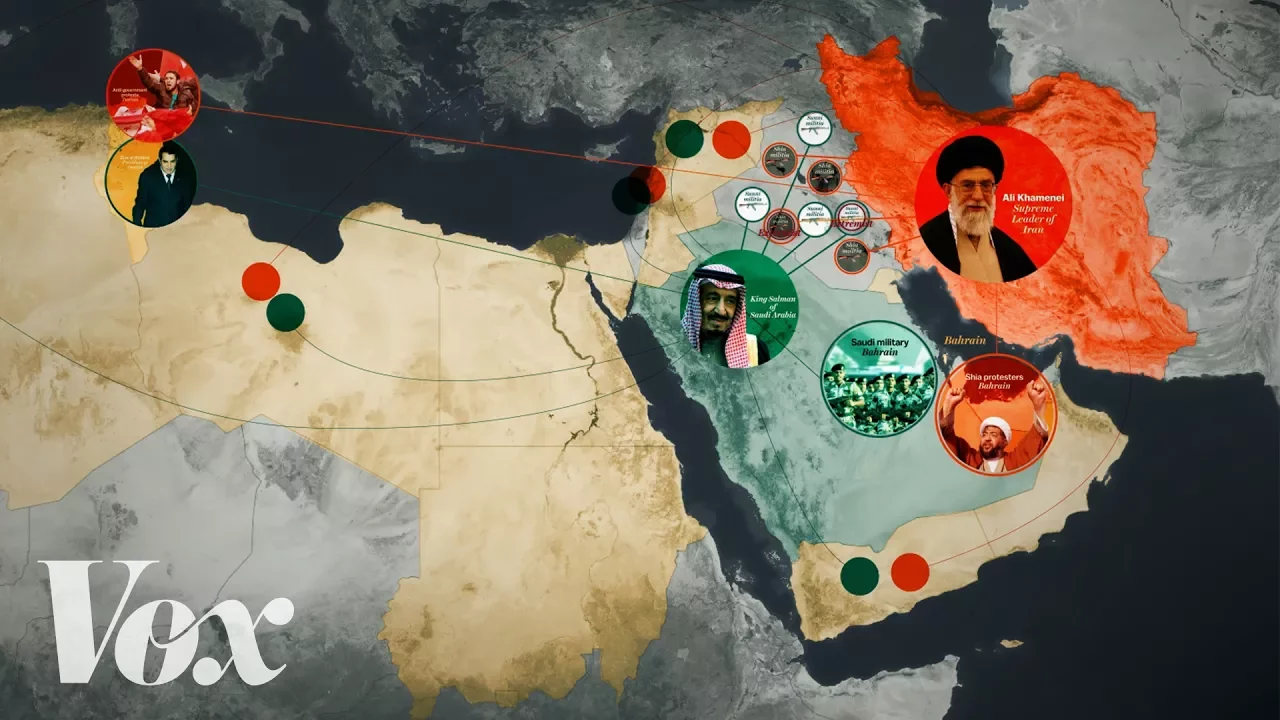
10:19
Explaining the Saudi-Iranian Proxy Conflict in the Middle East
@Vox
18.2M views•2017-07-17
Related Study Plans & Knowledge Roadmaps
Structured learning paths in Political Science
political-science
Economic Statecraft: Sanctions & Chokepoints
01Foundations of Geoeconomics and Economic Statecraft
02The Mechanics of Weaponized Interdependence
03International Sanctions: Types, Implementation, and Efficacy
+ 2 more learning modules
12h5 modules
Explore Roadmap
political-science
Central Bank Independence: Politics & Policy
01Foundations of Central Banking and Monetary Policy
02The Time Inconsistency Problem & Inflation Bias
03The Delegation Model and Designing Independence
+ 2 more learning modules
12h5 modules
Explore Roadmap
political-science
Consociationalism: Power-Sharing & Stability
01Democratic Dilemmas in Divided Societies
02Introduction to Consociational Democracy
03The Four Pillars of Consociational Design
+ 2 more learning modules
12h5 modules
Explore Roadmap
political-science
Rebel Governance: Legitimacy, Economy & State
01Foundations of Rebel Governance and Statehood
02Establishing Political Legitimacy and the Rebel Social Contract
03Wartime Economies and Rebel Resource Management
+ 2 more learning modules
14h5 modules
Explore Roadmap