






















In post-conflict societies, criminal justice systems that prosecute perpetrators of crimes are more effective than amnesty-based approaches for achieving long-term stability, national reconciliation, and preventing future conflicts, as prosecution provides objective accountability, strengthens government legitimacy, and helps societies move forward by addressing past wrongs rather than allowing them to persist.
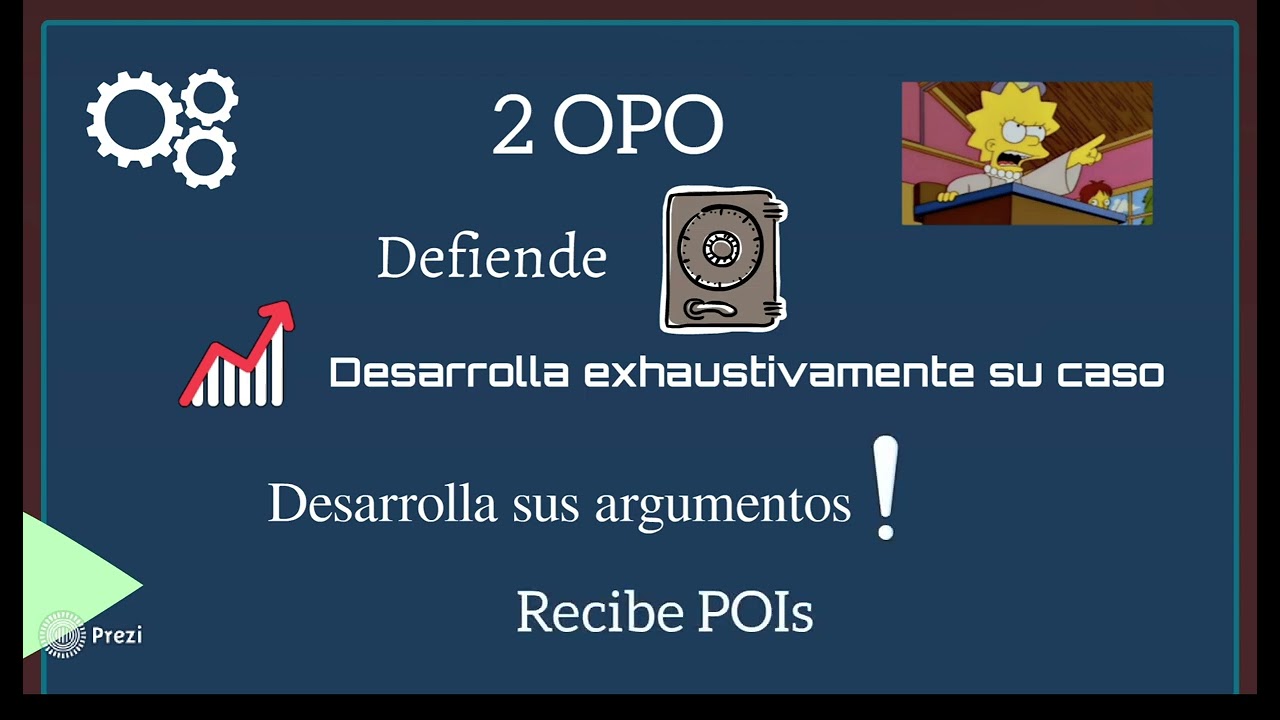
WSDC 2019 | Singapore vs South Korea | Amnesty in Post-Conflict Societies | Part 2
Added:Understanding the basic format and rules of the World Schools Debating Championship (WSDC), including speaker roles and argumentative structure.
The core concepts of Transitional Justice, specifically the tension between retributive justice (prosecuting perpetrators) and restorative justice (reconciliation and rebuilding).
The definition and historical application of 'amnesty' in international law and peace-building efforts.
The 'peace versus justice' dilemma in international relations, exploring whether long-term stability requires compromising on immediate accountability.
Analyzing historical case studies of transitional justice, such as South Africa's Truth and Reconciliation Commission (TRC) and Rwanda's Gacaca courts.
Examining the role and jurisdiction of the International Criminal Court (ICC) when national governments grant domestic amnesties.
Studying political science data and literature on the long-term durability of peace agreements that include amnesty provisions compared to those that do not.
Deconstructing the debate strategies used by the South Korean and Singaporean teams in this round, focusing on how they structured rebuttals and weighed competing harms.
1.2K views13likes27:18Original Release: 2019-08-08
for their speech and request [Music] [Music] ah positions nice was characterized by shitty language and shifty situations when the second speaker realized that they didn't ever called Kuja Concepcion over impose complete labels they changed the characterization whenever was convenient for their outlets then give an example of warning he says that video systems will be intended to be fair and free in fact to increase stability in the country but on the other at the exact same time he chose our poverty that these people stop bullets in children's here we need to get them right now movies on their first speaker said about the healing power of executions I don't Indian claim that the legal system was reasonable and and executing everyone at the same time this is not something they ask them more importantly they miss the point of gara substantive notice identity responses here it argued on truth and reconciliation committees there was one Vergara's philippa terrorist instructions is important because their case realized on picture pineal outside as violent hateful and full of people demand retribution whoever works kudamon of exclusion where it's believed our peace and reconciliation this is our given TSP that because our comparative is not one of his head commanded that they try to carry information move over the second tier this argument from transitioning to democracy in the daughter so in the world even mentioned in a previous speaker the nearest for this album it was tasted and confessed I need a speaker is visual to me I'm going to talk about three things first our holy justice second we say tries the short term sir we say rights in the doctor and understand more time for the first part of contention because this will become more gated from them but nonetheless saving rise is the most important criteria in this debate so those are justice we referred a contradiction in their case or what is it societies develop their ecosystems but at the same time their policy asserts in this is a clear legal precedent and no are willing to do this no thank you the reality is they don't have clear precedent we agreed that these amazing societies there is the ecosystems after developing we do need a human to deepen our vision either because no specificity to society many destructive reasons as to why we use this country not even have the incentive to refer to the Geneva Convention first the victor of the conflict not including legal machinery on the state second the new leaders are you satisfy the populace I mean having harsh punishments over where papers the full certificate over to get power vacuum so do we till completion from power to over prostitutes structural analysis given thank you we were a one line response in second speaker is it the new leaders have a strong incentive to solidify power yes but why would you be set aside power will be just clear emotions to increase the support and stability so that we may be able even to solidify their powers if no reason to be fair ferocity they tend to over prosecute so people's emotions cannot support in here characterization of comparatives is very different because TRC's our simplest I need to be controller the pictures because the focus of personal trees so don't you see they set for justice no distant party seduced caricature justice s first powerful then they see the situation and second speakers they rather porn on you in it some movie why is the key we need to convey assertion with the ecosystems to open this principle that's why Wilkinson under proven guilty yes it's in this even further with the justices and everyone equally we should entrust this generating energy in national law that's it then white people murder black people oh thank you we will be jetting off to Italy why because we recognize that for justice people have value it needs to affect everyone equally there are specific you know response down the line not as be clear were schooled eclectic with victims business this is the victims would agree to TRC's that's not true we reject the notion that people fought to make sure this guy was executed within ten people fought against the teachers to prevent some pressure to keep our second this move reasonably undo this British personal assets on our side without prosecuting witness using biggest assets and mistreatment the country is already standard procedures whether or not you prosecute the dictator so there's no reason why we detect victims on our side in fact no thank you with three TRC's with their knowledge or only as opposed when you deny yourself yes when you deny victim suffering from move on the assignment so that will be best thing to do for these victims this is something any future victims they are entire class of civilized comes in for healing will do successful victims which are building we do with it this important that the principles why is the case look we sympathize with victims but we do let me give the psychology to school because you recognize that principles of justice avoid water so to be clear we to neglect victims even if we do within the reviewers what are we showing you in this case we will just this because proportion of people on our side but even if you told cannot give you detail analysis on how does this is instrumental in receiving lies in which doubles responsibility sure anybody mean whether it's could be making a big movement even better this responsibility second I dispute that this is the case we didn't it majestic and in this piece of video systems will help people work on truly this is the Urca simply cannot be trusted to be defense no reason why is happy a particularly same question once a big knives right now he has to be a the second speaker substantive within it as new reasons why prosecution helps if not institution no mechanism in hiding either non-exclusive mechanism of equations with let what initially was in utilized by not methods of situations when those empower those who will boost or clip it like to come so assume retaining powers is that if equal on both sides whatever their side didn't incentive not to be punished and then will be about this formation for as long as possible did response the second speaker the first is we will try to stop the powers coming to a turbofan how on earth are you gonna do this because you wanna you wanna do try to serve all and expect that to be a response what is this debaters from Islamic societies yes but this misunderstand argument yes is based upon societies but will be implemented policy enforcement in society in affects decision-making everywhere this argument stands video response from the speaker no reason better of the controversy nice with the needs of honey into a pressure to let in Libya when to a closer to the love is real because in promised stability but more importantly the second mechanism we told you how we save lives right now is with PowerShell reviews and a bush it includes much more likely or Towser again hope you Matthew no response believe one is that any second speaker in hit the speaker what do we show you in this crash we see rise right now because one we do every sequence it 482 we do pro graphics and three please oh sherry use or ie third crash unlocks I realized in the doctor with depth limit and responsibilities per speaker but all three we will prove you that they don't get justice on the other side so the testicle thankfully enumerated all the funds of Abednego system we can replace a bit more on their side but more importantly we talked about three possible scenarios for post on fixed dates and how they're going to its future or it's more likely it is canary they chose to respond to that mr. Iturbi this o structure analysis president first he totally increases with secured virus we are able to cross together device in the long term no response second in placement as a power vacuum new leaders abuse their policy to eliminate opposition okay no response the third thing we told you whether a place is recommended making power they use opposition's wanna see to track down further to the two so to be clear our entire is the hinge of this premise is one of the three scenarios begin we need to engage with resident but even so I think never spoken second speaker misses the point because surely home policy applies to all governments within a even in dictatorial government when you can't abuse the policy of the SI that means the contract on civilians even more so what are we doin here we see a rise in the long term and move was peaceful nation building interlocked up in all these three circumstances what does the speaker opposition to to win this debate first we need to agree to the majority of circumstances second in your dignity principles of justice and third it's some response to get us constructive ideas for to me with intermediaries on our side to who justice we see lies now we see lives in the future [Music] website government is talking up is not to modify society it is a total regime that this block of a rule of law it is a country where public still exists panel this date is not very assumption but after conflicts exist how can you help us construction crane to integrate these people together that's exactly the context that we're going to be debating on who is the baby well the third fish one complication I wanna make before my mouth mystery clashes which is the fact that these that themselves the do not implement of value judgment because that might be unfair you don't have cousins but be is pretty horrific in a sense that you don't need questions to acne value judgment people who killed innocent civilians who raped your parents and who read your home you don't need these kind of perfect evil system beyond sight operation rather operate in a world where the not perfect legal system gets better over time but we don't forget about these stars so to be Indian that happened the first I suppose be talking about it's bigger than the generic first principle clash it's all about right away in comparing the alternative between our world and they're crucial the America Argentina but there she's creating so bad elephant retribution the first question he was asking this class is why they have lost and punishment in the first place why in the criminal justice system we don't love people just meet together and always solve the situation because it's simply unlikely to happen in a context where cutlass and genocides happen just invite each other to have a peaceful pop and talk like each other Sporty's is not necessarily a lightly album in solving these kind of situations in the first place the example he gave to response my PLI was colonial a country that is not debited and her governments continue to lie again at these kind of days with birthdays the animal accomplice smelly sister is coming a gun is not the most effective solution the reason why we applause is to provide objective punishments for objective clients and the reason I'm in courts is to whether or not the site the person who made these actions is a criminal or not we couldn't just stand by this premise because in a world of my easeful Committee in the world where you can talk it out there's no incentive for a perpetrator to admit these crimes and take blame and full that the exact mechanism that we needed but they don't have from this today the second clash is what is the purpose of the government we think about this argument that interrupts analysis that came from our first speaker and the furniture leg of the second there was a lack of response in terms of this analysis because first the question of the role of the government and we pop up and both legs agreed upon is restoring the justice and upholding the rule information notice and the premise the role of government hinges on the failures that they had from before which is take you up that the very fact that constantly insists it and that there were but it was the government's inability to protect these kind of vibrancy and victims in the first place what are they expecting me the question you must ask in terms of what is the best action that necessarily must be made this retribution because they just try us like look this is over punishment like look there are some precedents with son shirt we push this is proportional punishment in terms of the kind should have but sure the wipeable these kind of budding democracies where they said I didn't get better this isn't the best case situation that would solve fairly every other situation aren't any other program universities but comparatively speaking at North might be our opposition really rather than no rule or comparatively an assistant that's getting better is always the mechanism that we look into whether the system we use completely up in the first place reinvent isms comes to get better seven me they don't have a mechanism as they're refusing to use the criminal justice system and hold on me Walter make it better because of your long term you can teenagers used to use the rule of law these are they don't think it's perfect and you will never have a criminal justice system then pseudo Pakistan individuals on the woman they have no look Jamal certainly they gave the comparison what four tables crucially if you guys are the ones to say that these was to moderate he's kind of this bus I'm Veva Ken monitors and make it better then surely these velocity of all the pop the issues were and how to properly much speak these kind of people from the verses you can't have your cake and eaten by say look the law has just enough for moderating discussions but by not replacing these kind of individuals look personally even got the kind of things that we told you but weren't they most crucially is why is the government the best actor because we've analyzed from the regulatory manage this shirt make it retained in their best new scenario government nothing perfect out there but in a post punch of society where Cybertron where we don't know who to spend my is awfully government who isn't the best option to moderate and make the fair decision for the person in the worst case the victims might be the one or the people in them in order to make the life that control the narrative but I mean Congress he's been concerned unless they're required to from the world please don't get desperate pom you also have objective judgments all punishments we've just brought into their child thinking that everyone is a tumbler I only say this false in a sense that the very premise of criminal justice system where the judge goes and it says this person looked all over this person's in criminal it's just factually wrong in a sense but ii think you would tell you that there in the criminal court there are rules that procedures to ensure that these people aren't actually do catch essentially because the rule of law just updated automatically it's not fair enough proper mechanisms these second argument bebop is the practical impact basis and our three distinctive impacts from her pulse firstly this strengthening the legitimacy of the government because we don't have this perceived injustice universities we talked about in our first beer elaborate model for the entire bench of moment because of perceived injustice this yet look the person who raped my parents the person who rooted my house is no longer punished because we're afraid that the rule of all my over punch them in the first place they'd never properly mechanised elaborated that help these kind of rules procedures won't humbly entreat the victims and the perpetrators in the first place secondly we talk makeup of scale eyes national identity because the public this movie is it's a question of after conflict how can we get past the idea of retribution and reverse and move on to reconstruction in desirable resources in rising national identity is the best and most efficient of because the only through this practice meant that that happens is that people are finally understanding that the retribution has gone through and we're going to move longer in the long term for further development other bearable you know what happen because if you don't prosecute them the country will still continue to be divided and national identity will not be solidary but girthy is the option of the optimal distribution of resources because notice that even urban speaker had look in terms of how they might potentially distribute resources without actually tackling the mechanisms are neurons I think speakers arguments why is this tough because the very moment you've read and this tedious individual letting them keep their belt your life into the lovin it unfairly spooling dream abundantly and a lot of you using a husband self it's Trish this is exactly what we see in Brazil where people who live in favelas are often discriminated and minorities and people who live in the ten-yard was early about the mud the screen image ortiz these are exclusive but they'll be provided they provided was what these fires have been earlier and we entering tonight like in terms of Steve's are happening earlier that is one dirty assumption that it is but a post policy and the conflict in Jesus exist but the great times that that part of this wall because the motion state that is imposed on society and engineering Banerjee only happen on their outer wall with national identity is stabilized where political social unrest is no longer do light that's the enemy that we suffer in one focus I'm not gonna speak up in a speech and I to reason why you asleep mischaracterization and luckily mr. Billy chambers the most important case that they begged their entire working on is why they reduce comforts and stop lungs of earlier than office no disagree that most pop societies should be focusing on long-term stability and Wyatt Dustin gave at that point because that's what's happening in the status for the Walmart baby right now is a world which focus of disease and we have been moving on to a society English we try to be no society now after these comments there for them are green not stopping conflicts that are happening now intermittently cannot be mutually exclusive that's opportunity but another thing is how they say that the tutorial regime that successfully stopped the rebel other words we should explain that not because they normally debate dress and work they has to be implemented which governments have to treat between granting amnesty for prosecutors or individuals notice how the tutorial achievement already responded to people's attention violence and oppression not happy that they can ever have rats and that's why the context of a law required is not where the division file the second of all a lot of unique because of backbones database the principle that bone team has is we need the government perspective even everything else on our case six be still ways to pay this particular principle the government only wants the best one the responsible one in there for various agencies however it only H the point is saying while our principle is not perfect and why it has some new that are one model the Armory's eager to spend quite a small to energy the case is not for governments to ditch victims of horrible and purposeful these words nearly glass my mother responsibly therapy class departments should be doing that's why their principle of establishes but let's than the debate a little bit closer with three questions first question governor responsibility first on to explain why there has been an opposition by conflict it happened between people and people without in the latter this is why those public societies in these debates are often times when the present portion time to turn over and give people the community in which we are going to grow from now on every test subjects when they say that it's another one that really doesn t tell because that's where they apply transitions that we want to spend on users first speech on what government is the response form to do this whether the only one to do this whether the best benefit is what was their response there was one on black or white just unfair and they would have bad bunch of questions first of all we spend why the policies of a para communion Beach the perpetrators over these that they must satisfy all individuals but be a fair of legitimation justice system second of all why ICC and every woman's are often affected not to modulate these defeatist thermal even that would be true incomparably in the better side in providing a better world were read to learn responsibility second one-on-one of Julie the recent lost abilities broken both false market society isn't because of what they portrayed as two dudes not be able to reconcile understanding it's because truly ties and flipping over governments when the powerful stood me up opposition actually stops that that question is a bit for Ruby these individuals and taking away the income in a political capital that they decent more hybrid we serviceable but whatever it has been that world is that then keeper of attitude and which we debated it and promote more instability to the future my my team lost money on the top of the spectrum and that's what itself is the gap between original work with mommy made by the response they're only responsible well reparation are mutually exclusive you can be preparations on mastering all the money in the rich that unfairly but at one well officer does is taking that money a variant of it away and that means the charisma the reader should be back to all horrible society because we protected on response late because we missed people love them because we have will be deciding this house warrant is not analysis they might state that governments are the only ones that may or may not be true but we put you down the bench the government's are also the most and just want to carry out the second really the end of the sectarian conflict with among all parties in one group fighting for the same power best in the movements and flowers like the use each file system advocated in oil suppress conversation this is analysis that we said in the very beginning of history we explain to you is was true and we explain when a person conflicts we didn't really get response down see this debate is not most common societies and what we've been able to prove to you they were able how societies move on this is the decision-making calculus before our weekends and even after the conflict ends so the question is debate is how we want from these issues people walk through the two most emerge the end of the sleeping another source you are the one of the opposition ever been cheated itself was not going for hours while recognizing truth of a post on society decided to ascertain all whose complete societies are magical with wonderful calls that are always going to listen to me contest in Ponyville relax the kids the obviously give us daily incentive because the one who makes that some people money but I also believe it is sensitive mission and these people stop existing so they can continue to push this analysis down the line you can continue to push their agenda but there is a work was also going to be people more angry because we need two reasons down the benches to one a world will you finish the signal execution or a single five it was any reason as to why one is single house finished while Alysha Muslim enclosure especially when it's always possible Oh what ends up happening is that even more you get angry yes any previous sections may not be collectible also tell you that I have in here is a good Ariza trumpets and the open wounds and many individuals have so what important is that if the cause of death and the house are going to be fair they took it you only believe in the temple of Hannah Hannah innocent I debate which is retribution but all that's all over the convoy was still happening because everyone is losing the government in the first place it's only in their male and until you might be loved why don't you choose the government itself as you see no light would only move as a rapist or some shoots children would be they are not only danger the benefits and they want to talk to you about there were also a we would not be able to cross through the dictator because more than not in this post existed even be outside of the country outside of Education bombs this is an analysis that was given to you and second proposition they didn't really respond so the essence be the one of the Opposition did not have custom here it did not move on it did not even have justice so talk about the world of proposition and our point out that it did not actually to the body we gave you about human reconciliation committee the reason is the wire was significantly less combative because the stakes that are significantly lower that means any already outcomes they people alive in you it's not going to be as you say being sent to prison what this means is you're going to get a narrative this is that there are multiple sites discover there are moments of people to this and we need to move over to be a better nation together we will then recognize that people are involving to come forward on our side they will be able to move the nation on because now those hundred societies and he ascended he must stop fighting in the first place and we recognize that sometimes not we might not be able to turn a strict form of justice that they say on their cell house which wasn't really but I need to create this justice that we do to people is that we allow a society to move on a movement in that we have a society that stopped the conflict in the first place is important because the world of propositions of conflicts and the world of oppositional loudest move on will be and eradicated the bottomless pit as an opposition sought to give us a solution we found any better future we are stuck in the past
Up Next

26:36
Child Soldiers of Sierra Leone's Civil War: History & Impact
@journeyman
190.9K views•2012-05-16

24:30
BRICS Pay and de-dollarization: A New Financial Order Emerges? | 55 chars
@DannyHaiphongYT
164.6K views•2024-10-22
7:33
Government Surveillance Methods: 10 Ways You May Be Watched
@BeAmazed
1.6M views•2017-04-09
10:19
Explaining the Saudi-Iranian Proxy Conflict in the Middle East
@Vox
18.2M views•2017-07-17
Related Study Plans & Knowledge Roadmaps
Structured learning paths in Political Science
political-science
Economic Statecraft: Sanctions & Chokepoints
01Foundations of Geoeconomics and Economic Statecraft
02The Mechanics of Weaponized Interdependence
03International Sanctions: Types, Implementation, and Efficacy
+ 2 more learning modules
12h5 modules
Explore Roadmap
political-science
Central Bank Independence: Politics & Policy
01Foundations of Central Banking and Monetary Policy
02The Time Inconsistency Problem & Inflation Bias
03The Delegation Model and Designing Independence
+ 2 more learning modules
12h5 modules
Explore Roadmap
political-science
Consociationalism: Power-Sharing & Stability
01Democratic Dilemmas in Divided Societies
02Introduction to Consociational Democracy
03The Four Pillars of Consociational Design
+ 2 more learning modules
12h5 modules
Explore Roadmap
political-science
Rebel Governance: Legitimacy, Economy & State
01Foundations of Rebel Governance and Statehood
02Establishing Political Legitimacy and the Rebel Social Contract
03Wartime Economies and Rebel Resource Management
+ 2 more learning modules
14h5 modules
Explore Roadmap