



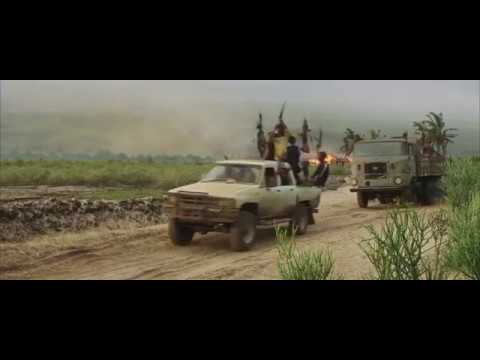
![Ep.307 - En medio(s) del bombardo [Presunto Pódcast]](https://i.ytimg.com/vi/Pn5WeItCWgU/maxresdefault.jpg)




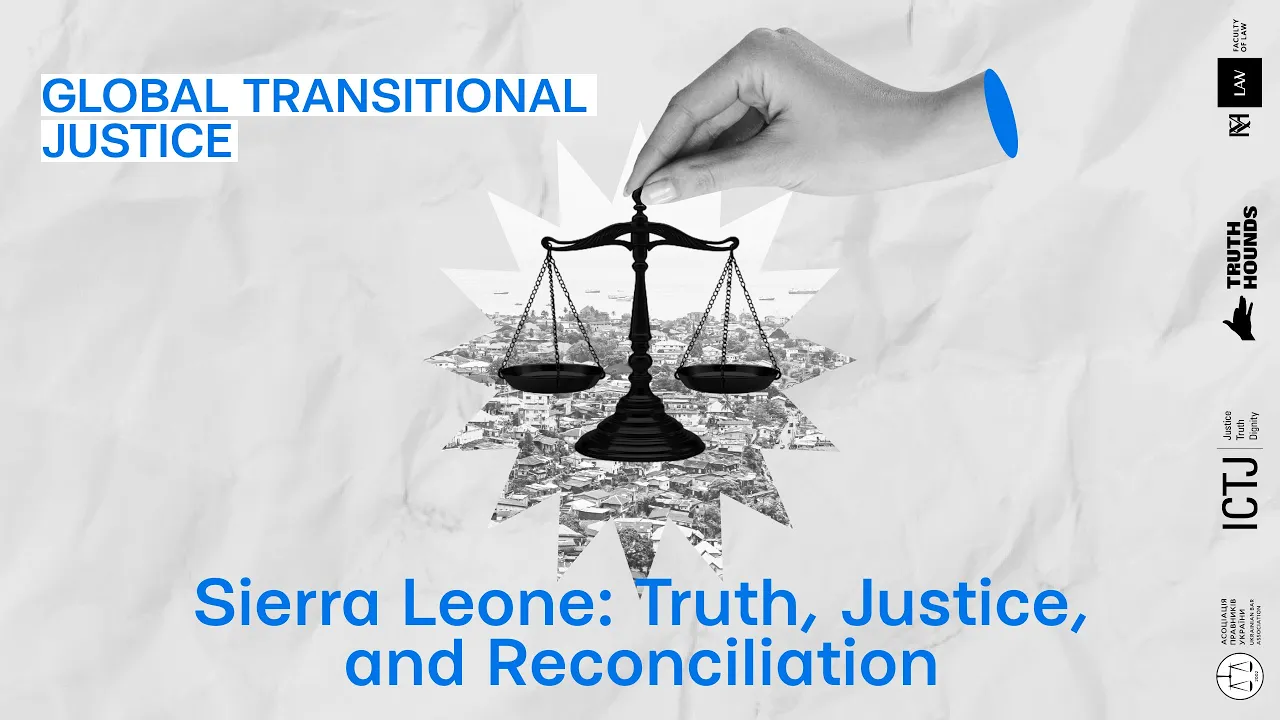

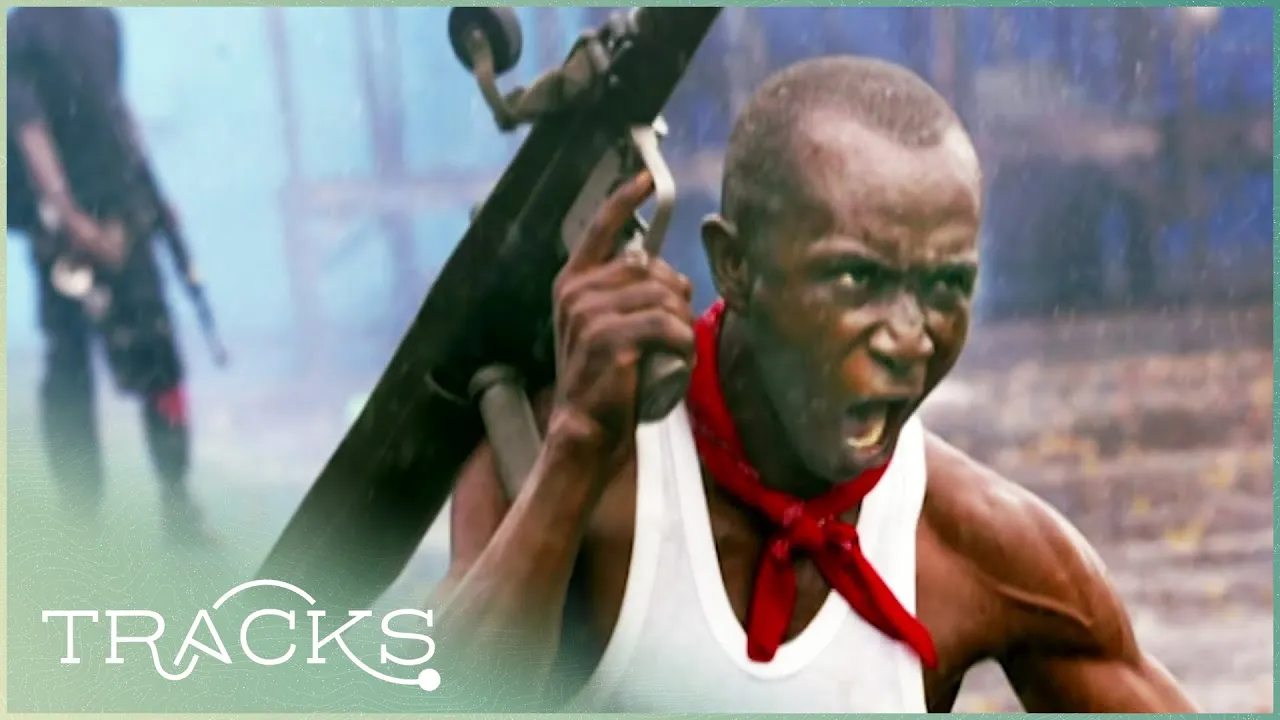








Sierra Leone's civil war (1991-2002), fueled by blood diamonds and political instability, resulted in widespread atrocities including the systematic amputation of civilians' limbs by child soldiers who were manipulated through drugs and coercion; the conflict demonstrates how resource wealth combined with weak governance can enable armed groups to exploit vulnerable children as weapons of war, leaving lasting physical and psychological scars on survivors while raising fundamental questions about justice and accountability in post-conflict societies.
Child Soldiers of Sierra Leone's Civil War: History & Impact
Added:Overview of the Sierra Leone Civil War (1991–2002), including the primary factions such as the Revolutionary United Front (RUF) and the government forces.
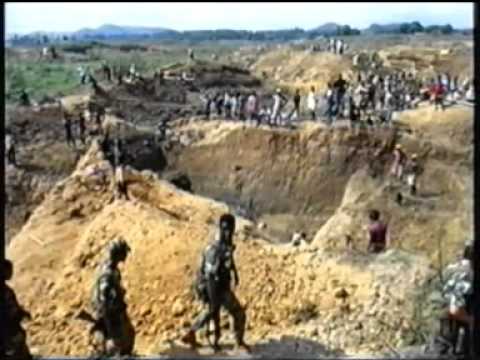
The concept of 'conflict diamonds' (or blood diamonds) and how natural resource exploitation can fund and prolong civil conflicts.
Basic principles of International Humanitarian Law, specifically regarding the classification of recruiting child soldiers as a war crime under the Rome Statute.
The post-colonial political landscape of West Africa, which set the stage for instability and governance challenges in the late 20th century.
The mandate and legacy of the Special Court for Sierra Leone (SCSL) and the Truth and Reconciliation Commission (TRC) in pioneering transitional justice.
The Disarmament, Demobilization, and Reintegration (DDR) process, focusing on the psychological and social rehabilitation of former child combatants.
The efficacy and challenges of the Kimberley Process Certification Scheme in preventing the global trade of conflict diamonds.
The long-term socio-economic and public health challenges faced by amputees and war victims in contemporary Sierra Leone.
190.9K views1.1Klikes26:36Original Release: 2012-05-16
Sierra Leon where eight years of Civil War have left the cruel Legacy in a Shack in downtown Freetown an 11-year-old boy prepares for school when civil Strife broke out in 1991 Sharif coroma was 3 years old his father was killed in the war and the boy now lives with his brother in July this year shareif went to school for the first time but he can hardly read or write for he is no ordinary child behind the face of the boy looks a terrible [Music] secret another day starts with the children singing their country's National anth Sharif shows his respect with a salute it's a military custom he learned deep in the jungles of Sierra [Applause] Leon in June the Headmaster received a letter from a Catholic priest take Sharif k into your school the boy wants to start a new life and needs an education Sharif Was A Boy Soldier earlier this year he commanded a group of boys on an extraordinary mission to kill innocent civilians and cut off their hands and in July last year Rebels attacked the town in northern Sierra Leone where Sharie lived with his parents and 10 brothers and sisters The Village was destroyed his father was later killed Sharif went to hide in the jungle where the reels found most of these young children you know come from very poor and destitute homes and and when you employ them you know you give them food and then they are drugged you know because they high on drugs they can be easily manipulated and brainwashed and they don't have enough responsibility they don't have families so if you send him on any Mission he will just obey without thinking twice did they inject him with a cocaine or what I was injected sometimes I also was given to drink these are the marks of the injections I have of that's why they committed most of the atrocities like chopping off the limbs of people cutting their heads you know burning houses and shareif was particularly Brave and was soon promoted to Captain his Commander was called General M Sherif acquired the battle name of Captain cutan yes I C have the the the the hands of many children the victims of FIFA and the other rebel units are to be found right across Sierra Leon it is estimated that the limbs of 10,000 people were amputated during the Civil War you lost your limb You've Lost Your Life You've Lost Your livelihood isatu Cabo is 13 years old and one of seven children of a farmer in January this year she was in Freetown visiting her aunt when the rebels came there were men and there were boys carrying guns axes and maches go to put again not pay attention we cannot a few weeks ago isari went to school again for the first time since her hands were cut off she and her family now live in Desperate conditions in an amput camp in Freetown their farm and Village were also burned down and they survive on the handouts of eight organizations happyyy Sierra Leon was once a prosperous British colony establish in 1787 as a new home for freed slaves from Britain and the United States it was once the intellectual Center of West Africa and has the oldest university in sub Sahara Africa there are 4 and A2 million Sierra leonian a colorful people who lived in relative peace with one another until [Music] 1991 in March of that year this man former Army Corporal fodi Sanu and his revolutionary united front or Ruf went into Exile into neighboring Liberia and started the Civil War it became one of the bloodiest conflicts in Africa's history I am corpal people call me p pap why children big people I'm not Mandela I'm Pape ofan in the years that followed Sierra Leon suffered a series of coups and Military dictatorships the country was destroyed and its people devastated by Civil War it became the poorest Nation on Earth with a life expectancy of only 37 and yet it is a country blessed with a wealth of natural resources and some of the richest Diamond deposits in the world many say that is precisely these riches and AG greed that accompany near that have kept the Flames of conflict burning the people of this country Sone they have been crying for war and their cry was answered by God Almighty in 1996 multi-party elections were held and won by Ahmed tan Kaba but 14 months later he was overthrown in a coup by Major Johnny Paul coroma leader of the Armed Forces re evolutionary Council or afrc a Nigerian lad military force called ecomog intervened and cabba was returned to power in February 1998 the Civil War intensified with the Nigerians and cabba fighting the Ruf and the afrc I want to be a leader for the people of stalion and I am the leader I'm going to be the leader of the Revolution F SLE and the Ruf are responsible for some of the worst atrocities committed in modern day Africa the trademark of the RF was the amputation of Limbs many of these atrocities were committed by young children we take care of them we have what we call these unfortunate children who find thems in short sitation are we to kill them no why they are with us why would these boys lie about what they did for you they are being spoonfed they had particular squads that were dedicated to to burning houses to amputations to executions so this implies a tremendous amount of organization and command responsibility on the part of all levels of the Ruf are you proud of your soldiers of course they are not soldiers these are Freedom Fighters he has been at the head of an organization the iuf who have committed some of the worst war crimes that we have seen in our time in January this year freet toown was burning as the rebels invaded the city from the East the Nigerians and the Sierra Leon Army were caught unawares and the rebels occupied most of the city a cameraman from the Sierra Leon broadcasting Services was strapped in the occupied area and filmed the conflict an ory of violence accompanied the rebel advance to the capital and the ensuing battle with the Nigerians Rebel soldiers some as young as seven roam the streets burning killing looting and miming sano's Ruf Rebels were largely responsible for the killing and maming of civilians afrc Rebels supporting former military dictator Johnny Paul kuroma soon joined in the destruction of Freetown as the rebels rampaged through the city hundreds of bodies were dumped at cemeteries and at the state mall according to the government pathologist 7,300 corpses were officially buried that was uh the greatest shock for the people of Freetown that time um to be seeing um their own friends and relatives countrymen towns mate being gathered like ants and parked in front of the of the muary entrance the Mayhem on the streets of Freetown continued for almost 3 weeks they must taste bit of to why did they why did they chop the people's hands off why was it necessary to do it they say hey who is this I say I'm a mechanic I tell them I pull my ID card to S this people they said no they say now we go and cut your head off I said for why I said what what happened when cut my head off try to talk to these people people try to cut my hand off I big them when I big them then go to the food lonan CE is 50 years old and a former Customs official he was hiding with his family in his house when the rebels arrived among them were young boys they took him and his family out of the house as a gentleman you've come for the peace don't M my house please we are in peace with you said they B the house here so the house was burnt and even all my properties he sit down Papa I sat down I said to cut your hand I said gentlemen don't cut my hands off I beg you I am with the peace with you people he took the and don't on my hand it goes up as leave hands so they C the hands I was L on the floor when after all this been done cutting my two hands they went away I followed them the gentleman you will damage me kill me kill me leaving me with my hands off kill me they said no they bounce me on the ground my teeth with an hammer was taken away you see that many people died as a result of their wounds but others miraculously survived as the Nigerians drove the rebels back the wounded injured and amputees started making their way to canot hospital it was a very big shock for to see people with their hands hanging on the Skins children with their and their arms amputated machetti wounds gunshot wounds people with their noses cut off their ears cut off some with their lips cut off you know and all the unimaginable injuries that were inflicted by cians on their fellow cians all my years of practice that was the first time that I saw my fellow country men and women with those type of injuries you know and had I not been a doctor you know probably I would have run away so I challenge anyone to prove that the ARF committed short ATR you want to say to me that all the people without hands in the MP Camp are lying when they say that your forces committed those atrocities what is your name I can say I do something I say you did it this is Africa people are not honest people are not sincere the evidence is overwhelming um through testimonies you know people people tell stories they have recognized some of the soldiers the soldiers identify themselves as being members of the the iuf my forces never use matchet no that is the argument so all the people in the MPT Camp are lying when they of course they lying it's a makeup of the government mind you why would they lie to tarish the repetition of the ARA for destroyers 3 weeks after the rebel invasion of Freetown the Nigerians retook the capital more than 5,000 people were killed in the offensive and 5,800 homes and buildings were burned down as the rebels fled into the mountains soldiers started searching for suspects this young man was accused by his neighbor of burning down her house Nigerian soldiers interrogated charged tried and convicted him on the streets of the capital many other suspects were rounded up in a similar way according to Witnesses hundreds of suspected Rebels were summarily executed by soldiers anybody who was around to have witnessed all the violence perpetrated whether you're a victim or just a witness it affected everybody shortly after the janary offensive president Kaba embarked on a mission to bring peace to his country in May the Waring factions agreed to a ceasefire on July 7 a formal peace agreement was signed in the togal capital of L the agreement calls for amongst other things the disarmament of Rebel soldiers a United Nations peacekeeping force and Democratic elections the two Rebel leaders fodi sanku and Johnny Paul coroma have recently returned to Freetown an uneasy peace has settled over Sierra Leon the prospects for peace and Sierra Leon rest in the hands of two men fodi Sanu and Johnny Paul kuroma the one is a former military dictator and the other a warlord they are today effectively vice presidents of Sierra Leon they live in state mansions and are protected by the very Nigerian soldiers they fought so bitterly only a few months ago believe you me the next general election we're going to win it we've won already and if you don't win we're going to win do you want to be president of Sierra Leone well as at now I'm preaching peace I'm talking about peace and I think you are talking about politics I'm not talking about politics I'm not talking about war I'm talking about peace I say without for the no peace in this country so as long as I'm in Freetown there is peace and if you're not in freet town there's war the L peace Accord calls for the disarming of all Rebel soldiers but across the country reception centers set up and controlled by the United Nations are standing virtually empty what about [Music] this by the beginning of this week only about a thousand Rebel soldiers had given themselves up they were mostly members of Johnny Paul koma's afrc while FIS sanku is preaching this Armament in public he told us a different story have you given an order like that oh not yet you need structures according to the lce Accord when these structures are in place then we can discern but according to the peace Accord you are supposed to disarm your soldiers me no it has been relatively quiet in Sierra Leo now for several months most roads have been reopened and people can get their products to the markets again but the L peace Accord is under serious threat there are reports of heavy fighting between the rebel soldiers of sanku and coroma in a Northern Town of manen according to the reports by human rights organizations villagers have been attacked and looting raping murder and amputations continue we are defending the peace process so the people should not worry how serious are the problems in the north it is very very serious no that is fabrication mcken is quiet as free town There's no fighting there there was a message that we monitored that the area of personnel are moving towards mcken 500 ammen with one armod car and one twin bar all his fabrication lies to tarnish or destroy the image of the ARF maybe Corporal Sanko should pay a visit to the canot hospital in downtown Freetown War 3 Bears testimony to the ongoing atrocities in Leon these are civilian casualties who have been brought from aeni to Freetown the L peace Accord also guarantees blanket amnesty for all soldiers and Rebels even those who committed the worst atrocities the victims are supposed to forgive and forget but for them there will never be Justice I mean imagine You've Lost Your limb you've been disabled for life there's no way you can cope especially in a very difficult world like us yes I will forgive them but I will not forget yes their future is extremely poor poor in the sense that you know unless they go out begging otherwise there's no way they can get a job or survive and I forgive them now for now I forgive them do you have anything to ask for forgiveness forgiveness for what to make a revolution your ancestors Made It in America in Britain in Europe yeah the victims of Sierra Leon are of all ages and from all sides in an office in Freetown Catholic priest's father Theo Momo debriefs two boy soldiers he runs a center for these children 10 okay is 10 plus okay so he killed so many that he doesn't even know the amount that he killed father Theo was the man who found Sheri coroma reunited him with his brother and sent him to school okay he was a spy a boy sent as a SP in a 5we period in September and October father Theo registered four 111 boy soldiers who had come to Freetown there is very little treatment for either the victims or the perpetrators this is where the worst victims of Sierra Leon Civil War are incarcerated the kissy mental hospital in Freetown is the oldest in sub Sahara Africa almost 200 victims of war are held behind the high walls conditions at the moment are very desperate desperate in the sense that you know we have very many psychiatric patients because of the war and the facilities of dwindled there is virtually no medicine little food and few stuff people are changed to their beds to prevent them from escaping Dr nahim is the only local psychologist or psychiatrist in the country well the patients we have here are the chronic helpless and hopeless patients who might be dangerous to society these are the ones who keep here Sharif coroma is lucky that some of his family are still alive and that he goes to school but he is also haunted by his [Music] Memories the picture of violence stays in your me memory for the rest of your life there is no way you can get it off your memory you can bury it in your subconscious but it's alive in you all of the time until you die as Sierra Leon approaches the Millennium peace is balanced on a knife edge but while leaders Scramble for power life has to go on in downtown Freetown a traditional wedding takes place the groom is not present as he now lives in America his brother stands in for him a few months ago a celebration like this was [Music] [Music] unthinkable [Music] join us again next week for another special [Music] assignment for
Up Next

120:33
Transitional Justice Post-Conflict: Mitigation Strategies & Choices
@WoodrowWilsonCenter
796 views•2013-11-07

24:30
BRICS Pay and de-dollarization: A New Financial Order Emerges? | 55 chars
@DannyHaiphongYT
164.6K views•2024-10-22
7:33
Government Surveillance Methods: 10 Ways You May Be Watched
@BeAmazed
1.6M views•2017-04-09
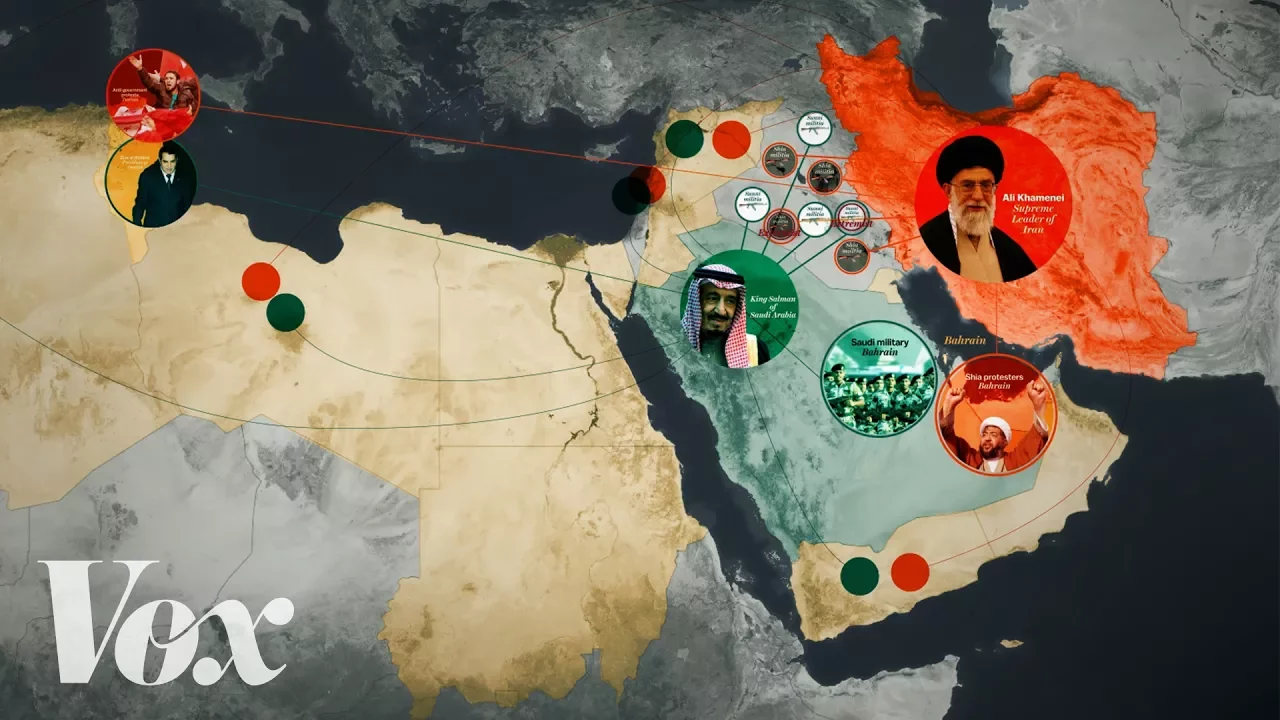
10:19
Explaining the Saudi-Iranian Proxy Conflict in the Middle East
@Vox
18.2M views•2017-07-17
Related Study Plans & Knowledge Roadmaps
Structured learning paths in Political Science
political-science
Economic Statecraft: Sanctions & Chokepoints
01Foundations of Geoeconomics and Economic Statecraft
02The Mechanics of Weaponized Interdependence
03International Sanctions: Types, Implementation, and Efficacy
+ 2 more learning modules
12h5 modules
Explore Roadmap
political-science
Central Bank Independence: Politics & Policy
01Foundations of Central Banking and Monetary Policy
02The Time Inconsistency Problem & Inflation Bias
03The Delegation Model and Designing Independence
+ 2 more learning modules
12h5 modules
Explore Roadmap
political-science
Consociationalism: Power-Sharing & Stability
01Democratic Dilemmas in Divided Societies
02Introduction to Consociational Democracy
03The Four Pillars of Consociational Design
+ 2 more learning modules
12h5 modules
Explore Roadmap
political-science
Rebel Governance: Legitimacy, Economy & State
01Foundations of Rebel Governance and Statehood
02Establishing Political Legitimacy and the Rebel Social Contract
03Wartime Economies and Rebel Resource Management
+ 2 more learning modules
14h5 modules
Explore Roadmap