This video explains five major parenting styles and their effects on child development: (1) Authoritative parenting, which balances clear expectations with emotional support and encourages independence, leading to confident, responsible children with strong problem-solving skills; (2) Permissive parenting, which prioritizes love over discipline and avoids setting boundaries, potentially causing children to struggle with impulse control and authority respect; (3) Authoritarian parenting, which is strict and inflexible with little warmth, often resulting in low self-esteem and anxiety; (4) Helicopter parenting, where parents micromanage every aspect of their child's life, potentially causing high anxiety and poor coping skills; and (5) Neglectful parenting, where parents are emotionally or physically absent, leading to attachment issues and lower academic performance. Research indicates that authoritative parenting tends to produce the most positive outcomes, though even small adjustments in warmth, discipline, and involvement can significantly impact child development.
5 Parenting Styles and Their Psychological Effects on Children
Added:The foundational dimensions of parenting: Demandingness (control) versus Responsiveness (warmth).

The foundation of parenting is providing Recognition Hunger satisfaction to children. This can be done through love, consideration, and other forms of acknowledgment. When parents provide this satisfaction, children develop positive character traits and are more likely to succeed in life.

The Parent structure has two main dimensions: (1) The Normative Parent, which establishes rules, norms, and regulations that help us grow safely and navigate reality; and (2) The Nurturing Parent, which provides love, care, security, and protection. These two dimensions work together to support healthy development and provide a framework for understanding acceptable behavior.

Effective parenting requires achieving eight fundamental dimensions in children: (1) Security (امن) - psychological and social safety in the family, (2) Health (صحة) - physical and mental well-being, (3) Virtue (صلاح) - both religious and secular, (4) Freedom (حرية) - the ability to make choices and bear consequences, (5) Education (تعليم) - continuous learning and knowledge acquisition, (6) Strength (قوة) - physical and mental resilience, (7) Character (خلوق) - moral and ethical development, and (8) Wealth (غنى) - material and spiritual abundance. These dimensions are interconnected and must be developed systematically, with security and health forming the foundation for all other developmental goals.
Developmental psychologist Diana Baumrind identified two fundamental dimensions that define all parenting styles: responsiveness and demandingness. Responsiveness refers to warmth, support, and emotional availability—the extent to which a parent is attuned to their child's emotional and developmental needs. Demandingness refers to expectations, structure, and discipline—the degree to which a parent guides, corrects, or pushes for certain behaviors in their children. These two dimensions combine to create four distinct parenting styles.

The foundation of effective parenting is laid in childhood and determines future outcomes. When foundations are not properly established, children struggle throughout life. Parents must be intentional about building strong foundations through love, discipline, values, and spiritual guidance. The choices parents make in raising their children have lasting impacts that extend beyond childhood into adulthood.
Introduction to Attachment Theory (Bowlby and Ainsworth) and its role in early socio-emotional development.

Attachment is fundamental to human development, serving as the foundation for trust and all subsequent social-emotional growth. John Bowlby's evolutionary theory posits that children are biologically programmed to form attachments because this enhances survival. Caregivers don't need to be biological parents—any responsive adult can serve as an attachment figure. Care and responsiveness matter more than feeding alone. A critical period exists between 0-5 years; failure to attach during this window causes severe developmental consequences including reduced intelligence and increased aggression. Separation anxiety emerges around 7 months when children develop true attachments. Bowlby identified four characteristics of attachment: proximity maintenance, safe haven, secure base, and separation anxiety. Mary Ainsworth's Strange Situation Procedure identified four attachment types: Secure attachment (distress upon separation, joy upon reunion), Avoidant attachment (indifference to caregiver departure), Disorganized attachment (confused, contradictory behaviors), and Resistant/ambivalent attachment (extreme distress, rejection of comfort). Only 60-70% of children develop secure attachment patterns.

Attachment theory, developed by John Bowlby (British psychiatrist, 1907-1990) and expanded by Mary Ainsworth (Canadian psychologist, 1913-1999), explains how early childhood attachments to caregivers influence lifelong relationship patterns. Bowlby proposed that attachment is an evolutionary, hardwired component of human nature with four key characteristics: proximity maintenance (desire to stay near caregiver), safe haven (returning for comfort during fear), secure base (exploring from a foundation of security), and separation distress (anxiety when separated). Ainsworth built on this by developing the Strange Situation procedure, demonstrating that attachment styles are learned through the quality of care provided by caregivers, resulting in secure, ambivalent, avoidant, or disorganized attachment patterns that significantly impact adult relationships.

John Bowlby viewed attachment from the perspective of object relations theory and proposed that attachment served as the foundational purpose for humans and animals from an evolutionary perspective. Without attachment between a newborn and a caregiver, the baby would not survive. Bowlby's views were heavily influenced by Harry Harlow's 1950s experiments with rhesus monkeys, which demonstrated that socioemotional development depends on the responsiveness of the primary caregiver to the biological needs of the baby. The core of Bowlby's attachment theory is that socioemotional development depends on the sensitive and consistent relationship with a caregiver that forms a foundation of a positive attachment representation. Bowlby interpreted the behavioral and emotional issues displayed by deprived monkeys as a reflection of their inability to engage in effective proximity-seeking. He believed that attachment was an all-or-nothing process that reflects our emotional connection to others and shapes how we perceive ourselves, others, and our relationships. He proposed that the infant-caregiver relationship creates an early model for how the individual will perceive and interact in relationships. Infants completely depend on their caregiver to survive, so proximity maintenance is inborn and innate. To develop a healthy secure attachment, infants need a sensitive and reliable caregiver from which they can explore the world but also retreat when stressed or afraid back to their secure base (their caregiver). Ideally, caregivers encourage exploration but are also available to calm the infant when distressed, supporting exploration while providing safety and reassurance. This allows the development of an internal working model based on these interactions that serves as the basis for future intimate relationships, guiding perspectives and behaviors regarding what relationships should be like and what to expect. Bowlby's idea of the internal working model was impacted by the cognitive perspective regarding how people organize their beliefs around themselves and their relations to others, often referred to as cognitive schemas, which can be thought of as 'if, then' statements. The Strange Situation is a research procedure developed by Mary Ainsworth and colleagues, considered the gold standard for attachment assessment in babies. The original study included babies aged 12 to 18 months from around 100 middle-class American families, providing support for Bowlby's attachment theory but also raising ethical concerns and questions about cultural generalizability. Secure infants were defined as those who used mom as a safe base, demonstrated by normal distress when she would leave, more exploration of the stranger when mom is present, happy whenever mom returns, and relatively easy to soothe and proximity-seeking. About 70 percent of babies in the study were classified as secure. Ainsworth proposed that the mother's sensitivity to their child's needs and responsiveness determined the security of the attachment. A secure attachment reflects the sensitivity, consistent responsiveness, and competence that Bowlby proposed in his initial attachment theory. Anxious attachment style (also known as reactive, ambivalent, or insecure-anxious) is characterized by high proximity-seeking and high abandonment anxiety. These babies were much more intensely distressed and clingy when mom would leave, avoid the stranger whether mom's there or not, are scared of the stranger, are hard to soothe even by mom, and may be excessively hostile or passive when mom returns. They vacillate between being clingy and needy and being rejecting and pushing away—they're confused and hypervigilant. They want contact but feel angry at the same time. Ainsworth believed this style resulted from inconsistent care that teaches the baby that care is not guaranteed, and that they must exaggerate their needs to increase the likelihood of getting them met. Avoidant attachment style (insecure-avoidant) is characterized by low proximity-seeking and low abandonment anxiety. Babies don't really care when mom leaves or comes back, are okay with the stranger whether mom is there or not, and both mom and the stranger are equally able to comfort them. They're calm when mom leaves and will ignore or reject her when she returns. They expect abandonment and already feel unloved and rejected themselves. Ainsworth suggested this resulted most likely from a rejecting parent who does not provide sensitive, responsive care and is typically unavailable when the baby needs them. Mary Main and Judith Solomon introduced the fourth attachment style later, called disorganized. Unlike anxious and avoidant types, who are insecure but organized, this type is insecure and disorganized. In the Strange Situation, they respond as disoriented, dazed, and/or immobile. Their responses vary greatly and may depend on the interaction with a specific caregiver. Their caregivers typically have conflicting styles and are more likely to be abusive, frightening, or otherwise alarming to the child. Thomas and Chess classified babies into three types: easy babies are warm, calm, smile, giggle, are easygoing, open to exploring, trying new things, and sleep, eat, and do cute baby things—they're most likely to have secure attachments because they're easiest to take care of. Slow-to-warm babies are harder to please, socially detached and impulsive, don't laugh at attempts at tickling, aren't impressed with snuggling attempts, want space and don't trust right away. Difficult babies cry easily because they're emotionally hypersensitive, more neurotic, more sensitive, more scared, more unstable, don't like trying new things, don't transition well, and are most likely to have anxious attachments—they want reassurance and comfort above what a secure child needs. The match between caregiver and baby extends throughout the lifespan, applying to children with caregivers, romantic relationships, and other close relationships. Poor goodness of fit occurs when a super extraverted, sensation-seeking parent doesn't recognize their very different, introverted, harm-avoidant child, exposing them to situations that are scary for that child. This applies to adults too—in romantic relationships, attachment styles and traits of both partners create unique dynamics, and goodness of fit heavily influences relationship success and stability. Research by Barel et al. (2020) found that secure attachment is positively correlated with extraversion, agreeableness, conscientiousness, and openness, and negatively correlated with neuroticism. Stability refers to the ability and motivation to maintain stable relationships, while plasticity refers to the degree of flexibility in behaviors and thought processes. Secure attachment tends to be more agreeable, conscientious, and less neurotic (aligning with stability), and also more flexible (associated with extraversion and openness).
Attachment theory was founded by John Bowlby, who first observed that children display different patterns of behavior and responses to their caregivers. Mary Ainsworth, a student of Bowlby, conducted research with children and their mothers, creating scenarios to observe how children responded to their caregivers. She discovered different patterns of attachment behavior and developed the terminology for the different attachment styles. Anxious-preoccupied attachment often develops from inconsistent parental response—when parents are inconsistent in their emotional availability, children develop anxious attachment patterns. This inconsistency creates uncertainty in the child's mind about whether they will be abandoned, leading to hyper-vigilance and anxiety in relationships.

Attachment theory, developed by British psychiatrist John Bowlby in the 1930s, examines how humans respond in relationships when hurt, separated, or threatened. Bowlby discovered that children are born with an innate drive to form attachments with primary caregivers, seeking comfort and care when frightened. His research challenged classical views that attachment was driven by material needs, instead demonstrating that attachment is characterized by nurturance and responsiveness. Bowlby identified four sequential phases of attachment development: pre-attachment (birth to 6 weeks), attachment in making (6 weeks to 6-8 months), clear-cut attachment (6-8 months to 18 months), and formation of reciprocal relationships (18 months onward). Developmental psychologist Mary Ainsworth later classified attachment into four styles using the Strange Situation Protocol: secure attachment (consistent, responsive caregiving), anxious-resistant attachment (inconsistent caregiving), avoidant attachment (neglectful caregiving), and disorganized/disoriented attachment (inconsistent caregiver behavior causing confusion). The quality of early attachment profoundly impacts lifelong outcomes: securely attached children develop self-confidence, perform better academically, form healthier relationships, and experience less anxiety and depression, while insecurely attached children face higher risks of psychological disorders including antisocial personality disorder, PTSD, and oppositional defiant disorder.
Basic concepts of child development, particularly emotional regulation and socialization processes.

Emotional development is a product of both genetics and exposure to social relationships. Socialization acts as a medium through which individuals learn approval and emotional responses to surrounding events. Emotional regulation is learned by children through observations, different parenting styles, and the overall emotional climate of the family. School relationships with peers further sharpens this regulation since same-age group responses are more readily taken.

Social development is the ability to establish meaningful relationships and adapt to social environments through learning social norms, rules, and expectations. Socialization is the process through which society teaches individuals expected behaviors. Emotional development is the process of learning to feel, control, and express emotions, beginning in childhood and continuing throughout life. It includes emotional awareness (recognizing one's own and others' emotions), emotional regulation (managing emotions appropriately), and building positive relationships. Factors like environment and genetics influence emotional development intensity. Both social and emotional development are continuous processes that begin in childhood and continue throughout life, requiring physical development as a foundation.

Socialization is the process by which children learn to interact with others and become members of society. Primary socialization occurs primarily within the family, where children learn basic social skills, values, and behaviors. Emotional development involves the development of feelings, emotions, and emotional regulation. Children experience various emotions such as happiness, sadness, anger, and fear. Understanding and managing these emotions is crucial for healthy emotional development. Independence and autonomy are also important aspects of early childhood development.

Emotional development is a product of both genetics and exposure to social relationships. Socialization acts as a medium through which an individual learns approval and emotional responses to surrounding events. This emotional regulation is learned by children through observations, different parenting styles, and the overall emotional climate of the family. School relationships with peers further sharpens this regulation since same-age group responses are more readily taken in.

Emotional regulation develops through consistent, responsive caregiving. Children need emotional stability and trust to develop self-control. When children's needs are consistently met, they can learn to delay gratification. Children who lack emotional stability and trust may struggle with tantrums and emotional regulation. Social development progresses through stages: at age 2, children become aware of themselves but are self-centered; by age 3, children prefer solitary play but observe others; by age 4, children prefer same-gender peers; by age 5, children learn rules and order. Caregivers should model appropriate behavior and help children understand social rules.
The historical context of Diana Baumrind's pioneering research on parenting typologies.

Diana Bloomberg Baumrind identified four parenting styles: authoritative (rational, reasoning-based, with standards and affirmation, producing confident and socially skilled children), authoritarian (controlling, obedience-focused, with high restrictions, producing anxious but academically successful children), permissive (non-punitive, accepting, with few demands, producing emotionally unregulated and rebellious children), and neglectful (minimal engagement due to stress or work, producing independent children with strong problem-solving skills).
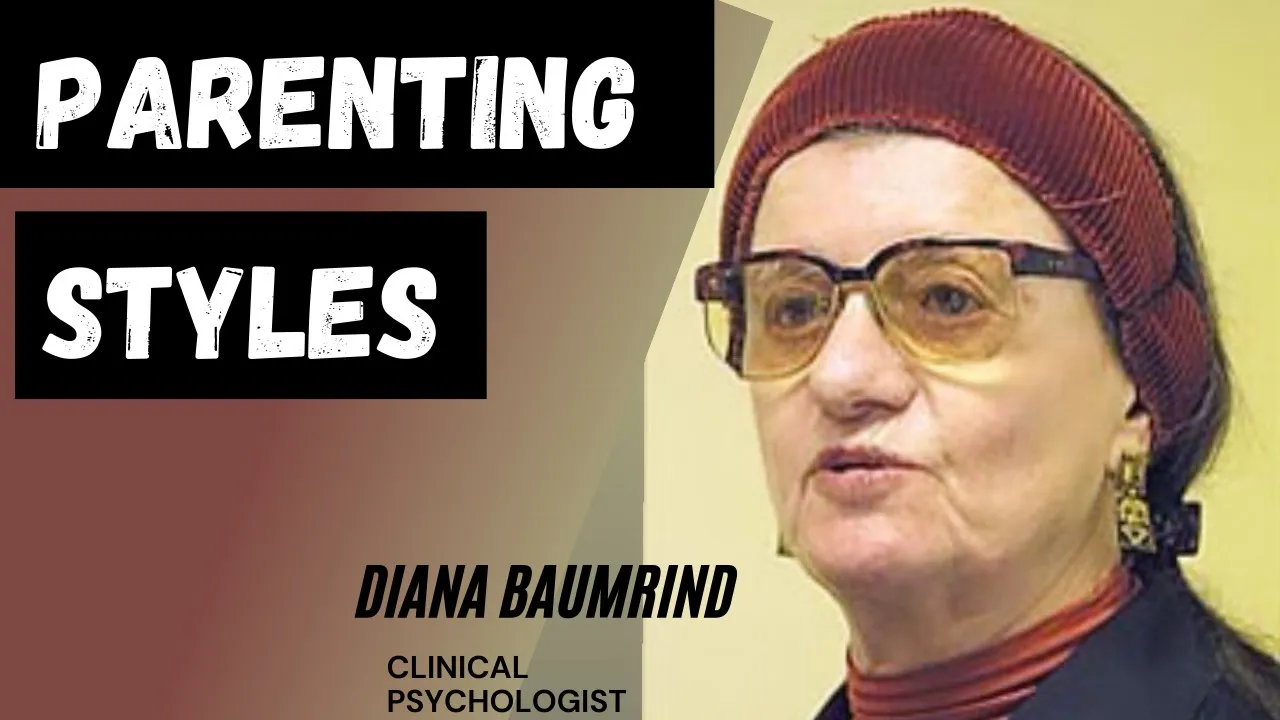
Diana Baumrind's research identified four parenting styles—authoritarian (strict rules with punishment), authoritative (reasonable demands with high responsiveness), permissive (few demands with low expectations), and uninvolved (detached from child's life)—each producing distinct outcomes: authoritarian parenting leads to aggressive behavior, low self-esteem, and social difficulties; authoritative parenting produces confident, socially skilled, and emotionally regulated children; permissive parenting results in poor self-achievement and decision-making; and uninvolved parenting causes anxiety, emotional withdrawal, and increased risk of delinquency.

Diana Baumrind identified four parenting styles based on two key dimensions: responsiveness (warmth, supportiveness, and sensitivity to children's needs) and demandingness (control, expectations, and rules). The four styles are: (1) Authoritative - high responsiveness and high demandingness, characterized by warmth, clear expectations, and open communication; (2) Authoritarian - low responsiveness and high demandingness, marked by strict control and punitive measures; (3) Permissive - high responsiveness and low demandingness, featuring indulgence and lack of boundaries; and (4) Neglectful/Uninvolved - low on both dimensions, involving minimal emotional support and control. Baumrind emphasized that these styles exist on a continuum rather than as fixed categories, and that aiming for the middle ground between extremes is more important than achieving perfection.

Diana Baumrind identified four parenting styles: Authoritarian (strict, controlling, high demands with low responsiveness), Authoritative (balanced, democratic, high demands with high responsiveness), Permissive (lenient, low demands with high responsiveness), and Neglectful/Uninvolved (low demands with low responsiveness). Among these, the Authoritative style is considered the most ideal as it combines structure with warmth and open communication.

Diana Baumrind identified four main parenting styles—authoritarian (strict rules, harsh punishment, associated with lower social skills and self-esteem), permissive (few rules, low responsiveness, linked to higher aggression and lower maturity), authoritative (demanding yet responsive with open discussion, associated with higher self-esteem, self-reliance, and social competence), and neglectful/uninvolved (provides basic needs but lacks engagement, associated with lower social competence and school achievement)—though researchers note that correlation does not equal causation, as children's personalities and shared genetics may also influence these relationships.
Prerequisite Knowledge
- Concept 01The foundational dimensions of parenting: Demandingness (control) versus Responsiveness (warmth).
- Concept 02Introduction to Attachment Theory (Bowlby and Ainsworth) and its role in early socio-emotional development.
- Concept 03Basic concepts of child development, particularly emotional regulation and socialization processes.
- Concept 04The historical context of Diana Baumrind's pioneering research on parenting typologies.
Subsequent Learning
- Step 01The bidirectional model of parenting: How child temperament influences parenting behavior (and vice versa).
- Step 02Cross-cultural perspectives on parenting styles and how cultural norms moderate their developmental outcomes.
- Step 03The long-term impact of parenting styles on adult psychological well-being, relationship patterns, and self-esteem.
- Step 04Evidence-based parenting interventions and clinical strategies for modifying dysfunctional parenting behaviors.
Styles I
0:00- 1
Authoritative parenting balances rules with warmth, boosting confidence and responsibility.
- 2
Permissive style fosters love but risks poor impulse control and entitlement.
- 3
Authoritarian approach enforces obedience but leads to anxiety and low self-esteem.
The Bidirectional Model and Cultural Critique of Parenting Styles
While Baumrind’s parenting styles framework is widely accepted, critics challenge its assumptions on two fronts: unidirectional influence and cultural bias. First, the traditional framework assumes a one-way path where parent behavior shapes the child. In contrast, the Transactional (or Bidirectional) Model of development argues that a child's innate temperament actively shapes parenting behavior. An easy-going child may evoke authoritative parenting, while a challenging child might prompt authoritarian reactions, making parenting style a reaction rather than a sole cause. Second, critics highlight a Western-centric bias in these categories. In many non-Western or ethnic minority households, aspects of 'authoritarian' parenting (high control and strictness) do not produce negative psychological outcomes. Instead, they are often associated with academic success and perceived by children as expressions of parental love, training, and protection. Therefore, parenting styles cannot be universally categorized as 'good' or 'bad' without considering the child's own traits and cultural context.
The bidirectional model of parenting: How child temperament influences parenting behavior (and vice versa).

The transactional model represents a shift from unidirectional models (which focused only on parent socialization effects on children) to bidirectional models. This model recognizes that while parents' way of raising children affects their behavior, children also contribute to how parents raise them. This interdependence means that causality flows in both directions in parent-child relationships. Research findings show a reciprocal relationship between physical punishment and aggressive behavior: when parents physically punish their children, children become more aggressive, and simultaneously, parents punish more those children who are more aggressive. This bidirectional relationship means that individual differences in aggressive behavior impact how parents react to them, creating a cycle that can escalate over time.

Parent-child interactions are bidirectional, meaning both parents and children influence each other's behavior. Research shows that mothers who maltreat children exhibit different interaction patterns, including more aggressive behaviors and more instructions. Children in maltreating families may also show different behavioral patterns. This bidirectional model emphasizes that interventions must address both parties' behaviors. Research also shows that executive functions play a crucial role in parenting interventions, with mothers who respond well to interventions often having better baseline executive function performance.

The traditional model of adult teaching young people is not the only way learning occurs. In the context of the 'Voz Generaciones' competition, both parents and children learn from each other. The father (Dante) teaches his son, while the son also teaches the father. This bidirectional learning strengthens the parent-child relationship and creates a more robust bond of affection and love. The traditional hierarchy of adult teaching young people is not the only way learning occurs. In the context of the 'Voz Generaciones' competition, both parents and children learn from each other. The father (Dante) teaches his son, while the son also teaches the father. This bidirectional learning strengthens the parent-child relationship and creates a more robust bond of affection and love.

Parenting is a bidirectional learning experience where children teach parents as much as parents teach children. The speaker describes how he learned from his children and how parenting has been a rewarding journey that he would not trade for anything. He discusses the challenges of raising a child with brittle bone disease and autism, including constant anxiety about safety and the unique burdens faced by families raising children with special needs. The speaker also describes how his brother Logan expressed being 'honored to be your brother,' demonstrating that sibling relationships can be deeply meaningful despite the challenges. The title 'The Unbreakable Boy' represents the idea that despite physical fragility, the child's spirit remains unbroken, and the father learns that his son was there to heal him rather than needing to be fixed.
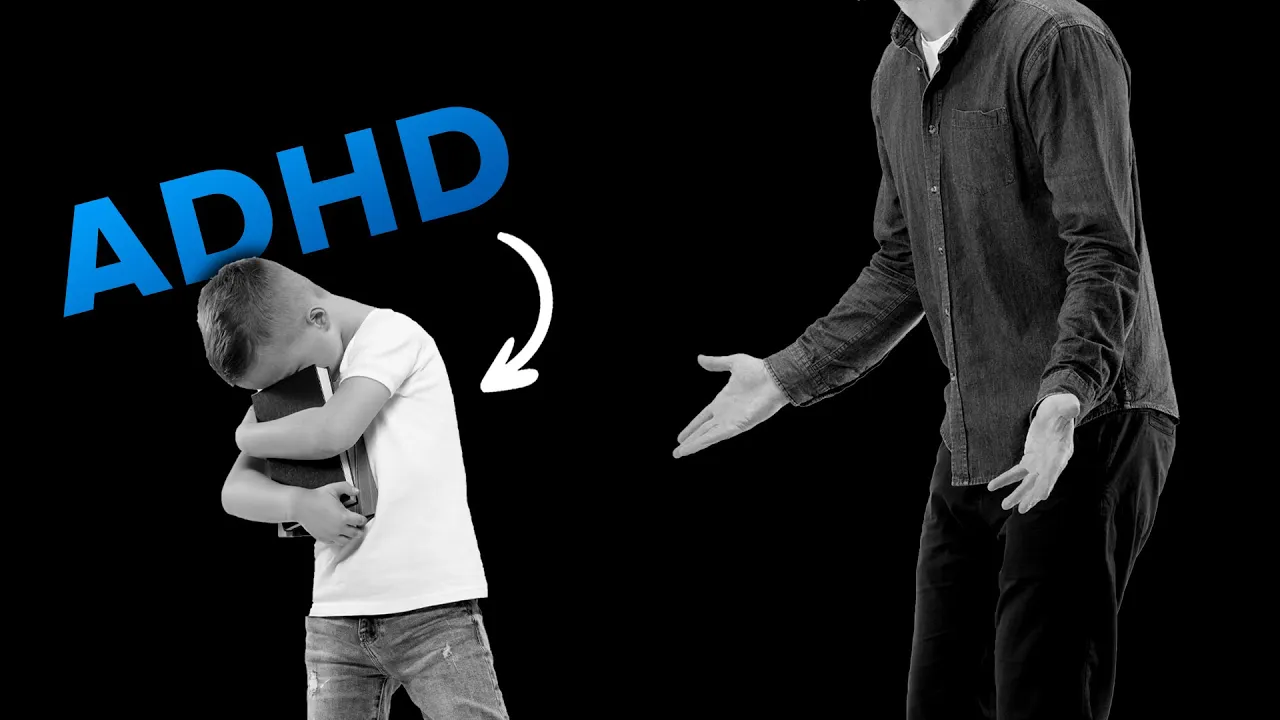
ADHD and parenting styles have a bidirectional relationship where ADHD in children increases family stress and parental depression, while harsh or authoritarian parenting styles (high control, low warmth) exacerbate ADHD symptoms, creating a harmful cycle; however, authoritative parenting (high control with high warmth) can improve ADHD outcomes and grades without necessarily improving fundamental attentional abilities, suggesting that proper parenting interventions can break this cycle and positively impact child development.
Cross-cultural perspectives on parenting styles and how cultural norms moderate their developmental outcomes.

Each parenting style produces distinct developmental outcomes. Authoritarian parenting creates emotionally stiff, curious-deficient children trained to obey without question. Permissive parenting fails to develop basic life skills, resulting in dependent, immature individuals. Uninvolved parenting causes severe neglect with negative consequences. Cultural background shapes parenting preferences: Asian cultures emphasize emotional restraint and obedience (authoritarian), African cultures stress family loyalty and respect (authoritarian), Caucasian cultures prioritize happiness and self-reliance (permissive), and Latino cultures value strong family ties with balanced warmth and control (authoritative).

This comprehensive lesson covers parenting styles and cultural perspectives on child-rearing. Parenting styles are categorized based on three domains: boundary setting (control), communication, and affection. The four styles are: (1) Authoritarian - high control, low communication, low affection (strict librarian); (2) Permissive - low control, high communication, high affection (party parent); (3) Uninvolved - low across all domains (worst outcome); (4) Authoritative - high across all domains (sweet spot). Authoritative parents set boundaries but explain reasons and show affection, leading to better outcomes. Cultural differences exist in discipline approaches, with African-American families showing higher acceptance of corporal punishment compared to white upper-middle-class groups. Effective discipline requires setting limits while maintaining loving, respectful relationships, with alternatives to corporal punishment including technology-based consequences and open communication.

A 2018 meta-analysis by Pinquart and Causer found that there are more ethical and regional similarities in the outcome of different parenting styles than there are differences across cultures. The researchers concluded that parents across the globe can be recommended to behave authoritatively, although authoritarian and permissive parenting is to some extent tolerable in a few cultural contexts. While authoritarian parenting does have some acceptance in different cultures and can lead to successful outcomes, it is not the recommended parenting style across cultures.

Human development occurs within a cultural context including beliefs, practices, and ways of doing things. Culture shapes how children think, behave, and develop their personality. Diana Baumrind identified four parenting styles affecting child development: authoritarian (dictatorial, children comply without questioning), authoritative (trains assertiveness and self-regulation), permissive (low discipline, children become indisciplined), and neglectful (little guidance or support). Understanding parenting styles helps explain child behavior and development outcomes.

Children of permissive parents often are impulsive, aggressive, self-centered, aimless, and lack confidence in their own decision-making because they lack opportunities to learn self-reliance. Children of neglectful parenting show the worst developmental outcomes. Different parenting approaches may be appropriate in different cultural or historical contexts. The effectiveness of parenting styles depends on cultural appropriateness and how common a style is within a given society.
The long-term impact of parenting styles on adult psychological well-being, relationship patterns, and self-esteem.

Parenting styles shape how children feel about themselves when no one is watching. Authoritarian parenting creates adults who second-guess decisions and fear disappointing others. Permissive parenting creates adults who cannot set boundaries and chase endless validation. Neglectful parenting creates adults who build walls and seek familiar emotional distance. Authoritative parenting creates adults who communicate effectively, handle criticism well, and create safe spaces for others. The key insight is that children don't need perfect parents but need repairing parents who apologize, explain, and choose calm over harsh reactions.

This extended analysis examines how each parenting style shapes adult personality and functioning. Authoritarian parenting produces obedient adults who repress emotions and lack self-knowledge. Permissive parenting creates individuals who struggle with conflict and boundaries. Democratic parenting develops resilient, emotionally intelligent adults who handle challenges constructively. Negligent parenting results in insecure attachment, low self-confidence, and difficulty forming healthy relationships. These outcomes demonstrate that parenting approaches significantly influence lifelong psychological well-being and social competence.

Childhood parenting styles have lasting impacts that extend into adulthood. Children raised with authoritative parenting develop high self-esteem, confidence, assertiveness, and strong communication skills. They learn emotional intelligence, handle stress effectively, and develop resilience and adaptability. They become independent, autonomous, and capable of making decisions. Children raised with authoritarian parenting develop low self-esteem, difficulty trusting their own decisions, and struggle with emotional expression. They may become either submissive or rebellious. Children raised with permissive parents lack discipline, self-regulation, and frustration tolerance. Children raised with neglectful parents struggle with relationships, self-worth, and emotional regulation.

Four main parenting styles shape adult psychological patterns: (1) Critical parents constantly find fault, creating adults with chronically low self-esteem who never feel sufficient; (2) Overindulgent parents shield children from all challenges, creating adults who feel the world is hostile and lack resilience; (3) Absent parents prevent children from forming clear self-concepts, making them susceptible to external influences; (4) Neglectful parents fail to provide basic needs or emotional support, creating adults who feel unloved and unvalued. A nurturing parent provides firm but loving boundaries, strengthens self-concept, and offers unconditional love. This parenting style is associated with the 0.1% of adults who do not have wounded inner children. Children are profoundly fragile and vulnerable, making them susceptible to emotional harm. Children naturally perceive the world from an egocentric perspective, which is normal in early childhood but becomes pathological if it persists into adulthood. This egocentrism causes children to internalize blame for suffering, believing they are responsible for negative experiences.

Different parenting styles create distinct psychological patterns in adulthood. Stingy parenting creates adults who spend excessively to compensate for childhood deprivation. Overindulgent parenting produces adults who lack appreciation for money and effort. Authoritarian parenting generates people-pleasers who cannot set boundaries due to chronic childhood rejection. Fear-based parenting creates adults with chronic anxiety and excessive checking behaviors. These patterns persist because the inner child continues to seek what was missing in childhood. Time alone cannot heal these wounds, requiring specialized therapeutic intervention to address the underlying psychological needs.
Evidence-based parenting interventions and clinical strategies for modifying dysfunctional parenting behaviors.

Two major evidence-based parenting programs exist: the Gaston Method for externalizing disorders focusing on developing specific behaviors and character traits through nurturing environments; and the Triple P Positive Parenting Program for prevention and treatment of behavioral and emotional problems across the lifespan. Both programs draw on established psychological theories and have demonstrated effectiveness in clinical research, representing gold standards in family intervention approaches.

This section presents evidence-based parenting interventions with different levels of effectiveness. Digital interventions have moderate to low evidence but offer accessibility. Parent-child relationship and mindfulness-based interventions show moderate evidence. The most effective interventions with high evidence focus on parental skills, including how to interact with children, manage conflicts, and communicate positively. Programs like Incredible Years and Triple P have demonstrated high efficacy. Family-inclusive interventions show better outcomes in emotional recognition, emotional management, social skills, and behavioral adjustment, though practical challenges include resource demands and higher attrition rates.
Over 90 rigorous studies in low and middle-income countries demonstrate parenting interventions are equally effective across transported and homegrown programs when based on core evidence principles. These interventions benefit marginalized populations including poor families, single mothers, migrants, and ethnic minorities as much as average families. Key outcomes include reduced harsh parenting and maltreatment, improved parent-child relationships, enhanced home caregiving environments, better child development and health, prevention of behavioral difficulties and mental health problems, and long-term savings on health and social services. Core components include non-didactic approaches that help parents change behaviors, active learning, discussion, coaching, modeling, multiple sessions, and skill practice opportunities.

Parenting has a health-related valence because it can modulate a child's health and adaptation. Clinical parenting interventions require precise identification of specific parental characteristics that negatively impact child development. Effective interventions require functional analysis to identify relational dynamics governing family functioning, understanding motivations behind parental behaviors and child reactions. Generic parenting support lacking clinical components is destined to fail. A critical distinction exists between uncomfortable behaviors and truly harmful behaviors that fail to meet evolutionary needs. Parenting support is often inappropriately prescribed in separation cases when conflicts lead to parental rejection, representing excessive use when the true scope and prerequisites are not understood.

Research across hundreds of randomized control trials identifies common effective parenting features: nurturance, supervision, limit-setting, teaching adaptive behaviors, and discouraging maladaptive ones. These interventions show cascading positive effects across the developmental lifespan. KEEP (Kinship Education and Enhancement Program) is a 16-week group intervention for foster parents showing reduced placement disruptions and improved child outcomes. Parenting Through Change extends these benefits through 9 years post-intervention. Implementation requires transforming caseworkers from monitors to active agents supporting parent progress. The R3 model reinforces daily interactions. Successful implementation demands partnership with existing agencies, understanding organizational culture, and using fidelity data for continuous improvement. Foster parents represent an untapped resource for delivering these interventions effectively.
Styles I
0:00- 1
Authoritative parenting balances rules with warmth, boosting confidence and responsibility.
- 2
Permissive style fosters love but risks poor impulse control and entitlement.
- 3
Authoritarian approach enforces obedience but leads to anxiety and low self-esteem.
The Bidirectional Model and Cultural Critique of Parenting Styles
While Baumrind’s parenting styles framework is widely accepted, critics challenge its assumptions on two fronts: unidirectional influence and cultural bias. First, the traditional framework assumes a one-way path where parent behavior shapes the child. In contrast, the Transactional (or Bidirectional) Model of development argues that a child's innate temperament actively shapes parenting behavior. An easy-going child may evoke authoritative parenting, while a challenging child might prompt authoritarian reactions, making parenting style a reaction rather than a sole cause. Second, critics highlight a Western-centric bias in these categories. In many non-Western or ethnic minority households, aspects of 'authoritarian' parenting (high control and strictness) do not produce negative psychological outcomes. Instead, they are often associated with academic success and perceived by children as expressions of parental love, training, and protection. Therefore, parenting styles cannot be universally categorized as 'good' or 'bad' without considering the child's own traits and cultural context.
One, authoritative parenting. Now, we start with the style most recommended by psychologists, authoritative parenting.
This approach balances clear expectations with emotional support.
These parents set rules, but explain them, encourage independence, and listen to their child's perspective.
Children raised this way tend to be confident, responsible, and emotionally balanced. They perform well academically, build healthy relationships, and develop strong problem-solving skills because they've been guided, not controlled. Two, permissive parenting.
Next, we have permissive parenting. High on love, low on discipline. These parents avoid saying no and often prioritize their child's happiness over structure. Kids raised this way usually feel loved and free, but without boundaries, they may struggle with impulse control, entitlement, and difficulty handling disappointment. In the long run, they might have trouble respecting authority or sticking to responsibilities.
Three, authoritarian parenting. On the opposite end of the spectrum, we have authoritarian parenting. Not to be mistaken as authoritative parenting, authoritarian parenting is strict, structured, and often inflexible. These parents expect obedience without question, enforcing rules with little warmth or explanation. Phrases like because I said so are common. While children raised this way may follow rules well, studies show they often struggle with low self-esteem, anxiety, and difficulty making decisions on their own. without room to question or explore. They may also resent authority later in life. Four, overinvolved, aka helicopter parenting. Next, we have helicopter parenting, where well-meaning parents hover over every aspect of their child's life. These parents micromanage, solve every problem, and shield their child from failure. While these children may appear successful early on, they often grow up with high anxiety, poor coping skills, and a fear of making mistakes. Without the chance to fail and learn, they may struggle in adulthood when faced with challenges. Five, neglectful parenting.
Finally, we have neglectful parenting.
One of the most damaging parenting styles where parents are emotionally or physically absent. These children may have their basic needs met, but they lack guidance, attention, and emotional support. Sadly, kids raised this way often struggle with attachment issues, low academic performance, and higher risks of depression or risky behavior.
Without a secure foundation, they may find it harder to trust others or believe in themselves. In the end, parenting isn't about perfection. It's about awareness and balance. While authoritative parenting tends to have the most positive outcomes, even small adjustments in warmth, discipline, and involvement can make a big difference.
Which style resonates most with your upbringing or your own parenting?
Thanks for watching. If you like this video, subscribe for similar ones and drop a comment below. As always, thanks for your support and I'll see you in the next
Up Next

Attachment Triggers in Relationships: Why Small Moments Feel Big
@ConnectwithRicha
2K views•2025-09-19

Cognitive Skills for Differentiated Instruction | Teacher PD
@BrainWareLearning
631 views•2017-12-17

Thinking, Fast and Slow: Daniel Kahneman Animated Book Summary
@FightMediocrity
2.3M views•2015-06-05

The Nocebo Effect: How Beliefs Can Cause Real Harm
@CGPGrey
10.4M views•2013-12-23
Related Study Plans & Knowledge Roadmaps
Structured learning paths in Psychology