Scheele's Green, a vibrant green pigment invented by Swedish chemist Carl Wilhelm Scheele in the late 18th century, was highly toxic due to its arsenic and copper content, yet became widely used in Victorian fashion, wallpaper, children's toys, and even food items like blancmange, causing numerous poisonings and deaths including a 1848 incident where 20 guests died from eating the green-colored dessert.
Scheele's Green: The Deadly History of Arsenic in Victorian Green
Added:Deep Dive
The fundamental chemistry of heavy metalloids, specifically the atomic properties and inherent toxicity of arsenic.
Metallic Poison Part 1A
445
Many metallic elements exist in trace quantities in the human body and are essential for biological processes, including iron, cobalt, copper, magnesium, and zinc. These elements activate enzymes and facilitate oxygen-carbon dioxide exchange. However, excessive exposure through nutritional, occupational, or environmental routes leads to progressive accumulation and toxicity. A heavy metal is a member of a loosely defined subset exhibiting specific metabolic properties, including transition metals, some metalloids, lanthanides, and actinides. Various definitions exist based on density, atomic number, atomic weight, chemical properties, or toxicity. The term 'heavy metal' is somewhat misleading as it can refer to elements lighter than carbon; 'toxic metal' is a more accurate alternative. Despite general perception that heavy metal poisoning is uncommon, it is actually a major cause of morbidity and mortality worldwide, with major toxic metals including arsenic, lead, mercury, copper, iron, cadmium, and thallium. Arsenic, known as the 'King of Poisons,' has been used as a homicidal agent since ancient times by Greeks and Romans who considered it a type of sulfur. Arsenic trioxide was favored as an ideal homicidal poison because it is tasteless, odorless, easily available, requires only small quantities to kill, and its symptoms resemble natural diseases like cholera. It was called 'inheritance powder' because heirs could kill wealthy relatives to inherit money. Napoleon Bonaparte's death in 1821 on St. Helena remains mysterious. Hair samples analyzed decades later using neutron activation analysis revealed arsenic levels ranging from 4.4 to 33.3 parts per million, with any level above 10 PPM indicating significant toxicity. Arsenic is a metalloid element that is silver-gray, brittle, crystalline, and metallic-looking, existing in three allotropic forms: yellow (alpha), black (beta), and gray (gamma). Arsenic forms numerous compounds with diverse physical properties and applications. Elemental arsenic is used in alloys. Arsenic gas serves for electroplating, soldering, galvanizing, and electronic components. Trimethylarsine occurs naturally in seafood. Arsenic trioxide is a white powder that dissolves slowly in water to form arsenic acid. Arsenic trichloride is yellow when liquid and white or grayish when solid. Sodium arsenite is a white powder, while arsenic pentoxide is a red powder. Lead arsenate and copper arsenite appear as greenish powders. Organic arsenicals include carbarsone, tryparsamide, and glycerol monomethyl arsonate.
Click to watch →

Điều gì sẽ xảy ra khi cạo gió bằng đồng bạc để loại bỏ độc tố?
220.7K
Arsenic (As) is a metalloid with extreme toxicity. It exists in multiple forms: arsenic trioxide (As2O3) is highly toxic; arsenic sulfides (As2S3, As2S5) have intermediate toxicity; organic arsenic compounds in seafood are generally non-toxic. Arsenic belongs to Group 15 of the periodic table, sharing properties with phosphorus, allowing it to substitute for phosphorus in biological molecules and disrupt normal cellular functions. Acute poisoning causes gastrointestinal distress, cardiovascular collapse, neurological damage, and characteristic white nail lines (Mees' lines). Chronic exposure leads to skin lesions, peripheral neuropathy, and various cancers. Despite its toxicity, arsenic trioxide is used therapeutically for certain leukemias. The element was historically favored for murder due to its tasteless, odorless nature and delayed symptoms.
Click to watch →

#33 Thạch Tín Là Gì? Mà Được Coi Là Vua Chất Độc | Những Sự Thật Thú VỊ Về Nguyên Tố Asen (As)
7.2K
Arsenic (As), atomic number 33, is a toxic metalloid discovered by Albertus Magnus in 1250. It exists in multiple allotropes and minerals. The critical distinction is between inorganic arsenic (extremely toxic) and organic arsenic (mild, found in seafood). Arsenic forms oxides As2O3 and As2O5, and produces arsine gas (AsH3). It attacks the body through arsenate (As5+) mimicking phosphate to disrupt ATP production, and arsenite (As3+) destroying essential enzymes. This makes it a silent killer causing both acute and chronic poisoning.
Click to watch →

Полная история МЫШЬЯКА: король ядов и яд королей. Тысячи лет безнаказанных убийств
3.8K
Arsenic kills by mimicking phosphorus in cellular biochemistry. Arsenic atoms replace phosphorus in ATP synthesis within mitochondria, blocking energy production. Cells requiring most energy die first: intestinal lining (causing early vomiting/diarrhea), then liver/kidneys (detox organs), followed by heart muscle, and finally nerves. Chronic low-dose exposure allows partial adaptation, causing gradual decline resembling disease. This explains why arsenic poisoning mimics illness and why victims died from 'gastric fever' for centuries.
Click to watch →
Heavy Metal Toxicity, Arsenic Toxicity in Hindi bsc 3rd Year
4.9K
Heavy metal toxicity refers to harmful effects of heavy metals (arsenic, mercury, lead, cadmium) on living organisms. A toxin enters the body through respiratory tract, skin, eyes, and mouth, affecting nervous, respiratory, and blood vascular systems. The effect depends on dose—small quantities cause harm while large quantities become lethal. Heavy metals are metallic elements acting as environmental contaminants. Arsenic compounds are highly toxic to animals, insects, and mammals. Key compounds include lead arsenate (acidic and basic orthoarsenite forms, water-soluble forming suspension), copper arsenite/Paris green (bright green powder, highly water-soluble, quickly absorbed), arsenic oxide (commonly found in food), and sodium arsenite (water-soluble). The average lethal dose is 180 mg, with death typically occurring within 12-24 hours.
Click to watch →
Deep Dive
Basic principles of toxicology, including how toxins enter the human body via dermal absorption, inhalation, and ingestion.

Aula 2 Toxicocinética e toxicodinâmica
15K
Toxicology studies toxic substances and their effects on living organisms. Toxicokinetics examines how toxicants move through the body (absorption, distribution, metabolism, excretion), while toxicodynamics studies their biochemical and physiological effects. Toxicants enter the body through three main routes: dermal (skin), oral (ingestion), and respiratory (inhalation). Dermal absorption occurs through the epidermis, which consists of the stratum corneum, dermis, and hypodermis. Despite its protective function, the skin is relatively permeable and allows many toxicants to reach the bloodstream. Respiratory absorption depends on the partition coefficient (ratio of solubility between blood and air). Oral absorption occurs in the stomach and intestines and depends on pH, pKa, and lipophilicity. The partition coefficient (oil-water ratio) determines absorption: higher coefficients indicate greater lipophilicity and easier absorption. The pKa determines ionization state at different pH values, affecting absorption and distribution.
Click to watch →

Toksikoloji Dersi - Sadece İşyeri Hekimi ve DSP
317
Toxicology is built on foundational principles including Paracelsus's assertion that 'the dose makes the poison,' establishing that all substances can be toxic at sufficient doses. Key measurements include LD50 (lethal dose for 50% mortality) and LC50 (lethal concentration). Toxic substances enter the body through four routes: inhalation (most common in occupational settings), ingestion, dermal absorption, and parenteral injection. The liver serves as the primary detoxification organ, converting lipophilic toxins to water-soluble forms for excretion. Teratogens cause structural abnormalities in embryos and fetuses, while understanding these principles enables assessment of chemical risks across different exposure scenarios.
Click to watch →
Toxicology: Xenobiotics
947
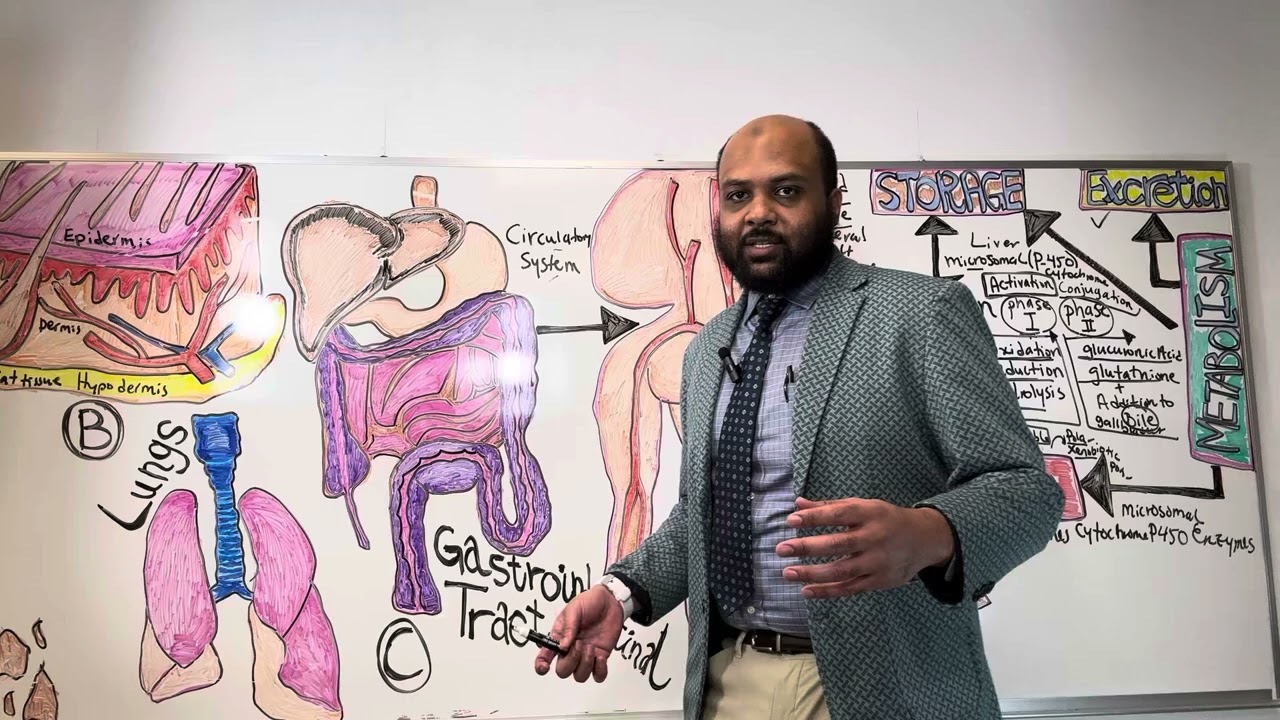
Toxins enter the body through three primary routes: inhalation (airborne toxins enter lungs then circulatory system), ingestion (contaminated food/water passes through GI tract to circulatory system), and skin absorption (toxins penetrate epidermis, dermis, hypodermis into blood vessels). Regardless of entry route, all toxins ultimately reach the circulatory system, which serves as the common transport network distributing toxins to tissues throughout the body.
Click to watch →

CHENG465 Chapter2 Toxicology
1.2K
Toxicology studies toxicants—substances harmful to biological organisms. A fundamental principle states that all substances can be toxic depending on dose; even water can be fatal in excess. Toxicants enter through four routes: ingestion (mouth to stomach), inhalation (mouth/nose to lungs), injection (through skin cuts), and dermal absorption (through skin membrane). Severity varies: injection has greatest effect (direct bloodstream entry), followed by inhalation, then ingestion, and dermal absorption has least effect. The GI tract plays the most significant role in absorption through ingestion, with rate and selectivity depending on chemical properties, molecular size, and shape. The respiratory system (bronchi and alveoli) facilitates inhalation absorption. Dust particle size determines penetration: >5 micrometers filtered in upper respiratory system, 2-5 micrometers reach bronchial system (danger zone), <1 micrometer reach alveoli causing serious damage. Toxicants are eliminated through excretion (kidneys, liver, lungs), detoxification by biotransformation, and storage in fatty tissue. Some effects are irreversible and dangerous. Studying toxic substances requires four key elements: the toxicant itself, the target organism, the effect to monitor, and the dose range with exposure period. Dose is measured in ppm (gases) or mg/m³ (particles). Response curves typically follow normal (Gaussian) distributions. Probit analysis transforms sigmoidal dose-response curves into straight lines when plotted against logarithm of dose, simplifying analysis. The probit variable is calculated using parameters K1 and K2 derived from experimental data. Different toxicants have different parameter values that determine their toxicity profile—fire hazards, explosion hazards, and toxic releases each have specific classifications. The probit value can be converted to percentage of affected individuals using tables or equations.
Click to watch →
![[건강에프로그 EP.36] 우리 몸에 흡수되는 독 !!! : 일상에서 3가지 경로를 통한 독소들의 실상..! ( 필독영상 )](https://i.ytimg.com/vi/jo5L3ndy42c/sddefault.jpg)
[건강에프로그 EP.36] 우리 몸에 흡수되는 독 !!! : 일상에서 3가지 경로를 통한 독소들의 실상..! ( 필독영상 )
12.3K
The human body absorbs toxins through three main pathways: oral (90% of processed foods become toxins that accumulate in body fat and cause hormonal disruption), dermal (90% of chemicals in personal care products like shampoo and cosmetics are absorbed through the skin, with absorption rates varying by body region—scalp 3.5x, forehead 6x, chin 13x, back 17x, armpit 3.6x, palm 0.83x, and genital area highest), and respiratory (airborne pollutants like fine particulate matter, formaldehyde, and toluene enter through breathing and can cause acute diseases, allergies, and cardiovascular damage).
Click to watch →
Deep Dive
An understanding of historical pigments, particularly how colorants were chemically manufactured prior to the advent of modern synthetic dyes.

Ирина Колес: "Наука цвета"
321
The first pigments were natural. Red ochre (from clay) was used in cave paintings. Red pigment came from the cochineal insect in Mexico and South America, becoming popular in the 15th century. Iron compounds (ochre, vermillion, kumbr) produced stable yellow, brown, and black colors. From a chemical perspective, these pigments are iron oxides with varying degrees of hydration, containing aluminum oxide, silicon, magnesium, and manganese. Bright red came from cinnabar (mercury sulfide). Black came from soot. White pigments included chalk (calcium carbonate) and lead whites (synthesized in ancient times by dissolving lead in wine vinegar). Copper green (verdigris) was produced since ancient Rome. Sienna is a natural earth pigment, yellowish-brown; when burned, it becomes brown. Umbra is a dark earthy color from clay containing iron and manganese oxides. Zinc white (zinc oxide) and titanium white (more opaque) are modern inorganic pigments used since the late 15th century.
Click to watch →

LPLS History of Pigments lecture
8.7K
Pigments are insoluble colorants used for painting, printing, and coloring, distinct from soluble dyes; their history spans from prehistoric cave paintings using natural minerals like red ochre (73,000 years old) through ancient Egyptian innovations including the first synthetic pigment Egyptian blue (c. 2500 BC), Greek developments like white lead and vermilion, Renaissance use of expensive ultramarine, to modern synthetic pigments including titanium dioxide (1920s), organic phthalocyanines (1932), and recent discoveries like YInMn blue (2009); these pigments enabled artistic masterpieces from Lascaux to Impressionist works, while modern applications extend to high-performance coatings, cool-roof technologies, and advanced materials.
Click to watch →

Quand les chimistes dévoilent l'art - Webinaire
100
Artists have synthesized pigments since antiquity, going beyond natural materials. White lead was created by placing lead plates in manure, causing a chemical reaction that transformed the surface to white—used by Egyptians, Greeks, and Romans even in cosmetics. Cochineal (red insect dye) required special processing to become stable pigments. These examples demonstrate that early artists understood sufficient chemistry to create new colors unavailable in nature. Modern researchers recreate these processes to understand historical techniques and develop appropriate conservation methods.
Click to watch →

Colorimetría desde 0 - 1: Principios básicos del color
86.9K
Human use of pigments dates back to caveman times when people crushed plants for cave paintings. Ancient Egyptians discovered henna for hair dyeing and developed makeup formulas, using expensive pigments like reds and blues that denoted power and wealth. Greeks believed they could only see black, white, yellow, and red, with vermilion being more precious than gold due to complex alchemical production. During the Middle Ages, patrons controlled artists' pigment usage through contracts, and artists acted as chemists mixing reactive materials. The Industrial Revolution (1830s-1850s) revolutionized pigments through synthetic creation. In 1841, mauve became the first synthesized pigment, enabling artists to buy paint in tubes. Paraphenylenediamine (PP), discovered later, reacts to oxygen exposure and transforms when deposited onto hair. Combined with oxidants like hydrogen peroxide, this enabled effective hair coloring. Before this, people used damaging metal derivative recipes.
Click to watch →

Wie hat Chemie die Welt verändert? | Terra X plus
376.4K
Students of Justus von Liebig pioneered the search for artificial dyes at the end of the nineteenth century. Before synthetic dyes, only expensive natural pigments from minerals, plants, and sea snails existed. Chemical synthesis made colorful dyes accessible to everyone, transforming fashion and industry. Natural pigments like ochre contain iron oxide for red/yellow colors, while indigo pressed from indigo plant leaves became the 'blue king of dyes,' once as precious as gold.
Click to watch →
Deep Dive
The socio-economic context of the Victorian Era, highlighting the rise of industrialization, mass consumerism, and fashion trends.

POR QUE A ERA VITORIANA É TÃO IMPORTANTE PARA A MODA?O INÍCIO DAS TENDÊNCIAS E DA DEMOCRACIA DE MODA
94.9K
The Victorian era (1837-1901) was the most important century for fashion because it marked the beginning of fashion democratization. This period saw the insertion of women into the workforce and into the fashion industry, giving them more options and trends. The Industrial Revolution made fashion increasingly accessible, leading to mass production in factories. The era established patterns that continue to influence modern fashion, including the separation of men's and women's fashion, the emergence of department stores, and the faster pace of fashion changes. The revolution created a new middle class that didn't exist before, fundamentally transforming society from a two-class system to one with more economic mobility.
Click to watch →
Westward Expansion 023 Rise of Respectability
117
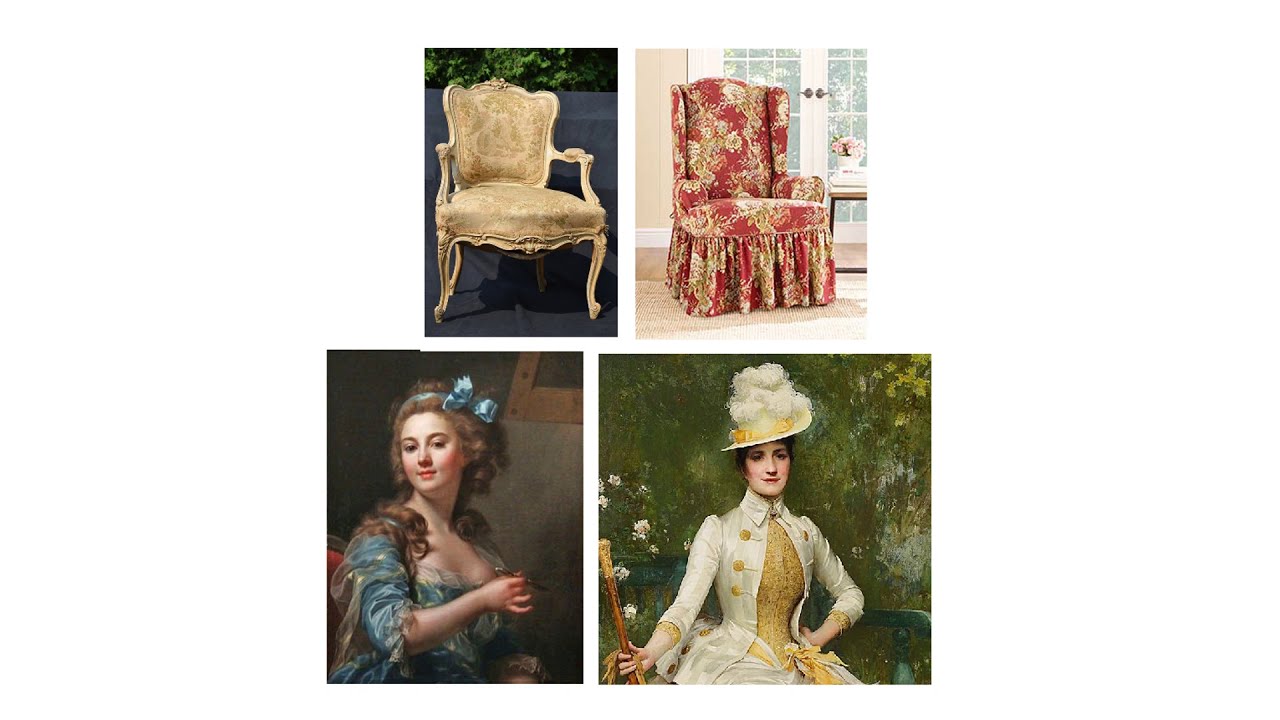
The market revolution (1820-1850 in the US) resulted from the union of the industrial and transportation revolutions. In Europe, industrialization led to the 1848 'Spring of Revolutions' when middle and working-class people attempted to overthrow industrial society. Karl Marx published 'The Communist Manifesto' in 1848. The Victorian Era (1830-1900) was characterized by sexual repression, puritanism, and the rise of respectability as a paramount cultural concern. The expression 'keep a stiff upper lip' became a cultural norm. Respectability required controlling emotions and baser urges, leading to condescension toward poorer classes. Fashion and moral standards are cyclical rather than progressively loosening—women wore low-cut gowns in the 1700s but Victorian fashion was scandalous. Despite public emphasis on repression, there was underground flourishing of pornography and BDSM behavior.
Click to watch →

Victorian Era - an introduction
337.5K
Victorian society enforced strict moral codes governing speech, manners, and clothing, with elaborate attire serving as both moral demonstration and class marker. Consumerism became a tool for social aspiration, as upper-class Victorians displayed exotic goods from the British Empire to demonstrate wealth. This created a competitive cycle where middle-class Victorians sought similar possessions, driving continuous consumption and reinforcing class boundaries. The desire for social acceptance shaped behavior across all classes, creating a society obsessed with material display and social climbing.
Click to watch →

Victorian Overview
113
The Victorian Era (1837-1901) was characterized by rapid industrialization that created massive wealth and urbanization but also severe social problems including poverty, unsafe working conditions, and exploitation of women and children, which sparked social reform movements like temperance, anti-slavery, women's rights, and child labor laws; simultaneously, the British Empire expanded to become the largest in history, fostering cultural hybridity and British nationalism while introducing new ideas and perspectives from colonized territories.
Click to watch →

Toda a História da ERA VITORIANA | Sua Vida Foi Moldada Por Essa Era? | Documentário Histórico 4K
683
The Victorian era (1837-1901) fundamentally transformed clothing, housing, education, healthcare, and basic rights, representing the birth of the modern world. Britain's unprecedented wealth from the Empire and Industrial Revolution created extreme social division between the opulent rich and impoverished poor. Victoria's ascension at age 18 established a tone of independence that characterized her transformative reign. Britain, as the world's first industrial nation, experienced unprecedented growth with steam-powered factories, coal production surging from 10 to 30 million tons, and railways crossing the countryside. The 1832 Reform Act expanded voting rights but left 95% of adults without representation. Religious revival movements, particularly evangelicalism, emphasized personal salvation and social reform, driving campaigns against moral failures and inspiring humanitarian efforts. Sunday schools became central institutions teaching religious doctrine and basic literacy to working-class children. Technology transformed daily life at an astonishing pace, with gas lighting, the telegraph, and printing advances producing cheaper books and newspapers. London alone exceeded 1.5 million people in 1837, becoming the world's largest urban center. Britain viewed itself as the workshop of the world, a beacon of progress and civilization destined to spread enlightenment through commerce, technology, and imperial governance. Victorian Britain was divided into three rigidly defined social classes. The aristocracy and rural nobility, representing only 2% of the population, controlled nearly 75% of the country's land, living off rental income and investments while their children received classical educations at elite institutions. The middle class, rapidly expanding, represented a revolutionary force composed of doctors, lawyers, merchants, and factory owners, embodying industry, economy, and respectability. Their homes became showcases of moral property and material success. For the vast working class comprising nearly 80% of the population, life was harsher with 12-16 hour workdays in dangerous conditions, crowded tenement housing, and dramatically lower life expectancy. Despite rigid stratification, the era saw unprecedented social mobility, with some industrialists rising from humble origins to enormous wealth. However, new money often failed to purchase social acceptance, generating demand for etiquette manuals and refinement schools. The Victorian middle-class home was not merely a residence but a carefully constructed moral fortress where the family unit became almost a religious institution. Marriage became intensely regulated, with the wife embodying the 'Angel in the House'—pure, altruistic, and morally superior but simultaneously subservient to her husband. Under the doctrine of coverture, a wife's legal existence was considered covered by her husband, who could legally intern wives in asylums if considered problematic, and marital rape was not recognized as a crime. Female education remained strictly limited during the Victorian era, with privileged girls receiving instruction primarily in accomplishments designed to attract husbands—piano playing, watercolor painting, singing, and embroidery. Intellectual pursuits were actively discouraged, with physicians warning that mentally challenging work could cause infertility or hysteria. When Bedford College opened in 1849 as the first higher education institution for women, it faced ridicule and opposition. Despite these restrictions, a women's rights movement gradually emerged. In 1855, Caroline Norton successfully campaigned for the Children's Custody Law, allowing mothers limited access to children under seven. Barbara Bodichon led campaigns for married women's property rights, while Josephine Butler fought against contagious disease laws that allowed police to arrest suspected prostitutes. The laws of married women's property in 1870 and 1882 gradually allowed women to maintain control over their own earnings and property. Victorian daily life was characterized by precise routines and punctuality. In industrial cities, factory whistles cut the air at 5:30 AM, calling workers to their posts. Before railways standardized chronography across Britain in 1847, each city maintained its own local time based on the sun. The Great Western Railway introduced standardized railway time based on Greenwich Mean Time, forcing Victorians to synchronize their clocks and creating a new national obsession with punctuality. Dietary patterns varied dramatically by class. The poor purchased daily what they could afford, often at the end of the day when prices dropped. Street vendors offered accessible meals for the journey. Penny restaurants emerged in the 1860s, offering a dish of meat and vegetables. For middle and upper classes, each day unfolded as an elaborate ritual with social visits between 11 AM and 1 PM, lunch at 1 PM, afternoon tea around 4 PM, and dinner as late as 8 PM. Changes of clothing punctuated the day for the well-to-do. The servant class represented the largest occupation in Victorian Britain, living in a paradoxical world where they touched the most intimate aspects of their employers' lives while being treated as if they didn't exist. By mid-century, approximately one in three working-class women found employment in domestic service. Behind every respectable home operated a carefully structured hierarchy with the butler reigning supreme over male staff and the housemaid commanding female servants. A butler might earn 50 pounds annually with room and board, while ordinary servants received only 6-12 pounds per year. A servant's day began before dawn and often extended beyond midnight. Scullery maids might wake at 4:30 AM to light fires and boil water before others awoke. Physical wear was immense, with many developing chronic problems from carrying coal, water, and heavy linens repeatedly.
Click to watch →
Prerequisite Knowledge
- Concept 01The fundamental chemistry of heavy metalloids, specifically the atomic properties and inherent toxicity of arsenic.
- Concept 02Basic principles of toxicology, including how toxins enter the human body via dermal absorption, inhalation, and ingestion.
- Concept 03An understanding of historical pigments, particularly how colorants were chemically manufactured prior to the advent of modern synthetic dyes.
- Concept 04The socio-economic context of the Victorian Era, highlighting the rise of industrialization, mass consumerism, and fashion trends.
Subsequent Learning
- Step 01The development of early forensic science, specifically the Marsh Test and its role in detecting arsenic poisoning in criminal investigations.
- Step 02The history of public health policy and consumer safety laws, tracking how industrial poisonings led to chemical regulation.
- Step 03Comparative studies of other historical occupational hazards and toxic consumer goods, such as mercury in hat-making ('Mad Hatter') and radium-painted dials ('Radium Girls').
- Step 04The science of modern green chemistry, focusing on how contemporary industries synthesize non-toxic, sustainable pigments and dyes.
Green's Deadly Origin
Toxic Food Craze
Green's Deadly Origin
0:00Playing Section
- 1
Scheele invented a green pigment containing arsenic, highly toxic.
- 2
Used in dresses, wallpaper, and toys, causing widespread poisoning.
- 3
Workers and consumers suffered severe health effects from exposure.
Historical Skepticism and the Over-Sensationalization of Arsenic Panic
While Scheele's Green was undeniably toxic, some historians and scientists offer a counter-narrative arguing that the historical threat of arsenical wallpapers and fabrics has been sensationalized. They point out that for arsenic to become volatile and dangerous as a gas (trimethylarsine), specific conditions—namely, heavy dampness and specific mold growth—were required. In dry, well-ventilated homes, the pigment remained relatively stable, meaning the widespread panic may have exceeded the actual statistical risk of fatal poisoning. Furthermore, high-profile historical cases, such as the theory that Napoleon Bonaparte was poisoned by his green wallpaper on St. Helena, remain highly contested; many modern toxicologists and historians attribute his death to stomach cancer rather than environmental arsenic. This perspective suggests that while arsenic was a genuine hazard, Victorian media and modern retellings may have exaggerated its role as a ubiquitous, day-to-day killer.
Deep Dive
The development of early forensic science, specifically the Marsh Test and its role in detecting arsenic poisoning in criminal investigations.
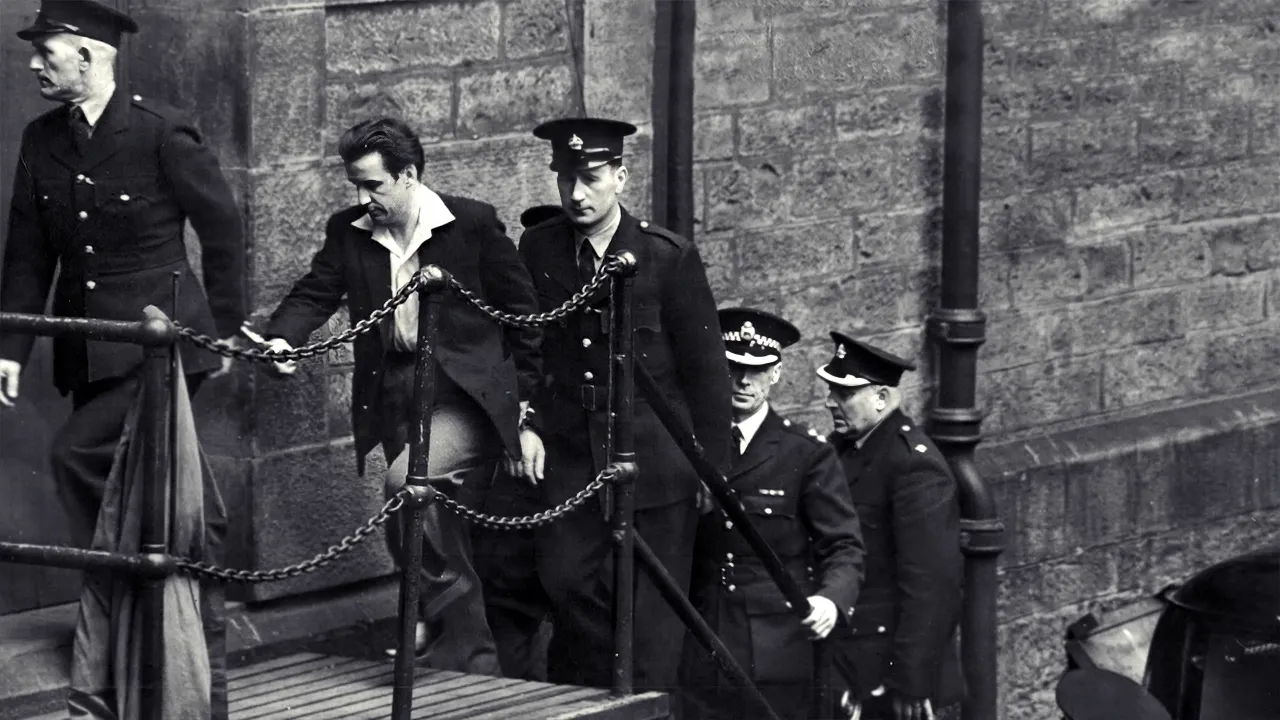
Britain's Most Chilling Cases
635.8K
Arsenic was widely available in Victorian Britain, used in soap, medicine, cosmetics, wallpaper, and dyes. It had no taste or odor that would raise suspicion. Large doses killed quickly while smaller amounts prolonged suffering. The Marsh test, developed in the 1830s, allowed detection by dissolving samples in hydrochloric acid and inserting copper strips. In the Mary Ann Cotton case, these tests identified arsenic contamination, though initial examinations missed connections between multiple deaths. This case illustrates how forensic science evolved to detect previously invisible poisons.
Click to watch →
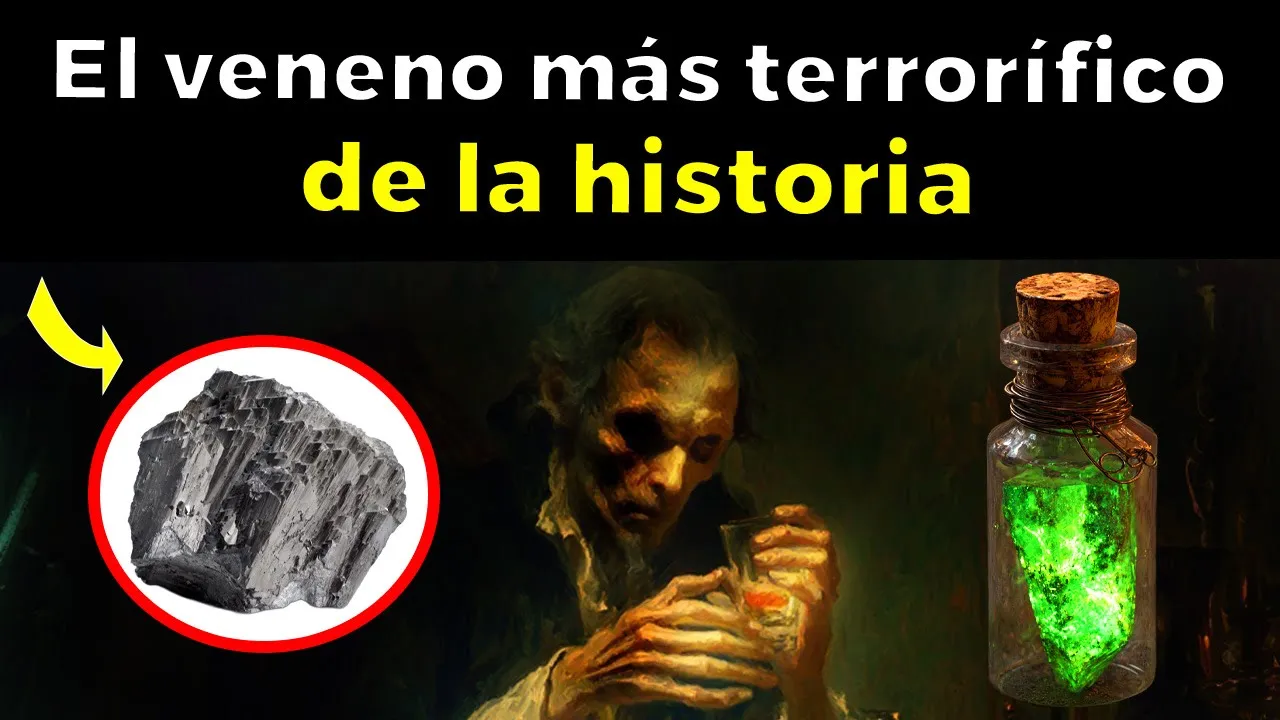
La OSCURA HISTORIA del arsénico | el veneno más terrorífico
36.7K
Arsenic trioxide was the most popular arsenical poison due to its ease of incorporation into drinks and foods and its completely odorless nature, making it practically undetectable in autopsies. This meant many deaths from arsenic poisoning were attributed to natural causes. In 1836, English chemist James Marsh developed the Marsh test for arsenic detection, which became a fundamental tool in forensic toxicology. The invention arose from a criminal case that caused particular indignation: in 1832, John Bottle was acquitted for poisoning his grandfather by adding arsenic to his coffee. Marsh was called as an expert and with the precursor method, could establish poisoning but the tiny amount of poison isolated from tissue samples was not convincing in court. After the murderer confessed, Marsh developed the detection method that remained in use until the 1970s.
Click to watch →
The dark history of arsenic - Neil Bradbury
680.6K
Because forensic arsenic tests remained rudimentary, people continued committing arsenic poisoning without detection. In 1832, chemist James Marsh consulted on a homicide case where a man was accused of arsenic-lacing his grandfather's coffee. The standard test produced a yellowy deposit confirming arsenic presence, but the result was chemically unstable and deteriorated before court presentation, resulting in acquittal. Marsh developed a new test where an arsenic-containing sample would react with zinc and acid to produce arsine gas, which when ignited reveals a solid arsenic deposit—creating the first truly reliable arsenic test.
Click to watch →

Не так / Суд над Мэри Энн Коттон, подозреваемой в убийстве // 13.02.22
28.6K
The 7-year-old victim's death was initially ruled as natural causes despite suspicious circumstances. The doctor who performed the autopsy preserved internal organs for further examination. James Marsh, a chemist at the Royal Arsenal in Woolwich, invented a simple test for detecting arsenic. The test involves adding acid to a suspected sample, passing it through zinc, and heating the resulting gas over a cold porcelain dish. If arsenic is present, it deposits as a metallic mirror (black-silver specks). This test could detect arsenic concentrations as low as 0.05 milligrams. Marsh's test was used to exhumate the bodies of Cotton's husbands and detect arsenic in their remains.
Click to watch →
¿Por qué ya no se envenena con arsénico?
1.5M
The Marsh Test, developed by chemist James Marsh, revolutionized forensic science by providing the first reliable method to detect arsenic poisoning. The test works by reacting arsenic with hydrogen gas (produced from acid and zinc) to form arsine, a flammable gas that leaves a characteristic mirror-like deposit when burned on ceramic, definitively proving arsenic's presence. This breakthrough ended arsenic's reign as the 'king of poisons' by making it detectable, transforming how poisoning cases were investigated and solved.
Click to watch →
Deep Dive
The history of public health policy and consumer safety laws, tracking how industrial poisonings led to chemical regulation.
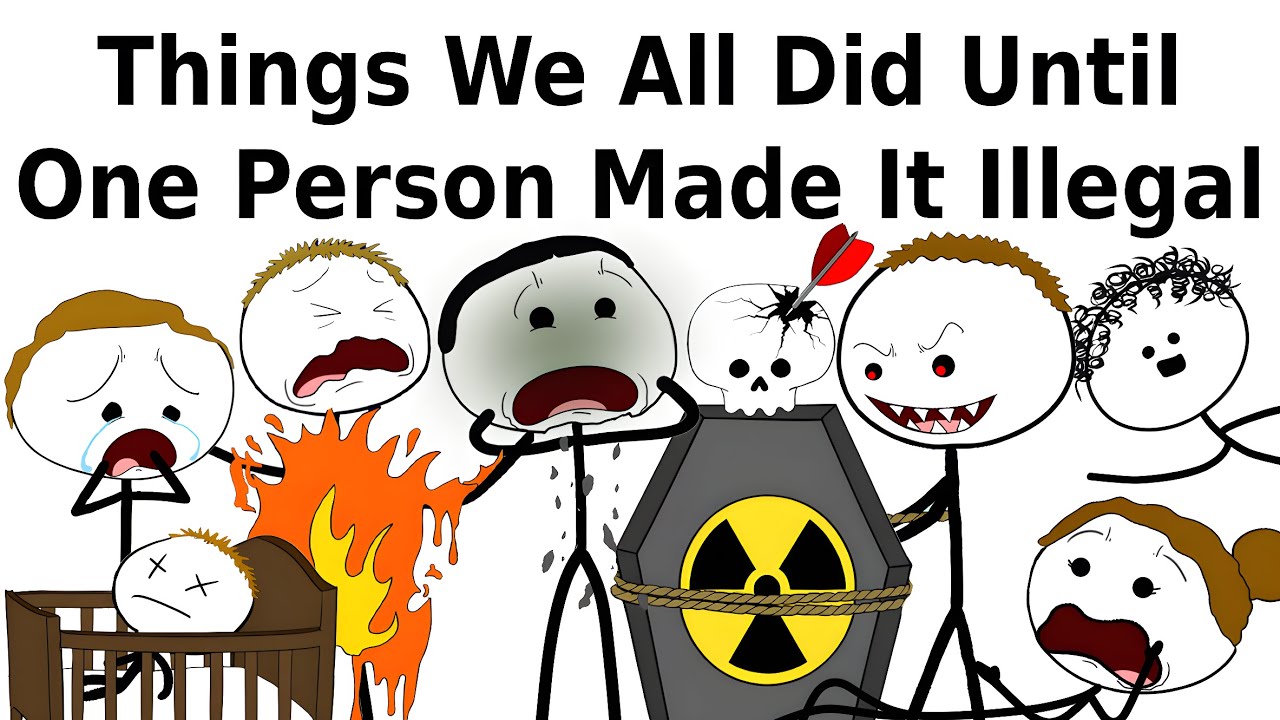
Things We All Did Until One Person Made It Illegal
24.1K
This segment examines three major public health crises that led to new safety regulations. Swill milk in 1858 New York City was essentially poison, with cows fed whiskey waste producing bluish milk that killed thousands of babies. Frank Leslie's investigation exposed the practice, leading to legal bans. Flammable Halloween costumes caused Stanley Shik's death in 1952, prompting the Flammable Fabrics Act requiring flame-retardant treatments. Metal-tipped lawn darts killed Michelle Snow in 1987 and injured 6,100 people between 1978-1988, resulting in a permanent ban by the Consumer Product Safety Commission. These cases demonstrate how public outrage and tragedy drove regulatory change.
Click to watch →

That Time the U.S. Government Intentionally Poisoned and Killed Over 10,000 of Its Citizens...
410.8K
The Jake leg paralysis epidemic (1921-1933) revealed critical failures in food and drug safety regulation. Jamaica ginger patent medicine, containing up to 90% alcohol, became a source of illicit alcohol during Prohibition. Manufacturers replaced required ginger extract with cheaper substitutes like castor oil and glycerin to pass inspections, inadvertently introducing trichresyl phosphate (lindol), a powerful neurotoxin. Between 1930-1933, 4,837 cases were recorded, with actual numbers likely reaching 30,000-50,000. This tragedy exposed how the 1906 Pure Food and Drugs Act's limitations—requiring honest labeling but not mandatory federal testing—allowed deadly contaminants to reach consumers. The Elixir Sulfanilamide tragedy (1938) finally prompted passage of the Food, Drug, and Cosmetic Act, granting the FDA regulatory authority.
Click to watch →

Сергей Белков: "Хемофобам вход разрешен"
66.2K
Chemistry has caused mass casualties through historical events like chlorine gas in WWI, the 1937 Elixir Sulfanilamide tragedy (hundreds of children died from toxic solvent), and the Thalidomide disaster (thousands of children born with missing limbs). These tragedies occurred because no safety testing regulations existed. Environmental contamination cases like Agent Orange (1-3 million affected), Times Beach (illegal disposal requiring evacuation), and Love Canal (sealed dump leaking when school was built) demonstrate persistent environmental hazards. The Seveso accident (1976) led to the Seveso Directive, establishing European chemical manufacturing regulations. Each tragedy drove regulatory improvements, creating layered safety systems where each layer has weaknesses but the probability of all failures aligning is low.
Click to watch →

Scientific Breakthroughs Thus Far: Building the Modern World
3.3M
During Prohibition (1920-1933), the US government added toxic chemicals to industrial alcohol to prevent consumption. Starting in 1906, industrial alcohol was spiked with gasoline, chloroform, and methanol. In 1926, President Coolidge ordered adding even more methanol—sometimes 10% of the product—to make it more dangerous. Bootleggers stole tens of millions of gallons, trying to distill out additives. This resulted in tens of thousands of poisonings and hundreds or thousands of deaths. The 1926 New York incident hospitalized over 60 people, with half dying from methanol poisoning. By 1933, estimates suggested over 10,000 deaths. This tragedy prompted regulators to switch to less toxic additives that couldn't be distilled away, demonstrating how regulatory responses to public health crises can evolve.
Click to watch →

ILLEGAL NOW, But Normal in 1960s
676.9K
This section traces how government policies responded to emerging safety concerns over several decades. The legal drinking age increased to 21 in the 1980s due to federal highway funding threats. Chemistry sets lost dangerous ingredients after burn and poisoning risks became apparent. High-powered fireworks were banned following numerous injuries. Dropside cribs were prohibited in 2011 after multiple child fatalities. DDT was phased out only after cancer links were scientifically established. Each policy change reflects a pattern of initial acceptance, gradual recognition of harm, and eventual regulatory intervention, demonstrating how public health policy evolves through accumulated evidence and changing societal values.
Click to watch →
Deep Dive
Comparative studies of other historical occupational hazards and toxic consumer goods, such as mercury in hat-making ('Mad Hatter') and radium-painted dials ('Radium Girls').
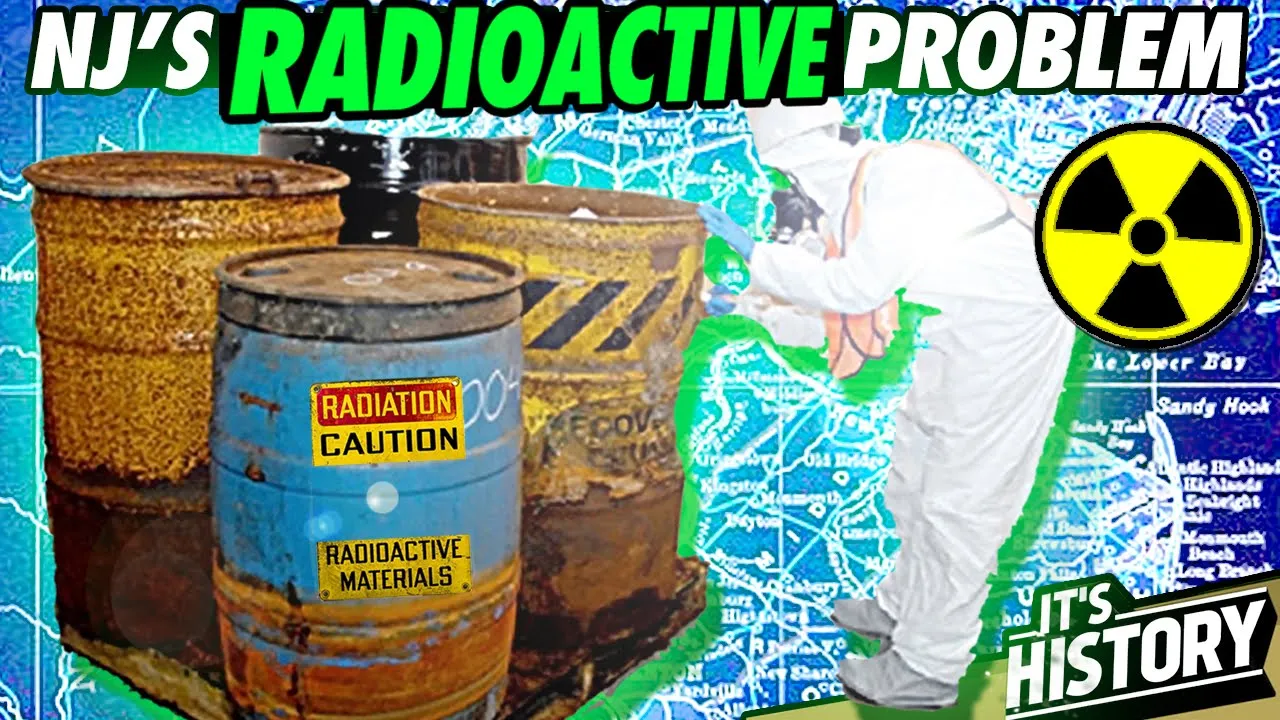
New Jersey's Radioactive Contamination Disaster | The Radium Girls
86.6K
Between the 1910s and 1920s, over 3,000 young women worked as dial painters, painting glow-in-the-dark numbers on watch dials, clocks, and military equipment. The paint contained radium, discovered in 1898 by Marie and Pierre Curie. Marie Curie, born in Warsaw, Poland, was the first woman to win a Nobel Prize and the only woman to win in two different fields (physics and chemistry). Radium was considered a miracle element, used in cancer treatment and commercial products. Its luminous glow-in-the-dark feature became prominent in military watches during World War I. The US Radium Corporation operated a factory in Orange, New Jersey, where as many as 300 young women worked. The luminous material was furnished in small tubes, and painters ingested radioactive substances as part of their job. The women became known as 'ghost girls' because radium dust made their clothing, hair, and skin glow. By 1924, 50 women were ill and a dozen had died. The company required men to wear aprons while women received nothing. In 1927, Grace Fryer filed suit against the US Radium Corporation. After national outrage over delays, an out-of-court settlement was reached, with each woman receiving $10,600 and $600 per year.
Click to watch →
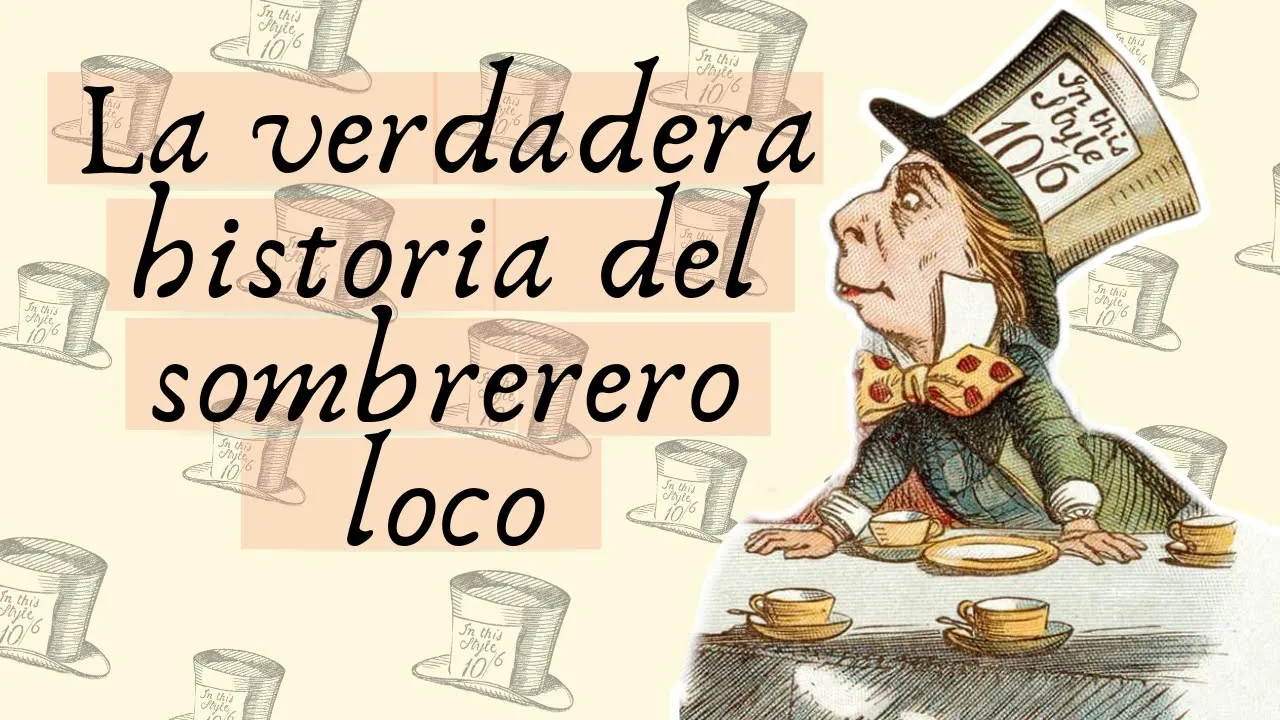
La enfermedad del sombrerero loco
60.6K
The phrase 'mad as a hatter' originated from mercury poisoning among 19th-century hat makers, who developed tremors, dementia, and erratic behavior from inhaling mercury nitrate used in the felt-making process; this occupational hazard was documented by pioneering toxicologist Alice Hamilton, who investigated the condition in 1922 and contributed to the eventual 1941 prohibition of mercury in hat manufacturing.
Click to watch →

KILANG JAM MENAKUTKAN PADA AWAL ABAD KE 20 | RADIUM GIRL
76K
The Radium Girls were female workers at a clock factory in Orange, New Jersey in 1917 who were exposed to dangerous radioactive radium paint without proper protection or warning; they were instructed to use their mouths to mix the paint, causing severe health consequences including bone damage, tooth decay, and tumors, with some workers dying from radiation poisoning despite initial misdiagnosis as syphilis, leading to legal action and compensation in 1928.
Click to watch →
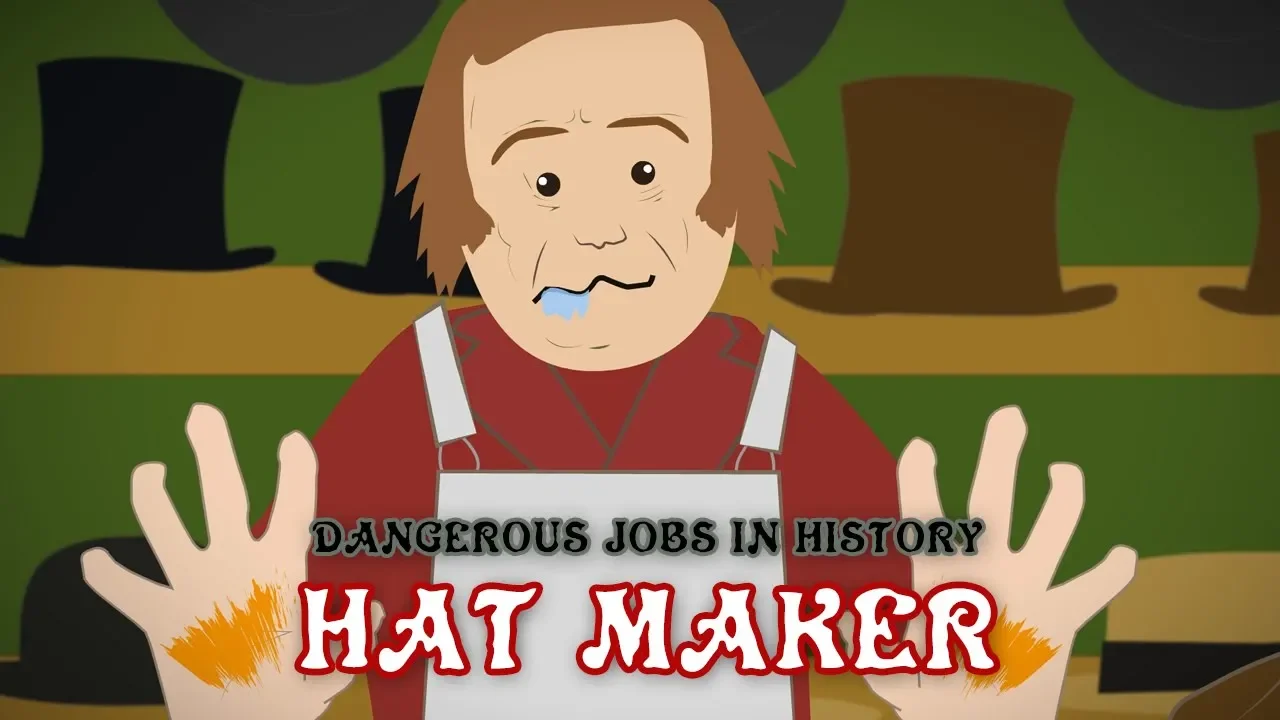
Why Hat Making was Lethal
1.2M
In the 18th and 19th centuries, hat makers were exposed to mercury compounds (specifically mercuric nitrate) used to treat felt and fur, which led to a serious neurological condition called erethism or 'Mad Hatter Syndrome,' characterized by psychological symptoms like emotional instability and social anxiety, and physical symptoms including tremors, muscle spasms, and eventually hallucinations; this occupational hazard became so well-known that it inspired Lewis Carroll's character the Mad Hatter in Alice in Wonderland, and regulations were eventually implemented to replace mercury with safer alternatives like hydrogen peroxide.
Click to watch →

История «ДЕВУШЕК МЕРТВЕЦОВ» Которые ОБЛУЧИЛИСЬ РАДИЕМ
32.5K
The US Radium Corporation mined radium from pitchblende ore in Colorado and Utah to produce luminous paints for military watches. At their Orange, New Jersey factory, approximately 300 young women painted watch dials with radium-based paint, unaware of the substance's deadly radioactive properties. Company leadership knew the dangers and avoided direct contact, publishing safety brochures for universities while neglecting worker protection. Workers dipped brushes in paint, shaping tips with their lips and tongues, and even painted their nails and lips. Dentists first noticed health problems: gum bleeding, tooth loss, jaw necrosis, menstrual disruptions, and infertility. By 1924, about ten women were affected, with several dying. The company bribed doctors to misdiagnose radium poisoning as syphilis, leaving victims with reputational damage and no medical care.
Click to watch →
Deep Dive
The science of modern green chemistry, focusing on how contemporary industries synthesize non-toxic, sustainable pigments and dyes.

L'aventure des pigments
6.7K
Synthetic alizarin (1869) and indigo (1870) replaced natural dyes, with global indigo production reaching 17,000 tons in 1997. Modern pigments must meet requirements: specific color, easy manufacturing, stability, non-toxicity, and low cost. The 1992 Gobelins tapestry used only three colorants despite over 100,000 existing synthetic colors, demonstrating that artistic vision matters more than pigment variety. Natural pigments remain used by artists seeking authentic colors, though they are extremely expensive.
Click to watch →

3.LESS HAZARDOUS CHEMICAL SYNTHESIS: 12 PRINCIPLES OF GREEN CHEMISTRY @sadhanadhananjaya
411
Green chemistry principles are demonstrated through four industrial examples: (1) Nylon 66 synthesis replaces hazardous benzene with renewable glucose for adipic acid production; (2) Polystyrene foam production substitutes ozone-depleting CFCs with carbon dioxide as blowing agent; (3) Dry cleaning replaces toxic perchloroethylene with safer liquid carbon dioxide; (4) Bleaching agents replace toxic chlorine with hydrogen peroxide, which decomposes into non-toxic water and oxygen. These substitutions reduce environmental pollution, eliminate carcinogenic risks, and demonstrate how green chemistry improves industrial processes while maintaining product quality.
Click to watch →
The Chemistry of Color | Artrageous with Nate
217.1K
This section examines how modern chemistry transformed color production and application. Emerald green (1814) and its predecessor Scheele's Green demonstrated how toxic copper-arsenic compounds provided vibrant greens, with the same pigment sold as Paris green for pest control. Aniline black represented the first synthetic organic pigment, enabling durable black coloration in fabrics. The narrative culminates with Vantablack (2014)—the blackest material using carbon nanotubes that absorbs nearly all light—and dayglow fluorescent colors that intensify visual impact through light absorption and re-emission. These advances show how scientific understanding continues to expand artistic possibilities while introducing new considerations like toxicity and material properties.
Click to watch →

Green Chemistry Real World Cases
4K
Right Fit EOP (Epoxy Organic Phosphate) pigments represent a paradigm shift from traditional heavy-metal-based pigments (lead, chromium, cadmium) toward environmentally benign alternatives. These pigments use calcium, strontium, or barium instead of toxic metals and have received FDA and Canadian regulatory approvals for food contact applications. Key advantages include comparable cost-performance, lower toxicity, elimination of exposure to polychlorinated intermediates and organic solvents, improved dispersibility, enhanced heat stability, and color strength. The manufacturing process occurs in aqueous medium, avoiding toxic solvents. Multiple pigments combine mutually to achieve any desired shade, providing flexibility for color formulation. This innovation exemplifies green chemistry's goal of replacing hazardous substances with functionally equivalent, safer alternatives while maintaining industrial performance standards.
Click to watch →

LOS MISTERIOS DEL COLOR VERDE
17.8K
Modern green pigments have distinct chemical properties and applications. Emerald green (copper arsenate acetate) is the brightest green but is not light-resistant and is highly toxic. Phthalo green (copper chlorophthalocyanine) is cheap to produce, semi-transparent, and creates marine green tones on white backgrounds. Hooker's green is a mixture of Prussian blue and gamboge, creating a unique olive-toned green. Chrome green was historically a mixture of Prussian blue and chrome yellow, fundamental for understanding Van Gogh's work, though it oxidizes over time. Chrome oxide green (calcined chromium oxide) is heavy with low tinting power but valued for its pleasant matiz. Green earth was used in medieval and Renaissance painting as a grisaille base layer, particularly in Italian frescoes. The history of green pigments illustrates the complex trade-offs between aesthetic qualities and technical limitations in historical pigments, as well as the ongoing relationship between chemistry, art, and cultural meaning.
Click to watch →
Green's Deadly Origin
Toxic Food Craze
Green's Deadly Origin
0:00- 1
Scheele invented a green pigment containing arsenic, highly toxic.
- 2
Used in dresses, wallpaper, and toys, causing widespread poisoning.
- 3
Workers and consumers suffered severe health effects from exposure.
Historical Skepticism and the Over-Sensationalization of Arsenic Panic
While Scheele's Green was undeniably toxic, some historians and scientists offer a counter-narrative arguing that the historical threat of arsenical wallpapers and fabrics has been sensationalized. They point out that for arsenic to become volatile and dangerous as a gas (trimethylarsine), specific conditions—namely, heavy dampness and specific mold growth—were required. In dry, well-ventilated homes, the pigment remained relatively stable, meaning the widespread panic may have exceeded the actual statistical risk of fatal poisoning. Furthermore, high-profile historical cases, such as the theory that Napoleon Bonaparte was poisoned by his green wallpaper on St. Helena, remain highly contested; many modern toxicologists and historians attribute his death to stomach cancer rather than environmental arsenic. This perspective suggests that while arsenic was a genuine hazard, Victorian media and modern retellings may have exaggerated its role as a ubiquitous, day-to-day killer.
The fundamental chemistry of heavy metalloids, specifically the atomic properties and inherent toxicity of arsenic.
Basic principles of toxicology, including how toxins enter the human body via dermal absorption, inhalation, and ingestion.
An understanding of historical pigments, particularly how colorants were chemically manufactured prior to the advent of modern synthetic dyes.
The socio-economic context of the Victorian Era, highlighting the rise of industrialization, mass consumerism, and fashion trends.
The development of early forensic science, specifically the Marsh Test and its role in detecting arsenic poisoning in criminal investigations.
The history of public health policy and consumer safety laws, tracking how industrial poisonings led to chemical regulation.
Comparative studies of other historical occupational hazards and toxic consumer goods, such as mercury in hat-making ('Mad Hatter') and radium-painted dials ('Radium Girls').
The science of modern green chemistry, focusing on how contemporary industries synthesize non-toxic, sustainable pigments and dyes.
661.6K views25.1Klikes3:42@AskAMorticianOriginal Release: 2015-10-19
Breaking news this afternoon.
♫ It's not that easy bein' green ♫ BECAUSE IT WILL KILL YOU!
[Intro Music] Green is the color of nature.
The leaves, the twees [trees], the gwass [grass].
But, it's actually somewhat difficult to produce artificially.
Before the late 18th century, to get green in, say, a dress or a curtain, You had to layer yellow on top of blue or blue on top of yellow.
That's when inventor and chemist Carl Wilhelm Scheele invented a standalone green pigment.
Scheele was a Swedish Pomeranian.
"A dog scientist you say?"
Oh, Pomerania was a former Swedish dominion on what is now the Baltic coast.
Okay, Scheele...was a human...then. That -- that makes more sense.
So, a guy invented a color pigment. That is not very morbid.
Oh, but it is. Scheele's Green, as it was called, contained copper and arsenic and was ♫ Toxic as HELL ♫.
But, because it looked good, it started to be used in everything.
"Look at your new green dress! Don't you look lovely?"
"Well, get ready to suffer from rashes, headaches, fainting and terrible illness."
One doctor who is examining the gown of a fancy London hostess found 60 grains of Scheele's Green per square yard. That's enough to kill 12 people.
It wasn't just dresses. A newspaper at the time declared that "the evil effects of socks are well-known."
Of course, for the poor, young women actually making the dresses – tearing apart the fabric, sending poofs of arsenic into the air – the effects of the poisoning were far worse and far more deadly.
Scheele's Green was in wallpaper, artificial flowers, children's toys... "Oh, so bright and green. I'm four years old.
I wanna put it in my mouth-" Arsenic Poisoning.
But perhaps the craziest use of Scheele's Green was in food.
At a banquet in the 1850s, green leaves made from sugar covered the tables.
Parents brought them home as sweet presents for their kids and: "A death for you, a death for you, a death for you, little William. Enjoy your sweets!"
Blancmange, this popular gelatin mold dessert, was dyed green by... You guessed it! {Scheele's Green.}
17th of June, 1848; 20 of the 60 guests at a Northampton dinner, celebrating the ordination of Reverend G. Nicholson, were struck by a sudden illness and vomiting.
Mr. Cornfield expired from the illness and it was determined that the green food coloring in the blancmange killed the man, and manslaughter charges were brought against the host and the cook.
DEATH!
...by this thing.
Soon, two men invented Paris Green to improve on Scheele's Green.
It was also wildly popular.
Also wildly toxic.
Also made with arsenic – which may or may not have been their slogan.
Nature, we just want to create the good parts of you and none of the bad parts of you - - in our modern world with no consequences. Why is that so hard?
Until next time, remember: Someday you WILL die. And that's your Morbid Minute.
{Outro Music.}
Brought to you with support from People's Memorial Association and the Co-op Funeral Home.
And donations from viewers like you. {Thank you!}
Up Next

11:23
Enthalpy Explained: Chemistry Basics
@crashcourse
2.9M views•2013-06-18

83:56
Biocatalysis and Catalysis in Islatravir Synthesis | Merck Webinar
@SCIwheresciencemeetsbusiness
675 views•2020-10-08
10:06
1H NMR: Determining Number of Peaks from Structure
@MSJChem
59.2K views•2017-04-06

17:31
Edible Water Bottles: A DIY Guide to Sodium Alginate Spherification
@ryan
10.5M views•2019-06-21
Related Study Plans & Knowledge Roadmaps
Structured learning paths in Chemistry
chemistry
Nuclear Chemistry: Decay, Meds & Fuel Cycle
01Introduction to Nuclear Structure and Radioactivity
02Decay Dynamics and Kinetics
03Radiation Interaction and Detection
+ 2 more learning modules
24h5 modules
Explore Roadmap
chemistry
Supramolecular Chemistry: Forces & Machines
01Foundations of Chemical Bonding and Intermolecular Forces
02Introduction to Host-Guest Chemistry
03Thermodynamics and Dynamics of Self-Assembly
+ 2 more learning modules
16h5 modules
Explore Roadmap
chemistry
Photochemistry: Excited States & Reactions
01Foundations of Light-Matter Interactions
02Molecular Orbitals and Electronic States
03Photophysical Processes and Jablonski Diagrams
+ 2 more learning modules
18h5 modules
Explore Roadmap
chemistry
Coordination Chemistry: Bonding & Properties
01Introduction to Transition Metals and Ligands
02Crystal Field Theory (CFT) and Geometry
03Magnetic Behavior and Spin States
+ 2 more learning modules
14h5 modules
Explore Roadmap