


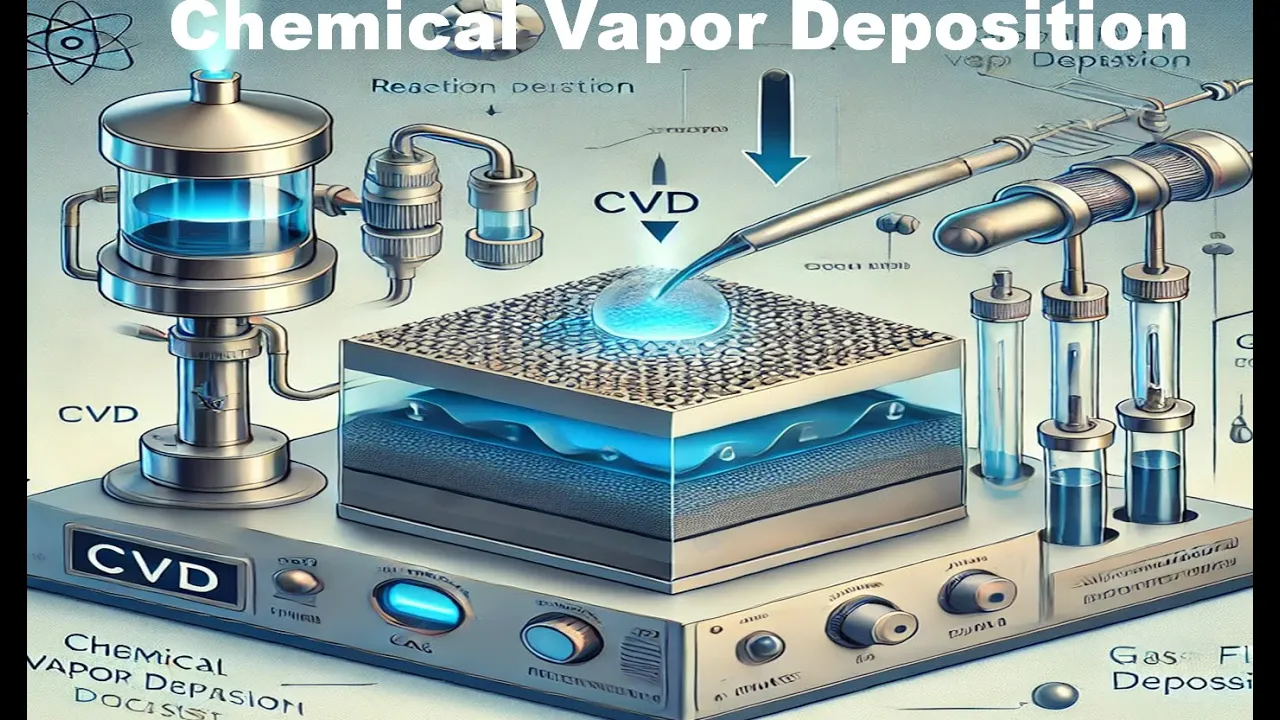


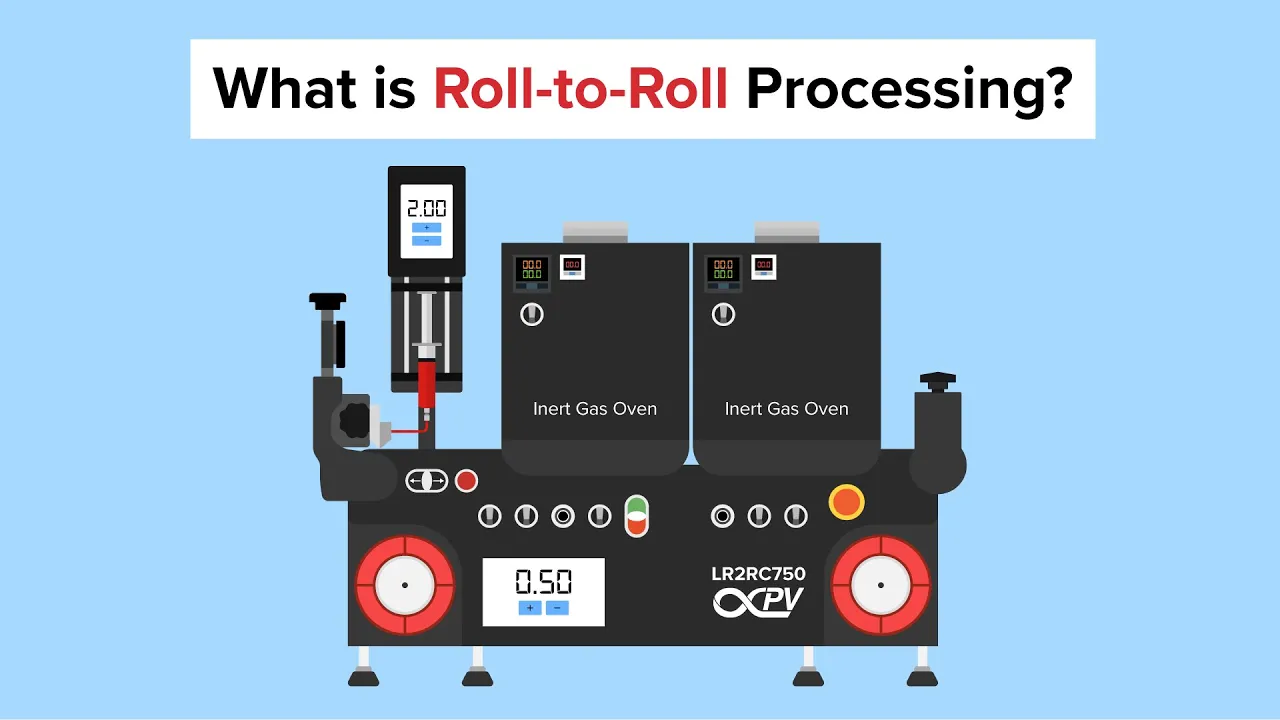






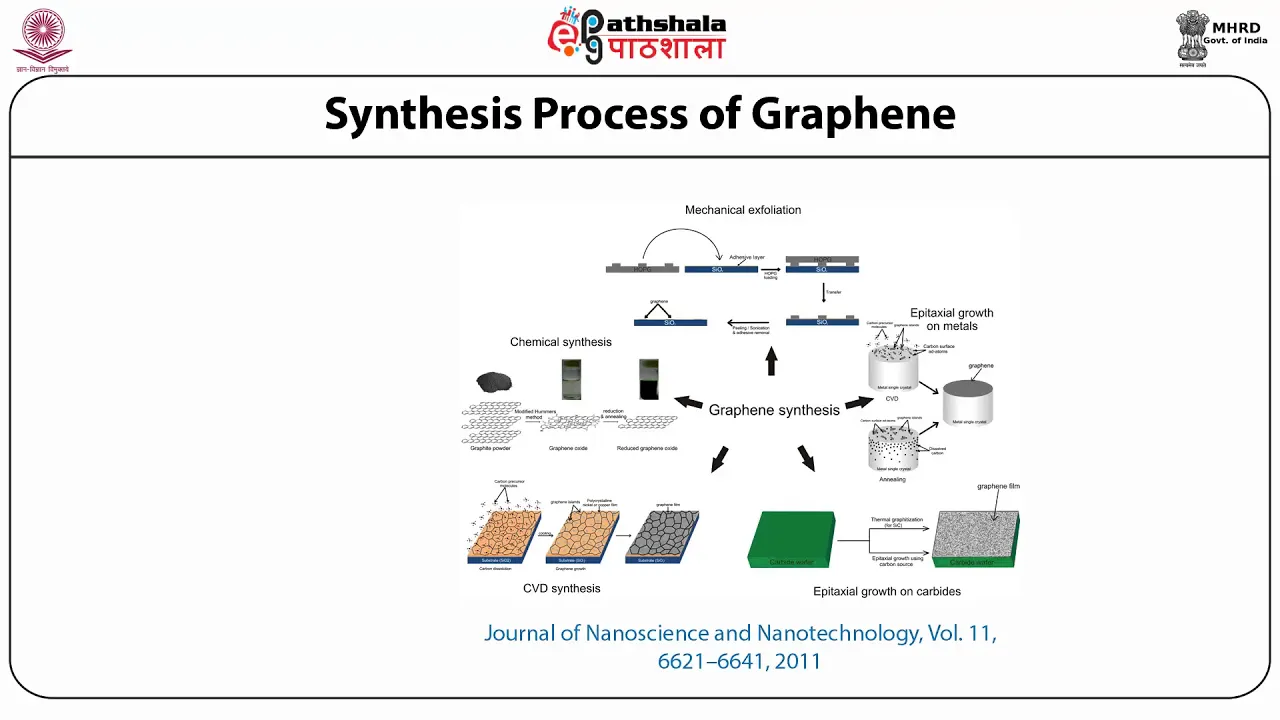

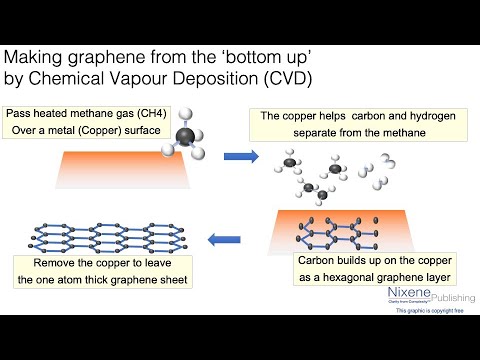
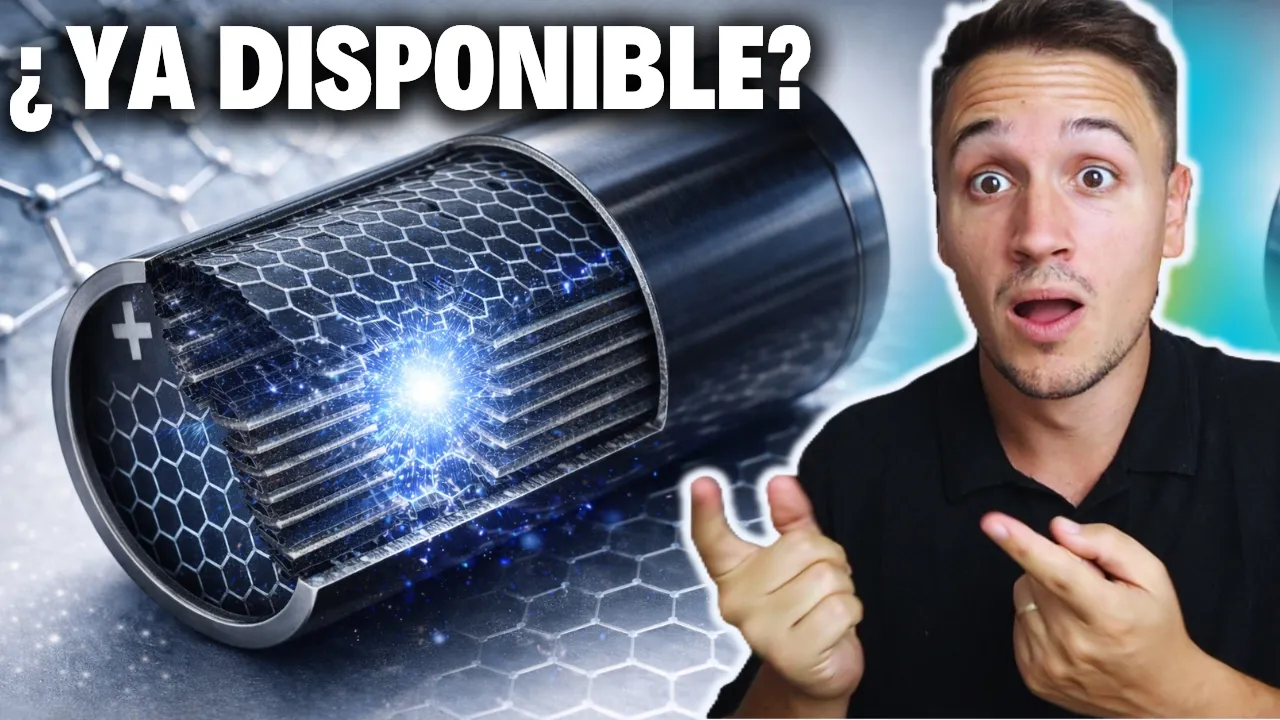






MIT researchers developed a scalable roll-to-roll chemical vapor deposition (CVD) method for producing graphene by passing a copper substrate through a chamber where methane gas is sprayed onto the copper while heat is applied, allowing carbon molecules to self-assemble into graphene layers continuously rather than relying on traditional seed-based growth methods that produce only small quantities.
MIT Roll-to-Roll Graphene CVD: Scalable Production Explained
Added:Basic understanding of graphene's atomic structure (sp2 hybridization) and its unique electrical, thermal, and mechanical properties.
Fundamental principles of Chemical Vapor Deposition (CVD), including precursor gases, thermal decomposition, and catalytic substrate interactions.
The distinction between batch processing and continuous manufacturing methods, specifically the concept of roll-to-roll (R2R) processing.
The role of transition metal catalysts (such as copper or nickel) in synthesizing high-quality, large-area graphene.
Techniques for transferring CVD-grown graphene from metal growth substrates to target application substrates without inducing defects.
The integration of scalable graphene into next-generation energy storage devices, such as lithium-metal anodes and supercapacitors.
Advanced characterization techniques (such as Raman spectroscopy and electron microscopy) used to analyze the quality and grain boundaries of R2R-produced graphene.
Deep-dive into space technology applications, including graphene-based radiation shielding, lightweight structural composites, and thermal management systems.
295.4K views8.2Klikes6:51Original Release: 2018-06-24
[Music] subject zero here recently the good folks at MIT developed a way to make graphene that is fast cheap and scalable but how does this method works here at subject zero labs we just don't talk about science we show it to you and we were able to acquire one of these machines to show you firsthand how it works not that we really have one but we do have animations which will hope you like it and maybe gives a thumbs up nevertheless before we start let's talk a little bit about where this technology comes from one of the things that we know about diamonds nanotubes and graphene is that it's much easier to grow them from what we call a seed like if you already have one diamond or a nanotube you can easily grow it by bombarding with chemicals and high pressures and heat so what they did was they got this seed which is nothing more than a tiny piece from an actual diamond and then they apply heat and pressure along with what they call chemical vapor deposit which are carbon molecules like methane that is sprayed onto the seed after some time you will have a grown diamond more like a few days also in this process after a while the diamond starts to lose its shape or the edges get burned if you think about it and therefore it cannot be continuous again limiting the product to small pieces so in terms of diamond making you would usually get for every less than one millimeter thick seed about a one centimeter cube the same principle is applied for nanotubes and graphene however this was limited to very small sizes so if you would like to get enough graphene for instance to actually make something use a full out of it you would be limited to tiny amounts of maybe a few centimeters and then again all the other process that exists are too costly and still don't produce as much as we need something about this you have these huge machines that take a lot of space and only spit out a tiny fragment of what you need building anything out of that will take centuries and then on top of that to make the purest product possible vacuum chambers are necessary and makes the whole thing we more challenging the way to go would be just to work inside these chambers with some kind of mechanism to remove whatever was already created and leave space for a new sheet to be formed hence the roll-to-roll method that MIT developed ladies and gentlemen I give to you the MIT roll-to-roll graphene chemical vapor deposit let's take a look at the machine as you can see we have two chambers that are connected by a pipe basically these two chambers are called input and output the input chamber is where we have the beginning of the pure copper role along with the gaseous exhaust that pumps the gas into the chamber the idea is to have the sheet roll from one side to the other while gas exhaust pumps in methane on top of the copper plate while heat is also applied this is what's called the CVD or chemical vapour deposit think of it as a molecular 3d printer because usually they already have a seed available in the roll by spraying the chemical onto the sheet the molecules will self arrange and continue to create more graphene growing what was already there in a slow reaction depending on how you start this process the seed here is not really necessary because the copper has some properties that facilitates the formation of graphene however the presence of a seed would make things much easier there are more technical parts to this like optimal temperature amount of chemicals being sprayed onto the sheet rolling speed distance from the roller and so on to keep things simple you need an optimum temperature to make the reaction happen at a constant rate too hot and the vapor molecules will not go into the sheet and to coat they won't bind properly creating impurities in the sheet also the methane gas has to be at a highest purity or else you will get gaps that may disrupt the natural pattern of the hexagonal shape of the graphene next is the rolling speed again too fast and the vapor won't bind too slow and it will create undesired layers and lastly we have the distance this is important because you need to keep the temperature at a certain level that won't change the process while increasing the length this would be the challenge of scaling production but why is this achievements so important because this material has the promise to cover the last remaining problem of energy storage and recharge ability it is known for some time now that graphene has the ability to store large amounts of energy in small batteries while being able to recharge in seconds which would be the perfect battery moreover it also can help current lithium-ion batteries to charge faster because of its high conductivity we are talking about solving a lot of problems of energy needs for society and also space travel like for instance it is speculated that a battery of the size of an iPhone will have enough energy to replace all the batteries currently on a Tesla which is about seven to eight thousand and still give more kilometers per charge to sounds like science fiction I know but cool nevertheless and of course if batteries get to this level of efficiency then that means a lot for the solar panel industry also now if all of this comes true or not don't look at me I'm just a messenger I've been following this tech for a while now and actually expect a lot out of it so I guess I'm hyped as much as everybody here so if it actually fulfills its promise what does that means for space travel aside from the energy storing capabilities in about a decade or so we will also be able to make ships that can withstand anything that space has to offer for instance one of the many issues that the ship's have to go through is reentry heat deterioration which happens every time they enter a planet's atmosphere however with graphene based structures they would be a thing of the past because it can stand much more heat than any other material and it would be the cheapest to produce by far it is also very light and really strong which reflects on the amount of load that can be brought up to space basically all the way that you save from the ship itself can be translated into the load amount yes there are a lot of promises coming out of this technology but we don't have time to talk about all of them today so I guess we'll have to do this in another video alright folks that's it we're done here [Music]
Up Next

1:45
How to Make Graphene: Scotch Tape Method Tutorial
@tetrflare
350.2K views•2009-06-03
83:56
Biocatalysis and Catalysis in Islatravir Synthesis | Merck Webinar
@SCIwheresciencemeetsbusiness
675 views•2020-10-08
10:06
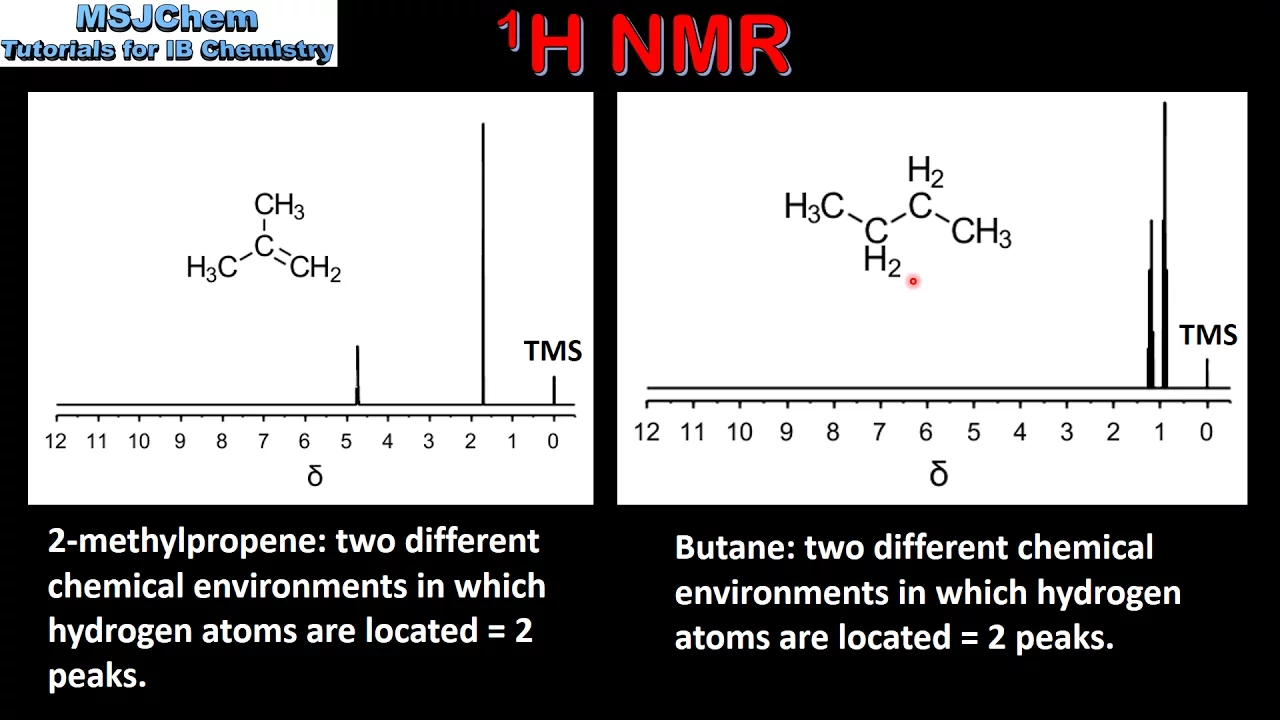
1H NMR: Determining Number of Peaks from Structure
@MSJChem
59.2K views•2017-04-06

17:31
Edible Water Bottles: A DIY Guide to Sodium Alginate Spherification
@ryan
10.5M views•2019-06-21
Related Study Plans & Knowledge Roadmaps
Structured learning paths in Chemistry
chemistry
Nuclear Chemistry: Decay, Meds & Fuel Cycle
01Introduction to Nuclear Structure and Radioactivity
02Decay Dynamics and Kinetics
03Radiation Interaction and Detection
+ 2 more learning modules
24h5 modules
Explore Roadmap
chemistry
Supramolecular Chemistry: Forces & Machines
01Foundations of Chemical Bonding and Intermolecular Forces
02Introduction to Host-Guest Chemistry
03Thermodynamics and Dynamics of Self-Assembly
+ 2 more learning modules
16h5 modules
Explore Roadmap
chemistry
Photochemistry: Excited States & Reactions
01Foundations of Light-Matter Interactions
02Molecular Orbitals and Electronic States
03Photophysical Processes and Jablonski Diagrams
+ 2 more learning modules
18h5 modules
Explore Roadmap
chemistry
Coordination Chemistry: Bonding & Properties
01Introduction to Transition Metals and Ligands
02Crystal Field Theory (CFT) and Geometry
03Magnetic Behavior and Spin States
+ 2 more learning modules
14h5 modules
Explore Roadmap