




















Ana Mendieta (1948-1985) was a Cuban-American body artist whose groundbreaking Silueta Series used her own body silhouette embedded in landscapes to explore themes of cultural identity, exile, and the female body. Born in Cuba and exiled to America in 1961, Mendieta created powerful artworks where her body traces were painted or carved into the earth, symbolizing her connection to both her homeland and the land she inhabited. Her work challenged patriarchal views of the female body and addressed cultural oppression, making her a significant figure in feminist art history.
Ana Mendieta: Body Art & Silueta Series in Feminist Art History
Added:Familiarity with the Second-Wave Feminist movement of the 1960s and 1970s and its critique of patriarchal structures in the art world.
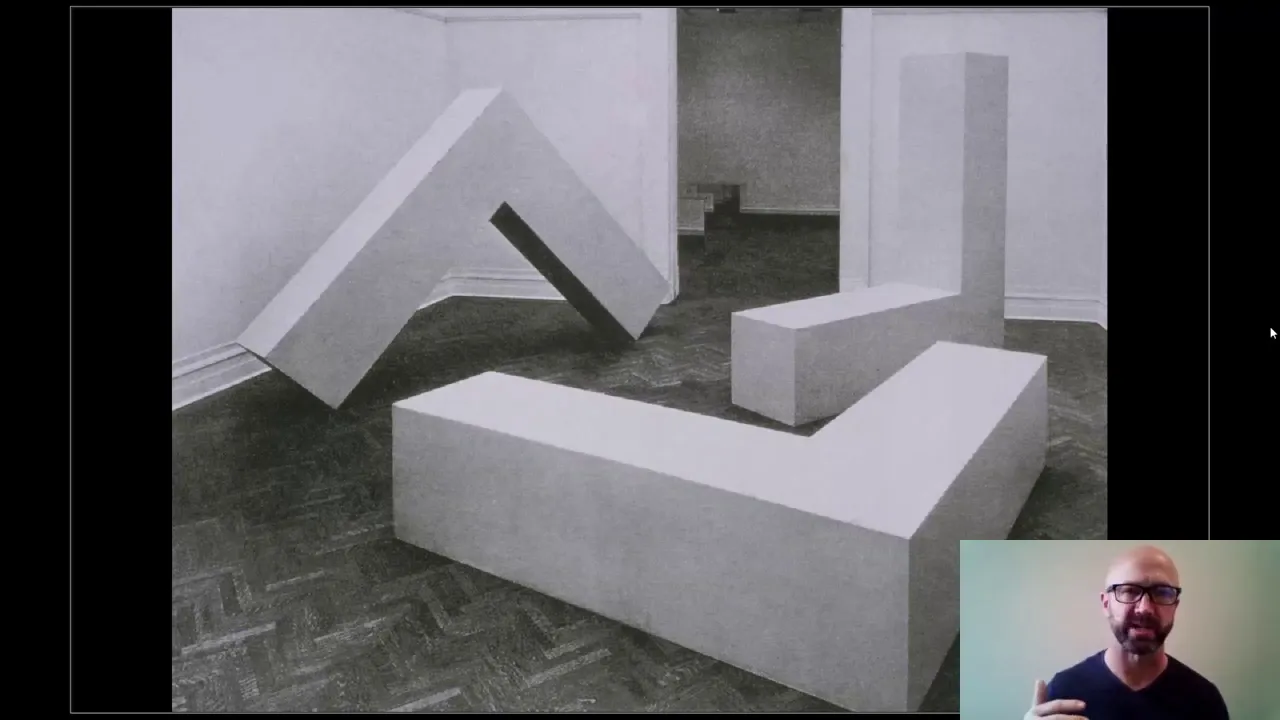
An understanding of the core tenets of Performance Art and Body Art, where the artist's physical form is used as the primary medium.
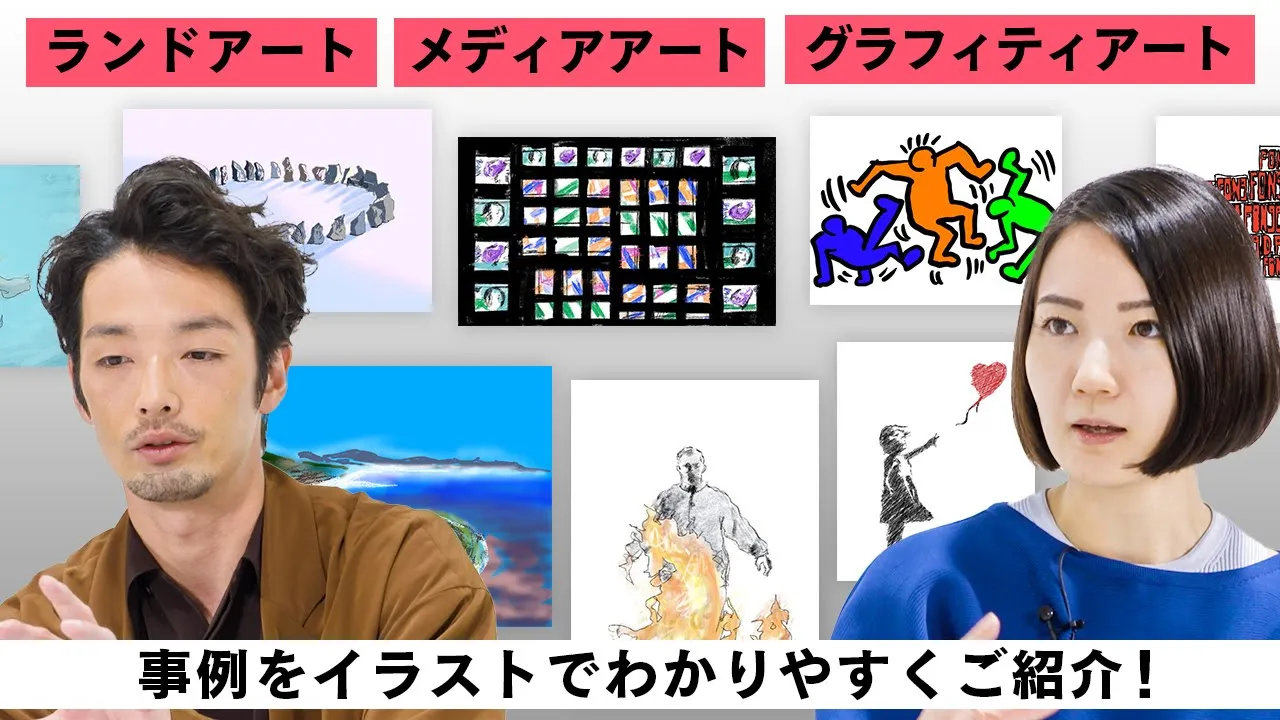
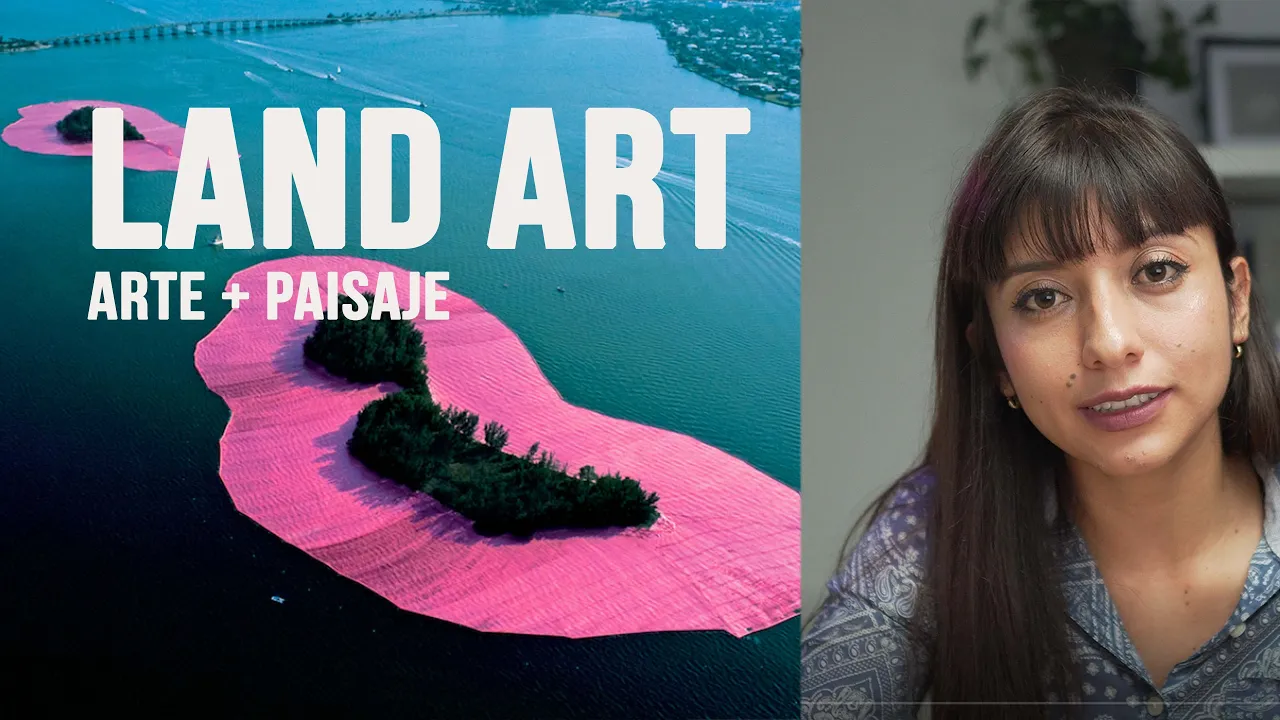
Basic knowledge of Land Art (or Earthworks) and how artists of this era began bypassing traditional gallery spaces to interact directly with the natural landscape.
Historical context surrounding the Cuban Revolution and Operation Peter Pan, which resulted in the exile and displacement of Cuban children, including Mendieta.
An exploration of Ecofeminism in art history, examining how subsequent artists have linked feminist theory with environmental activism.
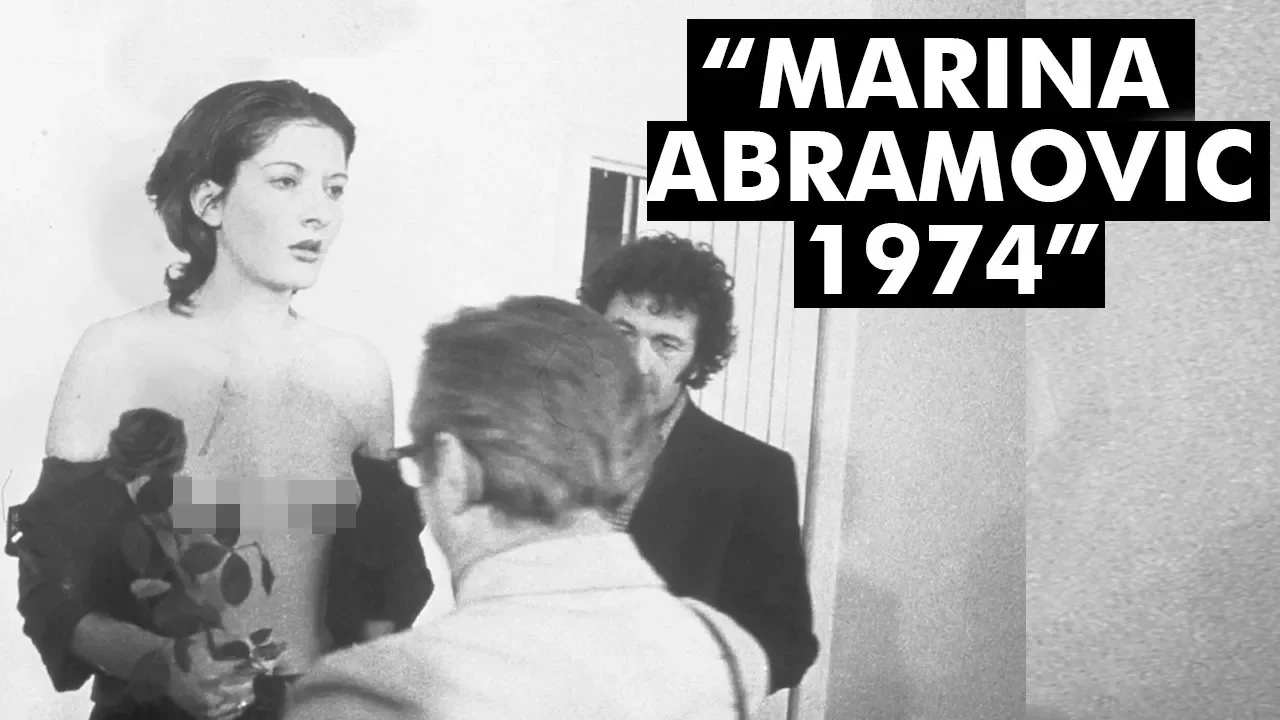
Comparative analysis of Mendieta's contemporaries in body and performance art, such as Marina Abramović, Carolee Schneemann, and Yoko Ono.
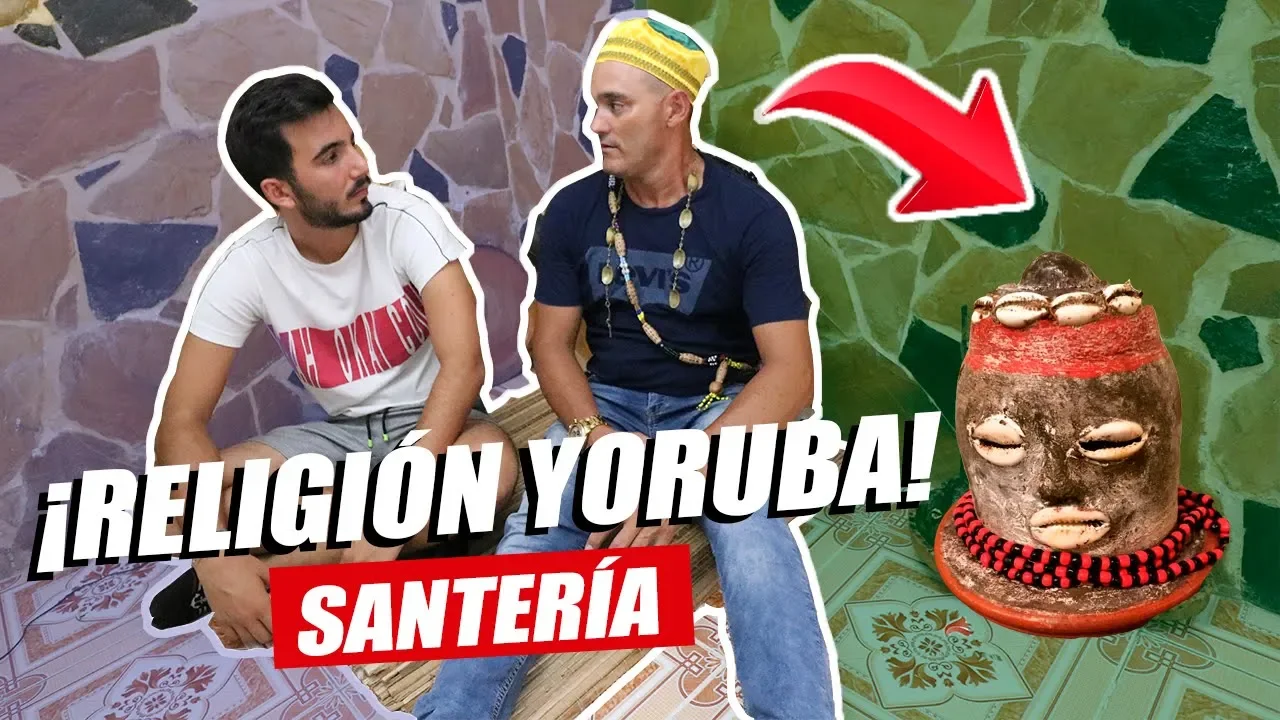
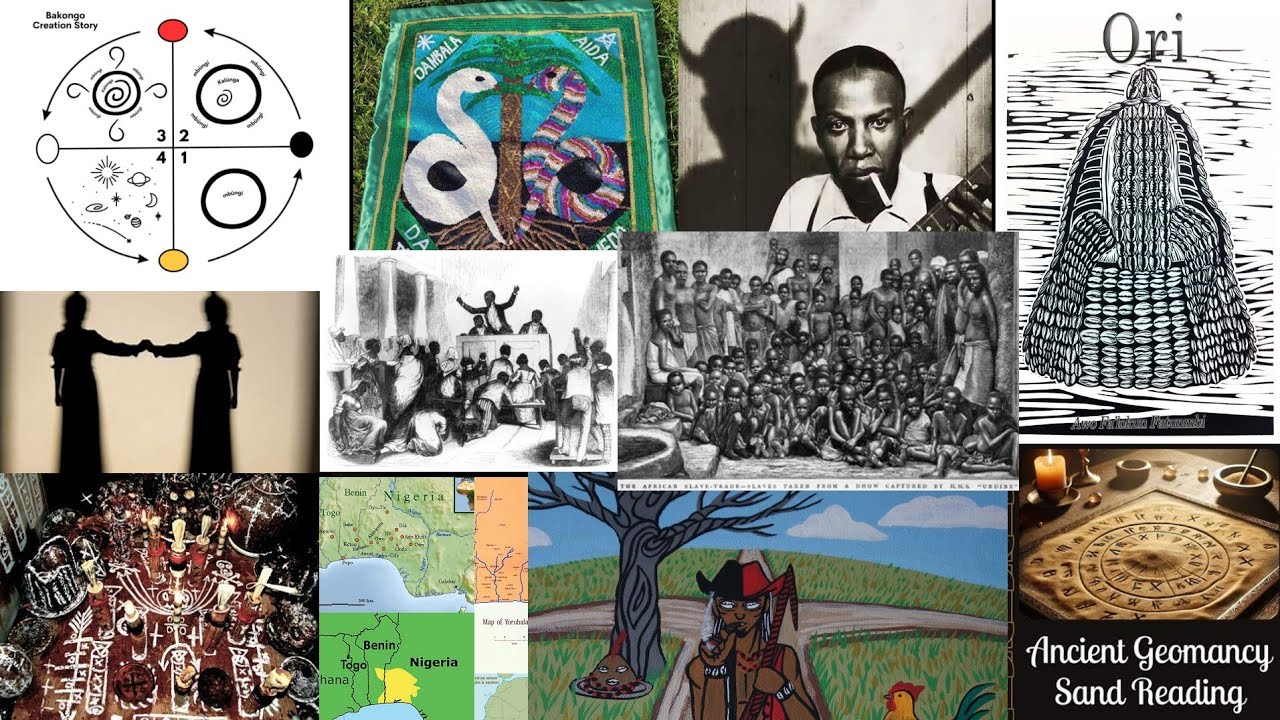
Deepening study into how indigenous spiritualities and Afro-Cuban traditions (specifically Santería) informed Mendieta's iconography and ritualistic practices.
Researching the lasting legacy of Mendieta's tragic death and how it sparked ongoing activist movements, such as 'Where is Ana Mendieta?', addressing gender-based violence and institutional bias in the art market.
18.2K views672likes12:21Original Release: 2021-06-09
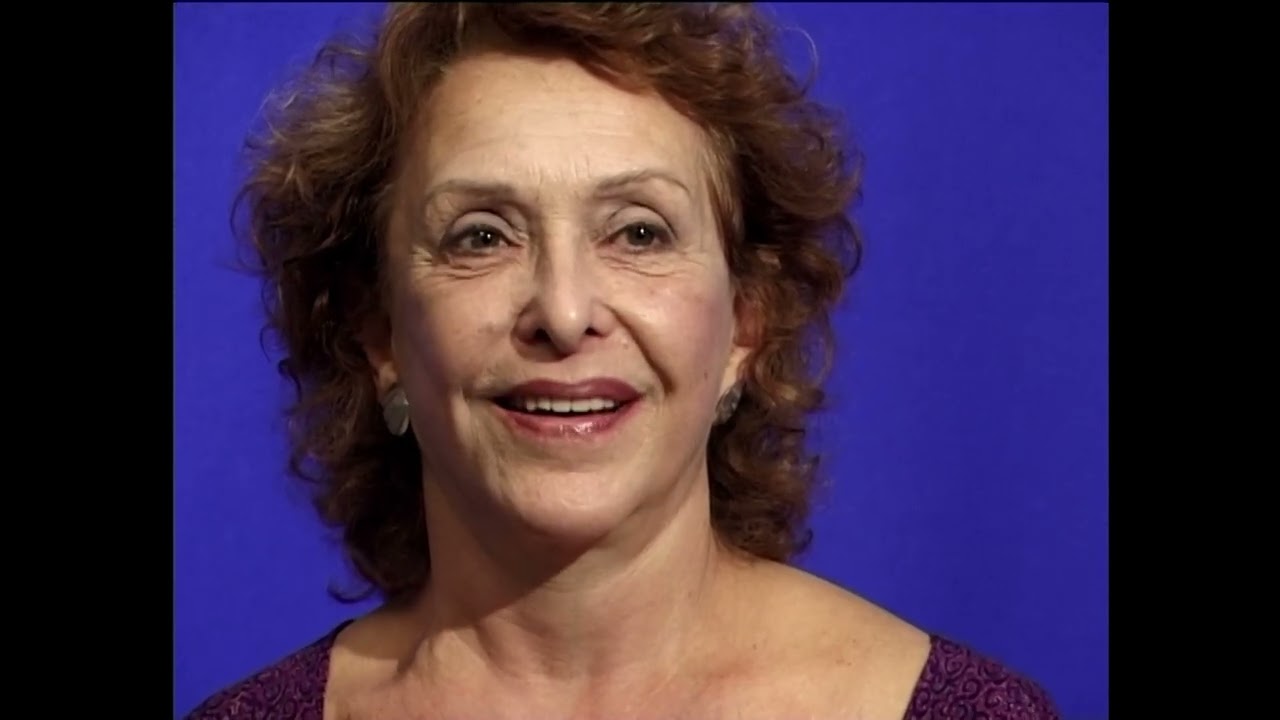
[music] [music] Hello and welcome to my YouTube series that I like to [music] call the brief history of female artist. So in this series I like to talk about female artists all throughout art history that have been influential into art itself.
And today I want to talk about artist Anna Mendietta.
So Anna Mendietta was a Cuban um body artist that was born in 1948.
So to give a little bit of background to performance art. Um it was an art form that was kind of born through performance art um and was kind of created in the 1970s.
Um the characteristics is the use of one's body in the art piece whether that be video, photography or performance. Um body art also stemmed from the rejection of abstract expression expressionism which was kind of the we were kind of the um art form that was in style. Um but this kind of art form was mostly led by male artist and this type of art style also didn't really talk about politics or anything like that. So the political landscape in America during this time was electrified with ideas of human rights and feminism was on on a new high. It was like the second wave of feminism and the female body was heavily discussed and many female artists wanted to kind of liberate themselves from this kind of patriarchal patriarchal view of the female body. Women have often been uh the victims of objectification by male artists. Um and the creation of body art let uh female artists create their own discord about their own bodies. So yeah, now you kind of have like a little background of what body art meant um and what it was. Um so yeah, Anna Mendiata was born in Cuba in 1948, 11 years after the Cuban Revolution in 1959. Um and so she and her sister was sent to America um in 1961 as a result. So she was part of a project that sent Cuban children away to escape um the dictatorship of Fidel Castro. So Anna Mindiata and her sister, they kind of they kind of only had each other when they came to America. Like they only had each other to rely on to kind of deal with the trauma of being ripped away from their whole family. And you know they were kind of struggling being in these like new surroundings. Um they were reunited with their mother and their brother in 1966 and they were also reunited with their father in 1979 [music] after he had spent nearly two decades in a political prison in Cuba. So Anna Mindetta had always had an interest in art and she started to study it after she was done with high school. So her professor actually introduced her to the growing um art scene of performance art and Menetta began to experiment with using her own body and her own blood in her art pieces. She wanted to portray um themes of gender fluidity in her art as well as cultural oppression and domestic violence.
So Anna Mendiata entered a decadel long affair with her professor even though he was 13 years older than her. He was actually a huge influence on her and her art. Um she was featured in his own art pieces. Um Laentosa from 1971 being one example. Um he also introduced hers to different kinds of artists such as Vito Akoni and Hans Hake who would also further influence her art. Also sorry if I mispronounced those names. So in 1971, Anna Mendietta traveled to Mexico to do further research for her art. Um she struggled with painful memories, you know, from fleeing from Cuba and the displacement she had felt ever since.
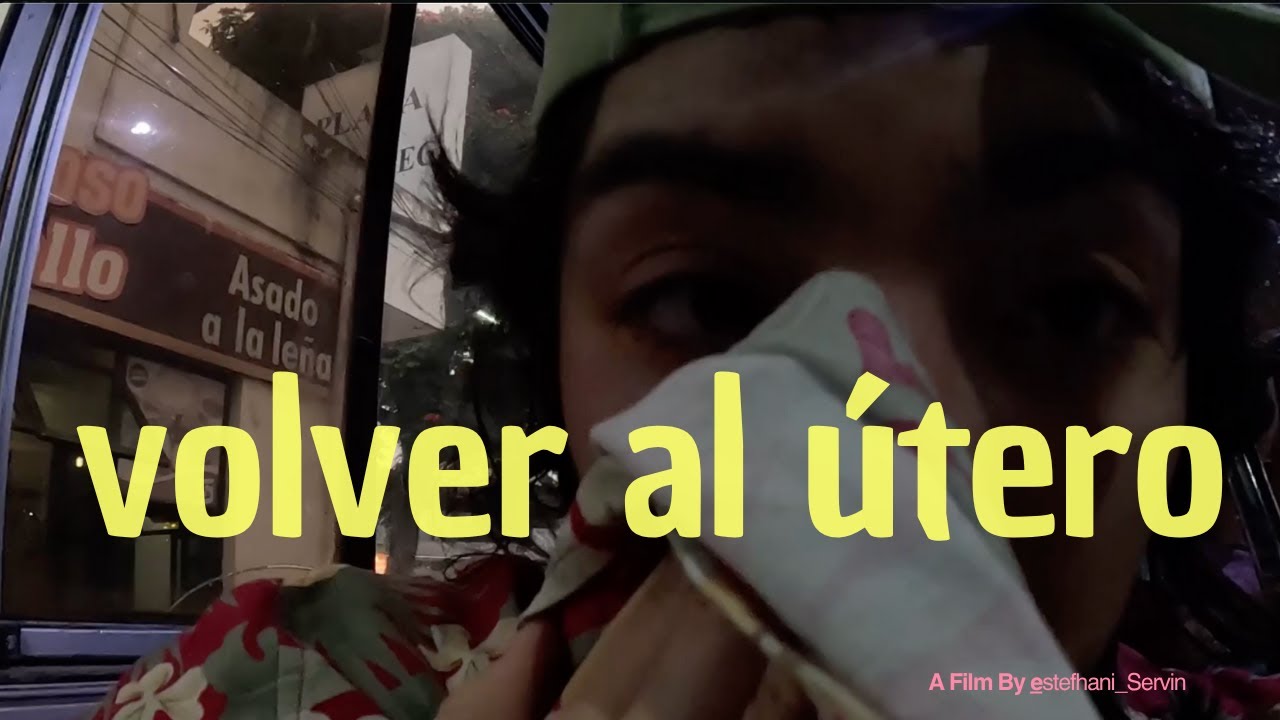
and she would later refer to this trip as going back to the [music] source. She decided to carry out a dialogue between the landscape and the female body.
Um, so the next artwork made by Anna Mendietta I want to talk about actually talks about sexual violence. [music] Um, so if you're not cool about hearing about those subjects, um, skip ahead. So in 1973, a fellow student at the college Menietta attended was violently raped and murdered.
Um Menetta brought attention to this crime um by creating her art piece titled rape scene. So in this art uh in this art piece, Menetta um covered herself with cow's blood and then she tied herself to the table in her apartment and invited her fellow students and teachers to stumble upon the scene. This piece is obviously very graphic. Um it was a performance piece, but there are photographs taken from uh the performance. And I'm actually not sure if I can show those to you if as in my opinion it's quite graphic but I will put a link in the description to uh the photograph that I'm talking about. Um so the next year Mendetta returned to Mexico and this is where she starts creating her Silhouetta series which is actually I think what she's most famous for. So the first um the first piece of this series is called Imageen de Yagul.
Again, really sorry if I'm mispronouncing those words. Um which is a photograph depicting Menietta lying down in a open Sapotech tomb. Um her naked body is covered in flowers and grass. She talks about Mexican culture and their beliefs of death as well as her own connections to the land and the earth as she's literally becoming a part of the earth [snorts] in this piece.
Other photographs from her Silhouetta series shows traces of her body um in forms of silhouettes that she either painted [music] into the ground or carved out of the ground. and they kind of talk about this emptiness, you know, that she always felt all throughout her life. Um, she's talking about being exiled, you know, as she was from her home country. And she's also talking about loss and eraser. growing up as a Latina woman in the US. Um she was under a lot of pressure to kind of conform to the western like you know the American kind of beauty standards which was you know fair pale you know um and she felt like she had to hide her cultural heritage.
So the [clears throat] silhouette that she um that she presents in in some of these photographs kind of shows her body being erased, you know, like it doesn't exist anymore. There's [music] just like an empty space of where she would be, which is, you know, kind of how she felt. Another piece from this series, so um shows her silhouette painted into the sand of a beach in Mexico. The silhouette is filled with red tempera which kind of makes it seem like it's filled with blood. Um, and the waves from the ocean come crashing in. They slowly erase the silhouette until there's nothing left anymore. So, this piece talks about death and kind of the cycle of life about how the body is slowly being returned to the earth. So Anna Mendetta brought up her cultural root in many different forms in a video piece called Untitled Body Tracks from 1982 was a recorded performance piece where she placed a paper on the wall. Anda then entered and she places her hands in a bowl that's filled with animal blood and red tempera. She then puts her hands on the paper, slowly drags it down towards the floor, creating red blood tracks across the paper. She uses the performance to highlight what she's doing and how she's doing it, as a photograph would not have had the same impact. We can see how slowly she is dragging her hands across the paper and how the paper is being ripped by the blood bloody tracks that her hands are leaving on the paper. The paper just deteriorating more and more as she keeps, you know, running her hands over it. Um, in the background, Cuban music is being played. So, we can conclude Menetta is again talking about her heritage um and as well as trauma by the use of blood in this piece. So shortly after she is done with her university um degree, she moves to New York and as she's here, she she meets a lot of uh feminist artists and becomes friends with a lot of them. She's she also meets her future husband Carl Andre who was a minimalist sculpture. [music] In 1985, Anna Mendietta tragically passed away as she fell from uh the window in her Manhattan apartment.
The accident took place um after a heated argument with her husband who was actually later charged with her murder.
So, even though neighbors testified that they had heard a woman screaming no and Andre was found with scratches all over his face, he was still acquitted after a trial in front of a jury. So, Menetta's artworks were actually used as proof to back up the claim that she had committed suicide, even though like all of her friends had said that she had no suicidal tendencies. [music] And they also said that her artwork was about life and power and energy and not about death. And you know after after the trial and after Andre was acquitted with murder there was a lot of you know protests and the art world was kind of you know divided because you know some people thought that the patriarchal structures just let another murderer go free and you know some other people claimed that he was innocent. [music] The tragedy of Manetta's deaths just kind of makes her artwork all that more impactful. They kind of leave us with an eerie sense of of ourselves and earth and kind of the cycle of life and death.
But yeah, so between the years 1972 and 1985, Mandietta created hundreds of photographs as well as several performances, sculptures, paintings, and drawings. And she celebrated not only as a female artist, but also as a Latina artist who frequently featured her cultural roots in her artwork. So yeah, that is a brief history of um Ana Mindetta and I hope I really hope that you enjoyed this video [music] and I will see you again next time. Bye.
[music] Heat. Hey, Heat.
[music]
Up Next
7:37
Martha Rosler on House Beautiful: Bringing the War Home
@dominikab9951
21.1K views•2016-10-15

114:18
Christian Iconography: History, Theology, and Meaning | Fr. Panayiotis Papageorgiou
@Trisagionfilms
58.8K views•2020-02-21
7:48
Ukiyo-e Art: History, Woodblock Printing & Influence
@japanathand
6.3K views•2023-06-08

16:34
Earliest Depictions of Jesus in Art: 10 Ancient Images Explained
@UsefulCharts
5.9M views•2022-06-03
Related Study Plans & Knowledge Roadmaps
Structured learning paths in Art History
art-history
Gothic Cathedrals: Engineering, Light & Society
01The Birth of the Gothic: Romanesque to Suger's Vision
02The Structural Triad: Pointed Arches, Ribbed Vaults, and Flying Buttresses
03Theology of Light: Lux Nova and Sacred Geometry
+ 2 more learning modules
14h5 modules
Explore Roadmap
art-history
Pre-Raphaelites: Realism, Symbolism & Critique
01The Victorian Art Establishment and Academic Formula
02The Founding of the PRB and Radical Realism
03Medieval Revivalism and Literary Symbolism
+ 1 more learning modules
8h4 modules
Explore Roadmap
art-history
Street Art: From Subways to Art Market
01Subcultural Origins in Philadelphia and New York (1970s)
02The Subway Era and Style Wars (Late 1970s - 1980s)
03The East Village Scene and Early Gallery Crossover
+ 2 more learning modules
10h5 modules
Explore Roadmap
art-history
Classic Maya Art: Iconography, Glyphs & Ritual
01Foundations of Classic Maya Visual Culture
02Deciphering Maya Hieroglyphs & Text-Image Integration
03Sacred Geography and Cosmological Architecture
+ 2 more learning modules
14h5 modules
Explore Roadmap