
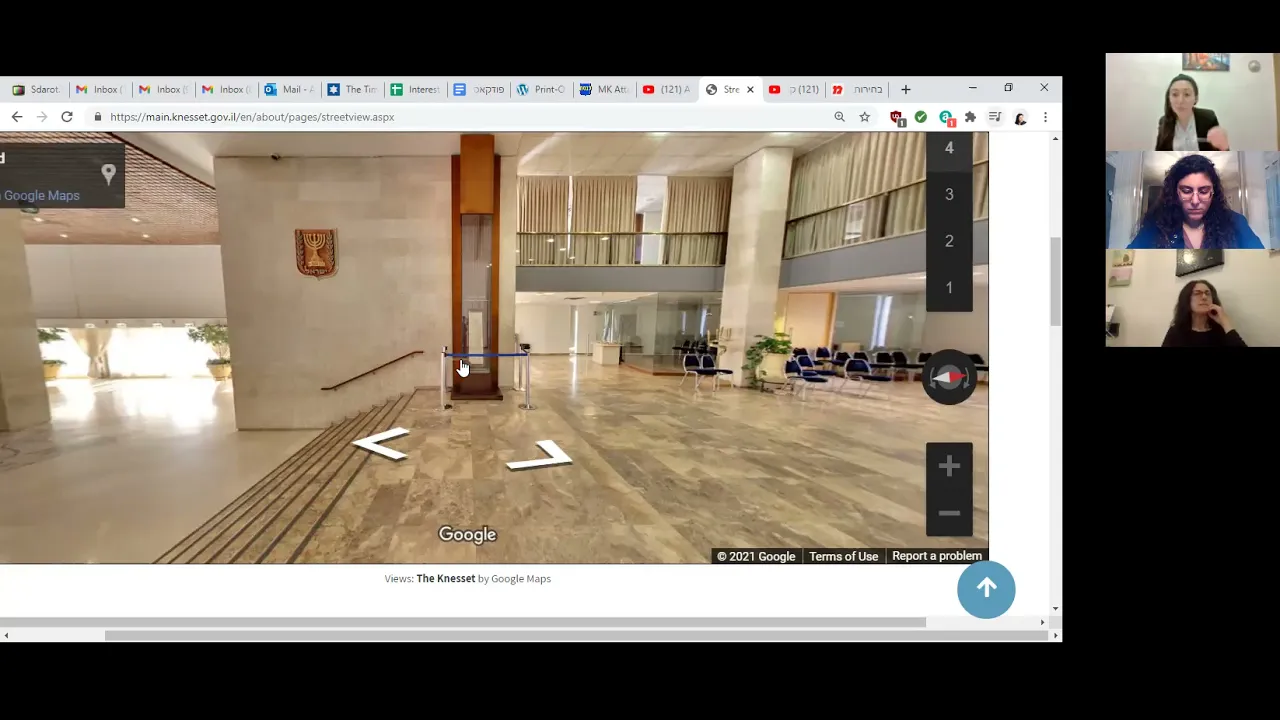



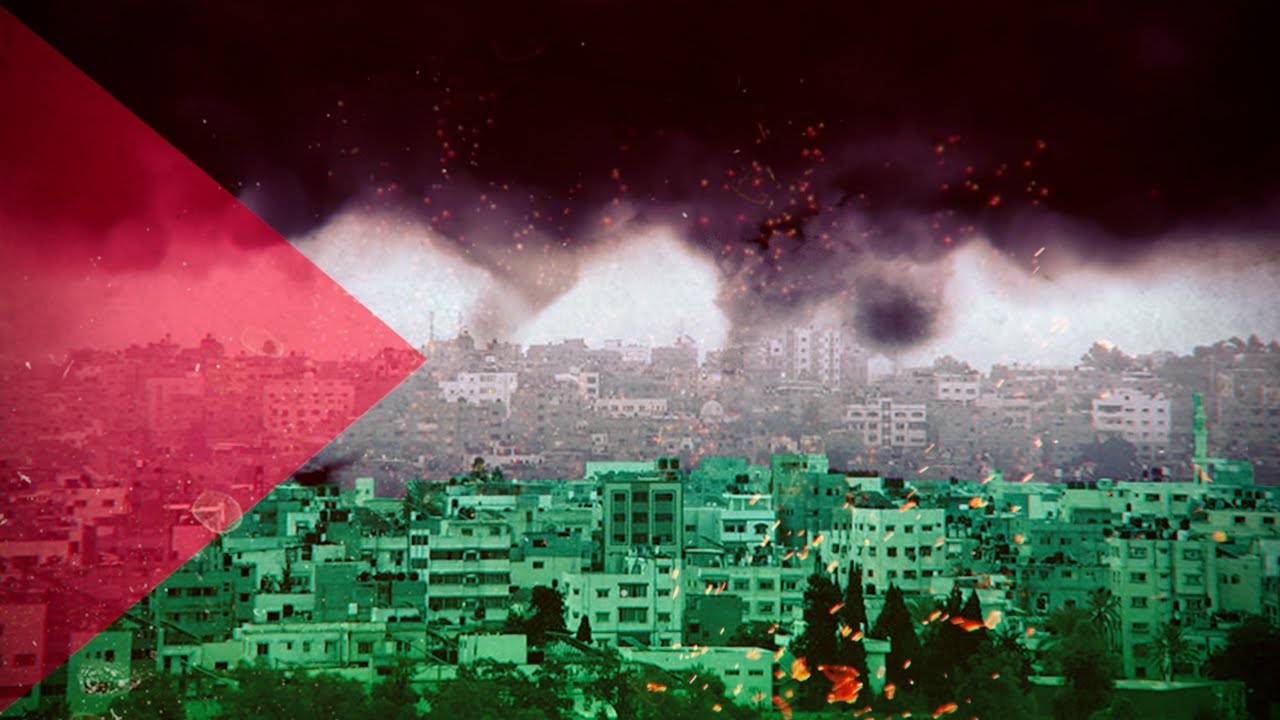





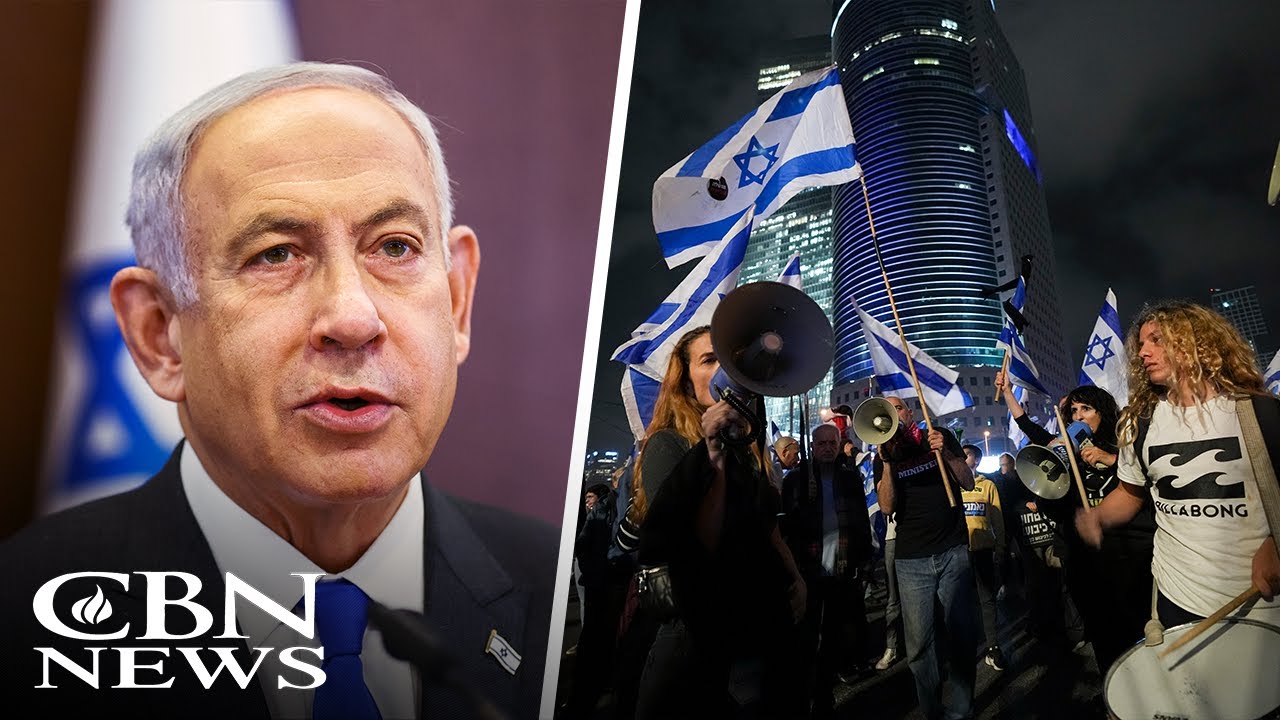








The formation of a new Israeli government requires complex coalition negotiations among multiple parties with diverse ideologies, as demonstrated by the 2021 coalition agreement between right-wing and centrist parties that included controversial electoral reforms and shared veto powers, highlighting the challenges of maintaining unity and effective governance in multi-party parliamentary systems.
Israel News Overview: Political Shifts and Regional Security Dynamics
Added:Understanding of Israel's parliamentary democracy, specifically how the Knesset functions, the process of coalition-building, and the role of the Prime Minister.
A foundational overview of the Arab-Israeli conflict, key historical milestones (such as the 1948, 1967, and 1973 wars), and major peace initiatives like the Oslo Accords.
Familiarity with the primary geopolitical actors in the Middle East, including Iran's regional influence, the role of proxy groups (such as Hezbollah and Hamas), and the significance of the Abraham Accords.
Awareness of the diverse socio-demographic fabric of Israeli society, including the secular-religious divide, the status of Arab citizens, and the influence of ultra-Orthodox communities.
Analysis of contemporary judicial reform debates in Israel and their long-term implications for the country's system of checks and balances.
Advanced study of asymmetric warfare and modern defense doctrines, including the strategic utilization of air defense systems like the Iron Dome and cyber warfare capabilities.
Evaluation of the strategic impact of U.S.-Israel diplomatic relations and how shifting U.S. foreign policy influences Middle Eastern security dynamics.
An exploration of regional normalization trends and the future prospects of the two-state solution in a rapidly changing geopolitical landscape.
21K views363likes25:00Original Release: 2021-06-08
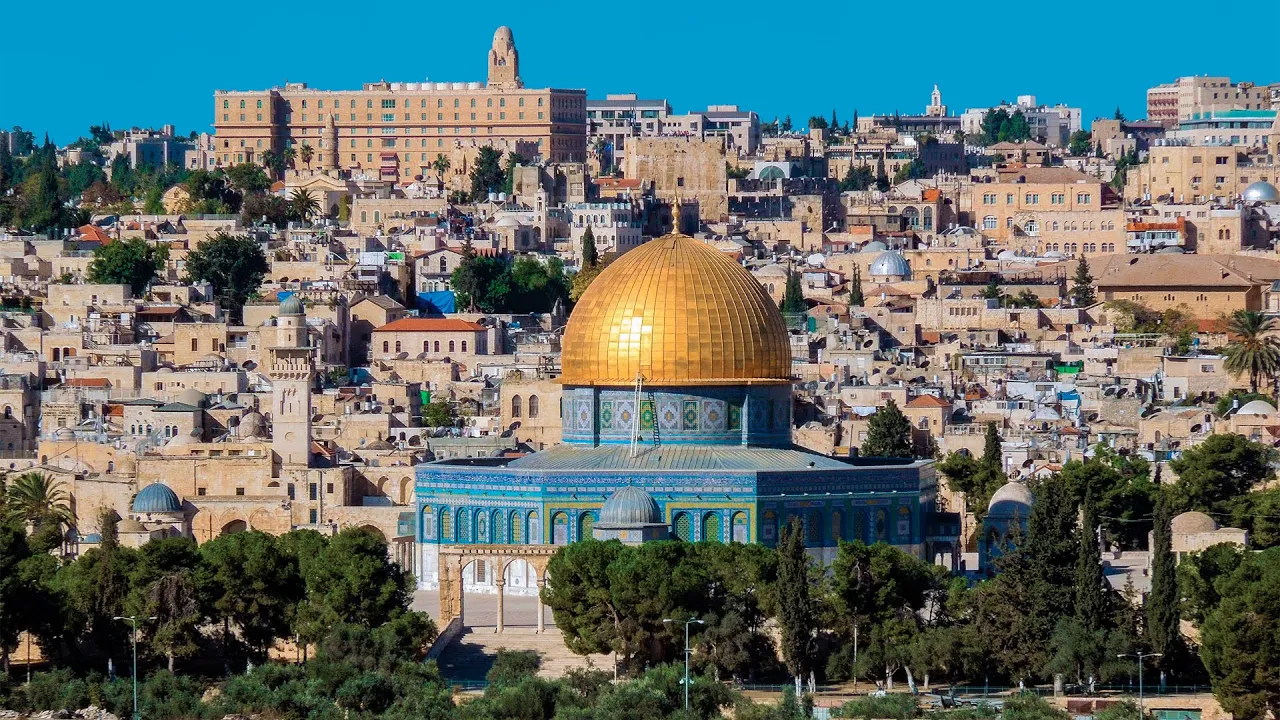
welcome to aisle tv's israel daily i'm aaron porris and coming up in today's newscast a dangerous sinkhole outside a hospital in jerusalem appears the vote of confidence for the pending new israeli government finally set and the united states showing its doubts amidst ongoing nuclear negotiations with [Music] iran [Music] a terrifying scene outside a jerusalem hospital monday a massive sinkhole eight fire and rescue crews rushing to the scene after a huge void in the earth opening in an instant monday afternoon the massive sinkhole swallowing several cars and the jarring incident recorded in the parking lot of the charizard medical center in the heart of jerusalem thankfully no injuries have yet been reported still with concerns of another collapse the area and building cordoned off now as a danger zone additionally traffic nearby rerouted and blocked off as for the cause a tunnel under construction running under the hospital and parking lot believed to be related the hole also seems to have appeared in the older section of the now expanded lot an investigation is still underway and now the biggest news of the day knesset speaker yerev levine officially scheduling a vote of confidence for the potential new government on sunday june 13.
and the so-called change block largely expecting to win with a minimal 61 vote majority opposition leader head of the yeshid party and now pending alternate prime minister yair lepid already attempting then to calm right-wing voters with messages of unity politics that said the new details of the agreements signed between parties in the change block now coming to light and for many voters on the right lapid's statements are ringing hollow joining me to discuss chair of the zionist horizon and political analyst dole harlap and jeremy salton political strategist and director of english operations for the amina party thank you both so much for joining us all right now do i i'm starting with you promises promises in the deals are including electoral reforms like a shift to a regional voting system holding party primaries on the day of general elections and permitting absentee voters are voting for israelis abroad it also includes adding term limits for the prime minister ramped up construction in jerusalem boosted funding for arab communities and a follow through on the already approved egalitarian prayer space at the western wall in jerusalem what what of these deals i won't talk about all of them okay sure because there are so many exactly so what what deals are particularly contentious to the right so no please i'll i'll just speak about the hypocrisy hypocrisy of uh yamina and this and yay lapid and everybody has spoken about it about the norway novegan law okay which change and shifts the way that the knesset and the government and works together okay because when the likud and the blue and white have did that just a year ago they were shutting out like crazy um and let's speak in other things i don't think that regional uh vote is going to be a problem for anyone i think it's if they will do it in a smart manner it can be something which is good for israel i'm you know i'm not i'm i'm trying to be objective and if something is good i don't have a problem saying that but many of the issues just like talking about people from abroad to vote okay they don't live here they don't do military service not necessarily the the case is simply that you just have to physically be here to vote but you could be okay on a trip abroad on vacation specifically if someone is in if someone is in a trip so make sure you know the date of election three months ahead try to make sure to be here to vote you know we have one country um we care about it it's important to affect what's going to be so go and vote and you are able to do so all right so jeremy i want to bring you in on this and do actually just mentioned regional voting saying he's actually fine with that giving credit where credit is due but actually i want to ask you because regional voting systems are very intriguing how do you plan to accomplish this without without creating an allowance for gerrymandering or other such voter manipulations yeah i mean uh right now we're not talking about electoral reform we're talking about the coalition agreements that are ahead of us and of course the the vote of confidence which i assume will be in favor of the proposed government on sunday but i do want to refer to some septuagints talking about in terms of the norwegian law we're the ones that passed the norwegian law for the first time back in 2015 this is something our party has always been for during the campaign we said this is something that we would enact uh that's true that lapid has been against that and he's spoken to that effect but again it's naphtali bennett who's going to be the prime minister who is inaugurated with god's help on sunday and what we're doing here is fulfilling one of the promises that we said to to the israeli public we believe in having a separation between the executive branch and the legislative branch of government this is something that will actually strengthen the knesset this will allow also the ministers to be able to spend their time in the ministries as opposed to showing up all the time for countless votes which of course happens quite frequently with a narrow 61 to 59 coalition so i completely reject that that is an issue that's actually something that we campaigned on all right so i want to ask you as well another portion of the deal allows for a shared veto power between naftali bennett of your amino party and yair lepid is that something that you suspect might actually cause conflict and where each party is constantly vetoing the initiatives of the other and this this speaks to the heart of the argument of you know the ineffectual ineffectual government that may uh may come to pass on sunday i i actually think the veto the mutual veto is is a great idea i think that's actually going to be what maintains this coalition stability what happens in a situation with like you might have in with just 61 mks and again it was not too long ago that we had a 61 mk coalition for those who forgot the 2015 government that uh benjamin netanyahu uh um you know had when he got sworn in for his term back then started with 61 mk's later on lieberman joined that ended up being a full four-year term despite only starting out with 61 on case what you have is a situation which each mk could potentially take the coalition hostage by having veto power on both sides this resists the temptation of any renegade mk from the left or from the right from trying to go ahead and score brownie points by trying to piece a pass a piece of legislation because ahead of time it's very clear that they're not going to be able to so it resists you know the temptation to actually go ahead and embark in a situation where they know they're going to be vetoed anyways all right now do i want to ask you because according to the to this new potential government's charter the government will work to mend the rifts between the various elements of israeli society and to strengthen the foundations of israel as a jewish and democratic state in the spirit of the declaration of independence lead various programs aimed at getting the state of israel out of the economic crisis et cetera wouldn't you agree that a widely varied government with members of practically every israeli sector might be perhaps best poised to accomplish this i don't have any problem with a united government or a broad coalition i think it's good and it will be good for israel but specifically this coalition will not be an effective coalition because the parties internally are against each other basic um thoughts basically about this okay so this is not gonna be a united government it will be a paralyzed uh government they won't be able to do anything okay um when mansour bus will ask for something nathalie bennett say no we cannot do that because i want to be saying be able to say that i'm right wing even though it's not really happening and when mikhail mikhaili will try to say something about bus is driving during shabbat during saturday so naftali ben and again will say no we cannot do that and then when yay lapid will say i don't want to give any money for the um orthodox jewish yeshivas so naftali so it will be just um a paralyzed government that's all right uh 10 second response from you jeremy it's we we have coalition agreements there's something in there for the constituencies of all eight parties because of that and because of the fact that it takes a long time to go through the legislative process we'll probably spend just the first year passing the stuff we agree on we won't even get to the stuff we disagree on until the second year of government and we'll have one year i believe you're saying it's gonna hold back hold on for one year coalition i said the first i said the first year is going to be there to be able to pursue the coalition agreements and all the stuff that is written there for the constituencies in the second year that's when we're going to start to do new things i believe if we're able to show goodwill and we're able to work together we'll be able to do new things in that second year of government and again that can build down to a third and potentially fourth year what it depends and that's really what it comes down to is the good will and trust between the leaders of these parties and the ability to be able to maintain the various back benchers in each one of these parties to go ahead and maintain this coalition i think up here well we'll see how all of this pans out uh after the vote on sunday jeremy sultan thank you for having me now meantime with tensions in jerusalem still high police are demanding that the annual flag parade through jerusalem already delayed from early may be rerouted to avoid the muslim quarter officers saying they wouldn't even be able to muster sufficient forces to protect the marchers across every expected flashpoint but celebrating the unification of east and west jerusalem in 1967 organizers so far threatening to cancel the event entirely if it doesn't take the traditional route likewise right-wing backers for the march including prime minister netanyahu and extremist mk specialism arguing that changes to the parade amount to capitulations to terrorist threats like those from hamas here to discuss is israeli journalist author of industry of lies and attorney ben doleyamini benzel thanks so much for being on with us now members of the left say that the flag parade is an intentional intentional provocation while the pro-paraders say that it's just a celebration of jerusalem's unification and that canceling would be a wrongful appeasement where do you stand and why no i'll tell you um i mean in this very moment when it's quite tense and we all know what the circumstances are just before swarming a new government just after an operation with gaza it is tense i mean uh yes we have the right to march in jerusalem with flag everywhere yes we have the right does it mean that we have to uh realize it and to carry it out exactly now in this very delicate date i'm not sure about it if the security people are saying and they are saying i mean the chiefs of of the police and others if they are saying it's not the time it's not the time because in this very moment not every moment in this very moment it's a kind of provocation we don't need it we don't need it now so i do accept that view well so what what do you say to those who or rather how would you address the fact that at least it would appear to be a hamas victory coming after their their and other palestinian threats which in turn typically leads to more violent threats and demands by hamas if hamas thinks that they won in this argument what's to stop that from from becoming even more aggressive first of all it is much more complicated because we do know that it is tense now not only because of what will be the retaliation of the hamas it is much more delicate because we know that we have problems in loading akko in some other mixed cities as we call it in jaffa do we need it now or that we need to work together in order to come things down i mean it and i mean that's what we need right now we need a kind of of a kind of some weeks some months of of trying to work things in a better way we don't need this kind of provocation right now and when and look at the timing timing is exactly two three days before a new government is going to be swarmed in i mean is it the right time now the hamas it's not because of the hamas it's not because of because hamas has a lot of demands that we do not accept and if we are not doing something like this kind of march in in jerusalem in the muslim quarter it's not because of the hamas it's because of us i mean is it our interest or not is it our interest now to provoke again some tensions that that are in the air i mean no we don't need it we don't need it right now because of the timing because of the circumstances well so you've written recently that the organizers are aware of the enormous difference between proudly displaying the national flag and the provocation that is a flag parade adding that it has little to do with strength strengthening jerusalem and everything to do with causing chaos so it doesn't sound like you're necessarily talking about the flag parade this year or in this context but rather in general what evidence do you have you're right now it is quite it is quite uh regrettable that a lot of people decent people from from the right they are following who and they are following what uh itamar bangdir and some kahanes that's what they are doing i mean why why do we need it we know exactly what they're there aren't there aren't any any there isn't any sizable population who's participating in in the parade that's there truly just no no i'm not i'm not i'm not i'm not blaming all of them i'm not blaming all the people who are going to uh support this kind of much what i'm saying is that the leaders and the people who initiate the march in this timing they're the people from the extreme right all right pendulumini thank you so much thank you all right moving on the dust settled in most of israel where nationalist riots between arabs and jews and many mixed cities wreaked havoc and terror last month and that as rockets from hamas in gaza rain down from above but a sliver a silver lining perhaps in cities like ancient akko students from frontier israel the jewish national fund usa's gap year program helping to clean the city's streets the student volunteers comprised of recent american high school graduates sorting through the damages caused to local businesses that were damaged or destroyed in the riots and building bridges in the process one volunteer from university of chicago saying volunteering in acco has recently allowed me to interact with community members and find strength in coming together and rebuilding after a difficult time and the head of frontier israel lisa vitton adding that frontier israel knew the only response was to be a part of the rebuilding process the frontier israel program opened to freshmen and sophomores currently enrolled in united states academic institutions combining nationwide volunteer work with experiential opportunities that include farming building working with refugees and more in other news as nuclear negotiations between iran and world powers ongoing in vienna the un's atomic energy watchdog and u.s officials seemingly beginning to express public doubts that there's any way to get iran back towards compliance united states secretary of state anthony blinken testifying that it's unclear if iran is willing and prepared to come back into compliance with the jcpoa as it's simultaneously in talks while galloping forwards with its nuclear program towards a weaponized breakout time of just a few weeks and this a stark shift from la just last week when eu and u.s officials both expressed confidence that a deal could be struck as soon as this week likewise iaea heads concerned over tehran's refusal to answer questions about uranium recently found in undeclared sites after many months iran has not provided the necessary explanation and i'm deeply concerned about this and i have reiterated to my iranian colleagues here and to authorities in tehran their requirement for iran to clarify and to resolve these issues without further delay why because the lack of progress in clarifying them seriously affects our ability to provide assurance of the peaceful nature of iran's nuclear program research fellow at the international institute for counter-terrorism at the idc herzeglia dr fadi ismail joining us now with more doctor thanks so much this is a frightening report what do you think is the united states game plan in response at this point in time good evening and thank you for having me um i think the first thing is to understand where iran stands um when i when i go to i try to project myself into the mental state i realized that for them reaching a deal right now is really not a priority uh because they have nothing to gain from a deal like the jcpoa with the us currently um they hold so many cards and they they they actually have from their standpoint they have already endured the worst that there could be and that was the trump uh years and those trump years were very very harsh on iran's policy on iran's economy you know it's plans and programs as a in the middle east and beyond and this is why for months before the elections they really hoped for him to lose and that happened right now they i believe they are under the impression that they hold many more cards than what they had before um the iranian regime uh thrives on a situation where they can create uh blurred lines where it can can create uncertainty uh that allows them to move uh sometimes in incremental mode sometimes in fast moves in a manner that keeps the other side guessing basically they're trying to do to the biden administration what they did before to the obama administration and what trump did to them during his four years and uh you have to understand something very basic about the iranians they have almost uh what is it almost 40 years actually more than 40 years of experience of being a so-called pariah state they have a lot of of experience and many mechanisms in place to face whichever whatever uh pressures that the united states can bring upon them economically politically militarily whatever they are so uh when i look at their uh situation right now when i look uh at the united states with its internal troubles and there are many internal troubles right now in america uh when i look at the weakening interest of the u.s in the middle east for a variety of reasons uh when i look at the fact that now uh american allies in the region are beginning to beginning to try and find ways to reconnect with the iranian regime because they see the weakness of the american position so my question my question though i'm sorry to interrupt but with everything that you've been mentioning here it reminds me how israel has for years really been advocating for tougher stances on tehran why does it sound like western and negotiating powers are surprised by iran's non-compliance and refusals etc and and where do we go from here i think there's a major misunderstanding that is endemic to western policy making in the middle east uh that has been shown since the 70s since the way they worked with the shah the wars against iraq some of the other moves the very strange moves that the west has done in the middle east that in the end uh served to help the iranian revolution grow to the monster that it is now there's really a very basic i think what it is it's a it's an academic culture or an analytical culture that tries to project onto the middle east models of thought that simply don't belong in here it just i can't i mean i think it's a it's a meta thinking thing and i don't and this is not an academic lecture of course but i talk about this a lot in my own speeches and lectures i i think the problem is really a meta thinking issue the way you're thinking about the middle east is uh is unrealistic uh iran today is in a situation that it does not need to sign an agreement it does need to negotiate the agreement it does need to have all this uh international attention and all the leverages that come with it but why would they why would they give up the nuclear weapon development what could possibly be the reason from their standpoint all right nobody's gonna attack them dr father ismail thank you so much for joining us thank you for having me finally for more reason to be proud after its cancellation last year the annual tel aviv pride celebrations the largest in all the middle east officially set for june 25. the parade will also be one of the world's first mass gatherings since the coronavirus pandemic first began its devastation over a quarter million attendees having been at the last event in 2019 tel aviv mayor on hold saying that pride events in tel aviv yaffo are a long-standing tradition centered on a message of equality acceptance and human and civil rights and he adds that tel aviv is proud to be a groundbreaking city in its approach to the lgbtq community as in most years the 2021 tel aviv pride is set to include shows activities and stalls for all ages from around 10 a.m then the parade itself complete with floats scheduled to depart from sterotvencion near habima square at noon and by 2 pm it will end at the traditional main stage in charles cloor park which we're seeing here along the coast where a huge party with djs and a family and youth complex await now let's take a look at the weather forecast with connor rifkin now mostly clear skies suffer tonight and tomorrow and looking at this evening's temperatures lows are expected to simmer in the mid to upper teens in celsius and tomorrow highs hitting the 30s back to the studio with aaron all right that is it for today's news today's exchange rate is 3.25 shuckles to the american dollar and 2.69 shuckles to the canadian dollar and finally for the latest updates and news for mile tv please like iltv on facebook follow us on instagram and subscribe to our youtube channel as well as to our newsletter at iltv.tv i'm aaron porris be well and thank you so much for watching [Music] you
Up Next

12:53
Moeletsi Mbeki on South Africa’s Post-Nationalism Shift & GNU
@sabcdigitalnews
39.1K views•2024-07-02
88:38
Patronage and Political Machines in Southeast Asian Elections
@NewYorkSoutheastAsiaNetwork
511 views•2023-04-05
7:33
Government Surveillance Methods: 10 Ways You May Be Watched
@BeAmazed
1.6M views•2017-04-09
10:19
Explaining the Saudi-Iranian Proxy Conflict in the Middle East
@Vox
18.2M views•2017-07-17
Related Study Plans & Knowledge Roadmaps
Structured learning paths in Political Science
political-science
Analyzing Clientelism: Patronage & Vote-Buying
01Foundational Concepts of Clientelism
02Mechanics of Patronage and Resource Allocation
03Vote-Buying, Turnout Buying, and Ballot Secrecy
+ 2 more learning modules
12h5 modules
Explore Roadmap
political-science
Economic Statecraft: Sanctions & Chokepoints
01Foundations of Geoeconomics and Economic Statecraft
02The Mechanics of Weaponized Interdependence
03International Sanctions: Types, Implementation, and Efficacy
+ 2 more learning modules
12h5 modules
Explore Roadmap
political-science
Central Bank Independence: Politics & Policy
01Foundations of Central Banking and Monetary Policy
02The Time Inconsistency Problem & Inflation Bias
03The Delegation Model and Designing Independence
+ 2 more learning modules
12h5 modules
Explore Roadmap
political-science
Consociationalism: Power-Sharing & Stability
01Democratic Dilemmas in Divided Societies
02Introduction to Consociational Democracy
03The Four Pillars of Consociational Design
+ 2 more learning modules
12h5 modules
Explore Roadmap