



![[凡人] マーケティング中級編: コンセプトについて理解するー確率思考の戦略論第二弾](https://i.ytimg.com/vi/1vJWAA9tc88/hqdefault.jpg)










![What Is A Brand Audit [+ How It Gets You Clients]](https://i.ytimg.com/vi_webp/kmmYQETwVMc/maxresdefault.webp)












Brand consistency is essential for building customer trust and business longevity, requiring organizations to implement comprehensive brand guidelines that document visual elements (logos, colors, fonts), verbal tone of voice, and core values, then systematically train all internal teams and external partners while conducting regular audits to ensure all brand touchpoints remain aligned with established standards, recognizing that while brands must evolve strategically over time, maintaining consistency through documented rules and ongoing governance prevents fragmentation and preserves brand equity.
Eight Strategies for Achieving Brand Consistency in Business
Added:Fundamentals of Brand Identity: Understanding core brand elements such as mission, vision, values, logos, and typography.
The Concept of Brand Equity: How consumer perception, awareness, and loyalty contribute to a brand's overall value.
Basic Marketing Channels: Familiarity with various platforms where a brand interacts with consumers, including digital, print, and social media.
Introduction to Consumer Behavior: Understanding how consistent messaging influences customer decision-making and trust.
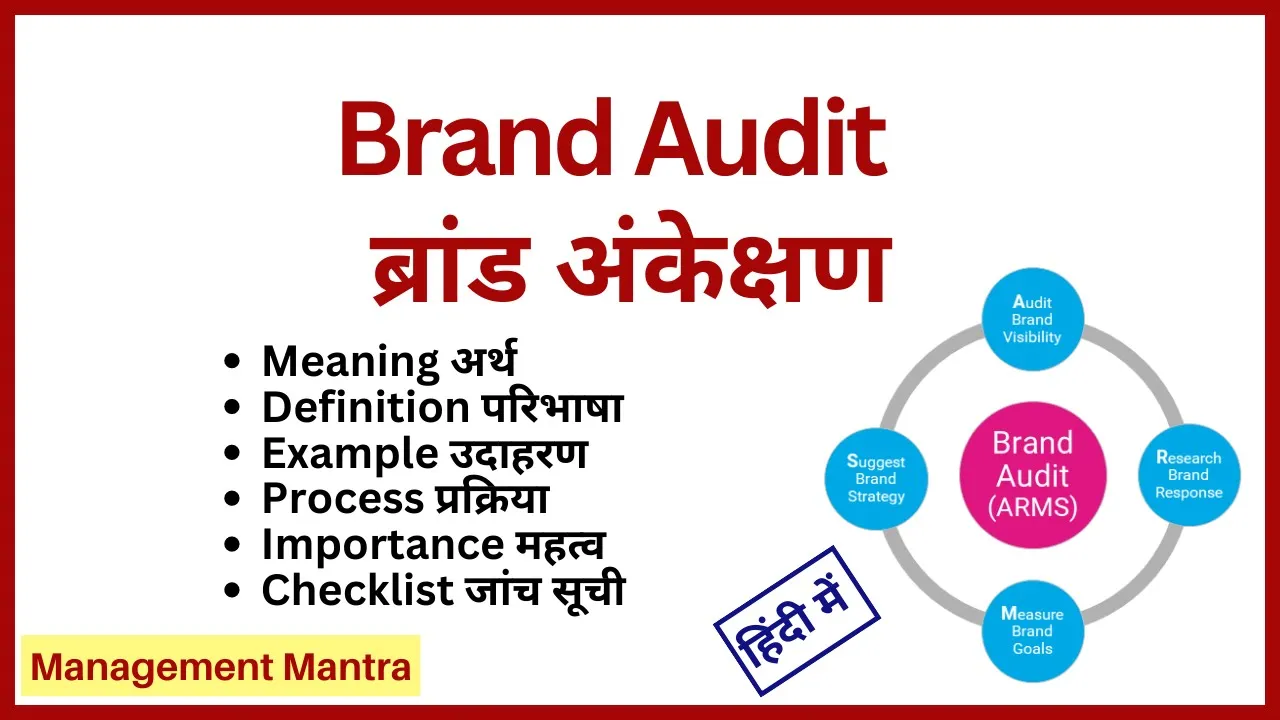
Conducting a Brand Audit: Learning how to systematically evaluate a company's current brand positioning and consistency across all touchpoints.
Omnichannel Marketing Strategy: Implementing a seamless and unified brand experience across diverse digital and physical customer journeys.
Managing Brand Evolution and Rebranding: Understanding how to update or pivot a brand's identity without losing core consistency and customer trust.
Internal Branding and Employee Advocacy: Strategies for aligning internal company culture and employee behaviors with the external brand promise.
9.3K views300likes9:22Original Release: 2020-02-24
- Hi, everybody, welcome back.
Brand consistency is everything.
So I wanna talk to you about eight ways to make your brand more consistent.
(upbeat music) So in lots of organizations, particularly larger organizations, it's really easy for a brand to get lost.
There are a lot of people creating assets, their marketing departments and sales departments and production units, who are all creating assets for the brand constantly.
People develop alternate logos, or alternate colors, or grounds, or photography treatments, or tones of voice, that over time compile into just a jumbled mess, and they lose that aspect of consistency.
So the larger the organization, the more you have to pay attention to brand consistency because it's more easy for that consistency to get lost over time.
The smaller organization it's easier, but the things I'm gonna talk about in this video are just as important to small organizations as they are to large ones.
So what happens when a brand loses its consistency?
What happens is customers lose trust, it confuses them, they have a harder time recognizing the brand when they come across it across all the brands touchpoints.
And this creates a lack of trust, and trust is everything in branding.
So consistency and branding is paramount in maintaining and building customer trust.
It can also be confusing to internal teams.
So internal stakeholders have a tendency to kind of get confused about what the brand looks like, or what it sounds like or how it's supposed to show up.
So policing this aspect of your brand is a really important aspect of branding of managing a brand.
Now number one, the first thing is that you have to understand why brand consistency really matters.
Brand consistency projects, professionalism.
If you are haphazard, you show up in different ways, or you're not consistent in your visual branding, your verbal branding, in your product branding, people think you are less professional.
That's just a fact.
So by being consistent it establishes a level of authenticity, it's staying true to your core reason for being.
It provides clarity in what you do, who your company is, who you're trying to serve and what you stand for.
It builds that level as I said before of customer trust, and it also offers an internal direction.
So the stakeholders and employees of a company are very clear about what their company stands for, and how it's supposed to present itself in the marketplace.
Also having a consistent brand provides simplicity to all the actions that you take.
Not only does it provide simplicity to the customer in how they experience the brand, but it also is providing simplicity to the stakeholders and the people who are doing work for the brand.
So the marketing department, the production people, the product designers, having a simple and clear brand also makes it clear to them what they're supposed to do, so they are not floundering around and trying to find solutions that there are answers for or that they have to invent themselves.
Number two brand identity and a consistent brand affect business success.
WPP which is one of the largest holding companies of agencies in the world at a study where they've discovered that if you have a consistent brand, your company is three times as likely to last 10 years in business than one that isn't.
Brand identity links directly to a business plan into a business's strategy.
It's not just a pretty picture.
Your brand design is a strategic exercise and strategic expression of what your company and what your brand is.
The colors, the fonts, the logos, the imagery, they all communicate through something called semiotics, which is a scientific interpretation of what symbols are perceived to mean.
When people understand this, that branding and brand consistency is linked to strategy, and that brand design is linked to semiotics and how people perceive things, they are much less likely to create their own thing to solve some particular problem.
It's a scientific exercise and it's very well documented, the consistency in branding and visual branding affects business success.
Number three is you wanna create a brand guide.
A brand guide or brand guidelines is essentially a Bible for the brand.
It includes all of your strategies, so things like brand mission, value propositions, differentiators.
It also kind of makes clear and codifies your tone of voice, your logo, your colors, your fonts, your photography treatment, your signing specifications, your media formatting, your photography and graphic styles, all sorts of things are illustrated in a brand guideline.
And then that brand guideline is trained throughout the organization, which leads me to number four.
Number four is you wanna share and disseminate that brand guideline, that brand Bible across the organization and you wanna train people in the usage of it.
It should be incorporated deeply into the whole organization.
It needs to be used and available to all departments, including the sales team, the marketing team, the product development teams, the production teams.
Also you wanna share it across third party vendors or freelancers or consultants or anyone that you do business with outside of your company because they're creating assets for your brand and they may not understand your brand tenants, your visual brand rules and guidelines as well as people do inside of the company.
So you will also want to disseminate your brand guidelines outside of the company to whoever is doing and creating assets, marketing assets, visual production assets for your company, so they don't go creating things on their own.
Now the fifth way you wanna maintain brand consistency is you wanna make sure you're doing regular audits of the brand, essentially policing the brand.
You wanna use the brand guidelines to look at all the branded assets that are out there on a regular cadence so you can kind of herd the cats and make sure that nothing is being done or put out into the world that's inconsistent.
The things you wanna look at are things like web pages, and social media posts, and brochures, and letterhead and business cards, presentation deck templates, you could look at store decor, and labels, and packaging, and music, and employee uniforms, just about everything that's a brand touch point you wanna make sure it's within the scope, then within the rules and guidelines of that brand Bible.
Number six is brand tone of voice.
Tone of voice is one of those things that gets forgotten about a lot of the times.
Your copywriting or your verbal tone of voice, how things are said either in social media, on video, on podcasts, the tone of voice of the brand needs to be consistent as much as the visual branding needs to be.
All of it should be the same.
Number seven has to do with core values.
Core brand values are what your organization stands for.
They are the pillars of your brand identity.
They're used to build relationships with clients and used to inform how you show up in every single brand touch point.
These are things like a mission statement, or an elevator pitch, how you talk about the brand, and what the values that the brand stands for are.
All of these need to be socialized or trained to all personnel within the organization.
So they're all as we say singing the same song, they are all talking about the brand in the same way, they're all personifying the values of the brand and everything that they do.
Now number eight seems a little counterintuitive, and that is that all brands evolve.
Brands and brand consistency, doesn't mean that a brand is static and never ever changes.
All brands change over time.
Look at Coca Cola, Coca Cola has been around 100 years, the logo is still relatively the same except their branding, their tone of voice, their advertising, their marketing, their design has changed dramatically over that 100 years, but I guarantee you because they are the most recognized brand in the world, those choices to change and evolve the brand have been very planned for and very strategic over time.
So you have to accept that society changes, products change, companies get acquired, people come and go, the aesthetics, you know, in design change.
A brand has to evolve, but you wanna make sure that the changes in your brand are strategic, they are thought through and that they're then communicated through the organization so everyone knows what's going on, and is following the guidelines in the brand Bible to maintain that level of consistency.
So that's it, I hope you enjoyed this video on eight ways to maintain brand consistency.
And if you did, please hit subscribe and ring that notification bell so you can get alerted when I go live or when I post something new.
Visit me at philipvandusen.com if you need help with your brand strategy, your brand design or your professional creative career, reach out to me and let's see what we can do to take it to the next level.
And with that, thanks again for watching.
Bye for now.
(upbeat music)
Up Next

50:38
Franchise Sales Machine: Strategies for Sustainable Growth
@IgniteVisibility
7.2K views•2025-10-14

12:54
Triumph of Orthodoxy Icon: Byzantine Art & History Explained
@BenCallan
2.1K views•2024-08-06

9:49
FastAPI vs Flask vs Django: Choosing the Right Python Web Framework
@TechWithTim
302.5K views•2024-05-26

1:42
Game of Thrones Opening Credits: A Cinematic Analysis
@gameofthrones
46.3M views•2011-04-18
Related Study Plans & Knowledge Roadmaps
Structured learning paths in General & Interdisciplinary Studies
general-studies
Elevator Engineering: History, Physics & Cities
01From Hoists to Safety Brakes: The Dawn of Vertical Lift
02Hydraulic vs. Traction: The Engineering Physics of Elevators
03Modern Speed, Safety, and Algorithms
+ 2 more learning modules
12h5 modules
Explore Roadmap
general-studies
Rubber: Material Science, History & Geopolitics
01Origins of Natural Rubber & Mesoamerican History
02The Chemistry of Natural Rubber & Vulcanization
03The Geopolitics of the Rubber Boom & Colonization
+ 2 more learning modules
12h5 modules
Explore Roadmap
general-studies
Containerization: Evolution, Logistics & Trade
01Ancient Trade & Bulk Cargo: Amphorae to Barrels
02The Industrial Revolution & Cardboard Packaging
03The Containerization Revolution: Malcom McLean
+ 2 more learning modules
12h5 modules
Explore Roadmap
general-studies
Textile Tech: Evolution, Labor & Global Impact
01Pre-Industrial Textiles: Handloom & Cottage Industry
02Mechanization: The Spinning Jenny to the Power Loom
03The Factory System & Global Labor Transformation
+ 2 more learning modules
10h5 modules
Explore Roadmap