




![UKRAINA RAPORT z WALK 25 CZERWCA 2023 - BUNT! [ANALIZA]](https://i.ytimg.com/vi/Bzx2UZF0wX8/maxresdefault.jpg)





![[Online HILAC lecture] International humanitarian law and non-state actors](https://i.ytimg.com/vi_webp/wklSlaKmBq0/maxresdefault.webp)


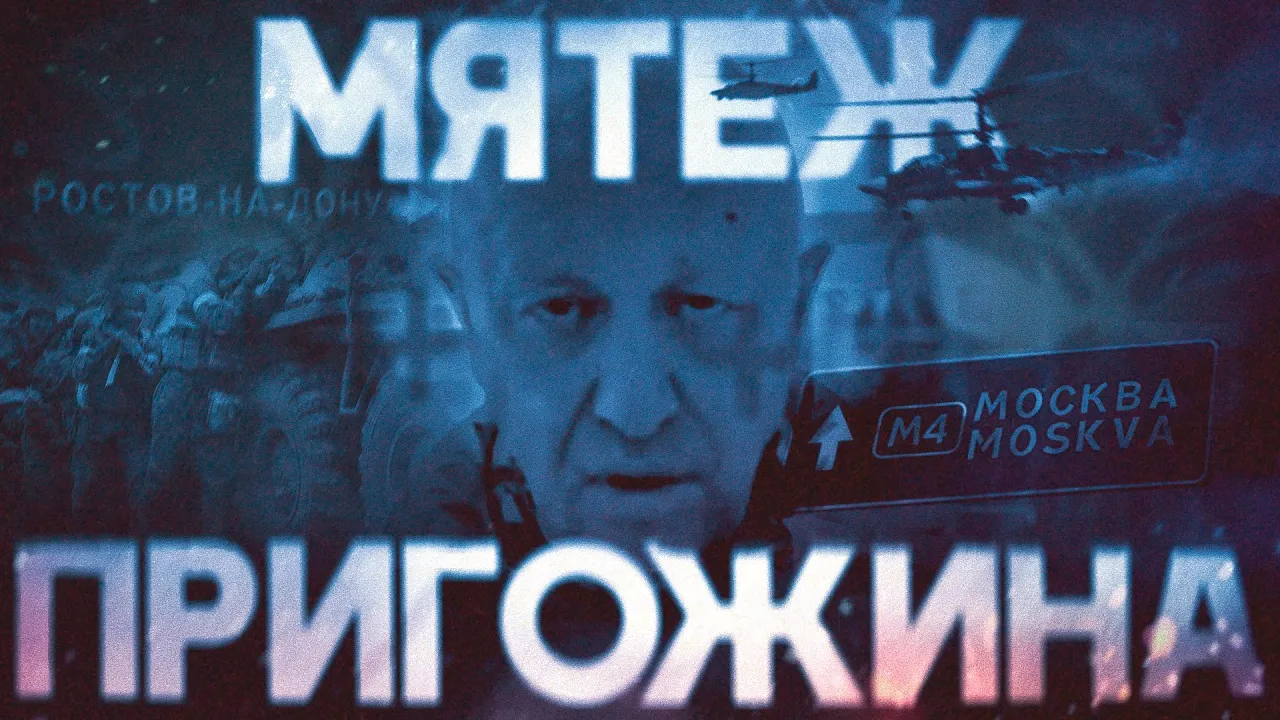
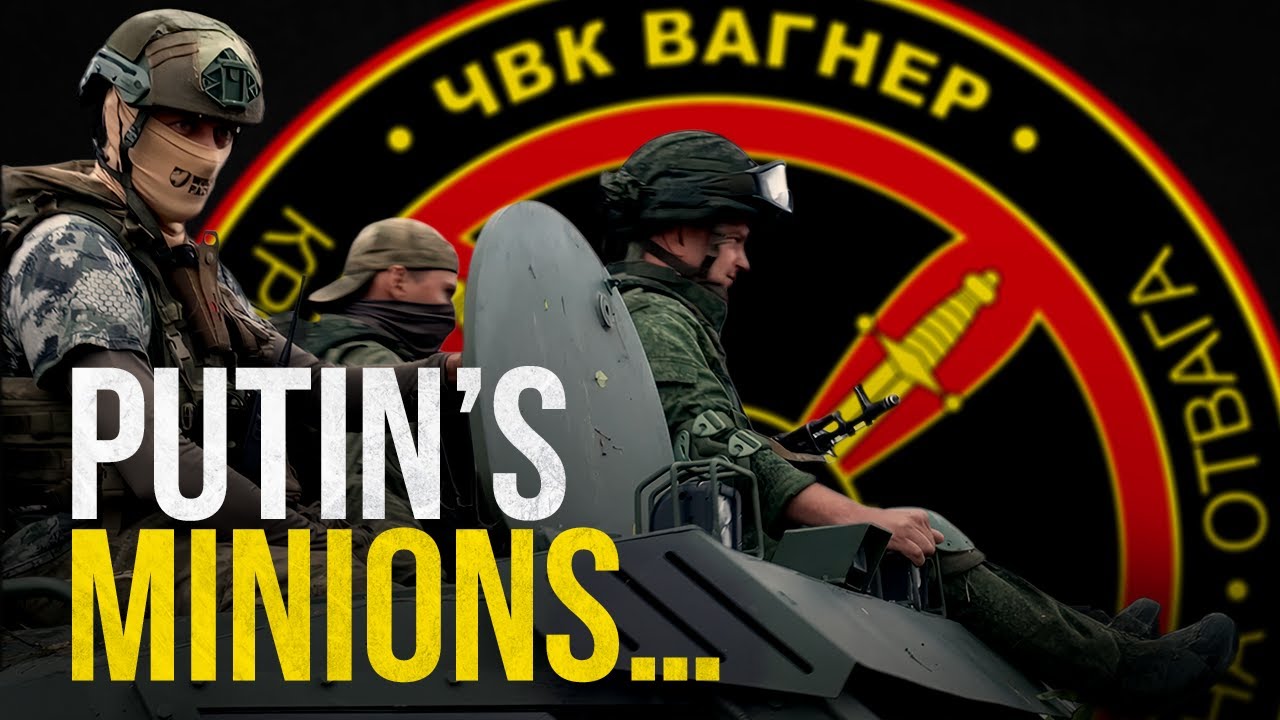
The Wagner Group's armed mutiny against the Russian state in June 2023 revealed how private military companies can challenge state authority when their strategic value diminishes; originally created to supplement Russian forces in Ukraine with mercenaries and resource extraction operations across Africa and the Middle East, Wagner's effectiveness declined as Russia imposed conscription, leading to tensions that culminated in a rebellion that forced a deal with Belarus and highlighted the risks of outsourcing military operations to unaccountable private entities.
Wagner Group Revolt: Implications for Russia and Global Mercenaries
Added:The origins and progression of the Russia-Ukraine conflict, particularly the post-2022 escalation where the Wagner Group played a prominent combat role.
The basic concept of Private Military Companies (PMCs) and how they differ from official state military forces in terms of command structure and legal status.
The political landscape of modern Russia, specifically the power dynamics between Vladimir Putin, the official Ministry of Defense, and informal patronage networks.
The background of Yevgeny Prigozhin and the rise of the Wagner Group as a tool for Russian foreign policy in Syria and various African nations.
The immediate and long-term aftermath of the June 2023 mutiny, including the death of Yevgeny Prigozhin and the rebranding of Wagner forces into the 'Africa Corps'.
The geopolitical implications of Russian PMCs operating in Africa, focusing on regime survival, resource extraction, and counter-insurgency in countries like Mali and the Central African Republic.
International humanitarian law regarding non-state actors, specifically the legal loopholes and challenges in prosecuting PMCs for war crimes.
A comparative study of global private security actors, contrasting the state-dependent Russian PMC model with Western security contractors like Academi (formerly Blackwater).
263.3K views1.8Klikes8:17Original Release: 2023-07-13
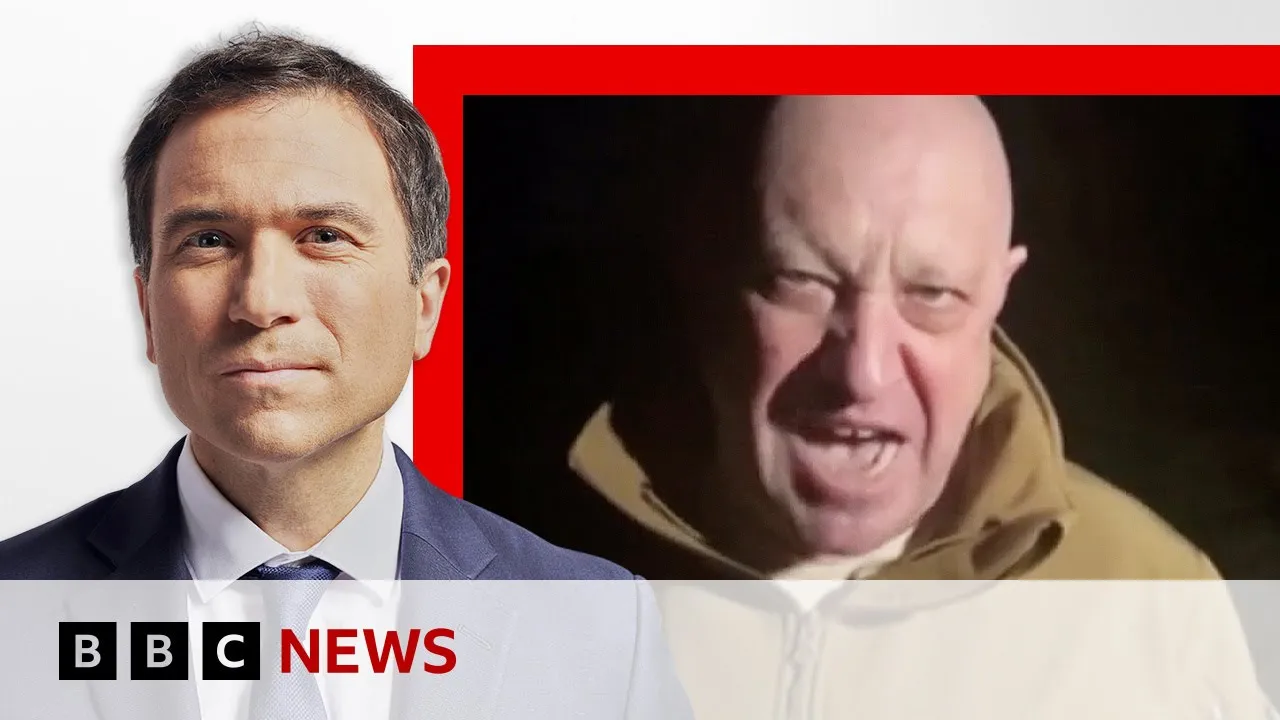
Uncertainty and confusion over Putin's authority now front and center following this weekend of rebellion in Russia.
Putin had one of his worst weekends ever.
This act, one of a five act play.
And is there more to come?
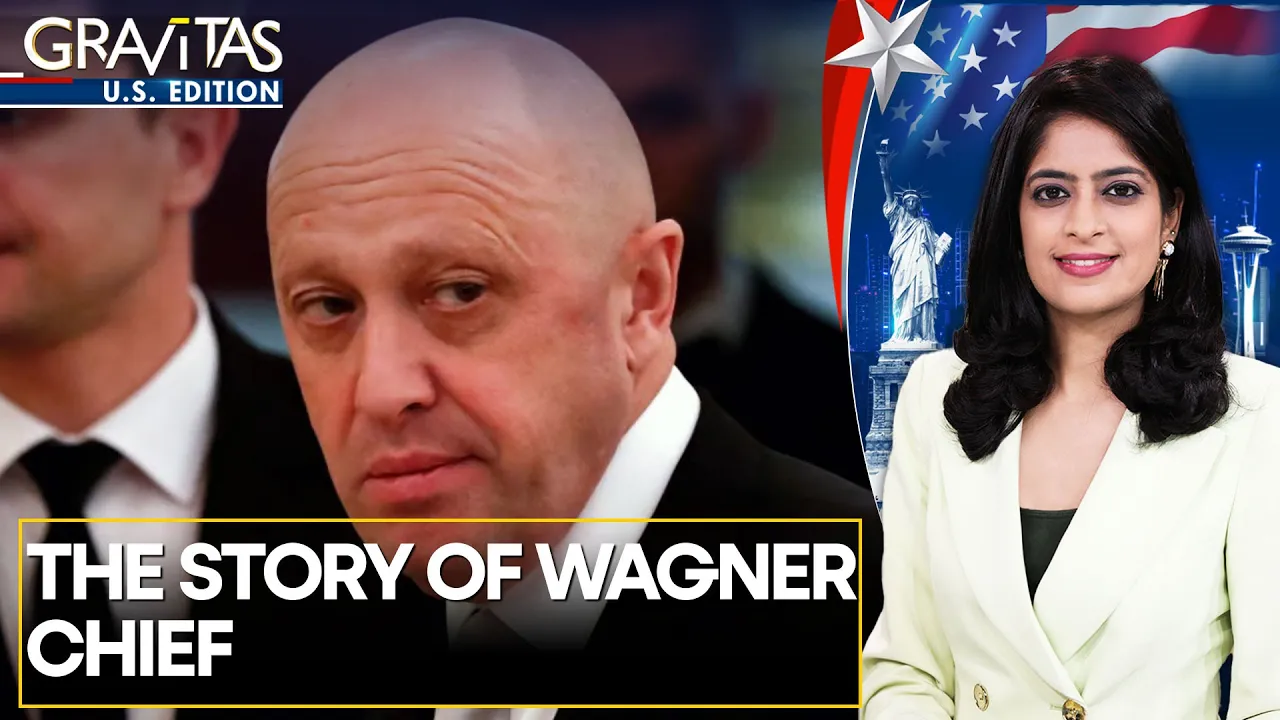
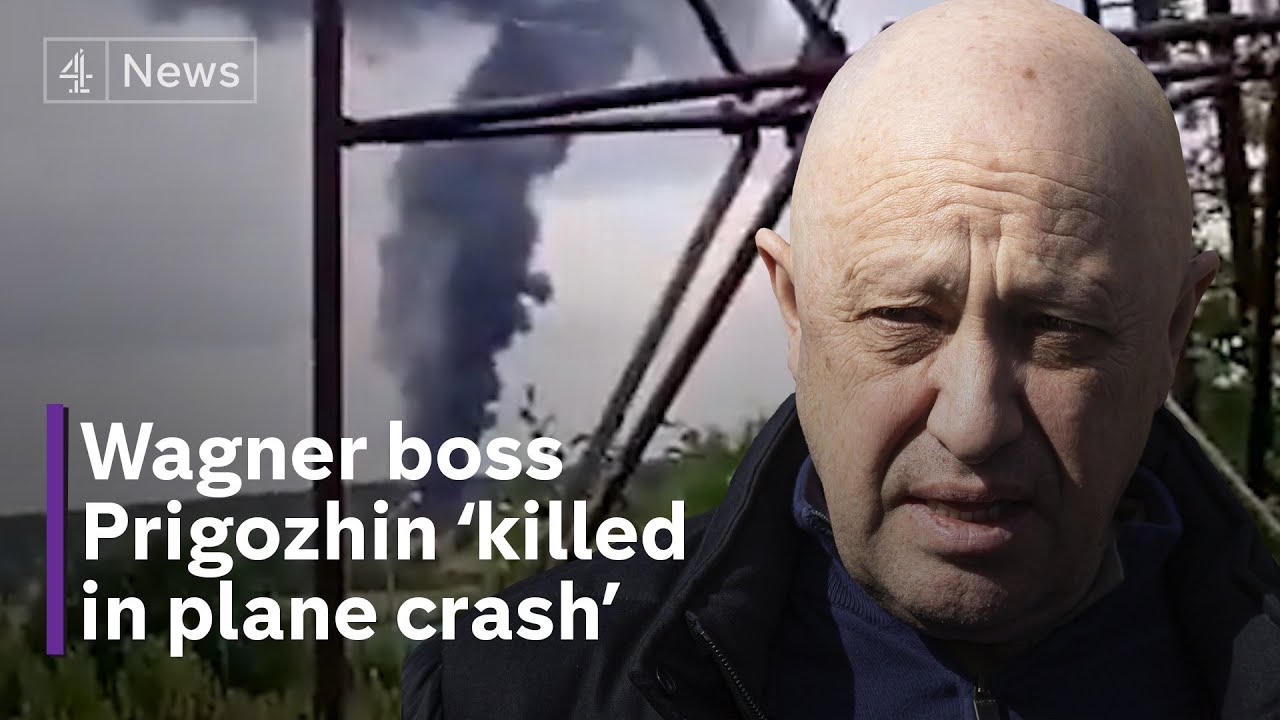
The future of Wagner Group and its mercenary leader, Yevgeny Prigozhin, remains murky following the armed mutiny against the Russian state.
Until recently, Russia denied the existence of Wagner. There was an.
Incentive to not make the footprint of the organization too big.
But over time, that sort of went out of the window.
The Wagner Group's activity isn't limited to war torn Ukraine.
These are.
Mercenaries. And, you know, they sell their services to people who are willing and able to pay them.
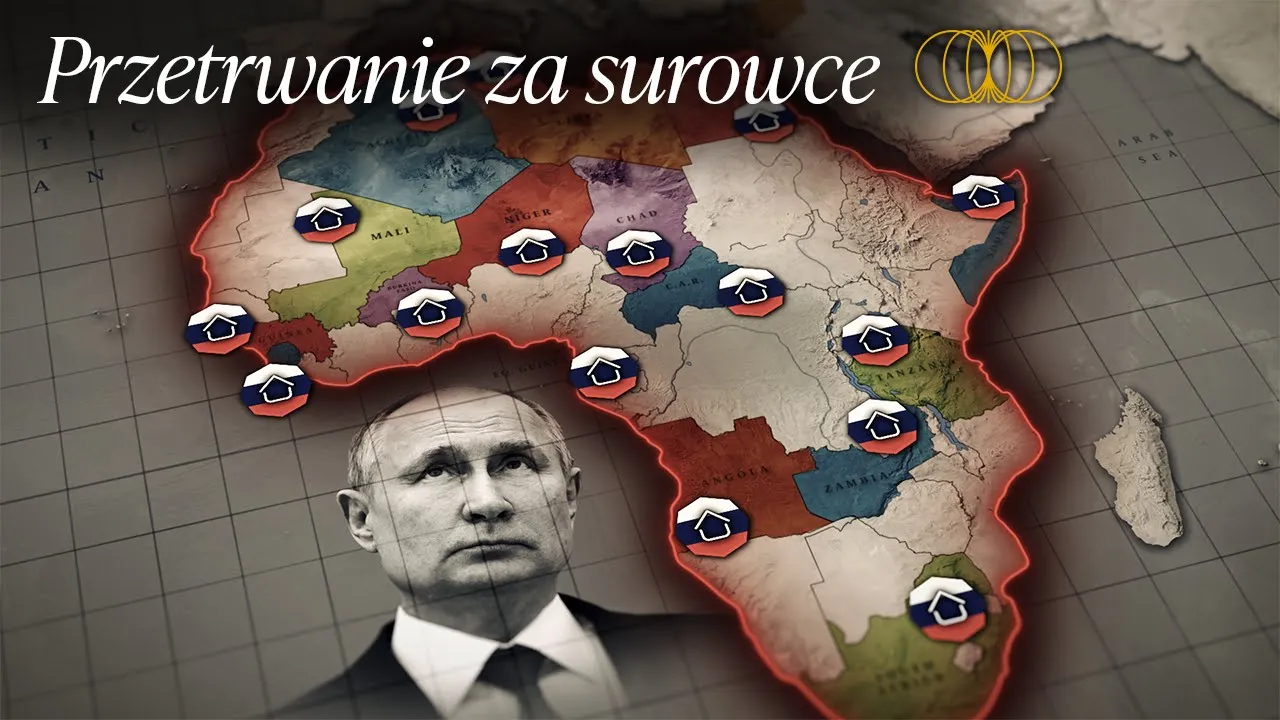
So the big countries where they're operating today are Mali and Central African Republic.
They also operate in Libya and Sudan.
But those are kind of smaller deployments.
Securing access to lucrative resources appeared to be a key motivator of Wagner Group business operations there.
In diamonds, gold, forestry, coffee and alcohol and probably other sectors that we don't know about yet.
If we're talking about Syria.
There was certainly other business related things, such as agreements to liberate oil fields, quote unquote, in exchange for revenue cuts.
Once the war in Ukraine reached a new stage with the full on invasion by Russia in 2022, Vladimir Putin's failure to rapidly take over the country led to a need for more troops.
He tried to outsource a lot of the burden of fighting the war to Wagner, but.
Heavy losses led to a drop in recruiting standards.
What was once an organization made up of former Russian military members started to take on more employees without a military background, including convicts.
Heavy fighting continued to take its toll, and Wagner's leader bemoaned the lack of support from the Russian state on the front lines in Ukraine.
The military increasingly saw the Wagner group of mercenaries as a threat.
Questions remain If Wagner started the armed mutiny as a way to force a contract negotiation with the Kremlin, or if this was a desperate ploy by Prigozhin to stay relevant in the world of Russian power politics.
But whatever happens next could have big implications for Vladimir Putin and the Kremlin.
How did it get to this point?
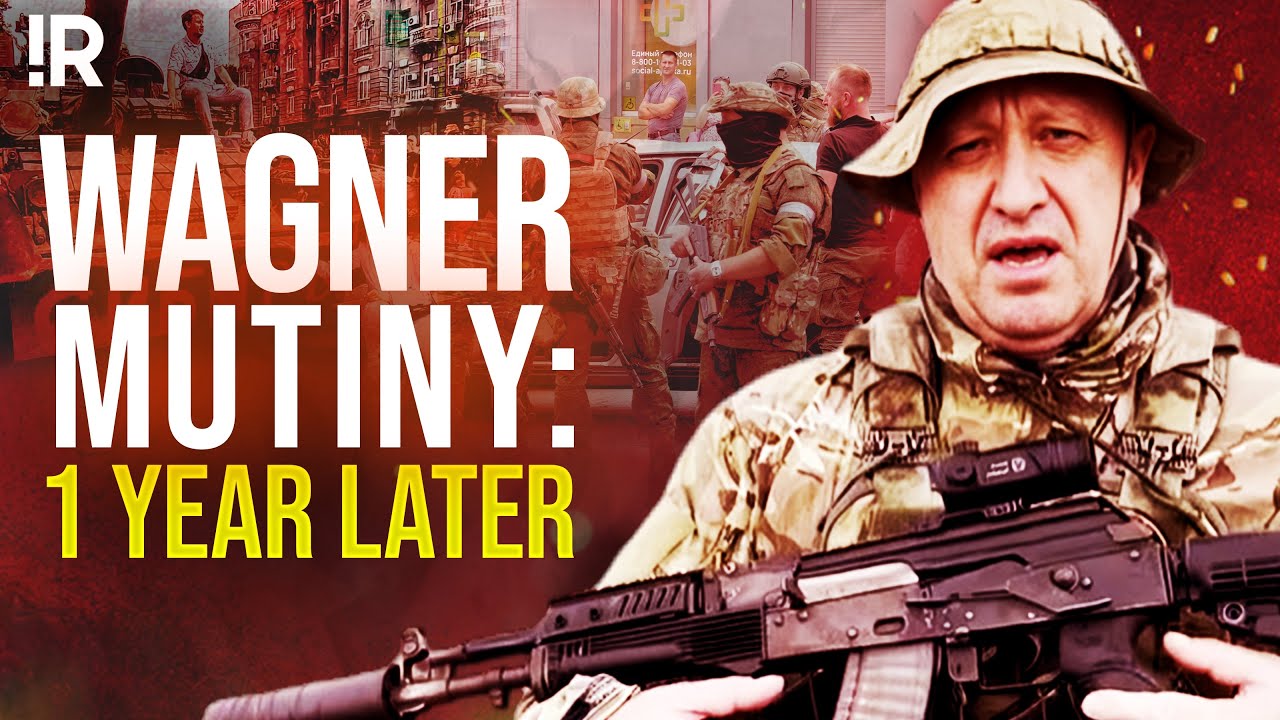
Right. Months of tension between the head of Wagner, Yevgeny Prigozhin, and the Russian military came to a head in late June.
A private Russian military organization is accusing the Russian military of launching strikes on its training camps and killing troops.
After marching on Rostov on Don.
He sent an armed convoy towards Moscow that caused Russian President Vladimir Putin to declare an armed mutiny was underway in a video statement. The mercenary force ended its rebellion after the leader of Belarus, Alexander Lukashenko, brokered a deal with Yevgeny Prigozhin. The details of this deal and the long term effects remain unknown.
Over the longer term.
I think that this probably has done some damage to Putin politically.
And the murky missions Wagner is involved in across the globe are likely another factor in this brokered deal. These operations bring in huge sums of money.
It's in the millions and billions of dollars definitely moving towards the billions.
The issue is that it's it's very hard to kind of kind of get an exact idea just because of the illicit channels that that Wagner is using in order to export things.
And also the number the sheer number of shell companies that they use, because not only do they change their names in the businesses that they're running, but all of the companies that they then export out of also have shell names and then they use a variety of middle traders.
A camp has been reportedly laid out in Belarus, which could end up housing Wagner members who are not absorbed into the Russian military. But what comes next for the group and its leaders has yet to play out. Private military companies are nothing new. Governments have hired mercenaries throughout history to provide security guard elites and fight in wars during the global war on terror. The US used private military companies and security contractors extensively.
Blackwater was sent in to fulfill specialist functions. It wasn't set in to just become a force multiplier, you know.
Yes, to some degree.
Russia was imitating a phenomenon that it first saw in the West.
It did so in a in a highly distorted, much more disorganized, much more unscrupulous way.
Hal Wagner operates in countries such as the Central African Republic are what sets it apart from other modern PMCs.
Wagner group will get involved in these countries at the same time that the Russian state is involved in large kind of military assistance programs.
Often they kind of get into these side operations that are more building their own business.
So basically a lot of resource extraction projects, which is often how they finance themselves or how they kind of make economic agreements with the with the state in order to stay in these countries.
Having an organization that isn't officially under Russian government control has open doors to agreements that otherwise would likely remain closed.
The resources that they generally go after are precious metals.
That's that's the biggest one because it's relatively easy to export and relatively easy to smuggle. We can surmise that a lot of it is in fact going back to the Russian state.
So in that way it's it's helping the Russian state at a time where their precious metal reserves are incredibly low.
The core of Wagner's troops included the battle hardened personnel who gained their expertise by serving in the Russian military. As the war in Ukraine wore on, Wagner losses began to mount, and the group was forced to turn to convicts to bolster numbers. Meanwhile, Vladimir Putin found himself with a manpower shortage in the regular Russian military.
He did not want to impose martial law.
He did not want to impose a widespread conscription on the Russian people.
So he tried to wage this war on the cheap, so to speak.
The combination of well-trained soldiers and convicts with nothing to lose created an organization that at times was effective on the battlefield. But high losses and a new strategy by Russia changed the dynamic for Wagner.
Late last summer, early last fall, Putin bit the bullet, so to speak, and imposed a partial conscription.
This new wave of mobilization and a change to Russian strategy made Wagner less critical to Putin's war in Ukraine.
And I think that's part of the reason why the regular Russian military finally said to Wagner, okay, enough. Your fighters are going to have to sign contracts with us because they weren't as dependent on Wagner today as they were a year ago.
Wagner's mutiny may stand out as a warning to other countries that outsource war fighting to private companies. But it's also possible that Wagner emerges from this critical juncture in an entirely new position than before.
One of the challenges that the Russian government has is that you don't build up an organization like Wagner overnight. So if they do plan to liquidate the whole organization, which I'm skeptical of, it would be a very costly, cumbersome process that I'm not sure the Russian state wants to take on right now.
As for Prigozhin and his senior commanders, my guess is no.
They are not willing to be subordinate to the regular Russian military.
There's no love between them and the Russian high command. There's a great deal of of animosity.
Whatever happens to Wagner, it's unlikely that there will be a decrease in demand for mercenaries around the globe.
You're going to have a scenario where you see a lot more of these groups popping up that look like Wagner. They could be state sponsored.
They could not be. But sort of the expansion of of the the mercenary phenomenon on the African continent, it could be very problematic because they tend to commit a lot of human rights violations.
As immune as Vladimir Putin has seen during his time in power. It's possible this armed mutiny could create cracks in the facade.
Putin is scheduled to face a presidential election in March of 2024.
That's only a few months from now.
And I'm relatively certain that at least some Russian elites are wondering whether he is the horse to back in that election campaign or not.
I think a lot of this is going to depend on what happens in the battlefield.
Up Next

24:51
US-Israel vs Iran: Proxy Forces and the Regional War | Geopolitical Analysis
@CRIMECHRONICLES-c4k
1.3K views•2026-03-17

24:30
BRICS Pay and de-dollarization: A New Financial Order Emerges? | 55 chars
@DannyHaiphongYT
164.6K views•2024-10-22

52:44
Lebanon's Financial Crisis: Former FM Gebran Bassil at Davos 2020
@CNBCInternationalLive
371.1K views•2020-01-23
10:19
Explaining the Saudi-Iranian Proxy Conflict in the Middle East
@Vox
18.2M views•2017-07-17
Related Study Plans & Knowledge Roadmaps
Structured learning paths in Political Science
political-science
Economic Statecraft: Sanctions & Chokepoints
01Foundations of Geoeconomics and Economic Statecraft
02The Mechanics of Weaponized Interdependence
03International Sanctions: Types, Implementation, and Efficacy
+ 2 more learning modules
12h5 modules
Explore Roadmap
political-science
Central Bank Independence: Politics & Policy
01Foundations of Central Banking and Monetary Policy
02The Time Inconsistency Problem & Inflation Bias
03The Delegation Model and Designing Independence
+ 2 more learning modules
12h5 modules
Explore Roadmap
political-science
Consociationalism: Power-Sharing & Stability
01Democratic Dilemmas in Divided Societies
02Introduction to Consociational Democracy
03The Four Pillars of Consociational Design
+ 2 more learning modules
12h5 modules
Explore Roadmap
political-science
Rebel Governance: Legitimacy, Economy & State
01Foundations of Rebel Governance and Statehood
02Establishing Political Legitimacy and the Rebel Social Contract
03Wartime Economies and Rebel Resource Management
+ 2 more learning modules
14h5 modules
Explore Roadmap